For years I planned winter trips the same way everyone does: a crowded ski town or an overpriced beach, with nothing in between. Then I started asking locals where they would send a friend in January, and the answers had nothing to do with either. They talked about crab season on the Sea of Japan, a wind in northern Italy strong enough to need handrails, and a mountain you can ski on after taking a city bus. The six cities below are the ones that came up again and again. Each has something you can only get in the cold months, and each is quieter, cheaper and friendlier between December and February than at any other time of year.
Quick Guide: Underrated Winter Destinations
- Primary recommendation: Kanazawa, Japan, for snow-dusted gardens, a crab season locals plan their winter around and oden bars that have been simmering broth since the 1920s.
- Top choice for winter sun: Funchal, Madeira, where January afternoons sit around 18°C. Insider tip: go to the market on the night of 23 December, when the whole city turns up to eat and sing.
- Value pick: Sofia, Bulgaria, for skiing on Vitosha within reach of city buses, free hot mineral water from a public fountain and hearty winter stews at local prices.
- Best for food lovers who hate the cold: Taipei, Taiwan, with mild winters, ginger duck season and hot springs a metro ride from downtown.
- The best way to see each city: Take a private, personalised walking experience with Lokafy in any of these six cities and discover the winter routines locals have kept for generations, with a local who lives there.
What Makes a Winter Destination Underrated?
An underrated winter destination is a city that gets far fewer visitors in winter than it deserves, usually because people associate it with summer or have never thought of it at all. The best ones offer something seasonal you cannot get in July, such as a food that is only caught or cooked in the cold months, a winter festival or a landscape that changes completely under snow. You also get lower hotel prices, restaurants with free tables and locals who have time to talk.
1. Kanazawa, Japan: Snow, Crab and Oden

Many visitors to Japan in winter head straight for Hokkaido. Kanazawa, on the Sea of Japan coast about two and a half hours from Tokyo on the Hokuriku Shinkansen, gets plenty of snow too, along with far fewer crowds and some of the best seafood in the country.
Why go in winter
Every year from 1 November, gardeners at Kenrokuen tie hundreds of ropes from the tops of tall poles down to the branches of the garden's pine trees. This is called yukitsuri, and it stops heavy, wet snow from snapping the branches. The cone-shaped ropes are the image locals associate with winter here, and they look their best after a fresh snowfall. On a few evenings each February, the garden also opens for a free winter light-up.
Then there is the crab. Ishikawa's male snow crab, sold under the name Kanō-gani, is in season from 6 November to 20 March. The smaller female crab, kobako, has a much shorter season in November and December, and many locals prefer it for its roe. When buying, look for the blue tag that confirms the crab was landed at an Ishikawa port. Prices range from around 1,000 yen for a small kobako to 20,000 yen for a large male.
Where locals eat
Kanazawa has its own oden style, and winter is when the city's oden bars fill up. Akadama Honten in Katamachi has been serving it since 1927. Oden Kikuichi in Korinbo, open since 1934, is credited with inventing kani-men, a crab shell packed with the crab's meat and roe and simmered in the broth. It is only served during kobako season and some places do not offer it at all, so ask before you sit down. Miyuki in Katamachi is the one with queues; it opens at 16:00 and closes on Sundays, holidays and the second Monday of the month.
For crab in its simplest form, go to Omicho Market in the morning, where locals buy the first catch of the season.
A one-day winter plan
Start at Omicho Market for a crab or seafood rice bowl. Walk to Kenrokuen mid-morning, when the light hits the yukitsuri ropes. Spend the afternoon in the Higashi Chaya teahouse district, where the wooden facades look their best against snow. Finish with oden in Katamachi, and order kani-men if the season allows.
Local tip: Kanazawa snow is wet and heavy, not powdery. Waterproof shoes matter more than a thick coat.
Take a private, personalised walking experience with Lokafy in Kanazawa and find the crab and oden spots locals queue for.
2. Trieste, Italy: Coffee, Bora and Bean Soup
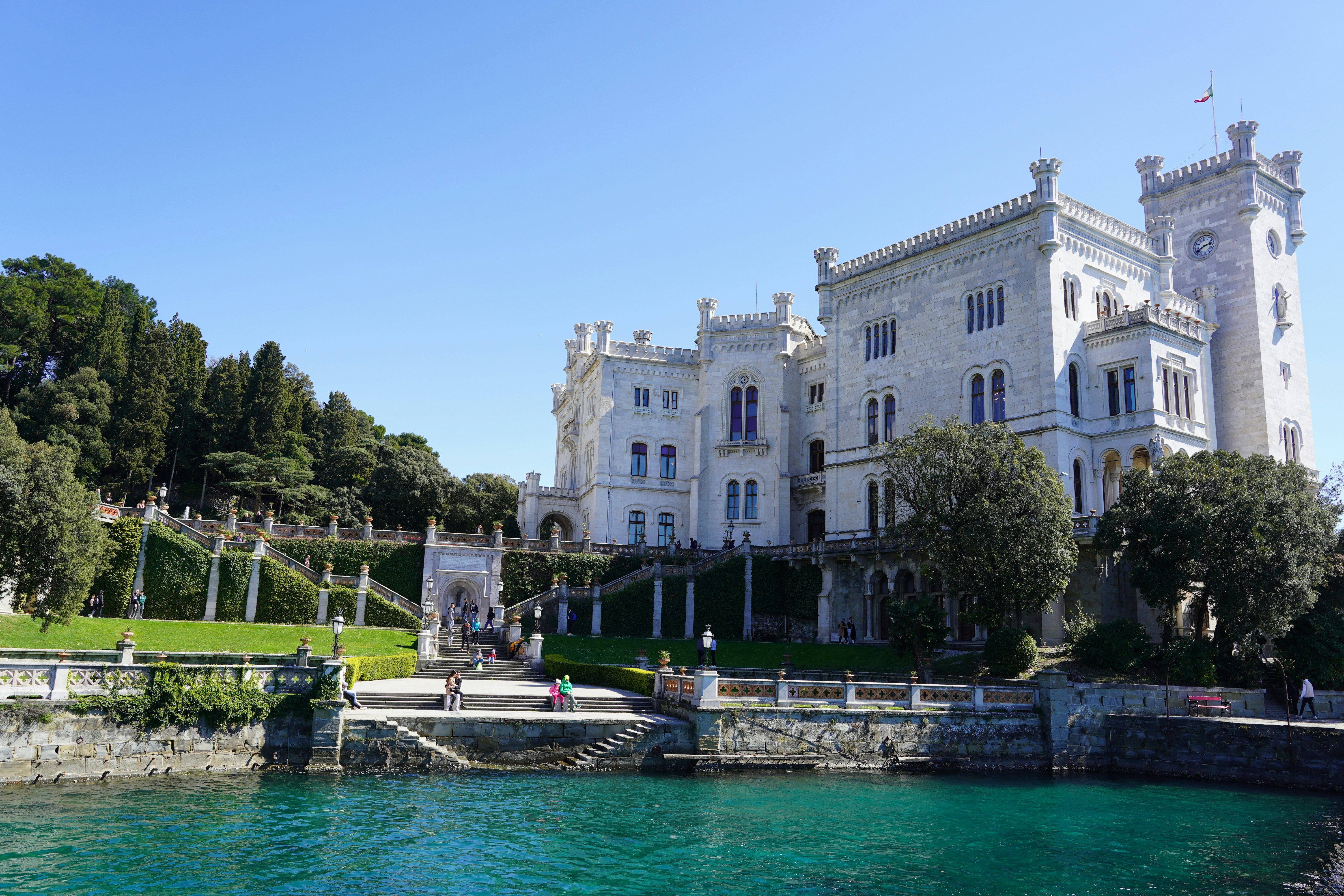
Trieste sits at the far northeastern corner of Italy, wedged between the Adriatic and the Slovenian border. In summer it is a seaside city. In winter it belongs to the bora.
Why go in winter
The bora is a cold northeasterly wind that drops off the Karst plateau onto the city, mostly in winter. Gusts in the city regularly pass 120 km/h, and the strongest come close to 200 km/h. During a strong bora, the city occasionally stretches ropes and chains along downtown pavements so people have something to hold on to. Locals talk about it with something close to pride, and the clear, blue days that follow a bora are some of the brightest of the year.
Winter is also when Trieste's café culture makes the most sense. The city has its own coffee vocabulary: ask for a nero for an espresso, a capo for a macchiato and a capo in b if you want that macchiato in a small glass. Antico Caffè San Marco on Via Cesare Battisti opened in 1914 and still has a bookshop inside. James Joyce, Italo Svevo and Umberto Saba all spent time there.
Where locals eat
The dish locals reach for when the bora is blowing is jota, a thick soup of beans, sauerkraut and potatoes that comes from the city's farming past. Order it anywhere it appears on a chalkboard.
Trieste's buffets are the other winter institution. These are Austro-Hungarian style canteens serving boiled pork, sausages and sauerkraut. Buffet Da Pepi on Via della Cassa di Risparmio 3 is the classic. It opens Monday to Saturday from 8:30 to 22:00 and has shorter hours on Sundays.
A one-day winter plan
Have a capo in b at San Marco, then walk down to Piazza Unità d'Italia and out along the Molo Audace pier, if the bora allows it. Lunch at Da Pepi. In the afternoon, take the bus up to the Karst and walk the Strada Napoleonica, a cliffside path with views over the whole Gulf of Trieste. Come back down for a bowl of jota.
Local tip: Check the forecast for bora warnings before planning a day on the water or a walk to Miramare Castle. On strong days, stick to the cafés and the Karst.
Take a private, personalised walking experience with Lokafy in Trieste and learn to order coffee like a Triestino.
3. Sofia, Bulgaria: Skiing on the City's Doorstep
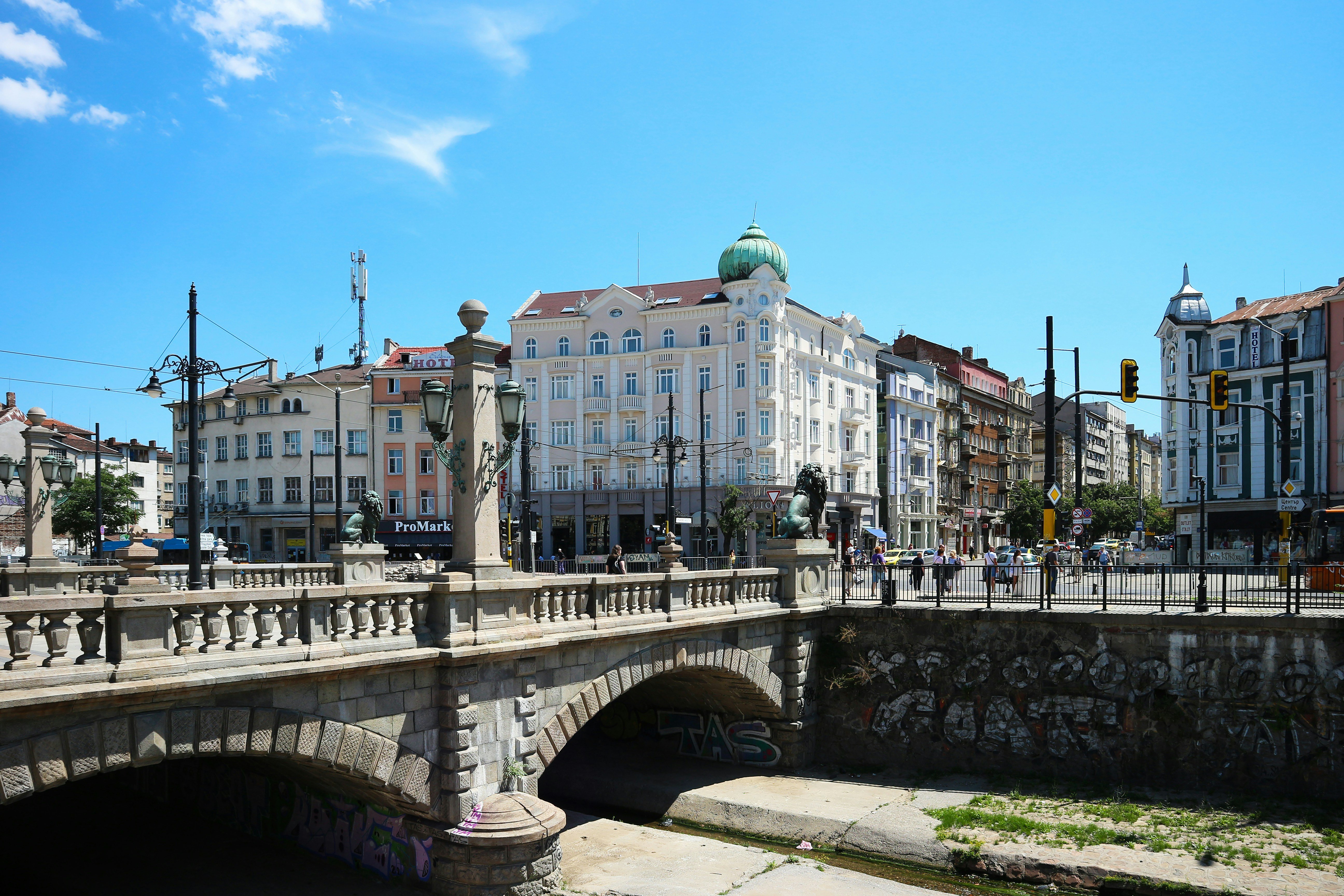
Few European capitals let you go from a city café to a ski slope in under an hour. Sofia does, and it still costs less than almost anywhere else in the EU. Bulgaria switched to the euro on 1 January 2026, so prices are now easy to compare.
Why go in winter
Vitosha Mountain rises straight up from the southern edge of the city. The Aleko ski area has around 20 km of runs, most of them easy or intermediate, and a gondola runs up to it from the Simeonovo district. The season usually starts in mid-December and runs into April, snow permitting, and a day pass for adults costs around €29. Lift status changes with the snow, so check before you go.
Down in the city, look for the fountain in the park beside the old Central Mineral Baths, a 1908 building that now houses the Museum of Sofia. The taps give free hot mineral water, and on cold mornings you will see locals queuing to fill bottles. On the way back down from Vitosha, stop at Boyana Church, a UNESCO-listed church at the foot of the mountain with 13th-century frescoes.
Where locals eat
Start the day the Bulgarian way with banitsa, a flaky pastry filled with cheese and egg, and a cup of boza, a thick, slightly sour fermented grain drink. Bakeries all over the city sell both.
For dinner, Izbata Tavern in the centre is popular with locals, so book ahead and order kapama or kavarma, two slow-cooked stews made for cold nights. Hadjidraganov's Cellars serves its kapama with a sarma on top and often has live folk singing. If you want a big mixed grill, Skarabar has three branches around the city.
A one-day winter plan
Banitsa and boza for breakfast, then a morning on the slopes at Aleko or a winter walk on Vitosha if you do not ski. Stop at Boyana Church on the way down. In the afternoon, fill a bottle at the mineral water fountain and walk to the Alexander Nevsky Cathedral as the light fades. End with kapama and a glass of Bulgarian red.
Local tip: Sofia's air can be smoggy on still winter days. Getting up onto Vitosha is the local fix.
Take a private, personalised walking experience with Lokafy in Sofia and see the city's hidden mineral springs and winter food spots.
4. Funchal, Madeira: Winter Sun with a Party Attached
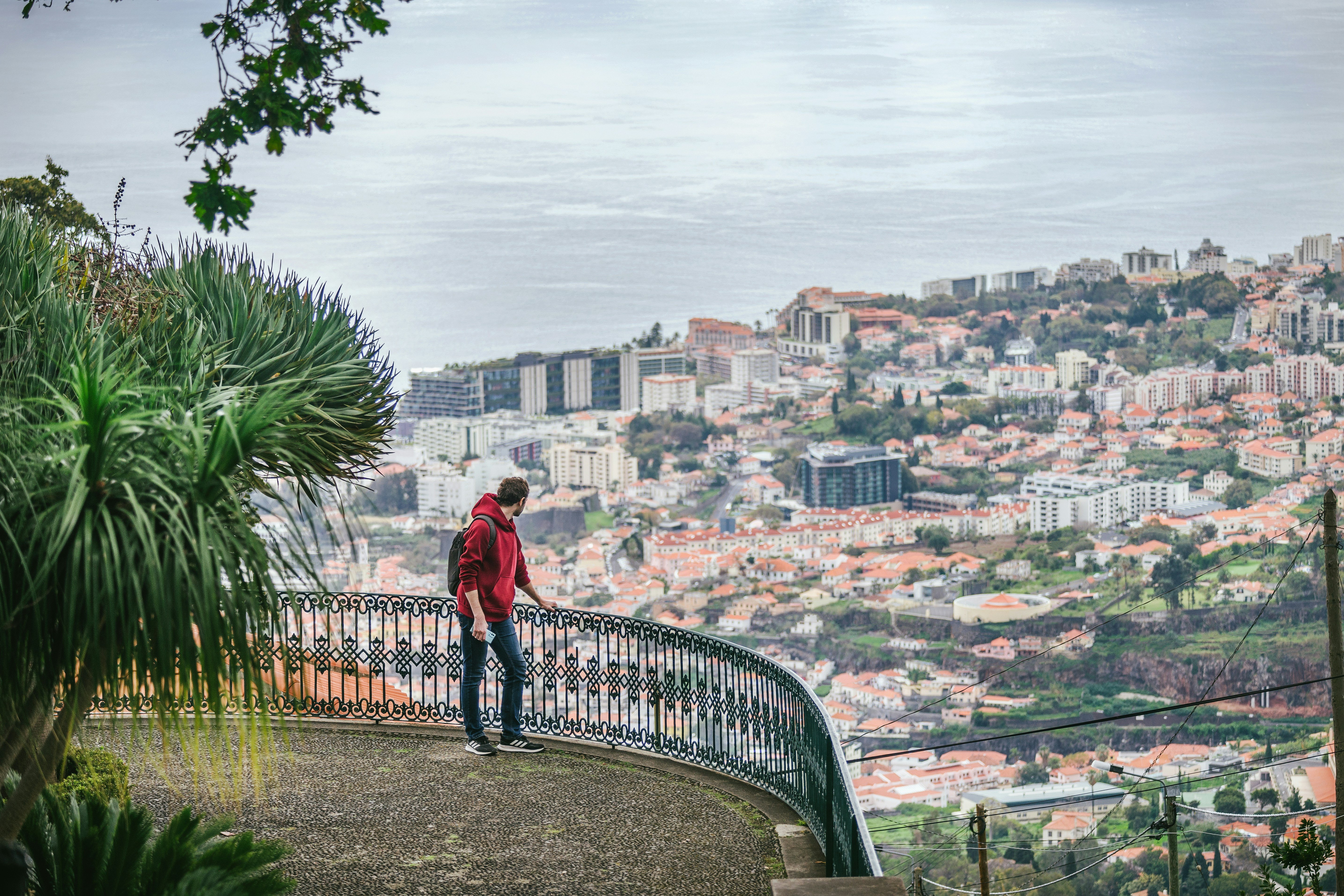
If you want warmth without flying long-haul, Funchal is the answer most Europeans never think of. Madeira sits in the Atlantic off the coast of Morocco, and its capital stays mild all winter.
Why go in winter
January in Funchal averages highs of 18 to 19°C and lows of around 14°C. It is not beach weather every day, and January sees around 13 days with some rain, but it is warm enough to sit outside at lunch.
The bigger draw is Christmas. The city switches on its Christmas lights on 1 December, and they stay on until the first week of January. On the night of 23 December, the Noite do Mercado (Market Night) takes over the Mercado dos Lavradores, with food and drink stalls filling the surrounding streets and carols sung in the fish hall. Then on New Year's Eve, the fireworks display over Funchal Bay, which holds a Guinness World Record, lights up the whole amphitheatre of hills around the city.
Where locals eat
Spend a morning at the Mercado dos Lavradores, where the fruit stalls sell varieties of passion fruit and custard apple you will not find at home. Try bolo do caco, a flat sweet potato bread served warm with garlic butter, and finish with a poncha, Madeira's drink of sugarcane rum, honey and lemon.
A one-day winter plan
Morning at the market. Walk east into the old town and along Rua de Santa Maria, where artists have painted the doors of almost every house. After lunch, take a levada walk in the hills for a few hours of mountain air. Come back for the Christmas lights along the waterfront and a poncha in the old town.
Local tip: New Year's Eve hotels in Funchal fill up months ahead. If you are flexible, the first two weeks of December give you the lights without the peak prices.
Take a private, personalised walking experience with Lokafy in Funchal and see Madeira's Christmas traditions with someone who grew up with them.
5. Taipei, Taiwan: Hot Pot Season and Hot Springs

Taipei's winter is mild by European standards, with January highs around 19°C and lows near 14°C. Locals still bundle up and treat it as an excuse to eat, which is reason enough to go.
Why go in winter
Winter is hot pot season. Ginger duck (jiang mu ya), simmered with ginger, sesame oil and rice wine, is a cold-weather staple, and the restaurants that serve it are busiest for a few weeks in the heart of winter. Mutton hot pot (yang rou lu) is the other winter favourite, though in Taiwan it is almost always made with goat. Pop-up hot pot stalls appear around the city once the temperature drops.
Then there are the hot springs. Beitou, about 12 km north of downtown and reachable by MRT, has been a hot spring district since the Japanese era. The Beitou Hot Spring Museum, set in a 1913 public bathhouse, is free and opens Tuesday to Sunday from 10:00 to 18:00. Nearby, Thermal Valley steams away in a small park and is also closed on Mondays. The public outdoor bath near Xinbeitou Station closed in January 2025 for a major renovation, so check its status before you go. Many hotels in Beitou sell day passes for their private baths instead.
Where locals eat
Look for ginger duck shops with low stools and steaming pots on the pavement; the busier the pavement, the better. For night market food, Raohe Street Night Market in Songshan is smaller than the more famous Shilin and easier to walk end to end.
A one-day winter plan
Head to Beitou in the morning, visit the Hot Spring Museum and Thermal Valley, then book a private bath. Come back to the city for an afternoon in Dadaocheng, the old trading district along the river. In the evening, find a ginger duck restaurant, then walk off dinner at Raohe Night Market.
Local tip: Lunar New Year falls in late January or February. Many small family restaurants close for several days around it, so check dates before you book.
Take a private, personalised walking experience with Lokafy in Taipei and find the best ginger duck in the neighbourhood.
6. Tallinn, Estonia: A Medieval Old Town Under Snow

Tallinn gets busy with cruise passengers in summer. In winter the ships leave, the snow arrives and the Old Town gets its streets back.
Why go in winter
Tallinn's Christmas market fills Town Hall Square from late November until early January, with the city's main Christmas tree at its centre. Around the winter solstice, Tallinn gets only about six hours of daylight, so plan your sightseeing for late morning and early afternoon, and save the Old Town for after dark, when the lights come on.
Outside the walls, walk the Kultuurikilomeeter, a coastal path of around 2.5 km from the Linnahall area to Port Noblessner. It passes Soviet-era buildings and murals, and it is at its most atmospheric on a grey, snowy day. Kalamaja, the old wooden-house district next door, is where many locals live and eat.
Where locals eat
Pub Kompressor on Rataskaevu 3 has fed students and locals huge savoury and sweet pancakes for years. Cafe Maiasmokk on Pikk 16 has been running since 1864 and is the place for coffee and marzipan when you need to warm up. For elk soup in a clay bowl by candlelight, III Draakon sits inside the Town Hall itself. Balti Jaama Turg, the market by the railway station, has three floors of produce and street food, and F-Hoone in Telliskivi Creative City is a local favourite for a long, cheap lunch.
A one-day winter plan
Coffee and cake at Maiasmokk, then up to the Kohtuotsa and Patkuli viewing platforms on Toompea Hill for the view over snowy rooftops. Lunch at Balti Jaama Turg and an afternoon in Kalamaja and Telliskivi. Walk back through the Old Town after dark for the Christmas market and finish with pancakes at Kompressor.
Local tip: St Olaf's Church tower is only open from April to October, so do not plan your day around climbing it in winter.
Take a private, personalised walking experience with Lokafy in Tallinn and explore Kalamaja and the Old Town after the cruise crowds have gone.
Which Underrated Winter Destination Is Right for You?

If you want real snow and food you cannot get anywhere else, go to Kanazawa. If you want warmth without a long-haul flight, Funchal is the easiest choice from Europe, and the Christmas and New Year events give it a reason to visit in December rather than any other month. Sofia is the best value of the six and the only one where you can ski without leaving the city's public transport network. Trieste suits slow travellers who like cafés, books and long lunches. Taipei is the pick for anyone who wants winter food culture without real cold. Tallinn is the closest to a classic Christmas-card winter, at a fraction of the crowds you would find in Prague or Vienna in December.
Frequently Asked Questions
What are the most underrated winter destinations?
Kanazawa in Japan, Trieste in Italy, Sofia in Bulgaria, Funchal in Madeira, Taipei in Taiwan and Tallinn in Estonia are six of the most underrated winter destinations. Each offers something seasonal, such as Kanazawa's snow crab, Sofia's city-edge skiing or Funchal's Christmas market night, with fewer crowds and lower prices than the usual winter hotspots.
Where can I find winter sun in Europe without the crowds?
Funchal, the capital of Madeira, is one of the best options for winter sun in Europe. January highs average 18 to 19°C, and the city's Christmas lights, 23 December market night and New Year's Eve fireworks make December an especially good month to visit.
Is Kanazawa worth visiting in winter?
Yes. Winter is one of the best times to visit Kanazawa. The yukitsuri ropes go up in Kenrokuen garden from 1 November, Ishikawa's male snow crab is in season from 6 November to 20 March, the female kobako crab is available in November and December, and the city's oden bars are at their busiest.
Can you ski near Sofia?
Yes. The Aleko ski area on Vitosha Mountain sits on the southern edge of Sofia, with around 20 km of mostly easy and intermediate runs and a gondola from the Simeonovo district. The season usually runs from mid-December to April, depending on snow, and an adult day pass costs around €29.
Is Taipei cold in winter?
Taipei is mild in winter. January highs average around 19°C and lows around 14°C, though damp air makes it feel cooler. Locals treat winter as hot pot season, with ginger duck and goat hot pot at their most popular, and Beitou's hot springs are a short MRT ride from downtown.
When is the Tallinn Christmas market?
The Tallinn Christmas market runs on Town Hall Square in the Old Town from late November until early January. Expect only about six hours of daylight around the winter solstice, so the market is at its best after dark.
What is the bora wind in Trieste?
The bora is a cold northeasterly wind that blows into Trieste from the Karst plateau, mostly in winter. Gusts in the city often pass 120 km/h and can approach 200 km/h, and during the strongest episodes the city stretches ropes along downtown pavements for pedestrians to hold on to.
この記事はいかがでしたか?