The first time I climbed out of an auto-rickshaw at Godowlia crossing, a man in a neatly pressed shirt fell into step beside me before I had found my sunglasses. He wanted to show me the burning ghat, then his cousin's silk shop, then a rooftop with "the best view in Banaras". I said no, took a wrong turn into a lane narrower than my backpack, squeezed past a cow coming the other way, and reached the river forty minutes later, sweaty and completely hooked. So when friends ask me if they need a guide in Varanasi, I give them the same answer every time: for the riverfront, probably not. For the lanes behind the river and the cremation ghats, a good local changes the whole trip.
Quick Guide: Do You Need a Guide in Varanasi?
- Primary Recommendation: You can walk the ghats on your own. The stretch from Assi Ghat to Dashashwamedh Ghat is roughly 3 km of riverside steps and hard to get lost on. A local is worth it for the old city lanes, Manikarnika Ghat and the meaning behind the rituals you are watching.
- Top Choice for First-Timers: Do the sunrise on your own, then explore the lanes with a local in the late morning. Insider detail: before you step into any boat, agree the price, the duration and if it is per person or per boat.
- Value Pick for Food Lovers: Breakfast at The Ram Bhandar in Thatheri Bazar. Kachori sabzi with hot jalebi, cooked in front of you. Get there before 10am or the good stuff runs out.
- Skip Entirely: Anyone near Manikarnika asking for a "donation for the wood" or offering to take you up to a viewing balcony.
- The Best Way to See the City: Take a private walking experience with Lokafy in Varanasi and discover the hidden lanes, morning food stalls and riverside rituals of the old city with a Local.
The Short Answer
A guide becomes useful in three specific places: the maze of lanes behind the ghats where map apps often lose the plot, Manikarnika Ghat where the etiquette is strict and the scams are relentless, and anywhere you want the "why" behind what you are seeing.
Think of it this way. The river is the easy part. Everything one street back from it is where people get lost or quietly worn down.

When You Can Do Varanasi on Your Own
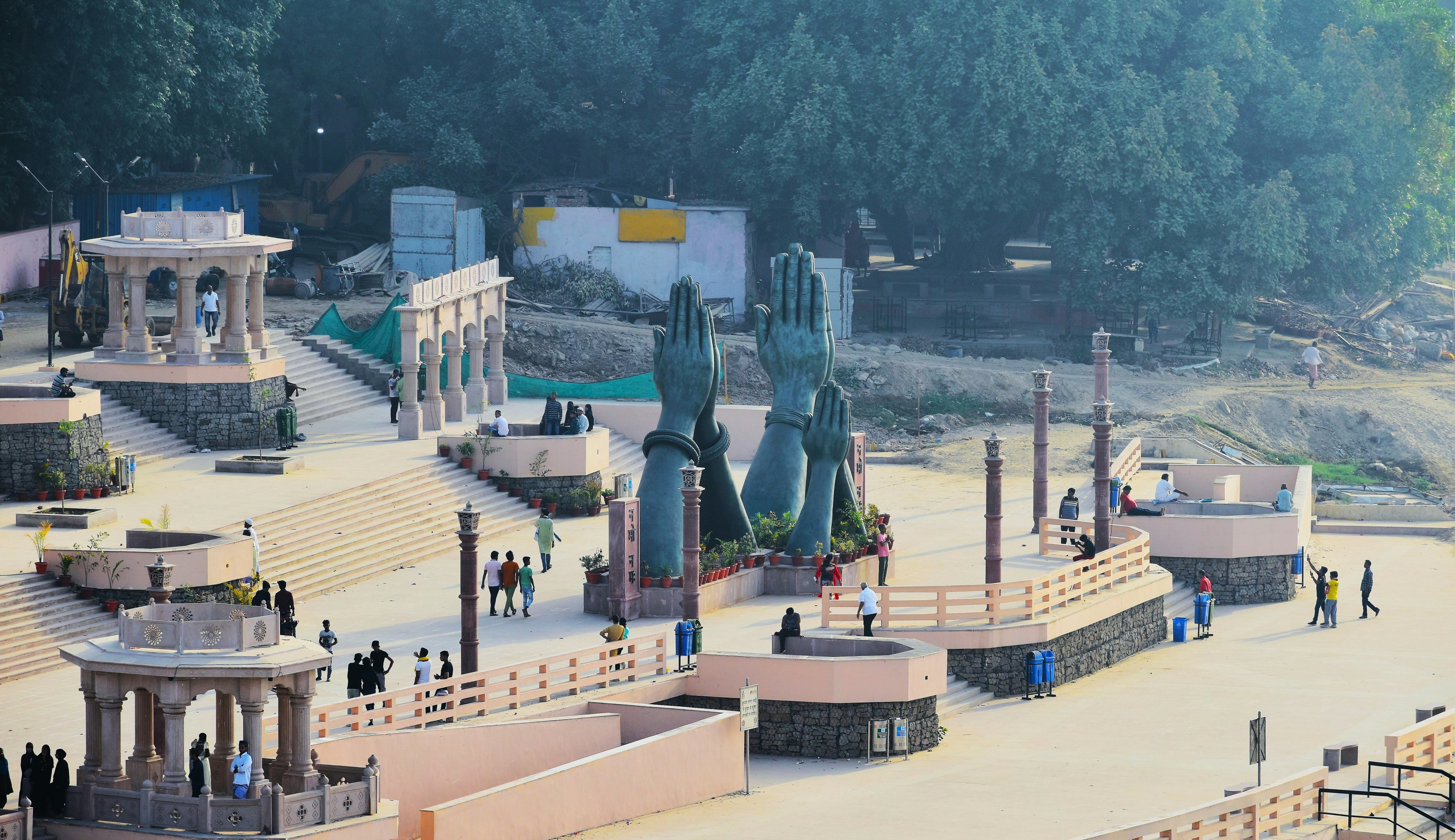
The ghats run along the western bank of the Ganges, with Assi in the south and Dashashwamedh in the middle of the action. Walking between them is the single best free thing to do in the city. You will pass wrestlers training on the steps, laundry slapped against stone, kids flying kites off the rooftops and pilgrims taking their morning dip, and you need nobody to point any of it out.
A few things are straightforward solo:
- The evening Ganga Aarti at Dashashwamedh Ghat. It starts shortly after sunset, which means around 6pm in winter and closer to 7pm in summer, and runs about 45 minutes. Turn up 45 minutes early if you want a spot on the steps.
- Subah-e-Banaras at Assi Ghat. This pre-dawn programme of prayers, music and morning aarti began in 2014 and is far calmer than the evening crowds. Bring a shawl in winter.
- A sunrise boat ride. Boatmen line every major ghat. Negotiate, settle the route, and ask them to row rather than motor if you want the quiet version.
- Sarnath. The Buddhist site where the Buddha gave his first sermon sits around 10 km from the old city, and any auto or taxi can take you there.
If you are comfortable with crowds, happy to say no politely about forty times a day and in no rush, you can see the riverfront independently.
When a Local Earns Their Keep
Here is where it gets interesting, and where most first-timers who went solo say they wished they had company.
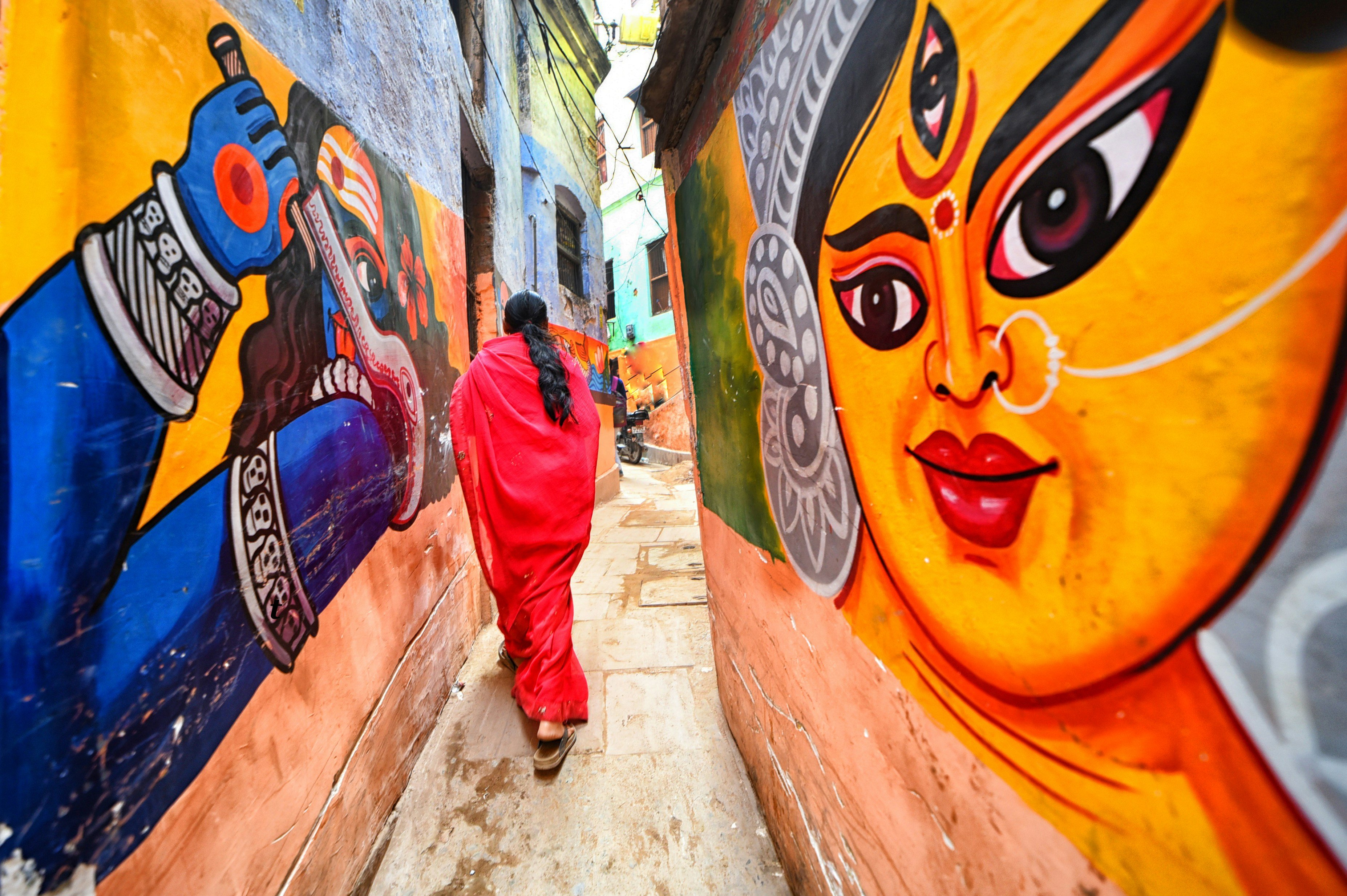
The old city lanes. The galis behind the ghats loop back on themselves, dead-end at temple doors and change names every few hundred metres. Google Maps regularly sends people down staircases or into alleys that are a single shoulder wide. Locals navigate by temples, sweet shops and the smell of frying kachoris. A morning in the lanes with someone who grew up there means you see the doorway shrines, the flower sellers and the tiny workshops instead of the back of your phone.
Manikarnika Ghat. Cremations happen here around the clock, and it is the most sacred place for a Hindu to be cremated. It is a working cremation ground, full of grieving families, and it is also where Varanasi's most persistent hustlers wait. Going with a local means you watch respectfully from the right spot, understand what each stage of the ritual means, and nobody tries to sell you anything.
Kashi Vishwanath Temple. The rebuilt temple corridor is impressive, but the logistics trip people up. Phones, smartwatches, cameras and bags are not allowed inside, so you need a locker plan. If you book the paid Sugam Darshan fast-track ticket through the temple trust's official website, carry a printed copy, since your phone will be in a locker. A local can sort the sequence so you are not standing in the wrong queue holding the wrong things.
Context. Varanasi is a city about death as much as life. Without someone to explain why the elderly come here to spend their final days, why some bodies are not cremated, or what the different aartis mean, much of it reads as spectacle. With context, it becomes one of the most moving places you will ever stand.
The Unwritten Rules of the Ghats
A few things guidebooks mention in passing that matter a lot on the ground:
- No photos at the cremation ghats. This applies at Manikarnika and Harishchandra, including from a boat and including "discreet" phone shots. Families and the Dom community who manage the cremations take it seriously, and confrontations do happen.
- Shoes off on the ghat steps near shrines and inside temples. Wear slip-ons you can kick off quickly.
- Cover shoulders and knees around temples and Manikarnika.
- Watch the monkeys on rooftop terraces. They target sunglasses, phones and anything in a plastic bag.
- Skip the swim. Pilgrims bathe in the Ganges as a sacred act. Unless you are there for that reason, admire it from the steps.
- Carry some cash. Payment apps work at plenty of places, but small stalls deep in the lanes are easier with notes and coins.
Where Locals Eat in Varanasi
Food around the old city is overwhelmingly vegetarian, heavy on ghee and best eaten early. These are the spots locals and long-term residents keep pointing to in reviews and forum threads.
The Ram Bhandar, Thatheri Bazar. The breakfast institution. Kachori sabzi with two kinds of curry and jalebi fried in front of you, standing room only, chaos at the counter. Locals take it away in parcels. It serves mornings and reopens later in the day, but the classic breakfast is a before-10am mission.
Kashi Chat Bhandar, Godowlia. Open for decades and still the name people give when you ask about tamatar chaat, a tangy, spiced tomato mash topped with crunchy sev, served hot in a leaf bowl. The palak patta chaat, made with crispy fried spinach leaves, is the sleeper hit.
Blue Lassi, near Manikarnika. Famous, photographed endlessly, tucked into the lane leading towards the cremation ghat. Opinions are split. Plenty of visitors love the fruit and dry fruit lassis, and plenty of locals call it overhyped. Go for the setting, order the plain malai lassi, and decide for yourself.
Pahalwan Lassi, Lanka. The thick, rabri-topped lassi near the BHU end of town. Some of the old Lanka shops moved after recent road widening, so check the current location before you go.
Keshav Tambul Bhandar, Lanka. Banarasi paan is a ritual of its own. Ask for meetha paan with gulkand if you want the sweet, tobacco-free version.
Malaiyo in winter. From roughly November to February, vendors sell malaiyo, a saffron-scented milk froth whipped overnight and served in clay cups at dawn. It vanishes when the weather warms. Shreeji Sweets in Chaukhamba is a popular stop.
Baati Chokha, Teliyabagh. For lunch away from the ghats, this restaurant near Varanasi Cantt serves the region's classic baati, wheat dough balls baked and soaked in ghee, with smoky mashed vegetable chokha.
Look out too for tandoori chai, poured from a hot clay pot, at stalls around the city.
Quieter Corners Most Visitors Miss
Once you have done the big ghats, these places give you Varanasi without the elbows.
- Bharat Mata Mandir. A temple on the Mahatma Gandhi Kashi Vidyapith campus with no idol at all. Instead, the floor is a huge marble relief map of undivided India. Gandhi inaugurated it in 1936, and on Republic Day and Independence Day the oceans are filled with water.
- Bharat Kala Bhavan, BHU. The museum inside Banaras Hindu University holds miniature paintings, textiles and sculpture, and the leafy campus itself is a relief after the old city.
- Ramnagar Fort. Across the river on the east bank, the fort of the Kashi royal family has an eccentric museum of vintage cars, palanquins, weapons and an old astronomical clock.
- Kedar Ghat. Its temple has a distinctly South Indian character, and the ghat is a calmer place to watch morning bathing than the main stretch.
- Darbhanga and Chet Singh ghats. Darbhanga Ghat's grand palace and the old fort walls at Chet Singh Ghat look best from a boat in early morning light.
A Two-Day Varanasi Itinerary
Here is a plan that mixes solo exploring with time alongside a local, built around when each part of the city is at its best.
Day 1: The river and the lanes
- Before dawn: Walk to Assi Ghat for Subah-e-Banaras, then take a rowing boat north as the sun comes up.
- Breakfast: Head into Thatheri Bazar for kachori sabzi and jalebi at The Ram Bhandar.
- Late morning: Explore the old city lanes, the Kashi Vishwanath corridor and Manikarnika Ghat with a local who knows the etiquette and the shortcuts.
- Afternoon: Rest. The midday heat and crowds are draining for most of the year, and locals know it.
- Late afternoon: Tamatar chaat at Kashi Chat Bhandar in Godowlia.
- Evening: Claim a spot on the steps at Dashashwamedh Ghat for the Ganga Aarti, or watch it from a boat on the water.
Day 2: Beyond the ghats
- Morning: Visit Sarnath. The Dhamek Stupa marks where the Buddha first taught, and the museum holds the original Lion Capital of Ashoka. The museum is closed on Fridays, so plan around that.
- Lunch: Baati chokha in Teliyabagh on the way back into town.
- Afternoon: Bharat Mata Mandir, then BHU for Bharat Kala Bhavan and a slower walk across campus.
- Early evening: Paan at Keshav in Lanka and a lassi nearby.
- Sunset: End with a quiet walk along the southern ghats around Assi, where the evening crowds are lighter.
When to Go (and When the River Changes the Plan)
October to March is the most comfortable stretch, with cool mornings and clear light on the river. Winter dawns can be foggy, which is beautiful from the steps and occasionally cancels the sunrise view entirely.
April to June is fiercely hot. Sightseeing shifts to early morning and evening.
Monsoon, roughly July to September, is the season that catches people out. When the Ganges rises, the ghats can flood, walking between them becomes impossible, boats are often banned for safety, and the aarti moves onto nearby rooftops. If you visit in these months, keep your plans flexible.
Dev Deepawali falls on the full moon of the Hindu month of Kartik, usually in November, when the ghats are lit with thousands of oil lamps. It is unforgettable and very crowded, so book rooms and boats well ahead.
See Varanasi With a Local Who Calls It Home
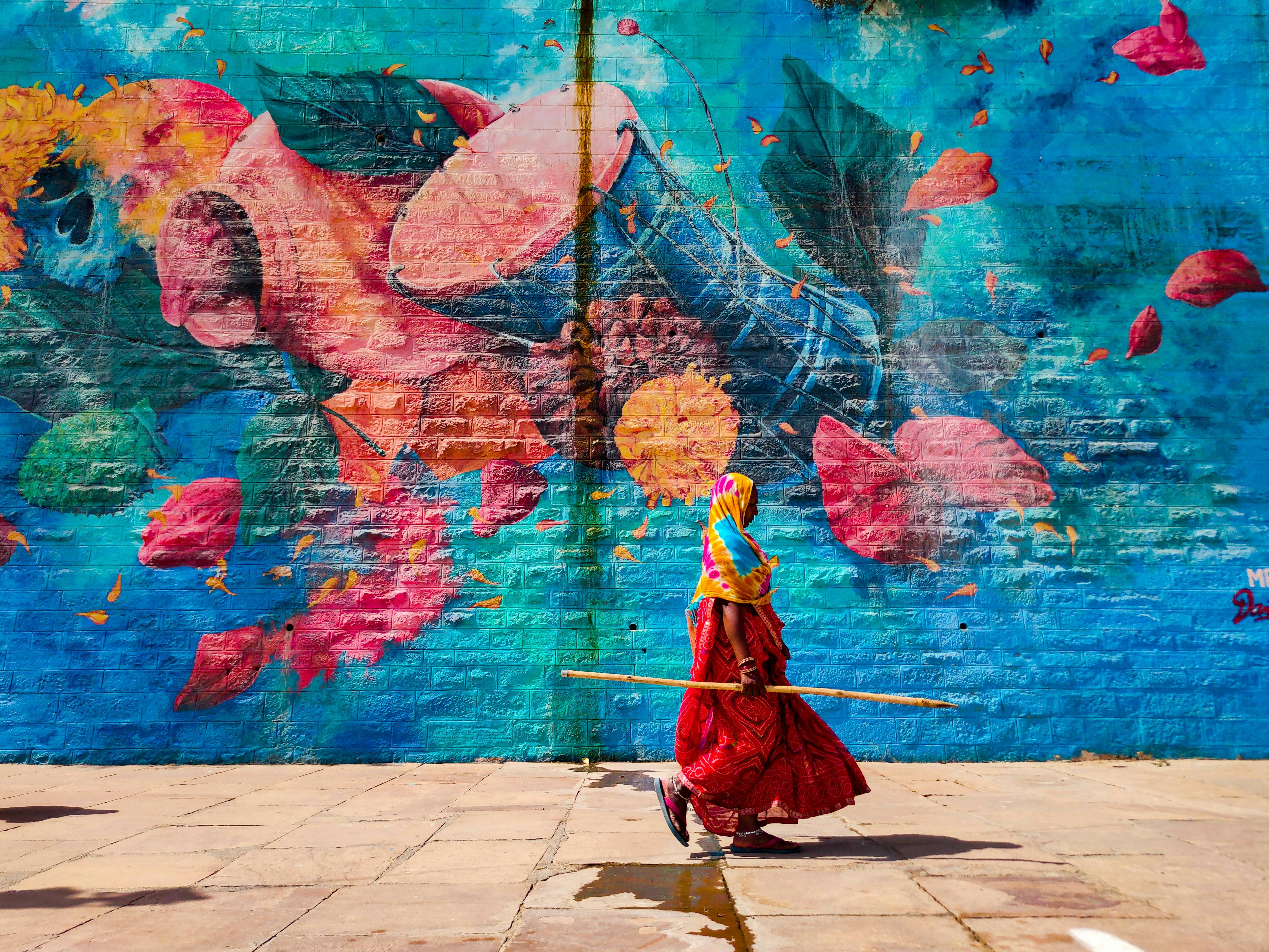
Varanasi rewards curiosity and punishes rushing. You can walk the ghats alone and have a wonderful time. The old city opens up in a different way when you are walking it with someone who grew up there.
With Lokafy, you are matched with a Lokafyer, a Varanasi local who plans a private walk around what you care about. That might be a food crawl from kachori to paan, a respectful visit to Manikarnika with every ritual explained, a morning tracing silk weaving workshops, or a mix of all of them. Tours run from 2 to 6 hours, your Lokafyer can meet you at your hotel or a landmark, and there is free cancellation up to 24 hours before.
Take a private walking experience with Lokafy in Varanasi and see the city with someone who knows which lane cuts through to the river and which chai stall is worth the detour.
Frequently Asked Questions
Do you need a guide in Varanasi? No. There is no requirement to hire a guide, and the main riverfront between Assi and Dashashwamedh ghats is easy to walk independently. A local guide is most useful for the old city lanes, Manikarnika Ghat and understanding the rituals, and for avoiding the touts who target solo visitors.
Is Varanasi safe for first-time visitors? Varanasi is generally safe, and the common problems are scams and overcharging rather than violent crime. Expect persistent touts at Manikarnika and Dashashwamedh, agree boat prices in advance, drink bottled or filtered water, and keep your phone secure around monkeys on rooftops.
Can tourists visit Manikarnika Ghat? Yes, visitors can watch from a respectful distance. Photography of the cremations is not allowed, including from boats. Dress modestly, stay quiet, keep out of the way of funeral processions, and decline anyone asking for a donation for wood.
What time is the Ganga Aarti in Varanasi? The evening Ganga Aarti at Dashashwamedh Ghat begins shortly after sunset, around 6pm in winter and closer to 7pm in summer, and lasts about 45 minutes. Subah-e-Banaras at Assi Ghat takes place before sunrise. Check the day's time locally, as it shifts with the season.
Can I take my phone into Kashi Vishwanath Temple? No. Mobile phones, smartwatches, cameras and bags are not permitted inside the temple. Use a locker nearby, and if you have booked a Sugam Darshan ticket online, bring a printed copy.
How many days do you need in Varanasi? Two full days covers the essentials: the ghats at sunrise and sunset, the old city lanes, Manikarnika, the evening aarti and a half-day trip to Sarnath. A third day lets you slow down, visit Ramnagar Fort and BHU, and eat your way through more of the city.
What is the best time of year to visit Varanasi? October to March offers the most comfortable weather. Avoid the monsoon months, roughly July to September, if you want guaranteed access to the ghats and boats, as flooding often closes both. November brings Dev Deepawali, the most spectacular and crowded night of the year.
¿Te gustó este artículo?