Let's be honest. Paris is stunning, London is amazing and Rome is timeless but if you've been scrolling through the same crowded street photos and wondering if there's more to Europe than just the big cities then you should read this article.
Europe has hundreds of cities that offer everything you love about the famous spots without the overwhelm and crowd. Places where you can actually hear yourself think in a café, where locals outnumber tourists, and where your travel budget stretches further than you thought possible.
After talking to travelers who've explored the continent beyond the usual circuit, we've put together eight cities that deserve a spot on your 2026 travel plans. These aren't hidden in the sense that nobody knows about them. They're just beautifully overlooked by the masses.
1. Ljubljana, Slovenia
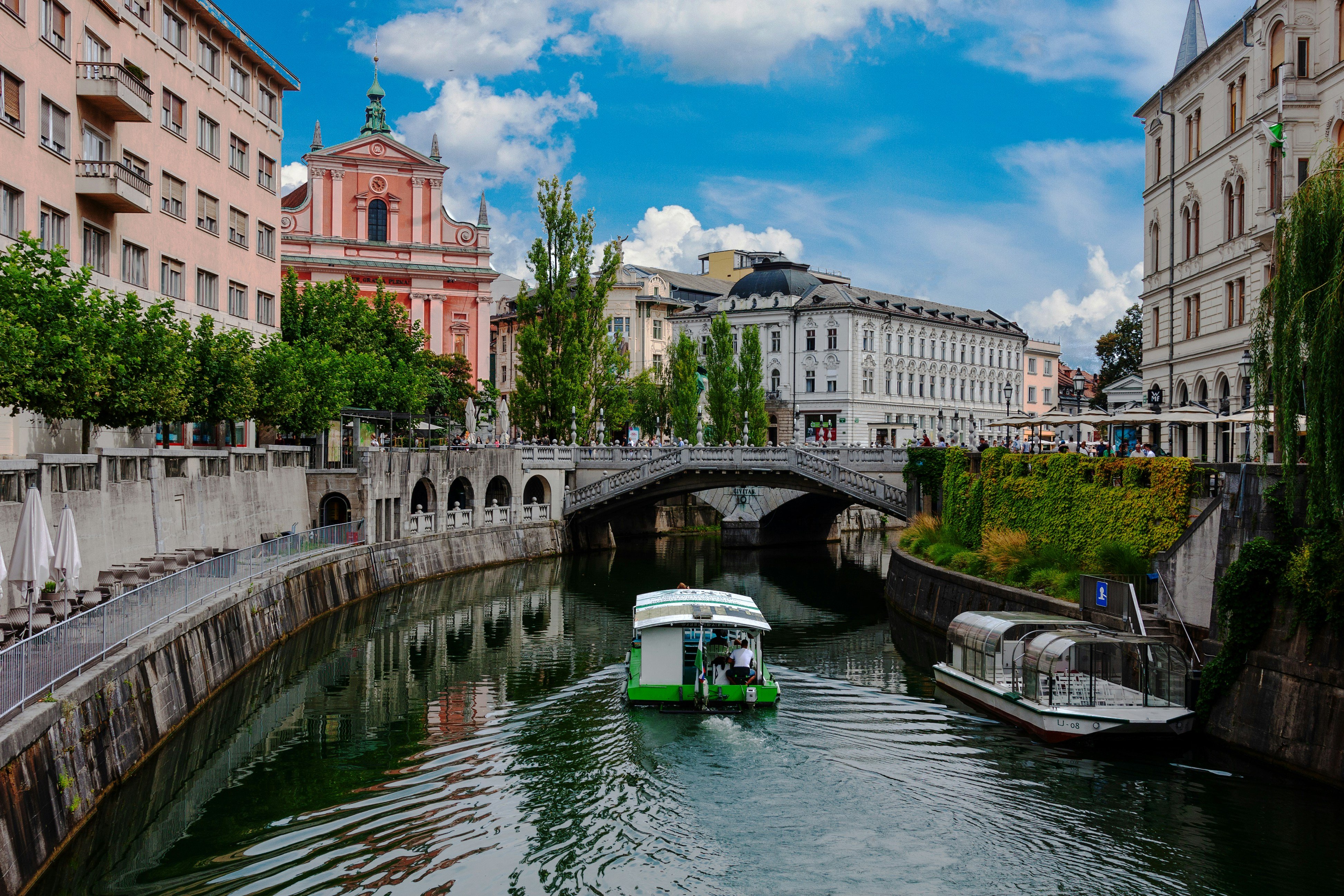
If you've never heard of Ljubljana, you're exactly who should visit. Ljubljana is one of Europe’s greenest and most charming capitals, yet many travelers skip it entirely. The city is compact, walkable, and incredibly scenic. Slovenia's capital feels like someone took the best parts of Prague and Vienna, shrunk them down to a walkable size, and added a dragon bridge for good measure. It feels relaxed in a way many capitals do not. You can spend your morning exploring castles and museums, then your afternoon sitting by the water with locals.
The city is built around the Ljubljanica River, where outdoor cafés and restaurants line the embankments, creating a social atmosphere that lasts from early morning coffee until the final glass of local wine at night.
What makes Ljubljana truly remarkable is its commitment to livability. The entire city center is car-free, a transformation that has made the capital one of the quietest and cleanest in Europe. Because the streets are dedicated to pedestrians and cyclists, the air is fresh and the noise of the city is replaced by the sound of conversation and the river. It is a compact city, meaning you can easily explore the medieval Old Town, visit the hilltop Ljubljana Castle, and wander through the vast Tivoli Park all in one day. However, most people find that the city's real charm lies in its slow pace, encouraging you to stay for a few extra days just to enjoy the atmosphere.
For those interested in culture beyond the postcard views, the Metelkova Mesto district offers a look at the city’s creative resilience. This former military site is now a vibrant hub for art and alternative culture. Additionally, Ljubljana serves as a perfect base for exploring the rest of Slovenia. Within an hour, you can reach the Julian Alps or the famous Lake Bled. It is a city that offers the amenities of a capital with the comfort of a small town, making it an ideal choice for a balanced 2026 trip.
2. Lecce, Italy
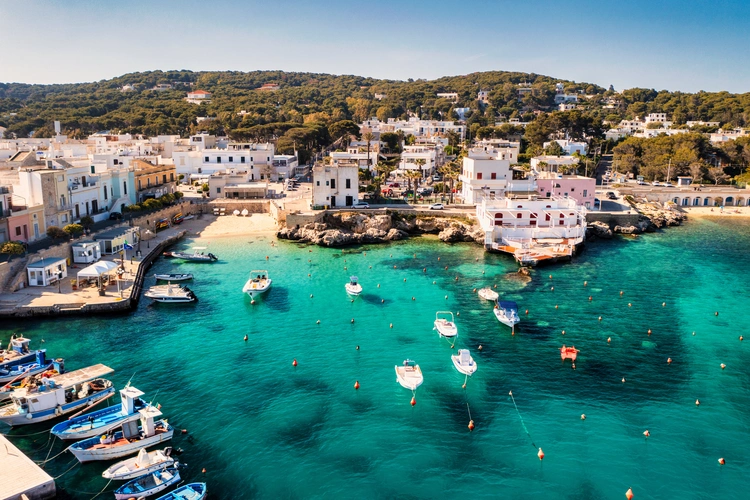
While everyone's booking trips to Florence and Rome, Southern Italy quietly offers one of the country's most beautiful cities at a fraction of the cost and crowd size.
Known as the "Florence of the South," Lecce is a masterpiece of Baroque design. The city is built primarily from "pietra leccese," a soft, cream-colored limestone that is easy to carve but hardens over time. This unique material allowed 17th-century architects to create incredibly intricate facades that seem to glow when the sun begins to set.
Life in Lecce moves at a slower pace. Streets are designed for walking and exploring without a strict plan. Small cafes and family run restaurants serve regional dishes based on fresh seafood vegetables olive oil and handmade pasta. Local wines remain less known outside the region which adds to the feeling of discovery.
Compared to northern Italian cities prices for accommodation meals and activities remain lower. This makes it easier to stay longer and experience daily life rather than rushing through major sights. In the evening locals gather in public squares for conversation and relaxed dinners that stretch late into the night.
Lecce is also an excellent hub for exploring the Salento peninsula. You are never more than a short drive from both the Adriatic and Ionian seas, where you will find some of the clearest water and most beautiful rocky coastlines in the Mediterranean. It is a destination that rewards those who prefer to slow down and savor the details.
3. Graz, Austria
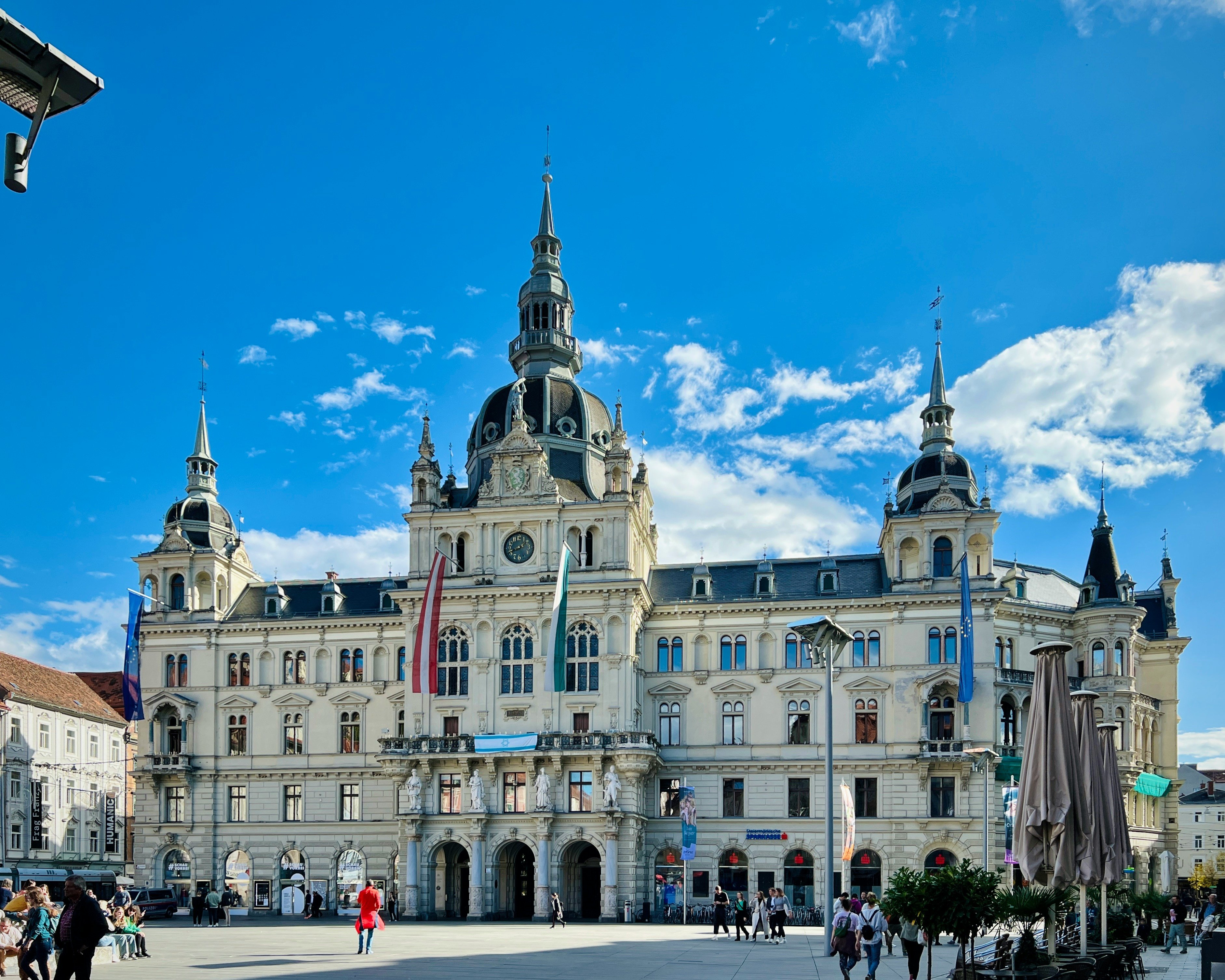
Austria's second-largest city receives far less international attention than Vienna and Salzburg, yet it offers a complete Austrian cultural experience with less tourists and more authentic daily life.
The Old Town is one of the best-preserved in Central Europe, featuring a mix of Gothic, Renaissance, and Baroque styles that earned it a place on the UNESCO World Heritage list. However, Graz is also a modern "City of Design," home to bold contemporary architecture like the Kunsthaus Graz, a blob-shaped contemporary art museum that locals nicknamed "the friendly alien."
Food in Graz reflects its position near several cultural borders. Traditional Austrian dishes appear alongside Mediterranean and Eastern European influences. Farmers markets showcase local produce cheeses and baked goods that reveal how closely the city remains connected to the surrounding countryside.
As a university city Graz has strong local identity. Cafes and public spaces feel designed for residents first which creates a welcoming atmosphere for visitors who want to observe everyday life. Climbing the Schlossberg hill leads to panoramic views of the city and the clock tower that has become one of its symbols.
Graz is a city that feels authentic and welcoming, offering a high quality of life that is immediately apparent to anyone who spends a few days there.
4. Ghent, Belgium
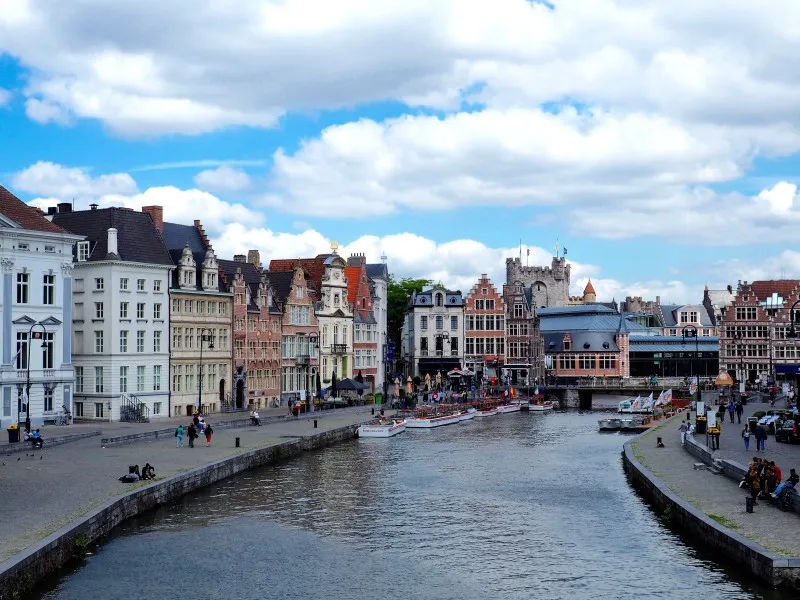
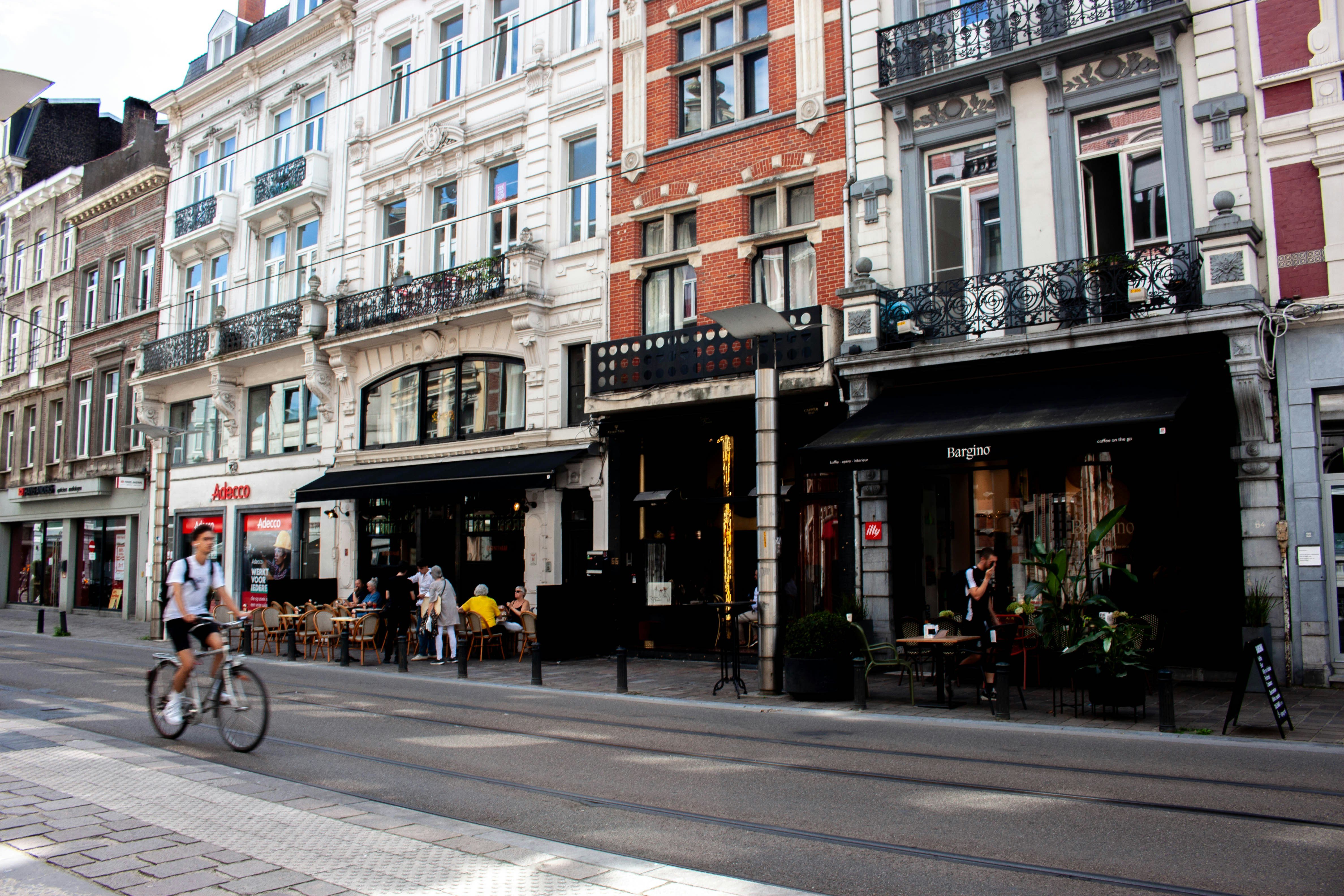
Everyone knows about Bruges. Tour buses line up. Day-trippers flood in. Prices reflect the demand. Ghent offers the same medieval charm with a completely different energy. This is a real working city that happens to be gorgeous, not a place that exists primarily for visitors.
The Graslei and Korenlei waterfront areas provide some of the most striking views in Belgium. Yet a short walk away reveals neighborhoods filled with independent shops creative spaces and restaurants that cater to locals. Ghent has also become known for its strong plant based dining scene which adds another layer to its food culture.
Museums galleries and music venues keep the cultural calendar active throughout the year. At night the city remains lively with bars and cafes that draw a mix of residents and travelers. Because tourism does not dominate the economy prices remain more reasonable than in nearby Bruges. Ghent is also home to some of the most impressive landmarks in Europe, including the Gravensteen castle, a formidable fortress that sits right in the city center and St. Bavo’s Cathedral, which houses the world-renowned Ghent Altarpiece.
Ghent's central location in Belgium facilitates day trips to Bruges, Antwerp, and Brussels. However, the city provides sufficient attractions and authentic Belgian atmosphere to justify staying rather than using it merely as a base for other destinations.
5. Braga, Portugal
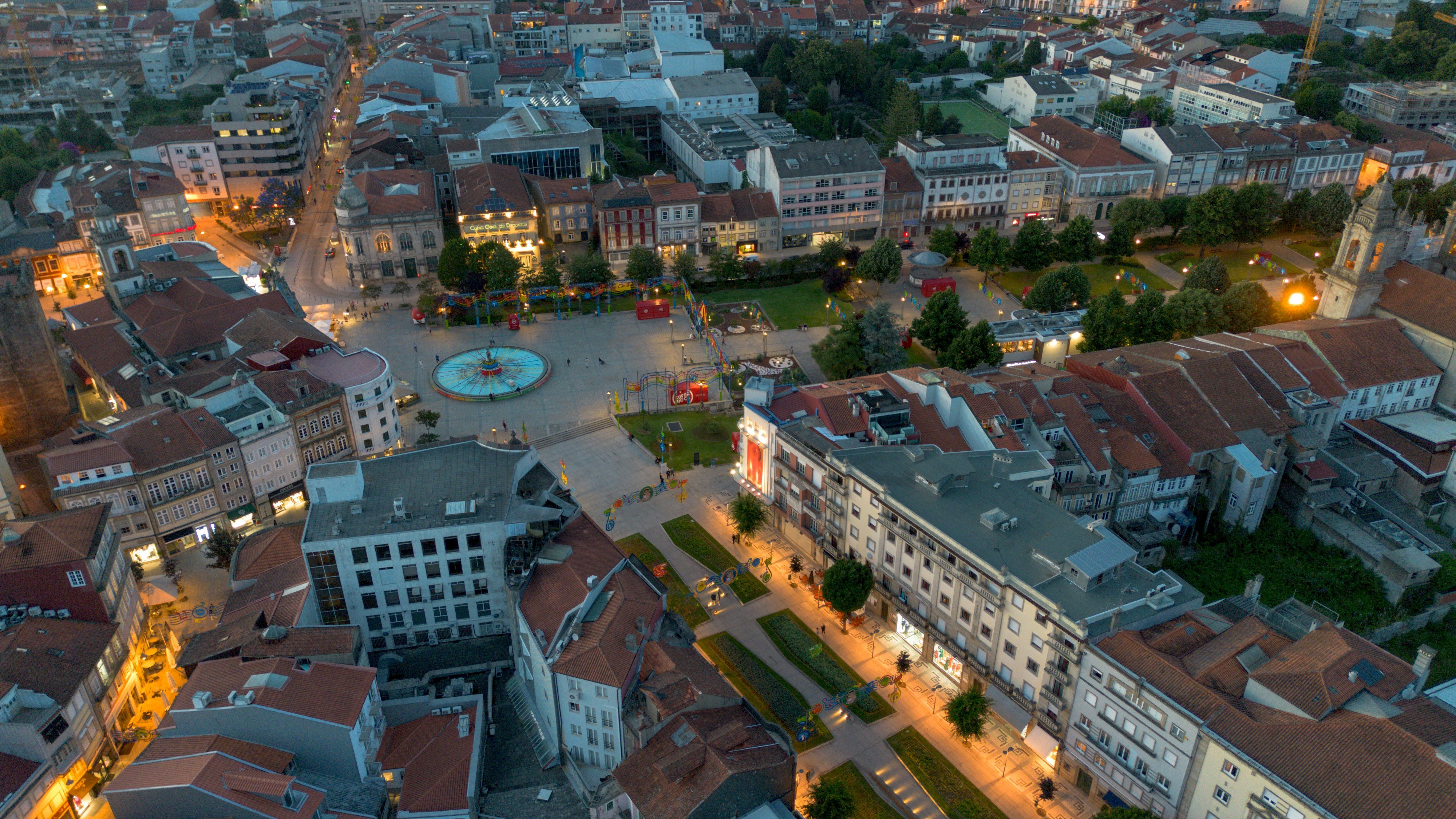
Porto has blown up in recent years. It's beautiful and absolutely worth visiting, but if you want Northern Portugal with breathing room, head to Braga.
Braga is one of Portugal's oldest cities and has a completely different feel from the coastal towns. This is Portugal's religious center and a more conservative vibe than party-focused Lisbon or Porto.
The historic center is a maze of narrow streets and elegant squares filled with traditional shops and grand 18th-century mansions. One of the most beautiful spots is the Santa Barbara Garden, a meticulously landscaped park set against the medieval walls of the Archbishop's Palace. The city is also famous for its elaborate festivals and processions, which are among the most impressive in the Iberian Peninsula.
The real highlight is Bom Jesus do Monte, a sanctuary on a hillside just outside the city. The baroque stairway leading up to it is one of those sights that photographs can't quite capture. You can climb the 577 steps or take the funicular, but either way, the views over the valley are worth it. The café culture reflects Portuguese traditions, with establishments serving as gathering places for extended conversations and community interaction.
Braga also makes a good base for exploring the wider Minho region. The Douro Valley is accessible for wine tours, and you're close to Peneda-Gerês National Park if you want hiking and natural landscapes.
6. Tallinn, Estonia
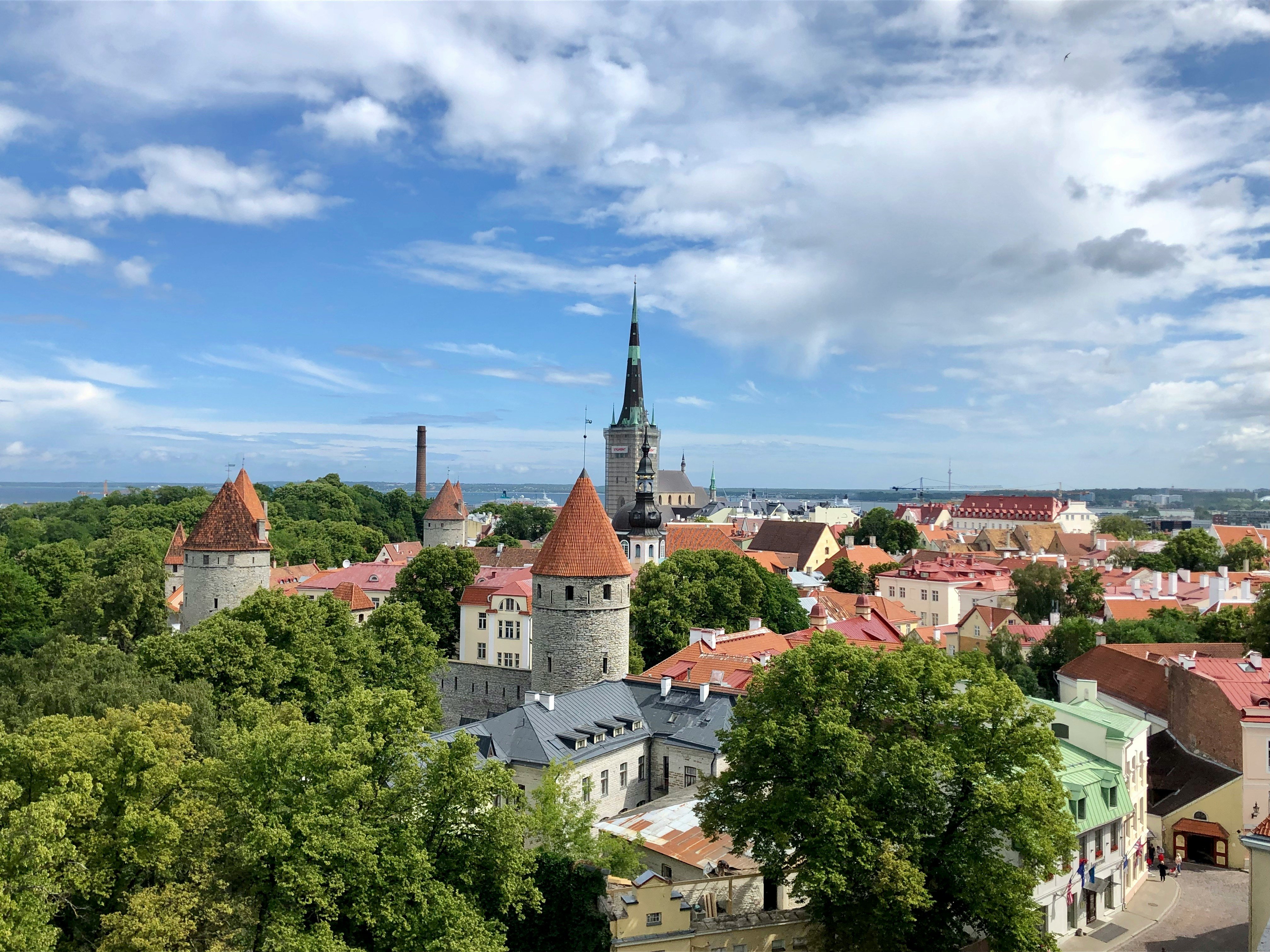
The Baltic region deserves more attention, and Tallinn is the perfect introduction. Estonia’s capital, Tallinn, is a city of fascinating contrasts. Its Old Town is a UNESCO World Heritage site and one of the finest examples of a medieval walled city remaining in Europe. To walk its cobblestone streets is to step back into the days of the Hanseatic League, with Gothic spires, merchant houses, and defensive towers that have stood for centuries. Yet, just outside these ancient walls, Tallinn is one of the most technologically advanced and entrepreneurial cities in the world. This blend of the 13th century and the 21st century creates a unique atmosphere that feels both historic and hopeful.
The old town is compact enough to explore in a day, but the neighborhoods outside the tourist center offer a different perspective. Kalamaja is the hipster district with wooden houses, street art, and cafés. Telliskivi Creative City is an old industrial complex turned cultural hub with markets, restaurants, and shops.
Tallinn is also a city that values its proximity to nature. It is located on the Baltic Sea, and even within the city limits, you can find quiet beaches and forested parks. The Kadriorg district, with its baroque palace and expansive gardens, offers a peaceful retreat from the urban center.
Tallinn remains one of Europe's most affordable capitals. Your money goes further here than in Western Europe, which means you can upgrade your accommodation, try nicer restaurants, and not constantly calculate exchange rates in your head.
The city is small enough that you can see it thoroughly on a long weekend, but it also makes a good starting point for exploring more of Estonia or taking ferry trips to Helsinki.
7. Timișoara, Romania
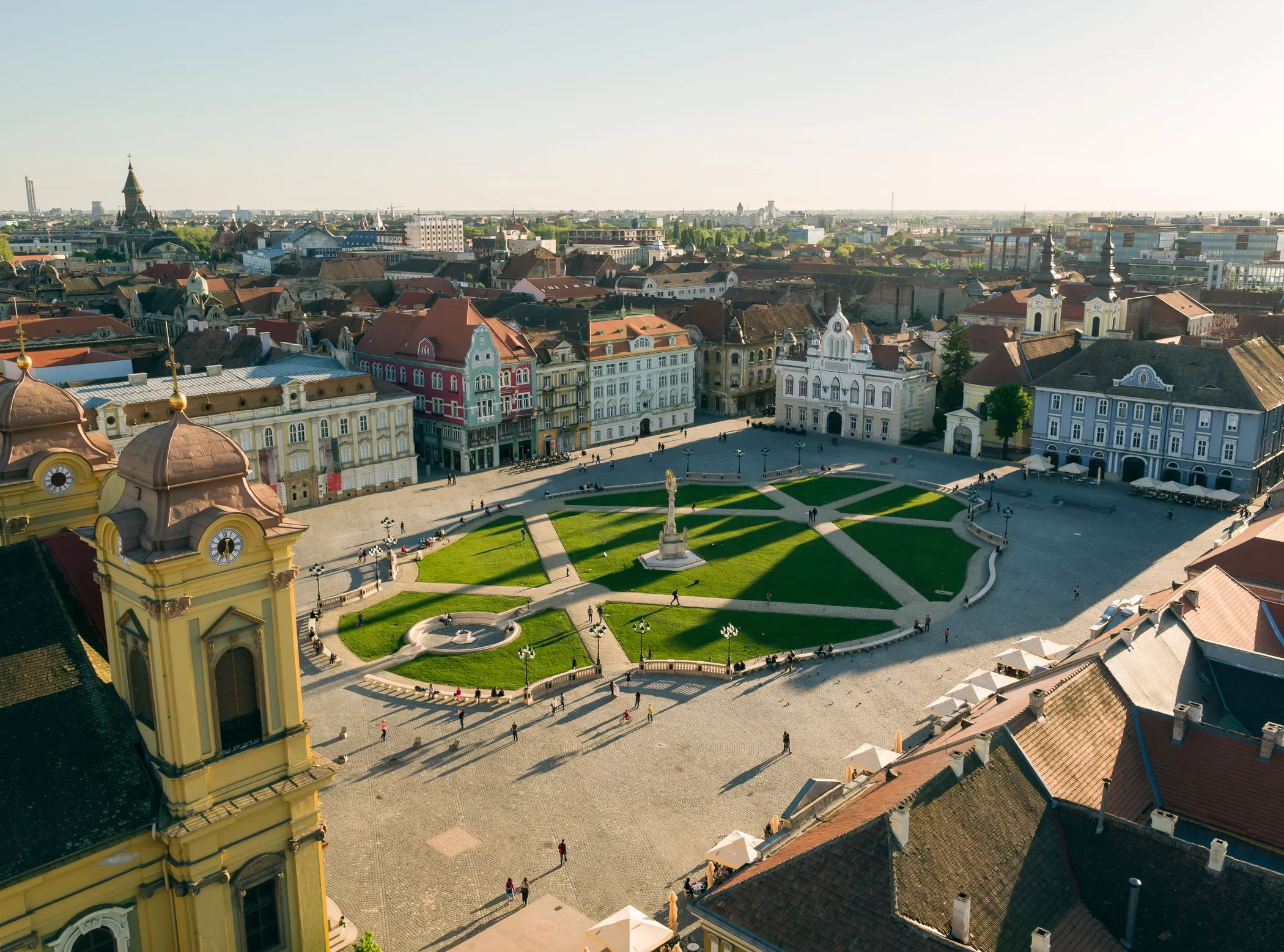
Romania doesn't get nearly enough credit as a travel destination, and Timișoara shows exactly what people are missing.
This was Romania's first city to have electric street lighting in Europe, and it maintains that forward-thinking energy today. The city has a vibrant arts scene, restored architecture that rivals Vienna or Budapest, and a café culture that encourages lingering.
Timișoara sits close to the Hungarian and Serbian borders, which gives it a multicultural flavor you don't find in Bucharest. Romanian, Hungarian, German, and Serbian influences mix in the food, architecture, and local culture.
The main squares, Piața Victoriei and Piața Unirii, are surrounded by colorful baroque buildings and filled with outdoor terraces year-round. The city is also incredibly affordable. A nice dinner with wine costs what you'd pay for appetizers in Western Europe.
One of Timișoara's biggest draws is that it feels undiscovered despite being a city of 300,000 people. You can explore without a crowd, have spontaneous conversations with locals who are genuinely curious about visitors, and experience a European city that hasn't optimized itself for tourism yet.
The city is also investing heavily in cultural infrastructure. It was named European Capital of Culture for 2023, which brought new museums, restored buildings, and cultural programming that continues today.
It is also one of the most affordable cities in Europe, where you can enjoy world-class opera, fine dining, and beautiful boutique accommodation for a fraction of what you would pay elsewhere. For the curious traveler, Timișoara offers a chance to see a different side of Europe, one that is diverse, resilient, and deeply hospitable.
8. Tbilisi, Georgia
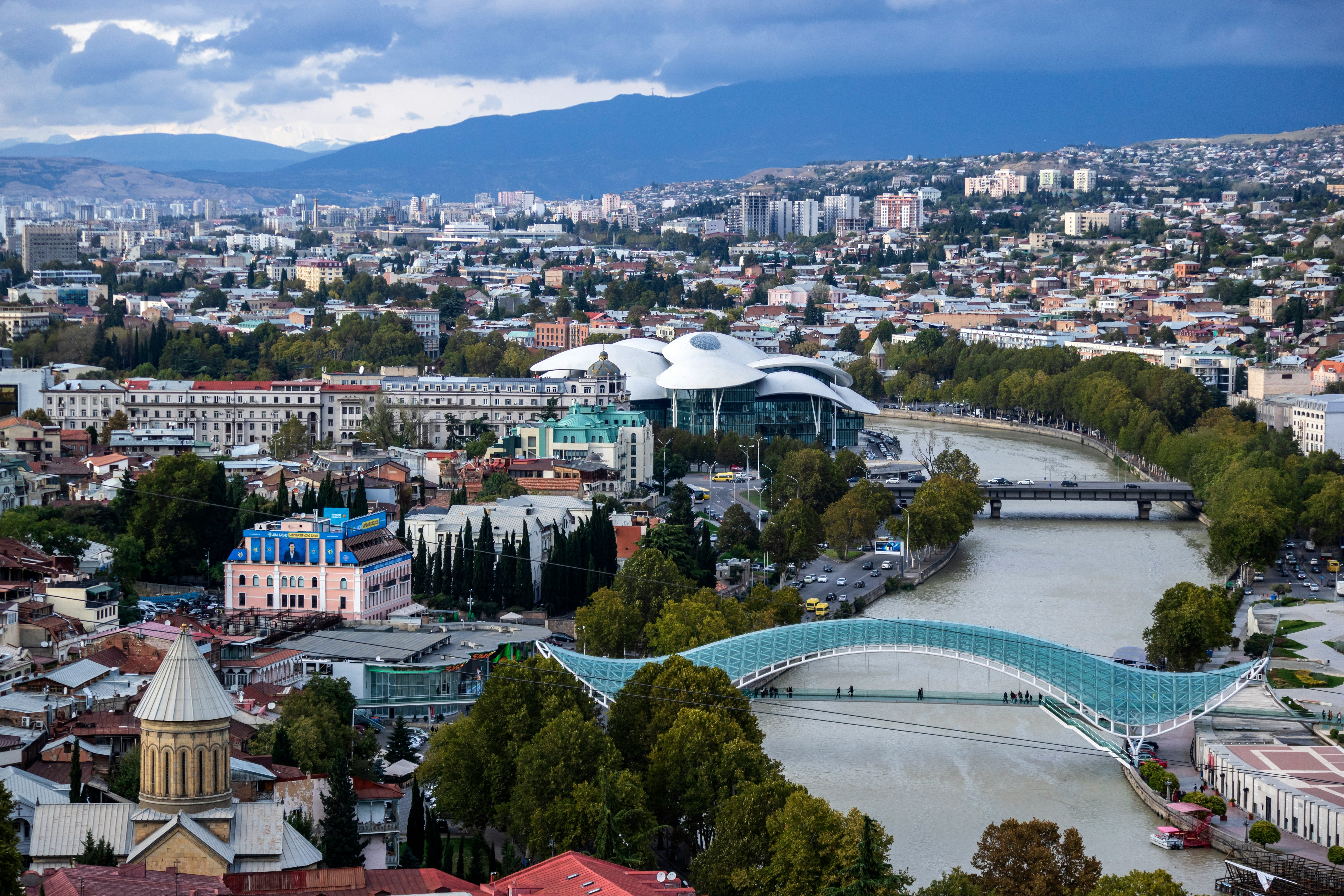
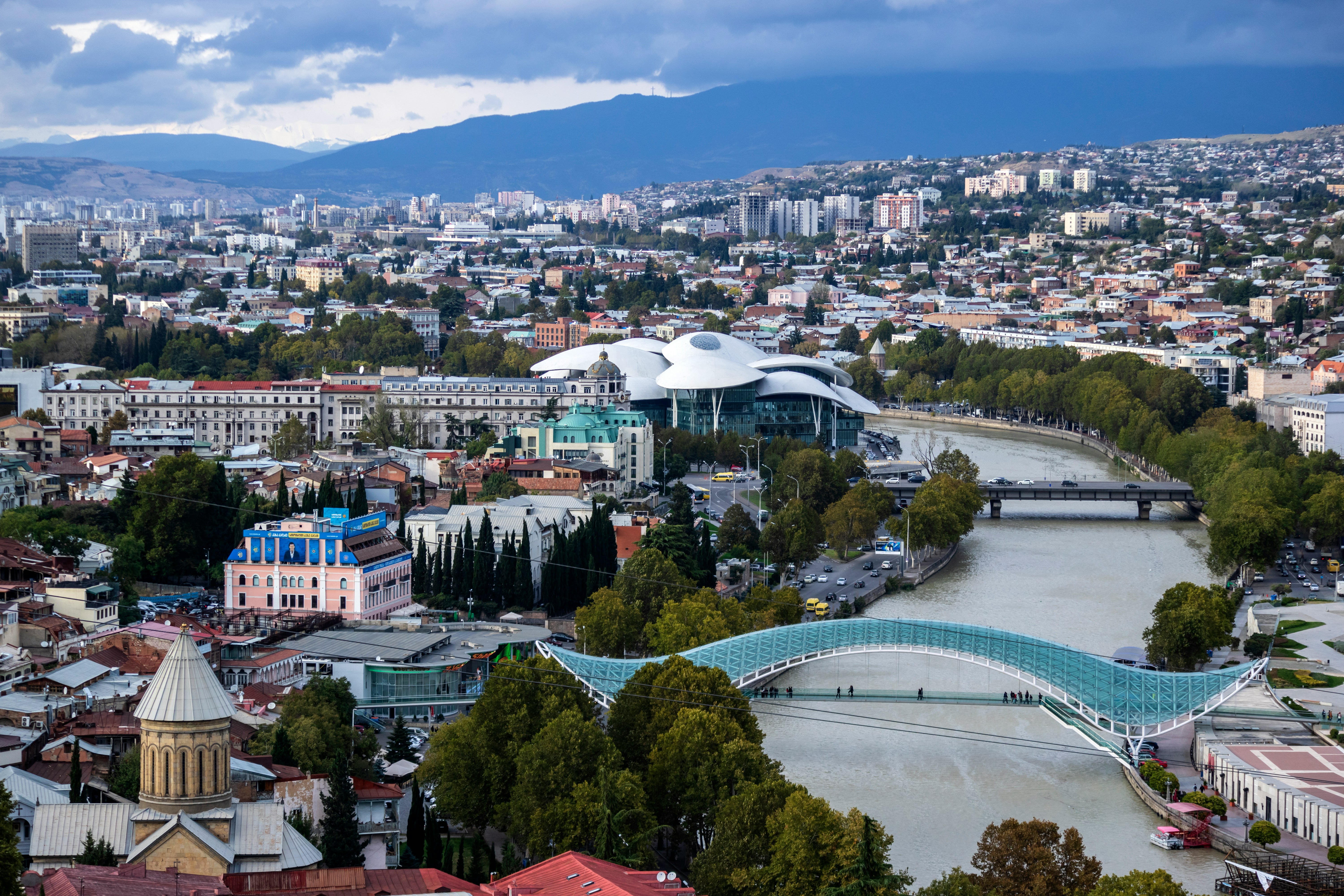
Tbilisi is a city that defies easy categorization, making it one of the most compelling destinations for a 2026 trip. Located at the crossroads of Europe and Asia, the capital of Georgia is a place where ancient history, Soviet-era remnants, and cutting-edge modernism exist in a state of beautiful, chaotic harmony. It is a city of hills, sulfur baths, and a hospitality culture so deep-seated that locals truly believe "a guest is a gift from God."
Georgia's capital presents a unique blend of architectural styles spanning centuries. Medieval fortresses stand alongside Soviet-era buildings, art nouveau balconies, and contemporary structures. The Narikala Fortress, dating to the 4th century, overlooks the old town where narrow cobblestone streets wind between traditional houses with carved wooden balconies.
The city's location along ancient trade routes created lasting cultural diversity. This appears in the cuisine, which combines Georgian culinary traditions with influences from neighboring regions. Khachapuri (cheese-filled bread) and khinkali (soup dumplings) represent just the beginning of a food culture that extends back thousands of years.
Georgian wine culture holds particular significance. The country claims 8,000 years of winemaking history, using traditional qvevri clay vessels buried underground. The Kakheti wine region sits within two hours of Tbilisi, making wine tours and tastings easily accessible.
The city functions primarily for its residents despite growing tourism. The café culture remains genuine, with establishments serving as community gathering places rather than tourist-oriented venues. Markets like Dezerter Bazaar offer insight into daily Georgian life and regional products.
Tbilisi experienced growth in international visitors through 2025, yet infrastructure and pricing remain accessible. The city has invested in improving tourist facilities while maintaining its authentic character and the warm hospitality Georgia is known for throughout the region.
Why These Cities Matter for Your 2026 Travel Plans
Traveling to less visited destinations offers more than relief from crowds. These cities continue to function primarily for residents which keeps traditions daily routines and local culture intact. Restaurants shops and public spaces reflect real life rather than adapting to mass tourism.
Lower costs also allow travelers to stay longer and engage more deeply with each place. This creates a richer experience that often becomes the highlight of a trip.
The Importance of Local Insight
Understanding a city goes beyond seeing major landmarks. Local knowledge reveals where people actually spend their time which neighborhoods feel most alive in the evening and which traditions shape daily routines.
Conversations with residents often lead to discoveries that guidebooks cannot provide. These connections turn a visit into a more personal experience and create lasting memories.
Explore These Cities with Lokafy
Lokafy connects travelers with local residents for private walking tours tailored to individual interests. Each experience is shaped around what you want to explore from food and history to culture and everyday life.
A local guide can help you move through the city with confidence share stories that bring places to life and introduce you to areas that many visitors never see.
Ready to discover these underrated European cities through a local perspective? Book your personalized tour and experience Europe beyond the usual destinations.
Enjoyed this article?