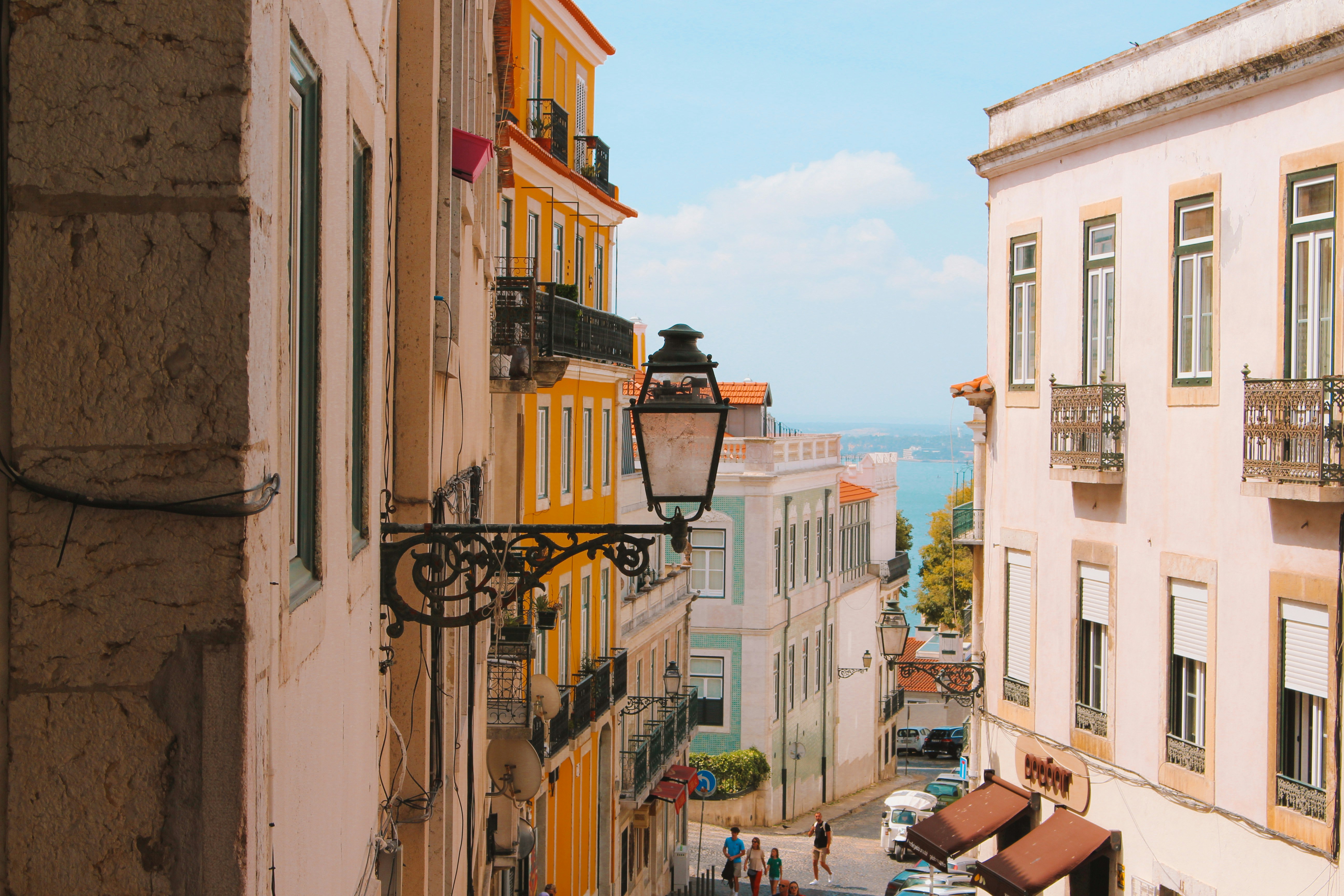
The first thing Lisbon does to you is lie. Not in a bad way but in the way all beautiful cities do at first. It shows you pastel buildings stacked into the hills, vintage trams navigating cobblestone streets, locals sipping espresso at outdoor cafés, and the Tagus River glowing golden at sunset. It all looks effortlessly picturesque but there's a deeper side to Portugal's capital that only reveals itself when you slow down and experience Lisbon like a local.
The best way to explore Lisbon like a local is to slow down and expect hills: skip Tram 28 in favor of Tram 12 or walking, eat pastéis de nata at neighborhood pastelarias instead of the famous queue, and spend time in Campo de Ourique, Graça, or Marvila rather than only Alfama and Baixa. A private local guide on a walking tour through Mouraria or Alfama covers this ground in a few hours instead of a week of trial and error.
After spending time in Lisbon's neighborhoods and talking with residents who call this city home, one truth becomes clear: Lisbon rewards travelers who approach it thoughtfully and frustrates those who rush through it.
Here's what locals in Lisbon wish tourists knew before visiting, from navigating the city's hills to finding authentic experiences beyond the tourist hotspots.
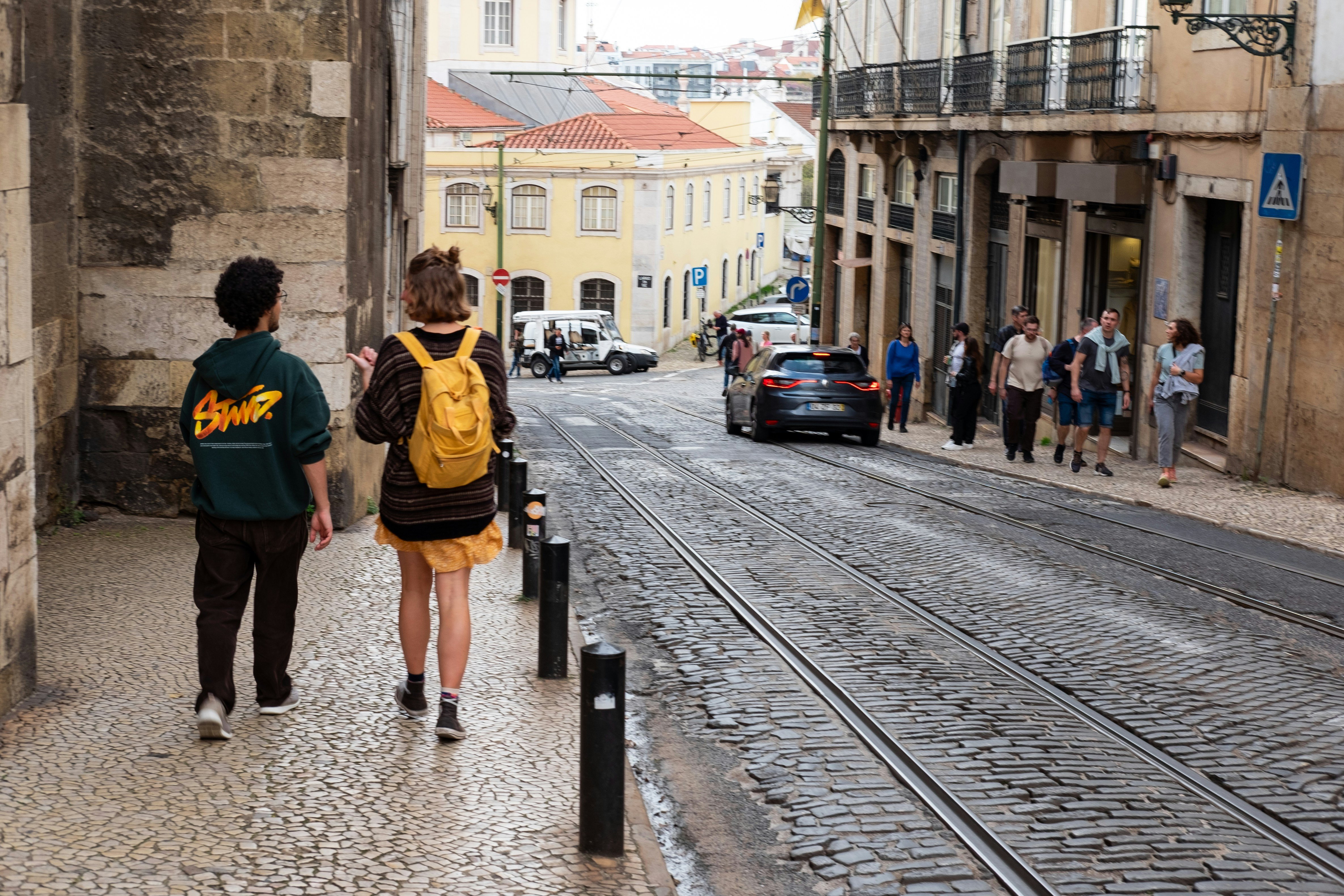
Walking in Lisbon: Prepare for Steep Hills and Cobblestone Streets
Lisbon is an incredibly walkable city, but don't mistake that for "easy walking." The Portuguese capital may look compact on Google Maps, but those maps don't reveal the city's steep terrain. Neighborhoods like Alfama, Graça, Bairro Alto, and Chiado are full of uneven streets covered in smooth stone that gets slippery when it rains.
Best Tips for Walking in Lisbon
Locals have adapted their walking habits to Lisbon's topography, and visitors should too:
- Wear comfortable, supportive shoes with good traction, skip the flip-flops and fashion sneakers
- Walk at a slower pace and take breaks to enjoy miradouros (viewpoints)
- Don't trust distance alone because a 10-minute walk on flat ground might take 20-25 minutes uphill in Alfama
- Use Lisbon's elevadores and funiculars like Elevador de Santa Justa or Ascensor da Glória to skip the steepest climbs
Plan your Lisbon itinerary with the city's hills in mind. What looks like a full day of sightseeing on paper can quickly become exhausting if you underestimate the walking difficulty.
Tram 28 in Lisbon: Tourist Attraction vs. Daily Transportation
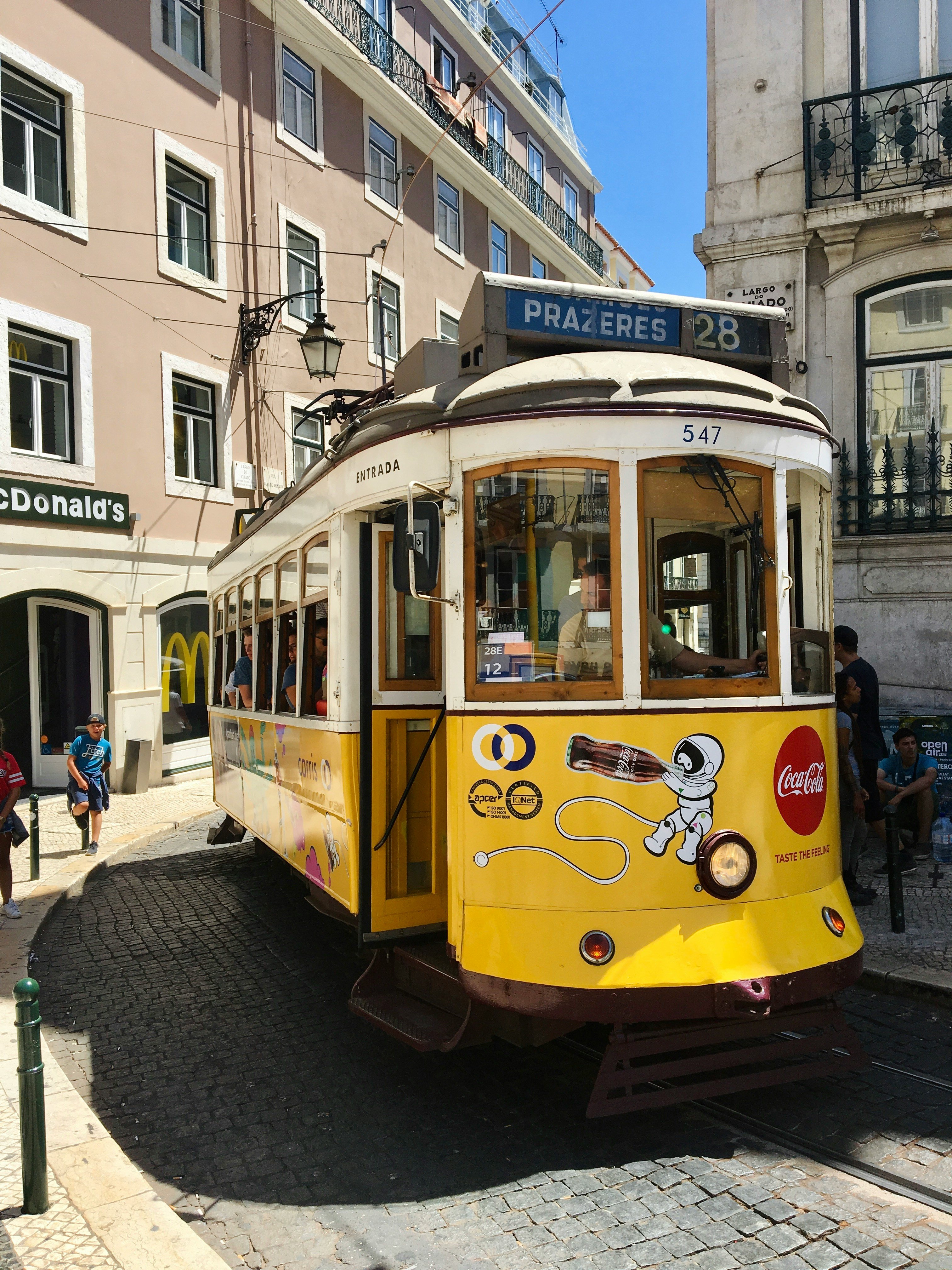
Yes, Tram 28 is iconic. Yes, it passes through beautiful historic neighborhoods. But for Lisbon residents, it's simply public transportation that is often crowded, occasionally delayed, and a frequent target for pickpockets.
Alternatives to Tram 28 for Seeing Lisbon
Most locals avoid Tram 28 during peak tourist hours. Here's what they recommend instead:
- Walk through neighborhoods at your own pace to discover hidden azulejo-covered buildings and local tascas
- Take Tram 12 or 25 for a more authentic (and less crowded) tram experience
- Use the metro for efficient transportation between major districts
- Explore on foot through Mouraria, Graça, or Príncipe Real for unexpected discoveries
The best parts of Lisbon aren't necessarily on the Tram 28 route. Some of the city's most memorable moments come from getting intentionally lost in its winding streets.
Understanding Lisbon's Cost of Living: Tourism's Impact on Local Life
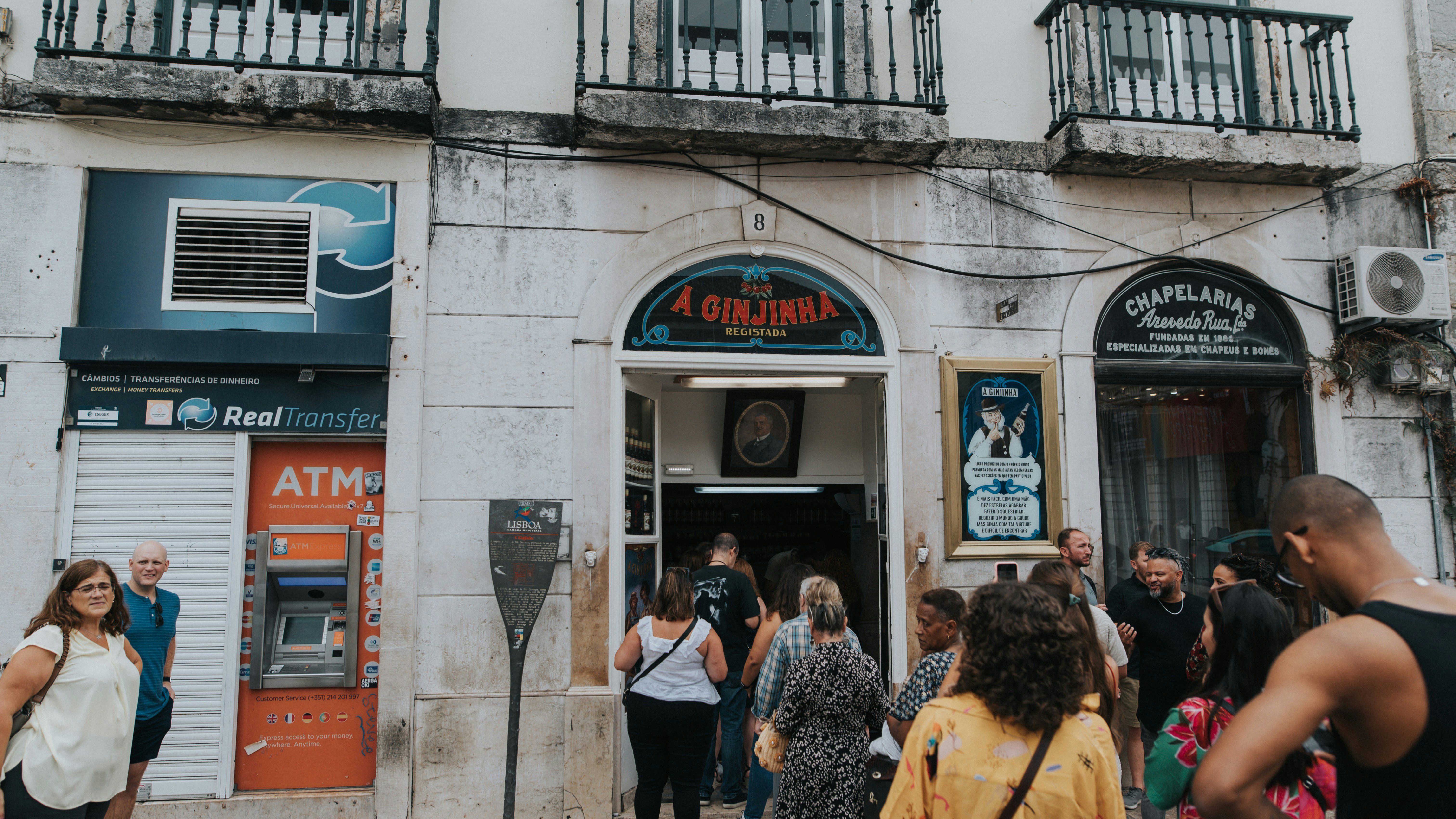
Compared to London, Paris, or Barcelona, Lisbon still feels affordable. You'll find €1 espresso, reasonably priced wine, and budget-friendly Portuguese restaurants. But long-time residents remember a very different city, one with lower rents, quieter neighborhoods, and far fewer short-term rentals.
How to Support Local Lisbon Businesses
Tourism has transformed Lisbon significantly over the past decade. While visitors bring economic benefits, rising costs have pushed many families to the suburbs. Here's how conscious travelers can help:
- Choose family-run cafés and restaurants over international chains
- Shop at traditional markets like Mercado de Campo de Ourique instead of tourist-focused stores
- Stay in locally-owned accommodations when possible
- Eat where locals eat in neighborhoods like Penha de França or Arroios
These small choices collectively help preserve the authentic Lisbon that residents are working to maintain.
Pastéis de Nata: Beyond the Famous Bakeries

Of course you should try Portugal's famous custard tarts, but locals don't obsess over finding "the world's best pastel de nata." They simply enjoy them as part of daily life, grabbing one after lunch, pairing it with a bica (espresso), or stopping at their neighborhood pastelaria where staff know their order.
The Local Way to Enjoy Pastéis de Nata
Skip the hour-long queue at the famous bakery and experience pastéis de nata the way Lisbon residents do:
- Visit multiple pastelarias throughout your trip rather than just one famous spot
- Eat at the counter standing up, like locals do
- Add cinnamon and powdered sugar according to your preference
- Pair with coffee, not as a takeaway Instagram prop
- Try them fresh from the oven in the morning or early afternoon
You'll understand Lisbon better by visiting ten neighborhood bakeries spontaneously than by waiting in line at a single tourist destination.
Lisbon Safety Tips: Staying Street-Smart in Portugal's Capital

Lisbon is genuinely safe. Violent crime is rare, and locals comfortably walk at night, use public transport after dark, and enjoy outdoor dining into late evening. However, "safe" doesn't mean careless.
Essential Safety Advice for Lisbon Visitors
Residents stay alert without being paranoid. Follow these common-sense practices:
- Watch your belongings in crowded tourist areas like Baixa and on public transport
- Never leave phones, bags, or cameras on outdoor café tables near busy streets
- Be cautious with strangers approaching you in Rossio or near São Jorge Castle
- Use official taxis or Uber/Bolt rather than unmarked vehicles
- Stay aware in tourist-heavy areas where pickpockets operate
Lisbon is safe but “safe” doesn’t mean you can let your guard down. While it is relaxed, it’s still a city.
Exploring Lisbon Beyond Tourist Neighborhoods
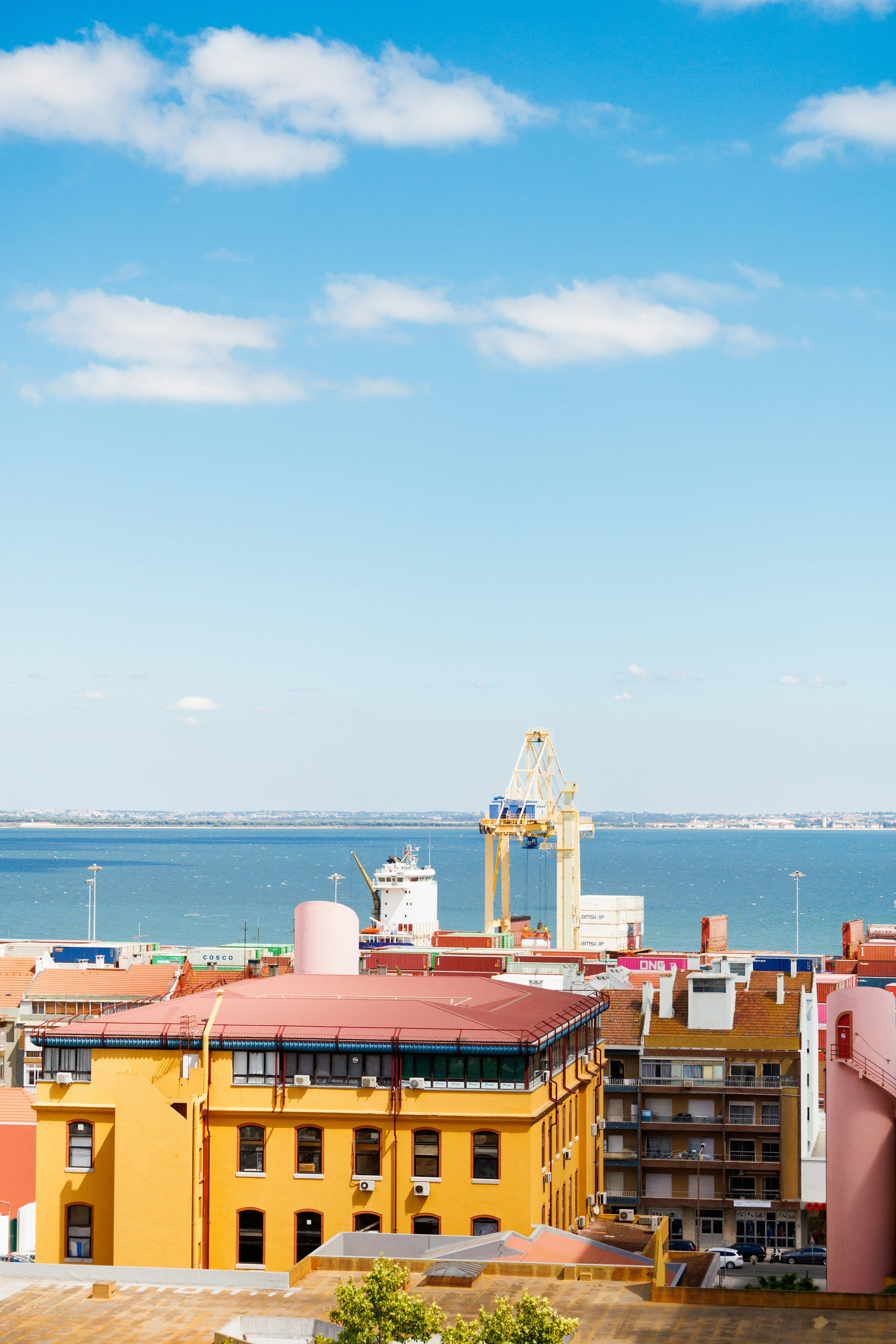
Most first-time visitors stick to Baixa, Alfama, Chiado, and Bairro Alto. These historic districts are undeniably beautiful, but they represent just a fraction of Lisbon's character.
Hidden Neighborhoods in Lisbon Worth Visiting
The real soul of Lisbon emerges in lesser-known neighborhoods where daily life unfolds naturally:
- Campo de Ourique: Family-friendly streets, traditional bakeries, and the excellent Campo de Ourique Market where locals shop for fresh produce.
- Alcântara: The city's creative hub with art studios, craft breweries, and LX Factory.
- Estrela: Tree-lined avenues, the stunning Basílica da Estrela, and peaceful Jardim da Estrela where families picnic on weekends.
- Graça: Authentic neighborhood life with two spectacular miradouros (Graça and Senhora do Monte) that feel more personal than crowded viewpoints.
- Marvila: Lisbon's emerging artistic district with street art, independent galleries, and innovative restaurants.
- Príncipe Real: Upscale but authentic, with beautiful gardens, design shops, and LGBTQ+-friendly venues.
Venture beyond the postcard-perfect spots to experience Lisbon as residents know it, full of everyday beauty and genuine neighborhood culture.
Time Moves Differently in Lisbon
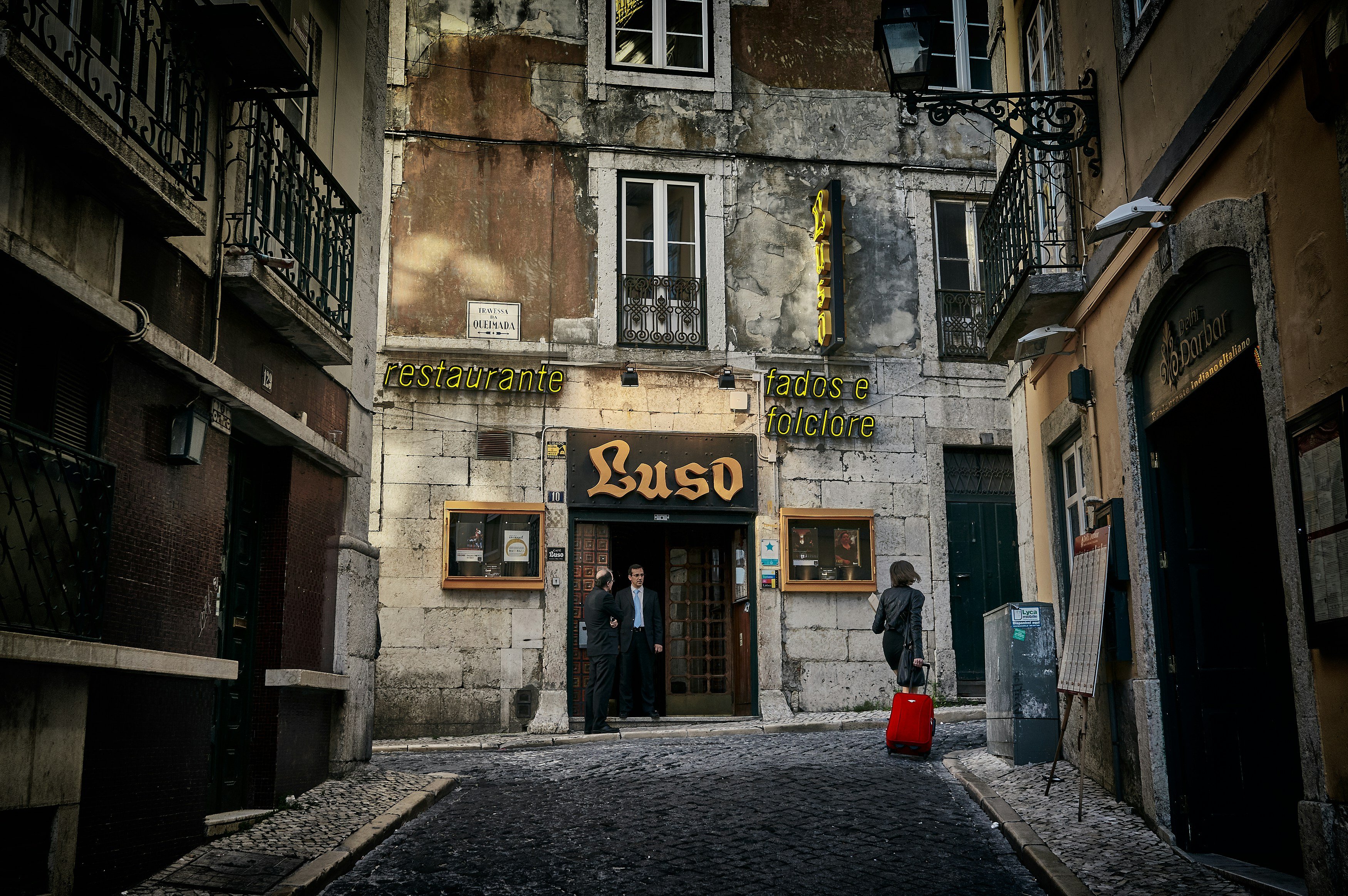
Time moves differently in Portugal's capital. Coffee breaks extend to 30 minutes. Conversations linger. Sunsets stop traffic. Evening passeios (strolls) are cherished daily rituals.
Locals don't measure days solely by productivity, they measure them in meaningful moments:
- A good conversation at a neighborhood tasca
- The particular quality of afternoon light on white buildings
- The familiar comfort of walking their street at dusk
- An unexpected encounter that becomes a memory
Many tourists race through Lisbon, checking off sights and moving to the next scheduled activity. But Lisbon resists optimization. The city reveals itself to those who linger, observe, and allow for unplanned moments.
How to experience Lisbon at the right pace:
- Build downtime into your Lisbon itinerary
- Spend entire afternoons in single neighborhoods rather than rushing between districts
- Sit at cafés without a time limit
- Watch people and daily life unfold around you
- Let yourself get lost without immediately checking Google Maps
Experience Lisbon With a Local Guide

Guidebooks show one version of Lisbon. Walking with a resident reveals another entirely. Locals share shortcuts through Mouraria, explain why certain streets feel different after dark, point out architectural details you'd never notice alone, and recommend the café that makes the perfect bifana (pork sandwich).
Benefits of Local Tours and Connections in Lisbon
Beyond navigation, locals share the layers of memory and meaning embedded in the city:
- Historical context about neighborhoods like Alfama's Moorish origins
- Cultural insights into Portuguese traditions like fado music's deep melancholy
- Personal stories that bring streets and buildings to life
- Practical knowledge about where to eat, shop, and avoid crowds
Consider booking a local Lisbon walking tour, connecting with Portuguese friends online before your trip, or striking up conversations with residents at neighborhood cafés. These human connections transform Lisbon from a destination into a place you begin to understand.
Practical Information for First-Time Visitors to Lisbon
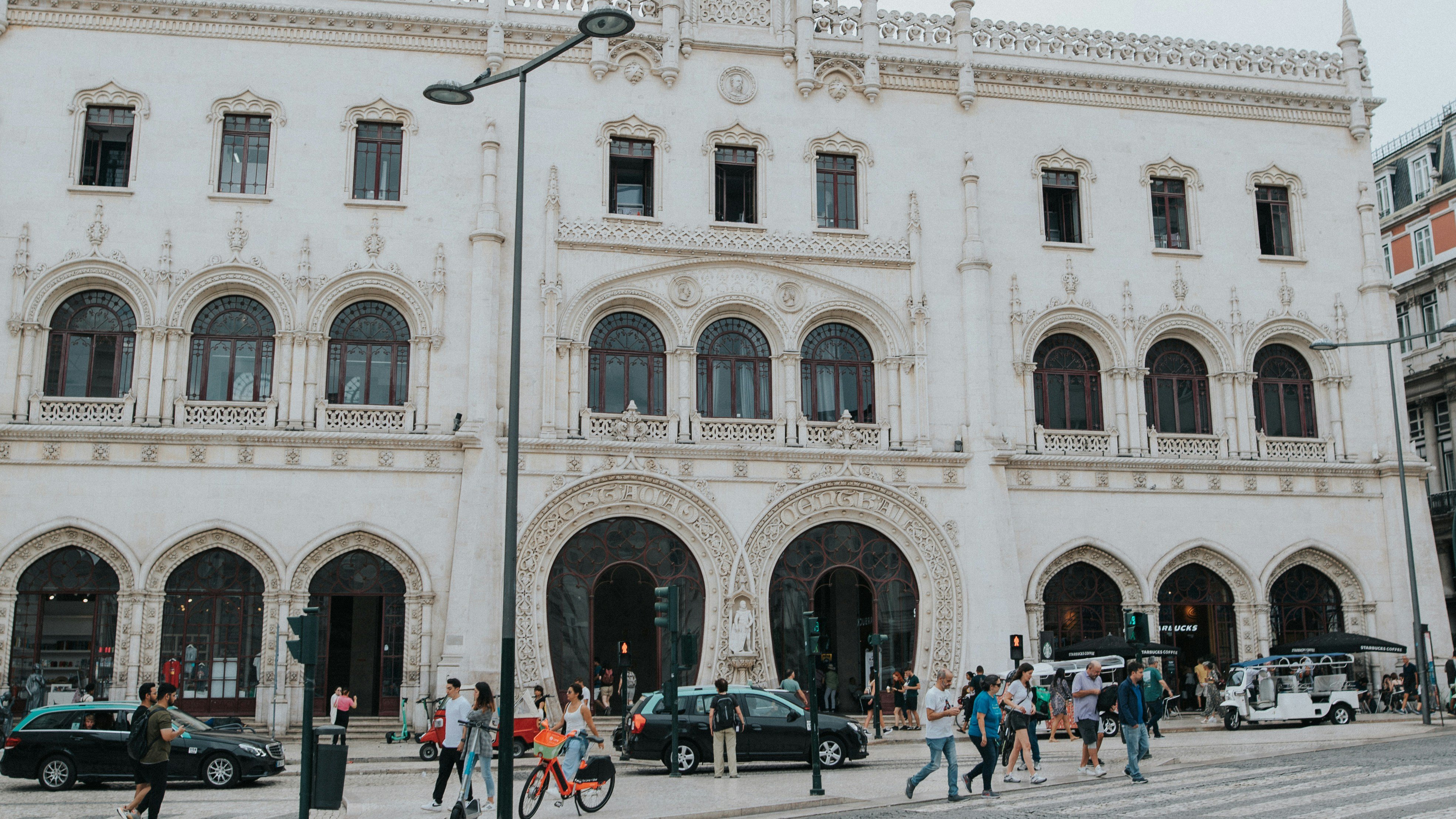
What's the best time to visit Lisbon?
Spring (March-May) and fall (September-November) offer ideal weather, fewer crowds, and lower prices. Summer is hot and packed with tourists, while winter is mild but rainier.
How many days do you need in Lisbon?
Plan at least 4-5 days to experience Lisbon properly without rushing. A week allows time for day trips to Sintra, Cascais, or the Algarve coast.
Is Lisbon expensive for tourists?
Compared to other Western European capitals, Lisbon remains relatively affordable, though prices have increased significantly. Budget €30-40 per day for food, more for accommodations and activities.
Do people speak English in Lisbon?
Yes, especially in tourist areas, restaurants, and hotels. Learning basic Portuguese phrases is appreciated by locals.
What should I pack for Lisbon?
Comfortable walking shoes are essential. Bring layers for variable weather, sunscreen, a light rain jacket, and a day bag that closes securely.
Can you drink tap water in Lisbon?
Yes, Lisbon's tap water is safe to drink and of good quality.
What's the best way to explore Lisbon like a local?
Slow down, expect hills, and get off the Tram 28 route. Locals spend time in Campo de Ourique, Graça, and Marvila as much as Alfama and Baixa, and eat at neighborhood pastelarias rather than queuing at the famous one.
Is a private local guide worth it in Lisbon?
Yes, particularly for Alfama and Mouraria the steep, winding layout is easy to misjudge on a map, and a resident guide can navigate the elevadores and funiculars that make the hills manageable.
Lisbon Like a Local
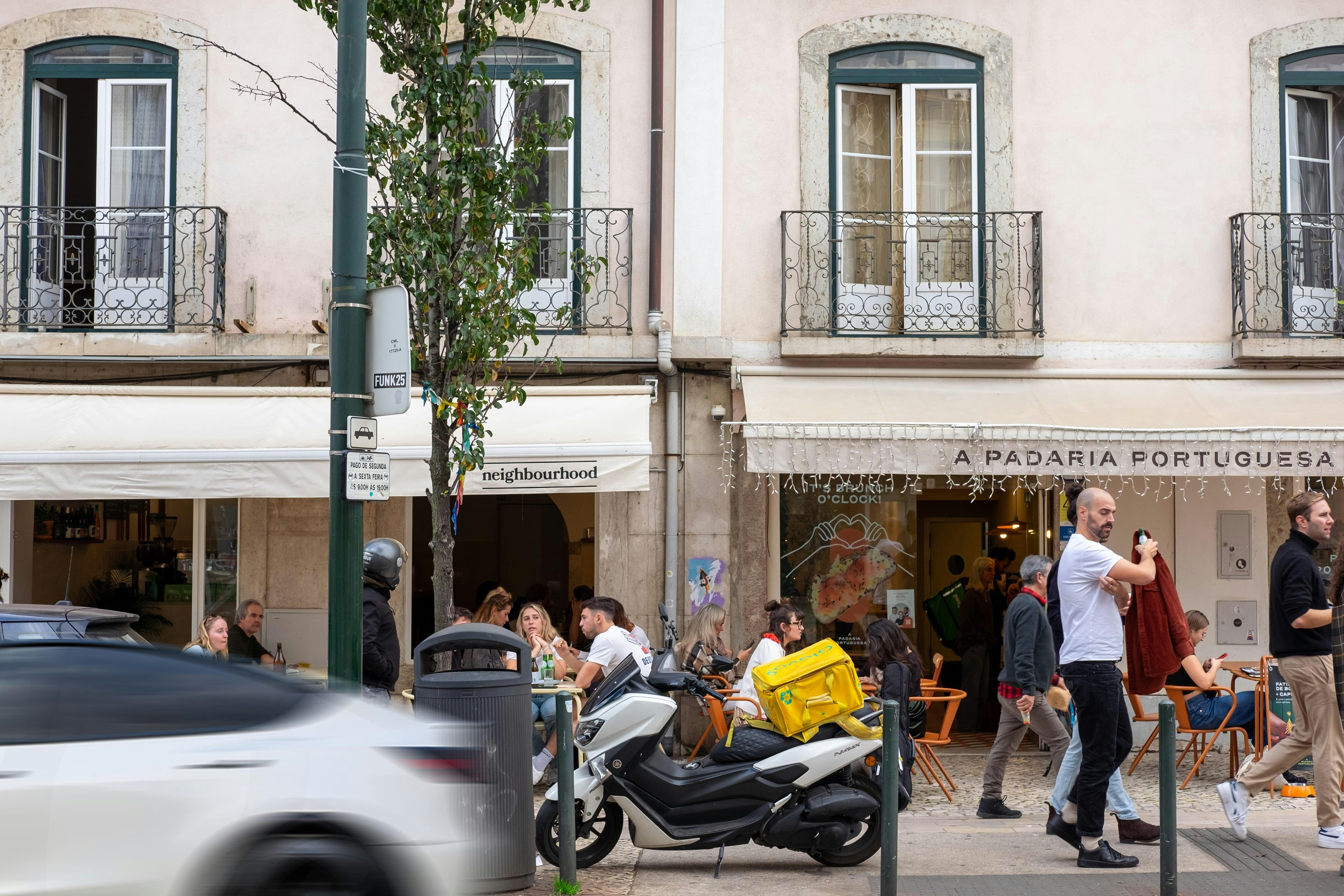
Lisbon doesn't demand attention, it waits for you to notice it properly. The city asks you to slow down, walk with intention, eat without rushing, and observe rather than just photograph.
In return, Lisbon offers something increasingly rare: a feeling that lingers long after you've left, a calm you carry home, memories that feel personal rather than packaged for social media.
This is the Lisbon that residents experience daily, and the Lisbon they hope thoughtful travelers discover too. Come with curiosity rather than a checklist. Walk the hills slowly. Taste pastéis de nata from neighborhood bakeries. Explore beyond Baixa and Alfama. Most importantly, give yourself permission to simply be present in one of Europe's most soulful cities.
Take your time, walk a little slower, savor every bite, and let the city reveal itself. Your Lisbon experience will be richer for it and it’s a memory that will stay long after you leave.
Enjoyed this article?