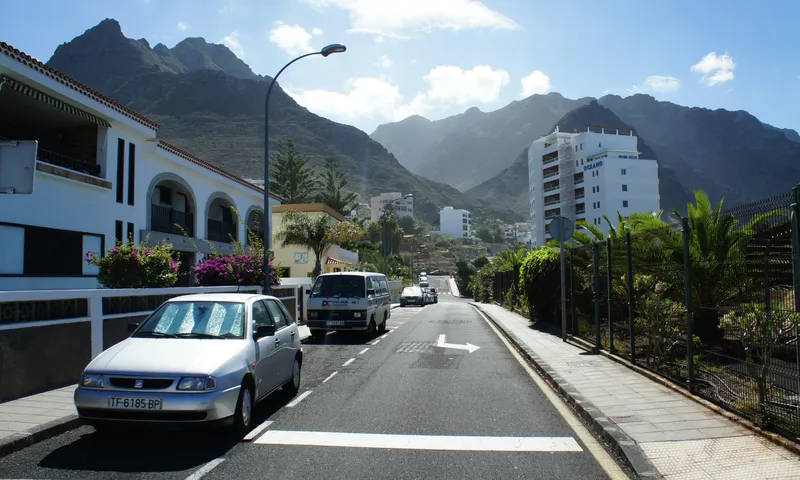
Rome is more than monuments and piazzas, it’s a collection of neighborhoods, each with its own vibe, culture, and pace.
The best neighborhood to stay in Rome depends on your priorities: Monti for first-time visitors who want walkability without Trastevere's tourist density, Trastevere for atmosphere if you don't mind cobblestones and higher prices, Testaccio for the most authentic food scene, and Prati for families or anyone visiting the Vatican. A private local guide can help match your choice to how you actually want to experience the city rather than guessing from photos.
Most travelers make the same mistake. They book a hotel based on price or proximity to the Colosseum and then spend their entire trip either dodging tour groups or hiking 30 minutes to find a decent restaurant where locals actually eat.
The truth is that where you stay in Rome determines what kind of trip you have. Stay in Centro Storico and you'll wake up to the Pantheon but pay 8 euros for mediocre carbonara. Stay in Testaccio and you'll eat like a Roman but need to budget extra time for metro rides.
In this guide, I’ll walk you through the city like a local, giving honest insights on where to stay so you can make the most of your time, no matter your interests or travel style. This is what Romans actually tell their friends when they visit.
Why Your Neighborhood Choice Matters More in Rome Than Other Cities
Rome doesn't have a "downtown" the way London or Paris does. The historic center is massive and uneven. Some neighborhoods are packed with tourists from 7am to midnight while others feel like small Italian towns where grandmothers still hang laundry from balconies and argue about football in the piazza. Where you choose to base yourself can determine how easy it is to navigate the city, which attractions are within walking distance, and even the kind of atmosphere you’ll wake up to each morning.
In Rome, some neighborhoods are buzzing hubs of nightlife and street life, while others feel like quiet retreats tucked away from the crowds. Certain areas put you right at the heart of history, while others offer a more modern, local experience. Picking the right neighborhood is about aligning your stay with the kind of Roman experience you want to have. The wrong choice can mean spending hours on public transport or missing out on the city’s authenticity entirely.
Here's what you need to know about each neighborhood before you book anything.
Trastevere: Lively, Local, and Popular with Visitors
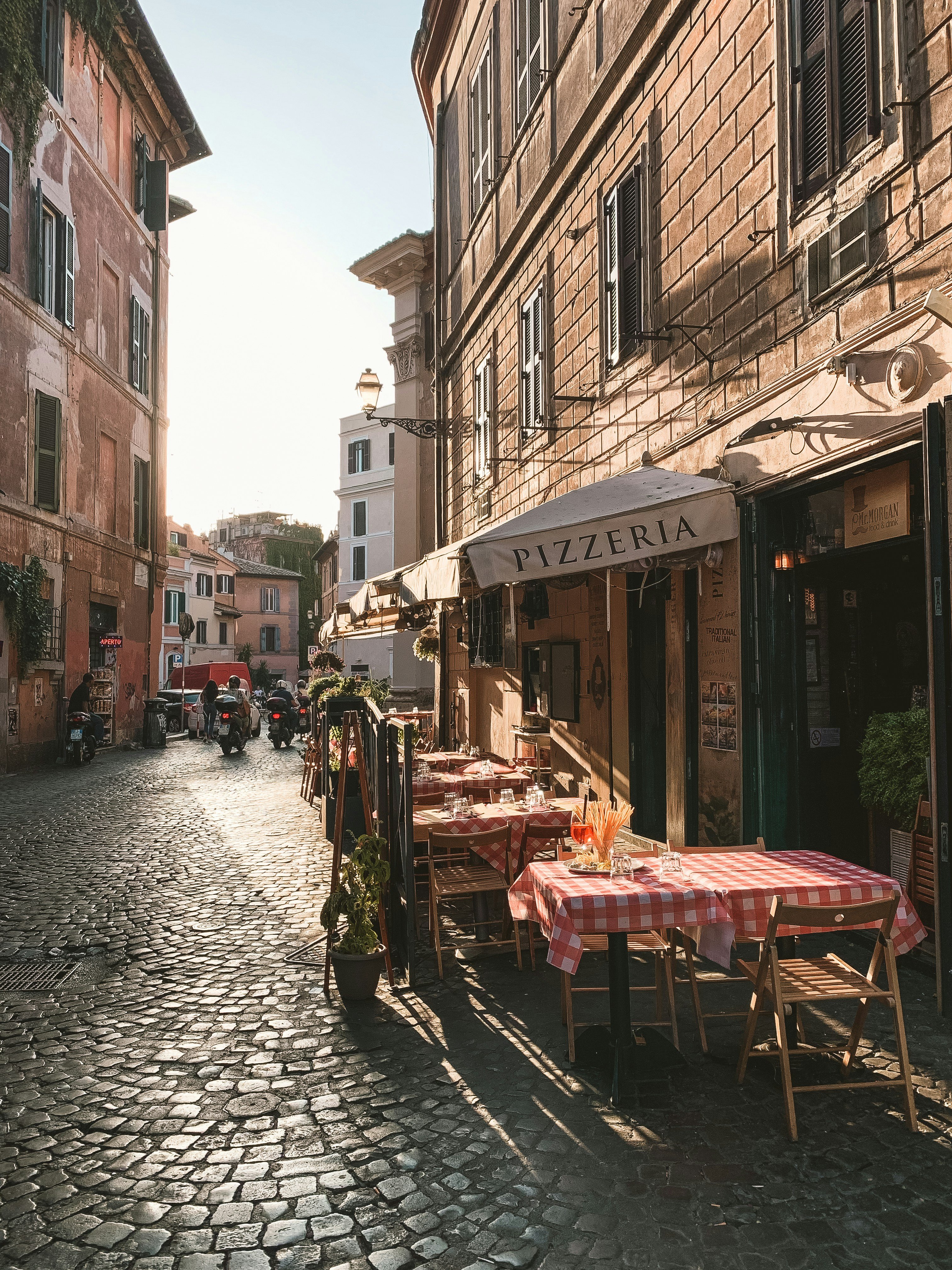
Trastevere is the neighborhood everyone puts on their Instagram. Ivy-covered buildings, narrow alleys and flower boxes on every window. It looks like a movie set because it's been featured in dozens of films. The reality is more complicated.
Trastevere is genuinely beautiful and still has pockets of authentic Roman life. The problem is that it also has 6,000 tourists per day doing walking tours and taking photos of the same three streets. Restaurants have menus in six languages. Aperol Spritzes cost 12 euros. Street performers outnumber locals in Piazza Santa Maria after 6pm.
What works: The atmosphere is unbeatable if you wake up early. Trastevere at 7am is quiet and golden and feels like you've traveled back 200 years. The morning light on the ochre buildings is what people mean when they say "Roman magic." The side streets away from the main square still have local bakeries where you can get cornetti for 1.50 euros.
What doesn't work: The cobblestones are brutal for luggage. Most Trastevere streets are pedestrian-only which means your taxi drops you off at the edge and you drag your bags across uneven stones. The hills are steeper than they look on Google Maps. If you have mobility issues or you're traveling with small children, this neighborhood will exhaust you.
The restaurant situation requires strategy. Avoid anywhere with a host standing outside trying to pull you in. The good places are tucked on side streets and fill up with locals by 8pm. If you don't know where to look you'll end up paying 18 euros for pasta that doesn’t taste as good as it looks.
Best for: People who want the aesthetic Rome atmosphere, people who don't mind paying extra for location and travelers who plan to spend evenings wandering rather than cooking or eating in.
Skip if: You have heavy luggage. You want easy access to major sites. You need reliable transportation options after 11pm.
Monti: Trendy Neighborhood and Truly Authentic
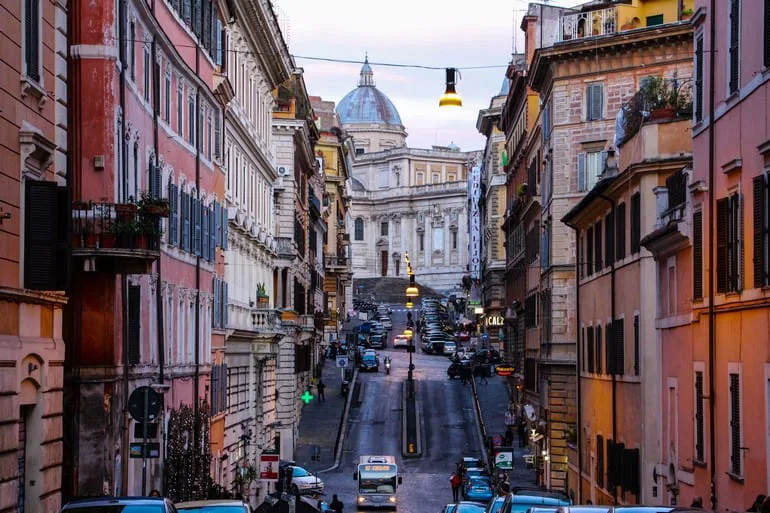
Monti is what Trastevere was 15 years ago before the tour buses discovered it. It's a former working-class neighborhood that's been gentrified by artists and designers but hasn't completely lost its soul yet.
The streets are cleaner than Trastevere, the restaurants are more experimental and the crowds are thinner. You'll see more Romans in their 20s and 30s than families or retirees. The vintage shops and independent bookstores give it a Brooklyn-meets-Rome vibe that feels less touristy even though tourists definitely live here too.
What works: Location is nearly perfect. You can walk to the Colosseum in 10 minutes. The Trevi Fountain is 15 minutes away. The neighborhood itself doesn't feel like a tourist zone but like a real place where people live and work and have their regular coffee spot.
The food scene is significantly better than Trastevere. You'll find wine bars that serve natural wines and small plates made with seasonal ingredients. Trattorias that do classic Roman dishes but with attention to quality sourcing. Bakeries that experiment with sourdough and ancient grains instead of just churning out cornetti for tourists.
The main piazza (Piazza della Madonna dei Monti) has a weekend market and stays lively until late but never feels overcrowded. Locals still sit on the fountain steps with beers at night.
What doesn't work: Accommodation prices have caught up to the neighborhood's popularity. You're paying nearly as much as Centro Storico but getting smaller spaces. The vintage shops are charming but expensive. If you're on a tight budget, this neighborhood will make you overspend. Some streets get loud at night, especially on weekends.
Best for: Solo travelers and couples who want walkability plus nightlife. People who care about food quality. Travelers in their 20s-40s who want to feel less like tourists.
Skip if: You're on a strict budget. You have young children who need early bedtimes. You want total peace and quiet.
Centro Storico: The Heart of Rome
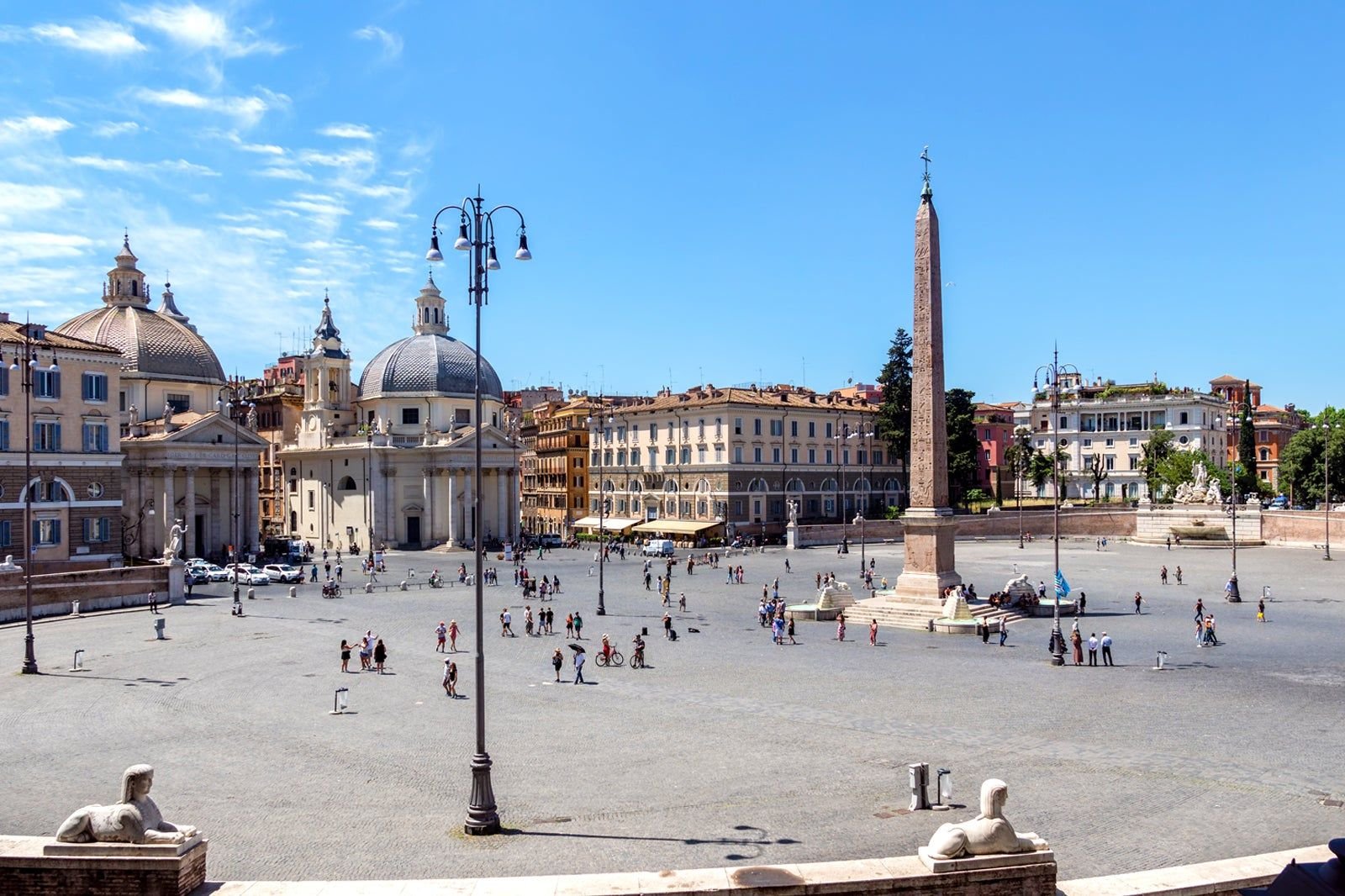
Centro Storico refers to the area around Piazza Navona, the Pantheon and Campo de' Fiori. This is the postcard center of Rome. Every corner looks like a Renaissance painting. You can walk to 15 major sites in under 20 minutes. It's also the most expensive neighborhood you can choose.
What works: The convenience factor is unbeatable. You'll save hours of transportation time. You can do sunrise at the Pantheon and evening walks along the Tiber without planning. If you only have 48 hours in Rome and want to maximize sightseeing this location makes sense. The buildings themselves are stunning. You might stay in a converted 16th century palazzo with frescoed ceilings and marble staircases. The architectural density is unmatched.
What doesn't work: You're paying a premium price for accomodation. Restaurants are universally overpriced. Gelato shops charge 5 euros for a small cup. Every cafe has the same laminated menu with extravagant prices.
The crowds are relentless. Piazza Navona is shoulder-to-shoulder tourists from morning until midnight. You won't see Italian families here. You won't see old men playing cards in cafes. You'll see tour groups and honeymooners while guides explain Bernini fountains through megaphones.
It's also surprisingly hard to find basic services. Need a pharmacy at 8pm? You'll walk 15 minutes. Want to buy groceries for breakfast? The only options are tiny overpriced tourist shops selling Pringles and warm sandwiches.
Best for: First-time visitors with limited time. Travelers who prioritize proximity to monuments over local experience. People with mobility issues who want to minimize walking distances.
Skip if: You care about authentic food. You want to experience Roman daily life. You're on a budget. You're noise-sensitive.
Testaccio: Where Romans Actually Live and Eat
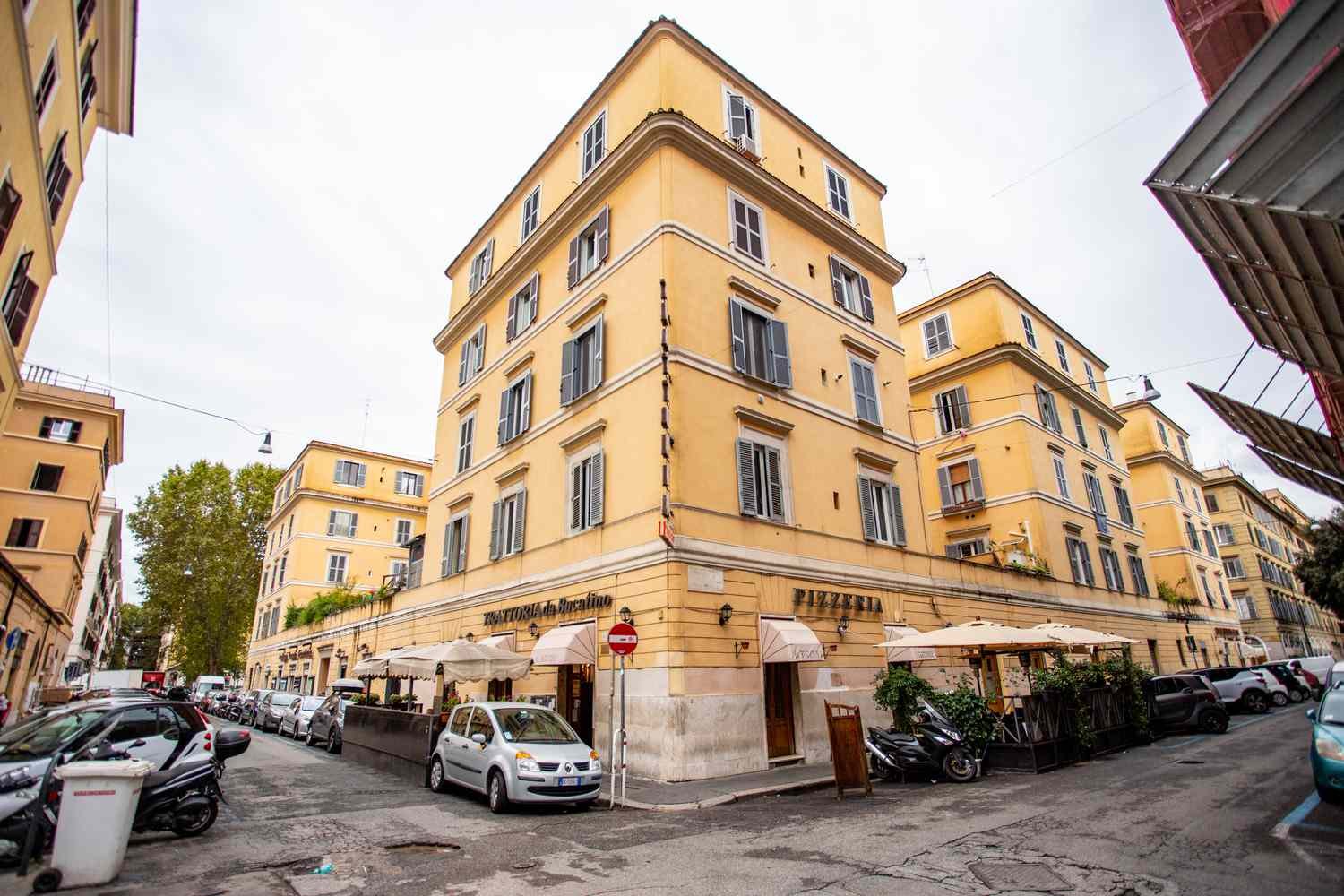
Testaccio is the neighborhood food writers recommend and tourists ignore. It's a 15-minute metro ride from the Colosseum. The streets are working-class and unglamorous. There are no major monuments. The buildings look like standard Roman residential blocks and the food is the best in the city.
What works: This is where Roman cuisine still exists in its purest form. The restaurants here serve locals who come back weekly which means quality matters. You'll find 70-year-old trattorias where the menu hasn't changed since 1952 and the cacio e pepe is still made by the founder's grandson. The outdoor market (Mercato Testaccio) is where actual Romans shop for vegetables and meat and cheese, not where tour groups come to take photos.
Prices are 40-50% lower than tourist areas. A full dinner with wine will cost 20-25 euros per person. Aperitivo spots serve free buffets that could substitute for dinner. The neighborhood bar makes espresso for 1 euro and doesn't charge you extra to sit down.
The atmosphere is real in a way that's increasingly rare in central Rome. You'll see teenagers playing football in the piazza. Old men arguing about politics outside the tabacchi. Mothers shopping with their children after school. It feels like a neighborhood not a tourist site.
What doesn't work: You'll spend more time on public transportation. The metro is reliable but you'll need to factor in 20-30 minutes each way to reach major sites. There are fewer accommodation options and most are apartments rather than hotels. The evening scene is locals-only which is either a good or a bad thing depending on what you want.
Best for: Food-obsessed travelers who plan to cook some meals. People who want to experience daily Roman life. Travelers who don't mind using public transportation. Anyone on a budget who still wants quality.
Skip if: You want to walk to major monuments. You're uncomfortable in non-English-speaking environments. You need lots of accommodation choices.
Prati: Where Locals Live (and Tourists Rarely Go)
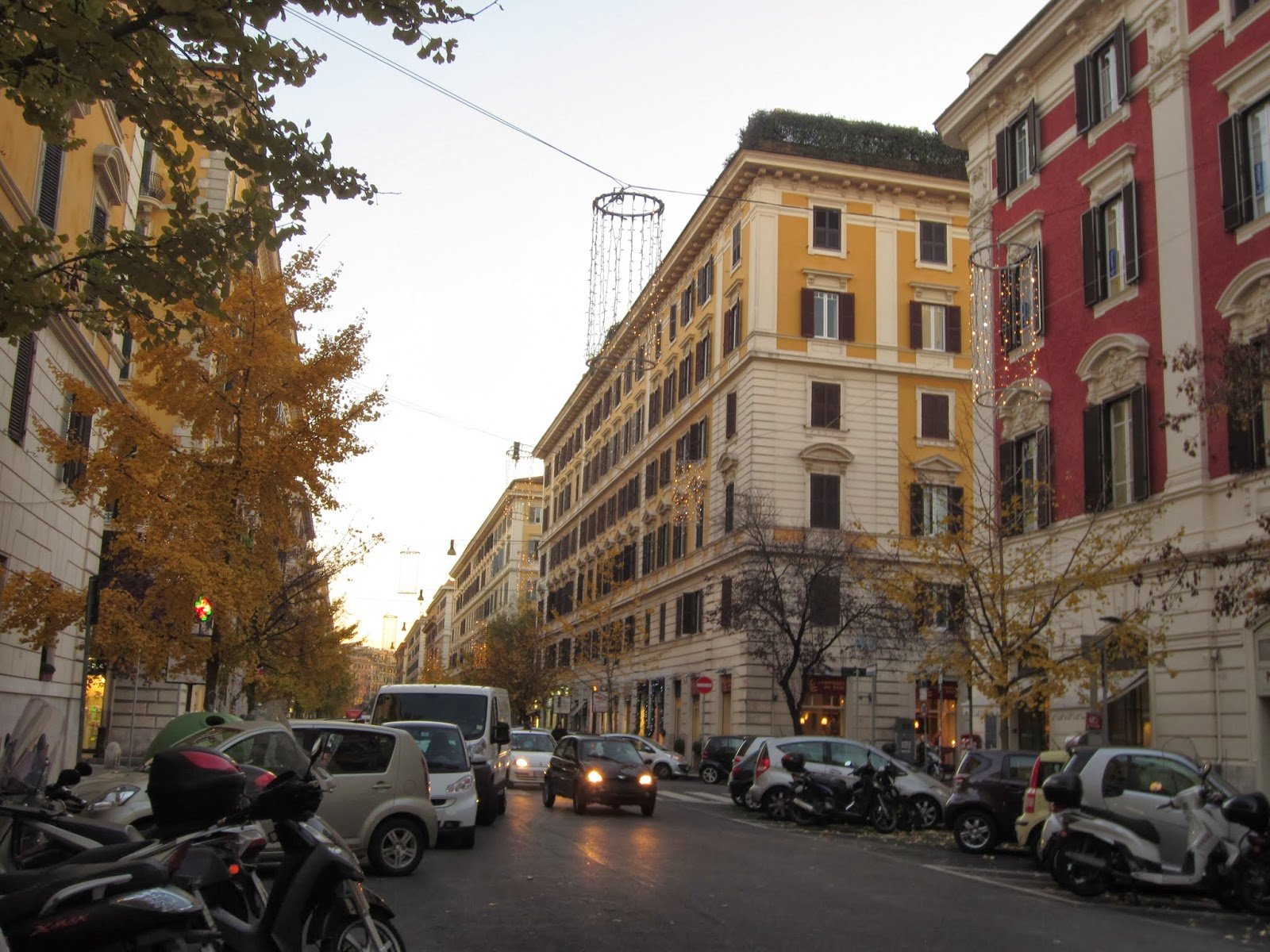
Prati is the neighborhood Romans recommend when their suburban cousins visit with kids. It's near the Vatican. The streets are wide and flat and organized in a grid pattern that makes navigation easy. It's clean and quiet and boring in the best possible way.
What works: This is the most functional neighborhood on this list. Supermarkets stay open until 9pm. Pharmacies are easy to find. The sidewalks are wide enough for strollers. Traffic is calmer than other areas. You can actually cross streets without fearing for your life.
The proximity to the Vatican is convenient if you plan to visit St. Peter's and the museums. You can walk there in 10 minutes. But Prati doesn't feel like a tourist zone, it's a residential neighborhood where middle-class Romans live and work.
The food is solid. Not as exceptional as Testaccio but far better than Centro Storico. You'll find family-run pizzerias and sandwich shops and gelato places that serve locals. Prices are reasonable. The quality is consistent.
What doesn't work: It's not charming. The buildings are early 20th century apartment blocks. The streets are straight and orderly which is practical but not romantic. If you came to Rome for cobblestones and ivy-covered walls, this neighborhood will feel like you're staying in any European city.
The location is offset from most major sites. You'll need to take the metro or bus to reach the Colosseum, Trevi Fountain and most other landmarks. It's not far but it's not walkable the way Monti or Centro Storico are.
The evening atmosphere is quiet. Families with children. A few wine bars but nothing approaching nightlife. If you want lively evenings you'll need to go elsewhere.
Best for: Families with children. Older travelers who want comfort and convenience. People who value functionality over atmosphere. Anyone who plans to spend significant time at the Vatican.
Skip if: You're young and want nightlife. You want Instagram-worthy streets. You want to walk everywhere.
How to Actually Decide
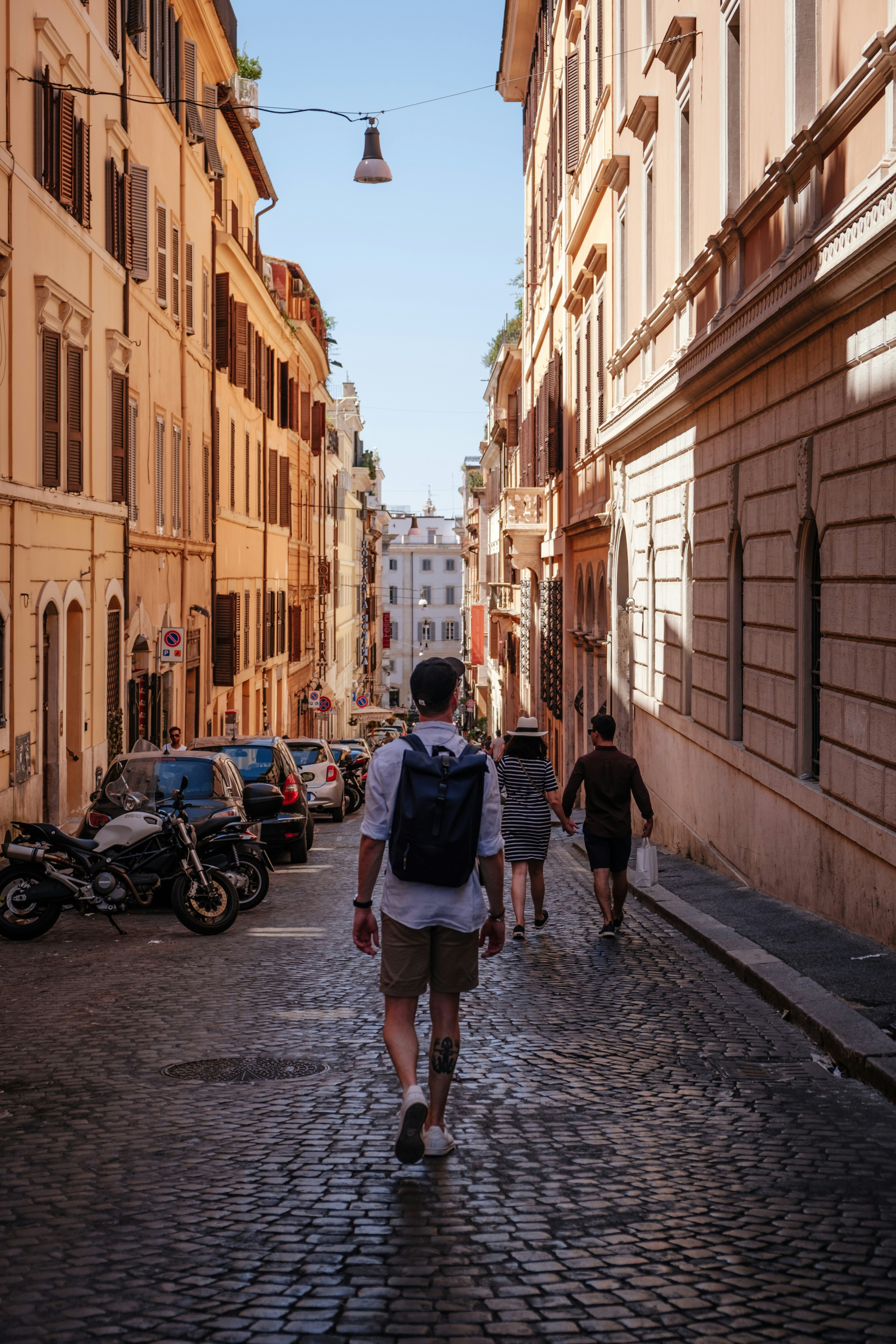
Here's the decision tree Romans use when friends ask where to stay:
If this is your first time in Rome and you have less than 3 days: Stay in Monti. You get walkability to major sites plus better food and atmosphere than Centro Storico without Trastevere's tourist density.
If you're a couple prioritizing romance and atmosphere over practicality: Trastevere. Accept the trade-offs. Wake up early. Book a ground-floor accommodation if possible.
If you care most about food and authenticity: Testaccio. Plan for extra transportation time. Learn five phrases in Italian. Embrace being the only non-Italian in most spaces.
If you're traveling with children or have mobility concerns: Prati. The lack of charm is worth the lack of stress.
If you have a week or more: Split your stay. Do 3-4 nights in Monti to cover major sightseeing then move to Testaccio or Trastevere to experience a different side of the city.
The worst decision is booking based purely on price in a neighborhood not mentioned here. Rome has plenty of cheap accommodation in areas that are either far from everything or surrounded by chain stores and bus stations. You'll spend your whole trip commuting and wondering why Rome doesn't feel magical.
What Locals Actually Do
When you wander through Rome like a tourist, it’s easy to get swept up in the monuments, gelato stops, and crowded piazzas. But life in the city for locals moves at a different pace and following it can give you a more authentic experience.
Locals start their days slowly, often with a quick espresso at a corner café rather than a full sit-down breakfast. Markets are a key part of everyday life, picking up fresh produce, cheese, and bread, and stopping to chat with neighbors along the way. Evenings are about connection and community, not sightseeing.
Weekends are often spent outside the tourist zones, in lesser-known streets, parks, and artisan shops. Locals don’t chase the ‘must-see’ attractions, instead they explore neighborhoods, follow seasonal events, and engage in hands-on experiences like cooking classes, workshops, or casual sporting activities.
Essentially, living like a Roman means slowing down, noticing the little details, and prioritizing experiences over sights. You can access all of these but you need someone who knows where to look.

Frequently Asked Questions
What's the best neighborhood to stay in Rome for first-time visitors? Monti it's walkable to the Colosseum and Trevi Fountain, has a better food scene than the more touristy Centro Storico, and doesn't carry Trastevere's crowd density.
Is Trastevere worth staying in? Yes for atmosphere, with real tradeoffs: cobblestones are hard on luggage, prices are inflated near the main squares, and it's genuinely quiet only very early in the morning.
Where do Romans actually live and eat? Testaccio a working-class neighborhood 15 minutes by metro from the Colosseum, with decades-old trattorias and a produce market locals actually shop at, at prices 40-50% lower than the tourist center.
Is Centro Storico too touristy to stay in? It's the most convenient (15 major sites within 20 minutes on foot) and the most expensive and crowded. Best for short first-time visits prioritizing proximity over authenticity.
What's the best area near the Vatican? Prati flat, quiet, residential, with reliable services and easy access to St. Peter's, though it trades away charm for practicality.
Do I need a local guide in Rome? Not required, but Rome's neighborhoods vary enormously in character within short distances, and a private local guide can route you to where a given neighborhood is genuinely strong (a specific trattoria, a quiet morning window in Trastevere) rather than leaving you to guess.
Want a Local to Show You the Real Rome?
Reading about neighborhoods is useful but walking them with someone who's lived there for years is different. No guidebook, map, or algorithm can replace local context. The difference between a great trip and a forgettable one often comes down to who’s showing you around and what they help you notice.
They'll tell you which streets to avoid during rush hour and which ones to explore at sunset. They'll walk you through the morning market and explain what to buy. They'll help you experience Rome the way Romans do when no one's watching.
Whether that means finding a family-run restaurant you’d never discover on your own, understanding which areas feel comfortable to stay in, or shaping your time around what you’re genuinely interested in; history, food, art, or just wandering, local insight makes a memorable Rome experience.
Book a local guide in Rome if you want to experience Rome beyond the highlights because spending time with someone who actually lives there changes everything.
Enjoyed this article?