The first time I planned a trip to Turkey, I made the classic mistake: I treated it like one destination. Three days in Istanbul, a quick hop to see the balloons, done. Then I looked at a map and realised Turkey is bigger than France, and the drive from Istanbul to Antalya takes around 11 hours. Each of the five places in this guide eats differently, moves at a different speed and has its own idea of a good night out. So I went back to the people who know them best: the locals who live in each city, plus the Turkish forums and Facebook groups where residents trade tips with each other. This is what they told me.
Quick Guide: Turkey Travel Key Takeaways
- Primary Recommendation: Pair Istanbul with Cappadocia for a first trip. Fly to Nevşehir or Kayseri (about an hour from Istanbul), and give Istanbul at least three full days.
- Top Choice for Food: Kadıköy on Istanbul's Asian side. Take the ferry over, eat at Çiya Sofrası inside the market, and finish with tea at a Moda seaside tea garden.
- Value Pick: Ankara for travellers who like museums and real neighbourhoods over crowds. Anıtkabir is free, and a plate of Ankara tava in an old Ulus lokanta costs a fraction of a Sultanahmet lunch.
- Best for Winter Sun: Antalya, where the old town, Roman ruins and waterfront parks stay pleasant when the rest of the country turns cold.
- The Best Way to See Turkey: Take a private, personalised walking experience with Lokafy in Istanbul, Cappadocia, Antalya, Bodrum or Ankara, and discover the neighbourhoods, food stops and everyday corners of each city with a local.
How to Plan a Multi-City Turkey Trip
Turkey rewards travellers who plan their route around transport, not around a wish list. The five cities in this guide link up in a fairly logical loop.
Istanbul to Ankara: The YHT high-speed train runs several times a day from Söğütlüçeşme (Asian side) and Halkalı (European side) to Ankara Gar, and most departures take around four and a half hours. It is cheaper than flying once you add airport transfers, and you see the Anatolian countryside unfold through the window.
Ankara to Cappadocia: Buses to Göreme take roughly four hours. If you are coming straight from Istanbul, flying is faster: Turkish Airlines and AJet fly to Nevşehir Kapadokya Airport (about 40 minutes from Göreme) and Kayseri Airport (about 70 to 80 minutes from Göreme). There is no public bus from either airport into Göreme, so book a shuttle with your hotel before you land.
Cappadocia to Antalya: Overnight buses run from Göreme to Antalya in about eight and a half to nine hours. Many travellers prefer flying from Kayseri, which takes about an hour.
Antalya to Bodrum: There is no train. Direct buses take around seven to eight hours along the coast, or you can fly via Istanbul into Milas-Bodrum Airport.
Bodrum back to Istanbul: Short domestic flights leave Milas-Bodrum Airport daily for both Istanbul airports.
A good rule from locals: never schedule a long transfer on the same morning as your Cappadocia balloon flight. Balloons get cancelled for wind fairly often, and you want a spare sunrise to try again.
Istanbul: Start on the Water

Istanbul is the city most people come for, and also the one where the gap between the tourist version and the local version is widest. Sultanahmet deserves your first morning. Hagia Sophia now charges foreign visitors €25 for the upper gallery route, and the tourist entrance sits on the northeast side of the building near the gate to Topkapı Palace, not on Sultanahmet Square where most first-timers head. The Museum Pass Istanbul does not cover it. Women need to cover their hair, shoulders and knees, so pack a scarf.
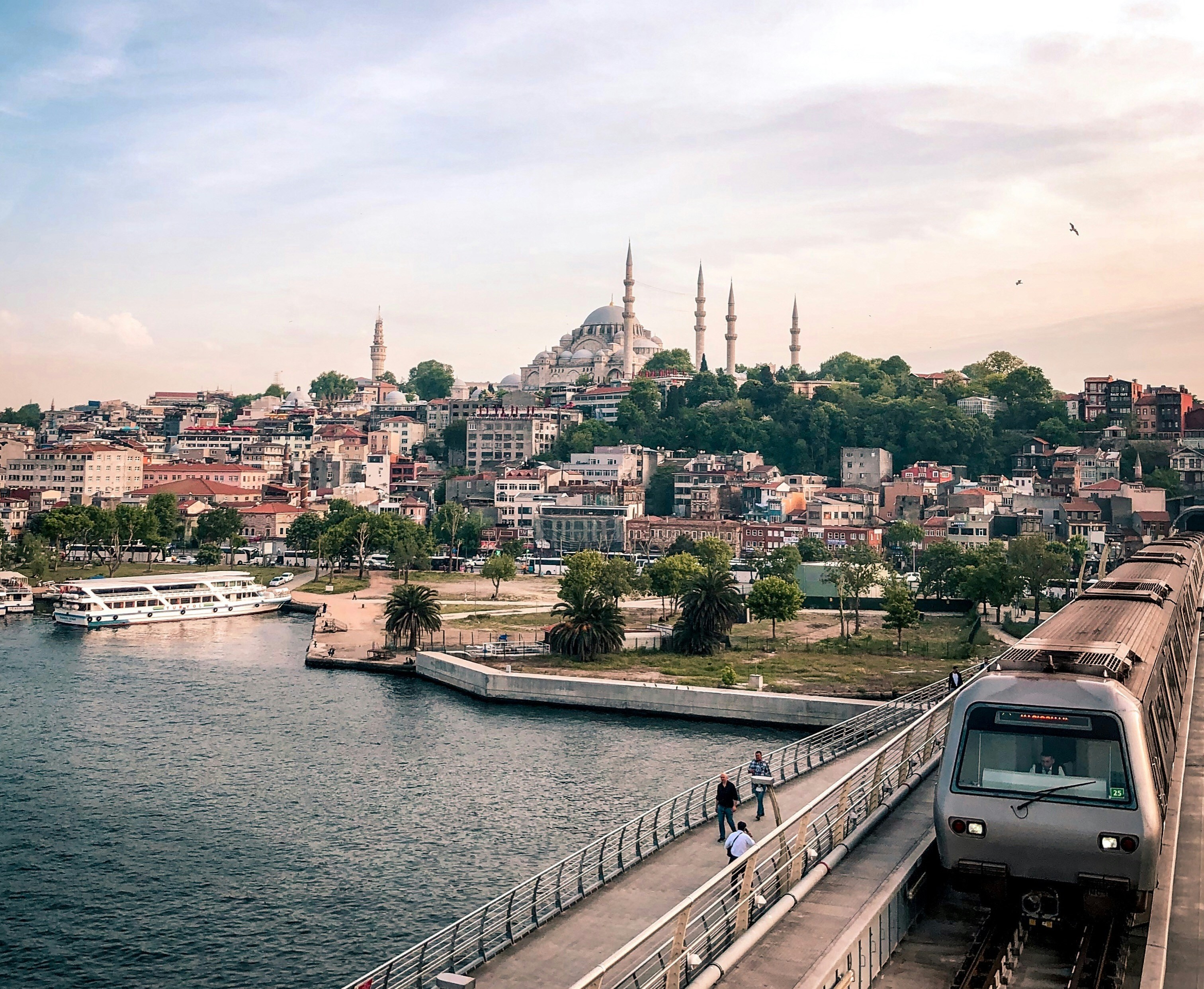
After that, locals will tell you to get on a ferry. The ferries are the cheapest scenic ride in the city, and they are how residents commute. Load an Istanbulkart and treat the Bosphorus as your main road.
What locals do in Istanbul
Take the Haliç (Golden Horn) ferry from Karaköy or Üsküdar and step off at Fener pier. Walk uphill through Fener, where the Greek Orthodox Patriarchate still stands, then drift into Balat's steep lanes of painted houses. Local residents on Istanbul forums suggest going in the morning, before the photo crowds arrive, and taking the side streets rather than the most famous staircases. You can catch the ferry back from Balat pier.
On the Asian side, Kuzguncuk feels like a village tucked into a valley between Üsküdar and the first Bosphorus bridge. A mosque, a church and a synagogue sit within a few minutes of each other, and the neighbourhood has a community vegetable garden where people sit with takeaway coffee. There are no souvenir shops, which is part of the appeal.
Where to eat in Istanbul

Kadıköy is where locals send food-loving visitors, and on Istanbul subreddits the same few places come up again and again.
- Çiya Sofrası: Chef Musa Dağdeviren has spent decades collecting regional Anatolian recipes and serving them in this no-frills lokanta on Güneşlibahçe Sokak, in the middle of Kadıköy market. Point at what looks good from the counter. His kebab shop, Çiya Kebap, sits across the street.
- Özcan Turşuları: A pickle shop open since 1935. Locals drink a glass of pickle juice at the counter.
- Kadı Nimet: The market fish restaurant most often named by residents, run by a family that has sold fish in Kadıköy since the 1970s.
- Borsam Taşfırın: Stone-oven lahmacun and pide, served fast at lunch.
Then walk ten minutes to Moda and order tea at one of the seaside tea gardens as the sun drops over the Sea of Marmara.
Take a private, personalised walking experience with Lokafy in Istanbul and discover Kadıköy, Fener, Balat and the ferry routes locals use every day.
If you only have a few hours between flights, our Istanbul layover guide has a tighter plan.
Cappadocia: Valleys First, Balloons Second
Cappadocia is a region, not a city. Most travellers base themselves in Göreme for convenience, Ürgüp for something calmer and a little more upscale, or Uçhisar for the views.
The balloon question
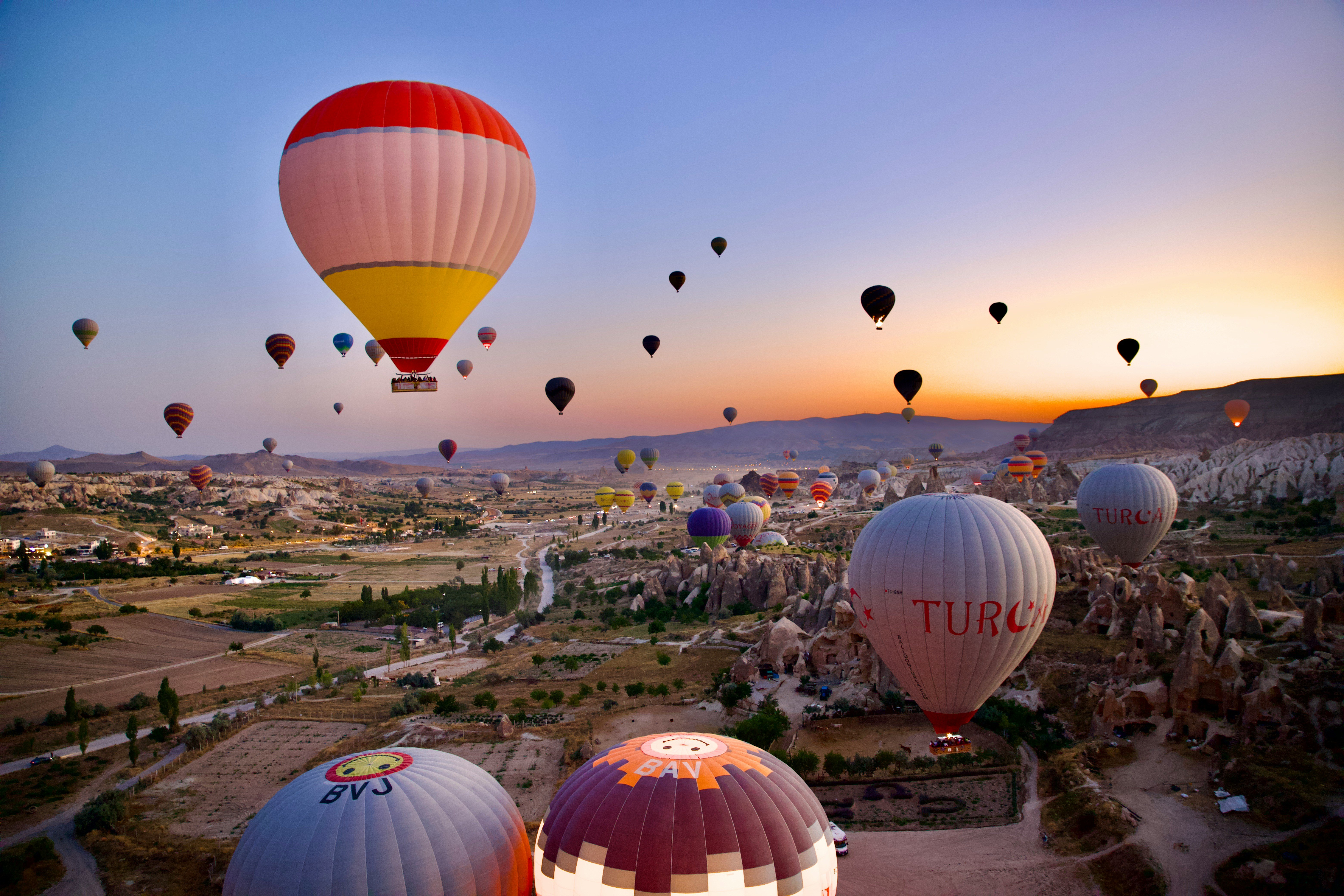
Balloon prices are set by each operator and swing hard with the season. Expect anything from around €80 per person for a shared basket in quiet winter weeks to €300 or more in peak months, with private baskets costing well beyond that. Flights depend on wind and visibility, and cancellations are common, so locals recommend booking for your first morning and keeping your second free as a backup.
You do not need to fly to enjoy the balloons. Before sunrise, walk up to Sunset Point (Aşıklar Tepesi) above Göreme. Hundreds of balloons rise over the valleys right in front of you, and it costs nothing.
What locals do in Cappadocia
Hike Pigeon Valley from Uçhisar down to Göreme. Starting in Uçhisar means the walk is mostly downhill, and you pass hundreds of carved dovecotes along the way. Wear proper shoes, as the volcanic dust gets slippery.
For sunset, skip the busy viewpoints and head to the Red Valley sunset point, which looks over both the Red and Rose valleys. You can hike there from Göreme in about 20 to 30 minutes, or take a 15-minute taxi to the top. The Rose Valley trail drops you past the Columned Church on the way.
The Göreme Open-Air Museum is worth the entry fee for its painted rock-cut churches. Go at opening time, before the tour buses arrive. If you plan to visit several sites, the Museum Pass Cappadocia covers most of the state-run ones over three days.
Where to eat in Cappadocia
Testi kebab is the dish everyone talks about: meat and vegetables slow-cooked in a sealed clay pot that the waiter cracks open at your table. It is fun once. For everyday eating, travellers and locals in Göreme keep naming Fırın Express, a small place with a big wood oven that turns out cheap, excellent pide, including vegetarian ones. For a special dinner, Seten in Göreme serves Anatolian dishes in a restored stone house and is listed in Gault & Millau's Turkey guide.
Take a private, personalised walking experience with Lokafy in Cappadocia and discover the valleys, villages and viewpoints beyond the tour bus stops.
Antalya: The Old Town, Then the Ruins
Antalya is where much of the country flies for sun, but its best side is not the all-inclusive strip. Locals spend their time in and around Kaleiçi, the walled old town above the marina.
What locals do in Antalya
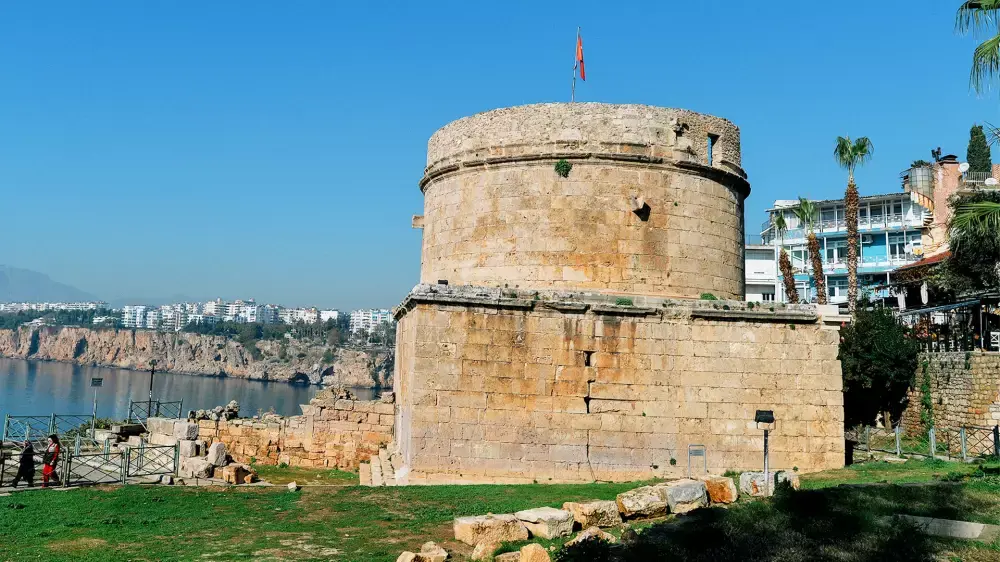
Enter Kaleiçi through Hadrian's Gate, a triple-arched Roman gate built for the emperor's visit in the second century. Wander the lanes of restored Ottoman houses toward Hıdırlık Tower, a Roman tower at the cliff edge that was recently restored with a new archaeological viewing terrace. From there, walk into Karaalioğlu Park and stay for sunset over the Beydağları mountains, which drop straight into the sea on the far side of the bay.
Antalya's ancient sites are the real reason to stay a few days. Perge sits on the city's edge, and Aspendos, home to one of the best preserved Roman theatres anywhere, is about 40 minutes east by car. Lower Düden Falls, at the Lara end of town, pours straight off a cliff into the Mediterranean, and locals go at golden hour.
Where to eat in Antalya
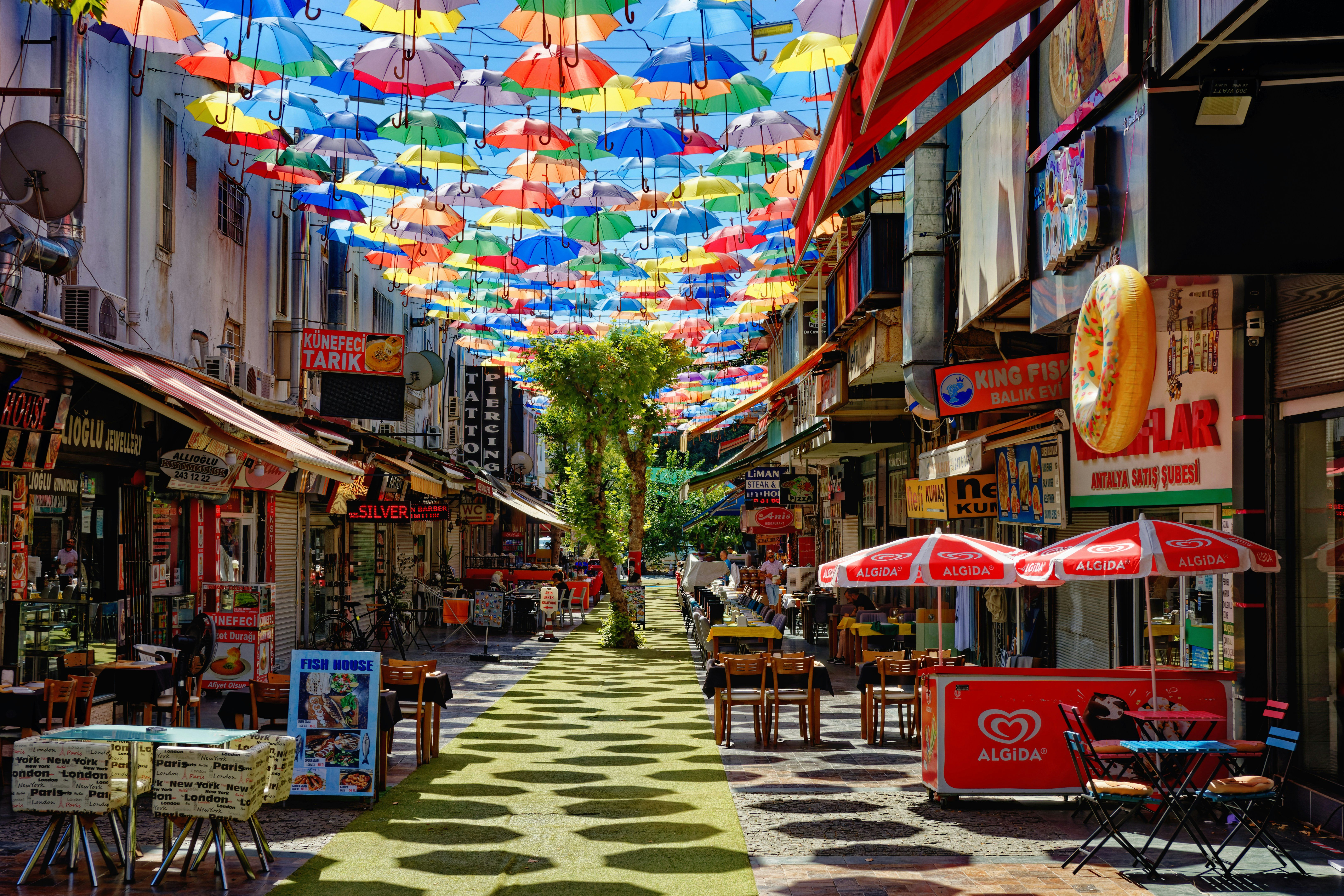
The city's signature meal is tahinli piyaz (white bean salad dressed with tahini) served next to şiş köfte. The tahini version is specific to Antalya. Residents warn that the restaurants lining the old harbour in Kaleiçi charge two to three times more than local spots, so walk a few streets out. Piyazcı Sami is a plain, local dining room that reviewers describe as the place where Antalya families eat, and it serves piyaz and köfte and little else. Finish with kabak tatlısı, candied pumpkin topped with tahini and crushed walnuts.
Take a private, personalised walking experience with Lokafy in Antalya and discover Kaleiçi's lanes and the piyaz spots where Antalya families eat.
Bodrum: The Year-Round Side
Bodrum has a reputation for yachts and beach clubs, and that side exists. But the people who live on the peninsula all year eat earlier and cheaper, usually far from the marina.
What locals do in Bodrum
Start at the Castle of St Peter, built by the Knights of St John from 1402 into the early 1500s. It houses the Museum of Underwater Archaeology, Turkey's only museum dedicated to the subject, where you can see the Uluburun shipwreck, one of the oldest ever found. Give it at least two hours. Afterward, walk to the Mausoleum at Halicarnassus. Only foundations remain of one of the Seven Wonders of the Ancient World, partly because the Knights reused its stones to build the castle you walked out of.
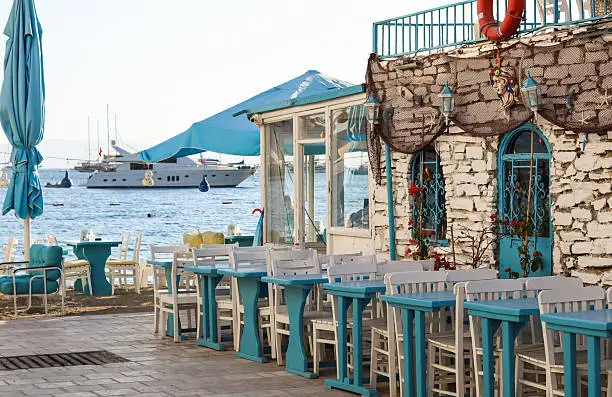
For sunset, take a dolmuş (shared minibus) to Gümüşlük at the western tip of the peninsula. It is a fishing village built over the ancient city of Myndos, and locals wade through the shallow water to Rabbit Island (Tavşan Adası) in the late afternoon before claiming a table on the waterfront.
For a full route through the town centre, see our Bodrum walking tour guide.
Where to eat in Bodrum
In Gümüşlük, Ali Rıza'nın Yeri has served fish on the waterfront since 1962 and is still run by the same family. In Bodrum town, Liman Köftecisi is the unpretentious köfte stop residents recommend. Memedof is the long-standing fish house for a proper rakı dinner with meze. On a hot day, follow the queue to Bitez Dondurma, the ice-cream counter on Bitez square that the İhtiyar brothers opened in 1995.
A local tip: if you visit in winter, many beach clubs and seasonal restaurants close, but the town, the castle and the year-round lokantas keep going, and you get Gümüşlük almost to yourself.
Take a private, personalised walking experience with Lokafy in Bodrum and discover the castle quarter, the old market streets and the town residents know year-round.
Ankara: The Capital Most Travellers Skip
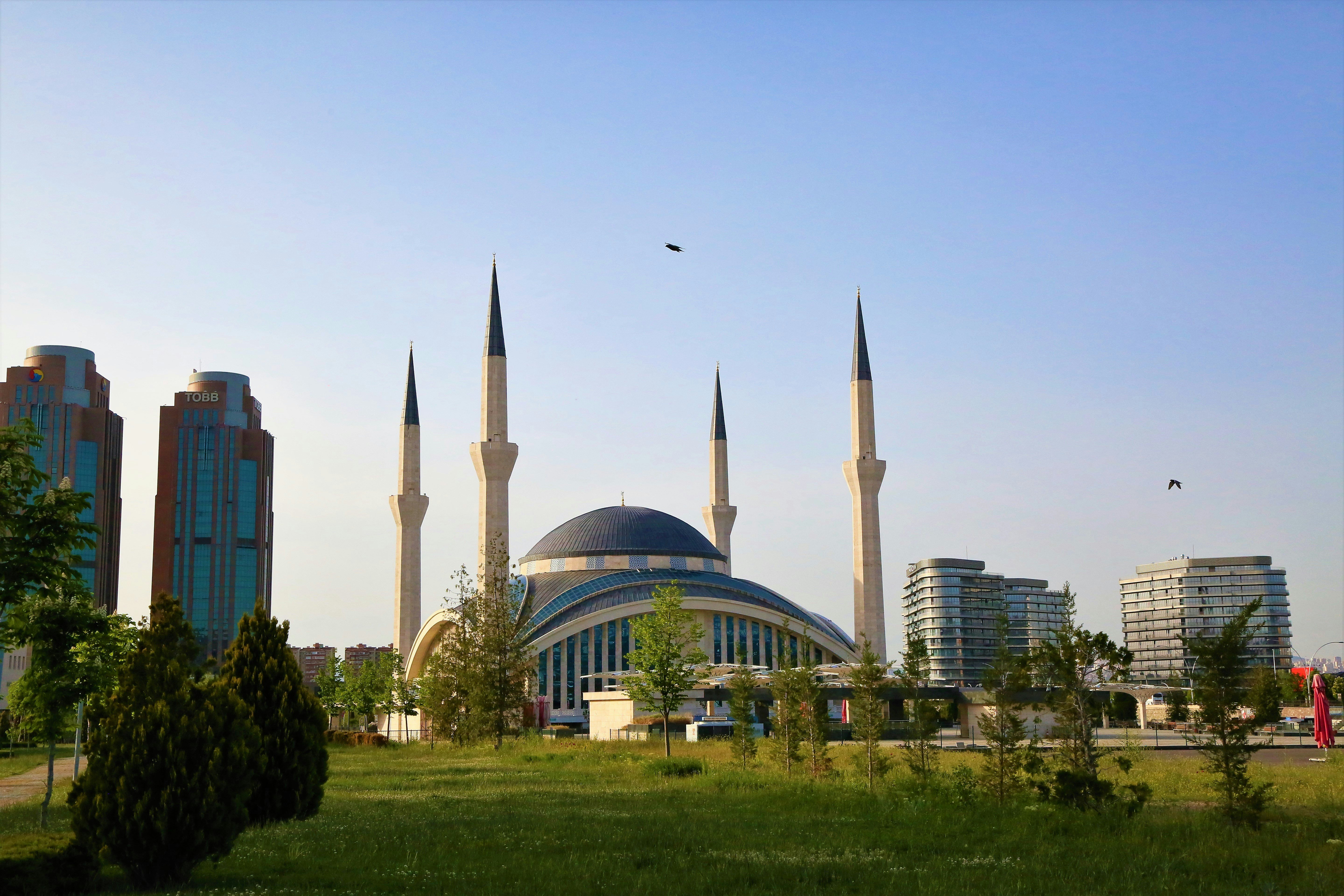
Ask on Turkey travel forums if Ankara is worth visiting and the answers split. Locals have a clear one: yes, for a day or two, especially if you are taking the train between Istanbul and Cappadocia anyway.
What locals do in Ankara
Start at Anıtkabir, the mausoleum of Mustafa Kemal Atatürk, founder of modern Turkey. Entry is free, and the scale of the place tells you a lot about how Turks see their republic. Then head to the old city. The Museum of Anatolian Civilizations, inside a restored Ottoman covered bazaar, holds one of the world's finest collections of Hittite artefacts and sits below Ankara Castle, where you can walk the walls for a view across the city.
Below the castle, Hamamönü is a neighbourhood of restored 19th-century houses with wooden bay windows, now filled with cafés and craft shops. Ankara residents treat it as a winter weekend favourite, with tea and a stroll on the cobbled lanes.
In the evening, do what the city does: walk Tunalı Hilmi Caddesi and sit in Kuğulu Park, named after the swans that the city of Vienna gifted when the park opened in 1958. Swans still glide around the pond today.
Where to eat in Ankara
Ulus, the old centre near the castle, is where locals go for traditional food. Boğaziçi Lokantası has served Ankara tava (lamb baked over rice until the top crisps) since 1956 and is now run by the third generation. Kokoreççi Hacı in Ulus smokes its kokoreç over coal, and many residents call it the best in town. For döner, an Ankara resident's guide published around the 2026 NATO summit pointed visitors to Mutlu Lokantası on Güvenlik Caddesi, and for kebab to Masa Başı Kebapçısı in the Tunalı area. The same guide gave a useful warning: Ankara has a cheap "Aspava" kebab chain on almost every corner, and locals rarely rate them.
Take a private, personalised walking experience with Lokafy in Ankara and discover Ulus, Hamamönü and Tunalı through the eyes of someone who lives in the capital.
Turkey Itineraries for 7, 10 and 14 Days
These routes are built around realistic transfer times and the order locals would suggest.
7 days (first-timer): Istanbul for four days, split between the old city, a Golden Horn ferry morning to Fener and Balat, and a full day in Kadıköy and Moda. Fly to Cappadocia for three days, with a balloon or sunrise viewing on day one, Pigeon Valley and the Göreme Open-Air Museum on day two, and Red Valley at sunset on day three. Fly home from Kayseri via Istanbul.
10 days (the classic loop): Istanbul for four days. Take the high-speed train to Ankara and spend one night there. Bus to Cappadocia for three days. Fly from Kayseri to Antalya for two days in Kaleiçi with a half-day trip to Aspendos and Perge.
14 days (all five cities): Istanbul for four days, Ankara for one, Cappadocia for three, Antalya for three and Bodrum for three. Bus or fly from Antalya to Bodrum, then fly back to Istanbul for your international departure.
Best Time to Visit Turkey, Season by Season
Turkey works all year, as long as you match the city to the season.
Spring (April to May): The best all-round window. Istanbul's tulips bloom in April, Cappadocia's valleys are green, and the coast is warm without the summer crowds.
Summer (June to August): Peak season on the coast, when Bodrum and Antalya are at their liveliest and priciest. Istanbul and Cappadocia get hot, so plan sightseeing for early mornings.
Autumn (September to November): Locals' favourite time for the coast. The sea stays warm into October, prices drop and Cappadocia's light turns golden for hiking.
Winter (December to March): Istanbul is grey and rainy but quiet, which makes museums far more pleasant. Cappadocia often gets snow, and balloons still fly on calm days over white fairy chimneys. Ankara gets cold and snowy. Antalya stays mild and is the best choice for winter sun.
Practical Tips Before You Go
Visas: Citizens of the United States, Canada, the United Kingdom, most EU countries and, since April 2026, Australia can visit Turkey visa-free for up to 90 days in any 180-day period. Other nationalities should check the official e-Visa site, evisa.gov.tr, and avoid third-party sites that add fees.
Museum entry: State museum prices are set in euros and charged in lira at the daily rate. If you plan to visit several sites in one region, compare the cost of a regional Museum Pass against single tickets before you buy.
Getting around cities: In Istanbul, buy an Istanbulkart for trams, metro, Marmaray and ferries. In Cappadocia and Bodrum, the dolmuş minibus network connects towns cheaply.
Mosque etiquette: Shoes off, shoulders and knees covered, headscarf for women. Mosques close to tourists during prayer times, which shift through the year.
Cash: Cards work almost everywhere in cities, but keep some lira for dolmuş fares, market stalls and small village restaurants.
See Turkey With a Local Lokafyer
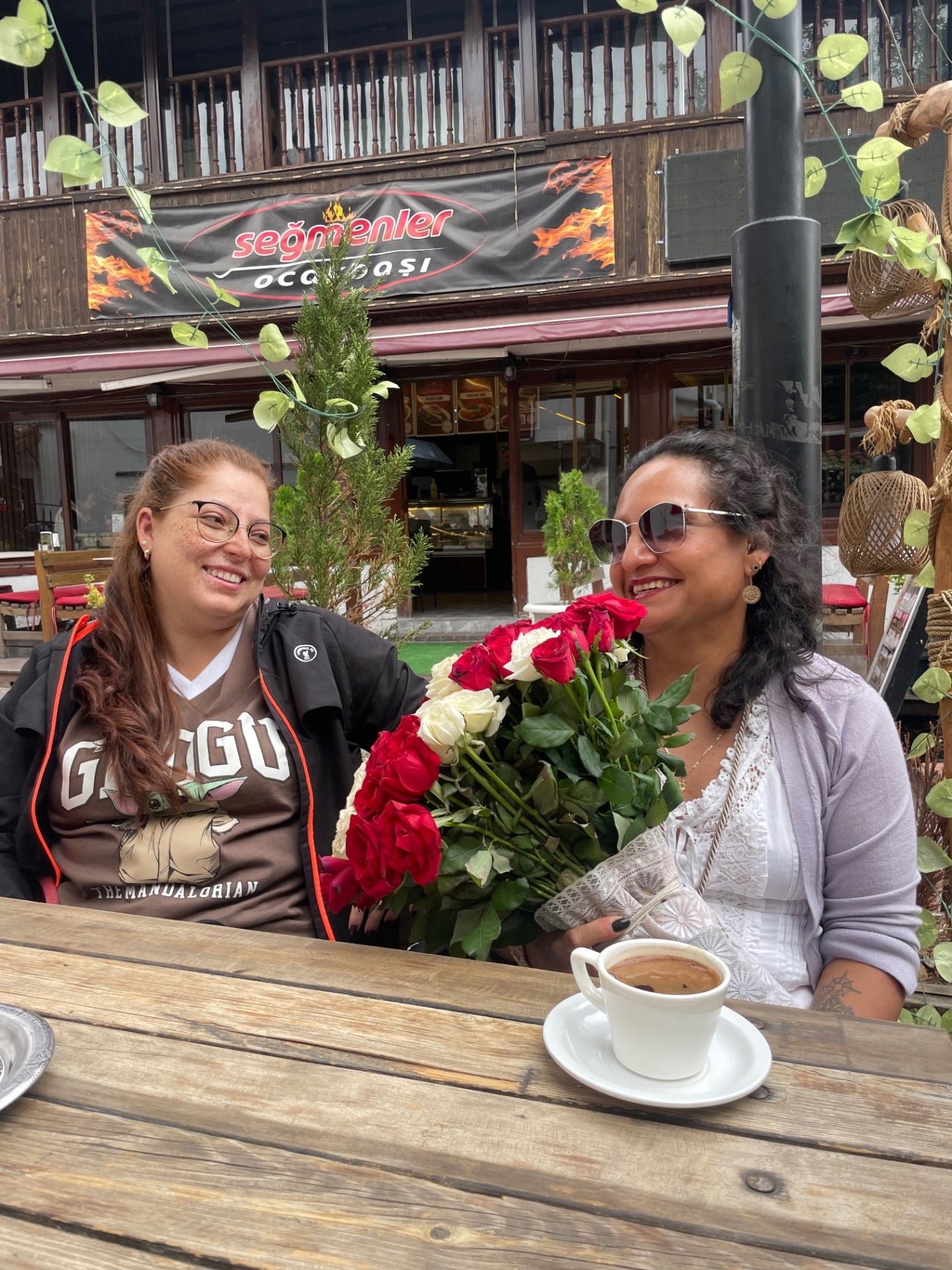
Guidebooks get you to Hagia Sophia and the balloon launch field. A local knows which lokanta has cooked the same dish for decades, and which ferry home has the better view at sunset.
Lokafy matches you with a Lokafyer, a resident who designs a private walk around what you care about: food, neighbourhoods, photography, history or simply how people live. Lokafyers are locals first, sharing the city they call home, and every experience is fully private and personalised.
Planning a multi-city trip? Book a Lokafyer in each stop and you get a different local perspective at every leg of your journey. Find your local on Lokafy and start planning.
Frequently Asked Questions
What is the best route for a first trip to Turkey?
For a first trip of seven to ten days, most locals recommend Istanbul and Cappadocia, connected by a one-hour flight to Nevşehir or Kayseri. With ten days, add Ankara by high-speed train on the way to Cappadocia, or Antalya by air on the way out. Bodrum fits best on a two-week trip.
How many days do you need in Turkey?
Seven days covers Istanbul and Cappadocia comfortably. Ten days lets you add Ankara or Antalya. Fourteen days is enough to see all five cities in this guide without rushing, as long as you fly the longer legs.
How do you get from Istanbul to Cappadocia?
The fastest option is a domestic flight from either Istanbul airport to Nevşehir Kapadokya Airport, about 40 minutes from Göreme, or to Kayseri Airport, about 70 to 80 minutes away. Overnight buses from Istanbul take around 10 to 11 hours. A scenic middle option is the high-speed train to Ankara (about four and a half hours) followed by a four-hour bus to Göreme.
Is Ankara worth visiting?
Yes, for one or two days. Ankara has the Museum of Anatolian Civilizations, Atatürk's mausoleum at Anıtkabir (free entry), the restored Hamamönü quarter and some of the best traditional lokantas in the country, with far fewer tourists than Istanbul. It also sits on the train route between Istanbul and Cappadocia.
What is the best time of year to visit Turkey?
April to May and September to October offer the best balance of weather and crowds across all five cities. Summer suits the beach towns of Bodrum and Antalya. Winter is ideal for quiet museums in Istanbul, snowy balloon flights in Cappadocia and mild sunshine in Antalya.
Do you need a visa to visit Turkey?
Citizens of the US, Canada, the UK, most EU countries and Australia can enter visa-free for up to 90 days within a 180-day period. Other nationalities should check requirements on the official government site, evisa.gov.tr.
How much does a hot air balloon ride in Cappadocia cost?
There is no fixed price. Each operator sets its own rate based on season and demand, ranging from around €80 per person for a shared flight in low season to €300 or more in peak months. Private baskets cost more. Watching the balloons at sunrise from Sunset Point above Göreme is free.
Enjoyed this article?