The first time I came to Ibiza I made every mistake in the book. I stayed on the San Antonio strip, ate at a beach bar with a laminated menu in four languages, and spent a small fortune on a club night I barely remember. The second time, a friend who had lived on the island for years drove me to a fishing cove on the east coast where the only thing on offer was the catch that came in that morning.
We sat on a wooden bench with our feet near the water and ate grilled fish that cost less than two cocktails back in town. That afternoon changed how I see this island completely. Summer in Ibiza is not the version the postcards sell you. The real one is quieter, cheaper, and far better, and it usually sits about fifteen minutes off the main road from wherever the crowds are standing.
Quick Guide: Summer in Ibiza Like a Local
- Primary Recommendation: Base yourself in Ibiza Town or Santa Eulalia, rent a car, and treat the famous beaches as the spots you drive past on the way to the quiet ones.
- Top Choice for Food: El Bigotes at Cala Mastella, grilled fish of the day eaten by the water. Book several days ahead and bring cash, because there is no menu and no card machine.
- Value Pick / Vibe: Cala Benirràs on a Sunday evening for the sunset drum circle. Free, barefoot, and the most genuinely Ibizan thing you can do all week.
- The Best Way to See the Island: Take a personalized walking experience with Lokafy in Ibiza and discover the calas, villages, and food spots that locals keep for themselves, with someone who actually lives here.
When to Actually Go
The Ibiza season runs from late April to mid-October, so any summer trip lands you in a fully open island. The trade-offs change month to month, though, and locals plan around them.
June is the sweet spot. The sea has warmed up, the long days stretch past nine in the evening, and the clubs are in full swing without the August chaos. July and August are peak everything: peak heat, peak prices, peak traffic, and peak crowds at the headline beaches. If you can choose, the first half of June or the back end of September gives you warm water around 22 to 26 degrees and an island that still feels like it belongs to the people who live on it.
One thing worth knowing before you book. Ibiza has tightened its rules for 2026 under a set of measures the local government calls responsible tourism. Drinking in public streets and on beaches is now banned in San Antonio, with fines that climb into the thousands of euros, and shops in that zone stop selling alcohol after 9:30 in the evening. Smoking and vaping are out on beaches and restaurant terraces across the Balearics. None of this affects a normal trip built around restaurants, calas, and clubs. It mostly affects the all-day street-drinking scene, which was never the good part anyway.
Getting Around Like a Local
Rent a car. This is the single decision that separates a tourist trip from a local one. Public buses connect Ibiza Town, San Antonio, and Playa d'en Bossa well enough, but they barely touch the north and the small coves, which is exactly where you want to be. Book the car two to three weeks ahead in summer, because supply tightens and prices jump close to your dates. Non-EU drivers should carry an International Driving Permit alongside their licence.
A few rhythms to learn. Island traffic is heaviest between five and eight in the evening, when everyone moves toward the west coast for sunset, so leave early or go the other way. The famous calas have small car parks that fill by late morning in July and August, which is reason enough to start your beach days before eleven. And for nights out, the L3 Disco Bus loops the major clubs through the early hours, so you never have to drive after a session at Pacha or Amnesia.
Taxis run on a meter and get scarce at peak times, so book ahead rather than hoping to flag one down outside a club at four in the morning. Along the coast around San Antonio, water taxis are a quietly brilliant way to reach beaches like Cala Bassa and Cala Salada for a few euros, with no parking battle at the end.
Where Locals Actually Swim
Everyone has been to Ses Salines and Playa d'en Bossa, and in high summer that means towels packed end to end. The island has more than 80 beaches and calas, and the good news is that the best ones take a short detour the crowds rarely bother with.
Cala Comte is the classic west-coast sunset beach, with water so clear it looks edited and rocky platforms on the south side that locals use as diving boards, from gentle drops to genuinely brave ones. Get there before two in the afternoon for a spot. A three-minute walk south through the rocks brings you to Cala Escondida, a tiny rocky cove with an eco-minded sunset bar where you sit on cushions, order cold sangria, and watch one of the island's finest sunsets. Arrive around five or six and stay until the sun drops.
For something wilder, Cala Salada and its hidden upper sister Cala Saladeta, reached by scrambling along the cliff path, give you turquoise water and pine-backed sand with a fraction of the noise. Up north, Cala Benirràs is the bohemian heart of the island, famous for the Sunday sunset drum circle where a handful of drummers and a few hundred onlookers watch the light fade behind the rock known as the Finger of God. Aguas Blancas on the northeast coast draws a free-spirited, clothing-optional crowd and a curious local ritual: a face mask made from the reddish clay in the cliffs.
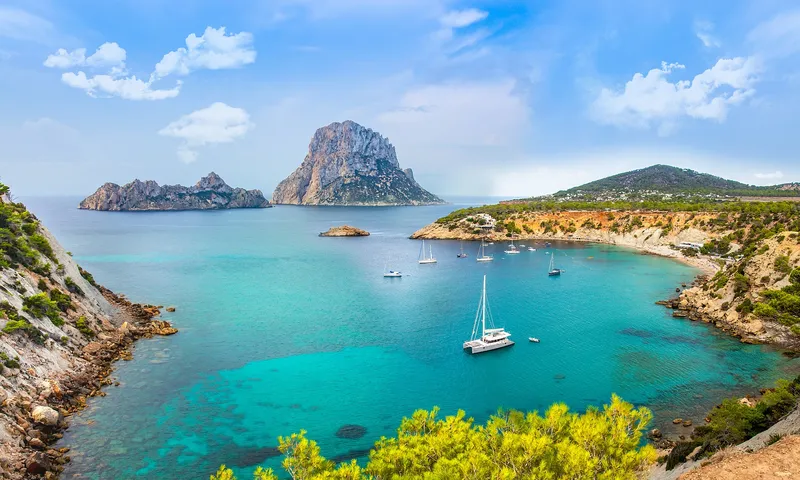
And then there is Cala d'Hort in the southwest, the place to see Es Vedrà, the 400-metre limestone rock that rises out of the sea wrapped in legend. The clifftop above the beach is the best viewpoint on the island at sunset. It earns every photo.
Where Locals Eat in Ibiza
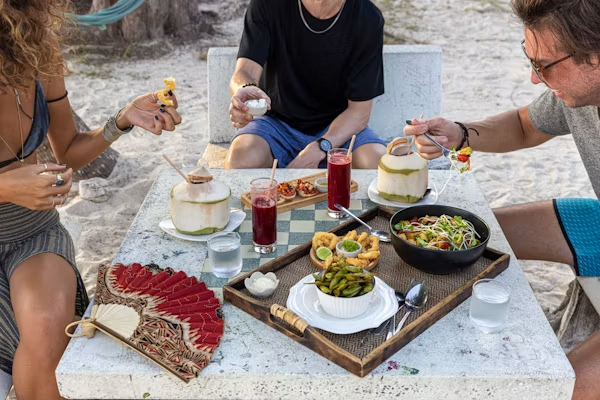
Here is the rule the island runs on: the further you get from a famous beach, the better and cheaper the food becomes. Ibizan cooking is rustic and built on the sea and the land, so look for things like bullit de peix (a fisherman's fish stew traditionally followed by rice cooked in the broth), sofrit pagès (a slow-cooked meat and potato dish), and flaó, a mint-and-cheese tart that turns up at the end of a proper local meal. Wash it down with hierbas ibicencas, the island's herbal liqueur.
The pilgrimage spot is El Bigotes at Cala Mastella, a fish shack on the east coast near Sant Carles. There is no menu. You get grilled fish of the day with potatoes and salad, served on wooden benches by the water, and it is consistently one of the best meals on the island. Booking is essential and not easy, so call several days ahead, and bring cash. Nearby, Cas Pagès on the San Carlos road has been run by the same family since 1972, cooking grilled meats and rice dishes over a wood-fired oven. It takes cash only and no reservations, so arrive early.
Down at Las Salinas, Sa Trinxa is the beach bar that keeps the 1970s Ibiza spirit alive, serving honest food at fair prices with a soundtrack that has nothing to prove. Inland, the village of Santa Gertrudis is a long lunch waiting to happen, with farm restaurants like Can Caus grilling local meat and pavement tables made for an afternoon that drifts. The common thread across all of these: no view tax, no laminated menu, and food that tastes like it belongs to a specific place.
The Other Ibiza: Villages, Markets, and the Old Town
Most visitors never leave the south coast, which is their loss. The north of the island feels like a different country. Pine-covered hills roll down to tiny coves, and whitewashed villages like Sant Joan, San Miguel, and Sant Carles keep a slow, genuine pace with churches, squares, and restaurants that have not changed in decades. Rent a car for a morning and drive with no plan. Stop where it looks interesting. That is how the island opens up.
The hippie markets are the living thread back to the island's 1960s counterculture. Las Dalias in Sant Carles runs every Saturday from 10 in the morning, and has done since 1954, with around 200 stalls of handmade jewellery, clothing, and art, live music drifting between them, and the smell of incense and pine in the air. Go before eleven to beat the heat and the crowds, and look out for the lantern-lit summer night markets from mid-June. The larger Punta Arabí market at Es Canar runs on Wednesdays and is more of a spectacle, with hundreds of stalls and a serious food section.
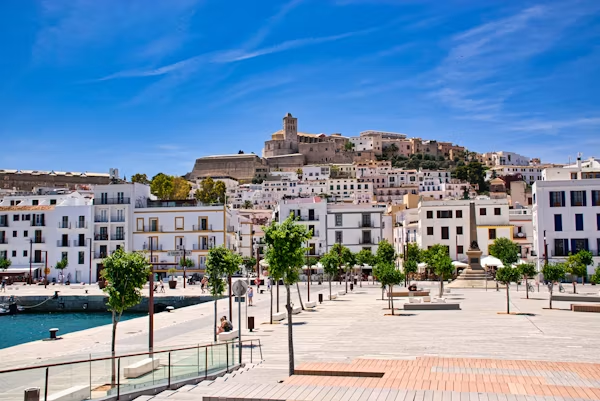
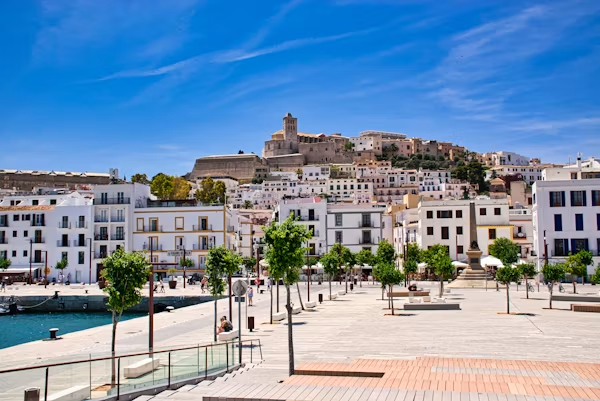
Back in Ibiza Town, climb up into Dalt Vila, the UNESCO-listed old town behind the harbour. Its cobbled lanes and 16th-century walls open onto views across the port and out to Formentera. Go in the early evening when the stone holds the day's warmth and the light turns gold. If you have a spare day, the fast ferry to Formentera lands you on some of the clearest water in the Mediterranean within half an hour.

The Clubs, Done Right
You cannot write about summer in Ibiza and skip the nightlife, and you should not want to. The island invented the modern club night, and 2026 is a landmark season: Amnesia turns 50, throwing its anniversary across its famous Main Room and open-air Terrace, and UNVRS, the giant hyperclub in San Rafael that opened in 2025 on the old Privilege site, was voted the world's number one club in the 2026 DJ Mag poll.
The thing locals understand that first-timers do not is that Ibiza runs on residencies. Instead of chasing random nights, you pick the sound you love and follow it. The reliable anchors of the season are Solomun and Marco Carola at Pacha, Black Coffee at Hï Ibiza, Circoloco at DC-10 near the airport for the underground crowd, and Carl Cox holding down Sunday nights at UNVRS. For daytime energy, the open-air Ushuaïa runs from afternoon into the night and is the gentlest way to ease into the island's upside-down schedule, where dinner starts at nine and clubs do not warm up until well after midnight.
A few local habits save you money and pain. Buy club tickets in advance, because door prices are punishing. Eat a real dinner first. And take the Disco Bus rather than fighting for a four-in-the-morning taxi. One or two big nights across a week is the local pace. Burning every night out is a tourist move, and your daytime calas will pay the price.
A Local Long Weekend in Ibiza
If you only have a few days, here is a loose plan that balances the two sides of the island.
Day one: Settle into Ibiza Town. Morning swim at a quiet eastern cove, lunch booked well ahead at El Bigotes, then sunset and dinner up in Dalt Vila. One headline club night if you have the legs for it.
Day two: Drive west. Beach morning at Cala Comte with a cliff jump or two, a long lazy afternoon, then walk to Cala Escondida for sangria and the sunset. Late, light dinner in a village on the way back.
Day three: Go north and slow down. Las Dalias market in the morning (it runs Saturdays), a drive through the hill villages, lunch at a farm restaurant in Santa Gertrudis, and the Benirràs drum circle if it falls on a Sunday. End with the Es Vedrà viewpoint above Cala d'Hort.
See Ibiza the Way Locals Do, With a Local
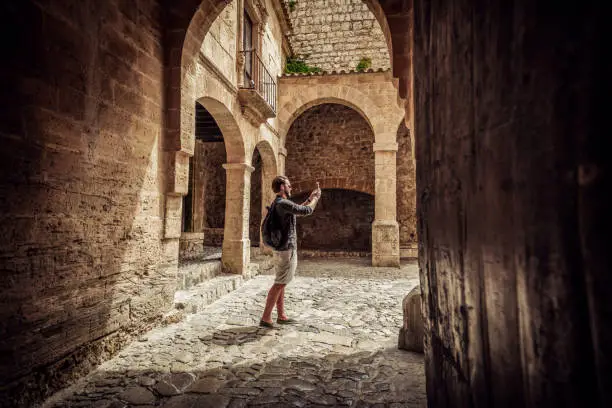
Reading about the calas and the fish shacks gets you part of the way. Walking them with someone who has lived here for years gets you the rest. A Lokafy local guide in Ibiza shows you the version of the island that does not make the guidebooks: the cove their family has gone to for decades, the bar where the fishermen actually drink, the back lanes of Dalt Vila, and the story behind it all.
It is a personalized walk, shaped around what you want to see, led by a real Ibicenco rather than a script. It is the simplest way to skip the tourist version of summer in Ibiza and go straight to the good part.
Frequently Asked Questions
Is Ibiza worth visiting in summer 2026? Yes, and arguably more than ever. The 2026 rules curbing street drinking in San Antonio have nudged the island back toward its quieter, more authentic side, which is the part worth coming for: clear-water coves, fishing-village restaurants, hilltop markets, and a club scene celebrating Amnesia's 50th anniversary. Build your trip around the calas and the food and you will see why people return for years.
What part of Ibiza do locals actually go to? The north and the small coves. Villages like Sant Carles, Sant Joan, and San Miguel keep a genuine local pace, and beaches like Cala Mastella, Cala Salada, and Benirràs draw residents far more than the packed southern strips. The general rule: the further you drive from Playa d'en Bossa and San Antonio, the more local it gets.
Where do locals eat in Ibiza? Away from the beach clubs with sea-view price tags. The institutions are El Bigotes at Cala Mastella for grilled fish (book ahead, cash only) and Cas Pagès on the San Carlos road for wood-fired meats and rice, run by the same family since 1972. Inland villages like Santa Gertrudis are full of farm restaurants serving traditional Ibizan dishes at honest prices.
Can you still drink on the beach in Ibiza in 2026? Public drinking on streets and beaches is banned in San Antonio specifically, with fines that range from around 500 to 3,000 euros, and shops there stop selling alcohol after 9:30 in the evening. Outside that zone the rules are unchanged, but the smarter move everywhere is to drink in bars, restaurants, and clubs rather than in public. Smoking and vaping are now banned on beaches and restaurant terraces across the islands.
What is the best month for summer in Ibiza? June. The water is warm, the season is in full swing, and the island has not yet hit the August peak of crowds, prices, and heat. Late September is the quieter alternative, with warm seas and far more breathing room.
Do you need a car in Ibiza? If you want the local version of the island, yes. Buses cover the main resorts but not the north coast or the hidden calas. Rent a car, book it two to three weeks ahead in summer, and use the Disco Bus for club nights so nobody has to drive home.
Which Ibiza clubs are open in summer 2026? All the major ones run the full season from late April to October: Pacha, Hï Ibiza, Amnesia (marking its 50th anniversary), DC-10, Ushuaïa, and UNVRS, the San Rafael hyperclub voted the world's number one in the 2026 DJ Mag poll. Follow a residency you love rather than chasing random nights, and buy tickets in advance.
Enjoyed this article?