Bilbao used to be known as an industrial port city. Today, it is one of Spain’s most interesting cultural destinations. Many travelers arrive to see the Guggenheim Museum, a striking titanium building that helped turn this former industrial port into a cultural destination and then leave wondering why they didn't stay longer.
The Basque Country's largest city has layers that take time to discover. There are medieval streets filled with some of Spain’s best food, metro stations designed by Norman Foster that feel like modern architecture exhibits, and neighborhoods that feel very different from what you see in travel brochures
This guide was built with local input to get you past the obvious and into the parts of Bilbao that actually make it worth the trip.
Quick Guide: What to Do in Bilbao: Key Takeaways for 2026
- Where to stay: Base yourself in Ensanche or Casco Viejo. Both areas give you easy walking access to the city’s main sights.
- Best food experience: A pintxos crawl in Plaza Nueva in Casco Viejo. Start around 7pm when locals head out for drinks and small bites.
- Hidden gem: The Artxanda Funicular. The ride takes only a few minutes and the views across Bilbao are excellent. The station is a short walk from Zubizuri Bridge in Abandoibarra.
- Ideal length of stay: Three days in Bilbao is perfect for first-time visitors. That gives you time for the Guggenheim, Casco Viejo, great food, and a real sense of the city.
- The Best Way to See It: Book an experience with Lokafy. We’ll match you with a Tallinn local who can show you the neighborhood’s hidden spots.
Things to Do in Bilbao That Many Tourists Miss
The Guggenheim, pintxos bars, and the Old Town get plenty of attention. What isn't talked about as much are the experiences that sit just outside the tourist orbit.
The Funicular de Artxanda
From the lower station near the Zubizuri Bridge in Abandoibarra, a short funicular ride brings you to the summit of Mount Artxanda in under four minutes. The views over Bilbao and the Nervión River estuary are extraordinary, and outside of summer weekends, the top is almost entirely local. There's a restaurant up there, open lawns, and walking trails. The funicular runs regularly and a return ticket costs a few euros.
Azkuna Zentroa (Alhóndiga)
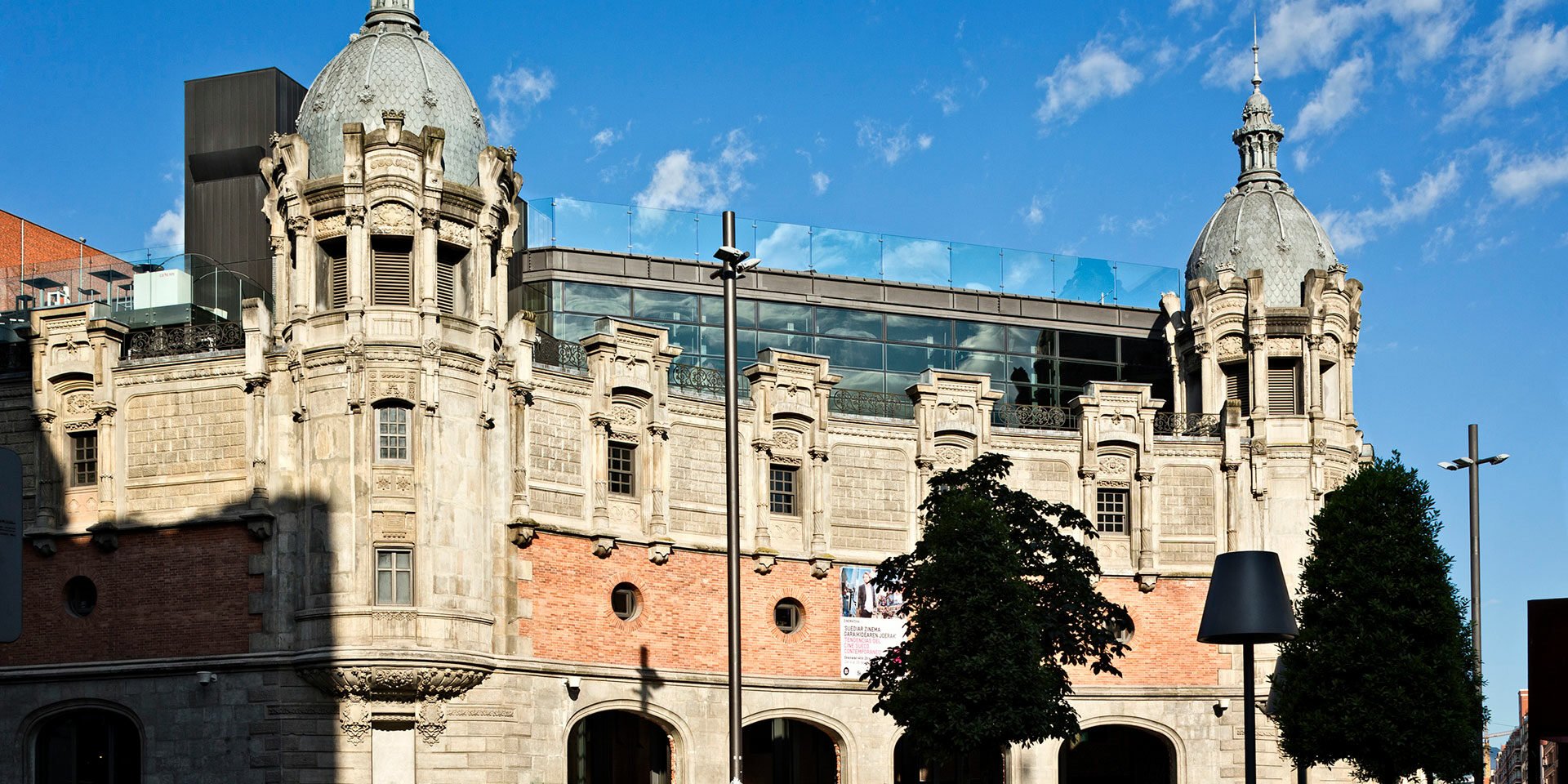
Located in the Ensanche neighborhood about ten minutes from the Guggenheim, this former wine warehouse was redesigned by Philippe Starck. Inside, a large atrium is supported by 43 unique columns. Each one has a different design. One looks like a classical temple column while another resembles a human figure. The building now holds a cinema, exhibition spaces, a café, and even a rooftop swimming pool. Many visitors walk past without realizing what is inside.
Bilbao La Vieja Street Art Scene
Across the river from Casco Viejo, the neighborhood known as Bilbi (or Bilbao La Vieja) has been undergoing a genuine creative transformation over the past decade. Former factory buildings now house artist studios and independent shops. The street art here, particularly along Calle San Francisco, is among the best you'll find in northern Spain. It's raw, political, and constantly changing. Visit in the afternoon when galleries and studios are open.
El Bosque de Oma (Day Trip)
About an hour's drive from the city center, artist Agustín Ibarrola painted the trees of a forest (hundreds of them), creating optical illusions and images that only emerge as you move through the woods. It's one of the most genuinely surprising art experiences in the Basque Country and is almost entirely unknown outside Spain. Worth the drive.
Bilbao Neighborhoods Guide
Bilbao is compact and walkable, built along the banks of the Nervión River. Understanding the neighborhoods makes navigation much easier.
Casco Viejo: The Old Town
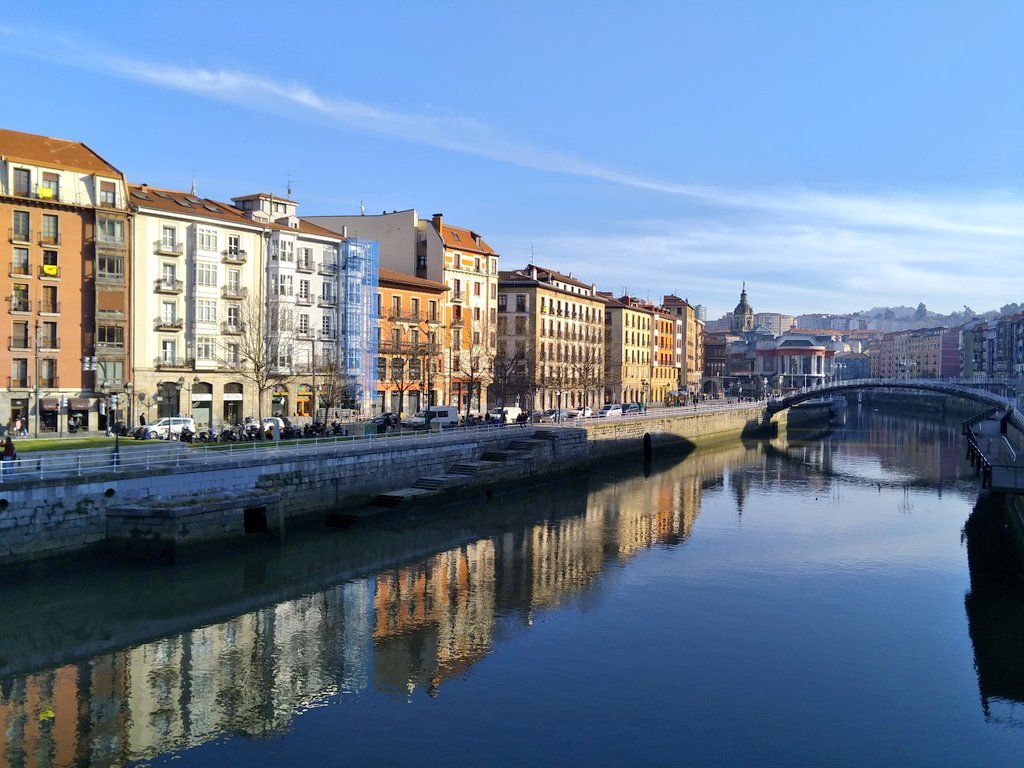
Casco Viejo is the historic center of Bilbao. The area revolves around the famous Seven Streets, known locally as the Zazpi Kaleak. These narrow pedestrian streets are filled with pintxos bars, small shops, and buildings that date back to the 14th century. Major landmarks include Santiago Cathedral, Arriaga Theatre, and Mercado de la Ribera. The neighborhood stays lively throughout the day and evening.
Ensanche (Abando): The Modern Center
Ensanche developed during Bilbao’s industrial boom in the late 1800s. Wide boulevards, elegant buildings, and the busy Gran Vía shopping street define this area. The Guggenheim Museum and Fine Arts Museum are about a 15 minute walk away. For first-time visitors, this is often the easiest area to stay in because it is central and relatively calm.
Bilbao La Vieja (Bilbi): The Creative Quarter
Bilbao La Vieja sits across the river from the Old Town. It was once a working class district connected to mining and industry. In recent years artists and creative businesses have moved in, giving the neighborhood a new energy. It is a good area to explore in the afternoon and is becoming a great spot for dinner.
Indautxu: The Local Residential Neighborhood
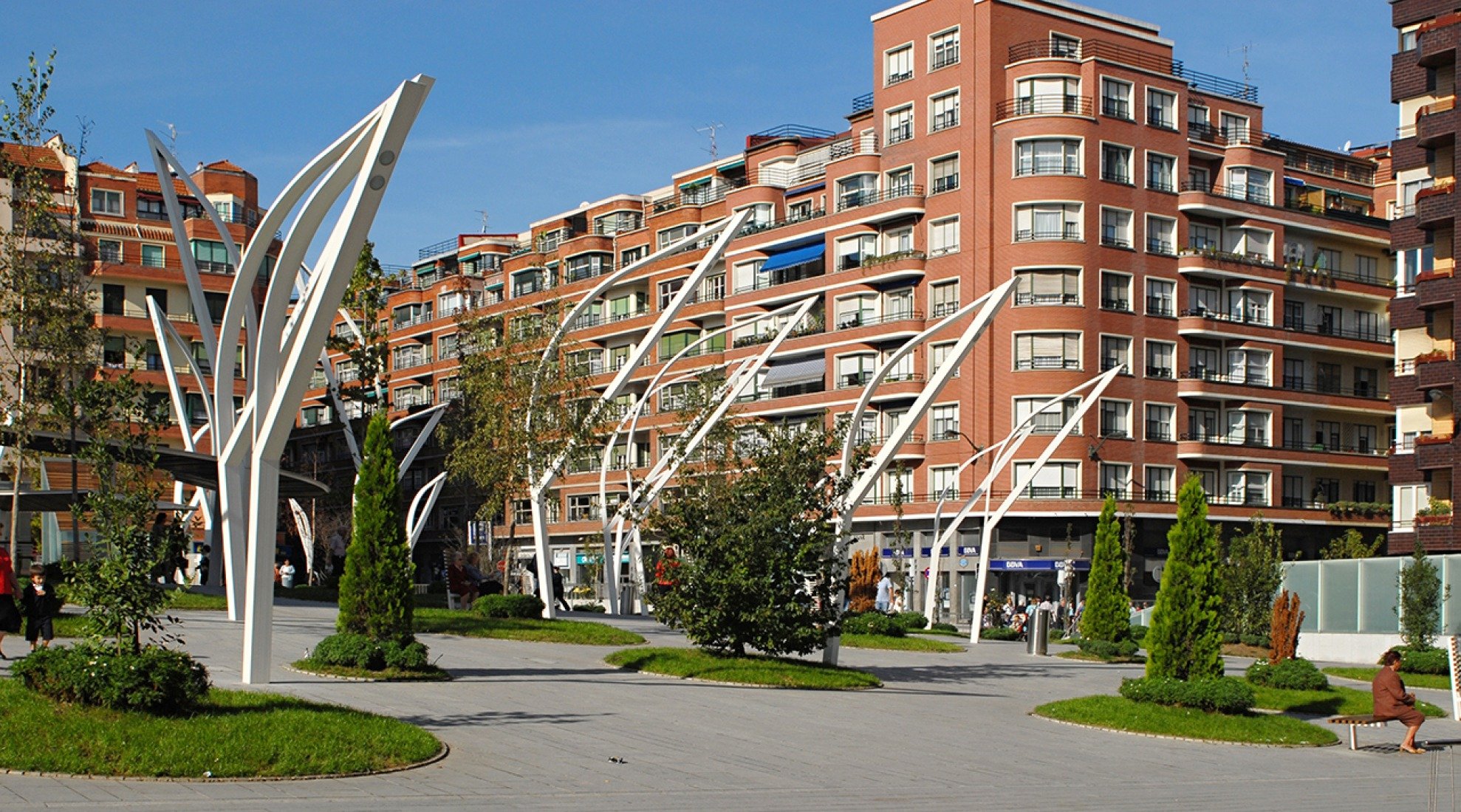
South of Ensanche, Indautxu is a residential area where many Bilbainos live and eat. Restaurants here focus on locals rather than tourists. The food is excellent and portions are generous. Azkuna Zentroa is located here as well. Accommodation prices are often lower than in Ensanche.
Deusto: The University Neighborhood
Across the river to the northwest, Deusto is calm, green, and residential. The University of Deusto is here, which keeps the neighborhood young and affordable. It is a good place for travelers who want to see everyday life in Bilbao.
How to Get Around Bilbao
The good news is you won't need a car. The city center is compact enough that most sightseeing is walkable, and public transport covers everything else efficiently.
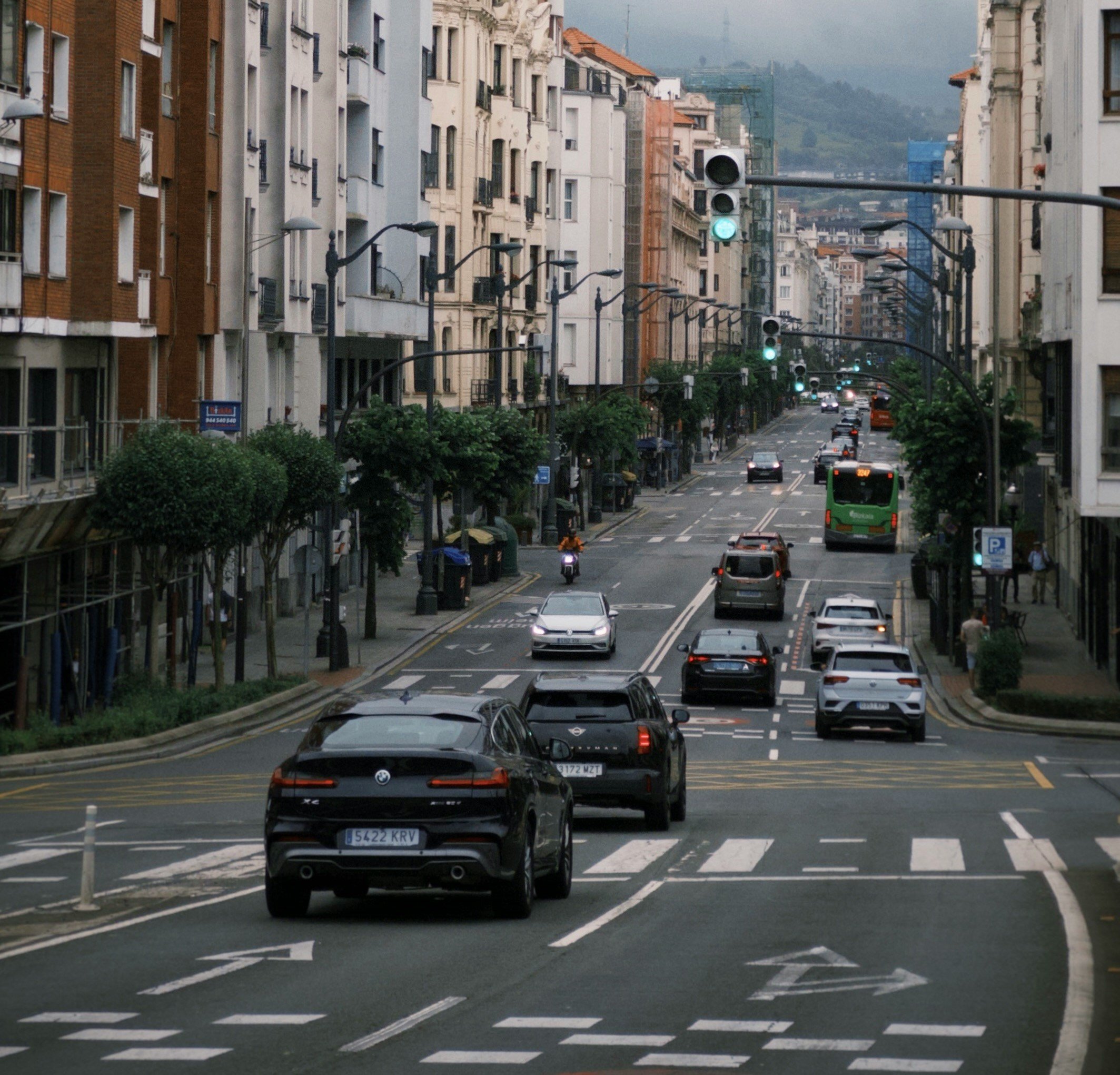
Walking
Many of Bilbao’s main sights are within walking distance. The walk from the Guggenheim to Casco Viejo takes about twenty minutes along the river. The Abandoibarra riverfront is flat and scenic, making it one of the best walks in the city. Casco Viejo itself is almost entirely pedestrian-only.
The Metro
Designed by Norman Foster, Bilbao's metro is worth taking even if you don't strictly need it. The stations, accessed via rounded glass entrances locals call fosteritos, have a sleek, futuristic quality. Three lines connect the central neighborhoods including Casco Viejo, Abando, Moyua, Indautxu, and San Mamés. Buy a Barik card instead of single tickets. It costs €3 and works on the metro, buses, tram, and Artxanda funicular.
The Tram (Tranbia)
One tram line runs along the river through the city center with 16 stops, connecting San Mamés stadium through Abandoibarra (Guggenheim area) to Casco Viejo. It's slow but scenic and useful for one-stop hops between the main sights. The Barik card works here too.
Airport to City Center
Take the Bizkaibus A3247 from Bilbao Airport (BIO). The bus stop is directly outside arrivals. A ticket costs €4.50, paid to the driver or at the ticket office inside. The journey takes about 20 minutes and stops at Gran Vía (near Plaza Moyua metro station) and the main bus station. Taxis from the airport run €25–30.
Bikes
Bilbao's Bilbaobizi bike-share scheme has 43 stations across the city. Non-residents can join for €25.25 per year. For day visitors, consider renting a bike from a local operator, the riverside paths are flat and well-maintained.
Bilbao Food Guide
Basque cuisine is famous around the world, and Bilbao is one of the best places to experience it. The city has an incredible number of great places to eat packed into a small area. In just a few blocks you can find excellent pintxos bars, markets, and restaurants serving traditional Basque dishes.
The Pintxos System
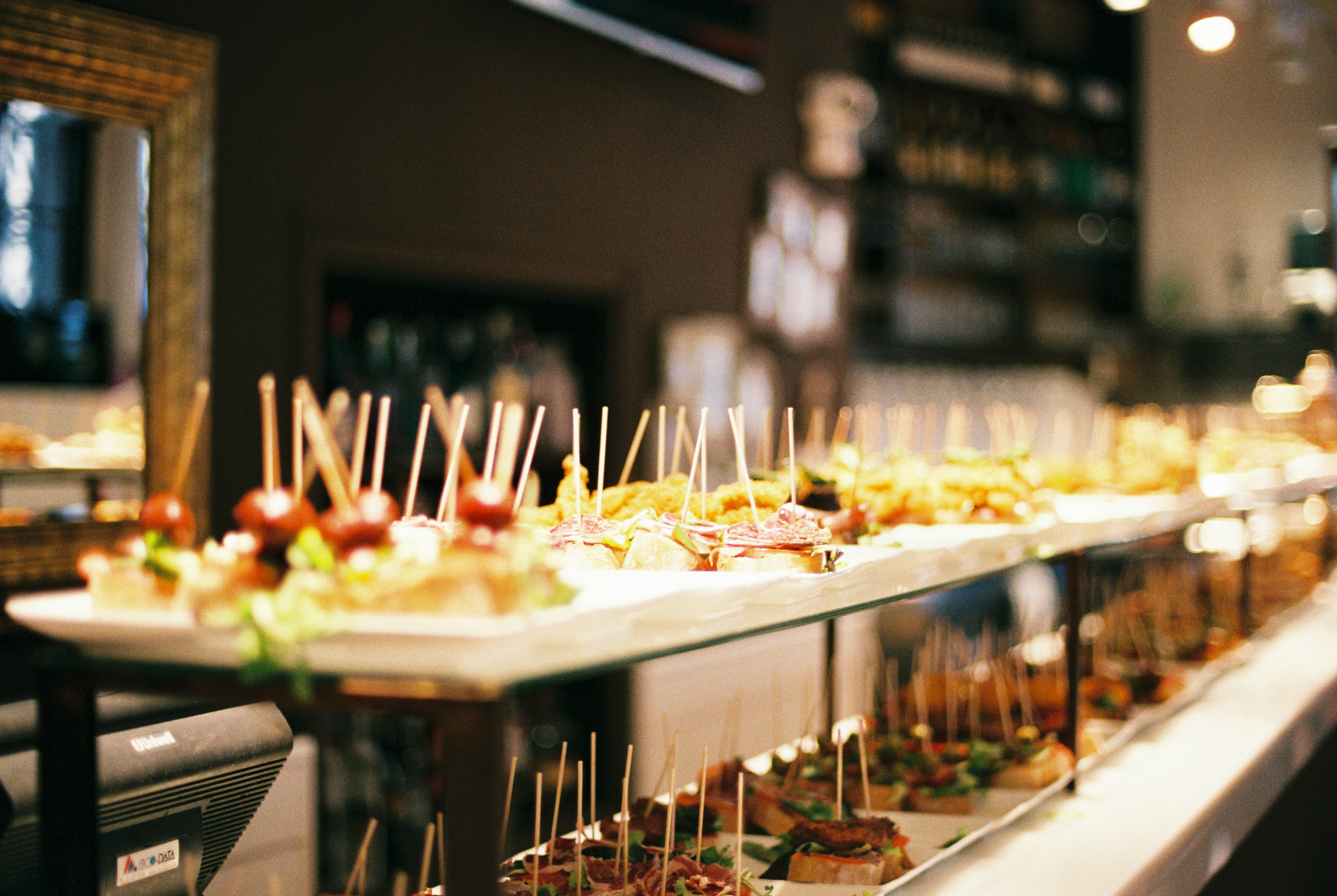
Pintxos, called pinchos in Spanish, are small bites served in bars across Bilbao. Many are slices of bread topped with different ingredients. Others come as skewers or small hot dishes from the kitchen.
Eating pintxos is part of Bilbao’s social culture. People move from bar to bar, order a drink with a few pintxos, and stand at the counter chatting with friends. You will notice napkins on the floor. That is normal. Bars sweep the floors constantly throughout the day.
The best time to enjoy pintxos in Bilbao is between 1pm and 3pm for lunch and 7pm to 9pm in the evening. During these hours bars are busy and the food is freshly prepared.
Where to Eat Pintxos in Casco Viejo
Casco Viejo, Bilbao’s Old Town, is the center of the city’s pintxos culture. Plaza Nueva is the most famous square for pintxos in Bilbao. The arcaded plaza is surrounded by bars on all four sides, making it easy to try several spots in one evening.
Here are a few standout bars.
Gure Toki: Located on a corner of Plaza Nueva, Gure Toki is known for creative pintxos that often win awards. One of the most famous dishes is the Idiazabal cheese soup. Arrive early because tables fill up quickly.
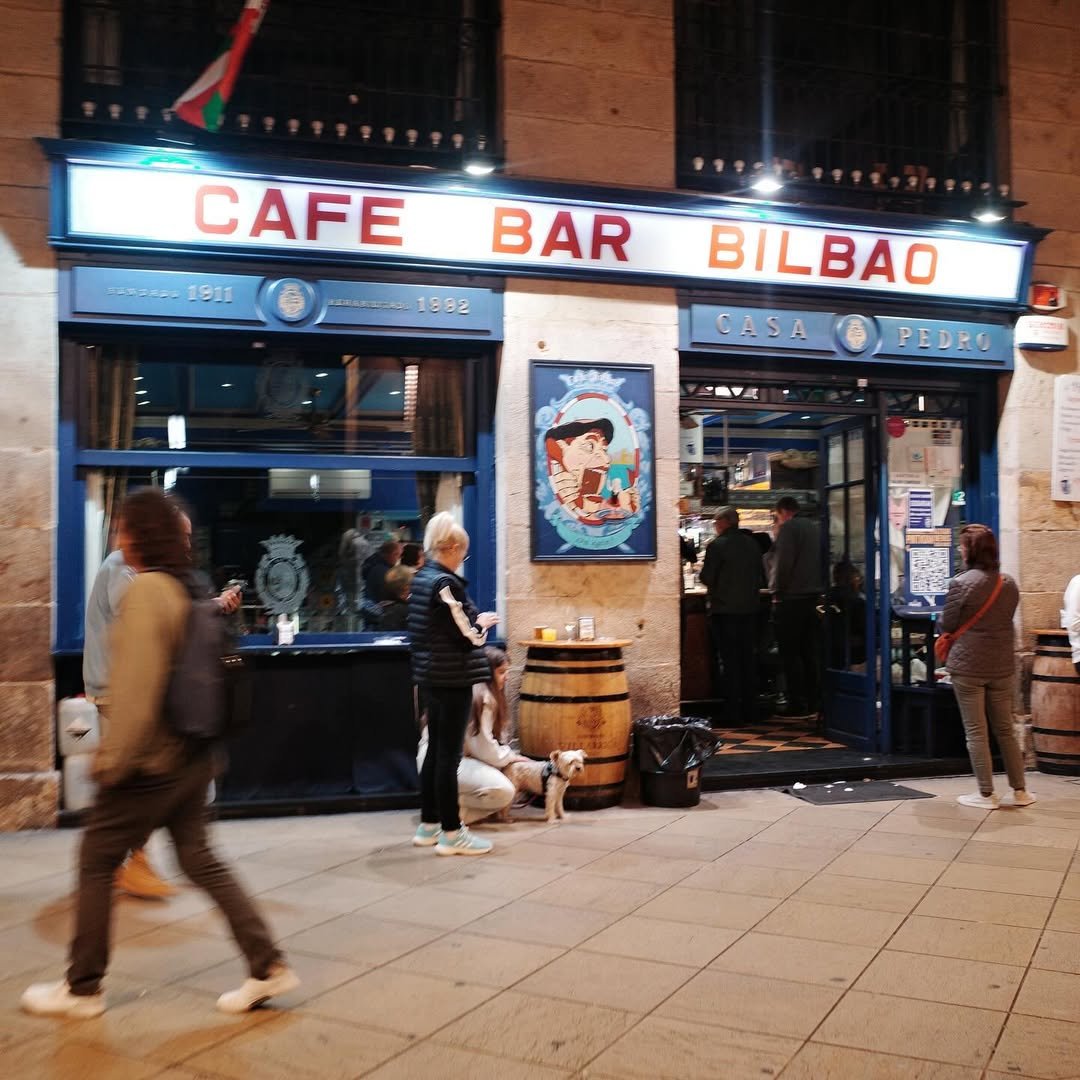
Café Bar Bilbao: This historic bar opened in 1879 and still has its original mosaic tile interior. Order the bacalao al pil-pil, a traditional salt cod dish, and a gilda, the classic Basque pintxo made with anchovy, olive, and pickled pepper.
Víctor Montes: Víctor Montes has a classic atmosphere and a large terrace facing the square. The pintxos counter is always well stocked and attracts both locals and visitors.
Where Locals Eat in Bilbao
Some of the best places to eat in Bilbao are outside the main tourist areas.
Calle Ledesma, Calle Licenciado Poza in Ensanche, and the streets around Indautxu are popular with residents during the week.
La Viña del Ensanche on Calle Diputación is a long time favorite for jamón ibérico sandwiches and a glass of local wine.
Bar El Ledesma on Calle Ledesma is another great spot for traditional pintxos. After work the bar quickly fills with locals.
Mercado de la Ribera
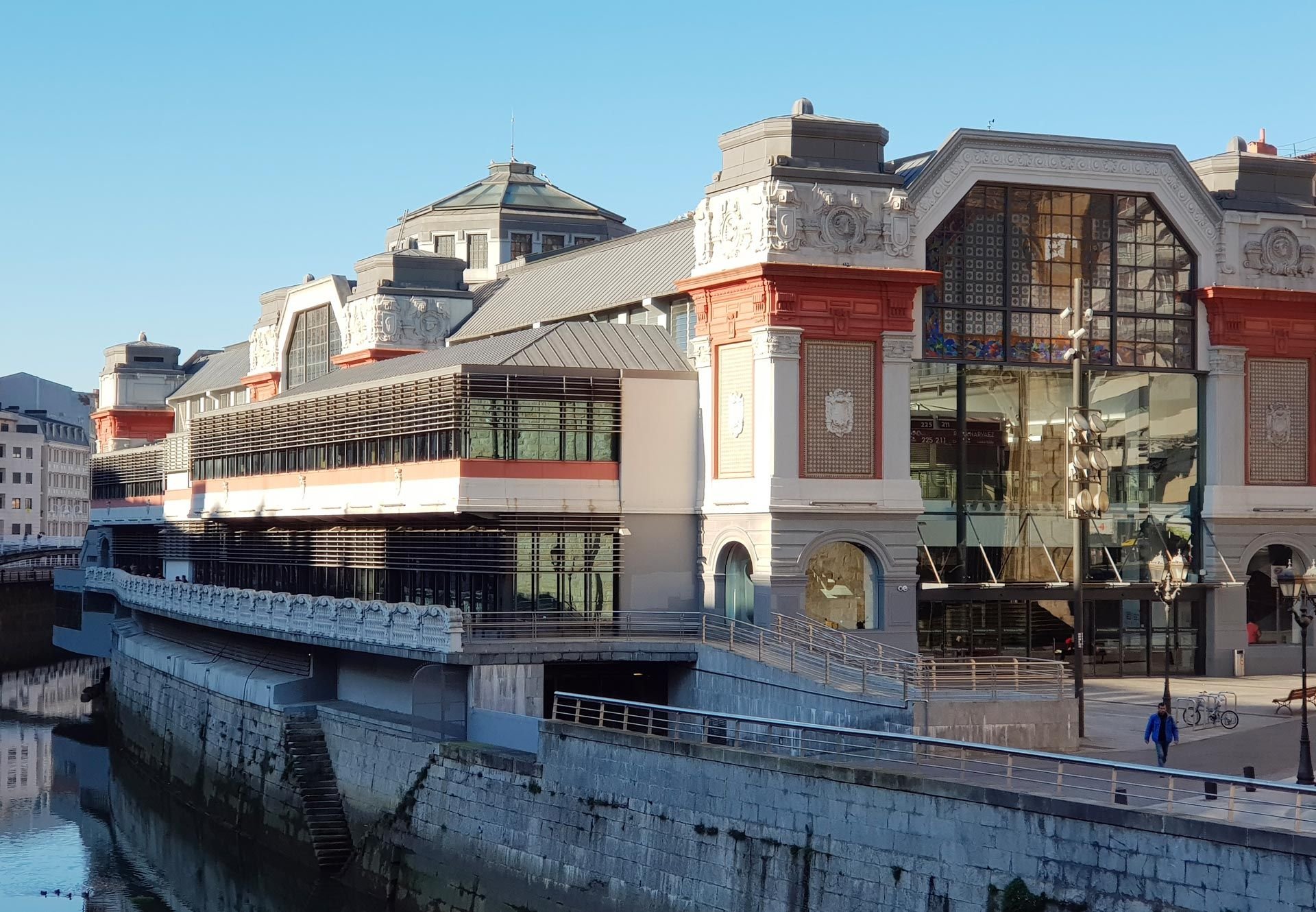
Mercado de la Ribera sits at the edge of Casco Viejo next to the Nervión River and San Antón Church. It is the largest covered market in Europe by number of stalls.
The market covers more than 10,000 square meters and spreads across three floors. The ground floor sells fish, the first floor focuses on meat, and the second floor offers fruits and vegetables. It is also a great place to eat. Gastro bars on the ground floor serve fresh seafood and pintxos starting early in the morning.
Michelin-Level Dining in Bilbao
Bilbao also has excellent restaurants for a longer dinner.
Bascook, located near the Old Town on Barroeta Aldamar Street, serves creative seasonal dishes inside a converted salt cellar.
For a truly special experience, travel about 30 minutes to the village of Axpe and visit Asador Etxebarri. Chef Víctor Arguinzoniz cooks almost everything over an open flame. The restaurant has ranked among the best in the world for many years. Reservations are usually required months in advance.
Must-Try Dishes in Bilbao
If you want to understand Basque cuisine, start with these classic dishes.
Gilda
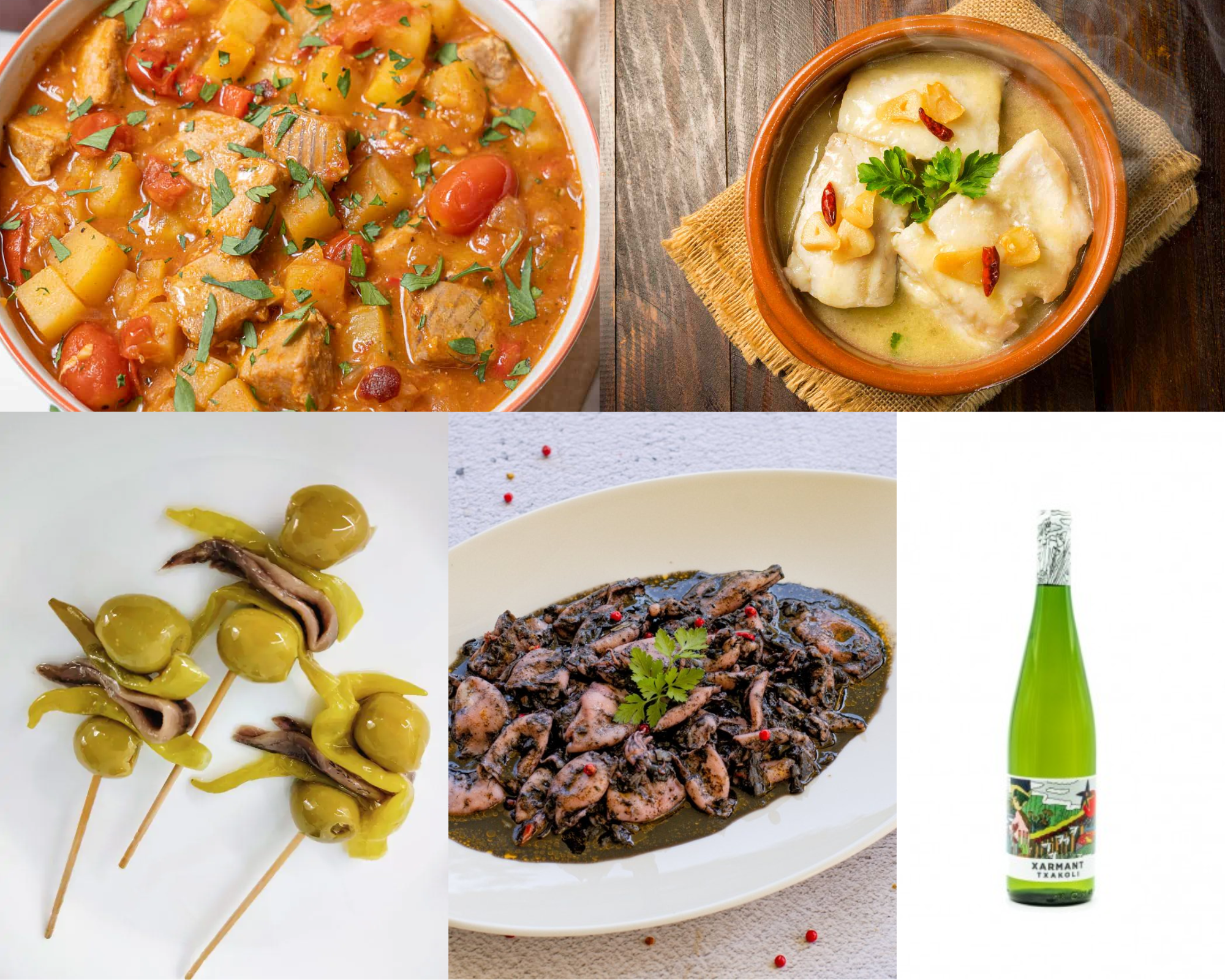
The original Basque pintxo made with anchovy, olive, and guindilla pepper.
Bacalao al pil-pil
Salt cod cooked slowly with garlic and olive oil to create a rich sauce.
Marmitako
A traditional tuna and potato stew that is often served seasonally.
Chipirones en su tinta
Small squid cooked in their own ink.
Txakoli
A local white wine that is slightly sparkling and poured from a height to bring out its aroma.
Is Bilbao Safe?
Bilbao is considered one of the safer cities in Spain. Many travelers feel comfortable exploring the city day and night.
Pickpocketing can happen in busy areas like Casco Viejo, especially near pintxos streets and Mercado de la Ribera, and on crowded public transport. Basic precautions are enough for most visitors. Use a front facing bag, keep phones secure, and stay aware in crowded places.
The San Francisco neighborhood next to Bilbao La Vieja has slightly higher petty crime rates. It is generally fine during the day but best avoided late at night. Violent crime is rare. Solo travelers, families, and LGBTQ+ visitors often report feeling safe and welcome.
Emergency number in Spain: 112.
What to Do in Bilbao in 3 Days: A Local Itinerary
Day 1: Art, Architecture, and Pintxos
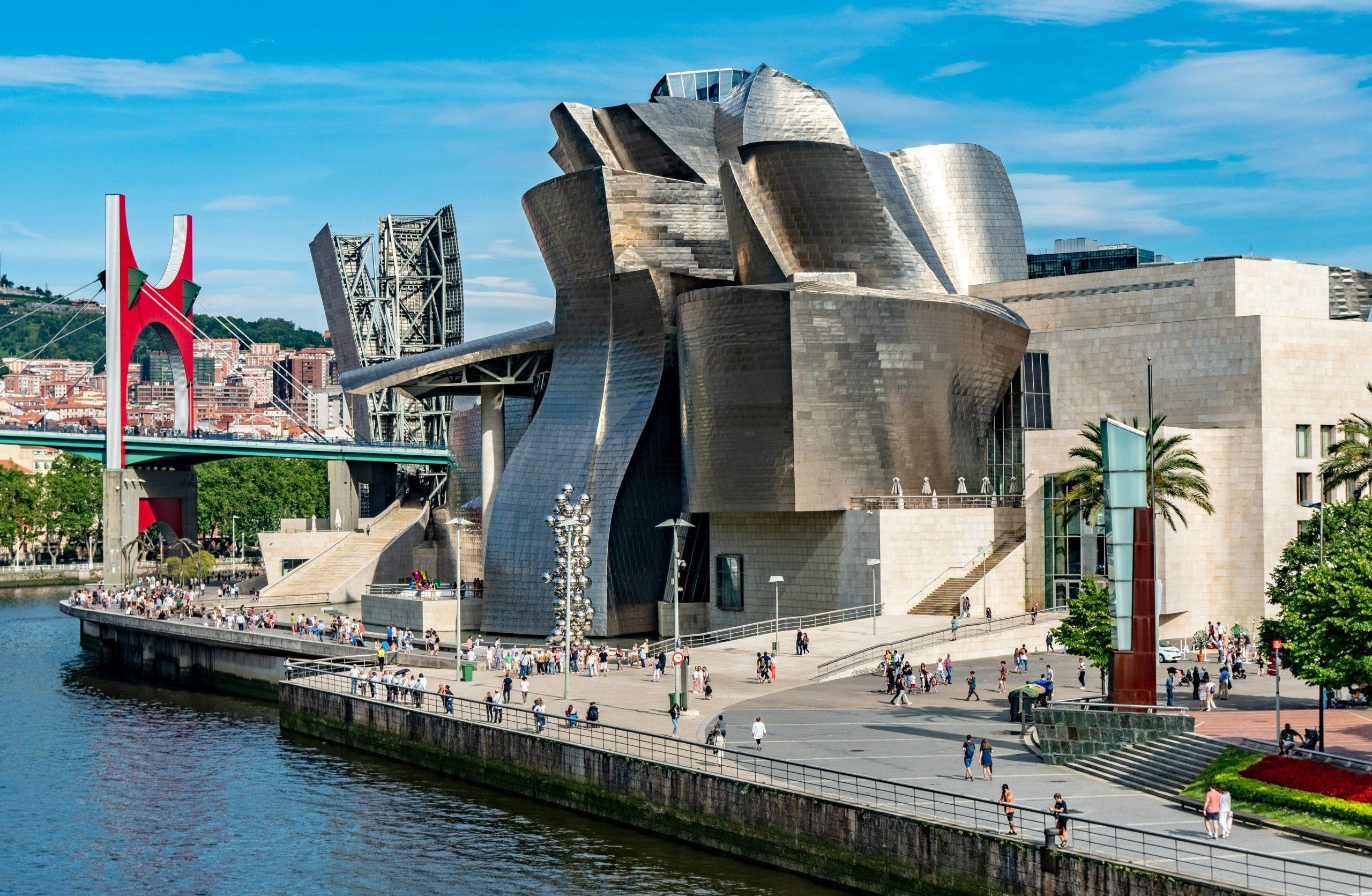
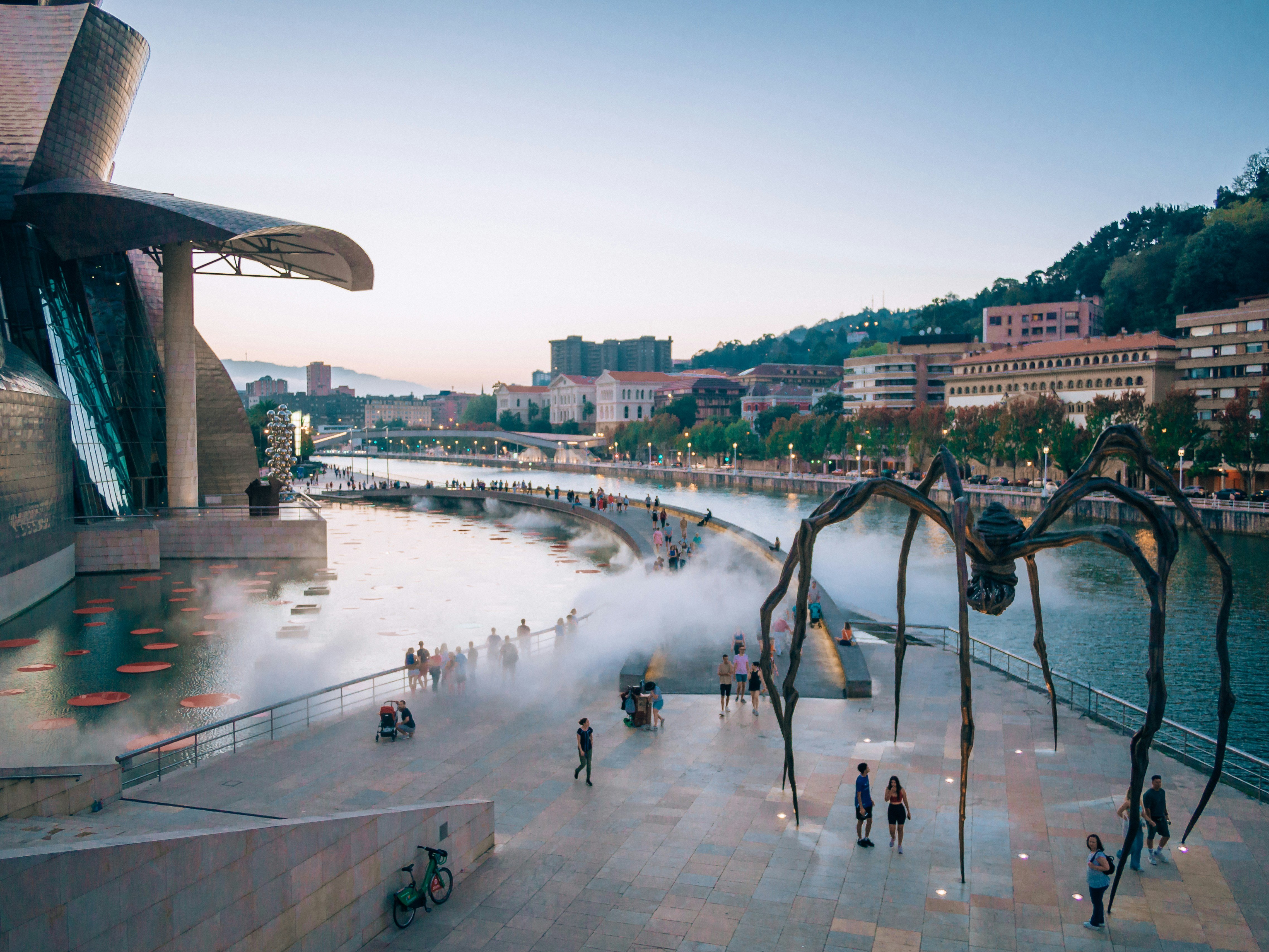
Start the morning at the Guggenheim Museum in Abandoibarra on the west side of the Nervión River. Book tickets online, especially on weekends. Plan to spend two to three hours exploring the museum.
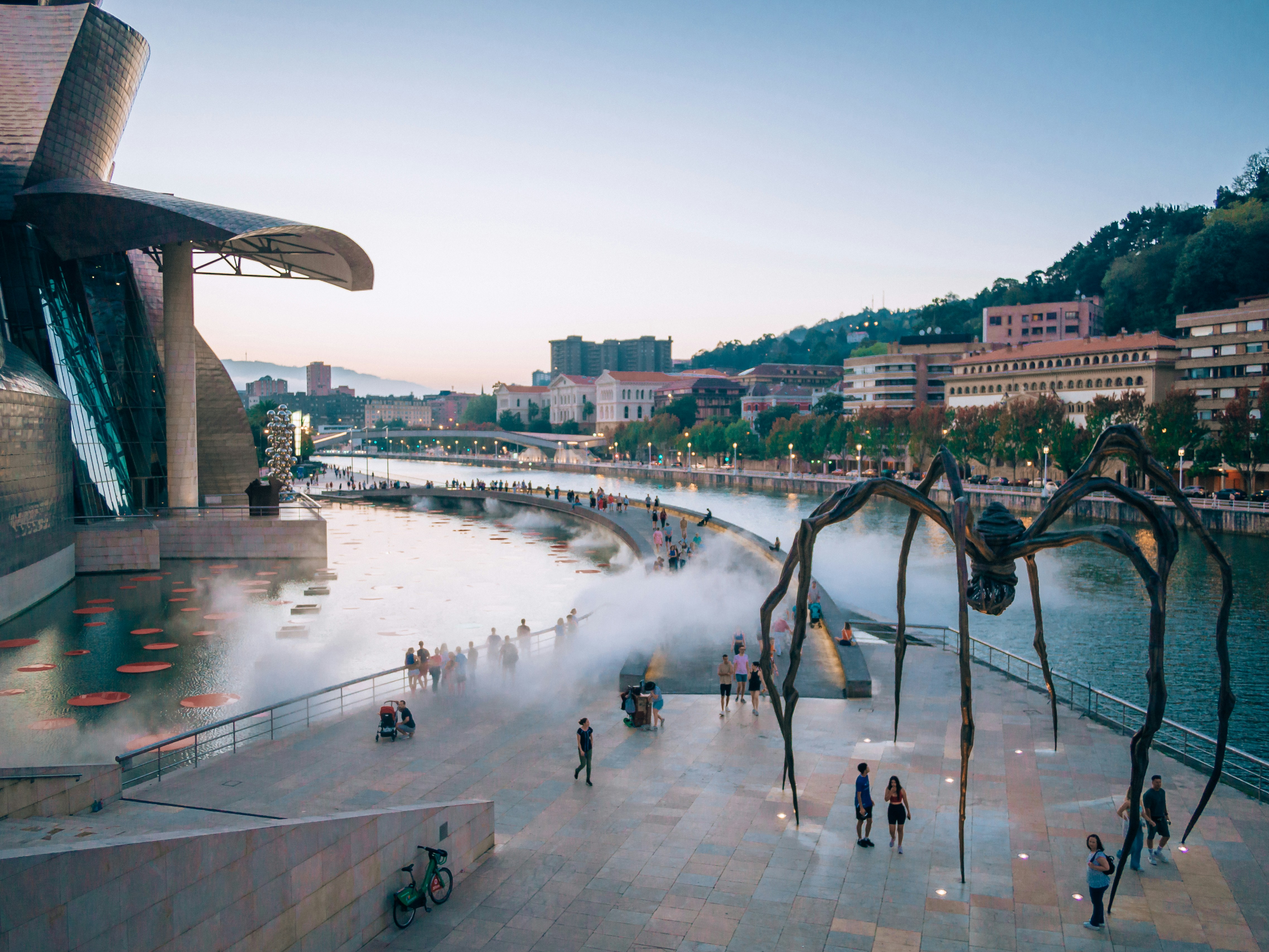
Even people who are not focused on contemporary art enjoy the building itself. Designed by Frank Gehry, the titanium structure has become the symbol of modern Bilbao. Outside you will find famous sculptures including Puppy, the giant flower covered dog by Jeff Koons, and Maman, the spider sculpture by Louise Bourgeois.
In the afternoon walk along the river toward Casco Viejo, about twenty minutes away. Cross the Zubizuri Bridge and pass through Abandoibarra park before entering the Old Town.
Explore the Siete Calles, the seven historic streets of Casco Viejo. Visit Santiago Cathedral and stop by Plaza Nueva to get your bearings. Before sunset, take the Artxanda Funicular up the hill for views across the city.
Return to Plaza Nueva around 7pm for a pintxos crawl. Start at Gure Toki, continue to Café Bar Bilbao, and finish at Víctor Montes. Order a glass of txakoli at each stop.
Day 2: Markets and Local Neighborhoods
Begin the day at Mercado de la Ribera when it opens at 8am. Grab coffee and a breakfast pintxo while watching vendors prepare their stalls. Later, walk across the river to Bilbao La Vieja and explore the streets around Calle Dos de Mayo and Calle San Francisco, known for street art and creative studios.
For lunch, head to Indautxu, about fifteen minutes away. Bars along Calle Licenciado Poza fill with locals around 1:30pm.
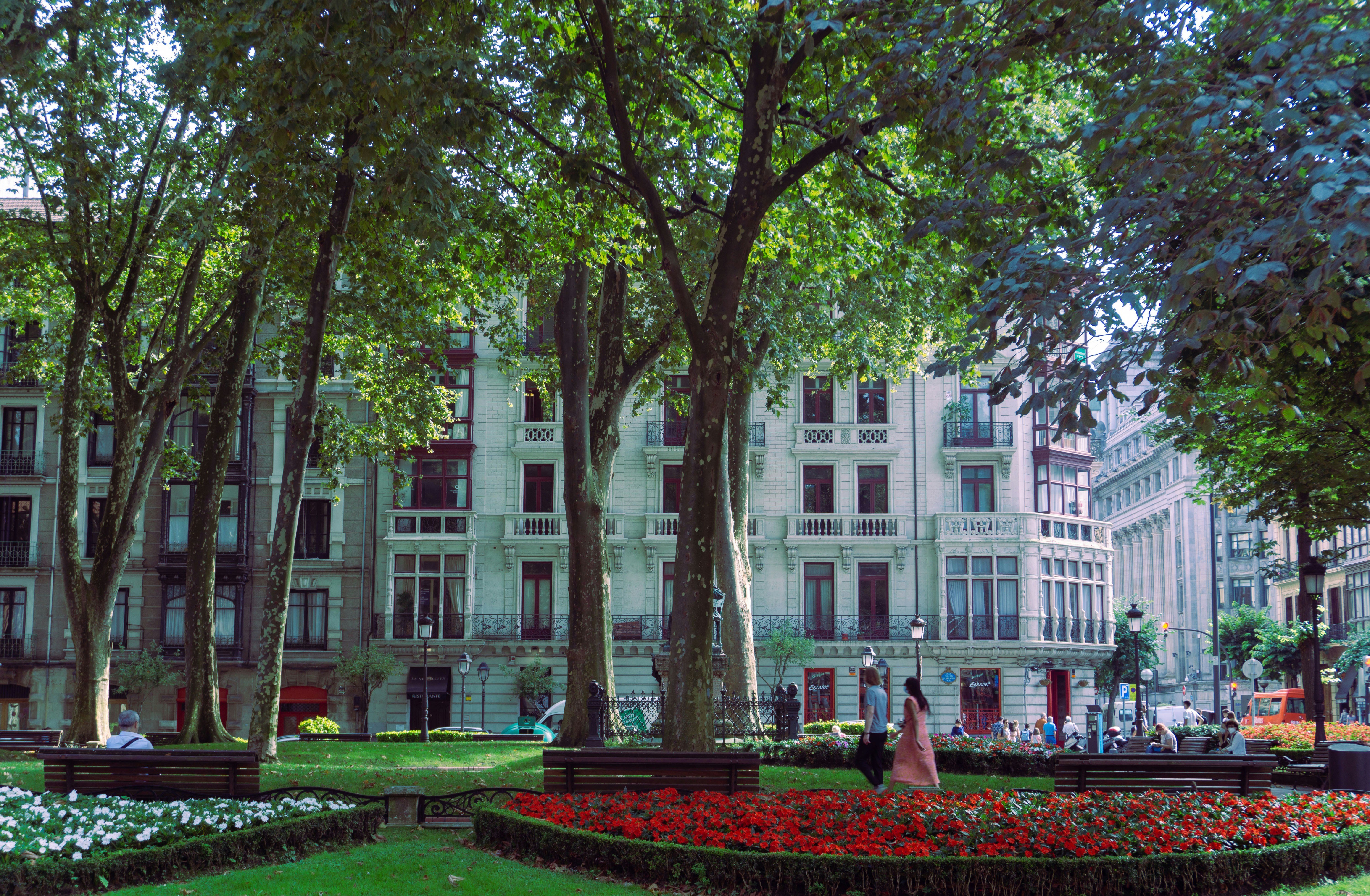
Visit Azkuna Zentroa, a cultural center in Indautxu. Spend some time in the atrium and have a coffee in the café. Later, take a walk along Gran Vía and relax in Doña Casilda Iturrizar Park, a peaceful green space in the middle of the city.
In the evening, visit the Fine Arts Museum of Bilbao, one of Spain’s most underrated museums.
Day 3: Day Trip to San Sebastián
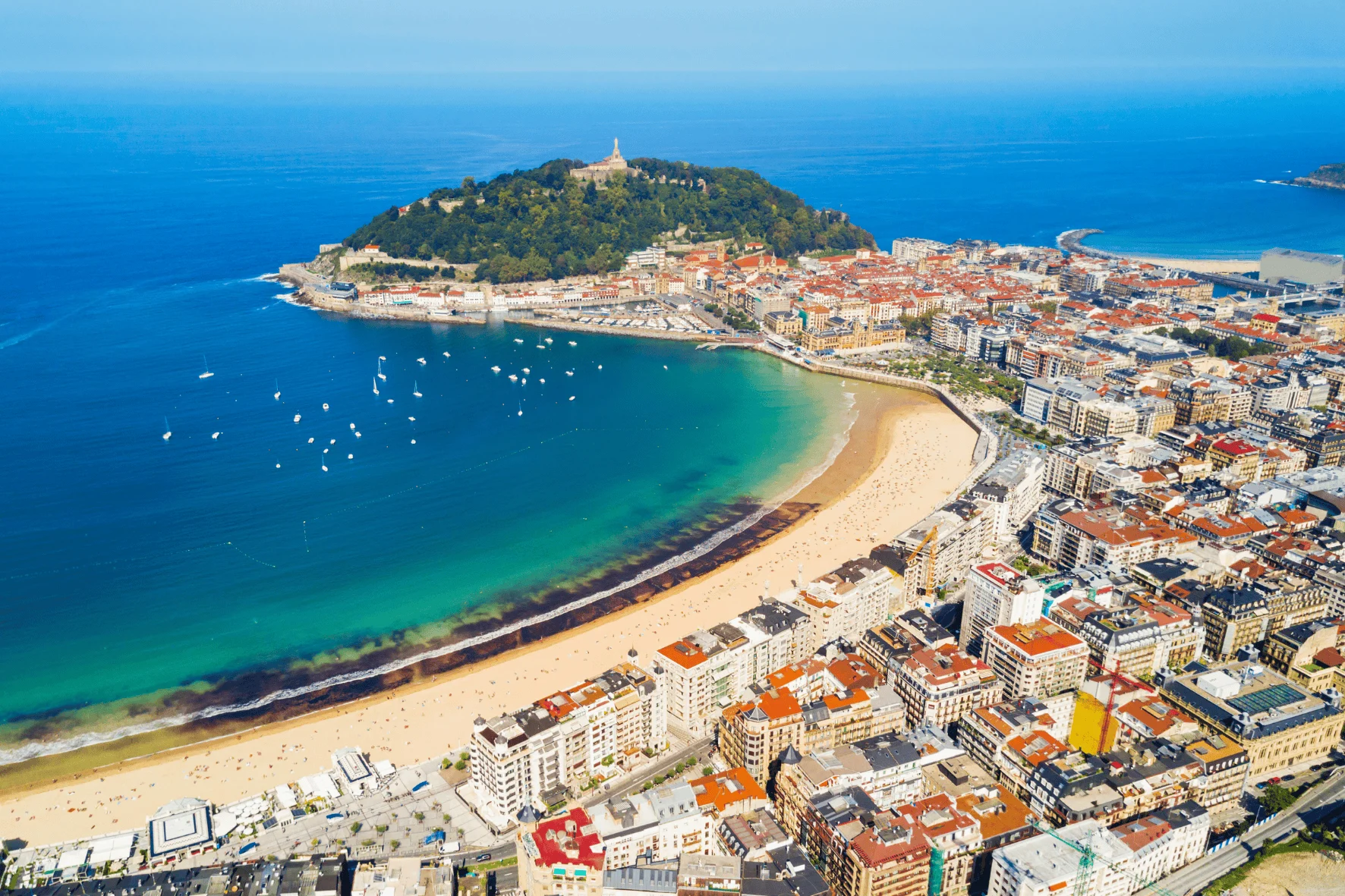
Spend your third day visiting San Sebastián, about one hour from Bilbao by bus or train. Take the Alsa bus from Bilbao Intermodal station or the Renfe Cercanías train from Abando station.
In San Sebastián, explore the Parte Vieja, famous for its pintxos bars along Calle Fermín Calbetón. Then walk along La Concha Beach, one of Europe’s most beautiful urban beaches.
Return to Bilbao in the evening for a traditional dinner at Rio Oja in Casco Viejo. This family run restaurant serves classic Basque dishes like salt cod and hearty stews.
Best Experiences in Bilbao
For travelers planning a visit, these experiences stand out.
Pintxos crawl with a local guide
Bilbao's food culture has etiquette, language, and context that takes time to learn on your own. A guided pintxos tour helps you discover the best bars and understand the local dining culture.
The Guggenheim Museum
Still one of the most famous museums in Europe. Visit on a weekday afternoon for a quieter experience.
Artxanda Funicular
Low cost, genuinely spectacular views, and almost no queue on weekday mornings. The station is in Abandoibarra, about 500 meters from the Guggenheim toward Casco Viejo.
Athletic Club Bilbao match at San Mamés Stadium
Athletic Club has a unique tradition of fielding players from the Basque Country. Match days are an important part of local culture.
Boat tour on the Nervión River
The river view of the city, particularly the Guggenheim from the water, is one Bilbao doesn't often show in photos.
Frequently Asked Questions
Is Bilbao worth visiting in 2026?
Yes. Bilbao combines world class art, excellent food, and a strong Basque identity. It is compact, walkable, and less crowded than cities like Barcelona or Madrid.
How many days do you need in Bilbao?
Three days is ideal for first time visitors. That allows time for the Guggenheim, Casco Viejo, a San Sebastián day trip, and plenty of pintxos.
What is the best area to stay in Bilbao?
Ensanche, also known as Abando, is a convenient base. It is central, close to the Guggenheim, and within walking distance of Casco Viejo.
What is the best time to visit Bilbao?
Late spring and early autumn offer comfortable weather and fewer crowds. August is lively because of the Aste Nagusia festival.
How do I get from Bilbao Airport to the city center?
Take the Bizkaibus A3247 from outside the arrivals hall. The ride takes about twenty minutes and stops on Gran Vía near the central neighborhoods.
Is Bilbao safe for solo travelers?
Yes. Bilbao has low violent crime rates and most visitors feel comfortable exploring the city alone.
Experience Bilbao with a Local
Bilbao is a city that rewards curiosity. Some of the best pintxos bars, viewpoints, and restaurants are places that visitors often discover by chance.
That is where a Lokafy local guide can make a big difference. Our locals know the neighborhoods, the food culture, and the small details that help you see the real Bilbao. Book a local experience with Lokafy and explore Bilbao through the eyes of someone who knows the city well.
Enjoyed this article?