I nearly talked myself out of this trip. Sofia had me busy with mountain views, market halls and a banitsa habit I am not proud of, and a two-and-a-half-hour train ride each way sounded like a lot of sitting for one day. Then a Bulgarian friend told me, with the patience of someone explaining something obvious, that you cannot say you have seen Bulgaria until you have climbed Plovdiv's hills. So I set an alarm, bought a coffee in a paper cup at Sofia Central Station, and watched the Thracian plain roll past the window until the train pulled into Plovdiv a little after nine. By lunchtime I had sat in a Roman theatre, wandered painted merchant houses and eaten my second pastry of the day. My friend was right, and I have been annoying people with Plovdiv recommendations ever since.
Quick Guide: Sofia to Plovdiv Day Trip Key Takeaways
- Primary Recommendation: Take the 06:30 direct train from Sofia (arrives 09:14) and the 18:35 or 19:29 train back, which gives you roughly nine hours in Plovdiv.
- Top Choice for Sights: The Ancient Theatre plus the Old Town Revival houses. Buy the combined ticket (about €10.74 for up to five sites) at the first door you reach.
- Value Pick for Food: Kapana's cheap-eats circuit. Turkish soups at Pasha and the lunch offers at Saffron both come in at around €5.
- The Best Way to See the City: Take a private, personalised walking experience with Lokafy in Plovdiv and discover the backstreets of Kapana and the Old Town with a local who lives there.
Is a Day Trip from Sofia to Plovdiv Worth It?
Yes, if you plan around the transport. Plovdiv sits about 145 km southeast of Sofia, and the direct trains take between two hours 40 minutes and three hours. Buses take around two hours and ten to twenty minutes. That means you will spend five to six hours in transit on the day, so an early start matters more here than on most day trips.
What you get in exchange is a city that has been lived in for thousands of years and wears every layer of it in plain sight. There is a Roman stadium under the main shopping street, a nearly 2,000-year-old theatre still used for concerts, a hilltop Old Town full of 19th-century houses painted in colours your interior designer would talk you out of, and Kapana, a former craftsmen's quarter that is now Plovdiv's creative district and its best place to eat. Plovdiv was European Capital of Culture in 2019, and the city has kept the momentum going.
If your schedule allows a night in Plovdiv, take it. If it does not, the plan below fits comfortably into one long day.
How to Get from Sofia to Plovdiv
Sofia to Plovdiv by train
Trains run with BDZ, Bulgaria's national railway, from Sofia Central Railway Station. On the current BDZ timetable, the two most useful direct morning departures are the 06:30, arriving in Plovdiv at 09:14, and the 08:22, arriving at 11:16. For the trip home, direct evening trains leave Plovdiv at 18:35 (arriving in Sofia at 21:20) and 19:29 (arriving at 22:13).
A few things worth knowing before you go:
- Pick the direct trains. Several departures on this route involve a change at Karlovo and take five hours or more. Filter for direct trains when you search.
- Some trains need a seat reservation. The 06:30 out and the 19:29 back are both listed by BDZ as trains with compulsory reservation, so buy your ticket in advance rather than at the last minute.
- Tickets are cheap. A second-class fare sits well under €10. Buy online at bileti.bdz.bg or at the station.
- Check the timetable on the day. BDZ warns that repair works on the network can change schedules, so confirm your train at razpisanie.bdz.bg the morning you travel.
Plovdiv's central railway station is on Hristo Botev Boulevard, an easy walk of around 15 to 20 minutes to the main pedestrian street and Kapana.

Sofia to Plovdiv by bus
Buses leave from Sofia Central Bus Station, which sits right next to the railway station, so you can compare both options in five minutes on foot. There are more than a dozen departures a day and the ride usually takes about two hours and ten to twenty minutes, which makes the bus slightly faster than the train.
In Plovdiv, buses arrive at different points depending on the company: the South Bus Station (Avtogara Yug), the North Bus Station (Sever), or the stop by the Central Railway Station. Check which one your ticket uses, because they are not next to each other.
For the return leg, Plovdiv's local guide site Lost in Plovdiv lists Karat-S afternoon buses from the Central Railway Station at 13:00, 15:10, 17:00, 18:00 and 19:00, bookable on the company's website for about €8. Union Ivkoni runs from the North Bus Station, with evening departures at 17:30 and 21:10. The same source notes that the Plovdiv to Sofia line currently runs without a long-term contract, so double-check times when you book.
Sofia to Plovdiv by car
The drive is about 145 km on the A1 Trakia motorway and takes roughly one hour 45 minutes to two hours without traffic. You will need a Bulgarian e-vignette, linked to your number plate. Since 1 August 2026, a one-day vignette costs €5.30 and a weekend vignette €6.60, sold through the official bgtoll.bg portal.
Parking in central Plovdiv is the tricky part. Kapana and the Old Town are pedestrian-friendly and car-unfriendly, so leave the car in a paid lot outside the core and walk in.
A One-Day Plovdiv Itinerary That Fits the Train Timetable
This route assumes the 06:30 train in and an evening train out. It moves at a pace that leaves room for coffee stops, which in Plovdiv is the whole point. Locals have a word for it, aylyak, the art of unhurried, unbothered leisure, and the city takes it seriously.
9:15 to 10:30: Main Street, the Roman stadium and breakfast in Kapana
Walk from the station up Knyaz Alexander I, the long pedestrian street that cuts through the centre. At Dzhumaya Square, look down: part of the Ancient Stadium of Philippopolis sits below street level, with its curved seating exposed beside the café terraces. The Dzhumaya Mosque stands right above it, so you can tick off two eras of the city in one glance.
From there, slip into Kapana for breakfast. The name means "the trap", a nod to its tangle of narrow streets, and it earns it. Kapana Bakery is the local answer to the morning question: fresh bread, warm banitsa (flaky filo pastry with white cheese) and, for later in the day, tarts and millefeuilles that Plovdiv's own food writers rate highly.
10:30 to 13:00: The Old Town and its Revival houses
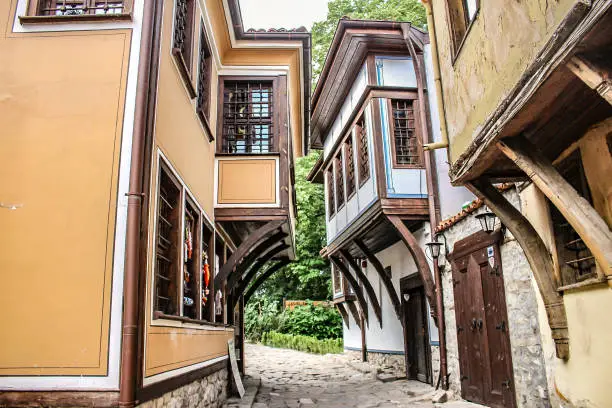
Climb up into the Old Town, Plovdiv's protected architectural reserve, through the stone arch of Hisar Kapia. The streets get steeper and the houses get bolder, with overhanging upper floors, painted façades and courtyards hidden behind heavy wooden gates.
Three houses worth going inside:
- Hindliyan House, often called the most richly decorated house in the Old Town, with hand-painted landscapes covering its walls.
- Balabanov House, known for its carved ceilings, with a different design in every room.
- Klianti House, one of the oldest Revival houses in the city, which hides a low, mysterious half-floor called a himala. It is about a metre and a half high and nobody can say for sure what it was used for.
Tickets for most sites run by the Ancient Plovdiv municipal institute cost about €3.58 each, while a combined ticket for up to five sites is about €10.74. Do the maths at the first ticket desk and buy the combined one if you plan to see three or more.
13:00 to 14:30: The Ancient Theatre and lunch
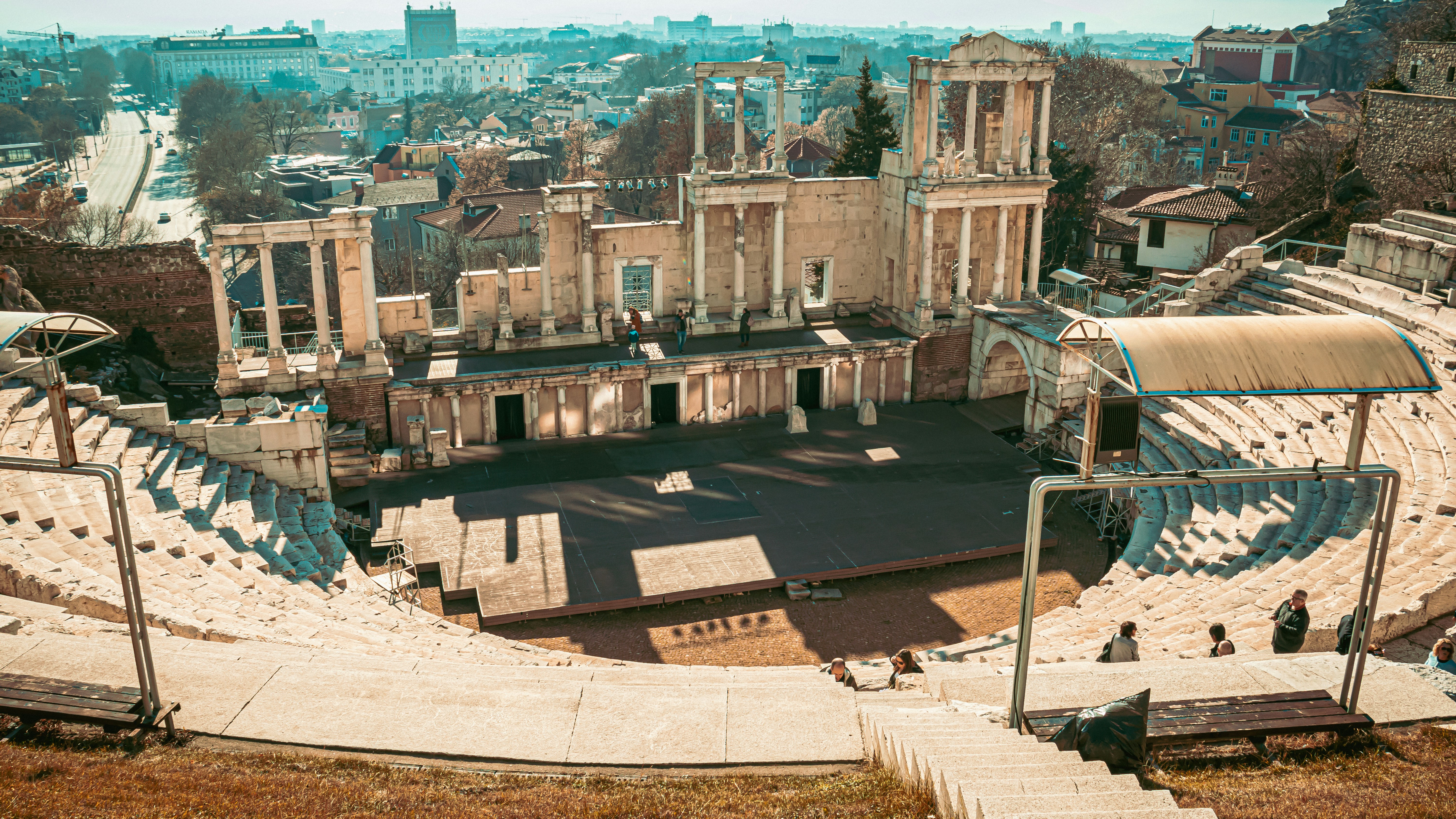
The Ancient Theatre of Philippopolis is the reason most people make this trip, and it does not disappoint. The marble rows curve down a natural saddle between two hills, with the modern city and the Rhodope Mountains behind the stage. Entry is covered by the single-site price or the combined ticket. In summer the theatre still hosts opera and concerts, so check the programme if you are visiting between June and September.
For lunch, head back down to Kapana (details in the food section below), or pick up a sandwich and keep moving.
14:30 to 16:30: The Bishop's Basilica mosaics
This one surprises people. The Bishop's Basilica of Philippopolis is the largest early Christian basilica found in Bulgaria, and its floors carry over 2,000 square metres of mosaics in two layers, full of birds, rosettes and geometric patterns. You view them from glass walkways inside a modern protective building. The site is on UNESCO's Tentative List, and tickets cost about €7.57. It is closed on Mondays.
16:30 to 18:00: Sunset on Nebet Tepe
Walk back up to Nebet Tepe, the northernmost of the Old Town's hills, where the ruins of the old fortress walls sit above the river. This is where locals go to watch the sun set over the city, and it is the best free view in Plovdiv.
18:00 onwards: Dinner in Kapana, then the train
End where you started, in Kapana, with an early dinner. If you are on the 18:35 train, keep it quick. If you booked the 19:29, you have time for a proper sit-down meal before the 15 to 20 minute walk to the station.
Where to Eat in Plovdiv on a Day Trip (Local Picks)
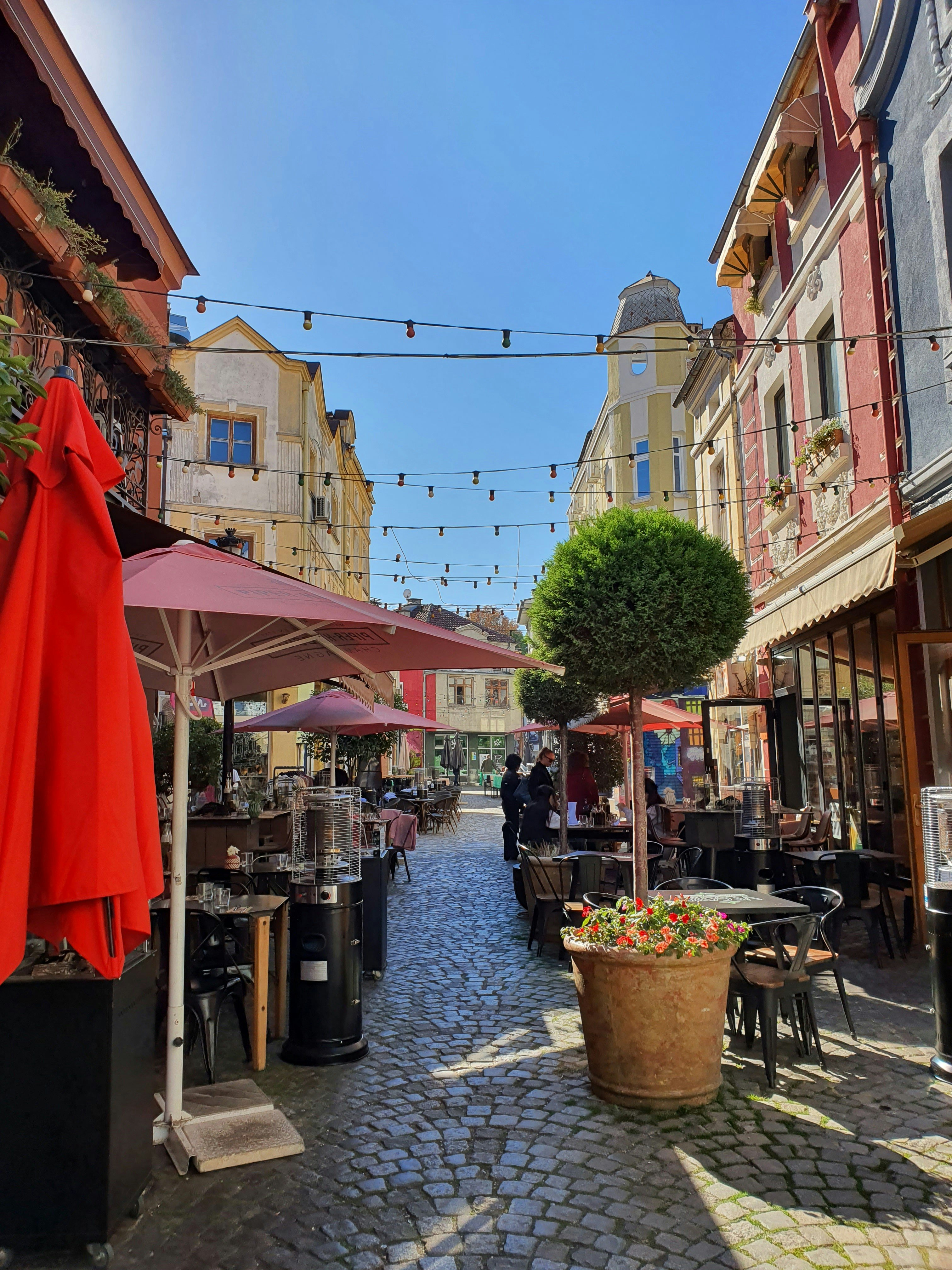
Kapana has more restaurants per cobblestone than seems reasonable, and plenty of them are aimed squarely at visitors. These picks come from Plovdiv's own food writers and local recommendation lists rather than tourist roundups.
Cheap and fast
- Kapana Bakery: banitsa for breakfast, tarts and millefeuilles for dessert. The default first stop.
- Pasha: a Turkish restaurant where chicken soup or lentil soup comes with bread. Order both for a little over €5 if you skipped breakfast.
- Saffron: weekday lunch offers usually priced up to around €4.80 a portion, cooked like a proper main course.
- Veggic: a vegan spot in Kapana since 2014. The seasonal salad of the day is the local tip.
- Toasty: toasted sandwiches to eat while walking. Locals like the vegetarian one with mozzarella, pesto and tomato.
- Niko Pastry Shop: éclairs made on site. Dangerous if you have a long train ride ahead.
Sit-down meals worth booking
- Pavaj (7 Zlatarska Street, open daily 12:00 to 23:00): modern takes on Bulgarian classics, and the restaurant locals name first. It fills up, so book ahead, especially on weekends.
- Aylyakria (3 Kozhuharska Street, open daily 12:00 to 23:00): named after that Plovdiv habit of taking things slowly, and a good place to practise it.
- Philippopolis Garden Restaurant: up in the Old Town, with 1930s Viennese furniture inside and a garden looking out over Kapana. Book this one for a special-occasion dinner if you are staying the night.
Local Tips for Your Plovdiv Day Trip
- Go between Tuesday and Sunday. The Bishop's Basilica and several museums close on Mondays.
- Pay in euro. Bulgaria switched to the euro on 1 January 2026 and the lev stopped being legal tender on 1 February 2026. Cards work in most places, but keep a few coins for bakeries.
- Wear shoes with grip. The Old Town is built on rocky hills and its cobbles are uneven and slippery after rain.
- Book your seat both ways. Trains with compulsory reservation and popular evening buses can sell out on Fridays and Sundays.
- Look up the event calendar. Plovdiv runs festivals and Ancient Theatre performances through much of the year, which can mean busier streets and fuller restaurants.
See Plovdiv with a Local on Your Day Trip
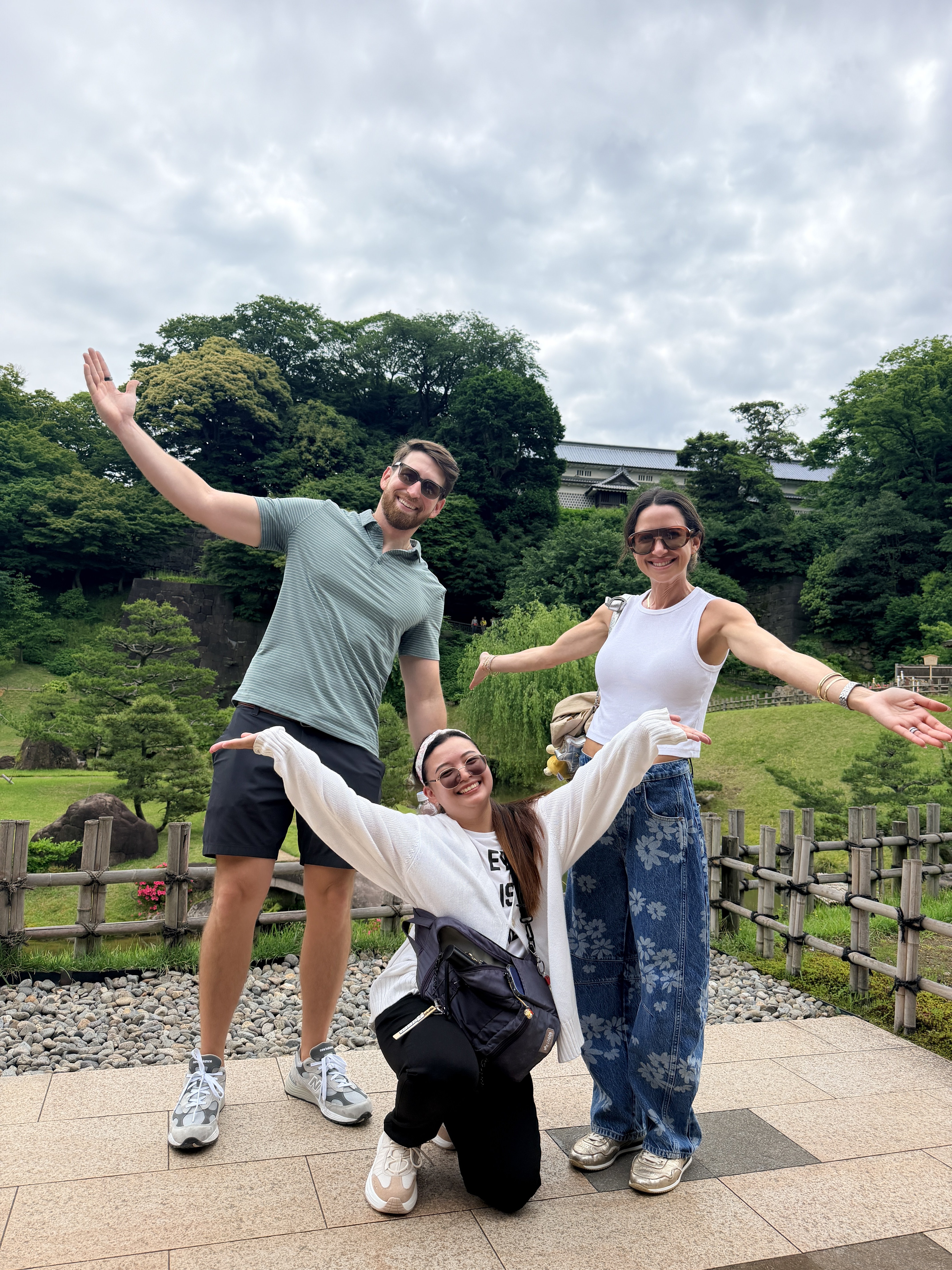
A day trip gives you about nine hours in Plovdiv, and it is easy to lose two of them to wrong turns in Kapana or queues at the wrong ticket desk. A Lokafyer can meet you at the station or your first coffee stop and build the walk around what you care about, from Roman history and Revival architecture to street art or the best banitsa in the neighbourhood.
Take a private, personalised walking experience with Lokafy in Plovdiv and see the city through the eyes of someone who lives there. Tours run from two to six hours, so they fit around the train timetable, and you can cancel for free up to 24 hours before.
Starting your trip in the capital? Pair it with a private walking experience with Lokafy in Sofia the day before or after.
Frequently Asked Questions
Can you do Plovdiv as a day trip from Sofia?
Yes. With the 06:30 direct train from Sofia and an evening train back at 18:35 or 19:29, you get around nine hours in Plovdiv, which is enough for the Ancient Theatre, the Old Town, the Bishop's Basilica and a meal in Kapana. Expect five to six hours of travel in total.
Is the train or the bus better from Sofia to Plovdiv?
The bus is a little faster, at around two hours and ten to twenty minutes, while direct trains take two hours 40 minutes to three hours. The train is cheaper (under €10 in second class) and arrives at a station within walking distance of the centre. Both leave from neighbouring stations in Sofia.
How long is the train from Sofia to Plovdiv?
Direct trains take between two hours 40 minutes and three hours. Avoid services with a change at Karlovo, which can take five hours or longer.
How much does a Sofia to Plovdiv day trip cost?
A rough budget per person: under €20 for return transport by train or bus, about €10.74 for a combined Old Town ticket, €7.57 for the Bishop's Basilica, and €15 to €30 for food depending on where you eat.
Is one day enough for Plovdiv?
One day is enough to see the main sights and get a feel for Kapana. If you want museums at a slower pace, an evening at the Ancient Theatre or a day trip further into the region, plan for an overnight stay.
What currency is used in Plovdiv?
The euro. Bulgaria adopted it on 1 January 2026, and the Bulgarian lev has not been accepted for payments since 1 February 2026.
Are Plovdiv's museums open on Mondays?
Some are not. The Bishop's Basilica is closed on Mondays, and several other museums keep the same pattern, so a Tuesday to Sunday visit gets you the most.
Keep exploring Plovdiv and Sofia:
Enjoyed this article?