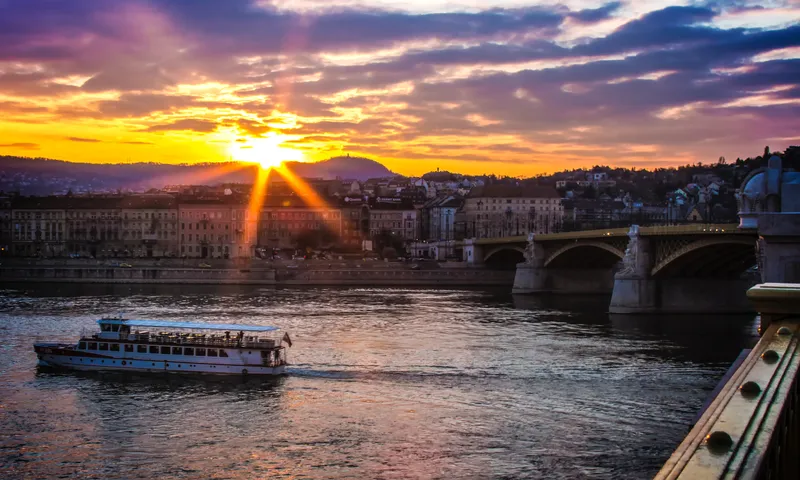
The first thing I worked out in Budapest is that you do not need a car, a bus pass, or much of a plan. I walked from my flat near the Basilica down to the river, across one bridge, up a hill, and back over another bridge before lunch, and I had already seen most of the postcard. The city is built for this. Two halves, one river, nine bridges, and almost everything you came to see lined up along the water like it was arranged for people on foot.
What nobody tells you is that the famous route and the good route are not quite the same thing. The famous one keeps you on the tourist rails: the pedestrian shopping street, the market hall everyone photographs, the same three viewpoints. The good one uses the same landmarks as anchors but slips sideways into the streets where people actually live, eat, and drink. This is that second version, put together from what Budapest locals say on forums, in neighbourhood Facebook groups, and over the counter at the lángos window, and checked against what is genuinely open in 2026.
Lace up something comfortable. Here is how to walk Budapest properly.
Quick Guide: Walking Budapest
- Primary recommendation: Start in central Pest at St. Stephen's Basilica, walk down to the Danube, cross the Chain Bridge, and climb to Fisherman's Bastion. That single loop covers the headline sights in roughly half a day on foot.
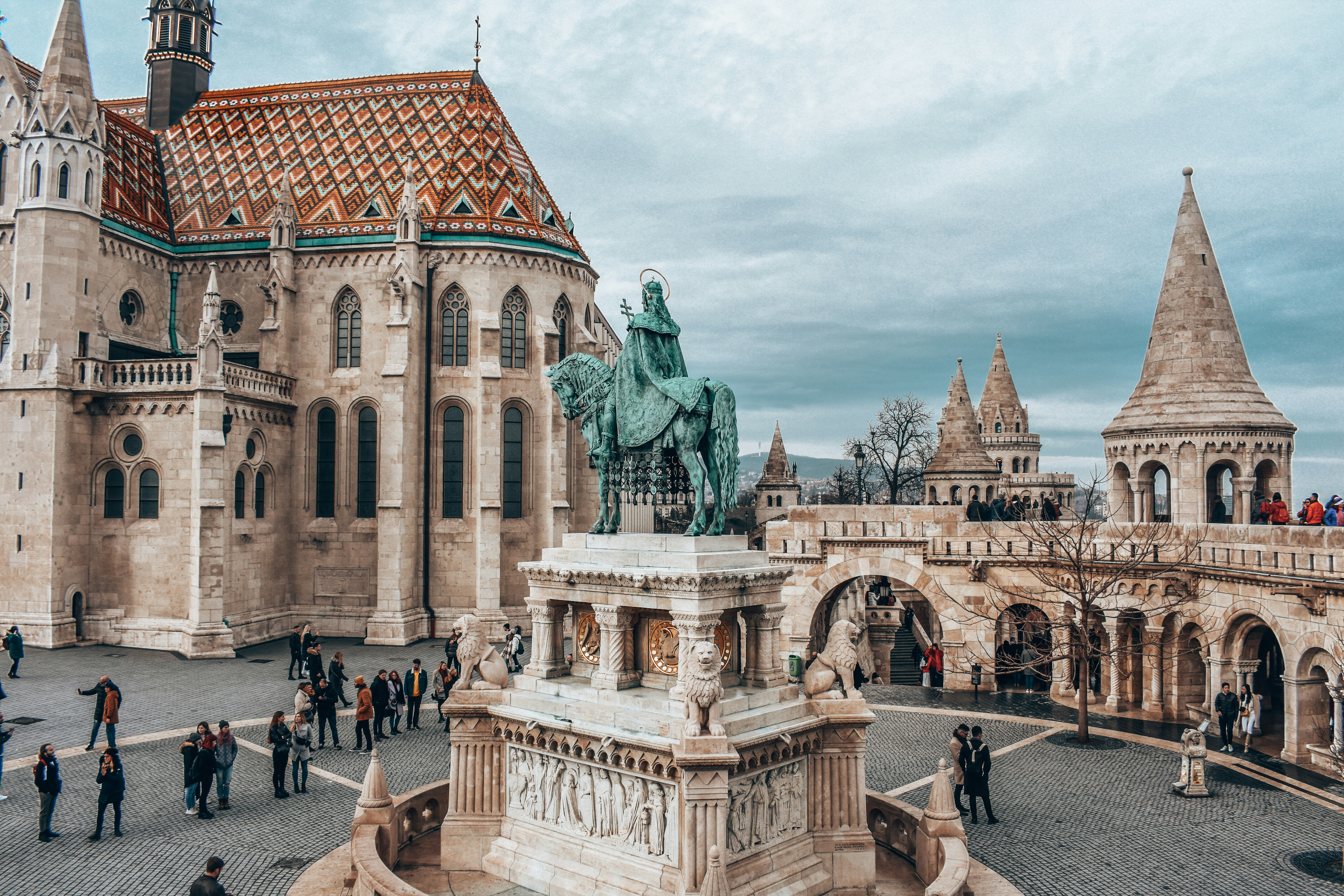
- Top choice for views: Fisherman's Bastion in the District I Castle District, a 10-minute climb above the Buda end of the Chain Bridge. Go before 9am and the lower terraces are free and empty.
- Value pick for atmosphere: Bartók Béla Boulevard in District XI, a 10-minute walk over Liberty Bridge from the Great Market Hall. Galleries, old cafés, and almost no tour groups.
- Best food stop: Lángos at the Flórián tér underpass in Óbuda, a no-frills counter locals queue for. In the centre, chimney cake from Molnár's on Váci utca, baked fresh in front of you.
- The best way to see the city: Take a private, personalised walking experience with Lokafy in Budapest and discover the side streets, the food, and the stories a map will never give you, with a Local who lives there.
Is Budapest a Walkable City?
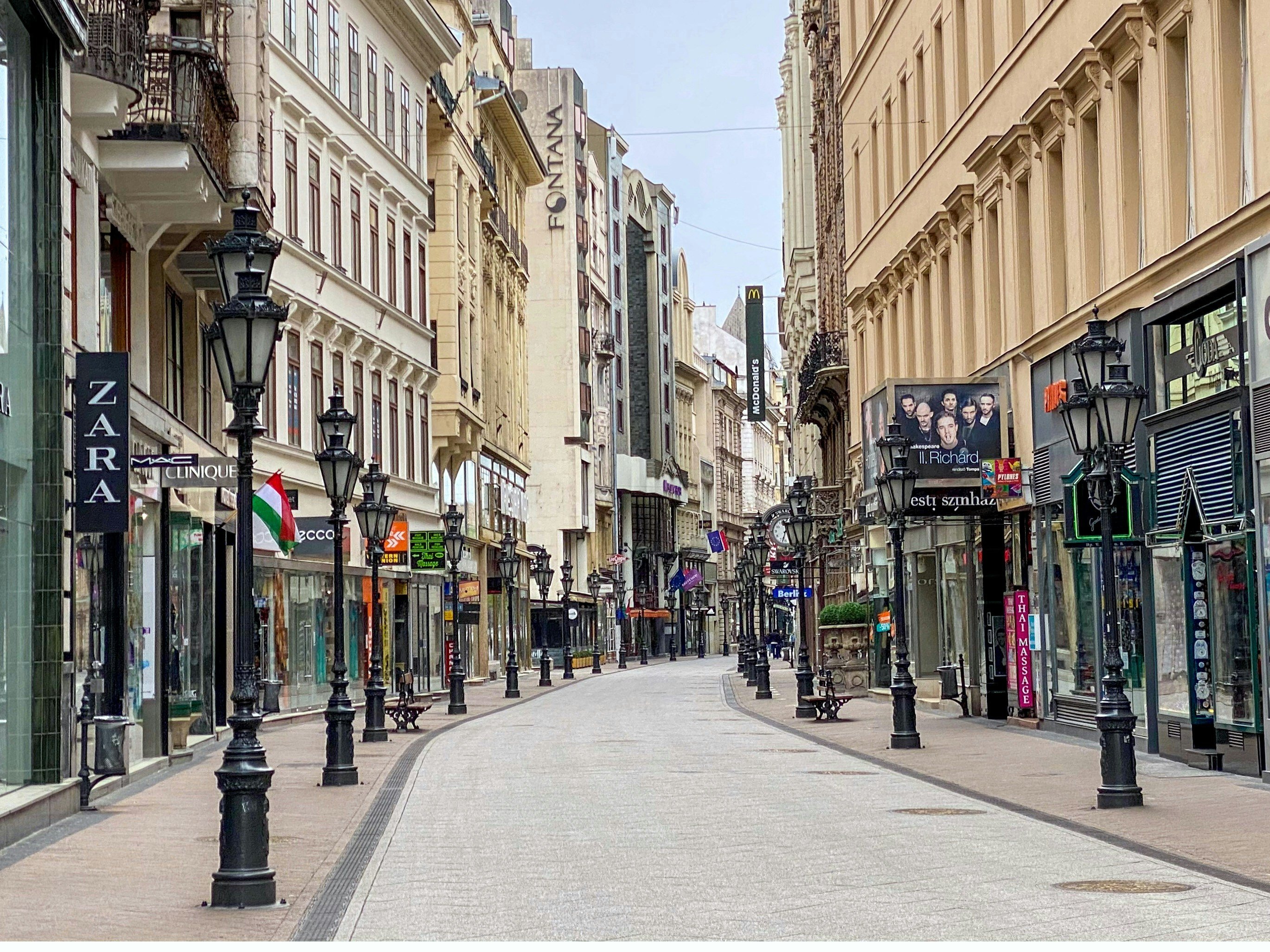
Yes. Budapest is one of the most walkable capitals in Europe, and the centre is genuinely flat on the Pest side, where most of the big landmarks sit within a 30-minute walk of each other. The Danube splits the city into flat, grid-like Pest on the east bank and hilly, green Buda on the west, and the two are stitched together by bridges you can cross on foot in under ten minutes each.
The practical version: stay in District V, VI, or VII and you can reach the Parliament, the Basilica, the Jewish Quarter, and the river without ever boarding a tram. Buda asks a little more of your legs, since the Castle District and Gellért Hill both involve a climb, but the payoff is the best views in the city. When you do want a rest, the public transport network (BKK) is cheap and easy: a single ticket runs around 450 HUF, and a 72-hour pass is about 5,950 HUF, which covers the metro, trams, and buses. The yellow M1 line under Andrássy Avenue is the oldest underground railway in continental Europe, opened in 1896, and riding two stops on it counts as sightseeing.
The Main Walk: Pest to Buda in Half a Day
This is the backbone route. You can do the whole thing in about four hours at a gentle pace, longer if you stop for everything, and it ends you up on the Buda side with the city laid out below you.
Start at St. Stephen's Basilica (District V). Begin in the heart of Pest at the city's largest church, free to enter with a suggested donation of around 1,000 HUF. Pay the small fee (about 2,400 HUF) to take the lift or stairs to the dome, because the 360-degree view from 96 metres up is the cheapest panorama in town and a smart way to get your bearings before you start walking. The square out front, Szent István tér, is closed to traffic and ringed with cafés if you need a coffee first.
Walk to the river and the Parliament (about 10 minutes). Head northwest toward the Danube and you will hit Kossuth Lajos tér, the plaza in front of the Hungarian Parliament Building, the third-largest parliament in the world. The interior tour is worth booking ahead (roughly 13,000 HUF for non-EU visitors, and it sells out days in advance), but the exterior and the riverbank are free and arguably the better photograph anyway.
Find the Shoes on the Danube (5 minutes south). Walk south along the Pest embankment from the Parliament and you will reach the Shoes on the Danube memorial, sixty pairs of iron shoes bolted to the stone where Jewish Hungarians were shot into the river by the Arrow Cross in the winter of 1944 and 1945. It is a quiet, gut-punch of a stop, and most people walk straight past it without knowing the story. Stand for a minute. Then keep going.

Cross the Chain Bridge (10 minutes). A little further south you reach the Széchenyi Chain Bridge, the oldest and most famous of the Danube crossings. Good news for walkers: after a long renovation, it reopened in August 2023 and is fully walkable again, free, open 24 hours, with wide pavements on both sides and no private cars to dodge. The lions at each end are the ones locals will tell you have no tongues. They do have tongues. You simply cannot see them from the pavement, which has fuelled the myth for 170 years. The crossing takes five to ten minutes, and the view back at the Parliament is the one you will keep.
Climb to the Castle District (10 to 15 minutes). On the Buda side you arrive at Clark Ádám tér, at the foot of Castle Hill. You have two choices. The Castle Hill Funicular (Budavári Sikló) hauls you up in two minutes for about 2,000 HUF one way, which is fun and historic. Or you take the Király lépcső steps and walk up for free in roughly ten minutes, which is what most locals do. At the top, skip the queue for the Castle interior unless museums are your thing, and head straight for the good part.
Finish at Fisherman's Bastion and Matthias Church (District I). Fisherman's Bastion is the white fairy-tale terrace with the conical turrets, and it gives you the single best view across the river to the Parliament. The lower terraces are free and open all day. The upper towers charge a small fee (about 1,500 HUF) during peak daytime hours in season, but they are free early in the morning and after the ticket booths close in the evening, so time it right and you pay nothing. Next door, Matthias Church and its wild patterned roof is worth the ticket (around 2,500 HUF) if you go inside. From here you can drop back down to the river, or carry on south along the hill toward Gellért for sunset.
One honest note for 2026: the Citadella fortress on the top of Gellért Hill is still wrapped in scaffolding for a long renovation. The fortress building is shut, but the paths, the Liberty Statue, and the lookout points across the hill stay open, and the view from up there at dusk is still one of the best free things in the city.

Going Deeper: Three Neighbourhoods Worth Walking Slowly
The backbone route shows you the monuments. These three areas show you the city. Pick one per day and wander it with no particular agenda.
District VII, the Jewish Quarter. This is the old Jewish district that became the city's nightlife heart, and it rewards a slow daytime walk as much as a loud night out. Start at the Dohány Street Synagogue, the largest in Europe, then lose yourself in the streets around Kazinczy utca. The famous ruin bar Szimpla Kert sits at Kazinczy utca 14, about a 10-minute walk west of Blaha Lujza tér, and the smartest time to see it is not at midnight but on a Sunday morning, when it runs a small farmers market and feels like a genuinely local space, coffee and produce and almost no crowd. Right beside it, the Karavan street food yard packs a row of trucks doing everything from proper lángos to burgers. For a sit-down meal nearby, Mazel Tov at Akácfa utca 47 does excellent Middle Eastern food in a plant-filled courtyard, and Kőleves at Kazinczy utca 41 serves fair-priced Hungarian plates.
District VIII, the Palace Quarter (Palotanegyed). A few minutes south of the Jewish Quarter and a world quieter, this is where students and creatives actually hang out, in a pocket of grand old palace buildings most tourists never reach. Aim for Mikszáth Kálmán Square, a small pedestrian square that fills with terrace tables on warm evenings. The anchor here is Lumen, a café and coffee roaster on Horánszky utca, a few minutes' walk from the square, with a courtyard built around an old factory chimney. Apricot on Bródy Sándor utca is the spot for a quieter coffee and a pistachio croissant. There is no big sight to tick off in District VIII, which is exactly the point.
District XI, Bartók Béla Boulevard. Cross to the Buda side over Liberty Bridge from the Great Market Hall, about a 10-minute walk, and you land on the boulevard locals have nicknamed Buda's Broadway. It runs from Szent Gellért tér to Móricz Zsigmond körtér, lined with independent galleries (Faur Zsófi, B32, Godot), design shops, and old literary cafés. Hadik Kávéház at Bartók Béla út 36 was a haunt of Hungarian writers a century ago and still feels like a place where people argue about books. Its neighbour Szatyor Bár does solid Hungarian plates in a room dressed like a beautiful junk shop, and Kelet Kávézó at number 29 lets you eat surrounded by wall-to-wall secondhand books. A short walk on, the Feneketlen-tó, or Bottomless Lake, is a willow-lined pond where locals walk their dogs and nobody is taking a selfie.
Where to Eat Along the Way
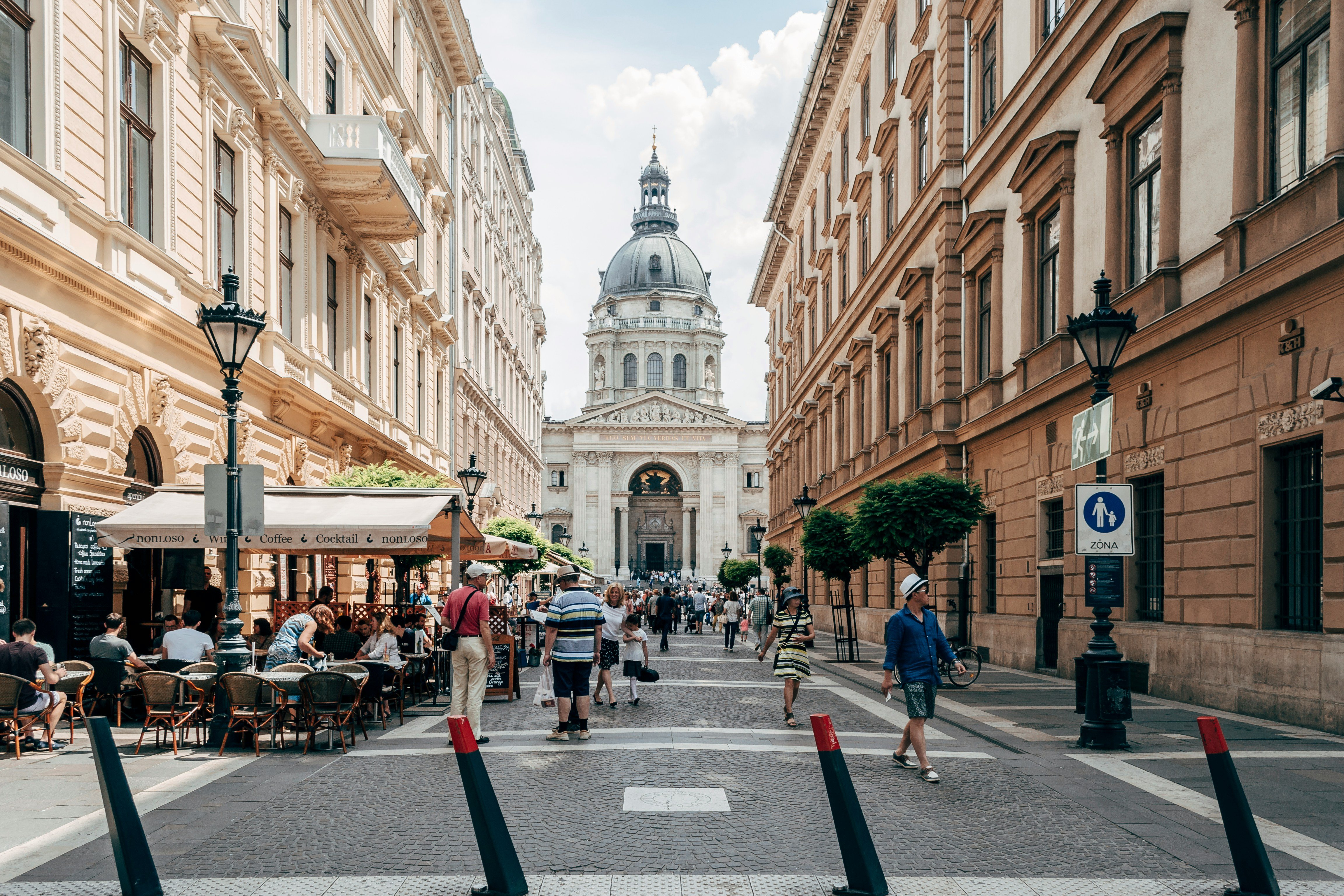
You will not walk far in Budapest before something fried and delicious gets in your way. Here is where to aim, with the tourist traps quietly skipped.
Lángos, the deep-fried dough disc loaded with sour cream and cheese, is the walking snack. The local-approved spots are off the main drag: the counter in the Flórián tér underpass in Óbuda is the one Budapest people name first, no-frills and usually with a queue, and Lángos Land tucked inside the Fény Street Market in Buda is another favourite. The version in the Great Market Hall upstairs is fine and convenient if you are already there, just busier and pricier. Ask for it the traditional way, brushed with a little garlic water before the toppings go on.
Chimney cake (kürtőskalács), the spiral of sweet dough roasted on a spit, has one rule: it must be fresh off the coals, never reheated. Molnár's on Váci utca has been doing it since 1922 and bakes it in front of you, and Pichler near Astoria is the other reliable name (they do gelato too, which is a dangerous combination). If you are up near the City Park, Édes Mackó by the zoo does the job. Expect to pay 1,500 to 3,000 HUF.
For a proper sit-down Hungarian meal, the locals' homestyle pick is Pozsonyi Kisvendéglő, always packed and cash-only, the kind of place where the goulash tastes like someone's grandmother made it. For a modern take on the classics, Zeller Bistro near the Basilica is a long-running favourite worth booking. Over in Óbuda, Kéhli has been serving catfish paprikash and flaming Gundel pancakes to actual Hungarians for over a century. And if you want one upscale dinner in the Castle District that is not a tourist trap, Mandragóra does refined Hungarian cooking for around 12,000 HUF for three courses.
Wash any of it down with a fröccs, the Hungarian wine spritzer, which locals drink all summer. Palack Borbár at Szent Gellért tér, at the start of Bartók Béla Boulevard, is a good place to learn how Hungarian wine punches above its reputation.
A Few Things Worth Knowing Before You Set Off
A handful of practical notes that will save you a misstep.
- Timing. Late April through early June and September are the sweet spots, warm enough for terraces and short of the deep summer crowds and heat. Whatever month you come, do the popular viewpoints early. Fisherman's Bastion at 8am is a different, quieter, free experience.
- The baths. If a thermal soak is on your list, note that the beautiful Art Nouveau Gellért Baths are closed for a major renovation until 2028, and the historic Király Baths remain shut as well. The ones open and worth your time are Széchenyi in the City Park (the giant one, book ahead), Rudas for its Turkish dome and rooftop pool over the Danube, and Lukács, the quiet local favourite. Minimum age for the thermal pools is generally 14.
- Shoes and stones. The Castle District and Gellért Hill are cobbled and steep in places. Trainers, not sandals.
- Tickets. Validate any single transport ticket when you board, since inspectors do check and the fines are real. Better yet, grab a 24 or 72-hour pass and forget about it.
- Cash. Most places take cards, but a few of the best old-school spots (Pozsonyi Kisvendéglő, some lángos counters) are cash-only. Carry a little.
See Budapest the Way Locals Live It
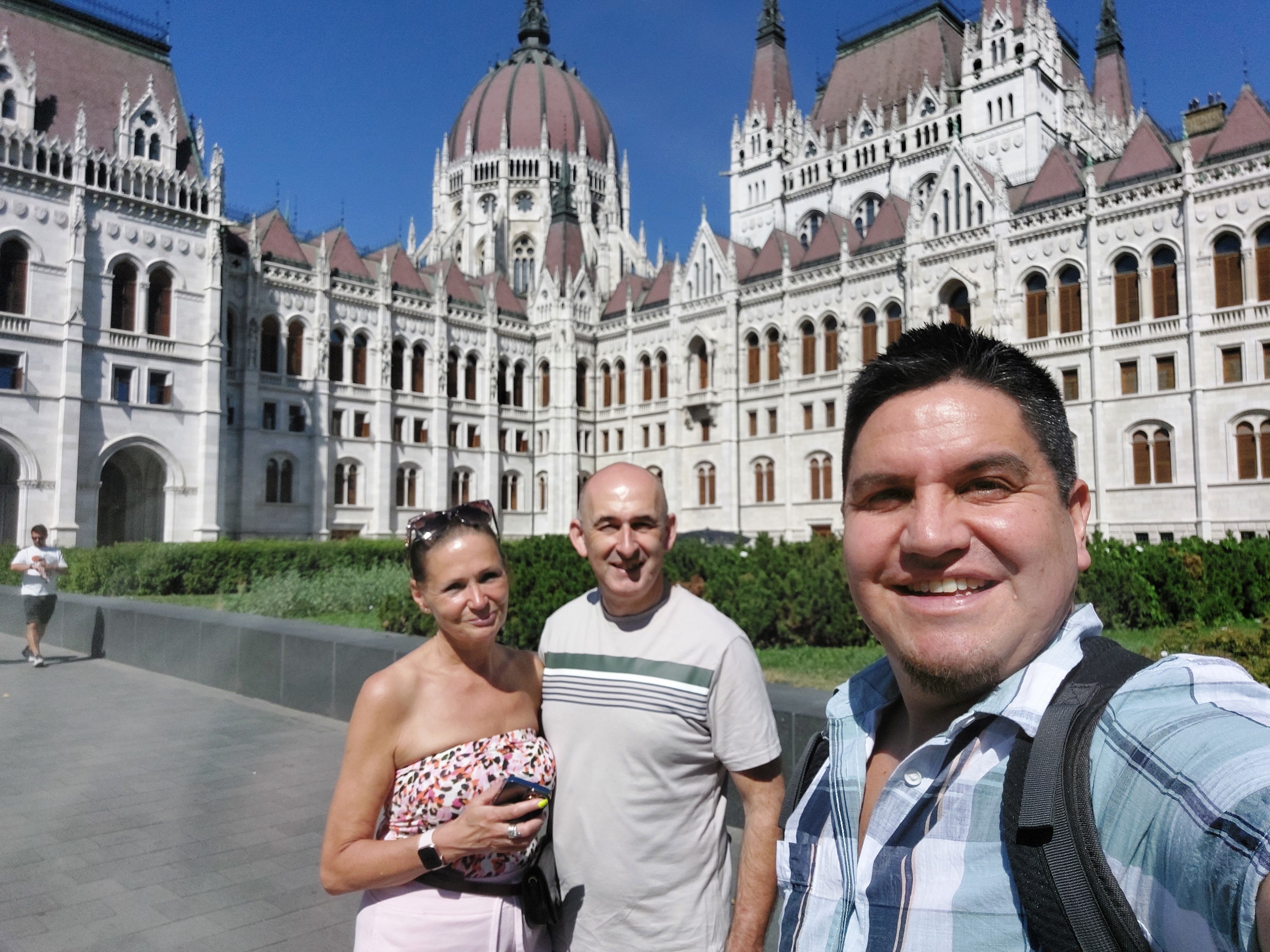
A self-guided walk gets you the streets and the sights. What it cannot give you is the running commentary: which courtyard hides a café, which building survived the siege, where a local would actually take their visiting cousin for dinner. That part lives in people's heads, not on maps.
If you want the city explained by someone who grew up walking it, book a private, personalised walking experience with Lokafy in Budapest. You are paired with a Local who shapes the route around what you care about, food, history, architecture, nightlife, or honestly just a good wander, and you finish the day knowing the city instead of having seen it. It is the difference between following a route and being shown around by a friend.
Frequently Asked Questions
Is Budapest walkable? Yes, very. The centre, especially the Pest side, is flat and compact, with most major landmarks within a 30-minute walk of each other. The two sides of the city are connected by pedestrian-friendly bridges you can cross on foot in under ten minutes. Buda's Castle District and Gellért Hill involve a climb, but everything else is easy on foot.
How many days do you need to see Budapest on foot? Two to three days is the sweet spot. One day covers the backbone route from central Pest across the Chain Bridge to the Castle District. A second day lets you walk a neighbourhood slowly, such as the Jewish Quarter or Bartók Béla Boulevard. A third gives you the baths and a stretch along the river.
Is the Chain Bridge open to walk across in 2026? Yes. After a renovation that ran from 2021 to 2023, the Széchenyi Chain Bridge reopened to pedestrians in August 2023. It is free, open 24 hours, and has wide pavements on both sides. Private cars are not allowed, so it is calmer to cross than before.
Where do locals eat in Budapest? Off the tourist streets. For lángos, locals head to the Flórián tér underpass in Óbuda or Lángos Land in the Fény Street Market. For a homestyle Hungarian meal, Pozsonyi Kisvendéglő (cash-only and always full) and Zeller Bistro are long-standing favourites. The cafés along Bartók Béla Boulevard and around Mikszáth Square in District VIII are where locals actually sit.
Are the Gellért Baths open in 2026? No. The Gellért Baths closed on 1 October 2025 for a major renovation and are expected to reopen in 2028. For a thermal soak in the meantime, go to Széchenyi in the City Park, Rudas for its rooftop pool and Turkish dome, or Lukács, the quieter local choice.
Can you climb Gellért Hill, and is the Citadella open? You can walk up Gellért Hill freely, and the paths, the Liberty Statue, and the lookout points are open, with what many consider the best view in the city. The Citadella fortress building itself is still closed for renovation as of 2026, but that does not affect the walk or the views.
Do you need a guide for Budapest, or can you walk it yourself? You can absolutely walk Budapest yourself using a route like this one. A local guide is worth it when you want the stories and the side streets behind the landmarks, or you want a route tailored to your interests rather than the standard loop. Many travellers do both: a self-guided day to get oriented, and a private walk with a Local to go deeper.
Enjoyed this article?