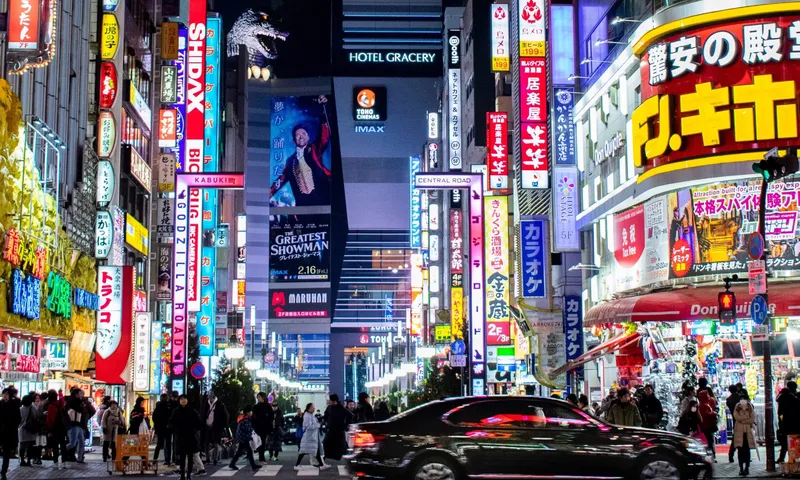
Most travellers experience Shibuya the same way. You exit the station at the Hachiko gate. You take a photo with the statue. You cross the Scramble Crossing once, then again from the other side because the first one didn't quite capture the scale. You go up to Shibuya Sky for the view. You eat at a conveyor-belt sushi place near the station, and by the time you board the train back to your hotel, you've decided that Shibuya is loud, crowded, and probably a bit overrated.
Locals find this exhausting to watch. Because the version of Shibuya that fits inside a 90-minute tourist loop is maybe ten percent of the actual neighbourhood, and almost none of the part that people who live here would defend.
The real Shibuya is in the side streets. It's in the Showa-era alley behind the train tracks where five-seat bars have been pouring whisky for sixty years. It's in the residential pocket west of the station where you can stand outside an embassy and not hear traffic. It's in the cafes of Kamiyamacho where the regulars know each other by name, and in a cliff-side garden museum that almost nobody on Instagram has bothered to find.
I spent time digging through what Tokyo locals, long-term residents, and travel writers who actually live in the city recommend. Here's the Shibuya they want you to find.
What "Beyond the Crossing" Actually Means
Shibuya is not just the area around the station. It's a 15-square-kilometre ward made up of distinct neighbourhoods, each with its own personality. The Scramble Crossing sits at the centre of the loud commercial core, but within a 10 to 15-minute walk in any direction you'll find some of the quietest, most liveable, and most interesting pockets in Tokyo.
When locals say "Oku-Shibuya" (literally "deep Shibuya") or talk about the Shibuya they actually love, they mean Shoto, Kamiyamacho, Tomigaya, Shinsen, and the slow streets that run between them. The crossing is the entrance. Everything good happens after you keep walking.
The Alley Nobody Photographs Properly: Nonbei Yokocho
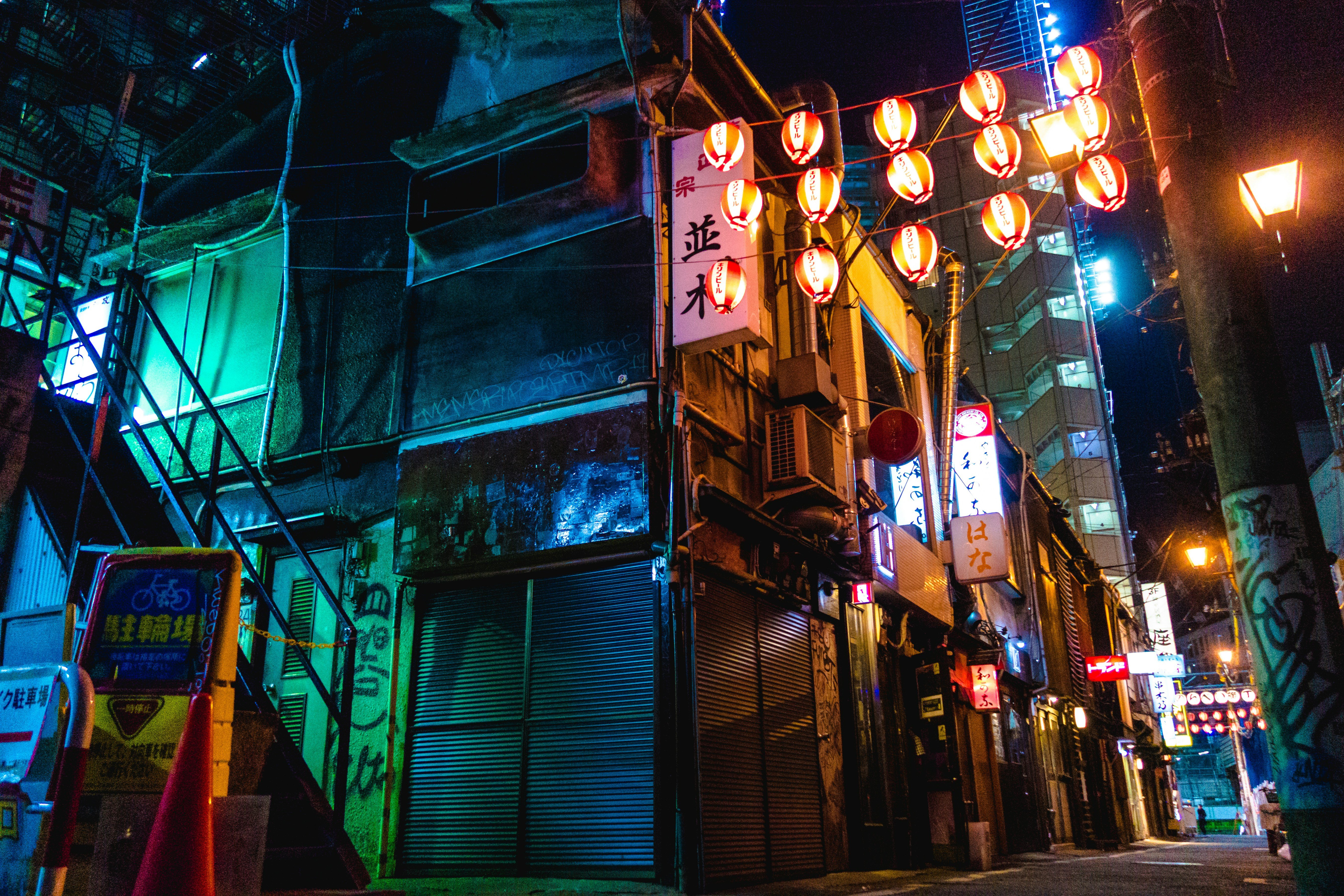
Tucked between the JR train tracks and the Miyashita Park complex, Nonbei Yokocho ("Drunkard's Alley") is a narrow lane of around 40 tiny bars, most of them barely bigger than a closet. The alley has been here since the 1950s, and walking into it feels like stepping out of modern Shibuya entirely. Wooden sliding doors, lanterns hanging low, regulars who've been drinking at the same counter seat for decades.
Most bars in Nonbei Yokocho seat between four and eight people. Some have a cover charge of around 500 to 1000 yen, which is normal for this kind of place in Tokyo. A few are tourist-friendly and will welcome you in with a menu in English. Others are members-only or reserved for regulars, and you'll be politely turned away. That's part of the experience. Don't take it personally.
How to do it right: go on a weeknight rather than a weekend, walk the length of the alley once to scope out which bars look open and welcoming, and just step in. Order a beer or whisky, smile, point at what other people are eating if you don't read Japanese. The whole point is that you are sitting elbow-to-elbow with strangers. Conversation tends to happen.
The most common tourist mistake here is treating it like a photo opportunity rather than a place to actually drink. Take your shot, but then go inside.
The Mural Hidden in a Train Station Walkway
This one almost nobody finds, and that's astonishing because it's enormous and you walk past it.
Inside the Shibuya Mark City walkway, on the second floor connecting JR Shibuya Station to the Keio Inokashira line, there's a 30-metre-wide mural by Taro Okamoto called "Myth of Tomorrow." It depicts the moment of a nuclear blast, with a central skeletal figure consumed by flames. Locals call it Japan's Guernica.
The story is wild. Okamoto painted it in the late 1960s for a hotel lobby in Mexico City. The hotel went bankrupt before installation. The mural disappeared for over thirty years. It was rediscovered in a Mexican warehouse in 2003, restored, and finally installed here in Shibuya in 2008. Tens of thousands of commuters pass it every day without looking up.
It costs nothing to see, takes about ten minutes, and gives you one of the most powerful pieces of post-war Japanese art on your walking route between train lines. Look up.
Oku-Shibuya: The Cafe District Locals Won't Stop Talking About
Walk about ten minutes northwest from the Scramble Crossing, away from the bright lights, and the volume drops. The streets get narrower. Buildings get smaller. You're now in Kamiyamacho and Tomigaya, the neighbourhoods that make up what locals call "Oku-Shibuya," or deep Shibuya. This is where Tokyo creatives, writers, designers, and music industry people actually spend their afternoons.

A few cafes I'd point you toward, all of them locally beloved:
Fuglen Tokyo is a Norwegian-Japanese hybrid in Tomigaya. By day it's a beautiful, vintage-furnished coffee shop serving some of the best filter coffee in Tokyo. By evening it transforms into a cocktail bar. The crowd is mixed locals and clued-in visitors, and the staff are unhurried in the best way.
Camelback Sandwich and Espresso is a tiny Tomigaya counter known for one thing: its tamago sando, a Japanese omelette sandwich made by a former sushi chef. There are about three seats. You will probably take it to go. You should.
About Life Coffee Brewers is a small specialty coffee bar with two locations, one in Tomigaya and a walk-up stand a block from Shibuya Station. The Tomigaya space has indoor and outdoor seats and is one of the rare cafes where you can settle in for an hour without feeling rushed.
Coffee Supreme Tokyo is a New Zealand-rooted espresso bar in Kamiyamacho with bar seating, friendly staff who like to chat, and a regular crowd of designers and freelancers. Go for a quick cappuccino mid-afternoon and stay for as long as the seats let you.
Shibuya Publishing and Booksellers (SPBS) isn't strictly a cafe, but the bookstore stays open late, sells thoughtfully chosen Japanese and English titles, and sits on the same Kamiyamacho street as several of these coffee spots. It's the kind of place locals stop at after work without a plan.
These five spots together make up a half-day route. Start with breakfast at Fuglen, walk to Camelback for a sando, drift to About Life or Coffee Supreme, finish at SPBS. You will not see another tourist on this loop.
Shoto: The Quietest Neighbourhood in Tokyo
If Kamiyamacho is where Tokyo creatives live, Shoto is where Tokyo's old money lives. It's an 8-minute walk from Shibuya Station and an entirely different city.
Shoto is legally classified as a "first-class low-rise residential area," which means strict rules on building height, density, and even the direction of garden orientation. There are no high-rises, no neon signs, no chain restaurants. Just tree-lined streets, embassies (you'll spot New Zealand and Mongolia along the way), and large private homes hidden behind walls. Politicians and celebrities live here precisely because nobody bothers them.
For visitors, Shoto offers two things worth seeking out:
Nabeshima Shoto Park is a small traditional Japanese-style park with a pond, a stone bridge, koi, and benches under maple trees. It's the kind of pocket green space that exists in every Tokyo neighbourhood but nobody goes out of their way to visit. You should. In autumn it's particularly beautiful, and on a weekday afternoon you might be the only person there.
The Shoto Museum of Art is a small municipal museum in a 1981 building designed by Seiichi Shirai, an architect who described himself as a "philosophical architect." The interior features pools and fountains and feels nothing like a typical museum. Exhibitions rotate, and even if the current show isn't to your taste, the building itself is worth the entry fee.
Shoto is also where the original owner of Hachiko, Professor Hidesaburo Ueno, lived. The most famous dog in Japan walked from this neighbourhood to Shibuya Station with him every morning in the 1920s. There's no marker for the house, but it's a quietly poetic detail to know while you're walking the streets.
Chatei Hatou: The Coffee Ritual That Refuses to Modernise

If you want to understand Japanese kissaten culture, the traditional coffee shops that pre-date third-wave specialty coffee by about sixty years, Chatei Hatou is the answer.
It's been on a quiet Shibuya side street for over thirty years. The interior is dim, wood-panelled, and timeless. The owner brews each cup of hand-drip coffee individually and chooses the cup he serves you in based on the personality he reads in your face. There's no Wi-Fi. There's no rush. Phones are politely discouraged. The price is higher than a standard cafe but not unreasonable, and you should pair the coffee with their homemade chiffon cake.
This is not a place to do work. It's a place to sit for an hour with one drink, read a book or stare out the window, and remember that coffee can be a ritual rather than a transaction. It is the most "old Tokyo" experience you can have within a five-minute walk of the Scramble Crossing.
Two Day Trips Locals Take From Shibuya
These aren't technically in Shibuya, but locals will tell you they're the easiest escapes from it, and most visitors don't realise how close they are.
Nakameguro is one stop and five minutes from Shibuya on the Tokyu Toyoko Line. The Meguro River runs through the neighbourhood, lined with cafes, vintage stores, design shops, and lifestyle boutiques. In late March and early April, the river becomes one of Tokyo's most famous cherry blossom spots and gets impossibly crowded. The rest of the year it's calm, photogenic, and an obvious place to spend a slow afternoon. Pair it with Daikanyama, a 10-minute walk south, where the legendary T-Site Tsutaya bookstore alone is worth the trip.
Todoroki Valley is around 20 minutes by train from Shibuya, and it's the most surprising thing I'll recommend in this entire piece. It's a 1-kilometre stretch of forested ravine with a small river running through it, complete with stepping stones, a small shrine, and a bamboo grove. You're inside Tokyo. You can't hear the city. There's almost nobody there. If you have an extra half-day and the weather is decent, it's a perfect contrast to Shibuya's sensory overload.
When to Actually Visit These Places
Shibuya's tourist core never empties. The Scramble Crossing is busy at every hour the trains are running, which is roughly 5 AM to midnight. But the neighbourhoods around it have rhythms locals understand.
Mornings, between 8 and 10, are when Shoto and Kamiyamacho feel almost rural. Cafes have just opened, parks are nearly empty, and you'll see residents walking dogs more than tourists.
Afternoons, between 2 and 5, are the cafe hours. This is when Fuglen, Coffee Supreme, and About Life fill up with their regular crowd. Go now if you want to see who actually lives here.
Evenings after 7 are when Nonbei Yokocho comes alive. Don't go too early. The bars start filling around 8 and hit their peak between 9 and 11.
Late nights, after midnight, are when central Shibuya around the crossing turns into a young, party-heavy zone. If that's not your scene, retreat to Shoto or Tomigaya, where streets are quiet by 10 PM.
Frequently Asked Questions
Are there hidden gems in Shibuya beyond the Scramble Crossing? Yes. Shibuya has several quiet, locally loved neighbourhoods within a 10 to 15 minute walk of the station, including Shoto, Kamiyamacho, and Tomigaya, collectively called Oku-Shibuya. These areas are home to specialty cafes, independent bookstores, traditional kissaten coffee shops, residential parks, and the Showa-era bar alley Nonbei Yokocho. Most visitors never leave the area immediately around the crossing and miss almost all of it.
What is Oku-Shibuya? Oku-Shibuya, literally "deep Shibuya," is the local name for the residential and cafe-heavy neighbourhoods to the west and northwest of Shibuya Station, including Kamiyamacho, Tomigaya, and Shoto. It's where Tokyo creatives, writers, and long-term residents actually spend their time. The vibe is slow, quiet, and full of small independent businesses, which is roughly the opposite of what most people picture when they think of Shibuya.
Is Nonbei Yokocho worth visiting? Yes, but go in with the right expectations. It's a narrow alley of around 40 tiny bars from the 1950s, each seating four to eight people. Some bars welcome tourists, others are for regulars only. Go on a weeknight, walk the length first, then step into a bar that looks open and approachable. Order a drink, be friendly, and treat it as a place to actually sit and chat rather than a photo backdrop. The cover charge at most bars is 500 to 1000 yen.
Where do locals actually drink coffee in Shibuya? Locals tend to skip the chains around the station and head to Kamiyamacho or Tomigaya. Fuglen Tokyo, Coffee Supreme, About Life Coffee Brewers, and Camelback Sandwich and Espresso are all within walking distance of each other and represent the neighbourhood's specialty coffee scene. For a more traditional kissaten experience, Chatei Hatou near the station serves hand-drip coffee in a 30-year-old wood-panelled space with no Wi-Fi.
Is Shoto worth visiting as a tourist? If you appreciate quiet residential neighbourhoods, yes. Shoto is one of Tokyo's most exclusive areas, with strict zoning that keeps it low-rise and tree-lined. Visit Nabeshima Shoto Park for a traditional Japanese garden experience, and the Shoto Museum of Art if you want to see a beautifully designed small museum. There's no shopping or nightlife here, which is exactly the point. It's a 10-minute walk from the Scramble Crossing and feels like a different city.
How long do I need to explore Shibuya beyond the tourist spots? A half-day is enough to see one or two hidden areas properly. A full day lets you do a slow morning in Shoto and Kamiyamacho, an afternoon at Chatei Hatou or one of the specialty coffee spots, and an evening at Nonbei Yokocho. If you have two days in Shibuya, day trip to Todoroki Valley or Nakameguro on the second.
What is Todoroki Valley and how do I get there from Shibuya? Todoroki Valley is a 1-kilometre forested ravine in the Setagaya ward, about 20 minutes by train from Shibuya on the Tokyu Oimachi Line to Todoroki Station. It has a small river, stepping stones, a shrine, and a bamboo grove. It's one of the only places inside Tokyo that genuinely feels like a forest, and it's almost never crowded. Pair it with the upscale residential streets of Jiyugaoka for a full half-day escape from central Tokyo.

See Shibuya the Way Locals Actually See It
The version of Shibuya you can find on Google Maps is the version everyone else finds too. The Shoto side streets, the kissaten with no English menu, the Kamiyamacho cafe where the owner remembers your order, the Nonbei Yokocho bar that actually waves you in instead of waving you off: those are harder to find on your own, and they're a different city when someone who lives here is walking with you.
A Lokafy local in Tokyo can take you through the Oku-Shibuya cafes that don't show up in guides, sit with you in a Nonbei Yokocho bar where you'd otherwise be politely turned away, and translate the experience in a way that turns it from sightseeing into something closer to a conversation with the city itself.
This guide draws on local-resident perspectives compiled across long-form travel writing, neighbourhood guides, and on-the-ground accounts from people who live in or regularly visit Shibuya. The Shibuya it describes is a real city, lived in slowly, away from the crossing.
Enjoyed this article?