On my first trip to Copenhagen, I tried to hit every sight and ended up rushing through all of them. The second time I just asked people who actually live there. Nobody mentioned Nyhavn. They said: get a bike, stick near the water, eat wherever the line is speaking Danish, and don't schedule past 4pm because you'll want to sit somewhere with a coffee longer than planned.
This guide follows that, same major sights, just built around the stuff locals actually do.
Quick Guide: 3 Days in Copenhagen
- Primary recommendation: Rent a bike on day one and treat the harbour as your compass. Copenhagen is flat, small, and built for two wheels, and you will cover twice the ground while feeling half as rushed.
- Top choice for food: The fish burger at La Banchina on Refshaleøen, eaten on the pier with a glass of natural wine and a swim between courses. Locals call this the taste of a Copenhagen summer.
- Value pick: Swimming in the harbour is free and clean, and Islands Brygge is where the whole city goes on a warm afternoon. Bring a towel and skip the paid spa.
- Best way to see the city: Take a private, personalised walking experience with Lokafy in Copenhagen and discover the neighbourhoods, bakeries and back-canal corners with a local who actually lives there.
How to get around (because it changes everything)
Copenhagen rewards people who move like locals, and locals move on bikes. You can rent one through an app such as Donkey Republic, pick it up anywhere, and drop it near your next stop. The city has more than 380 kilometres of protected bike lanes, and most residents cycle daily, so you will be in good company. Stay to the right, signal with your arm, and ring your bell before you overtake.
For everything else there is one integrated ticket. The metro, buses, trains and the yellow harbour boats all run on the same fare, so you never need to think about which mode you are taking. A 72-hour City Pass Small covers all of it for 270 kroner, which for a three-day trip is the sensible option, and it includes the harbour buses (lines 991 and 992) that double as a budget canal cruise. Buy tickets in the Rejsebillet app, since the old physical travel cards are being phased out through 2026. From the airport, the M2 metro drops you in the centre in about fifteen minutes.
One more thing worth knowing before you arrive. Copenhagen now runs CopenPay all year round, a scheme that rewards green choices with free experiences. Arrive somewhere by bike or public transport, join a harbour clean-up, or volunteer at an urban garden, and you can unlock everything from free kayak rentals to complimentary museum tours and meals. It runs on trust, so a train ticket or a photo is usually proof enough.

Day 1: The classic core, done properly
Start where the city started. Nyhavn is the postcard, all pastel merchant houses and old wooden boats, and yes it is a tourist magnet, but it is a beautiful one and best seen early before the crowds thicken. Come at nine with a coffee, get your photo, then keep moving before it fills up.
From Nyhavn, wander into the old town, Indre By, and let the streets do the work. You will hit Strøget, one of Europe's longest pedestrian shopping streets, but the better move is to duck off it into the side lanes around Kompagnistræde and Fiolstræde, where the antique shops and small cafés live. Climb the Round Tower for a view over the rooftops through its strange spiral ramp, built so a horse and carriage could ride to the top.
For lunch, this is your moment for smørrebrød, the open-faced rye sandwich that is the backbone of Danish lunch. Selma does a modern, seasonal version that locals rate highly, and it is worth booking. If you want the old-school experience, look for a traditional lunch cellar and order a couple of pieces with a cold beer and a shot of snaps. A tip from a Copenhagener: if the sweet bakery cases are too much, ask for a BMO, the local name for a warm cheese roll that is far better than it sounds.
Spend the afternoon at Tivoli Gardens, and give it real time rather than a quick lap. This is not a generic theme park. It is a 183-year-old pleasure garden of flowerbeds, fountains, lantern-lit paths and one of the world's oldest wooden roller coasters, and it charmed Walt Disney so much he borrowed the idea. In 2026 Tivoli's summer season runs from 27 March to 20 September, then reopens for Halloween from 2 October to 1 November and again for Christmas. Entry starts around 150 kroner, and a rides wristband is a separate ticket, so decide upfront whether you are here for the atmosphere or the adrenaline. Arrive in the late afternoon and stay as the lights come on. That is when Tivoli is at its best.
End the evening with a Friday Rock concert if your timing lines up, or head to Nørrebro for a drink where the locals are.
Day 2: Nørrebro, the Lakes, and a harbour swim

Day two belongs to the neighbourhoods, and you should do it on a bike.
Start in Nørrebro, the most mixed and creative part of the city. Make your first stop Assistens Cemetery, which sounds like an odd recommendation until you go. It is a leafy park as much as a graveyard, where Hans Christian Andersen and Søren Kierkegaard are buried, and where locals genuinely come to sunbathe, picnic and read on the grass between the old trees. From there, walk Jægersborggade, a single narrow street that packs in ceramicists, small galleries, natural wine bars and some of the best coffee in the country at Coffee Collective. This is the Copenhagen that does not make the postcards, and it is the one residents show their friends.
Cut down to The Lakes (Søerne), the string of rectangular lakes that curve along the edge of the centre. Locals run, cycle and stroll here, and on a clear day it is the prettiest easy walk in the city. If beer is more your speed, Mikkeller & Friends brews its own craft beer nearby, and buying a bottle to drink in a park is a very normal Copenhagen afternoon.
By now it should be warm enough for the main event. Ride to Islands Brygge Harbour Bath, the free public swimming spot cut straight into the harbour. The water is clean enough to swim in, which still surprises people, and on a sunny day the grassy banks fill with families, students and office workers on long lunch breaks. There are five pools, including a shallow one, and if you hear music from the community centre nearby, it might be an open salsa class. Bring a towel and a picnic and stay a while.
For dinner, keep it relaxed. The Meatpacking District (Kødbyen) in Vesterbro is a former industrial quarter now full of restaurants and bars sitting side by side in old white warehouse buildings. It runs from casual to serious, and the energy after dark is some of the best in the city.
Day 3: Christianshavn and Copenhagen's industrial edge
Your last day heads across the water to the side of Copenhagen that feels most like the future.

Begin in Christianshavn, the canal district that Amsterdam fans will love, with houseboats, cobbles and cafés along the water. From here it is a short walk to Freetown Christiania, the self-governing community founded by squatters in the 1970s. It is worth understanding what changed here: in 2024 residents dismantled the old Pusher Street to push out the gangs that had taken over the cannabis trade, and today the area is calm, creative and safe to wander like any other neighbourhood. Come for the murals, the workshops, the Grey Hall music venue and the genuinely alternative atmosphere, respect the community, and follow the posted rules on photography.
Then make the trip out to Refshaleøen, a former shipyard island that has become the city's experimental backyard. The most scenic way there is the harbour bus, which counts as normal public transport, so your City Pass covers it. This is home to Reffen, the largest street food market in Northern Europe, with around 35 stalls in old shipping containers serving everything from Nordic-Mexican tacos to Kurdish grills, plus ten bars and an on-site brewery. Reffen's 2026 season runs from mid-March to the end of September, entry is free, and you only pay for what you eat. Come hungry and graze.
A few minutes' walk away is La Banchina, the tiny blue harbour house that is arguably the most Copenhagen place in Copenhagen. It is a café, a natural wine bar, a restaurant and a swim spot all in one, with a wood-fired sauna for the colder months. In summer, locals order the fish burger, take a bottle of wine to the pier, and dip in the harbour between bites. It stays open all year, so even in winter you can sauna and plunge like a Dane.
If the weather turns, swap the island for culture. The Ny Carlsberg Glyptotek in the centre holds six thousand years of art around a palm-filled Winter Garden, and entry is free on the last Wednesday of each month. It is the best rainy-afternoon room in the city.
Copenhagen Hidden Gems Worth Rearranging your Plans for

Once you have the three-day skeleton, these are the spots locals slot in when they want to show off their city.
- The harbour bus as a canal cruise: Ride harbour bus 991 or 992 end to end for the price of a normal ticket and you get the Opera House, the Library, Islands Brygge and Refshaleøen from the water, with no commentary and no queue.
- Copenhagen's bakery trail: Danish bakeries have gone slightly mad in the best way, with queues out the door for cardamom buns and seasonal cream buns. Build your own trail through Juno the Bakery, Hart, Skt Peders Bageri and Københavns Bageri, and new ones open constantly, so follow the lines.
- Grundtvig's Church: A giant expressionist church built to look like a pipe organ made of pale yellow brick. It sits out in Bispebjerg, sees few tourists, and the light inside is unforgettable.
- Superkilen: A public park in Nørrebro designed as a collage of objects from around the world, from a Moroccan fountain to Japanese cherry trees. It is where the neighbourhood's mix becomes something you can walk through.
- The Botanical Garden Palm House: A Victorian glasshouse in the middle of the city, warm and green even in winter, with a spiral staircase up to a walkway among the treetops.
Where locals actually Eat in Copenhagen
Copenhagen has a reputation for being expensive, and the fine dining is genuinely world-class, but the everyday food scene is where residents spend their money.
For a proper sit-down meal without the tasting-menu prices, the Meatpacking District and Reffen both let you eat well for far less than a restaurant in the centre, with lunch sets often landing around 100 kroner. Torvehallerne, the covered market by Nørreport station, is where locals grab fresh produce, smørrebrød, coffee and a tacos stand from a Noma alumnus under one roof. For the cheapest classic of all, order a Danish hot dog from a street cart, the pølsevogn, which has fed the city for generations.
And do not leave without a bakery breakfast at least once. A cardamom bun and a filter coffee, eaten standing up while the city cycles past, is as close to the local morning as you will get.
See Copenhagen the way locals live it
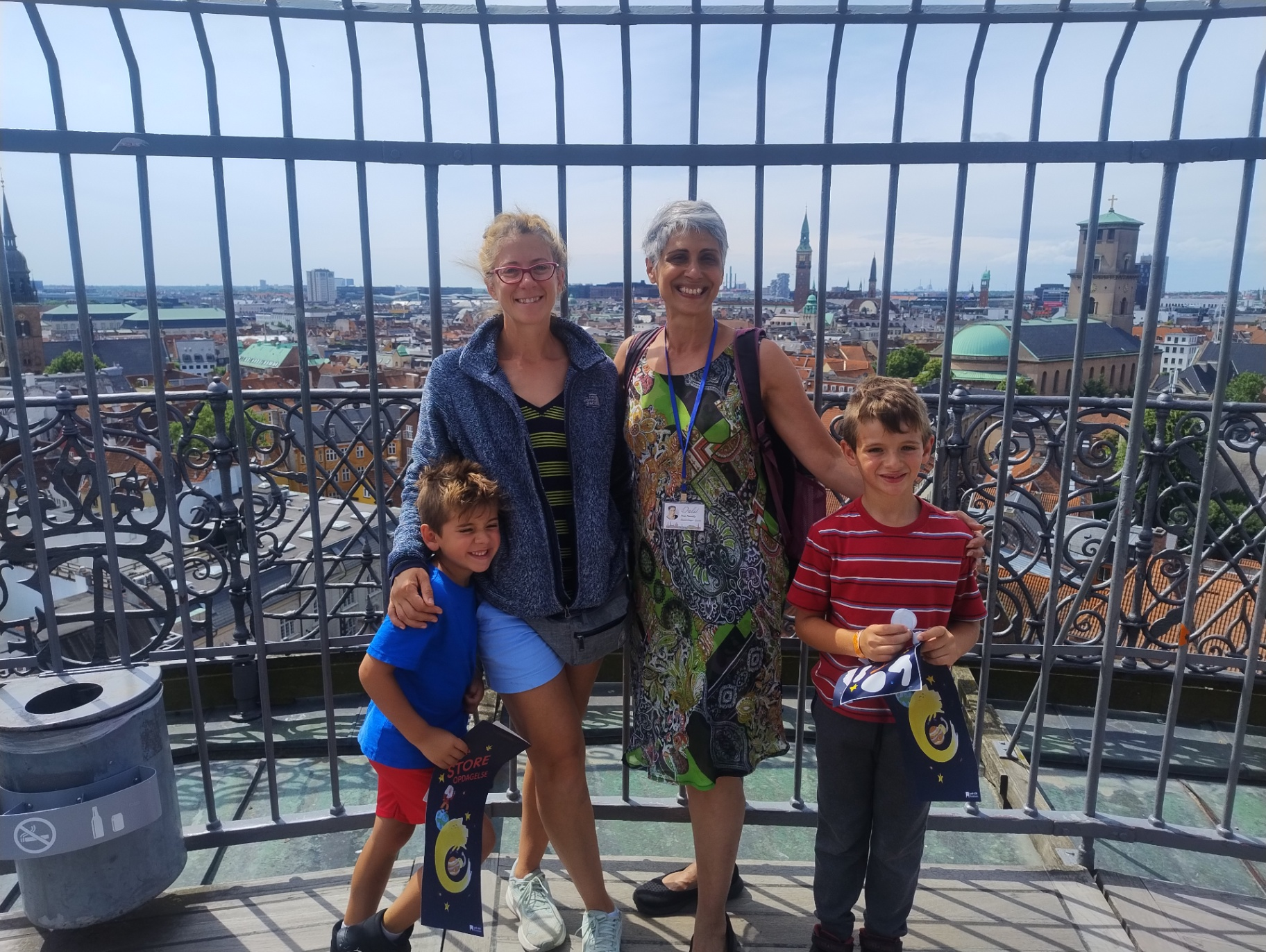
You can follow this itinerary perfectly and still only scratch the surface, because the best parts of Copenhagen are the ones a guidebook cannot timetable: which bakery has today's best bun, which canal corner catches the evening light, which bar the neighbourhood actually drinks in. That is where a local comes in.
With Lokafy, you are paired with a Copenhagener who takes you through their own version of the city on foot, at your pace, built around what you care about, be it food, design, history or simply where they would take a friend on a free afternoon. It is the difference between seeing Copenhagen and understanding why the people who live there are so quietly, stubbornly proud of it. Book a personalised Copenhagen experience with a local and let the city open up the way it is meant to.
Frequently asked questions
Is 3 days enough for Copenhagen? Yes. Copenhagen is compact and flat, and you can cycle across it in under half an hour, so three days is enough to cover the main sights, two or three neighbourhoods, a harbour swim and the street food scene without rushing. Stay longer, up to a week, and you start uncovering the bakeries, communal dining and quieter corners that turn a good trip into a great one.
What is the best way to get around Copenhagen? By bike, without question. The city is built for cycling, with hundreds of kilometres of protected lanes and a mostly flat layout. Rent through an app like Donkey Republic. For longer hops and rainy days, the metro, buses, trains and harbour boats all share one ticket, and a 72-hour City Pass Small at 270 kroner covers three days of everything.
When is the best time to visit Copenhagen? Late spring through summer, roughly May to September, is the sweet spot, with long daylight, warm-enough harbour water for swimming, and Tivoli, Reffen and the outdoor scene all in full swing. December is the other strong option, when the Christmas markets and Tivoli's festive lights bring the cosy hygge the city is famous for. Winter is quiet and cold but has its own charm, especially with a sauna and a harbour plunge.
Is Copenhagen expensive? It can be, but it does not have to be. Fine dining and cocktails add up fast, yet street food markets, bakery breakfasts, hot dog carts and the many free things to do, from harbour swimming to walking the Lakes and the cemeteries-as-parks, keep costs down. The CopenPay scheme also rewards green choices with free experiences year-round.
Can you really swim in Copenhagen's harbour? Yes, and locals do it constantly. The harbour water is clean enough for swimming, and there are designated free harbour baths such as Islands Brygge, plus spots like La Banchina on Refshaleøen. Bring a towel, check for the marked swimming zones, and dive in.
Is Christiania safe to visit in 2026? Yes. Since residents dismantled the old Pusher Street in 2024 to remove the gangs tied to the cannabis trade, Christiania has become calm and welcoming again. Treat it like any other neighbourhood, respect the community and its rules on photography, and you can explore its murals, cafés and alternative culture without concern.
What food should I try in Copenhagen? Start with smørrebrød, the open-faced rye sandwich that defines Danish lunch, and a cardamom bun from one of the city's cult bakeries. Add a classic Danish hot dog from a street cart, the fish burger at La Banchina, and a graze through Reffen street food market. If your budget allows, Copenhagen's New Nordic restaurants are among the best in the world.
More from Copenhagen
→ 24 Hours in Copenhagen -The Epicentre of Nordic Landscapes & Cuisine
→ Top 5 eateries in Copenhagen to eat like a local
→ Arriving in Copenhagen: How to Get from Copenhagen Airport (CPH)
Enjoyed this article?