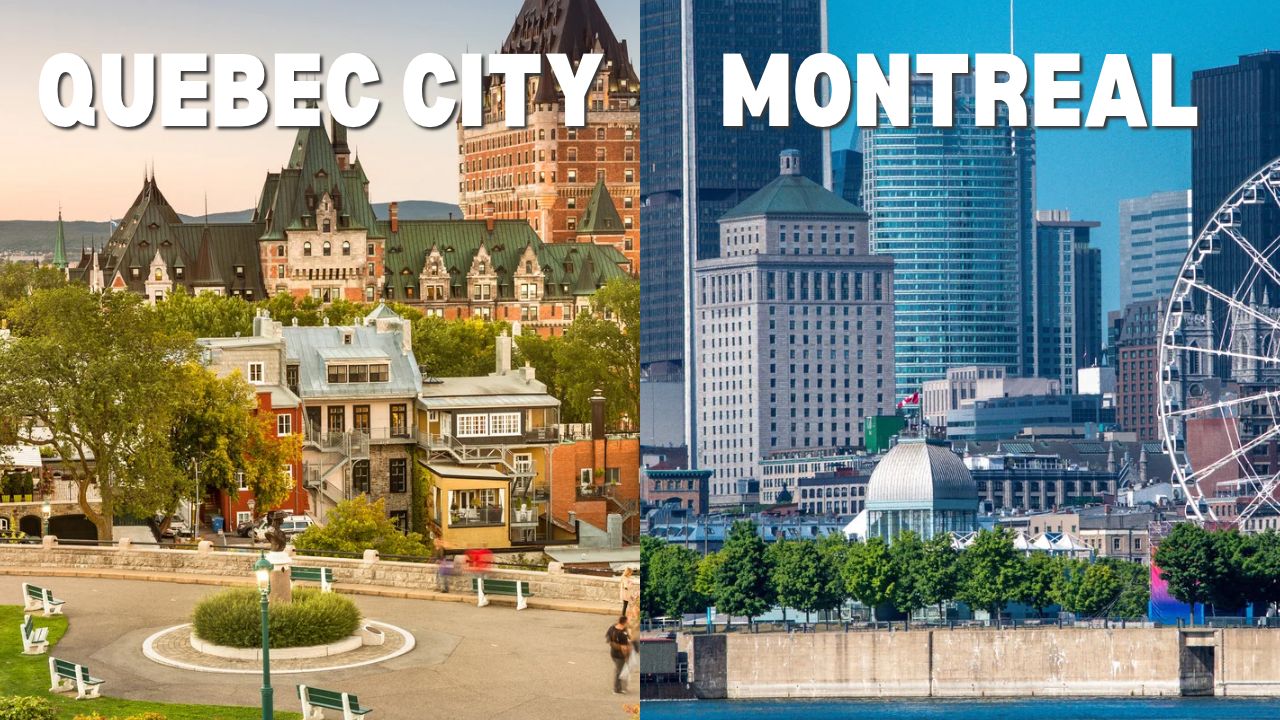
The first time I planned a trip to Quebec, I spent an embarrassing amount of time asking the internet one question: Montreal or Quebec City? Every answer seemed to say "both," which is lovely advice until you only have four days and a train ticket to book. So I went looking for the people who live there. Locals in Quebec City threads kept telling visitors to get out of the walls and into Saint-Roch. Montrealers kept begging tourists to stop treating Old Montreal as the whole city. What follows is everything I learned from them, sorted so you can make the call quickly and spend your trip eating instead of second-guessing.
Quick Guide: Quebec City vs Montreal Key Takeaways
- Primary Recommendation: If you have three days or fewer and love history, cobblestones and views, pick Quebec City. If you have four or more days and care most about food, neighbourhoods and nightlife, pick Montreal. With five days or more, do both: the train between them takes a little over three hours.
- Top Choice for Food: Montreal. Get a sesame bagel straight from the wood-fired oven in Mile End (Fairmount and St-Viateur both run 24/7), and bring cash for St-Viateur's original shop, which doesn't take cards.
- Value Pick/Vibe: Quebec City for couples, first-timers to French Canada and winter travellers. Skip the $7 cash-only funicular and walk the free Breakneck Stairs down to Petit-Champlain instead.
- The Best Way to See the Cities: Take a private/personalized walking experience with Lokafy in Quebec City or Lokafy in Montreal and discover the neighbourhoods, bakeries and back streets most visitors walk straight past, with a local.
The Short Answer
Quebec City is the better choice for a short, romantic, history-heavy trip. Its walled old town is compact, very walkable and looks like nowhere else on the continent. Montreal is the better choice for a longer trip built around food, culture and neighbourhood wandering, since it is a big, bilingual city where the best stuff sits well away from the postcard district. Most travellers who can spare five days end up splitting their time, usually with two nights in Quebec City and three in Montreal.
That's the extractable version. The rest of this guide explains why, and where locals would send you once you arrive.
How the Two Cities Feel Different
On paper they share a province, a language and a river. In person they feel like cousins who grew up in very different houses.
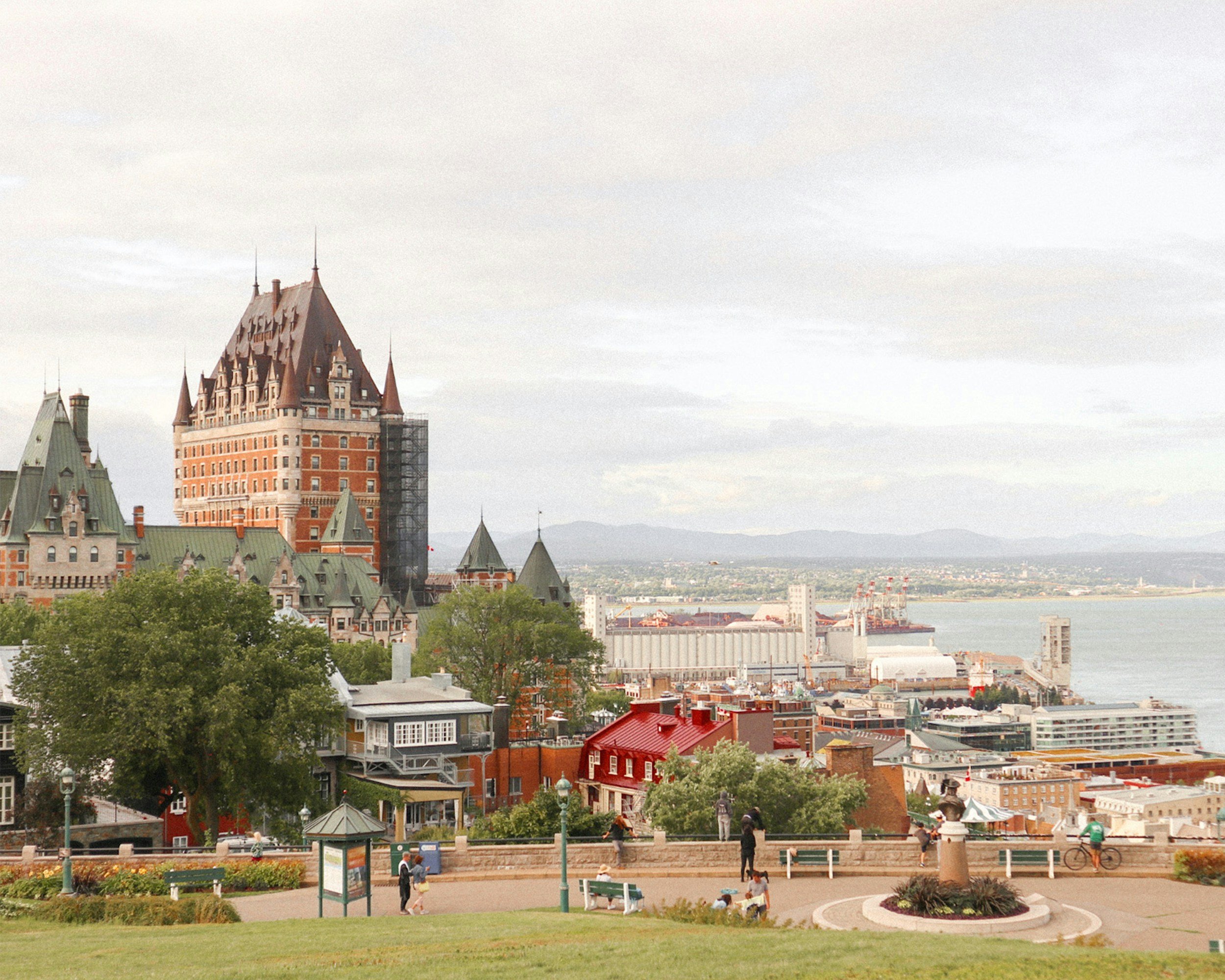
Quebec City is the provincial capital and one of the oldest European-founded cities in North America. Samuel de Champlain founded it in 1608, and Old Quebec (Vieux-Québec) is a UNESCO World Heritage Site. It is the only city in North America north of Mexico that still has its fortified walls. The city is split by a cliff into Upper Town and Lower Town, so expect stairs, slopes and a lot of "wait, how do we get down there?" moments. French is the everyday language here. You'll be fine in English in the tourist core, but a "bonjour" goes a long way once you leave it.
Montreal has more than three times Quebec City's population and runs on a completely different engine. It is an island city of neighbourhoods, each with its own main street, its own bakery loyalties and its own opinions about the others. It is the largest French-speaking city in North America, but English is everywhere, and you'll often hear both in the same sentence. Old Montreal is pretty, though plenty of Montrealers will tell you they rarely go there unless they're splurging on dinner or showing a visitor around.
If you want a shorthand, Quebec City is the one you photograph from every angle, and Montreal is the one you settle into for a few days and start picking a favourite café.
Getting Between Quebec City and Montreal
The two cities sit about 250 km apart along the St. Lawrence, which makes them easy to pair.
By train: VIA Rail runs daily trains between Montreal's Central Station and Quebec City's Gare du Palais. The trip takes roughly three to three and a half hours depending on the departure. Gare du Palais is a gorgeous château-style station from 1915 in Lower Town, within walking distance of the Old Port and Petit-Champlain, so you can roll your bag to many hotels.
By bus: Orléans Express runs frequent coaches from the Gare d'autocars de Montréal (near Berri-UQAM metro) to Quebec City in a little over three hours. Construction around the Montreal bus station is ongoing through 2028, so give yourself a few extra minutes to find the entrance.
By car: The drive takes around three hours on Autoroute 20 or 40. A car is handy for side trips like Île d'Orléans or Montmorency Falls, but parking in Old Quebec is limited and expensive, and you won't want to drive in either city centre.
A good rule: fly into Montreal (it has far more international connections), take the train to Quebec City, and decide on the platform which direction to finish your trip.
Quebec City: What Locals Want You to See
Old Quebec, done smarter
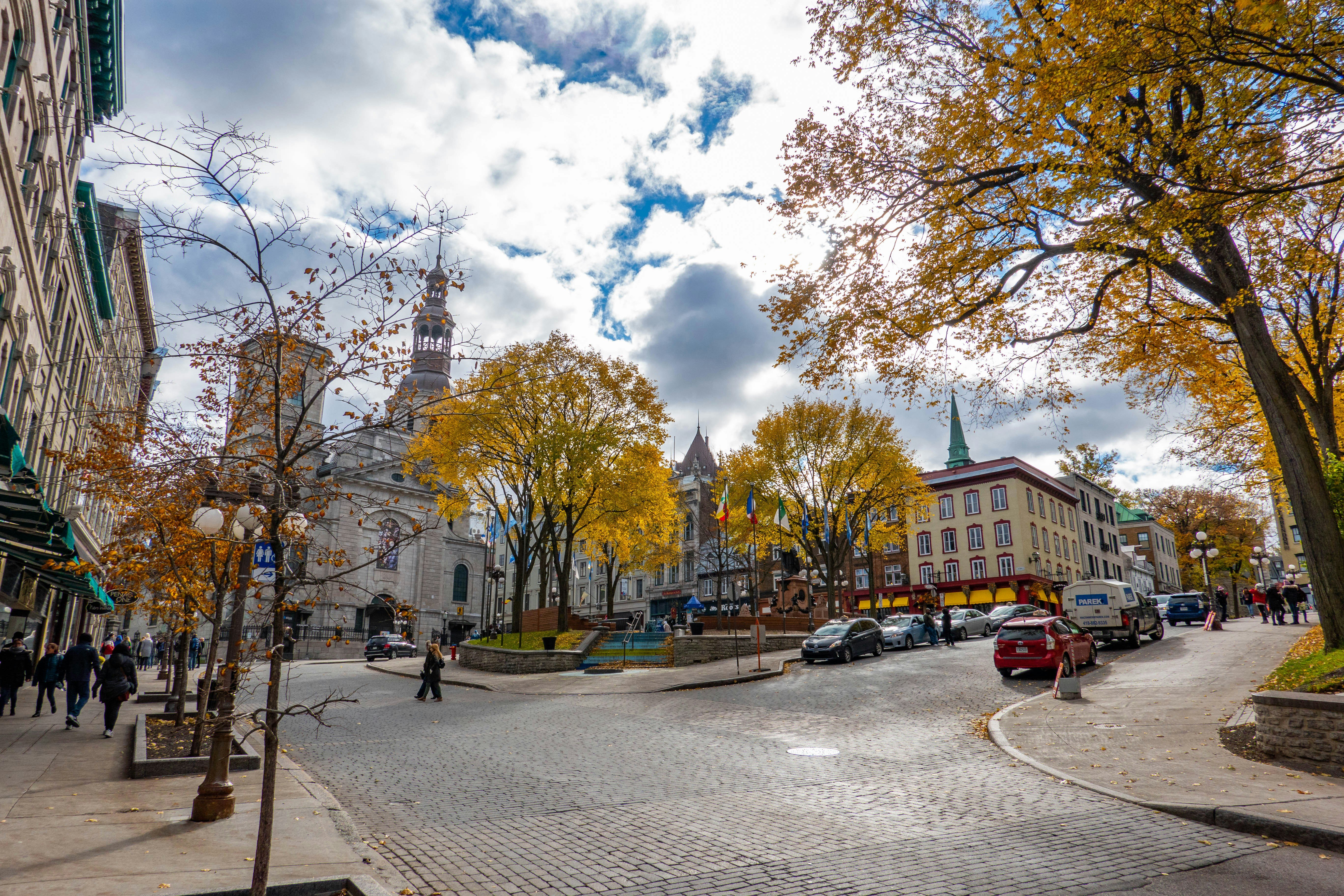
Everyone ends up on Dufferin Terrace snapping the Château Frontenac before drifting down into Petit-Champlain. Good. Go early in the morning, before the tour buses unload.
A few local corrections make the old town better:
- The funicular costs $7 a ride and takes cash only. It's charming, but the Breakneck Stairs (Escalier Casse-Cou) next door get you between Upper and Lower Town for free, with better photos on the way.
- Take the ferry to Lévis. The crossing takes about 12 minutes, costs a few dollars, and gives you the best view of the Château and the cliff anywhere. Locals use it as a cheap sightseeing cruise, especially at sunset.
- Walk the walls and the Plains of Abraham. The fortifications loop around Upper Town, and the Plains are the city's big green backyard, where you'll find joggers and picnickers instead of souvenir shops.
- In winter, ride the Dufferin Terrace toboggan slide. It has been running since 1884, with three ice runs about 250 metres long beside the Château, usually from mid-December to mid-March, weather permitting. You can hit around 70 km/h, which feels much faster when the St. Lawrence wind is in your face.
Step outside the walls
This is the advice that comes up again and again from Quebec City locals: the old town is lovely, but the neighbourhoods around it are where people live and eat. Even the city's tourism office has been pushing visitors toward Saint-Roch lately.
Saint-Jean-Baptiste starts right outside Porte Saint-Jean. Keep walking along Rue Saint-Jean away from the Château and the souvenir shops give way to independent boutiques, cafés and bars full of people who live upstairs.
Saint-Roch, in Lower Town below the cliffs, was once an industrial district and now holds many of the city's most talked-about restaurants. Rue Saint-Joseph is the main drag, and the Jardin Jean-Paul-L'Allier, with its waterfall cut into the cliff, makes a nice pause.
Limoilou, across the Saint-Charles River, is where a lot of young locals live. Its 3e Avenue is lined with cafés, bars and bohemian shops, and it feels like a different city from the old town 20 minutes away.
Montcalm and its Avenue Cartier sit near the Plains and the Musée national des beaux-arts du Québec. It's a residential strip of cafés and food shops and a good place to buy picnic supplies before heading into the park.
The side trip worth your morning
Montmorency Falls is about 15 km east of the centre. At 83 metres, it is 30 metres taller than Niagara Falls. Most visitors pay extra for the cable car, but the 487-step panoramic staircase along the cliff gets you closer to the spray, and the suspension bridge crosses right over the crest. Combine it with Île d'Orléans, a short drive over the bridge, for farm stands, cider and strawberries in season.
Where to Eat in Quebec City (According to Locals)
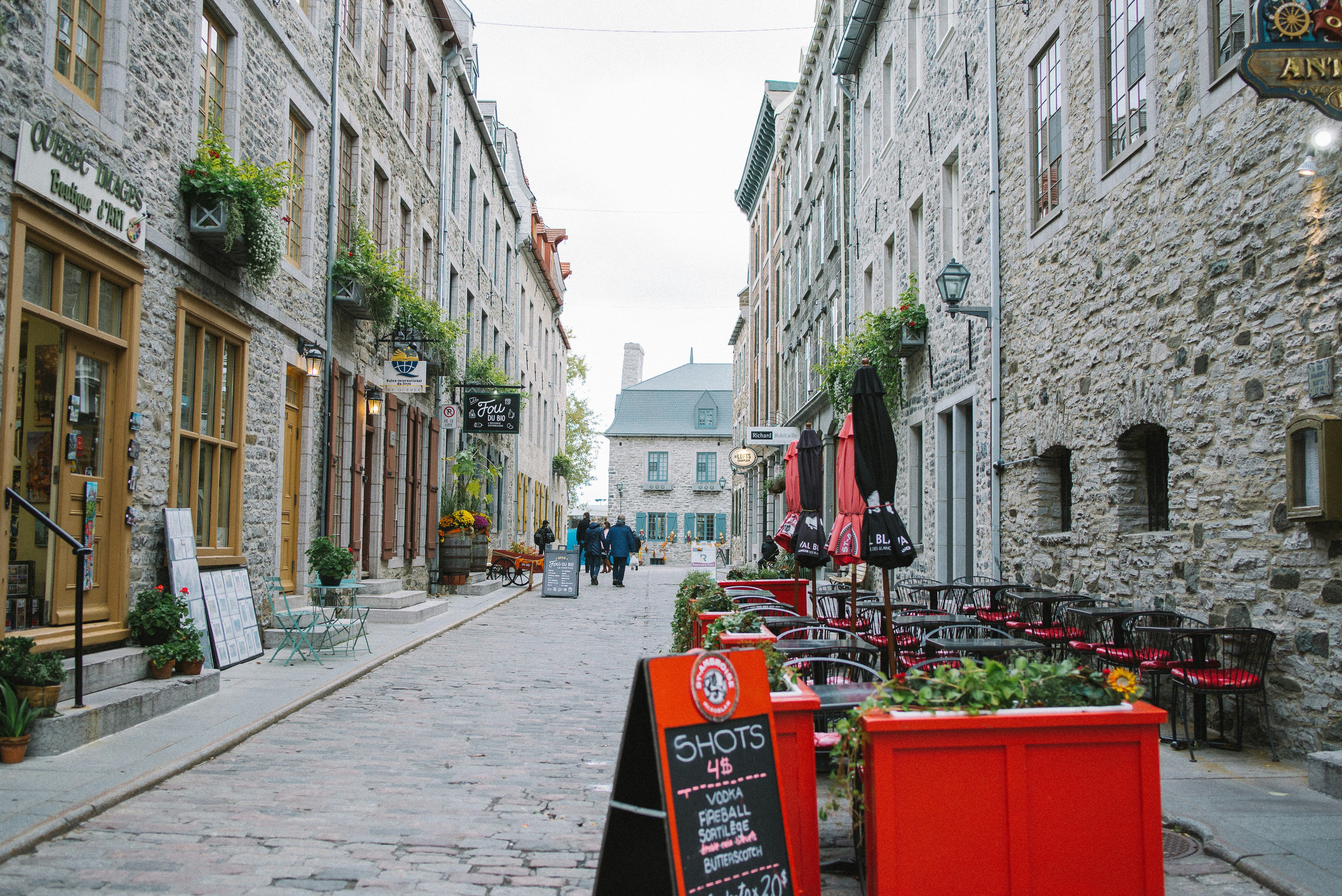
- Chez Temporel (25 Rue Couillard): a tiny café-bistro on a quiet side street off Rue Saint-Jean, open since 1974. Locals have been recommending its croissants and croque-monsieur to visitors for decades. It's one of the few places inside the walls where you'll sit among students and neighbourhood regulars.
- Buffet de l'Antiquaire (95 Rue Saint-Paul): a family-style diner on the antiques street in the Old Port, serving Québécois breakfast with baked beans and homemade jam all day. Most plates come in under $25, which is rare in this part of town.
- Battuto (Saint-Roch): a small Italian restaurant with a Michelin Bib Gourmand, run by chef Guillaume St-Pierre. Book well ahead.
- Le Clocher Penché (203 Rue Saint-Joseph Est): a long-running Saint-Roch bistro and a local favourite for a relaxed meal off the tourist track.
- La Planque (1027 3e Avenue, Limoilou): a Michelin-recommended neighbourhood spot with a short, changing menu and a smart, affordable wine list. Dinner only, Tuesday to Saturday.
- Le Grand Marché de Québec (ExpoCité): the city's public market, open every day year-round, with over 100 local producers. Go hungry and leave with maple products, cheese and cider.
- Chez Ashton: Quebec City's homegrown poutine chain. Montrealers will argue, but locals here are loyal, and it's the late-night order of choice.
Montreal: Beyond Old Montreal

If you only see Old Montreal and downtown, you've seen the lobby. Here's where Montrealers point visitors.
The Plateau and Mile End
The Plateau-Mont-Royal is the Montreal of winding outdoor staircases, painted triplexes and terraces. Along Duluth Street, many restaurants are BYOB ("apportez votre vin"), so locals grab a bottle at the SAQ and browse menus on the walk. Head north into Mile End for the bagel bakeries, Café Olimpico (124 Rue Saint-Viateur Ouest, pouring espresso since 1970) and the alleys behind the main streets.
Little Italy and Jean-Talon Market
Little Italy sits around Jean-Talon Market, one of the city's big public markets, open year-round. Go on a weekday or early on a weekend morning, when you'll hear locals ordering espresso in Italian. The Jean-Talon metro station (Blue and Orange lines) drops you nearby.
Verdun and Rue Wellington
Time Out named Rue Wellington in Verdun the coolest street in the world in 2022, and Montrealers mostly agreed. It's a long main street of cafés, bars and family restaurants, and in summer Verdun Beach gives locals a free public sand beach on the river. Three Green Line metro stations serve the borough.
Mount Royal and the tam-tams
Locals call it "the mountain." On Sundays from May to September (and on some Sundays into October), drummers, dancers and onlookers gather at the Sir George-Étienne Cartier Monument on Avenue du Parc for the free, unofficial Tam-Tams. From there, it's about a 20-minute walk up to the Kondiaronk Belvedere, the classic view over downtown and the river.
Where to Eat in Montreal (According to Locals)
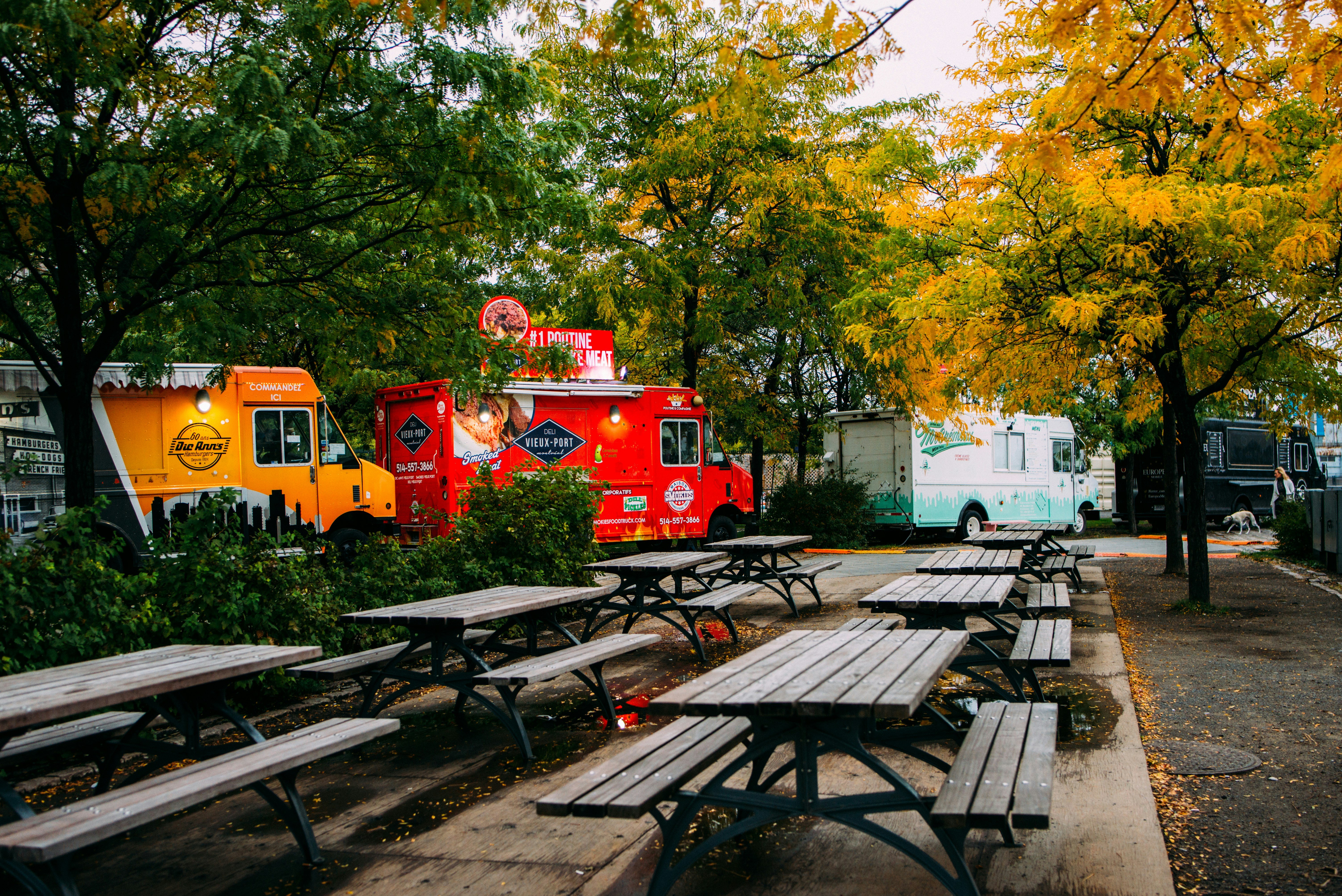
- Fairmount Bagel and St-Viateur Bagel (Mile End): the eternal rivalry, both open 24/7. Fairmount's are a touch sweeter, St-Viateur's a touch chewier. The local move is to order whatever flavour is hot out of the oven and eat it on the sidewalk. Bring cash to St-Viateur's original shop.
- La Banquise (994 Rue Rachel Est): open 24 hours with more than 30 kinds of poutine. Its basic gravy is vegetarian, and the after-hours tradition is to carry your poutine into nearby Parc La Fontaine.
- Romados (115 Rue Rachel Est): charcoal-grilled Portuguese chicken with piri-piri sauce, plus pastéis de nata for dessert. Cheap, filling and a Plateau institution.
- Snowdon Deli (5265 Boulevard Décarie): open since 1946. Montrealers who are tired of the Schwartz's lineup send visitors here for smoked meat without the queue. It closes at 6 pm, so make it lunch.
- Le Petit Alep (near Jean-Talon Market): a Syrian and Armenian family institution with a Michelin Bib Gourmand and one of the more surprising wine lists in the city.
When to Visit Each City
Summer is Montreal's moment. Festivals take over downtown, terraces spill onto every street, and the Tam-Tams run every Sunday. Quebec City is lovely too, but Old Quebec gets very crowded from late June through August.
Autumn is a strong case for both. The colours on Mount Royal, the Plains of Abraham and Île d'Orléans peak around early to mid-October, crowds thin out, and hotel prices drop.
Winter belongs to Quebec City. The Carnaval de Québec runs for about ten days in early February, the toboggan slide opens on Dufferin Terrace, and the old town under snow looks like a snow globe somebody forgot to shake. It is cold, though. Quebec City sits further north and usually gets colder and snowier than Montreal, so pack proper boots.
Spring is mud season in both cities. It's cheap and quiet, and it's the time for sugar shacks (cabanes à sucre) around both cities in March and April.
Getting Around and Budget Notes
Quebec City is best on foot. Old Quebec, Saint-Jean-Baptiste and Saint-Roch are all walkable from each other, but the cliff between Upper and Lower Town is steep, so wear shoes with grip, especially in winter. Taxis or a bus cover the farther stretches like Limoilou and the Grand Marché.
Montreal is spread out and runs on its metro. A single fare costs $3.75 and is valid for 120 minutes, including transfers between bus, metro and the REM. From the airport, the 747 bus costs $11.25 and doubles as a 24-hour pass across the network on the island. In warmer months, the BIXI bike-share is how many locals get between neighbourhoods.
Prices in the two cities are broadly similar, though hotels inside the walls of Old Quebec tend to cost more than comparable rooms in Montreal neighbourhoods like the Plateau.
Sample Itineraries
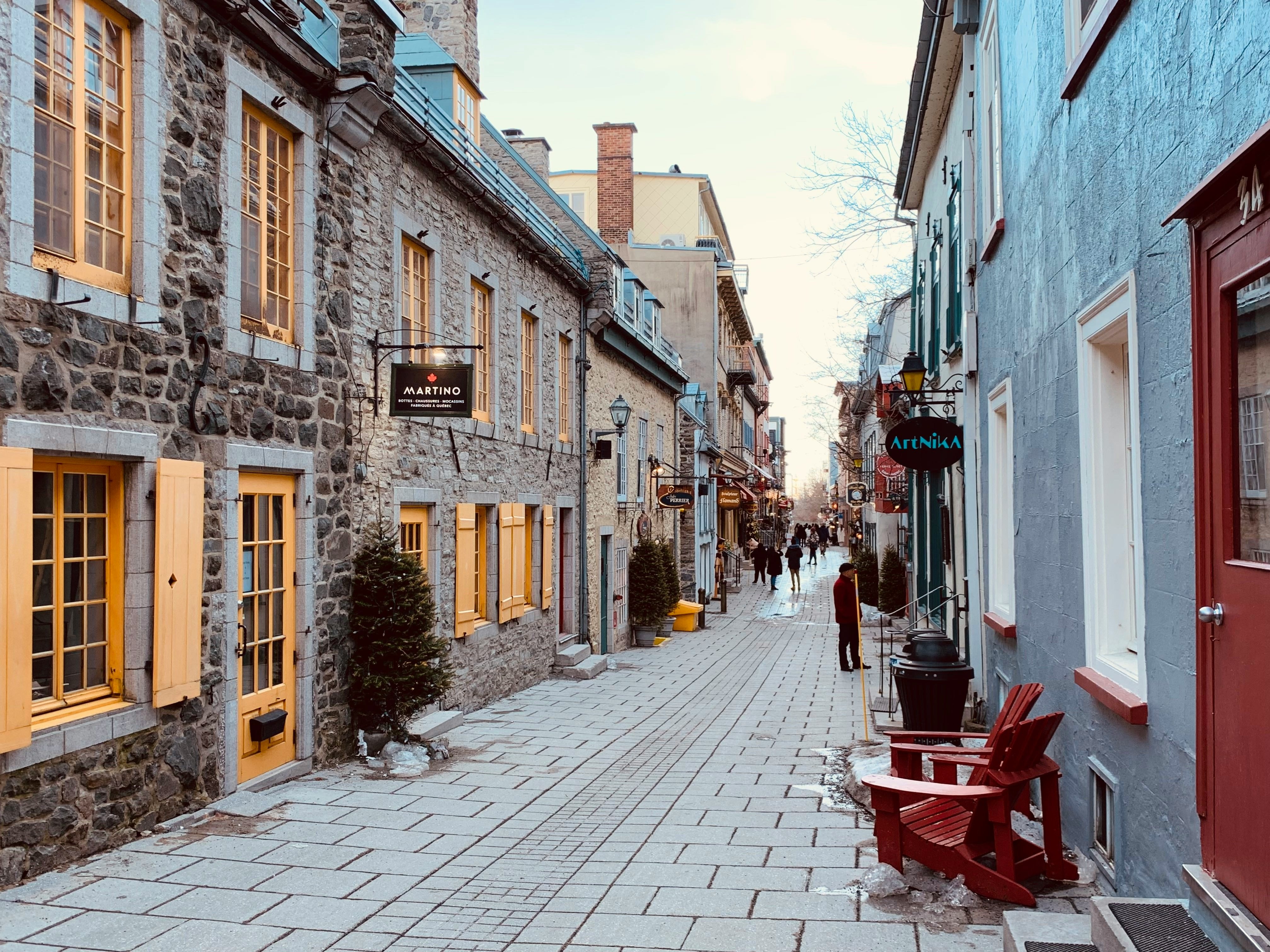
3 days in Quebec City
- Day 1: Old Quebec early, Dufferin Terrace, walk the walls, Breakneck Stairs down to Petit-Champlain, ferry to Lévis at sunset.
- Day 2: Breakfast at Buffet de l'Antiquaire, the Plains of Abraham and the Musée national des beaux-arts, lunch on Avenue Cartier, dinner in Saint-Roch.
- Day 3: Montmorency Falls in the morning, Île d'Orléans in the afternoon, a final evening on 3e Avenue in Limoilou.
3 days in Montreal

- Day 1: Old Montreal and the Old Port in the morning, then Little Italy and Jean-Talon Market for lunch, and a BYOB dinner on Duluth.
- Day 2: Mile End bagels and coffee, the alleys and shops of the Plateau, an afternoon climb up Mount Royal (time it for the Tam-Tams on a Sunday), late-night poutine at La Banquise.
- Day 3: Snowdon Deli for lunch, then Verdun and Rue Wellington for the afternoon and evening.
5 days for both
Spend two nights in Quebec City (days 1 and 2 above) and three in Montreal (all three days above). Take a morning train between them so you don't lose an evening.
Which City Is Right for You?
Pick Quebec City if you have a short trip, it's your first time in French Canada, you're travelling as a couple, or you're visiting between December and March.
Pick Montreal if you're planning around restaurants and bars, you like exploring cities neighbourhood by neighbourhood, you're travelling in summer, or you have four or more days.
Do both if you have five days or more. They complement each other far more than they compete, and the train makes the switch painless.
See Quebec City and Montreal With Someone Who Lives There

Both cities reward people who know where to turn. In Quebec City, that might mean finding the staircase that skips the funicular line, or the Saint-Roch bistro that never shows up on lists of "things to do in Old Quebec." In Montreal, it's knowing which bagel shop is hot right now, which alley hides the best mural, and where to sit with your poutine at 2 am.
With Lokafy, you explore with someone who calls the city home. Your Lokafyer builds the walk around what you love, from history and architecture to food, markets and neighbourhood life, and meets you where it suits you. Tours are private, fully customizable, and run from two to six hours.
Take a private/personalized walking experience with Lokafy in Quebec City or Lokafy in Montreal and see each city the way the people who live there do.
Frequently Asked Questions
Is Quebec City or Montreal better for a first trip to Quebec?
For a short first trip focused on history and scenery, Quebec City is the easier win: its walled old town is compact and walkable, and you can see the highlights in two or three days. For a longer first trip centred on food and neighbourhoods, Montreal offers more variety. With five days, split your time between the two.
How many days do you need in Quebec City and Montreal?
Plan two to three days for Quebec City and three to four days for Montreal. Five days total works well for both: two nights in Quebec City and three in Montreal.
How long is the train from Montreal to Quebec City?
VIA Rail trains between Montreal's Central Station and Quebec City's Gare du Palais take roughly three to three and a half hours, depending on the departure. Orléans Express buses take a little over three hours, and driving takes about three hours.
Can you do Quebec City as a day trip from Montreal?
You can, but most locals advise against it. With six to seven hours of round-trip travel, you'll get only a few hours in Old Quebec and miss neighbourhoods like Saint-Roch and side trips like Montmorency Falls. One night is the minimum to enjoy it.
Do you need to speak French in Quebec City or Montreal?
No. English is widely spoken in Montreal and understood in Quebec City's tourist areas. French is far more dominant in daily life in Quebec City, so learning a few words like "bonjour" and "merci" is appreciated, especially outside the old town.
Which city is better in winter, Montreal or Quebec City?
Quebec City. The Carnaval de Québec runs for about ten days in early February, the historic toboggan slide on Dufferin Terrace usually operates from mid-December to mid-March, and Old Quebec under snow is one of the most beautiful winter scenes in North America. It's colder and snowier than Montreal, so dress for it.
Is Quebec City more expensive than Montreal?
Overall costs are similar. Hotels inside Old Quebec's walls tend to be pricier than rooms in Montreal's neighbourhoods, while Montreal has more budget food options thanks to its size. In both cities, eating outside the main tourist districts saves money.
Enjoyed this article?