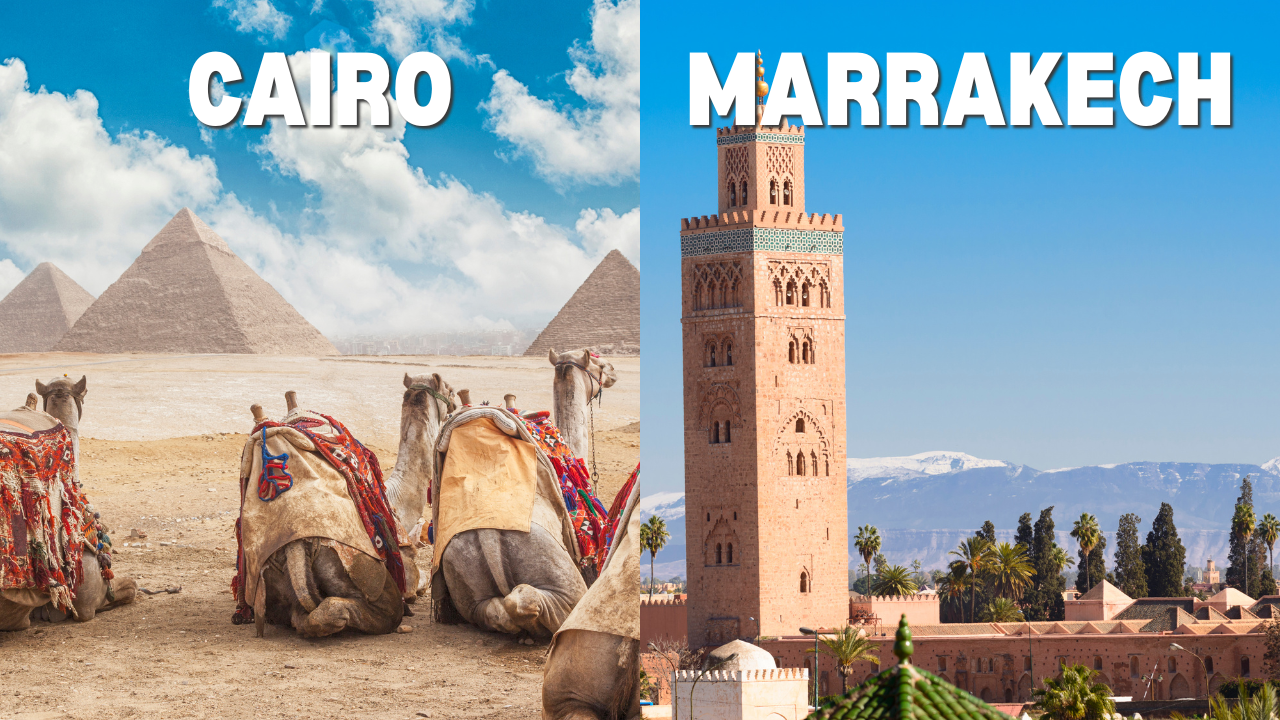
Cairo and Marrakech get compared constantly, and I understand why. Both are ancient North African cities with souks, mosques, deep food cultures, and a reputation for being intense. Both pull travellers who want something more textured than a European city break. Both leave a strong impression, good or bad, and very few people walk away neutral about either.
But the comparison stops being useful the second you have actually been to both. Because Cairo and Marrakech are not really the same kind of trip. They are two very different cities in two very different countries, and the choice between them is less about which is better and more about what you actually want from the experience.
I have been to both. I wandered Khan el-Khalili in Cairo at 9pm with a koshari in one hand and dust in my eyes from the traffic. I have sat on a riad rooftop in Marrakech at sunset, watching the call to prayer ripple across the medina. They are both unforgettable. But they ask different things from a traveller, and they reward different temperaments.
This is the honest comparison I wish I had read before booking either trip.
The Fundamental Difference in One Paragraph
Cairo is a 16-million-person megacity built around the Nile, where 5,000 years of ancient Egyptian civilisation, Islamic empires, and modern Arab life pile on top of each other in one chaotic, dust-soaked, electrifying sprawl. Marrakech is a much smaller city of about a million people in central Morocco, built around a walled medieval medina, where the experience is curated, sensory, and immersive in a different way. Cairo overwhelms you. Marrakech seduces you. Cairo gives you the Pyramids of Giza, the last surviving Ancient Wonder of the World. Marrakech gives you Jemaa el-Fnaa, one of the most theatrical public squares on earth. Both are worth visiting. They are not interchangeable.
First Impressions: What Each City Feels Like When You Arrive
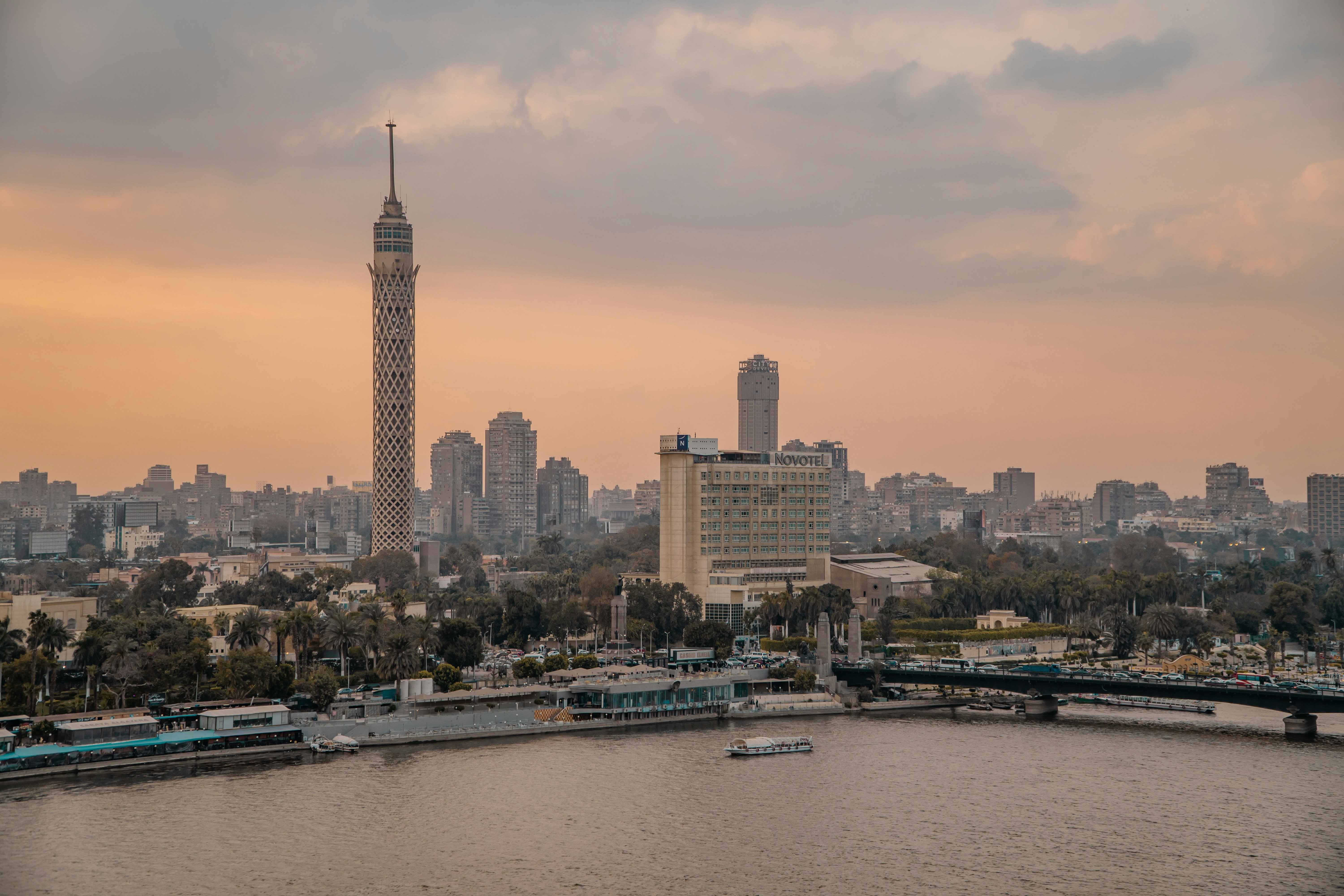
Cairo hits you like a wall. The drive in from the airport is a 45-minute lesson in Egyptian traffic, which has its own physics. Lanes are decorative. Honking is constant and means something specific I never fully decoded. The buildings are sand-coloured, layered with dust, half-finished, sprawling. The Nile cuts through the centre and everything feels stitched along it. The first time I saw the Pyramids appear in the haze on the western horizon as we drove through Giza, I genuinely could not process it. They are bigger than your brain expects, and they sit at the edge of the city like the city is the new thing and they are the original.
Marrakech is the opposite kind of arrival. The airport is calm, modern, small. The drive into the medina takes maybe 20 minutes through the Pink City, named for the rose-coloured stone that everything is built from by municipal law. You enter through one of the medieval gates in the 12-century city walls, and suddenly you are in a different century. The streets narrow. Cars vanish. Donkeys, scooters, and cats become the main traffic. The smell shifts from urban to spice-and-leather-and-mint-tea within about three minutes of crossing the wall. It is theatrical in a way Cairo is not, partly because Marrakech has been performing this version of itself for tourists for decades and has become very good at it.
Neither feeling is better. But they shape your trip immediately. In Cairo, you are spectator to a 16-million-person city that is not putting on a show for you. In Marrakech, the show is part of the deal.
The Big Reasons People Visit Each City
Cairo: history that does not exist anywhere else
The Pyramids of Giza are the headline, and the headline is not exaggerated. They were built around 2,500 BCE, which makes them older to Cleopatra than Cleopatra is to us. Standing at the base of the Great Pyramid is the kind of experience that recalibrates your sense of time. The Sphinx, the boat museum, the camel rides whether you want them or not, all of it is genuinely worth the trip.
But the rest of Cairo is what most travellers underestimate. The Grand Egyptian Museum near Giza, fully open as of 2025, is now one of the great museums of the world and houses the entire Tutankhamun collection in one place for the first time. Khan el-Khalili, the 600-year-old market in the heart of Islamic Cairo, is dense, disorienting, and packed with workshops, mosques, and tea houses that have been there for centuries. Coptic Cairo holds some of the oldest Christian churches in the world, including the Hanging Church built on a Roman fortress gate. The Citadel offers panoramic views of the city and houses the Mohammed Ali Mosque, which is one of the most visually striking interiors I have stood inside.
What you come to Cairo for: history that physically predates almost everything else humans have built and a living modern Arab capital wrapped around it.
→ Cairo Like a Local: 10 Hidden Spots You’ll Never Find in a Guidebook
Marrakech: atmosphere as the main attraction
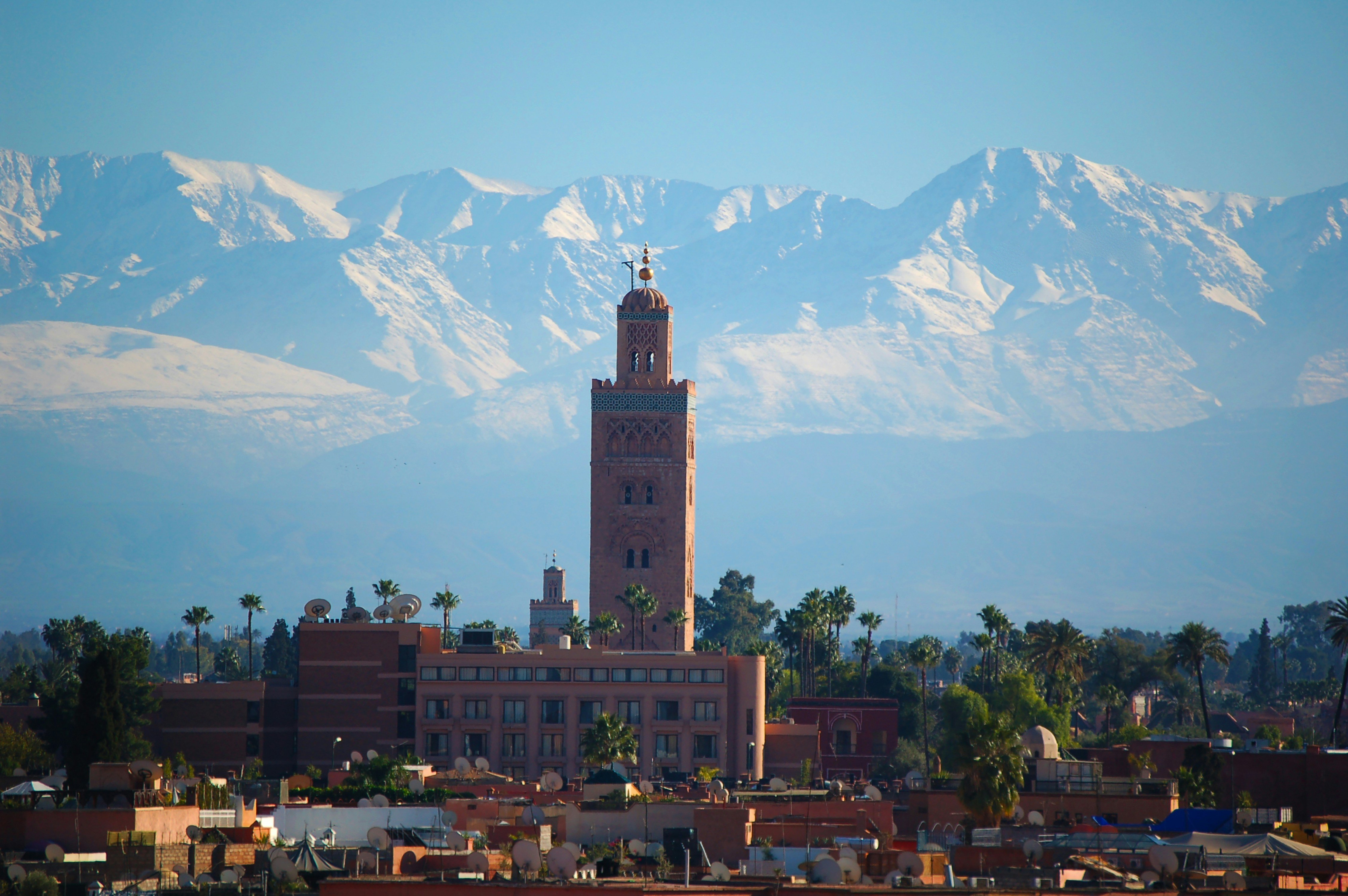
Marrakech is not really a museum city. The historical sites are good but not jaw-dropping by global standards. The Bahia Palace and the Saadian Tombs are worth a couple of hours. The Koutoubia Mosque, the city's tallest building and the inspiration for the Giralda in Seville, is beautiful from outside but closed to non-Muslims. The Majorelle Garden, owned for years by Yves Saint Laurent, is gorgeous but small.
What you come to Marrakech for is the city itself. The medina, with its 12th-century walls and its labyrinth of streets, is the experience. Jemaa el-Fnaa, the main square, transforms three times a day. In the morning it is a gentle market with orange juice carts and snake charmers. By afternoon it is hawkers, performers, and henna artists. At sunset, dozens of food stalls roll out and the entire square becomes one of the largest open-air dining rooms in the world, with smoke, music, drumming, and storytellers in Arabic competing for crowds.
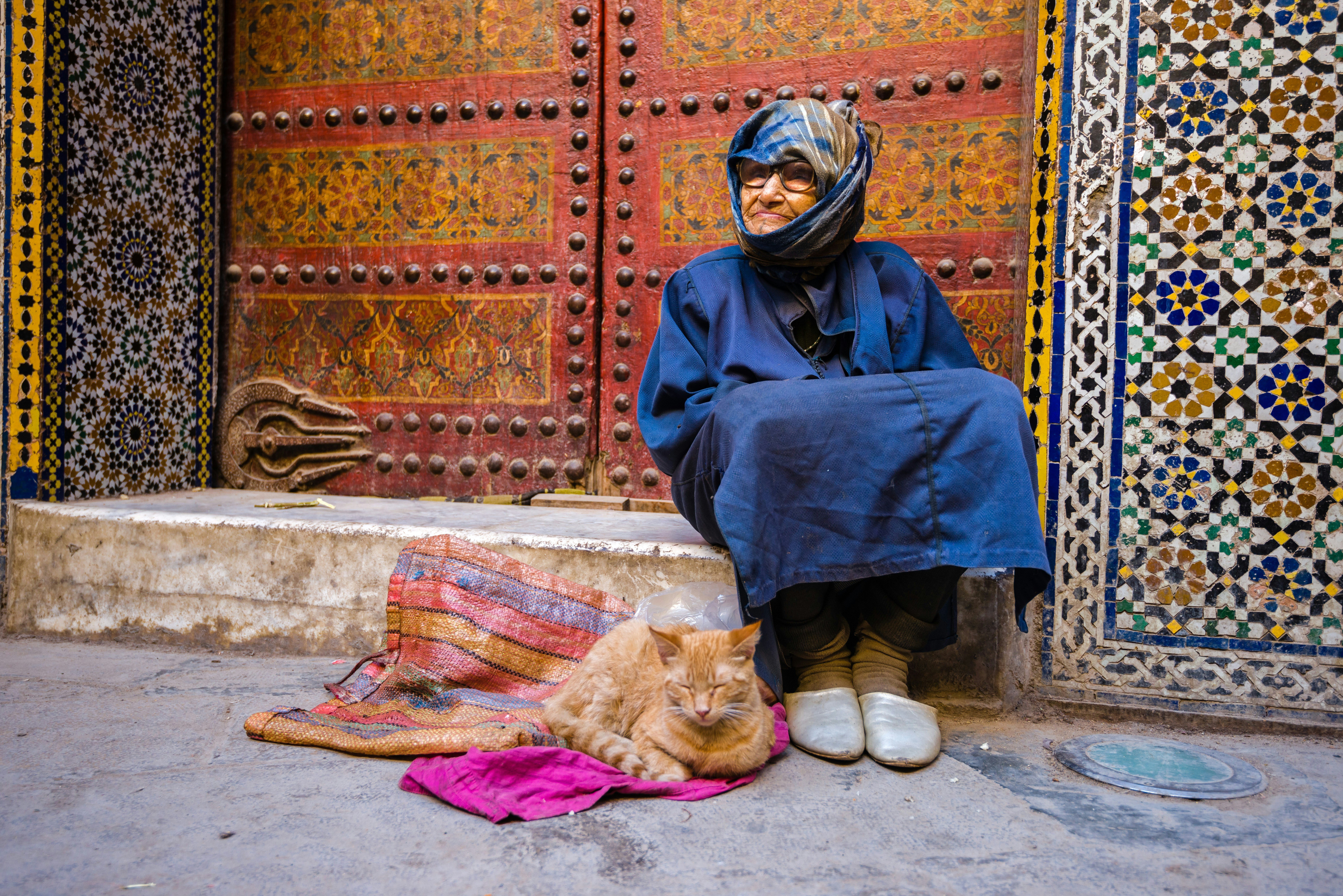
Then there are the riads. Riads are traditional Moroccan courtyard houses, usually plain on the outside and elaborately decorated inside with zellige tilework, carved wood, and a central pool or fountain. Staying in a riad is a Marrakech experience in itself. Many travellers I know have ended up enjoying their riad more than any specific sight, and that is sort of the point.
What you come to Marrakech for: a sensory immersion in a medieval city that has kept its bones and learned how to share them with the world.
Food: Two Cuisines With Almost Nothing In Common
This is where Cairo and Marrakech feel most different.
Egyptian food is street food at its core. Cheap, fast, filling, and built around a few staples that you will eat over and over. Koshari, the unofficial national dish of Egypt, is a layered bowl of rice, lentils, macaroni, fried onions, chickpeas, and tomato sauce, served in tin bowls at places like Abou Tarek for around 30 to 60 Egyptian pounds, which is basically nothing. Ful medames is mashed fava beans with olive oil, garlic, and lemon, eaten for breakfast on flatbread. Hawawshi is spiced minced meat baked into bread. Shawarma in Cairo is excellent and everywhere. Sweets lean toward basbousa (semolina cake soaked in syrup), kunafa, and Egyptian-style baklava.
→ What the Locals Eat in Cairo - 5 Street Food Favourites You Must Try
Moroccan food is more elaborate, more aromatic, more home-cooked-feeling. Tagines, the slow-cooked stews named after the conical clay pot they are made in, dominate restaurant menus. Lamb with prunes and almonds, chicken with preserved lemon and olives, kefta meatballs in tomato sauce. Couscous traditionally appears on Fridays. Pastilla is the surprise dish: a savoury pie of pigeon or chicken with almonds, eggs, and cinnamon, dusted with icing sugar, that should not work and absolutely does. Mint tea is served constantly, ceremonially, and aggressively sweet.
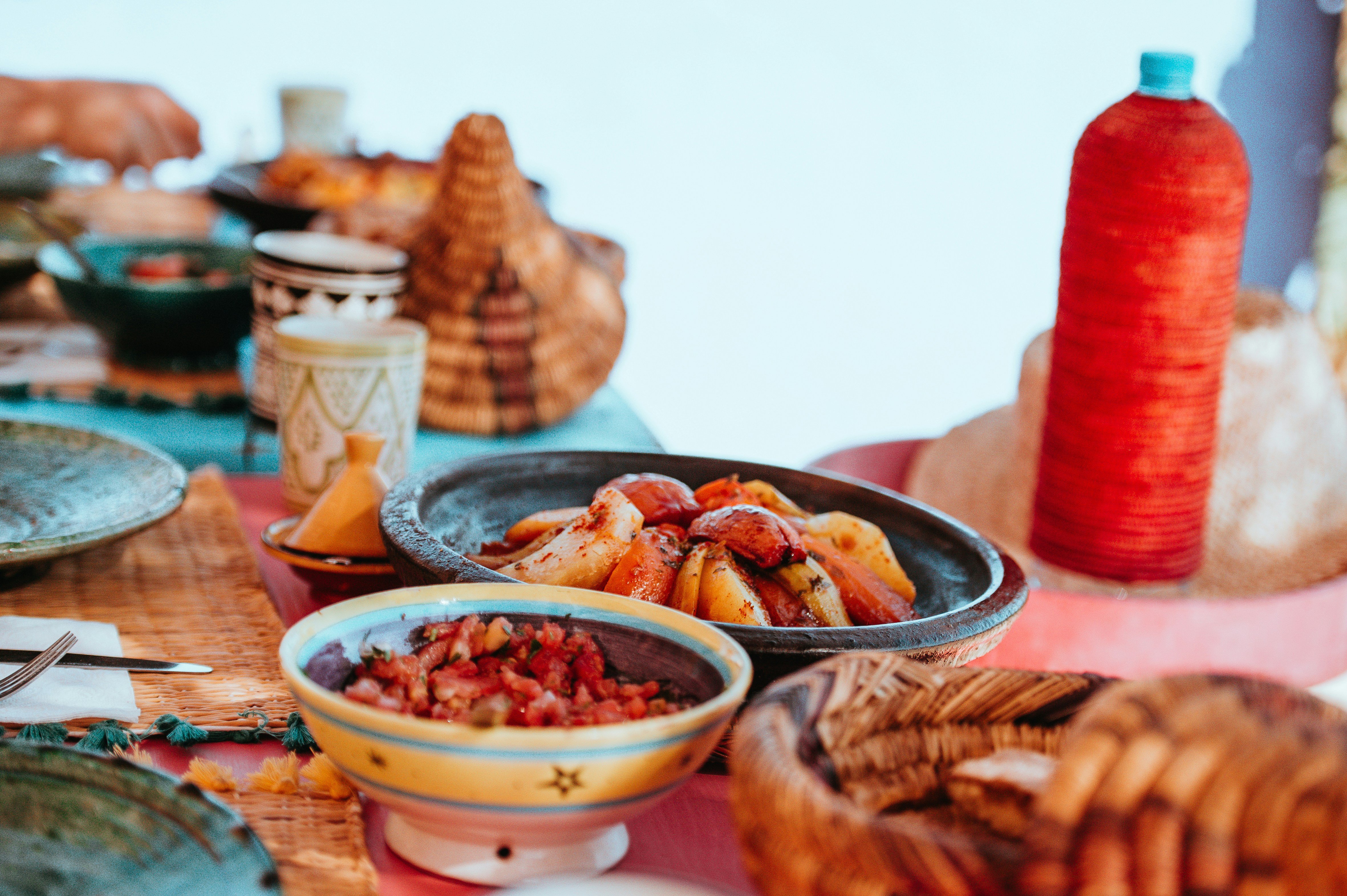
If you care about food as theatre and refinement, Marrakech wins. The flavours are layered, the dining experience is more curated, and the rooftop dinner culture is unmatched. If you care about food as cheap, hearty, soulful street eating, Cairo wins. A koshari in Cairo costs less than a coffee in Marrakech and is more satisfying than 90% of restaurant meals you have eaten this year.
Cost: Cairo Is Significantly Cheaper
Cairo is one of the cheapest major travel destinations in the world right now, especially after the Egyptian pound's sharp devaluation in recent years. Marrakech is moderately priced, comparable to southern Europe in many ways, with very wide gaps between budget and luxury options.
A reasonable mid-range daily budget in Cairo runs around 30 to 60 USD per person, including a 3-star or boutique hotel, three meals out, Uber rides everywhere, and entrance fees. The same trip in Marrakech runs closer to 80 to 150 USD per person per day, mostly because riads and food cost more. Street food in Cairo is genuinely 1 to 3 USD per meal. In Marrakech, even a cheap tagine in a non-touristy spot is 5 to 10 USD.
The two outliers worth knowing: entrance fees in Egypt are higher than in Morocco. The Pyramids cost around 700 EGP (about 14 USD), the Grand Egyptian Museum is around 1,200 EGP, and the costs add up if you visit a lot of sites. Morocco's historic sites are mostly 5 to 10 USD or free. The other outlier is Cairo's tipping culture, called baksheesh, which is constant and small. You will be tipping for someone opening a door, pointing at a statue, or letting you take a photo. It adds up to 10 to 20 USD a day in small change that you need to keep on you.
The Hassle Reality, Honestly
Both cities have a reputation for tourist hassle. Both reputations are accurate. But the hassle is different in kind, not just degree.
Cairo's hassle is more relentless and harder to disengage from. At the Pyramids, in Khan el-Khalili, around the Egyptian Museum, you will be approached constantly. Camel rides, taxi rides, photos, "free" gifts that turn out to be paid, scams about closed museums or roads. Saying no firmly does not always end the conversation. Solo women report it as significantly more intense than men do. The phrase to learn is "la shukran" (no thank you), said firmly and without eye contact. Once you accept that this is the texture of the city and stop letting it bother you, Cairo becomes much more enjoyable. But the first day or two can be exhausting.
Marrakech's hassle is concentrated in specific places, mainly the souks and Jemaa el-Fnaa, and feels more like a game than a confrontation. Shopkeepers will invite you in. Street performers will demand payment for photos you did not ask to take. Self-appointed guides will offer to walk you through the medina and then ask for tips. But it is generally lighter, more respectful of a clear "no," and easier to escape. Step into a riad, a café, or a residential street, and the city goes quiet. In Cairo, the energy follows you everywhere.
If hassle is going to ruin your trip, Marrakech is the easier first introduction to North Africa. Cairo rewards travellers who can roll with it.
→ The Ultimate Marrakech Guide
When to Visit
Both cities are best in the cooler months. Both are punishing in summer.
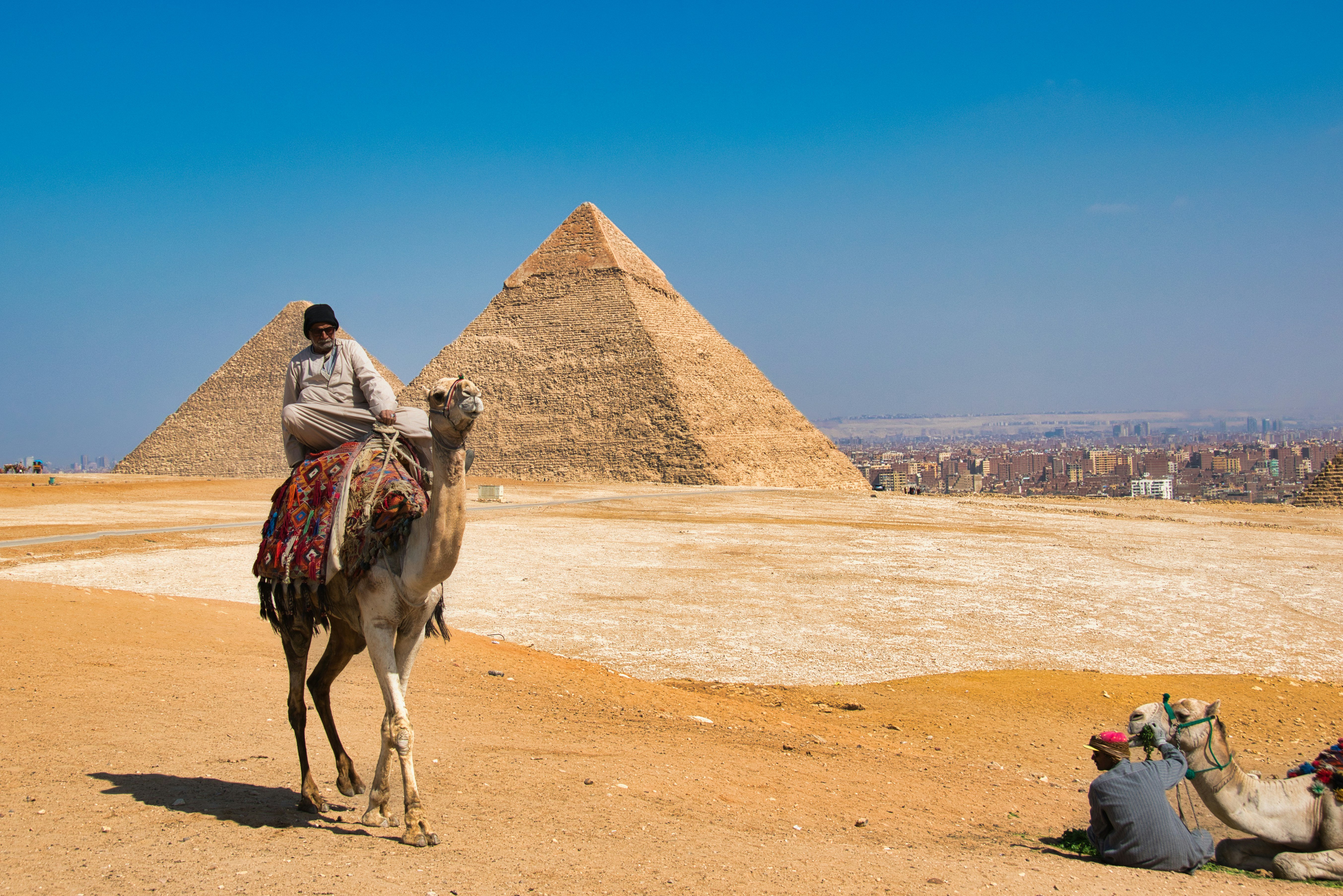
Cairo is genuinely brutal from June through August, with daytime temperatures regularly hitting 38 to 42°C and very little shade. October through April is the sweet spot, with December and January being the most comfortable for sightseeing. Avoid Ramadan if you want to eat in normal restaurant rhythms during the day, though the evenings during Ramadan in Cairo are spectacular.
Marrakech is similarly hot in summer but can be escaped, because Essaouira on the Atlantic coast stays around 22°C even in July. March through May and September through November are the prime seasons. Spring brings flowering in the Atlas Mountains, which are an easy day trip. Winter is mild during the day and surprisingly cold at night, which I did not expect the first time and which catches a lot of travellers out.
How Many Days You Need in Each
Cairo deserves at least three full days. One for the Pyramids and the Grand Egyptian Museum. One for Islamic Cairo, including Khan el-Khalili, Al-Azhar Mosque, and the Citadel. One for Coptic Cairo, the Egyptian Museum (the old one downtown), and a Nile felucca ride at sunset. Most people then leave Cairo to fly to Luxor, take a Nile cruise, or head to the Red Sea.
Marrakech deserves three to four days. One day for the medina, one for Jemaa el-Fnaa and the souks, one for palaces and gardens, and ideally a fourth day for a trip to the Atlas Mountains or Essaouira. Marrakech is also commonly used as a base for Sahara Desert trips, which take three days minimum.
Where to Stay in Each
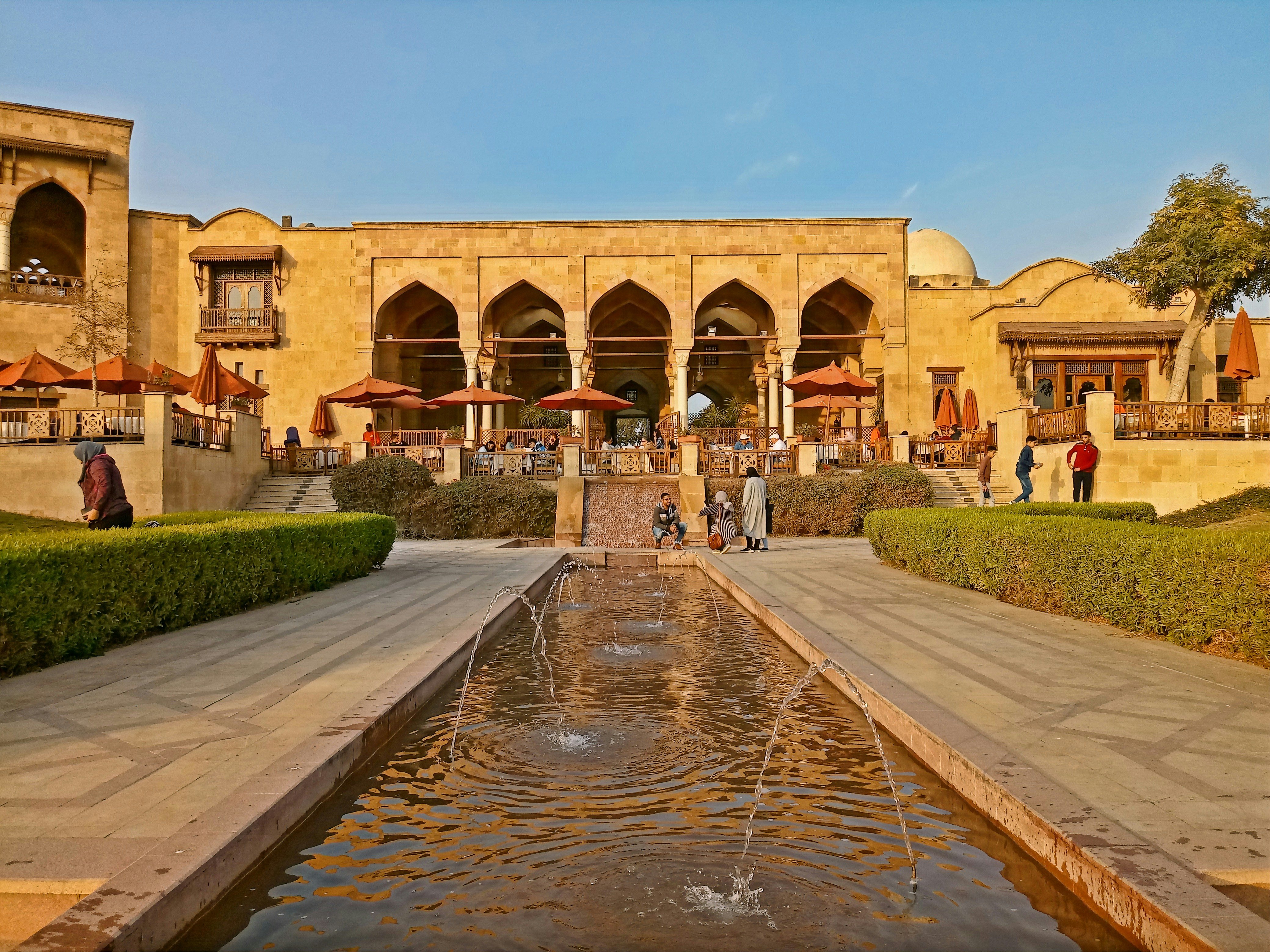
In Cairo, the question is whether to stay near Giza (closer to the Pyramids, further from everything else) or downtown along the Nile (closer to museums, markets, and nightlife). Most travellers choose downtown or Zamalek, the leafy island neighbourhood, and visit Giza as a half-day trip. Mid-range hotels in Zamalek run around 60 to 100 USD per night and are comfortable and well-located.
In Marrakech, you stay in a riad inside the medina. This is non-negotiable for the full experience. A mid-range riad with breakfast included runs 60 to 120 USD per night and gives you something you cannot get in Cairo: a personal, atmospheric, beautifully designed home base in the centre of the action. Stay outside the medina only if you specifically want resort-style amenities or a quieter experience.
Frequently Asked Questions
Is Cairo or Marrakech better for a first-time visit to North Africa?
Marrakech is the easier first introduction. The city is smaller, more walkable, less chaotic, and the hassle is more manageable. A riad gives you a peaceful retreat at the end of every day. Cairo is the more rewarding trip if ancient history is your main reason for going, but it asks more from you as a traveller. If you have never travelled in the region, Marrakech eases you in. If you are confident with intense cities and want world-changing history, go straight to Cairo.
Is Cairo or Marrakech cheaper?
Cairo is significantly cheaper, often 40 to 60 percent less than Marrakech for accommodation, food, and transport. A mid-range daily budget in Cairo is around 30 to 60 USD per person, while in Marrakech it is closer to 80 to 150 USD. The exception is sightseeing entrance fees, which are higher in Cairo, particularly for the Pyramids and the Grand Egyptian Museum. Tipping (baksheesh) is also a constant small expense in Cairo that does not apply the same way in Marrakech.
Is Cairo or Marrakech safer?
Both cities are safe regarding violent crime against tourists, which is rare in both. The real difference is in tourist hassle and harassment. Marrakech feels more relaxed and easier to disengage from. Cairo is more intense, particularly for solo female travellers, and the hassle is more constant. Both governments invest heavily in tourism security around major sites. If safety is your main concern and you mean street comfort more than crime, Marrakech is the easier choice.
Should I visit Cairo or Marrakech for food?
If you want refined, layered, slow-cooked cuisine and a memorable rooftop dining culture, Marrakech wins. Tagines, pastilla, mint tea, and the rooftop sunset dinner experience are unmatched. If you want cheap, hearty, soulful street food that is impossible to replicate at home, Cairo wins. Koshari, ful medames, hawawshi, and Cairo shawarma are the kind of food experiences that travellers remember for years. The two cuisines have almost nothing in common, so the answer depends entirely on what you crave.
Can I visit both Cairo and Marrakech in one trip?
Yes, but they are 3,700 kilometres apart and there are no direct flights between Cairo and Marrakech as of 2025. You typically need to connect through Casablanca, Istanbul, or a European hub. A combined trip works best if you have at least 12 to 14 days, splitting time between the two countries with travel days built in. Many travellers prefer to do them on separate trips, which lets each country breathe.
How many days do I need for Cairo and Marrakech?
Cairo needs a minimum of three full days to see the Pyramids, the Grand Egyptian Museum, Islamic Cairo, and Coptic Cairo. Marrakech needs three to four days for the medina, the souks, the palaces, and ideally a day trip to the Atlas Mountains or Essaouira. If you are using either city as a base for further travel, plan accordingly. Cairo connects to Luxor, Aswan, and the Red Sea. Marrakech connects to the Sahara, the Atlas, and the Atlantic coast.
What is the best time to visit Cairo and Marrakech?
October through April for Cairo, with December and January being the most comfortable temperatures for sightseeing. March through May and September through November for Marrakech. Avoid both cities in summer (June through August) when temperatures regularly exceed 40°C and outdoor sightseeing becomes genuinely difficult. Marrakech in winter is mild during the day but surprisingly cold at night, which is worth packing for.
Cairo or Marrakech: How to Actually Decide
If you want a single recommendation, here is the cleanest way to think about it.
Choose Cairo if ancient history is the reason you travel. If you want to stand at the base of the Great Pyramid and feel small. If you can roll with chaotic cities and find energy in them rather than exhaustion. If your budget is tight and you want every dollar to go further. If you have travelled before in places like India or Egypt's neighbours and you know what intense cities feel like.
Choose Marrakech if you want atmosphere, design, and sensory immersion more than monuments. If you have not travelled much in this region and want a gentler introduction. If your trip needs a peaceful base each evening (the riads deliver this in a way Cairo cannot match). If food culture is central to how you travel. If you have less than a week and want a city that can be properly explored in three or four days.
If you cannot choose, choose Marrakech first and Cairo on a future trip when you are ready for it. That is the order I would recommend to most travellers I know.
Experience Either City With a Local
Both Cairo and Marrakech are cities where a local guide changes the trip entirely. In Cairo, a local can take you to the koshari shop the taxi drivers actually eat at, walk you through Islamic Cairo without you getting lost or hassled, and explain the layers of history you would never piece together alone. In Marrakech, a local can navigate the souks without you taking a wrong turn, introduce you to the artisans whose workshops are not on any tourist circuit, and tell you which Jemaa el-Fnaa food stalls are the ones the city actually eats at.
This guide reflects what travellers consistently note about both cities. Cairo and Marrakech reward different kinds of travellers, and the best trip is the one that matches the way you actually like to travel, not the one a guidebook tells you is more impressive.
Enjoyed this article?