The first evening I spent in Plovdiv, I walked into Kapana from the mosque end, got carried along Hristo Dyukmedzhiev Street with everybody else, took the first free chair I saw, and left an hour later convinced I had seen the district. Six streets, some murals, a great many chairs. What I had missed is that Kapana pays back the people who turn off the busy street, and hardly anyone does.
Quick Guide: Kapana, Plovdiv: Key Takeaways
- Primary recommendation: Give Kapana an afternoon and an evening rather than a walk-through. It covers about six pedestrian blocks between Dzhumaya Mosque and Tsar Boris III Obedinitel Boulevard.
- Top choice for dinner: Pavaj, at Zlatarska 7, for modern Bulgarian cooking.
- Top choice for a drink: Kotka i Mishka (Cat & Mouse) at Hristo Dyukmedzhiev 14 for Bulgarian craft beer and free peanuts.
- Value pick: Altseko, Stefan Verković and Knyaz Bogoridi, the three sections of Kapana with no cafés or bars on them at all. Good for photographs, better for hearing yourself think on a Saturday.
- Currency: Bulgaria adopted the euro on 1 January 2026 and the lev stopped being legal tender on 1 February. Menus show both figures through the end of 2026.
- The best way to see the city: Take a private, personalised walking experience with Lokafy in Plovdiv and see Kapana with somebody who lives in it.
What Kapana Is, and Why It Has That Name
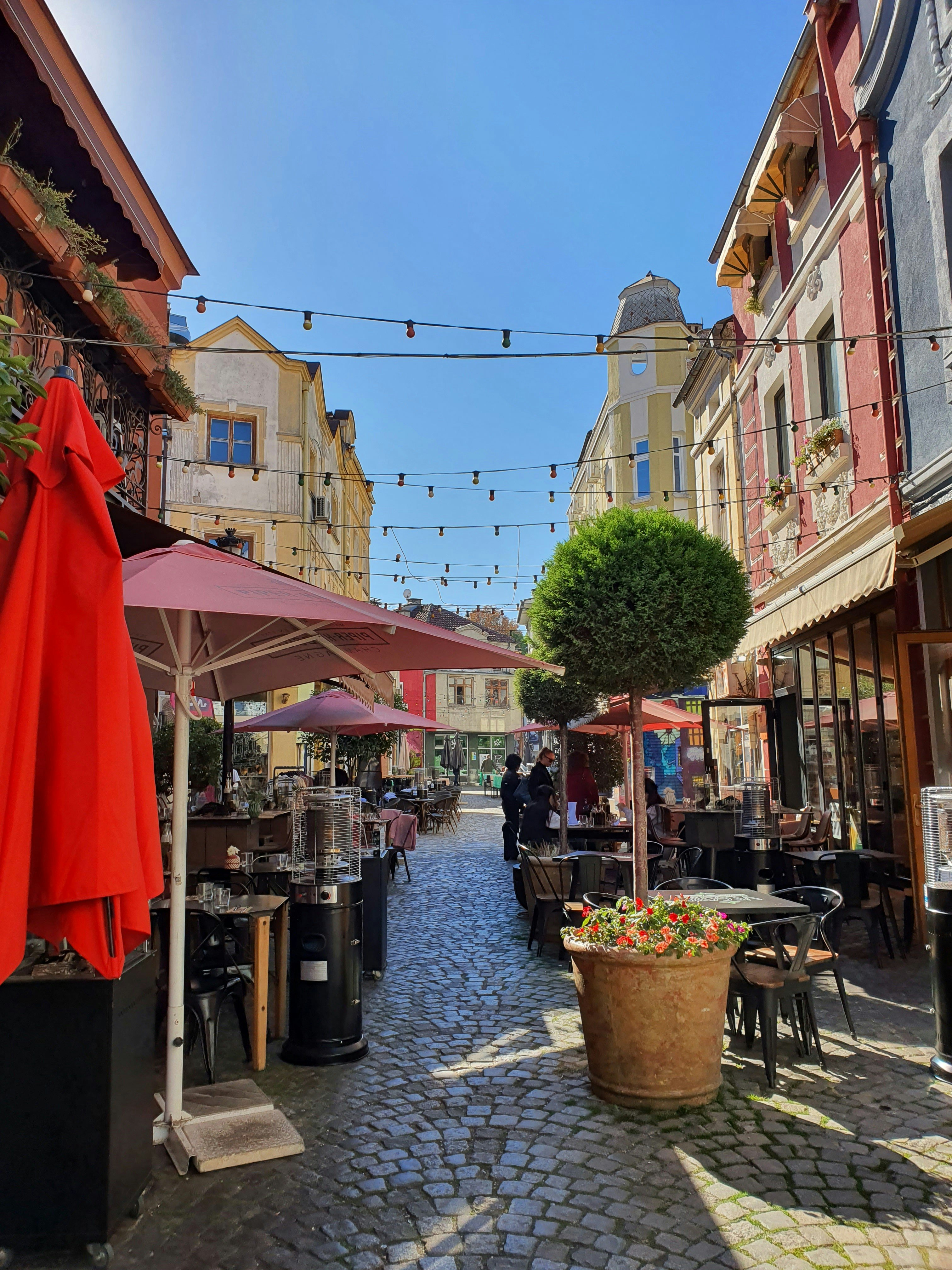
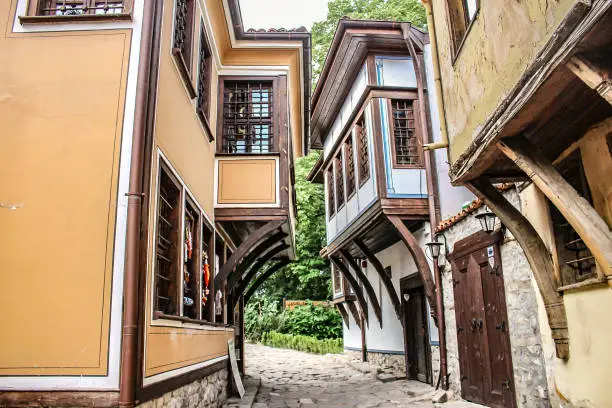
Kapana is Plovdiv's creative district: roughly six blocks of narrow pedestrian streets north of Dzhumaya Mosque, filled with independent bars, restaurants, galleries, craft shops and painted walls. The name translates as "the trap," after a street grid so tangled that people got lost in it.
Those streets were an artisan quarter for around five centuries, which is why the names still read like a trade directory. Zlatarska is Gold Street. Zhelezarska is Iron Street. Kozhuharska is Leather Street. By the 2000s most of the trades had gone and the buildings had gone with them.
The turnaround has a date attached. In 2014, as part of the campaign that won Plovdiv the European Capital of Culture title for 2019, the city and the Plovdiv 2019 Foundation began paying the first twelve months of rent for creative businesses willing to move into empty Kapana premises. It worked at scale: between 2014 and 2019 the district supported 55 major cultural activities, ran more than 100 events a year and gave space to over 500 active businesses annually. The municipality pedestrianised and resurfaced the streets in parallel.
Here is the part the tourist boards leave out, and it is worth knowing before you arrive. Plovdiv's own city guide, Lost In Plovdiv, put it plainly in 2026: almost every square metre of Kapana is now occupied by restaurants, with art studios and craft shops pushed into the quieter corners and smaller nooks. The original plan was studios. The result is a food and drink district with studios hiding in it. Both things are true, and the studios are still there if you look sideways.
The Streets Worth Knowing
Hristo Dyukmedzhiev is the spine. It runs the length of the district, holds the highest concentration of terraces, and is where the crowd goes by default. Zlatarska, Kozhuharska, Georgi Benkovski, Abadzhiyska and Zagreb branch off it and carry most of the places you have come for.
Then there are three streets locals point to when they want quiet. Altseko is the first block on the right as you come in from Zhelezarska, one of the few stretches in Kapana where cars are still allowed, crossable in under five minutes, and home to a few shops and offices and not a single café. Stefan Verković runs from Frédéric Joliot-Curie down to Tsar Boris III Obedinitel, mostly courier offices and a long-empty restaurant unit. Knyaz Bogoridi starts at Rayko Daskalov, and at its top end you will find the Yellow House, built in 1933 by the Plovdiv architect Hristo Peev for Elisaveta Obreikova, art deco and modernism together, crowned with a dome on the top floor.
None of the three will give you a drink. All three will give you the district as it looked before the terraces, and they are thirty seconds from the noise.
Where to Eat in Kapana
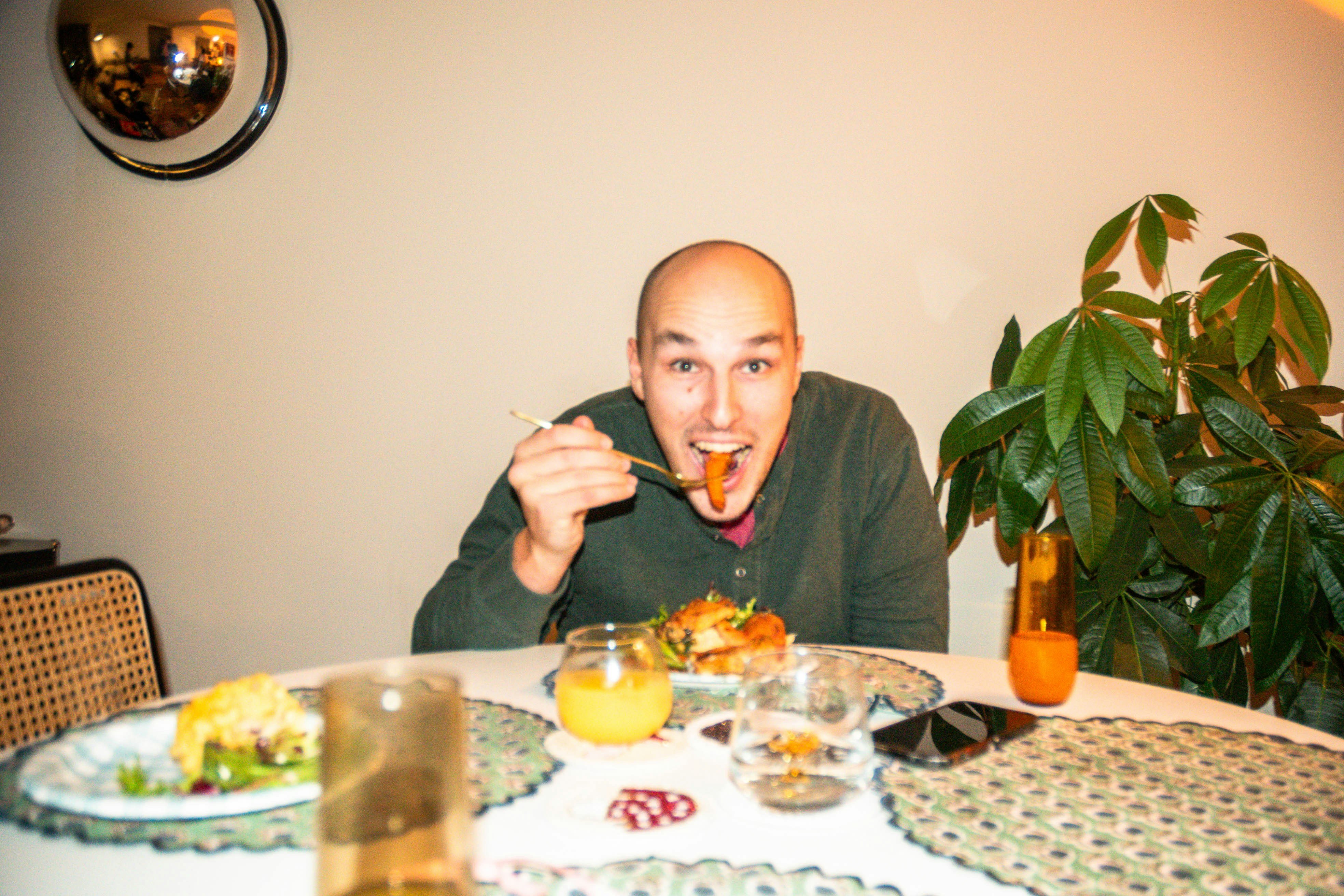
Pavaj, Zlatarska 7, is the reservation everyone in Plovdiv makes. Modern Bulgarian cooking out of a small kitchen, local ingredients, a serious rakia list and a wine bar counter inside that is a better seat than the terrace if you can get it. The stuffed peppers, the aubergine, the babek sausage with sourdough and the desserts all come up repeatedly in reviews. Open daily from noon to 23:00. Book ahead or expect to be turned away.
Aylyakria, Kozhuharska 3, is the loose, generous one. The menu wanders from bao buns to Black Angus to a pulled pork sandwich that people write love letters about, and the two-floor layout means it can usually seat you. Worth knowing: Bulgarians smoke, and the outdoor terrace is where they do it, so ask for indoors if that matters to you. Noon to 23:30 daily.
Tams House, Zagreb 4, does twists on Bulgarian classics with a strong by-the-glass wine list, and it has a reputation among solo travellers for being one of the few places in town that will let you sit alone for two hours without hurrying you out.
Shishi Kapana, Hristo Dyukmedzhiev 21, looks like a burger place and is not run like one. Twelve-hour marinated pork, cold cucumber soup with dill oil, vegetarian builds that get ordered by people who came in for meat. Portions are large enough that a takeaway box is standard.
Salé, Georgi Benkovski 7, took over the old Terzo Mondo site, one of the biggest premises in the district, and now runs a set lunch menu that is the best value sit-down meal inside Kapana. Open from 08:30, so it also covers breakfast, and until 02:00 on Fridays and Saturdays.
Craft Beer, Wine and the Bars People Come Back To
Plovdiv's craft beer scene is small and unusually good, and most of it sits within a hundred metres of itself.
Kotka i Mishka, or Cat & Mouse, at Hristo Dyukmedzhiev 14, is the one everybody knows. Bulgarian beers on tap and in the fridges, a barman who will talk you through the entire local brewing map, outdoor seating aimed straight at the busiest pedestrian stretch, and peanuts that arrive without being asked for. It opens at 10:00 and runs to midnight, seven days, and it doubles as a coworking space during the day, which is a useful thing to know if you are travelling with a laptop.
Hopium Taproom, Zagreb 7, is around the back and runs about ten to twelve taps from Pelta, the local brewery behind it, plus guest kegs from across Eastern Europe and a fridge worth browsing. Narrow, small, and the better choice if you want to taste rather than to be seen.
Local Vinyl Bar shares ownership with Cat & Mouse, sits across the street, keeps the same pale ale on tap and adds a beer garden and records. The Trap, on Magura 3 at the quiet northern edge, runs cocktails until 03:00 with the music low enough to hold a conversation, which in Kapana on a Saturday is close to a public service.
Rough 2026 costs: a craft half-litre lands around €4 to €6, cocktails around €5 to €7. Cheaper than Sofia, considerably cheaper than the Old Town terraces up the hill.
Art, Galleries and What Is Left of the Craft Quarter
The murals are the obvious draw and they rotate, so the wall you saw in a 2019 photograph may well be something else now. Look up and into doorways; a lot of the better work sits above ground-floor signage.
Vage Gallery at Yoakim Gruev 15 is the standout, a small independent space run by two collectors that has shown work connected to Christo and Salvador Dalí, which is not a sentence you expect to write about a side street in central Bulgaria. Elsewhere, prints, hand-painted ceramics and zines from working artists start at modest prices, and buying directly from a studio puts the money where the district's original plan intended it.
Look for the Kapana logo in shop windows. It marks businesses inside the district's own network rather than general souvenir stock.

A Half-Day Route Through Kapana
- Start at Dzhumaya Mosque (15:00). Fourteenth-century Ottoman architecture at the southern gate of the district. Free to enter outside prayer times; women cover their hair.
- Detour to the Ancient Stadium of Philippopolis. Ninety seconds away under the main pedestrian street, built in the second century AD with room for around 30,000 spectators. Open 09:30 to 18:00 daily.
- Walk north up Hristo Dyukmedzhiev. Get the busy street out of the way while it is still light and the shops are open.
- Turn off onto Altseko or Knyaz Bogoridi. Ten minutes of quiet, the Yellow House, and the version of Kapana that existed before the terraces.
- Coffee and galleries (16:30). Vage Gallery, then the craft shops on the smaller cross streets.
- Beer at Cat & Mouse or Hopium (18:00). Ask what is new on tap; the list moves weekly.
- Dinner (20:00). Pavaj if you booked, Aylyakria or Tams House if you did not.
- Finish at The Trap (22:00). Cocktails, low volume, open until 03:00.
That is four to seven hours depending on how long you sit. Pair it with the Old Town and Nebet Tepe the following morning and you have Plovdiv's two halves in a weekend.
When to Go, and What to Expect
Kapana is pedestrianised, open around the clock and free to walk into. The cobbles are flatter than the Old Town's, though still cobbles.
Weekday mornings, roughly 10:00 to 14:00, are for shops, galleries and coffee, with service at its quickest. Friday and Saturday from about 21:00 is the district at full tilt, with bars running to 02:00 or later and tables at a premium from 19:00 onwards.
Festivals reshape the place. Kapana Fest began in the district's alleys in 2015 and has since moved to the bridge over Gladstone Street, a short walk away, taking the music stages and craft bazaar with it. Its 2026 calendar opened with the Kapana Spring Bazaar across two April weekends; autumn dates are announced on the Kapana Fest Facebook page rather than on the city tourism site, so check there. During festival weekends, book restaurants in advance or plan to eat elsewhere.
One practical note that catches out anyone using an older guidebook. Bulgaria joined the euro on 1 January 2026 at a fixed rate of 1.95583 lev to the euro, and the lev ceased to be legal tender on 1 February 2026. Any price you read online in leva needs dividing by roughly two. Menus and shop shelves are required to display both currencies through 2026, which makes the arithmetic easy while it lasts.
Experience Kapana Like a Local
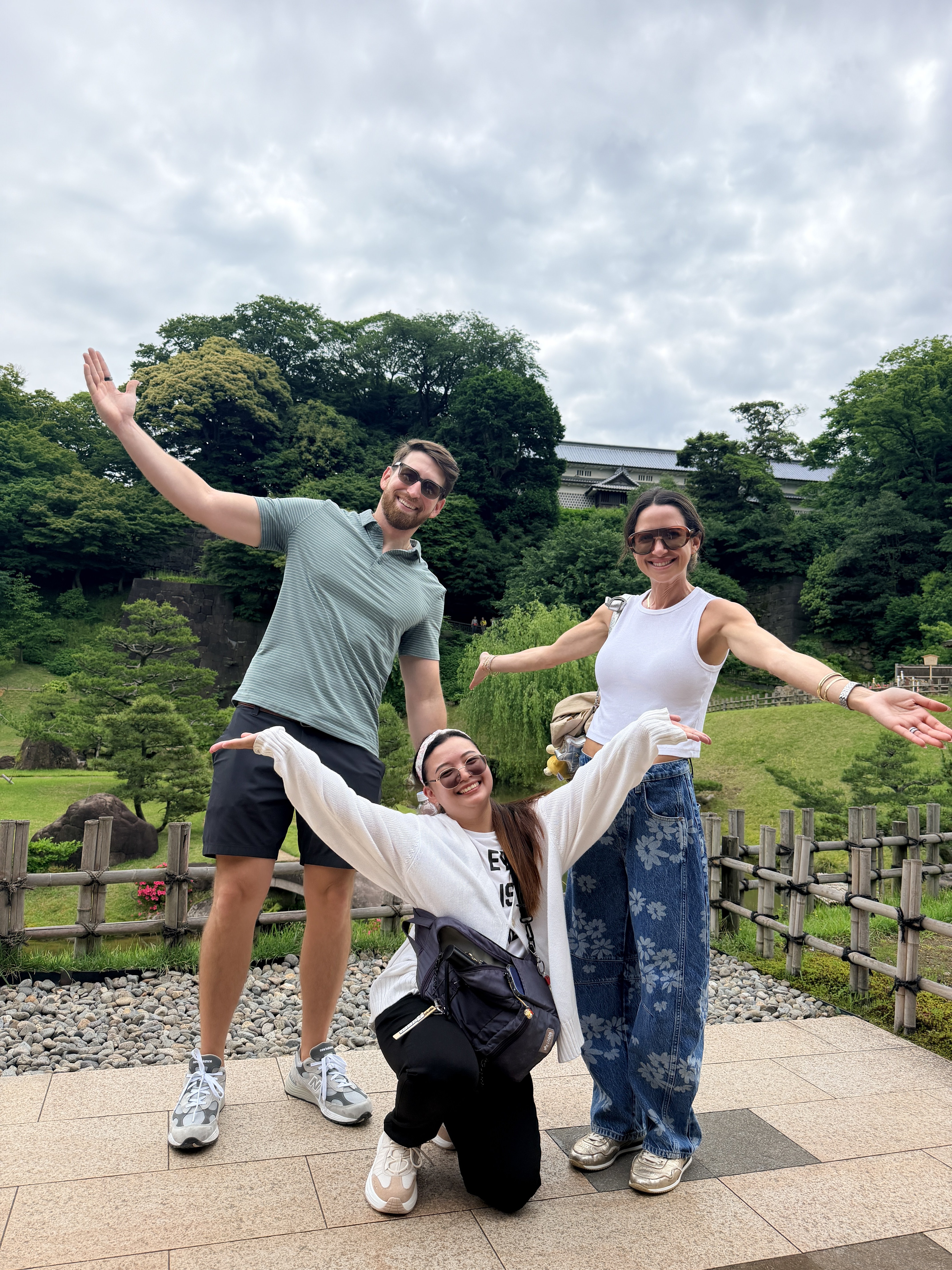
Kapana's problem is not a shortage of places. It is that the good ones rotate faster than the internet keeps up with, and the busiest street is the least interesting one. Cafe-Bar 1890 and Le Maison Blu, both fixtures, closed and were re-let inside a single season. A blog post can tell you where to look. It cannot tell you which studio door is open this week or which barman knows the brewery.
That is what a Lokafyer is for. Book a private, personalised walking experience with Lokafy in Plovdiv and spend a few hours with a resident who will take you down the streets you would have walked past, order the thing that is not on the English menu, and tell you what the district was like before 2014. It is a conversation with a local, shaped around what you want to see, not a flag-led group of thirty.
Frequently Asked Questions
Is Kapana worth visiting? Yes, and it is the main reason to give Plovdiv an evening rather than a day trip. Kapana is Bulgaria's first designated creative district and holds the city's best concentration of independent restaurants, craft beer bars and small galleries in about six walkable blocks. Come for the food and drink, and treat the art as a bonus that takes some hunting.
What does Kapana mean? Kapana means "the trap" in Bulgarian. The name comes from the tangled grid of narrow streets in the old artisan quarter, which visitors found easy to get lost in.
How long do you need in Kapana? Two hours covers a walk-through and a drink. Four to six hours covers the quiet streets, a gallery or two, a proper dinner and a bar afterwards. It is compact enough that nothing is more than a five-minute walk from anything else.
What is the best time of day to visit Kapana? Late morning on a weekday for shops, galleries and fast service. After 21:00 on a Friday or Saturday for the district at its busiest. Weekend afternoons are atmospheric but slow at the bar.
Do you need to book restaurants in Kapana? For Pavaj, yes, several days ahead. For most others, walk-ins work outside peak hours, though anything after 19:00 on a summer weekend or during a festival is a gamble.
Where is Kapana in Plovdiv? Kapana sits in central Plovdiv, immediately north of Dzhumaya Mosque and the Ancient Stadium of Philippopolis, bounded roughly by Rayko Daskalov Street and Tsar Boris III Obedinitel Boulevard. It is a five-minute walk from the main pedestrian street and about ten minutes from the Old Town.
Can you use euros in Plovdiv in 2026? Yes. Bulgaria adopted the euro on 1 January 2026 and the lev stopped being legal tender on 1 February 2026. Cards are widely accepted across Kapana, and prices are displayed in both euro and lev throughout 2026.
When is Kapana Fest? Kapana Fest now runs on the bridge over Gladstone Street rather than inside the district. The 2026 season opened with the Kapana Spring Bazaar over two April weekends. Recent autumn editions have fallen in the third week of September; confirm current dates on the official Kapana Fest Facebook page before booking around them.
Enjoyed this article?