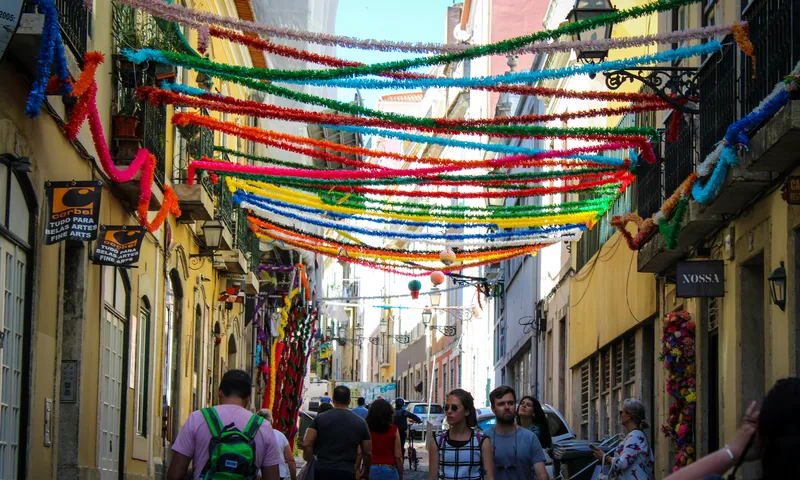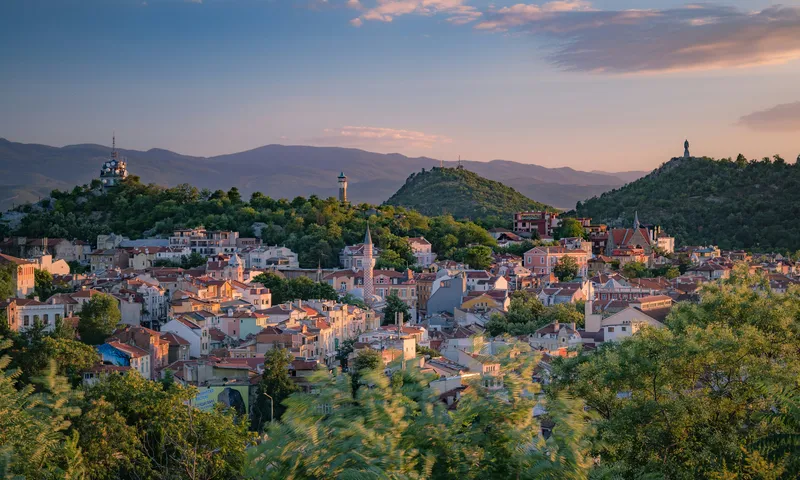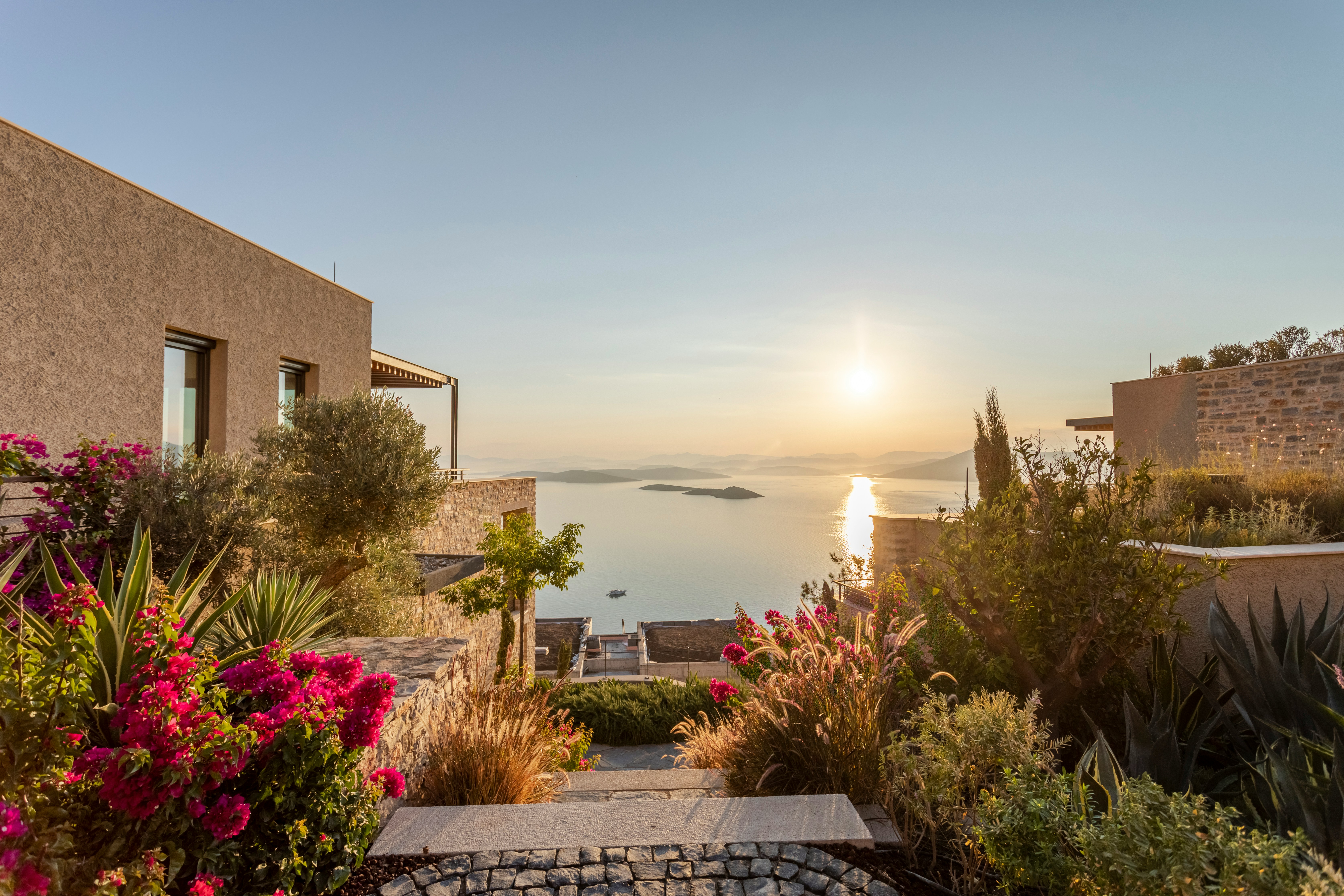
I got off the ferry from Kos with a paper map I never opened again. Bodrum's old town is small enough that I lost the map before I lost my way, and every wrong turn led somewhere better anyway: a spice stall I hadn't planned on, a cat asleep on a castle wall, a guy grilling corn on a side street I couldn't have found on purpose. That's the thing about this town. You don't need a car or a set itinerary here. You need decent shoes and about four hours.
Quick Guide: Bodrum Walking Tour Key Takeaways
- Primary Route: Start at Bodrum Castle, follow the harbor west to the bazaar, then loop through Kumbahçe's backstreets up to the Ancient Theatre. About 4km, easy to stretch into a half day.
- Top Pick for Lunch: Nazik Ana, a counter-style canteen a few streets back from the castle that serves whatever's cooked that day instead of a printed menu.
- Value Pick for Sunset: The Ancient Theatre above town. Free to enter, and it looks straight down over the castle and the bay.
- The Best Way to See the City: Take a private, personalized walking experience with Lokafy in Bodrum and discover the backstreets and market days a guidebook won't point you to, with a Local.
Is Bodrum a Walking City?
The center is, and that surprises people who arrive expecting a spread-out resort town. Bodrum Castle, the marina, the bazaar, and the Kumbahçe neighborhood behind the beach all sit within about fifteen minutes of each other on foot, connected by streets that were laid out long before anyone was thinking about cars. The old town core barely covers more than a kilometer end to end.
Where it gets less walkable is the peninsula around it. Gümüşlük, Türkbükü, Yalıkavak, and the other coastal towns are their own destinations, ten to forty minutes away by dolmuş (the shared minibuses that run constantly and cheaply between Bodrum and pretty much everywhere on the peninsula). You'll want one of those, or a taxi, for anything past Bitez.
Inside the center, expect gentle hills rather than flat ground, cobblestones in the older lanes, and a short climb up to the theatre. None of it is strenuous. Skip flip-flops though, and if you're visiting in July or August, walk the exposed stretches near the marina before 11am or after 5pm. The stone streets hold heat.

The Route: Castle, Bazaar, and the Backstreets of Kumbahçe
Start at Bodrum Castle. Built in the early 1400s by the Knights of St. John on a small outcrop that splits the harbor into two coves, it's the one landmark you can see from almost anywhere in town, which makes it the obvious starting point. Inside is the Museum of Underwater Archaeology, one of the more respected collections of its kind anywhere, though it's worth knowing before you go that the site is currently under restoration and only the Uluburun shipwreck galleries are open to visitors. Standard entry runs around €20. The castle keeps daily hours from 8:30am to 6:45pm, and through early October it stays open for evening visits from 7 to 10pm, which is worth timing your visit around if you want the towers without the midday crowd.
Walk the harbor toward the marina. This stretch is lined with the yachts and gulets Bodrum is known for, and it leads straight into Bar Street (Barlar Sokağı), a narrow lane packed with restaurants and clubs that stays quiet until evening and gets loud fast after dark. Good for a coffee at 10am, less good for a peaceful walk at 11pm.
Cut into the bazaar. Bodrum's covered market streets sell everything from leather sandals to spice mixes, and most of it is open daily with no fixed hours. What isn't obvious from a map: the real market days are Tuesday, when a large textiles and clothing market takes over the streets (no food that day), and Friday, when the produce sellers set up, not downtown but one floor up at the otogar, the town's bus station. Most visitors never find that one because nothing about "bus station" suggests fresh figs and market bread.
Detour to Kumbahçe. Head past Bodrum Beach into this residential pocket behind the water, and you'll find the Zeki Müren Arts Museum, the preserved home of one of Turkey's most beloved singers, with his stage costumes, furniture, and even his car on display. It's a short, strange, likeable stop, closed Mondays, with an entrance fee low enough not to think about.
Climb to the Ancient Theatre. This is the payoff. Carved into the hillside in the 4th century BC, originally built to seat around 5,000 and later expanded to hold up to 13,000, it's free to walk into and offers the best view of the castle and bay you'll get without a boat. Go in the last two hours before sunset.
If you have energy left, finish at Myndos Gate. Over in the Eskiçeşme neighborhood, this western entrance to the old city walls dates to the reign of King Mausolus, the same Mausolus whose tomb (the Mausoleum at Halicarnassus, once one of the Seven Wonders of the World) sits closer to the center. Set your expectations there accordingly: what's left of the Mausoleum today is mostly foundation stones and a few fragments, worth a five-minute look rather than a special trip.
Where Locals Eat Along the Way
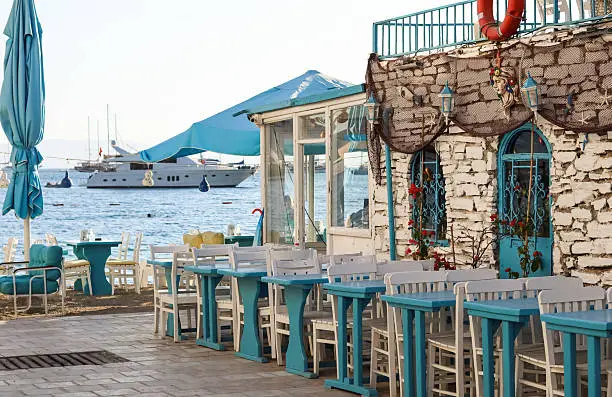
Skip the restaurants with laminated photo menus and touts out front, at least for lunch. Nazik Ana, a few streets back from the castle, is the kind of place with a steam counter instead of a menu: you point at what looks good, usually stewed vegetables, rice, and a meat dish or two, and it's cheap and filling. Trafo Cafe, run by the town municipality right on the harbor, has become a residents' favorite precisely because it's one of the few places on the water that hasn't pushed its prices up with the view. The burgers and gözleme are simple and reliable. Yeni Bodrum Ocakbaşı, a family-run grill house, does kebabs and pide the way you'd hope for, without the marina markup.
For street food, follow the bazaar crowds: simit (a sesame-crusted bread ring) for breakfast, kumpir (a loaded baked potato, toppings included) for a filling lunch on the move, and lokma, small balls of fried dough soaked in syrup, for something sweet before you keep walking.
If your route stretches to Gümüşlük, about thirty minutes from the center, save your appetite. Memedof is the seafood spot everyone mentions first, right on the water with a menu built around the day's catch (book ahead, it fills up). Fenerci, a few doors down, does the same coastline with less fuss and a shorter wait.
Neighborhoods Worth the Detour
Kumbahçe is where much of the route above already takes you: quieter lanes behind the beach, worth slowing down in rather than rushing through.
Eskiçeşme, the neighborhood wrapped around the old city walls, has older houses and fewer visitors. Good for the kind of aimless wandering that doesn't show up on a checklist.
Gümüşlük, a former fishing village at the tip of the peninsula, is where much of ancient Myndos now sits partly underwater in the bay. It's about thirty minutes from central Bodrum by car or dolmuş, and it's the closest thing to a proper detour on this list, best saved for an evening with a seafood dinner built in.
Bitez is the easiest add-on. It's about seven kilometers and nine minutes away by dolmuş, close enough to combine with a morning in the old town if you want sand in the afternoon.
Türkbükü, also known as Göltürkbükü, and Torba are further out and lean upscale and quiet respectively. Neither is a walking destination the way the center is, but they're worth knowing about if someone mentions them and you want to know what they're talking about.
Before You Go: Practical Notes for Walking Bodrum
Footwear matters more than you'd think. Cobblestones, a hill climb to the theatre, and uneven bazaar lanes all argue against sandals with no grip.
Cash still counts for something. Cards work in most restaurants and shops in the center, but market stalls and smaller family-run places often prefer lira in hand.
Entry requirements change, so check before you fly. Most nationalities can apply for Turkey's e-visa online through the official evisa.gov.tr portal in a few minutes, and it's cheaper than sorting it out at the airport. A few nationalities don't need one at all. Either way, check the current rules for your passport a week or two before departure rather than assuming.
Dolmuş minibuses are the easiest way past the center. They're marked with their destination in the front window, run constantly during the day, and you pay cash on board. No app, no booking. Flag one down and hand over the fare when you get off.
Market days, again, because they're easy to miss: Tuesday for textiles downtown, Friday for produce at the otogar.
See Bodrum With Someone Who Lives There

A checklist tells you what to see. It doesn't tell you that the museum's under restoration this month, that Friday's produce market is a floor above the bus station and not in the old town at all, or which unmarked door on a Kumbahçe backstreet serves the best lahmacun on the block. That's the gap a Local closes. Take a private, personalized walking experience with Lokafy in Bodrum, built around what you want to see, and skip the version of this trip where you find out what you missed after you've already flown home.
FAQ
Is Bodrum walkable? Yes, the old town center is compact and walkable, with the castle, marina, bazaar, and Kumbahçe neighborhood all within about fifteen minutes of each other on foot. The wider peninsula, including towns like Gümüşlük and Türkbükü, is spread out and better covered by dolmuş minibus or taxi.
How many days do you need in Bodrum? Two to three days covers the old town walking route, a beach afternoon in a nearby spot like Bitez, and a slower evening in Gümüşlük. A single day is enough to hit the castle, bazaar, and theatre if that's all your schedule allows.
Is Bodrum Castle worth visiting right now? It's still worth a visit for the towers, harbor views, and the Uluburun shipwreck galleries, but the wider Museum of Underwater Archaeology is currently closed for restoration, with only select sections open. Check the museum's official listing before you go if the full collection is the reason you're coming.
What's the best area to stay in Bodrum for walking everywhere? Kumbahçe or the town center near the castle put you within walking distance of the marina, bazaar, and Ancient Theatre, so you can skip taxis and dolmuş rides entirely for a day or two.
Do you need a car in Bodrum? Not for the old town itself. A car or dolmuş becomes useful once you want to reach Gümüşlük, Bitez, Türkbükü, or the other beach towns spread around the peninsula.
When are Bodrum's local markets? Tuesday is the textiles and clothing market in the old town (no food that day), and Friday is the produce market, held one floor up at the otogar bus station rather than downtown.
Is Bodrum safe to walk around in the evening? The marina, Bar Street, and the main old town lanes are well-lit and busy well into the night. As anywhere, keep an eye on your belongings in crowded market areas and take normal precautions once you're off the main streets.
Enjoyed this article?