Most travellers passing through Poland stop in Kraków, eat their pierogi on the Main Square, and consider the country's food culture explored. Wrocław is what they miss. The fourth largest city in Poland, capital of Lower Silesia, sitting on twelve islands connected by more than a hundred bridges. A city that has been Polish, Bohemian, Austrian, Prussian, and German over the centuries, and the food carries every layer of that history.
What surprises most first-time visitors is not the traditional Polish cooking, although that is excellent here. It is the modern food scene that has quietly emerged in the last decade. Wrocław has become a city where you can eat goulash and pierogi at lunch and have a tasting menu at a contemporary neo-bistro for dinner. Where milk bars from the communist era still serve żurek for less than five euros, and craft breweries pour IPAs that rival anything in Berlin or Prague.
I spent a week eating my way through the city, asking locals where they actually go on Tuesday nights when no one is watching. This is what they told me.
What Wrocław Food Actually Is
Wrocław's food is rooted in Lower Silesian cooking, shaped by centuries of shifting borders and post-war migration. The result is heartier than central Polish cuisine, with stronger German and Czech influences, and a deep respect for slow-cooked meats, fermented soups, dumplings, and grains.
The defining dishes of Wrocław are the same ones you find across Poland, prepared with a Silesian hand: pierogi (boiled or baked dumplings), żurek (sour rye soup, often served in a bread bowl), bigos (slow-cooked hunter's stew with cabbage and meat), kotlet schabowy (breaded pork cutlet, the Polish answer to schnitzel), and rosół (clear chicken broth with handmade noodles). Locals also have one street food they consider their own: knysza, a baked flatbread stuffed with meat, cheese, and vegetables, invented in Wrocław in the early 1990s.
Prices, for context: a meal in a milk bar runs 25 to 40 PLN (around 6 to 9 euros). A solid mid-range Polish restaurant sits at 80 to 120 PLN per person. Fine dining tops out at 180 to 250 PLN. By Western European standards, even the most expensive restaurants in Wrocław are a bargain.
The Wrocław Dishes You Should Actually Order
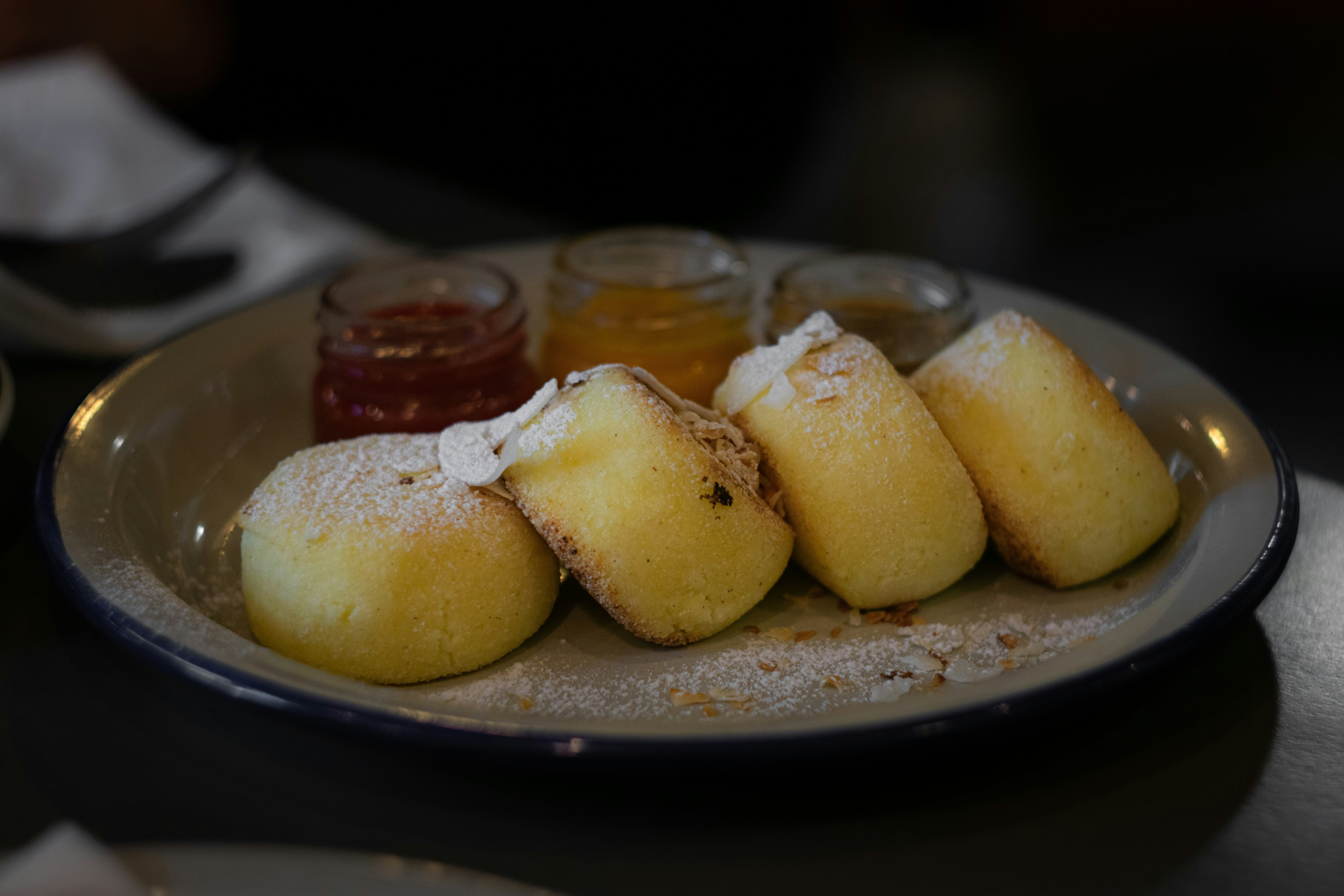
Tourist menus in Old Town will give you the same five dishes everywhere. Locals order with more specificity. These are the dishes worth seeking out, and what to look for on the menu.
- Pierogi Ruskie. The most popular variety, filled with potato, twaróg cheese, and caramelised onion. Boiled is traditional, but baked pierogi (especially in Wrocław) are increasingly common and worth trying.
- Żurek. Sour rye soup with sausage and a hard-boiled egg, often served inside a hollowed-out bread loaf. The fermented rye base is unlike any soup in Western European cooking.
- Bigos. Slow-cooked sauerkraut and cabbage stew with multiple meats, traditionally including pork, sausage, and sometimes wild game. The longer it simmers, the better it gets.
- Kotlet schabowy. Pounded pork cutlet, breaded and fried, served with mashed potatoes and a small salad. The Polish comfort dish. Get it at a milk bar for the most honest version.
- Pyzy. Steamed potato dumplings, often stuffed with meat or served with mushroom sauce. Heavier than pierogi, and a Lower Silesian favourite.
- Knysza. A Wrocław street food original. Picture a baguette and a kebab decided to merge, then got baked. Ask any local under 40 about knysza and watch them light up.
- Smalec with rye bread. Rendered pork fat spread on dense rye bread, topped with pickles, onions, and sometimes kielbasa. Traditional bar snack with vodka or beer.
- Sernik. Polish cheesecake made with twaróg (fresh cow's curd), lighter and tangier than the New York version. Most cafes in Wrocław have a respectable one.
The Milk Bars Locals Still Use
If you want to eat the way Wrocław has eaten for sixty years, you go to a bar mleczny. Milk bars are a Polish institution: government-subsidised cafeterias originally created in the post-war period to feed workers cheap, simple, dairy-based meals. Most disappeared after communism collapsed. The ones that survived are now beloved cultural artefacts.
A few things to know before you walk in. The menu is on the wall, often only in Polish. You order at the counter, pay, and bring your receipt to a second window where the food appears. Decor is functional. Tables are often shared with strangers. Cash is sometimes the only option. Service is brisk and unsentimental. Portions are huge. Quality, when you find a good one, is genuinely excellent.
Bar Mleczny Mewa, located inside Hala Targowa (the old market hall), is the milk bar locals mention first when you ask. Students, pensioners, office workers, all eating side by side. The pierogi ruskie are the gold standard. A full meal with soup, mains, and a drink rarely tops 30 PLN.
Bar Mleczny Miś on Kuźnicza 48, near the University, is the most famous milk bar in Wrocław. It has been feeding students for decades, and the queue at lunchtime is part of the experience. The kotlet schabowy and the pierogi are what to order. They close at 6pm on weekdays and Saturdays, and they are closed entirely on Sundays.
Bar Mleczny Jacek i Agatka is the modernised version. Recently renovated, with automated ordering kiosks that have an English option and accept cards. The food is just as good as the old-school spots. Locals are split on whether the modernisation is a betrayal or a smart adaptation. Either way, it is the easiest milk bar for first-time visitors who do not speak Polish.
Bar Mleczny Pod Temidą is the hidden one. Smaller, quieter, with a rotating handwritten menu that changes daily. If you want the most authentic milk bar atmosphere with the smallest tourist footprint, this is it.
The Traditional Polish Restaurants Locals Recommend
When locals want a proper sit-down Polish meal with friends or visiting family, these are the names that come up.
Konspira is on almost every list, and for good reason. The theme is Poland's communist-era underground resistance: brick walls, period props, an old military jeep in the courtyard. The food is uncompromisingly traditional. Pierogi, ribs on cabbage, breaded pork chops, jacket potato with gzik (white cheese mixed with sour cream and spring onion). Portions are huge. It is touristy, yes, but locals still bring family here because the food has not slipped. Reservations recommended for dinner.
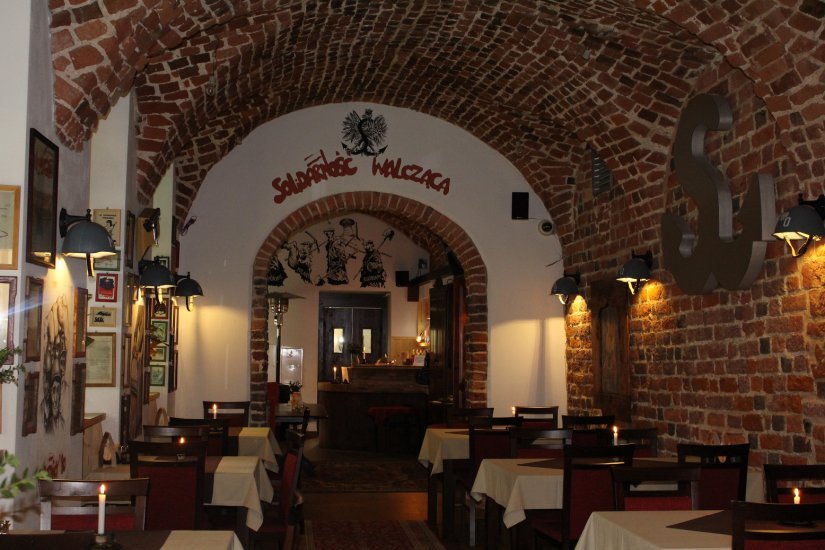
Kurna Chata on Odrzańska Street is built to look like a traditional Polish farmhouse, all wood and rustic detail. The signature dish is potato dumplings stuffed with meat, served with forest mushroom sauce and sour cream. The pyzy with fried sauerkraut are also exceptional. It feels like eating in a grandmother's kitchen, if your grandmother was a particularly skilled Silesian cook.
Pod Fredrą sits next to the town hall on the Market Square. Most Old Town square restaurants are tourist traps. This one is the rare exception locals still respect, partly because of the on-site smokehouse. Smoked sausage, smoked ribs, roast duck, herring, dumplings in cream sauce. Order the żurek served in bread for the full experience.
Dwór Polski is the elegant option. Candle-lit interiors, refined service, and a menu that takes Polish classics seriously. Duck is the house speciality. They also host Christmas Eve dinners and have a "Dine in the Dark" experience in their underground cellar, which is more interesting than it sounds.
Jadka is the fine dining choice. Set inside a medieval Gothic vaulted cellar, with starched linen, an extensive vodka list, and a menu that bridges traditional Polish and modern European cooking with Lithuanian influences. Reservations are essential. This is where Wrocław locals go for anniversaries and significant birthdays.
The Pierogi Specialists
Pierogi deserve their own section because there are good ones and great ones, and the difference is not always obvious from the outside.
Pierogarnia Stary Młyn is the chain locals quietly admit to liking. Yes, it is a chain. No, that does not mean it is bad. The pierogi are made fresh, the menu is enormous (everything from classic ruskie to pierogi with duck and cranberry), and the portions are generous enough to share. The Wrocław Old Town location is the most convenient, but the food is consistent across branches.
Pierogarnia Rynek 26 is the place for baked pierogi. Most pierogi in Poland are boiled. The baked version, pulled from the oven golden and slightly crispy, is a Wrocław speciality worth seeking out. Pair with cold Polish beer.
Pierogarnia Ze Smakiem is for the pierogi enthusiasts who want to push past the classics. Pierogi with salmon. Pierogi with pear and blue cheese. Pierogi with duck and cranberry. The dough is made fresh in front of you. Not traditional, but excellent.
For the true off-the-beaten-path option, locals point to a small kitchen at Księcia Józefa Poniatowskiego 3 in Nadodrze, ten minutes from the Old Town, where the pierogi ruskie are made by hand in an open kitchen. Order them with kompot (a sweet drink made from cooked fruit) and combine the meal with a walk along Słodowa Island or to Ostrów Tumski.
The Street Food Locals Actually Eat
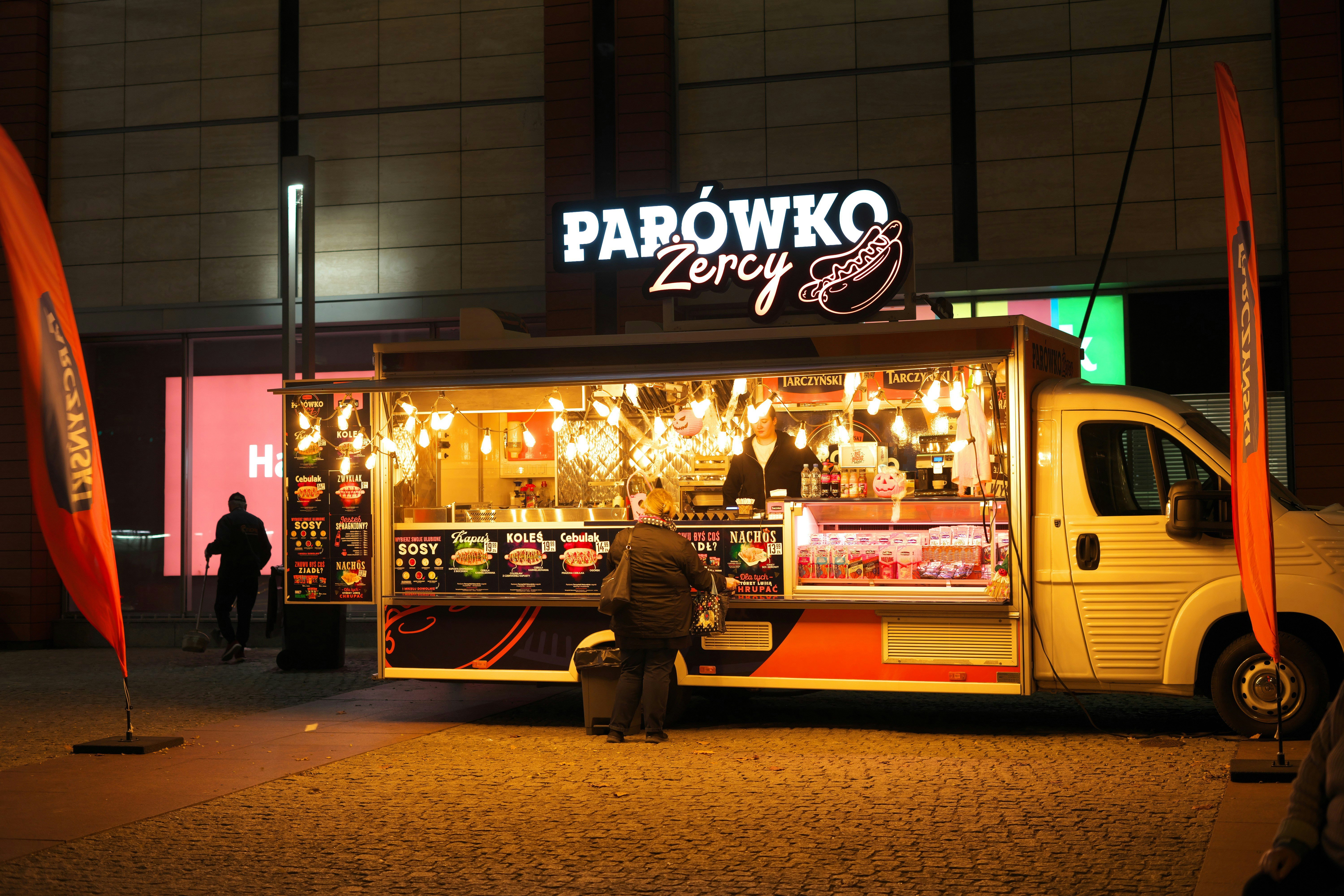
Street food in Wrocław is its own category, and most travellers miss it because they do not know what to look for.
Bar Witek is famous for two things: its zapiekanka (a Polish open-faced toasted baguette covered in cheese, mushrooms, and toppings, halfway between pizza and a sandwich) and the fact that it has its own dwarf statue. Wrocław is famous for its bronze dwarves scattered across the city, and Bar Witek's was crowdfunded by locals. That tells you everything about how the city feels about this place. Located in the centre, but rarely full of tourists. Order the classic zapiekanka or one of the loaded versions.
Bistro Nadodrze is the spot for knysza, the Wrocław street food original. The bistro has been operating out of an old train station for more than two decades, and the owner is part of why people return. Knysza is described as a kebab and a baguette had a baby and the baby got baked. It is messy, filling, and unmistakably Wrocław. Eat it outdoors at the little train station tables. Great with a beer.
Soup Culture is the answer for vegetarians and vegans, and for anyone tired of meat-heavy Polish menus. Daily-changing vegan and vegetarian soups served in edible bowls (zero waste). Small, cosy, affordable. The seasonal options are usually the best.
Pan.Pot is one of the best Asian street food spots in Wrocław. You build your own bowl: pick the base, add ingredients by weight, choose a broth, and they assemble it in front of you. Located near the Market Square at the entrance to the Four Denomination District. Refreshingly different after a few days of pierogi.
The Street Food Hall in the old train station is worth knowing about for groups with mixed preferences. Two halls plus an outdoor area in summer, with 20 to 30 different vendors covering everything from burgers to ramen to Polish classics. Not the most authentic, but the most flexible.
The Modern Polish Wave
The most interesting development in Wrocław's food scene over the last ten years has been a generation of younger chefs reworking Polish cooking with restraint and modern technique. Local produce, seasonal menus, smaller portions, more thought.
Szynkarnia is the standout. A modern tavern committed to high-quality local ingredients, with house-made dough cooked daily into flatbreads topped with things like wild boar chorizo and hot garlicky honey. They also have 16 craft beers on tap, which is what makes it many locals' regular spot.
Wrocławska sits just north of the Market Square and serves traditional Polish cooking with a modern twist. The rosół here is what locals call "the best you will eat in Poland." The kotlet schabowy is also exceptional. Service is warm, prices are fair, and the wine list takes Polish wines seriously, which is increasingly worth doing.
Dinette is the brunch spot. Bright, open, modern, and beloved by locals who treat it as their weekly ritual. International brunch with Polish accents. Reservations help on weekends.
Lot Kury is a small cafe in a quiet corner of the city that locals use as a hideaway. Simple lunch menu, well prepared, with Paris bistro energy. In the evening it transforms into a cocktail bar.
The Craft Beer Scene Most Visitors Miss
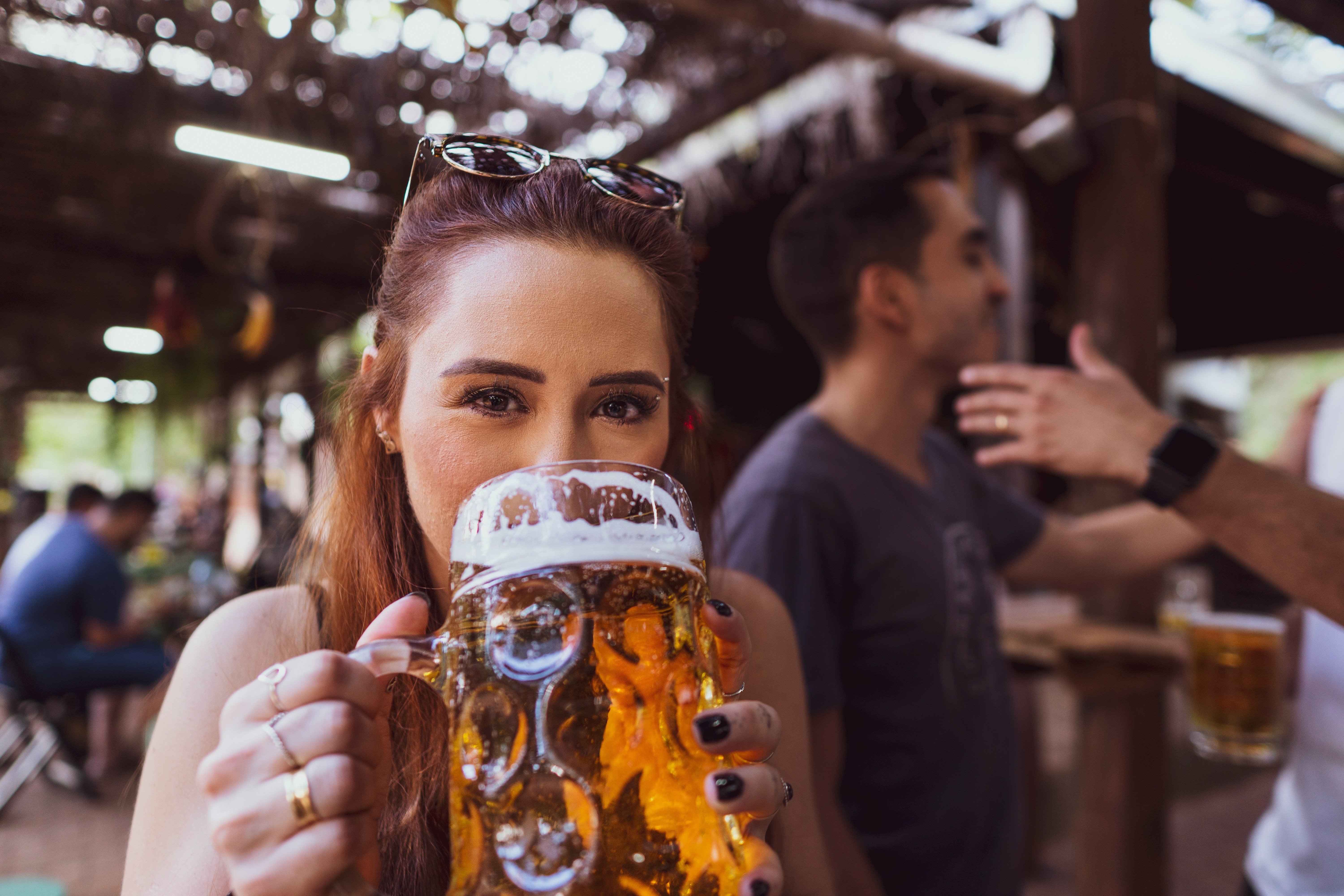
Wrocław has been brewing beer for 800 years. The modern craft beer scene, which exploded in the last decade, is one of the best in Central Europe and almost entirely overlooked by visitors who default to ordering whatever lager is on tap at the tourist places.
Browar Stu Mostow is the local craft brewery worth seeking out. They have a taproom on the main square, but the actual brewery taproom (slightly outside the centre) is where locals drink. Better atmosphere, fuller selection, more conversation.
Pinta Multitap has 24 craft beers on tap in an industrial-style space. The IPA selection is extraordinary. If you order one beer in Wrocław outside of Tyskie or Żywiec, make it from here.
AleBrowar is the brewpub. Cosy, with around 10 rotating taps of hoppy beers, and they serve respectable pizza alongside.
Doctor's Bar has 8 beers on draft, minimalist decor, and some of the best burgers in the city.
For the burger conversation specifically: locals will tell you Burger LTD makes the best burger in Wrocław, full stop. 100% Polish beef and adventurous toppings (the Polish Burger has smoked cheese, beets, sausage, and horseradish, and it works). The seasonal specials are usually where the most interesting things happen.
Neighbourhoods for Food, Beyond the Old Town
Most of Wrocław's tourist food sits within a five-minute walk of the Market Square. The neighbourhoods worth wandering for food are slightly further out.
Nadodrze, just north of the Old Town across the river, is the gentrifying creative neighbourhood. Street art, independent cafes, the best pierogi spot already mentioned, and restaurants that prioritise local sourcing. Walking here for lunch is part of the experience.
Saint Anthony Street (Świętego Antoniego) is Wrocław's hipster spine. Outdoor seating, modern cafes, ethnic food, breakfast spots, beer halls. The buildings still look classically Polish, but the cafes feel like Berlin.
Four Denomination District (Dzielnica Czterech Świątyń) is the area around four churches of different denominations standing close together. The neighbourhood has become a quiet food destination, with international restaurants, wine bars, and the kind of places locals book for date nights.
Frequently Asked Questions
Where do locals eat in Wrocław? Locals split their week between milk bars (Bar Mleczny Mewa, Miś, and Jacek i Agatka) for cheap weekday lunches, traditional Polish restaurants (Konspira, Kurna Chata, Pod Fredrą) for sit-down meals with family, neo-bistros (Szynkarnia, Wrocławska) for evenings with friends, and street food spots (Bar Witek for zapiekanka, Bistro Nadodrze for knysza) for casual eats. The old Market Square has more tourist traps than locals admit, but a few honest exceptions remain.
What is the best traditional Polish restaurant in Wrocław? Konspira is the most popular for a reason: the food is consistently excellent, the portions are generous, and the communist-era theme is genuinely interesting rather than gimmicky. Locals also recommend Kurna Chata for its rustic atmosphere and standout potato dumplings. For a more elegant experience, Dwór Polski or Jadka.
What food is Wrocław famous for? Wrocław is known for traditional Lower Silesian Polish cooking (pierogi, żurek, bigos, kotlet schabowy, pyzy), its surviving milk bars from the communist era, and one street food original called knysza, a baked stuffed flatbread invented in the city in the early 1990s. The modern craft beer scene and a wave of neo-bistros are also defining the city's current food identity.
Are milk bars in Wrocław worth visiting? Yes. Milk bars are one of the most authentic food experiences in Poland. They serve home-cooked traditional dishes at extremely low prices (a full meal for 25 to 40 PLN), and they are genuinely where locals eat, not a tourist re-enactment. Bar Mleczny Mewa and Bar Mleczny Miś are the two most recommended in Wrocław. Bar Mleczny Jacek i Agatka is the most accessible for non-Polish speakers thanks to English-language ordering kiosks.
Should I eat in Wrocław Old Town or outside? Both, with care. The Old Town has a few legitimate Polish restaurants (Pod Fredrą, Konspira, and Pierogarnia Rynek 26 among them), but it also has the highest concentration of tourist traps. For better value and more local atmosphere, walk to Nadodrze, the Saint Anthony Street area, or the Four Denomination District. The best meals in the city are often a five to fifteen-minute walk from the Market Square.
Is Wrocław a good food city compared to Kraków or Warsaw? Yes, and increasingly so. Kraków gets the volume of food tourism, but Wrocław's food scene has matured significantly in the last decade and now rivals both. Prices are slightly lower than Warsaw, the craft beer scene is arguably better, and the milk bars are more authentic than what survives in Kraków's heavily touristed centre. Locals from Warsaw and Kraków increasingly travel to Wrocław specifically to eat.
How much does a meal cost in Wrocław? A milk bar lunch costs 25 to 40 PLN (6 to 9 euros). A mid-range traditional Polish restaurant runs 80 to 120 PLN per person (18 to 27 euros). Fine dining tops out at 180 to 250 PLN (40 to 56 euros). Even at the high end, Wrocław is significantly cheaper than comparable Western European cities.
What should I drink with Polish food in Wrocław? With traditional food, locals drink Polish beer (Tyskie, Żywiec, or local craft from Browar Stu Mostow), kompot (a sweet drink made from cooked fruits, especially good with pierogi), or vodka with bar snacks like smalec or tatar. Polish wines are improving but still secondary. With modern bistro food, the natural wine selection at most neo-bistros is worth exploring.
Eat Wrocław With Someone Who Lives There
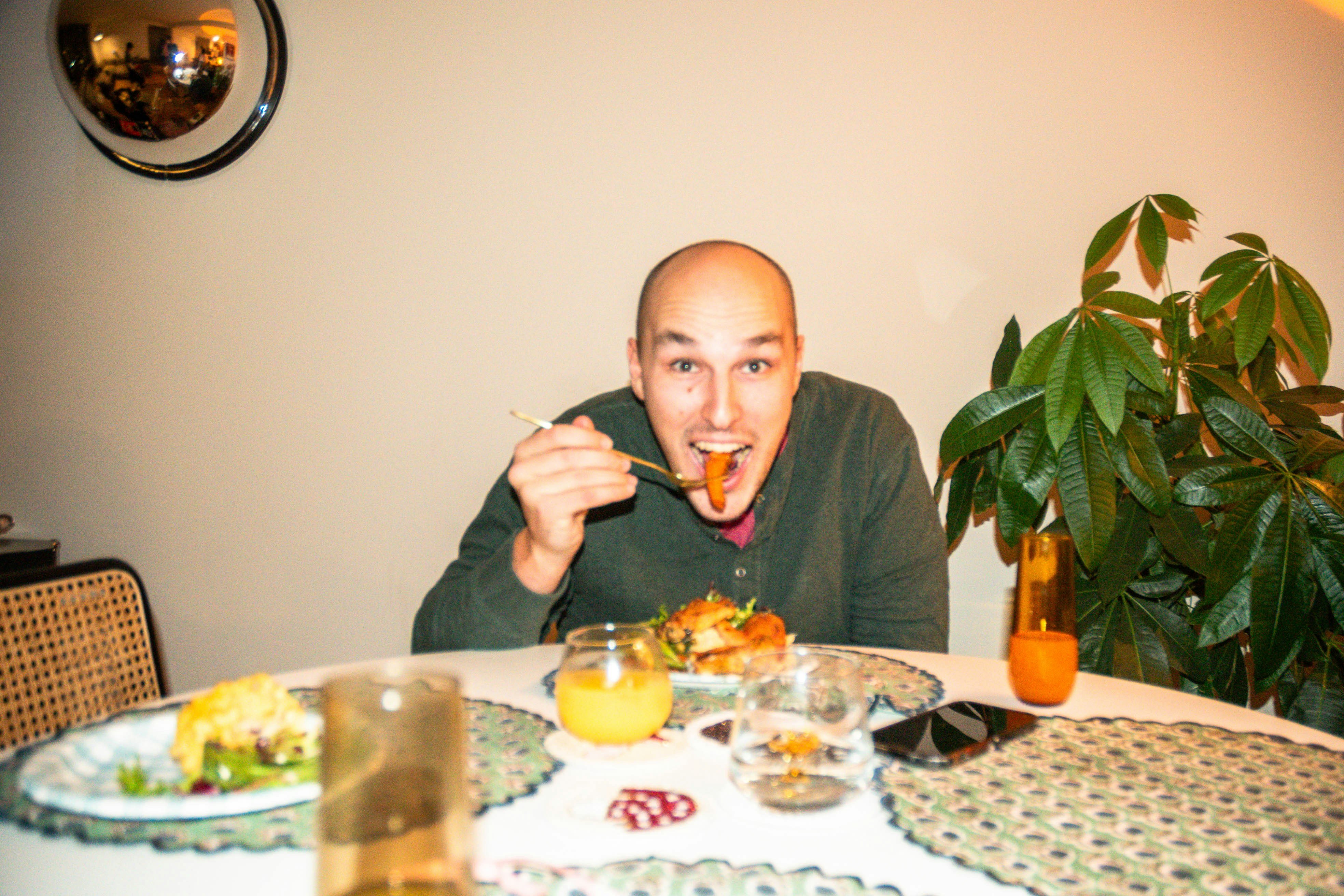
Wrocław's food scene rewards the people who get past the Market Square and into the side streets, the milk bars with the Polish-only menus, and the Nadodrze pierogi kitchens that do not advertise. A local who actually lives in the city can take you straight there, translate the wall menus, and make sure you order the dishes worth ordering.
A Lokafy local in Wrocław can show you the milk bar where they eat lunch every Tuesday, take you to the knysza spot most tourists walk past, and explain why the żurek at one place is twice as good as the żurek at another. You skip the trial and error, and you eat the way the city actually eats.
This guide was built from conversations with Lokafy locals who live in Wrocław and from research into the restaurants and food traditions that define the city's contemporary scene. The places listed are real, operating, and recommended. Specific dishes, prices, and opening hours can change, so always check before visiting.
Enjoyed this article?