The first thing I ate in Cluj-Napoca was a plate of cabbage. Not a pretty plate, either. It came out of a kitchen on Bulevardul Eroilor that has been serving the same dish for more than half a century, to a room of locals who clearly did not need the menu. Nobody looked up when I walked in, and that told me everything. Cluj is a university town with a Hungarian and Romanian kitchen tangled together, a growing chef scene, and locals who will happily argue for an hour about where to find the best mici. This guide follows them, not the terraces on Piața Unirii.
Quick Guide: Where Locals Eat in Cluj-Napoca
- Primary Recommendation: Order varză à la Cluj, the city's own dish of baked layered cabbage, minced pork and sour cream, at Vărzărie on Bulevardul Eroilor 37.
- Top Choice for Modern Transylvanian Food: Zama on Strada Napoca 16. Start with a bowl of soup, since "zamă" is the Transylvanian word for it, and book ahead because the room fills fast.
- Value Pick: Saturday morning mici at Piața Oser, the flea market on Strada Bobâlnei 65, eaten standing up with mustard and a crowd of locals.
- New Local Favourite: Carnie, zamă și tocană on Strada Plopilor 53, a small grill house opened in spring 2026 with culinary researcher Mircea Groza behind the recipes.
- The Best Way to Eat the City: Take a private, personalized walking experience with Lokafy in Cluj-Napoca and discover the kitchens Clujeni use every week with a Local.
What Makes Eating in Cluj-Napoca Different
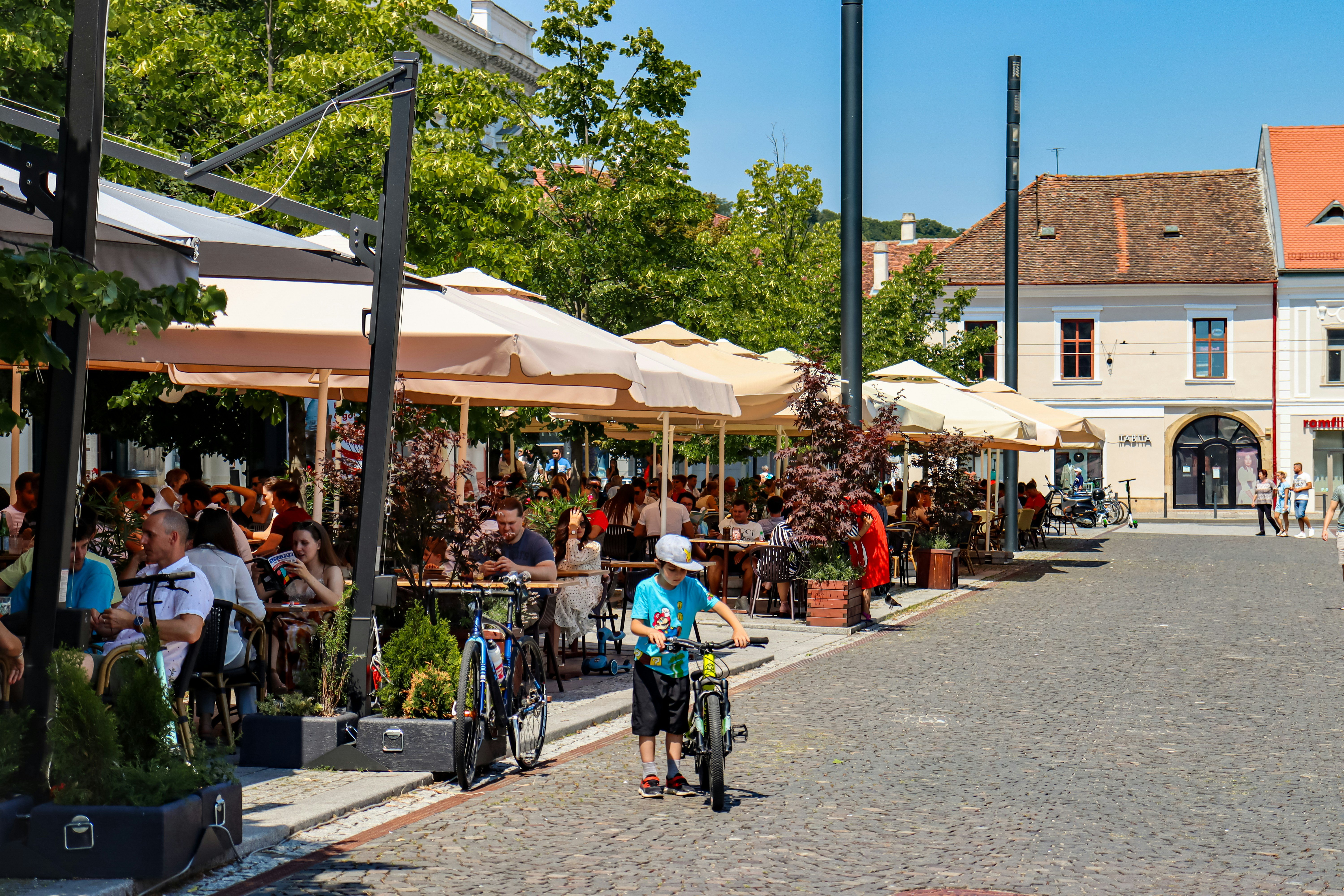
Cluj sits in the middle of Transylvania, and its food reflects centuries of Romanian and Hungarian households cooking side by side. You will see this on menus everywhere. A Romanian sour soup sits next to Hungarian lucskos káposzta, a sour cabbage soup with pork, and goulash appears as often as sarmale. Locals do not spend much energy sorting dishes by nationality. As one Cluj restaurateur told Euronews Romania in 2026, it is very hard to assign a dish to one nation, and there is no real need to.
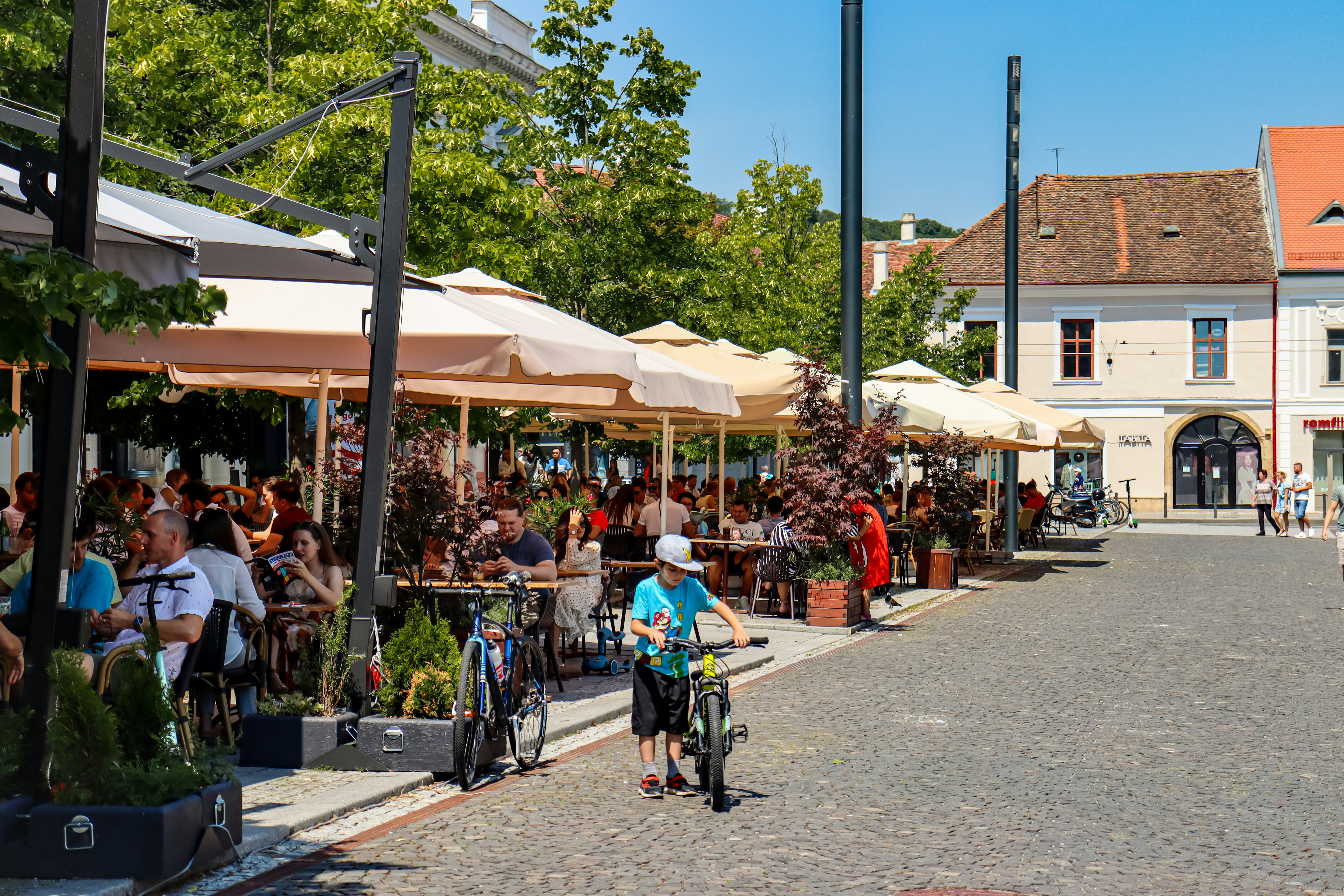
The city is also busy. According to local authorities, Cluj-Napoca received more than 513,000 tourists in 2025. Many of them gravitate to the terraces on Piața Unirii, in the shadow of St. Michael's Church. Locals tend to eat a few streets away, at butcher bistros and market stalls, and that is where the rest of this guide goes.
Traditional Food: Where Clujeni Eat Transylvanian Classics
Vărzărie: The Cabbage Canteen on Eroilor
If Cluj had one restaurant every local could point you to, it would be Vărzărie. The name translates roughly to "the cabbage house," and it has been on Bulevardul Eroilor 37 for more than 50 years. The opening year is printed on the menu. Local listings guide Zile și Nopți has described it as possibly the only restaurant in the city with no website and no social media, yet tables are full almost all day.
Order the varză à la Cluj, plain or with smoked pork hock, and eat it the local way with sour cream and a hot pepper on the side. Cluj food blogger Dan Ciulea, who publishes the guide he sends to friends visiting the city, names Vărzărie's lucskos as the best in Cluj. The room looks like a grandmother's dining room, prices are low, and service can be slow at peak lunch. Arrive early in the lunch window to beat the queue.
Zama: Transylvanian Cooking With a Modern Room
Zama, on Strada Napoca 16, takes the same regional recipes and puts them in a bright, contemporary space. The menu leans on Transylvanian dialect words, which is half the fun. Look for veal goulash with "barabule" (local slang for potatoes) and layered polenta with goat cheese and burduf, a pungent sheep's cheese traditionally packed in fir bark.
Zama comes up again and again when Cluj residents recommend places to visitors, and one local commenter on Ciulea's guide recommends it for the days you crave meatball soup and a breaded pork chop, calling it very honest cooking. It is busy at lunch and dinner. Reserve, or arrive early and be prepared to wait.
Roata: Old-School Comfort Outside the Old Town
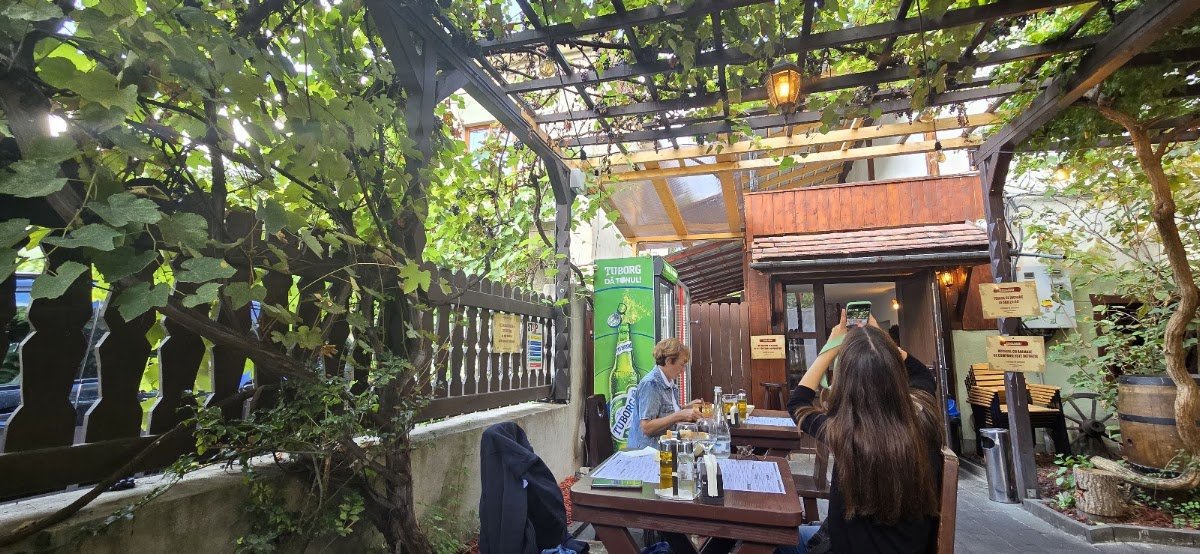
A short walk outside the historic centre on Strada Alexandru Ciurea 6, Roata ("The Wheel") is a small, homely room with a menu of Transylvanian standards. City guide In Your Pocket notes that Roata is one of the first names people in Cluj give when asked for traditional food. Try the polenta with cheese and pork crackling, any of the soups, and finish with papanași, fried doughnuts topped with sour cream and jam. Book on weekends, because it gets very full.
Carnie, zamă și tocană: The Newest Local Obsession
The name means "meat, soup and stew," and it delivers exactly that. This small restaurant on Strada Plopilor 53, west of the centre, opened in spring 2026. It pairs chef Ciprian Spancioc, known locally from his food truck days, with Mircea Groza, a culinary researcher who has spent over four decades collecting recipes from village kitchens in the Sălaj region.
Sit at the bar in front of the grill if there is no table. Ciulea's review highlights the grilled beef liver with onions and mash and a grilled pork cut that, in village tradition, went to the butcher as part of his payment at the winter pig slaughter. It comes with a trio of house mustards: honey, horseradish and charcoal. The space is tiny, so book ahead by phone or through their social pages.
Mici, Markets and Butcher Bistros
Piața Oser on Saturday Morning
Piața Oser, on Strada Bobâlnei 65, is Cluj's flea market, and every Saturday morning it fills with locals and visitors digging through tables of secondhand finds. The biggest crowd, though, gathers at the food area, where queues form for grilled mici from Someșeni. The benches are sticky and the mici are served by hand, with no restaurant fuss at all. Locals argue that this is the best way to eat them. One commenter on the Zile și Nopți mici ranking, published in July 2026, called the Oser stall by the exit "the best in the West."
Moldovan and CINA: Where Office Workers Grab Lunch
For a weekday version, head to a carmangerie, a butcher shop with a grill and a few tables. Moldovan, with a central branch on Strada Dávid Ferenc 21, is packed at lunchtime and offers mici in several blends, from classic pork to pork and beef, beef and mutton, and Black Angus. CINA in Piața Mihai Viteazul, across from Podul Traian, sells what may be the cheapest mici in town. Fries are usually only available when mici are part of the daily menu, so ask before ordering.
Order mici with mustard and bread, and a cold beer if you want the full experience.
Where Locals Go for Coffee, Brunch and Something Sweet
Cluj takes its coffee seriously, and its students keep cafés busy from morning until late.
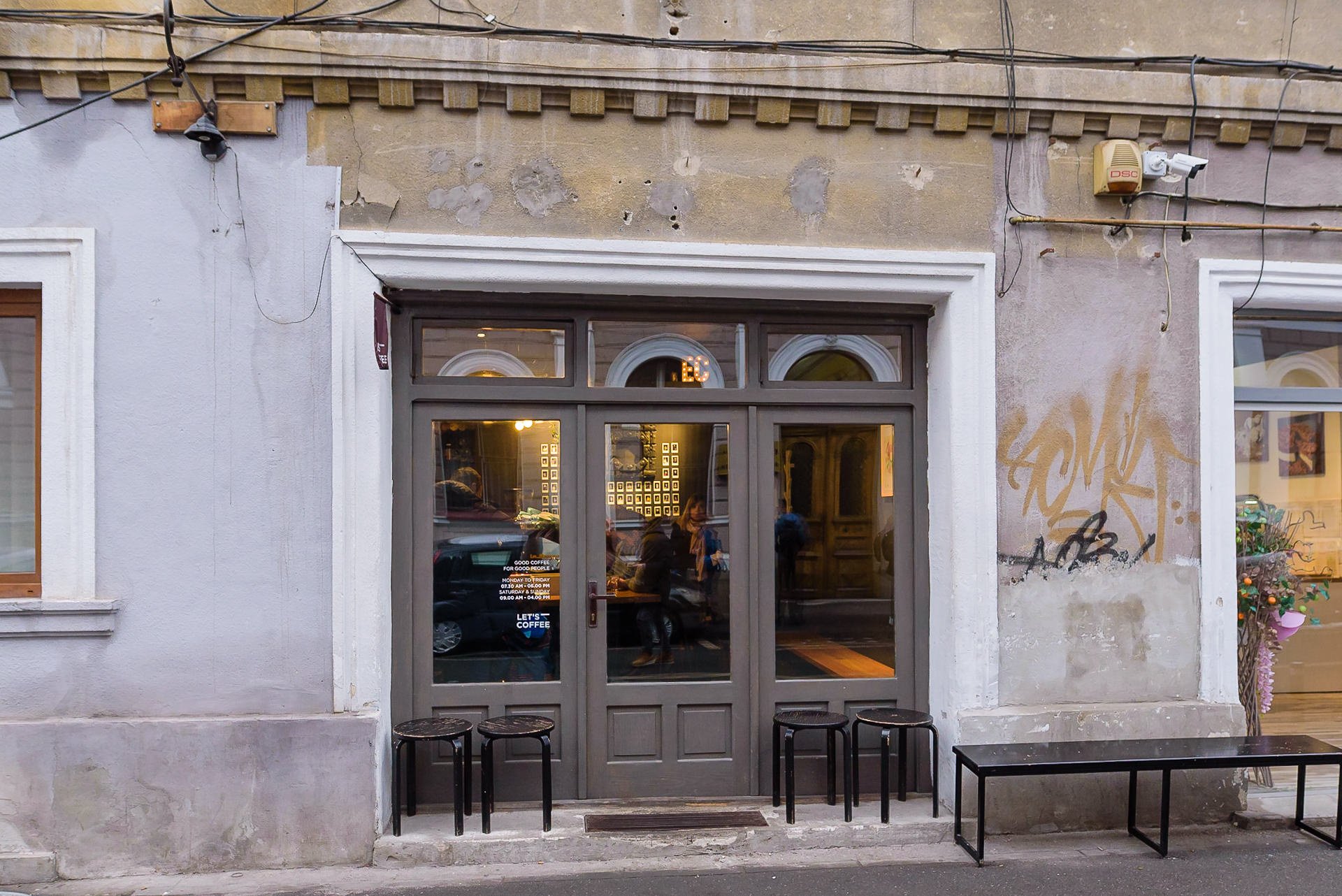
Let's Coffee on Strada Constantin Daicoviciu 8 is the address purists recommend. Olivo sits on Piața Muzeului, the oldest square in the city, and works as both café and bistro. Cuc on Strada Napoca 5 draws a crowd under 30, with the occasional daytime DJ.
For brunch, locals send friends to DOT, Eggcetera and Uou. Ciulea calls these three the holy trinity of Cluj brunch.
For dessert, ask your waiter for Doza de Cultură ("A Dose of Culture"). It is a cake created by the Daisler Association with the Cluj Cultural Centre and the local HoReCa association, and 10% of the price of every slice goes into a fund that becomes a grant for a local cultural project at the end of the year. It is only sold in Cluj, and participating restaurants vary, so you may need to ask.
Modern Cluj: Where the Chef Scene Is Going
Cluj has a small but serious modern dining scene, and locals guard a few favourites closely.
- Nativ on Strada Georges Clemenceau 3 works only with produce from local farmers. Ciulea calls their beef tartare the best he has eaten anywhere in the world.
- 1568 Bistro on Bulevardul 21 Decembrie 1989 nr. 14 serves Transylvanian dishes in a historic building opposite the Sora department store. Vegetarians should order the wild mushroom paprikash with homemade dumplings.
- Tokyo Restaurant on Strada Gheorghe Marinescu 5 is the oldest Japanese restaurant in the city. Its Japanese chef, Tsuchiya Naofumi, has trained a generation of Cluj sushi cooks, and some of them have since won at the World Sushi Cup in Japan. It is an unexpected detail in a Transylvanian food guide, and a point of local pride.
- Samsara Foodhouse on Strada Cardinal Iuliu Hossu 3 is one of the best-known plant-based restaurants in Romania.
A note for wine lovers: Ciulea admits the city has lacked a true wine bar since Bruno closed. Locals drink wine at Divino Porcello on Strada Dávid Ferenc 13, a Spanish, Italian and Romanian gastro bar, or at Visuin on Strada Universității 6.
A One-Day "Eat Like a Local" Itinerary in Cluj-Napoca
9:00 | Coffee. Start at Let's Coffee on Strada Constantin Daicoviciu, then make your way to Piața Muzeului.
10:00 | Old town on foot. Wander Strada Napoca, Strada Potaissa and the streets around Piața Muzeului before the café terraces fill.
12:00 | Lunch at Vărzărie. Varză à la Cluj with sour cream, or lucskos if it is cold outside. Arrive before the office crowd.
15:00 | Dessert break. Find a café serving Doza de Cultură, or take a slow coffee at Olivo.
17:00 | Walk it off. Climb Cetățuia Hill for the view over the rooftops, then come back down toward Strada Napoca.
19:30 | Dinner. Book Zama for modern Transylvanian, or Carnie, zamă și tocană for the grill. If you are in Cluj on a Saturday, swap lunch for mici at Piața Oser in the morning and keep Vărzărie for a weekday.
Practical Tips for Eating in Cluj-Napoca
- Book in August. During UNTOLD, the city fills up. Reserve a day ahead wherever you can.
- Look for "meniul zilei." Many restaurants offer a weekday set lunch with soup and a main, often cheaper than the à la carte menu.
- Check Sunday hours. Some local favourites close on Sundays. Fair Play on Piața 14 Iulie, which Ciulea recommends for its meatball soup, is one of them.
- Soup comes with extras. Ciorbă (sour soup) is usually served with sour cream and a hot pepper. Bite the pepper between spoonfuls.
- Tip around 10%. Leaving roughly 10% for table service is standard in Romanian restaurants.
Eat Cluj-Napoca With a Local From Lokafy
Lists only take you so far. The best food in Cluj often sits behind an unmarked door, in a butcher shop at lunchtime or at a stall that only opens on Saturdays. A Lokafyer knows which kitchen is cooking well this season, which dishes to order and how to time your day around the queues.
Lokafy tours in Cluj-Napoca are private and fully customized. Tell your Lokafyer you want to eat like a local, and they will build a walk around Transylvanian classics, market stalls, coffee spots or the new chef scene, at your pace. Tours run from 2 to 6 hours, can start from your hotel, a café or a landmark, and come with free cancellation up to 24 hours before.
Book your private Cluj-Napoca walking experience with Lokafy
Frequently Asked Questions
What food is Cluj-Napoca famous for?
Cluj-Napoca is famous for varză à la Cluj, a baked dish of layered cabbage and minced pork, served with sour cream. The city's food also blends Romanian and Hungarian cooking, so lucskos káposzta (sour cabbage soup with pork), goulash, sarmale, mici and papanași are all local staples.
Where do locals eat varză à la Cluj?
Locals send visitors to Vărzărie on Bulevardul Eroilor 37, a cabbage-focused restaurant that has been open for more than 50 years. Zama on Strada Napoca 16 serves a more modern version in a contemporary dining room.
Where can I find the best mici in Cluj-Napoca?
The most loved local option is the Saturday morning food area at Piața Oser flea market on Strada Bobâlnei 65. On weekdays, locals go to butcher bistros such as Moldovan on Strada Dávid Ferenc 21 or CINA in Piața Mihai Viteazul.
Is eating out in Cluj-Napoca expensive?
Restaurants in the old town and on Piața Unirii charge noticeably more than places a few streets away. Butcher bistros, market stalls and weekday "meniul zilei" set lunches are the cheapest ways to eat well.
Do I need reservations at restaurants in Cluj-Napoca?
For popular spots like Zama, Roata and Carnie, zamă și tocană, yes, especially on weekends and during festivals such as UNTOLD in August. Casual places like Vărzărie and butcher bistros work on a walk-in basis.
Are there vegetarian options in Cluj-Napoca?
Yes. Samsara Foodhouse on Strada Cardinal Iuliu Hossu 3 is fully plant-based, and 1568 Bistro's wild mushroom paprikash with dumplings is a local favourite. Traditional restaurants also serve bean soups and polenta with cheese.
What is the best way to explore Cluj-Napoca's food scene?
Walking is the best way, since most local favourites sit within the compact centre or a short ride away. A private walking experience with a Lokafy local lets you plan the route around your tastes and visit places most visitors miss.
Enjoyed this article?