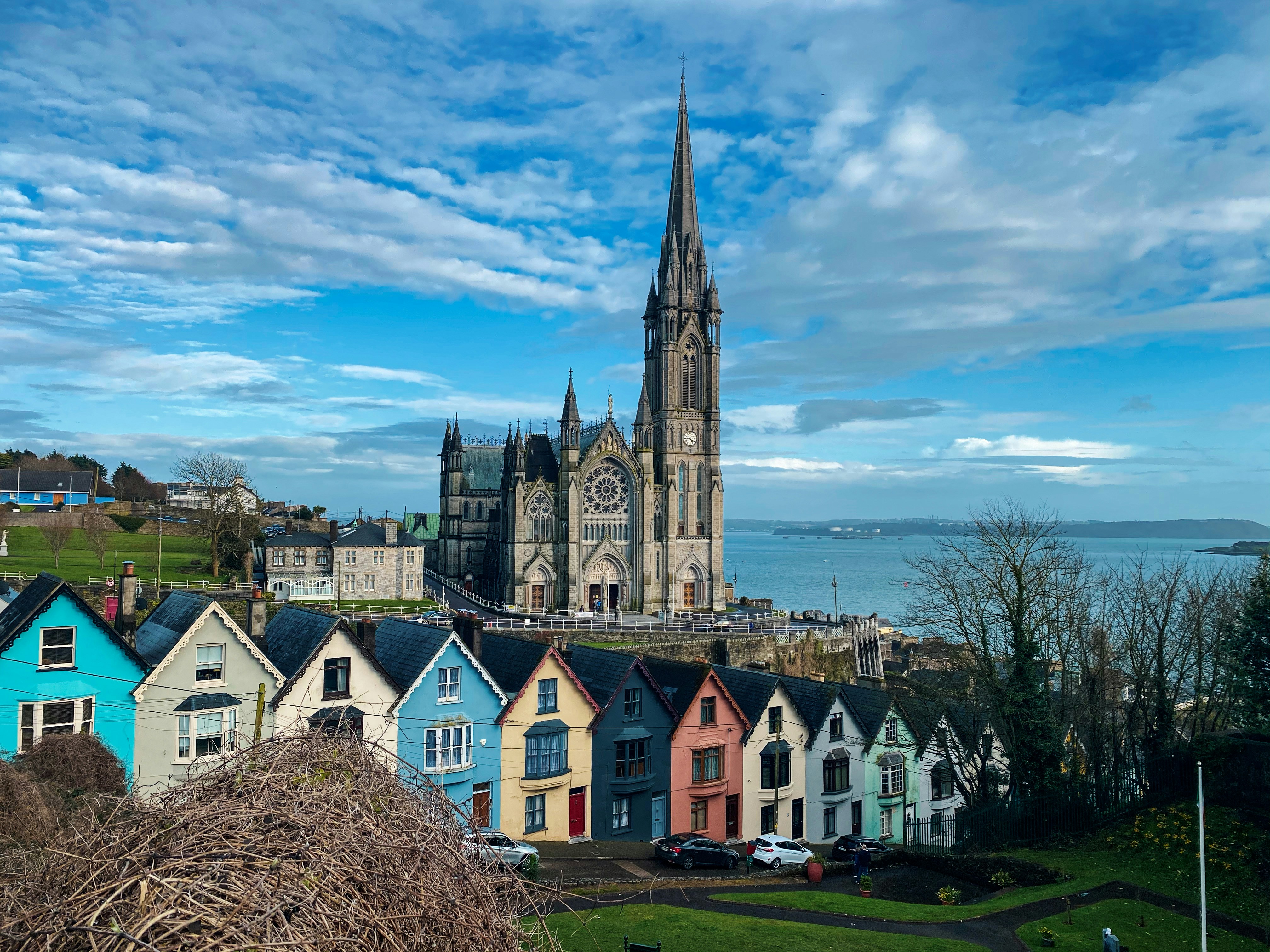
The first thing a Corkonian told me, about four minutes after I stepped off the train at Kent Station, was that I was now standing in the real capital of Ireland. He was serious. By the end of the day I had rung a set of 18th-century church bells badly, eaten spiced beef out of paper at 10 in the morning, got lost twice on hills I did not know Cork had, and ended up in a pub on Coburg Street where a fiddler, a box player and a man with a bodhrán played for three hours without once looking at the clock. I left thinking he had a point. Cork is small enough to walk in a day and stubborn enough to reward you for doing it properly, and this is the route I would hand to anyone with one day and comfortable shoes.
Quick Guide: What to Do in Cork in One Day
- Primary Recommendation: Build your day around the English Market in the morning and the Shandon Bells before lunch. They sit 15 minutes apart on foot and show you the two sides of the city, the flat island centre and the steep north side.
- Top Choice for Food: The English Market, Monday to Saturday. Pro tip: get hot spiced beef from Tom Durcan's stall beside the fountain, and save the sit-down lunch for Farmgate Café on the balcony upstairs.
- Value Pick: Elizabeth Fort on Barrack Street is free to enter and gives you one of the best views of the city from its walls. Pair it with a coffee on the south side for the cheapest good hour in Cork.
- Best Evening: Dinner on Oliver Plunkett Street, then a free trad session at Sin É or The Corner House on Coburg Street.
- The Best Way to See the City: Take a private walking experience with Lokafy in Cork and discover the lanes, pubs and market stalls that never make the postcards, with a local who lives there.
Is One Day in Cork Enough?
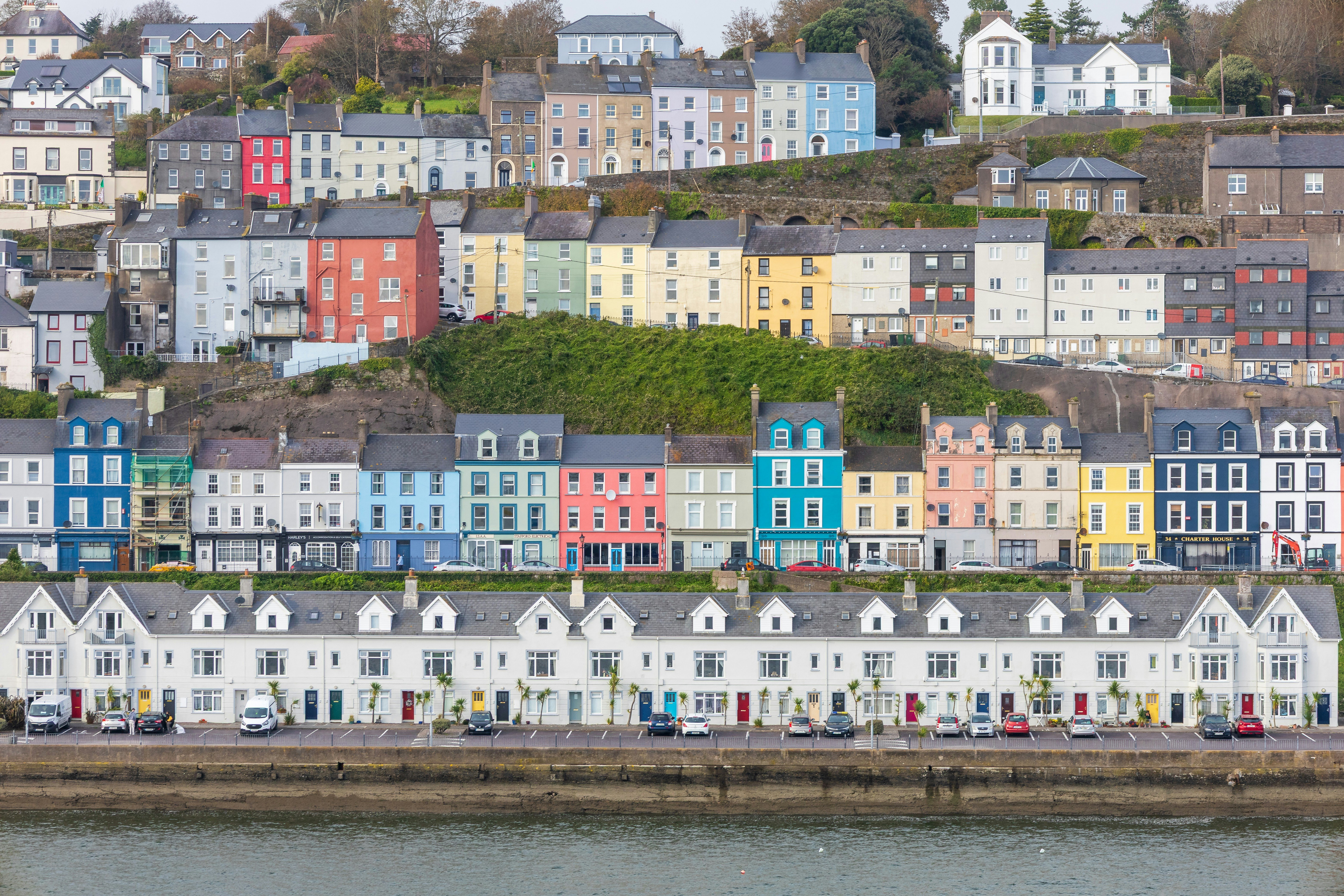
One day in Cork is enough to see the city centre properly if you stay on foot and skip the day trips. The centre sits on an island between two channels of the River Lee, and most of the places worth your time are within a 25-minute walk of each other. What one day will not give you is Blarney, Cobh or Kinsale as well. Each of those deserves its own half day, and squeezing one in turns your Cork visit into a bus timetable.
So this itinerary stays in the city. It moves from the market to the north side, down to the south side's old streets, out west if you have the legs, and back to the centre for dinner and music.
Before You Start: Things Locals Wish Visitors Knew
Don't come on a Sunday if you can help it. The English Market is closed on Sundays and bank holidays, and so is Farmgate Café upstairs. St Fin Barre's Cathedral keeps limited visiting time around services, and the Cork Public Museum is shut on Sundays and Mondays. A Sunday in Cork can still be lovely, but it needs a different plan (see the FAQ).
Cork is hillier than it looks on the map. The centre is flat, but Shandon, Barrack Street and Sunday's Well all involve proper climbs. Locals call it a city of steps for a reason.
Older guides will send you to the Crawford Art Gallery. Don't go. It is closed for a major redevelopment and the Green Room café inside has closed with it.
Bring a rain jacket instead of an umbrella. The wind off the Lee turns umbrellas inside out, and nobody in Cork carries one with any real hope.
Winter hours are shorter. From November to February, several attractions close earlier in the afternoon, and the Butter Museum opens on weekends only. Front-load your sightseeing and leave the evening for food and pubs.
Morning: Coffee by the River, Then the English Market
8.30am: Coffee at Filter on George's Quay
Start on the south channel of the Lee at Filter, a narrow coffee bar on George's Quay that has been pulling serious espresso since 2012. From the street it looks like a hallway. Inside it runs back much further than you expect, and the beans rotate between Irish and European roasters. Order whatever the barista is excited about that morning and drink it at the window bench watching the quay wake up.
From Filter, it is a five-minute walk across the river and up the Grand Parade to the market.
9am: The English Market
The English Market has been trading on this site since 1788, which makes it one of the oldest covered markets in Ireland. The name comes from the Protestant, or "English", corporation that ran the city when it opened. Go early. By late morning on a Friday or Saturday the aisles fill up, and by mid-afternoon some stalls are already selling out.
Walk the whole thing once before you buy anything, then:
- Tom Durcan Meats, right beside the fountain, is the place for Cork spiced beef. It is a Christmas tradition in most of Ireland, but here people eat it year-round, sliced thin and hot.
- O'Flynn's Gourmet Sausages has been making sausages in the market since 1921 and is on its fourth generation of the family. Get one hot in a roll.
- Look out for drisheen, a pale blood pudding that Cork is famous for and that divides the city roughly down the middle. Ask a stallholder about it and you will get a story along with the answer.
- The fish stalls are worth a look even if you're not cooking. The ice displays are the best free show in the building.
Bring a little cash. Most stalls take cards, but not every single one, and the queue behind you will not enjoy watching you find out.
Late Morning: Up the Hill to Shandon
10.30am: Ring the Shandon Bells
From the market, cross the north channel and climb towards the tower with a gold salmon on top. That is St Anne's Church in Shandon, and the weathervane fish is known locally as the "goldie fish". The tower itself is built from two kinds of stone: red sandstone on the north and east faces and white limestone on the south and west. Cork's red and white sporting colours are said to come from it.
The clock is the other celebrity. Corkonians call it the Four-Faced Liar because its four faces have historically shown slightly different times. When the clock was restored, the team kept that quirk on purpose, so the faces only agree on the hour.
Inside, you pay for the tower (adults around €6), climb 132 steps, and stop halfway to ring the bells yourself using numbered sheet music. You will be terrible at it. Everyone is. The church asks visitors to respect the neighbours and not play badly or for too long, which is a polite way of saying keep your rendition of a pop song short. Keep climbing to the top for a near 360-degree view across the city and the river.
Hours are shorter in winter (10am to 3pm Monday to Saturday from November to February, noon to 3pm on Sundays), with last entry 30 minutes before closing, which is another reason to come here before lunch.
11.30am: The Butter Exchange and North Main Street
Right below the tower is the old Butter Exchange, which in the 1800s was the largest butter market in the world. It now houses the Butter Museum, which is far more interesting than it sounds, though in winter it only opens on weekends.
Walk back towards the centre via North Main Street, the spine of the medieval city. It's scruffier than Patrick Street and much older, and if you look up above the shopfronts you start to see how narrow and crooked old Cork was.
Lunch: Two Very Different Options
Farmgate Café, English Market. Kay Harte opened Farmgate on the market balcony in 1994, convinced it wouldn't last a wet week. More than 30 years later it's still buying its ingredients from the stalls below. Grab a balcony table if you can and order whatever the stew or fish of the day is. It closes in the mid-afternoon and is shut on Sundays.
Good Day Deli, Nano Nagle Place. If you would rather eat somewhere quieter, cross the south channel to Douglas Street and walk through the entrance of Nano Nagle Place to the walled gardens at the back. Good Day Deli is a timber-and-glass café in the middle of them, with a menu built around sustainable, local produce. Locals tend to treat it as a secret, and from the street it's easy to see why: you would never guess the garden is there. It's a daytime spot and is closed on Mondays, so check before you walk over.
Afternoon: The South Side's Old Bones
2pm: Elizabeth Fort
From Nano Nagle Place, it is a few minutes' walk up to Barrack Street and the walls of Elizabeth Fort. This star-shaped fort has stood above the city since the early 1600s and has been everything from a garrison to a Garda station. It is free to enter. Climb onto the walls for a view back over the city to Shandon, which is a nice way to see where you were standing two hours ago.
Note that from October to April it's closed on Mondays and opens at noon on Sundays.
3pm: St Fin Barre's Cathedral
Five minutes down the hill is St Fin Barre's Cathedral, with its three spires. It stands roughly where Cork began, on the site of the monastery St Fin Barre founded in the seventh century. The current building is Victorian Gothic and almost absurdly detailed inside, with mosaic floors, carvings everywhere, and a gilded angel on the roof. There is a small admission fee, and it's open to sightseers Monday to Saturday.
Late Afternoon: Pick Your Own Ending
Here the day splits depending on your legs and your interests.
Option one: Cork City Gaol and Fitzgerald's Park. From the cathedral, walk west along the river for 20 to 25 minutes to Sunday's Well, where the Gaol sits up the hill looking like a castle. The cells are furnished with figures of former prisoners and their stories, and the self-guided visit takes about an hour. It's open daily, until 5pm from March to October and until 4pm from November to February. Adult tickets cost €12. On the way back, cross Daly's Bridge, which locals call the Shakey Bridge for obvious reasons once you're on it, into Fitzgerald's Park. The free Cork Public Museum is inside the park (Tuesday to Saturday only), and the riverside walk back towards town along the Mardyke is lovely in the late light.
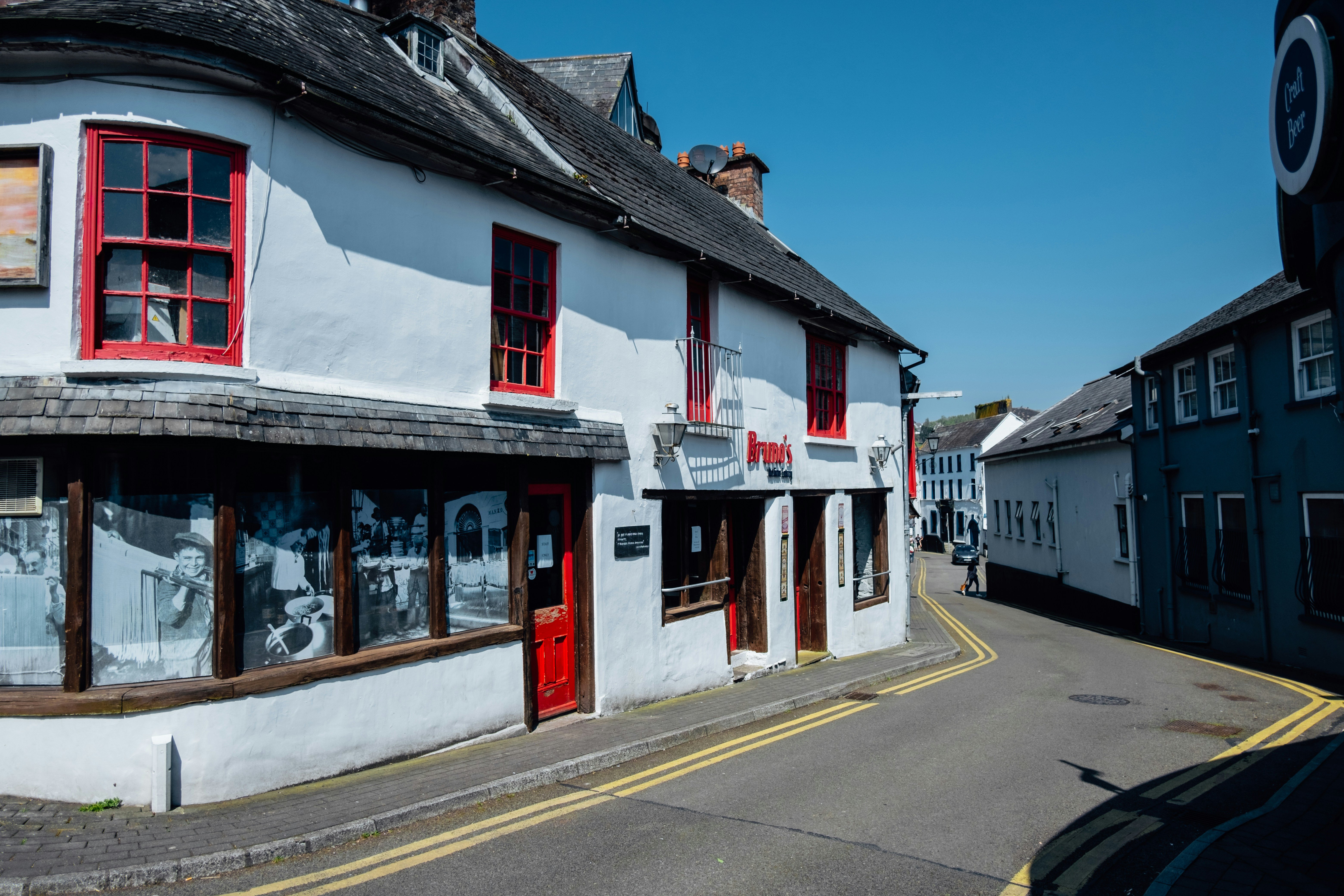
Option two: An early pint. If your feet are done, head back to the centre and find Mutton Lane Inn. It's down a narrow alley off St Patrick's Street that once led sheep into the market, hence the name. It has been a pub since 1787, there is no television, and the room is lit mostly by candles. For something hoppier, the Franciscan Well brewpub on the North Mall sits on the site of an old friary well whose water was said to have miraculous healing powers. The beer is a more reliable cure.
Evening: Dinner in the Centre
Cork takes its restaurants seriously, and on a one-day visit you should book ahead for dinner. Three options locals point visitors to again and again:
Goldie, Oliver Plunkett Street. A small, buzzing seafood restaurant from chef Aishling Moore, with a Michelin Bib Gourmand. The menu changes daily depending on what the small boats bring in, and the kitchen uses the whole fish, so expect things like cod tail schnitzel. Dinner only, closed Sundays and Mondays, and it fills up fast.
Market Lane, Oliver Plunkett Street. Open since 2007 and still one of the most dependable rooms in the city. It's over two floors, it opens every day of the week, and the menu leans on English Market produce, which ties your day together neatly.
Paradiso, Lancaster Quay. Denis Cotter's vegetarian restaurant has been open since 1993 and has a way of converting committed meat eaters. One regular on a Cork forum calls it their go-to birthday dinner. It's a short walk west of the centre, dinner only, Tuesday to Saturday.
Night: Trad Music on Coburg Street
Finish on the north side of the river, on Coburg Street, where two of Cork's best-loved music pubs stand side by side.
Sin É is small, crowded and hosts trad sessions seven days a week, more each week than any other pub in Cork, according to the pub itself. As part of Cork's free Lee Sessions series, music usually starts around 9pm, with earlier sessions on some days. Get a pint, find a corner, and don't talk loudly over the musicians.
The Corner House next door is roomier, with turf fires in winter and Lee Sessions on several nights a week. If Sin É is packed to the door, which it often is on weekends, try here.
Either way, this is where the day lands: a full pint, a warm room, and a tune you will be humming on the walk home.
Arriving by Cruise Ship? A Shorter Version
Most cruise ships dock in Cobh, and the train station is directly opposite the cruise terminal. The train to Cork's Kent Station takes about 25 minutes, and from Kent it is around a 10-minute walk into the centre.
With five or six hours, drop the Gaol and the trad session and do this instead: the English Market, Shandon, lunch at Farmgate, then Elizabeth Fort and St Fin Barre's, finishing with a pint at Mutton Lane before the walk back to Kent. Check the return train times before you leave the ship, and give yourself a buffer. The ship will not wait for the 4.30.
Getting Around Cork in a Day
- On foot: Everything in this itinerary is walkable. Wear shoes with grip, since the hills get slippery in the rain.
- From Cork Airport: Bus Éireann routes 225 and 226 run from the airport to Parnell Place Bus Station and Kent Station. They run every 30 minutes on weekdays and hourly on Sundays and public holidays.
See Cork with a Local on Lokafy

A map gets you to the English Market. A local tells you which stallholder will give you a taste of spiced beef before you buy, which lane cuts five minutes off the climb to Shandon, and which pub on a given night has the best session going.
That is what a Lokafy experience in Cork is built around. You walk with a local who lives in the city, at your own pace, and the route bends around what you care about: food, history, pubs, or the side streets that most visitors never find. It's private, so it's only you and your group, and it works for a few hours between trains or as the opening act for the itinerary above.
Take a private walking experience with Lokafy in Cork and see the city the way the people who live there see it.
FAQs: One Day in Cork
Is one day in Cork enough?
Yes, one day is enough to see Cork city centre well if you stay on foot. The English Market, the Shandon Bells, Elizabeth Fort, St Fin Barre's Cathedral and Cork City Gaol all sit within about 25 minutes' walk of each other. One day is not enough to add Blarney, Cobh or Kinsale as well, so save those for a second day.
What is the best thing to do in Cork with only a few hours?
Go to the English Market and then walk up to the Shandon Bells. The market shows you how Cork eats, and the tower gives you the best view of the city, plus the chance to ring the bells yourself. Together they take about two and a half hours, including a snack of spiced beef.
Is the English Market in Cork open on Sundays?
No. The English Market is open Monday to Saturday and closes at 6pm. It's closed on Sundays and bank holidays, and some traders keep shorter hours within that window, so go in the morning for the best choice.
What can you do in Cork on a Sunday?
Make the most of the places that do open. Shandon Bells and Elizabeth Fort both open from noon, and Cork City Gaol is open daily. Good Day Deli at Nano Nagle Place serves brunch on Sundays, Market Lane is open for dinner every day, and Sin É has trad music seven nights a week. Skip the English Market and the Cork Public Museum, which are closed.
Can visitors ring the Shandon Bells?
Yes. Visitors pay for access to the tower at St Anne's Church in Shandon and can ring the bells using numbered sheet music on the way up the 132 steps. Admission for adults is around €6, and the church asks visitors to play considerately for the neighbours.
Is Cork worth visiting from a cruise ship in Cobh?
Yes. The train from Cobh to Cork Kent Station takes about 25 minutes and leaves from opposite the cruise terminal. With five or six hours you can see the English Market, the Shandon Bells, Elizabeth Fort and St Fin Barre's Cathedral, and still have time for lunch.
What food is Cork known for?
Cork is known for spiced beef, drisheen (a local blood pudding), butter (the city's Butter Exchange was once the largest butter market in the world), and the produce sold in the English Market. Tom Durcan's spiced beef and O'Flynn's sausages are two of the market's best-known stalls.
Enjoyed this article?