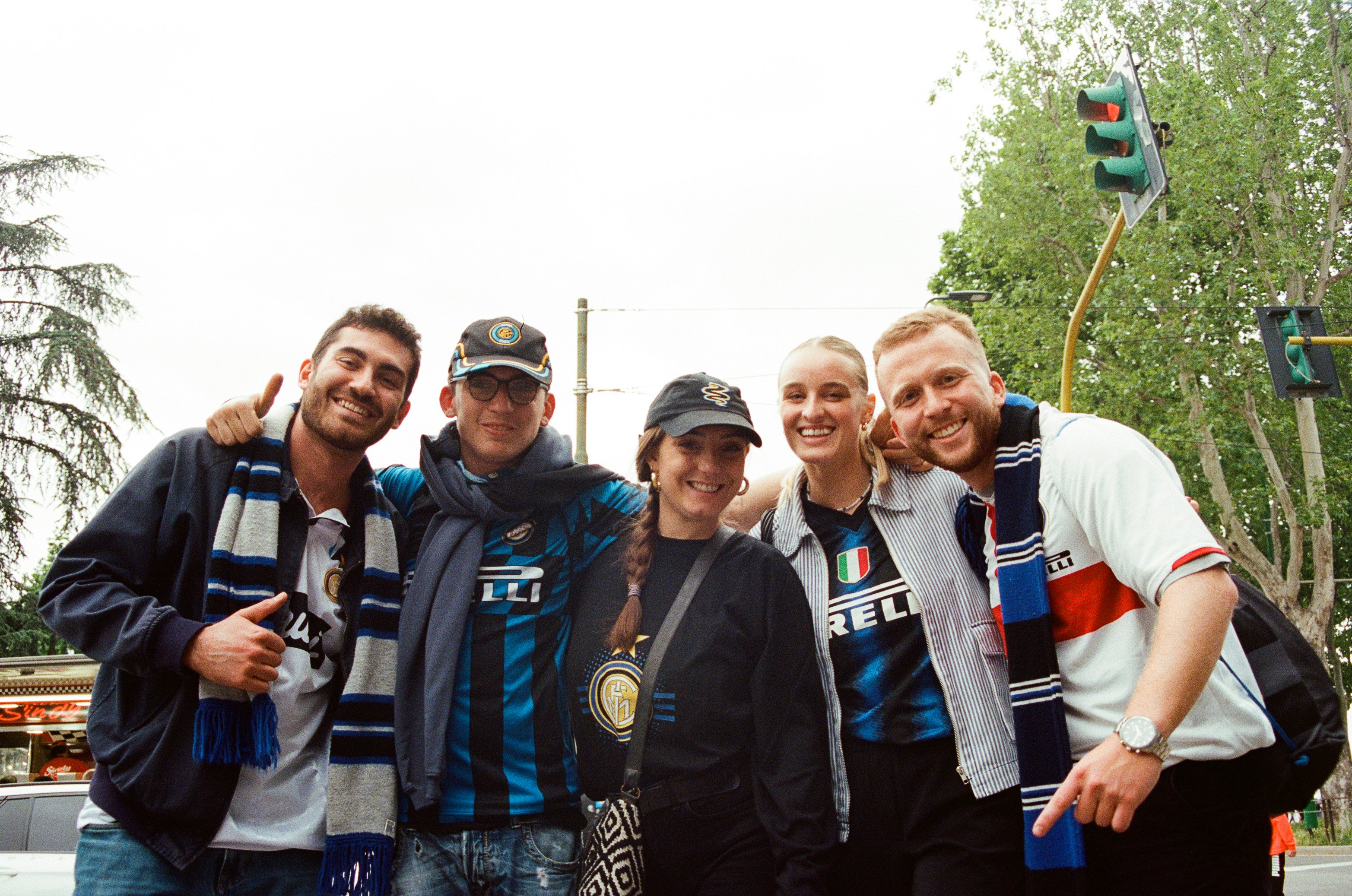
Let me tell you something about football tournaments and the cities that host them. I learned it the hard way in South Africa in 2010, I flew home two days after the final. I have been kicking myself ever since.
There is a version of a host city that exists only during a tournament. The fan zones, the giant screens, the streets that become rivers of colour every time a goal goes in, it is a genuinely extraordinary thing to witness. But there is another version that was there long before FIFA showed up and will be there long after the last trophy selfie gets posted. It is the version that locals actually live in. And most visiting fans never see it, because most visiting fans leave the moment the football stops.
The 2026 World Cup ran from June 11 to July 19 across 16 cities spanning the United States, Canada and Mexico, the first tournament in history to be co-hosted by three nations. That meant New York and Los Angeles and Mexico City and Vancouver, yes, but also Kansas City and Philadelphia and Guadalajara and Monterrey. Cities that do not often appear on international itineraries. Cities with proper, layered, surprising lives of their own.
You were there for the football. Millions of people were. But now that MetLife Stadium has gone quiet and the confetti is being swept off the New Jersey turf, what comes next?
The answer is simpler than you might think: stay a little longer, go a little deeper, and actually see the place you just spent two weeks in. This is a city-by-city breakdown of where to go next.
A Quick Guide to Post-World Cup Exploration
Here are five ways to make the most of your extended time in a World Cup host city, or any city you pass through on your way home.
- Go where the tourists left. Every host city had a tourist circuit during the tournament. The locals had a completely different one. Ask someone who actually lives there where they eat, where they drink, and what neighbourhood they never want to leave. That is the city you have not seen yet.
- Slow down in one city instead of rushing between three. Pick one place and spend a week in it. You will learn more in seven days of genuine exploration than in three weeks of match-day tourism.
- Use a local as your guide, not an app. Google Maps will take you to the highest-rated tourist attraction. A local will take you to the place they go every Sunday.
- Book a Lokafy experience before you leave. Lokafy connects you with a local in your city who shows you the version of the place they actually live in. This is the most direct path from tournament fan to genuine traveller.
Why Post-World Cup Is the Best Time to Explore
A quick note before we get into cities. There is a structural reason why staying after the tournament is not just romantic but genuinely practical.
During a World Cup, host cities run hot. Hotels charge peak rates. Reservations at good restaurants fill up weeks in advance. The best local spots get overwhelmed. The neighbourhood coffee shop that a local calls their favourite morning ritual suddenly has a queue out the door full of people who found it on a fan forum.
Once the tournament ends, all of that reverses. Accommodation prices fall sharply. The queues disappear. The bartender who was making ten times her normal volume of drinks finally has time to tell you what she actually recommends. The city you came to visit becomes, for the first time, actually visitable.
You also get a different relationship with the place. During match days you are a fan first and a traveller second. Once the football is over, you get to just be curious. That curiosity is where the real travel happens.
New York / New Jersey
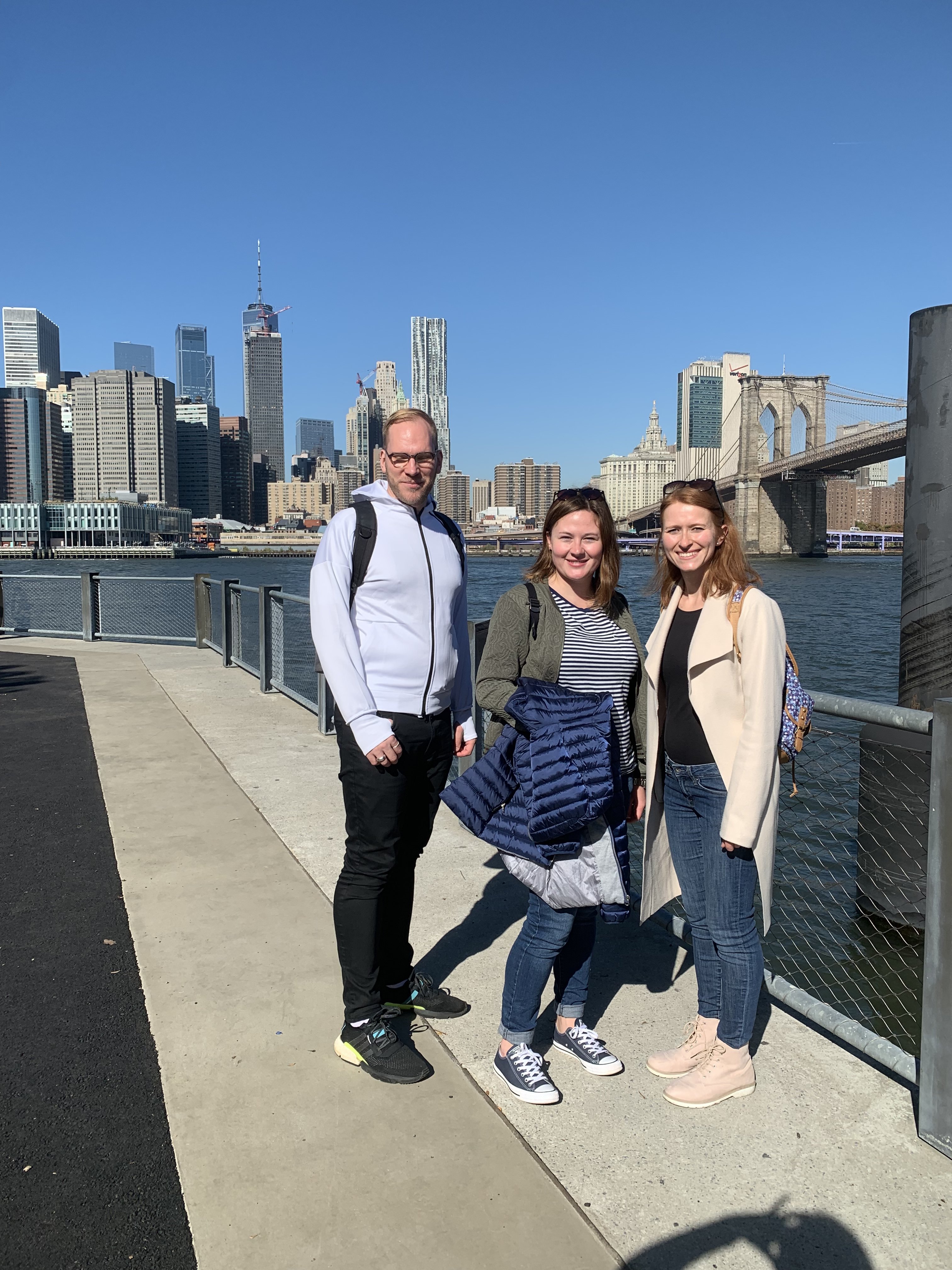
MetLife hosted the final. It also hosted more matches than any other stadium in the tournament. The New York area saw more visiting fans pass through it than anywhere else on the host city list, which means the local scene there was more overrun, and more relieved when it quietened down again, than practically anywhere else.
The tourist version of New York is exhausting and expensive and honestly not that interesting once you have done it once. The local version is one of the most layered cities on earth.
The Roosevelt Island Tram at 59th Street and Second Avenue is one of those New York things that locals use and tourists miss entirely. It gives you an aerial view of the city that no rooftop bar can match, and once you get to the island itself you can walk around in near-complete peace. The Welling Court Mural Project in Astoria is an outdoor gallery of more than 40 murals covering two blocks, updated annually, that most Manhattan-focused visitors never find. And The Cage on Sixth Avenue in the West Village, a chain-link basketball and handball court where some of the best street ball in the city happens, is a genuine New York experience that costs nothing and is different every single time. Grab a slice from Joe's Pizza across the street and watch the city do what it actually does.
Worth the trip as well: Yunnan Rice Noodle House in Chinatown, open 24 hours, enormous bowls, no tourist tax on the prices. The Conservatory Garden in Central Park, which is one of the quietest green spaces in Manhattan and virtually unknown to anyone who does not already live nearby.
Los Angeles
Los Angeles is easy to explore badly. You can spend a week there, cover a lot of miles, and come away feeling like you saw nothing but traffic and Instagram locations. The city rewards patience and neighbourhood-level curiosity more than almost any other place in the United States.
Silver Lake and Highland Park are where a large proportion of working Angelenos actually spend their leisure time. They are not secret, but they are a world away from the Hollywood tourist circuit that most visiting fans defaulted to during the tournament.
Elbow Room is the bar that bartenders go to on their days off. That is never an accident. It is unpretentious, good, and full of people who know their drinks. Olvera Street, the oldest neighbourhood in Los Angeles, is one of those places that locals genuinely love and that somehow never loses its character despite being technically very accessible.
The Griffith Park Old Zoo is a decommissioned zoo hidden behind the current one, its old cages and enclosures now overgrown and free to wander through. Genuinely strange and wonderful.
Worth the trip as well: Lake Hollywood Park, a reservoir walk with a head-on view of the Hollywood sign that most tourists never find because it involves a five-minute drive off the main route. The LA Flower District downtown, open before sunrise, where the entire city's florists do their shopping.
Mexico City
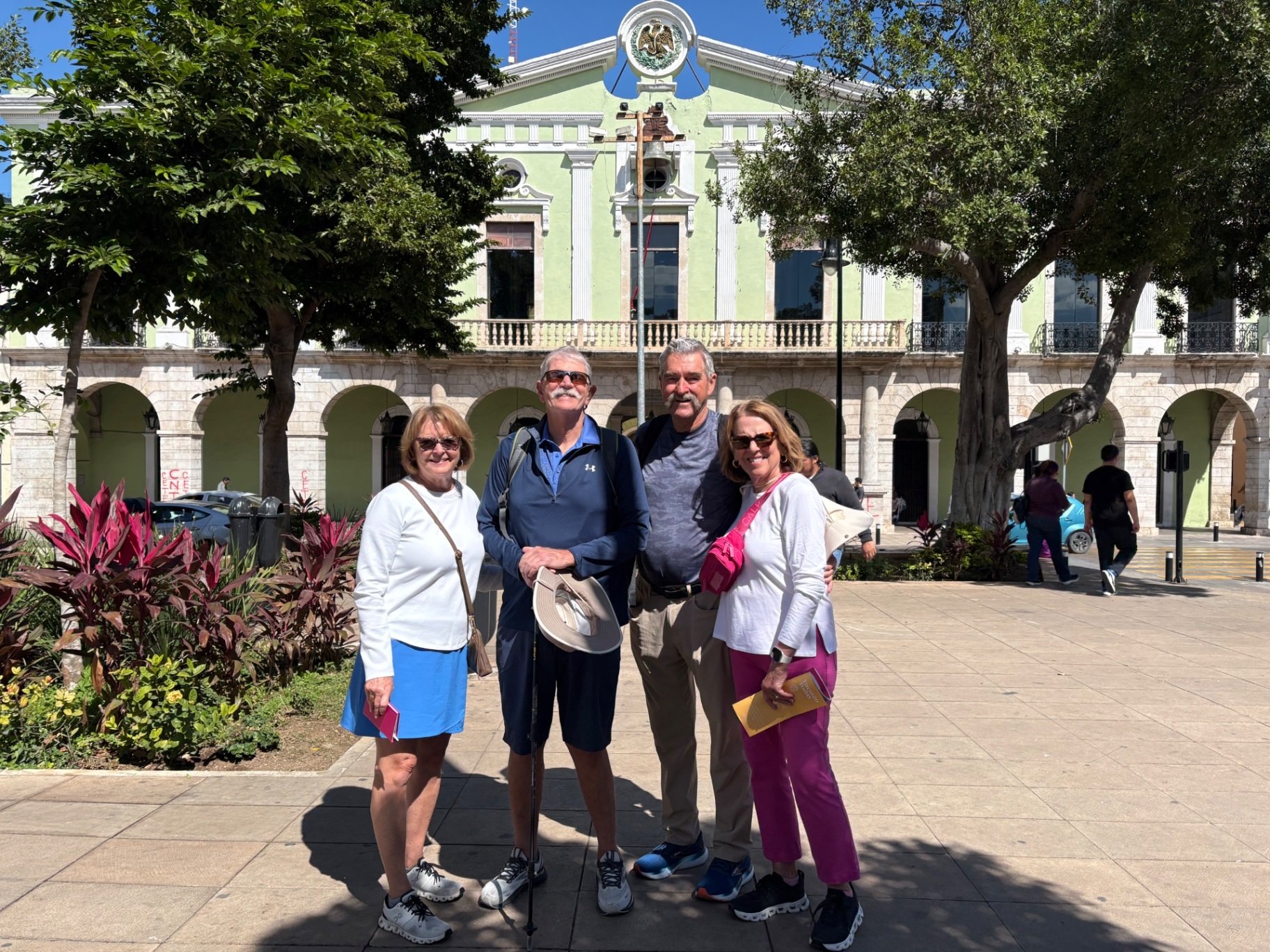
If there is one city in the 2026 host list where the gap between tourist experience and local experience is widest, it is Mexico City. The historic centre, the museums, the pyramids, all worth seeing. But the city that people who live there actually love is found in Roma Norte, in Condesa, in Coyoacan, in the markets and mezcalerias and neighbourhood parks that most visiting fans cycled through without stopping.
Mexico City also has the best food culture of any World Cup 2026 host city. This is not really a controversial opinion. The depth and range of what you can eat here, from street tacos at four in the morning to some of the most technically accomplished restaurants in Latin America, is extraordinary.
Zinco Jazz Club is a small, dark, intimate venue in the basement of a 1930s art deco building in the historic centre. One of the best live jazz programmes in Latin America, mostly known to people who already know. Churrería El Moro on Eje Central has been open since 1935 and makes the best churros in the city, which is saying something. Go late, it is a 24-hour operation and the light inside feels like 1950. The Lago Menor in Chapultepec Forest is a lake surrounded by ancient ahuahuete trees, with rowing boats for hire, and on a weekday morning it is as peaceful as the city ever gets. The trajineras in Xochimilco, the famous flower-covered canal boats, are technically a tourist attraction, but locals go too, especially on Sunday mornings with food and good company.
Worth the trip as well: the neighbourhood of Coyoacan on a Saturday, specifically the Mercado de Artesanias, which is less frantic than the markets in the centre and genuinely stocked with things worth buying. Huerto Roma Verde, an urban garden in the Colonia Roma that runs community events, sells organic produce and functions as a genuine neighbourhood resource in a city where green space is hard-won.
Toronto
Toronto is one of those cities that confuses people who expect it to be like New York. It is not. It is quieter, more genuinely multicultural in the street-level sense, and significantly more liveable. The tourist version, CN Tower, Distillery District, Harbourfront, is fine. The local version is in neighbourhoods like Kensington Market, Roncesvalles, and Little Portugal, where the density of good food and interesting small businesses per block is as high as anywhere in North America.
Kensington Market is the neighbourhood that every Toronto local mentions when asked where visitors should actually go. It is a patchwork of vintage shops, independent grocers, food stalls from dozens of countries and small bars that feel entirely uninterested in tourism. Roncesvalles is the Polish-Canadian neighbourhood to the west that has slowly become one of the city's most pleasant streets for a Saturday afternoon wander and lunch. Bellona Kitchen is worth seeking out for its vegan Italian food, fresh pasta and pizza with none of the health-food self-congratulation that can make that category annoying.
Worth the trip as well: the islands just off the Toronto waterfront, accessible by a short ferry, where the city opens up into something more like a cottage weekend. Largely unknown to anyone who did not know Toronto before the tournament.
Vancouver
Vancouver gets written about mostly in terms of mountains and Stanley Park and sea-to-sky scenery, all of which is real and genuinely spectacular. But the city itself has a lot more texture than the outdoor adventure brochures suggest. The east side of Vancouver, Commercial Drive, Mount Pleasant, the stretch of Main Street that runs south from downtown, is a different city from the one most fans saw when they came in for tournament matches.
Coffizen Coffee Roasters in the Edmonds neighbourhood is the kind of place you would never stumble on unless someone told you about it: house-roasted beans, a drink called the aerocano that does not appear on chain coffee shop menus, a working neighbourhood vibe completely removed from the tourist waterfront. Ngon Cafe for Vietnamese food, banh mi, fresh salad rolls, and a coconut coffee that regulars specifically flag as something not to miss. Mount Pleasant, Vancouver's arts and alternative culture hub, has indie record shops on Main Street where vinyl collectors and the staff who love them are genuinely happy to talk for an hour.
Worth the trip as well: the North Shore mountains are an easy drive from downtown and largely deserted on weekdays once the summer tourist rush has subsided. Jericho Beach on the west side, where a colony of rabbits has established itself in the blackberry bushes, a genuinely unexpected thing to find twenty minutes from the city centre.
Boston
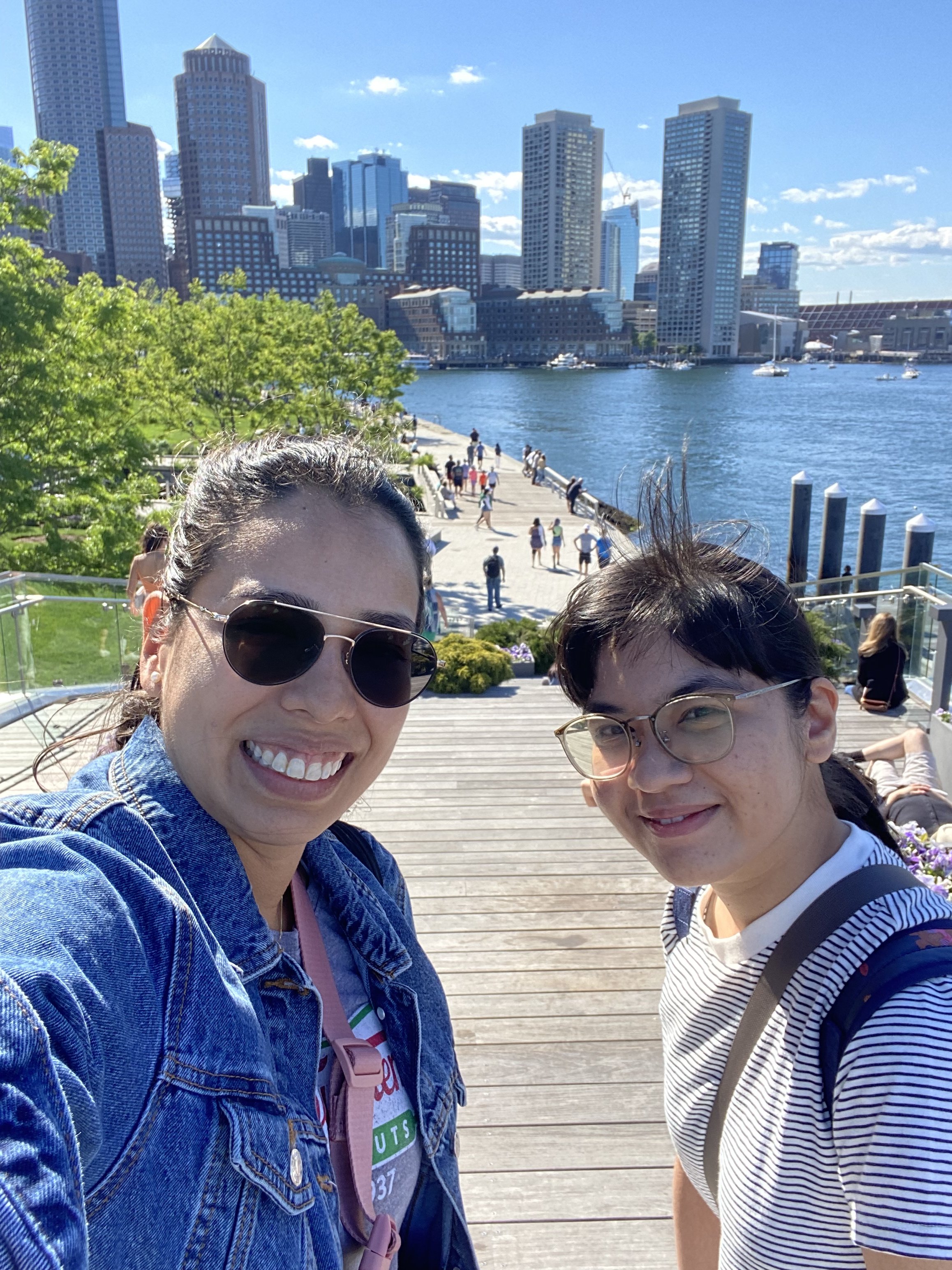
Boston is a city that punches above its weight on food, history and neighbourhood character. The Freedom Trail exists and is worth doing once. But the local version of Boston runs through Jamaica Plain, through the South End, through the North End's side streets rather than just Hanover Street.
Red's Best at Boston Public Market is where serious seafood shoppers go, fresh clam chowder, lobster rolls, local catch direct from New England fishing boats. It is not a tourist restaurant. It is a market stall where locals buy their fish. Bricco Panetteria is a hidden bakery in the North End, the Italian neighbourhood, doing artisan bread and pastries in a space that feels like a side street in Naples rather than a tourist corridor. Sabina Mezcaleria is Boston's first mezcal bar, with live salsa and a Latin jazz brunch on weekends, operating in a city that does not always get credit for how good its nightlife can be.
Worth the trip as well: Jamaica Plain, accessible on the Orange Line, is a genuine neighbourhood with a farmers market, great parks and the kind of independent restaurant scene that Back Bay prices have mostly squeezed out of the city centre.
Philadelphia
Philadelphia gets undersold as a World Cup destination because it sits in the shadow of New York. That is Philadelphia's permanent condition and also, honestly, a feature for the visiting traveller. It is cheaper, calmer, and in several respects more interesting than the city two hours up the Northeast Corridor.
The Reading Terminal Market is legitimately one of the best food markets in America and has been for over a century. The mural arts programme has turned entire neighbourhoods into outdoor galleries. The food in South Philly bears no resemblance to the cheesesteak caricature that precedes the city's reputation.
The Pennsylvania Academy of Fine Arts is one of the most beautiful and most overlooked museum buildings in the United States, a Victorian Gothic landmark on Broad Street that most visitors walk past on their way to somewhere else. The Clay Studio in Old City anchors the city's ceramics scene with classes, exhibitions and a rooftop terrace with skyline views. Calder Gardens on the Ben Franklin Parkway is an immersive sculpture space unlike anything else in the city and genuinely unlike anything else in American museum culture.
Worth the trip as well: Fishtown, which has become one of the most interesting restaurant and bar neighbourhoods in the American Northeast. The Italian Market in South Philly on a Saturday morning, which has been operating continuously since the late 1800s.
Miami
Miami during the World Cup was Miami at its loudest, which is saying something. The post-tournament version is still warm, still beautiful, and significantly more manageable.
The tourist version of Miami is South Beach and Ocean Drive and the Art Deco District. All worth an afternoon. The local version is in Wynwood, in Little Havana, in the Design District, and in the residential neighbourhoods of Coconut Grove where working Miamians actually eat and drink.
Walk Calle Ocho in Little Havana on a weekend morning. The domino players at Maximo Gomez Park have been there every day for decades and the coffee at any of the ventanita windows along the street costs a dollar and tastes extraordinary. Wynwood's murals are by now famous enough that the neighbourhood itself has become touristy, but the side streets around the main walls still have enough independently-run bars and studios to reward an afternoon wander.
Worth the trip as well: the Everglades, a 45-minute drive from downtown, are one of the great wild places in North America and almost no one who visits Miami for a sporting event bothers to go. An airboat tour out of Everglades City is the kind of afternoon that rearranges your sense of what Florida actually is.
Atlanta
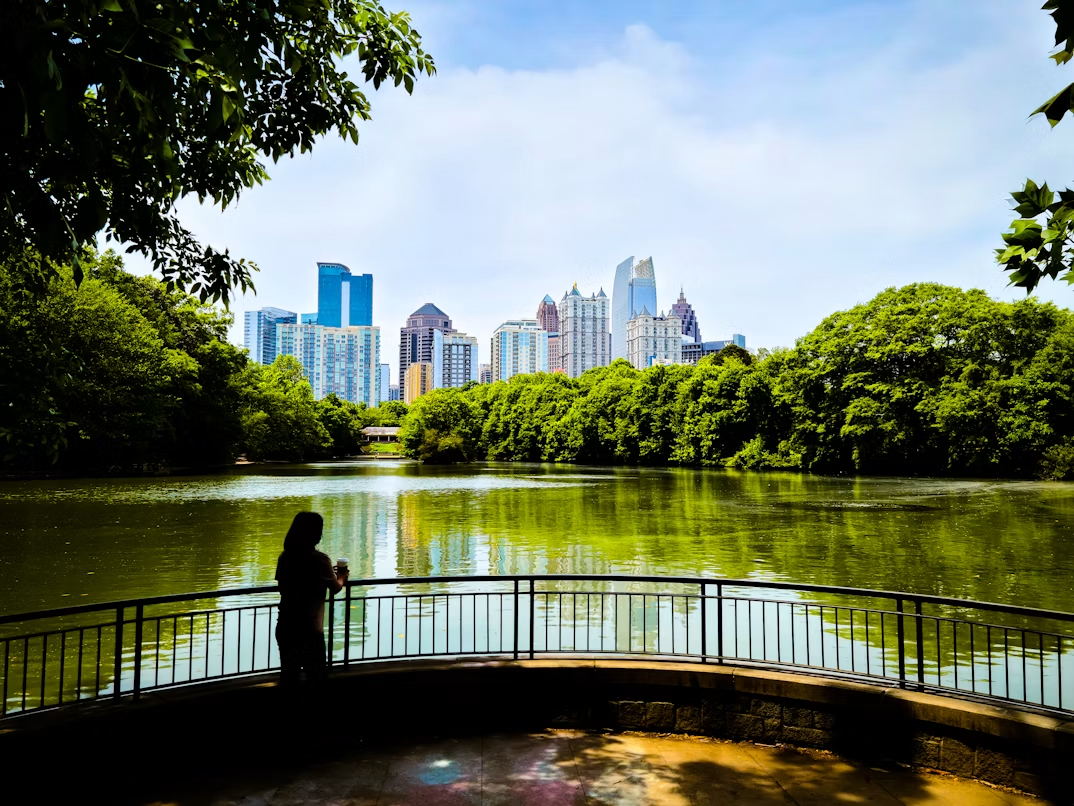
Atlanta has an extraordinary food culture, specifically for barbecue, for Southern cooking, and for the kind of all-day neighbourhood restaurant that barely exists in the Northeast anymore. It also has a Black cultural history that is deep, significant and increasingly well-served by museums and neighbourhood spaces that have opened in the last decade.
The BeltLine is an old railway corridor that has been converted into a multi-use trail connecting about 45 Atlanta neighbourhoods. On a weekday morning after the tournament crowds have left, it is as good a way to understand how the city is actually structured as anything else you can do. Ponce City Market in the Old Fourth Ward is a renovated Sears building now full of small restaurants, food stalls and independent shops, reliably full of actual Atlantans. The National Center for Civil and Human Rights, near Centennial Olympic Park, is one of the most important museums in the American South and consistently underestimated by visitors who make it only as far as the aquarium next door.
Dallas
Dallas is easy to misjudge. It is often reduced to its Texan clichés, which is a shame because the city has a genuinely interesting arts scene, some of the best Mexican food in the United States, and a neighbourhood called Deep Ellum that has been the centre of the city's live music culture for most of a century.
Deep Ellum is where you go for live music, independently-run bars and the kind of late-night energy that downtown Dallas does not quite manage. Bishop Arts District in North Oak Cliff is a walkable neighbourhood of independent restaurants and coffee shops that feels entirely un-Texan in the best possible way. The Dallas Museum of Art is free to enter and houses a collection that is seriously underrated, the design and decorative arts wing alone is worth an afternoon.
Houston
Houston is the city that surprises people most on this list. It is the most ethnically diverse major city in the United States and the food reflects that in a way that visitors who only see the airport and NRG Stadium completely miss. Vietnamese, Tex-Mex, Nigerian, Indian, Lebanese, the breadth of what Houston does with food is legitimately extraordinary.
The Museum District has 19 museums within walking distance of each other, several of them free. The Menil Collection is one of the great private art museums in the world, intimate, beautifully laid out, and reliably uncrowded. Afterward, walk through the Menil neighbourhood, which is one of the most quietly pleasant residential areas in Houston. Chinatown on Bellaire Boulevard is actually a pan-Asian neighbourhood and one of the best places in the city to eat, both in restaurants and from the food stalls that operate out of strip mall parking lots.
Kansas City
Kansas City is the host city that most international visitors knew least before the tournament. It is also, by several accounts, the one that surprised people most. The city has serious barbecue, a genuinely vibrant arts scene centred around the Crossroads district, and a football culture, proper football, the kind with a round ball, that has been building for decades around Sporting KC.
The Crossroads Arts District is where Kansas City's galleries, studios, independent restaurants and live music venues have clustered since the early 2000s. The First Fridays art walk, when the galleries open their doors and the neighbourhood fills up, is worth timing a visit around. Joe's Kansas City Bar-B-Que is frequently cited as one of the best barbecue restaurants in the country and is located in a petrol station, which is either a red flag or a very good sign depending on your experience with barbecue.
San Francisco / Bay Area
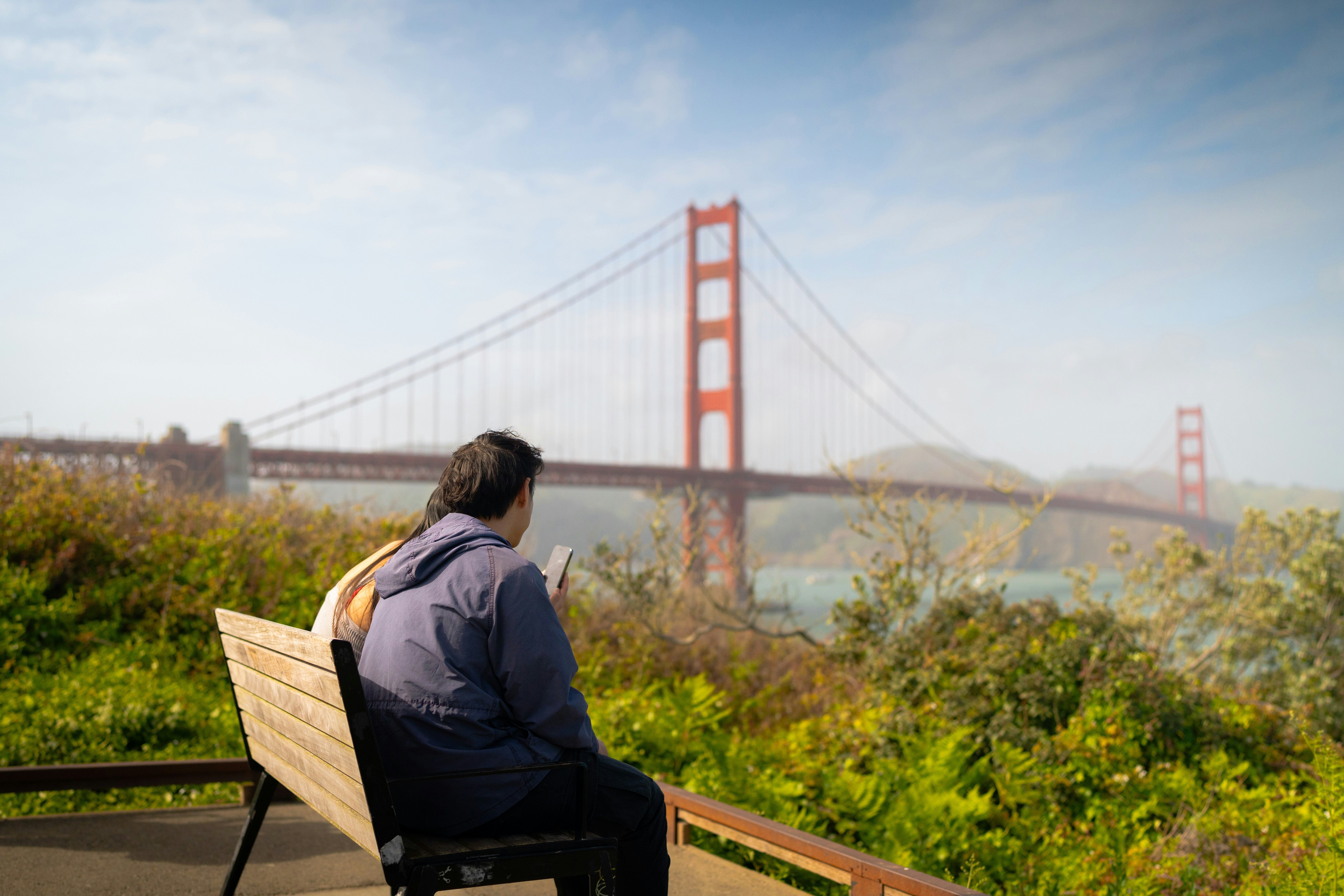
San Francisco is a complicated city right now and honest visitors should engage with that complexity rather than skimming the surface. But it remains one of the most beautiful urban environments in North America and the Bay Area as a whole, including Oakland and Berkeley, offers a range of neighbourhood experiences that the official tourist circuit barely touches.
Lloyd Lake in Golden Gate Park is a quiet spot most park visitors walk past on their way to the Japanese Tea Garden. The historic Portals of the Past columns beside the lake are what remains of a Nob Hill mansion destroyed in the 1906 earthquake, a strange and affecting thing to stumble on. San Francisco City Hall is open to the public and worth walking into just to stand under the dome, which is taller than the US Capitol's. It costs nothing. The maritime museum at Hyde Street Pier is a genuine alternative to Fisherman's Wharf, the historic ships moored there are the real thing and the crowds are a fraction of what you get two blocks away.
Worth the trip as well: Oakland's Temescal neighbourhood for a food and coffee scene that is arguably more interesting than anything across the bay. The ferry from the Ferry Building to Sausalito for one of the best approaches to a small town in the Bay Area.
Seattle
Seattle is one of those World Cup host cities where the local food and coffee scene is so strong that the gap between tourist version and real version is almost embarrassingly wide. Pike Place Market is fine. The original Starbucks is a queue for a photo. What Seattle actually does, the coffee, the seafood, the neighbourhood bars, the bookshops, is in the neighbourhoods.
Fremont Coffee Company is built inside a converted house with a multi-level outdoor patio. It is the kind of coffee shop where people actually live for hours and it bears no resemblance to the branded experience you get downtown. JarrBarr has been called the best little bar in Seattle and is entirely the sort of place you find through word of mouth from a friend of a friend. FlintCreek Cattle Co is a steakhouse with a serious approach to sourcing and cocktails that is particularly good on a rainy Seattle evening, of which there are many.
Worth the trip as well: the ferry to Bainbridge Island takes 35 minutes from downtown and puts you in a completely different world. The drive up to the Snoqualmie Falls, about 30 miles east of the city, is brief, beautiful and almost entirely free of the crowds that the more famous drives attract.
Guadalajara
Guadalajara is the Mexican city that visitors overlook in favour of Mexico City, which is a consistent mistake. It is the home of tequila, mariachi and one of the best food scenes in the country, built around the birria, the torta ahogada and the tejuino that you will find at every market and street corner.
The Mercado San Juan de Dios is the largest covered market in Latin America and operates on a scale that is initially disorienting and eventually completely absorbing. Tlaquepaque is the artisan neighbourhood on the southern edge of the city where ceramics, blown glass and silverwork are made and sold in studios rather than souvenir shops. The Cabañas Cultural Institute in the historic centre, a UNESCO World Heritage site, has José Clemente Orozco murals on the ceiling of the main chapel that are among the great works of Mexican art and are almost never as crowded as they deserve to be.
Monterrey
Monterrey is the industrial capital of northern Mexico and presents itself differently from the country's other World Cup hosts, brasher, more modern, closer in feel to the US border cities than to central Mexico's colonial urban centres. It is surrounded by mountains in a way that makes it visually spectacular from almost every angle.
The Parque Fundidora, built on the grounds of a former iron foundry, is a genuinely extraordinary urban park, vast, industrial in its bones, full of museums, outdoor spaces and a skating rink in winter. The Barrio Antiguo is the old quarter of the city and the centre of its nightlife, with mezcal bars and live norteño music and the kind of street energy that does not require a guidebook to navigate. The cable car up to the Parque Ecológico del Chipinque, in the mountains south of the city, takes you above the heat of the valley and into pine forest in about twenty minutes.
Explore Like a Local with Lokafy
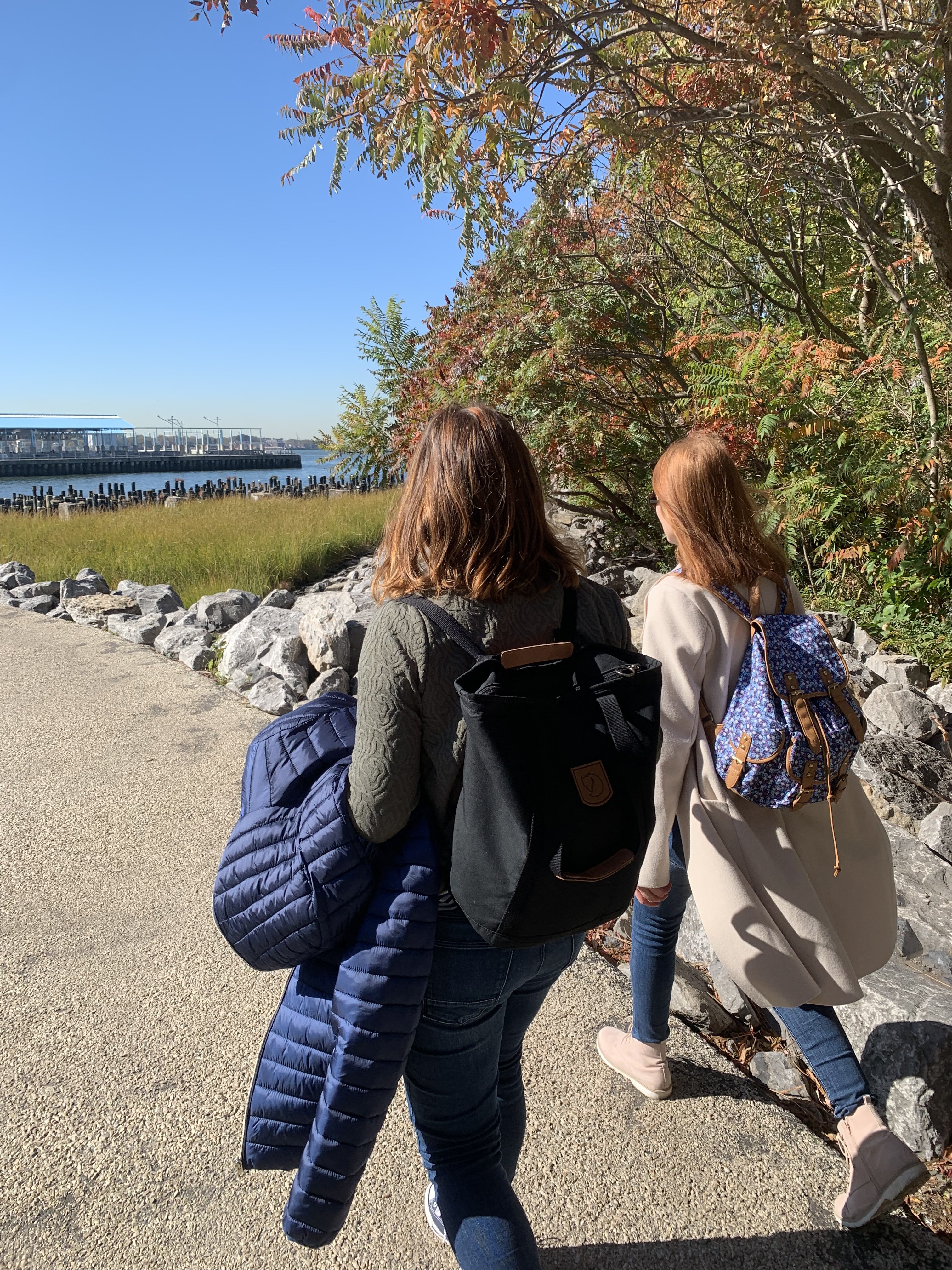
You have already made the trip of a lifetime. Do not leave before you have actually seen the city.
Lokafy connects you with a local guide who knows their city the way only someone who lives there can. No rehearsed itineraries. No tourist-trap recommendations. Just a real person showing you their real city, over a meal, a walk, a morning market visit, or an afternoon through neighbourhoods that never made the official fan guide.
→ Find a local guide in your city
Frequently Asked Questions
What should I do after the World Cup 2026 if I have a few extra days?
If you have two to five days after the tournament, stay in whichever host city you are already in rather than rushing to another destination. Go neighbourhood-level: eat where locals eat, use public transport, talk to people who actually live there. The post-tournament city is quieter, cheaper and more interesting than the one you experienced during football.
Which World Cup 2026 host cities are worth extending a trip in?
All 16 are worth extra time, but the cities with the highest gap between tourist experience and local experience are Mexico City, Vancouver, Philadelphia and Kansas City. Mexico City in particular has entire neighbourhoods, Roma, Condesa, Coyoacan, that most fans never reached during the tournament. Kansas City surprised more international visitors than any other host city and the surprise holds up once the matches are over.
Is it cheaper to travel in North America after the World Cup ends?
Significantly, yes. Hotel prices in host cities spike during match windows and drop sharply once the tournament ends. Flight prices within North America also fall once the football crowd disperses after mid-July. If your schedule allows it, extending your trip by even a few days into late July will reduce accommodation costs and give you a less crowded, more local experience of wherever you are.
How do I find local experiences in World Cup host cities?
The fastest route is through a platform that connects you with residents rather than tour operators. Lokafy connects you in person with a local guide for a personalised half-day or full-day experience in your chosen city.
What is the best way to travel between World Cup host cities after the tournament?
Within the United States, domestic flights cover the longer distances most practically. Amtrak is genuinely good on the Northeast Corridor, New York to Philadelphia, Philadelphia to Boston, all easy and reasonably priced. For the Pacific Northwest, the border crossing by train or bus between Seattle and Vancouver is straightforward. Mexico's three host cities, Mexico City, Guadalajara and Monterrey, are each distinct enough that combining even two of them adds serious depth to a North American trip.
What do locals recommend in World Cup 2026 cities that tourists miss?
The pattern is consistent across every city: locals gravitate toward their neighbourhood food markets, independent coffee shops, community parks and the residential areas just outside the tourist core. In Los Angeles that means Silver Lake and Atwater Village. In Toronto it means Kensington Market and Roncesvalles. In Mexico City it means Coyoacan and the Mercado de Medellín rather than the historic centre. In Seattle it means Fremont and Capitol Hill rather than Pike Place. Every city on this list has a version of itself that locals love and visitors miss, and finding it is the whole point of staying a little longer.
Enjoyed this article?