We are not strangers to Rio de Janeiro here at Lokafy, because we’ve already explored a bit of the city in our blog about what to do in Rio in 24 hours. However, just as we said there, it is impossible to perfectly know such a massive city in just one day. Well, this is the perfect opportunity to dive deeper into the magic of Rio de Janeiro! There’s quite a lot to cover, but we thought that we could focus on its cultural side, because even though we all know and love Rio thanks to its Carnival, beaches and warm people, its cultural heritage is another part of the equation that creates this enchanting and magnetic aura around the city. There might be some familiar places throughout the blog, but we’re going to look at them from a completely different angle, so perhaps, it’ll be like if you were exploring them for the first time.
Why cultural heritage?
Rio’s nickname is “The Marvelous City”, but have you wondered why it is called that way? UNESCO might have given a definitive answer by introducing the city to the list of World Heritage sites, making it the first urban cultural landscape included. What awarded Rio de Janeiro this recognition, is the fact that its urban facade blends perfectly with the breathtaking landscape that surrounds it, creating a postcard-like image that’s impossible to replicate. Precisely what makes Rio such an example is the fact that the city has grown alongside its natural landscape and not in spite of it. The mountains and lush forests that surround Rio are what makes it so special, and the various man-made jewels embellishing the scenery only makes everything more charming. Basically, one cannot understand Rio de Janeiro without looking at the full picture; the Carnival, samba, constant movement and love for life of cariocas is something that only makes sense because of the marvelous harmony between culture and nature. That being said, let’s go over some of the most iconic sights of Rio that makes it such a marvelous city.

The sweetest view: Pão de Açúcar
There’s quite a few things that may pop into your mind when someone mentions Rio de Janeiro. Perhaps, one of them is the Pão de Açúcar (Sugarloaf Mountain), which closely watches over the city and stands tall as one of its most incredible landmarks. Regardless of all of the changes of the city, the mountain remains, becoming a testament to what Rio has been and is becoming. Anyone who visits the city has to climb the Pão de Açúcar, because its peak has some of the most amazing views of Rio, being able to capture how the city has grown alongside the natural landscape. People become moving dots, and on the horizon, the white buildings and skyscrapers start to blend with lush forests and the blue sky. And of course, the sea is always there, serving as a frame for this breathtaking postcard.
In order for you to have the best experience ascending Sugarloaf Mountain, there’s quite a few things that you have to take into account. First of all, try to do it with clear skies, very early in the morning (so as to avoid the massive crowds) or at sunset, because that’s when a complete spectacle of colors happens. There are two cable cars that will take you to the summit, 395m above the city. One ascends to Morro da Urca, located at 215m, from where you’ll have an excellent view of Guanabara Bay and its coastline, and the second cable car will go straight to Pão de Açúcar. Since the cars leave every 20 minutes, you don’t have to run or get stressed, there’ll be enough time to take pictures, enjoy the views and even have a snack. Once you get to the summit, behold the Corcovado mountain and the Cristo Redentor (we’ll get to it in a minute), as well as the Copacabana Beach. There you have it, Rio de Janeiro in all its glory.

The Sugarloaf Mountain is one of the most iconic sights of Rio de Janeiro, and one that remains unchanging amongst the chaos of the city.
Cristo Redentor, Brazil’s own New Wonder of the World:
By now it is clear that one of the most important aspects of Rio are the mountains that surround it and create such lovely scenery. But aside from its incredible nature and beautiful views, there’s something else that graces the city’s landscape and has become one of the most iconic landmarks of Rio. We’re talking about the Cristo Redentor (Christ the Redeemer), a 38m tall statue that protects the city with his open arms and warm gaze. Each night, that small white dot at the top of Corcovado shines like a star and becomes visible from almost every part of Rio. The Cristo Redentor showcases Brazil’s profound connections with religion and local’s immense devotion, as well as its push for the creation of symbols that would present Brazil to the world. And they clearly have succeeded, because Christ the Redeemer has been known as one of the New Seven Wonders of the World since 2007, and around 2 million people visit it every year. Because Corcovado is located within the Tijuca National Park, a visit to the statue also represents an opportunity to experience the magic of this vast tropical forest. As you can see, everything fits perfectly with nature in Rio de Janeiro!

The Cristo Redentor is one of the New Seven Wonders of the World, which has watched over Rio for decades.
The heart of Rio de Janeiro:
Every downtown district is special in its own way because it is an expression of the city’s spirit and how it has evolved with time. Some safeguard the classic architecture of the city and become a time capsule, and others are financial or political centers, but either way, they tell us a lot about the place that we’re visiting. Rio’s downtown district, known as centro, is no different. It is the cultural hub of the city, where you can experience everything from ballet, opera and classical music performances, to art exhibitions and even night parties on the streets. Here, you’ll find some of the oldest buildings of Rio, so pay attention to the colonial homes or beautiful churches that keep centro in another period of time. Definitely, while you are exploring downtown Rio, you should make a stop at Confeitaria Colombo, a historic café and restaurant inspired by the city’s Belle Epoque, perfect for eating breakfast, brunch or simply having some afternoon tea or coffee with traditional Brazilian sweets.
Not too far away from Centro, you’ll find the Museu de Arte do Rio, an ideal place to better understand the city and its incredible cultural heritage. First opened in 2013, MAR has become a symbol of the city, its trajectory and importance, and it has helped in the resurgence of the once decaying port. Through their exhibitions, the museum tries to explore the landscapes, conflicts and challenges of Rio, as well as the lives, dreams and hopes of its inhabitants. Certainly, the museum is further proof of why Rio de Janeiro is “The Marvelous City”.
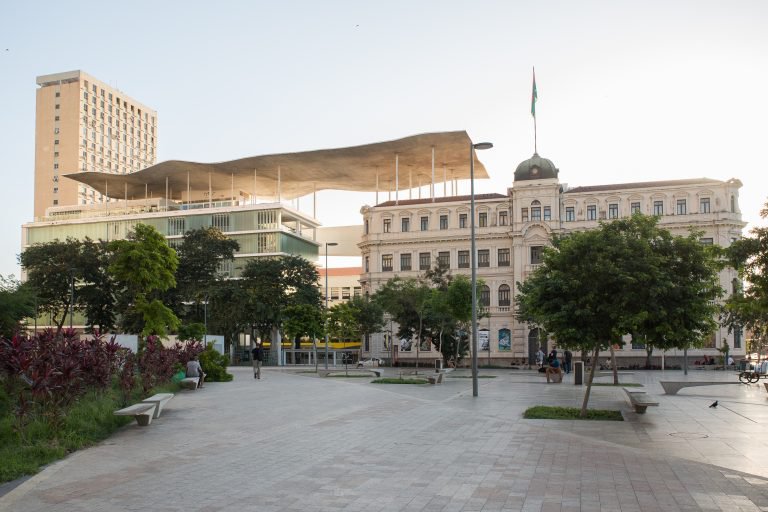
MAR is one of the newest symbols of Rio de Janeiro, and it has become one that tries to convey the paradoxes and issues of the city, as well as the dreams and hopes of its inhabitants.
Although we have come to the end of our tour, there’s still quite a few places to discover in the city. Probably, we’ll mention it again because as you have seen, in Lokafy we love Rio! Perhaps we could explore its Carnival, the music, dancing or the cuisine? Well, while we decide on another facet of the city to write about, you can begin to book your flight for some days at the Ipanema beach, with the Cristo Redentor and Pão de Açúcar as your view.
Enjoyed this article?