For years I heard the same thing about Trondheim from people who'd actually been: "it's the one nobody talks about." Norway's third city sits quietly between the fjord-and-mountain drama everyone associates with Bergen and the capital-city pull of Oslo, and somehow that's worked in its favor.
Trondheim never had to perform for tourists, so it didn't. What's left is a compact, walkable city with a thousand-year-old cathedral, wooden houses the color of crayons, a university population that keeps the bars and the street art interesting, and a fjord people actually jump into on their lunch break. This guide covers where to eat, where to wander, and how to spend two days here without wasting any of them.
Quick Guide: Trondheim, Norway
- Primary Recommendation: Spend at least two full days here. Trondheim rewards a slow walk far more than a checklist, and the city center is small enough to cover most of it on foot.
- Top Choice for Dinner: Fagn, a one-Michelin-star restaurant built around old Norwegian farmhouse hospitality. Book the upstairs Fagn-Bistro instead if you want the same kitchen and ingredients without the full tasting menu price.
- Value Pick for Lunch: Ravnkloa fish market, where locals buy their seafood. Grab fresh shrimp or a cup of fish soup and eat it on the quay for a fraction of restaurant prices.
- The Best Way to See the City: Take a private, personalized walking experience with Lokafy in Trondheim and discover the neighborhoods, food spots, and stories that never make it into a guidebook, with a Local.
A Thousand Years Before It Was Cool
Trondheim was founded in 997 AD by the Viking king Olav Tryggvason and spent two centuries as Norway's capital under its older name, Nidaros. The reason it still matters is buried, almost literally, under Nidaros Cathedral: the grave of King Olav Haraldsson, later canonized as St. Olav, turned this city into one of medieval Europe's major pilgrimage sites. People still walk here on foot today, following the St. Olav Ways from as far away as Oslo, more than 600 kilometers south. The cathedral itself is the world's northernmost medieval Gothic cathedral, and the west front is covered in carved saints, kings, and at least one archangel who, depending on who you ask, bears a strange resemblance to Bob Dylan. Climb the tower if your knees can handle 172 steps. The view is worth the complaint your legs will file afterward.

Where to Stay and Get Your Bearings
Trondheim's center, Midtbyen, is small enough that you'll find your bearings within an hour. Torvet, the main square, anchors everything, and from there the rest of the city splits into neighborhoods with their own distinct personalities.
Cross the Old Town Bridge, Gamle Bybro, locally nicknamed the Gate of Happiness, and you land in Bakklandet: cobblestone lanes, two-story wooden warehouses painted in red and mustard and faded blue, and more cafes per block than seems reasonable for a city this size. Keep an eye out for the Trampe, the world's only bicycle lift, built into the steep hill above the bridge. It doesn't always run reliably, according to locals, but trying it is half the fun.
Climb further up the hill and you're in Møllenberg, Bakklandet's quieter, more bohemian neighbor, full of the same colorful wooden houses but with fewer tourists and a stronger pull toward NTNU's student crowd. The sunset views over the harbor from up here are some of the best in the city, and the bars stay open later than anywhere else.
For something rougher around the edges, head to Svartlamoen, an old working-class district that became Trondheim's experiment in sustainable, alternative housing. There's a free shop run on donations, an ecological housing project worth a look from the outside, and Ramp Pub & Spiseri for a burger afterward. Down on the waterfront, Solsiden and Nedre Elvehavn occupy a converted shipyard, now full of restaurants, shops, and the kind of polished modern architecture that makes a sharp contrast to the rest of the city.
Eating Your Way Through Trondheim
Trondheim has two Michelin-starred restaurants for a city its size, and that's not nothing. Fagn, named for the old Norwegian custom of welcoming travelers into a farmhouse, builds tasting menus from foraged and wild ingredients with a story behind nearly every plate. Speilsalen, inside the grand Britannia Hotel, leans more classical, with chandeliers, a caviar bar, and a wine list overseen by a Michelin-recognized sommelier. Neither is cheap, but if you only splurge once on this trip, this is where to do it.
For something more relaxed, Sellanraa Bok & Bar pairs a secondhand bookshop with a kitchen that turns out simple, seasonal plates from local root vegetables and seafood, all inside an old fire station next to the public library. Bula Neobistro, run by a chef who grew up on the rural edge of the city, leans into the same farm-to-table instinct in a more casual setting, and Kraft Bodega has one of the better harbor views in town to go with its internationally inspired menu.
Then there's the food locals actually eat on a Tuesday. Ravnkloa fish market sells the same seafood the restaurants are charging triple for, and a paper cup of fish soup there beats most sit-down versions in the city. Baklandet Skydsstasjon, in a wooden building from the 1700s, serves the kind of traditional Norwegian comfort food (raspeballer potato dumplings, kjøttkaker meat cakes) that doesn't show up much on trendier menus anymore.
Coffee is where you'll hear the most local disagreement. Dromedar opened the city's first coffee bar in the late nineties and built a loyal following, but ask a longtime resident today and you might get a shrug, or worse: more than one Trondheim local has told visitors the chain isn't what it used to be, and pointed them toward Jacobsen & Svart instead, a roastery known locally for taking its beans seriously and pairing them with a genuinely good cinnamon bun. Worth knowing before you pick a cafe based on which one has the prettiest photos online.
Beyond the Cathedral: What Locals Actually Do With a Free Afternoon
Ask someone who lives here what they do on a sunny day and the answer, increasingly, involves a sauna. Trondheim's waterfront has quietly become one of Norway's best places to sweat and then jump into a fjord, and it's a current enough trend that it's worth building a few hours around. Stu's floating sauna at Brattøra sits a short walk from the train station and is about as easy as sauna access gets. Havet Arena in Nyhavna runs a whole floating village of saunas with a bar and an actual sea pool to jump into. For something with more atmosphere, Bunker Sauna converts a WWII coastal bunker along the Ladestien path into a wood-fired retreat with the fjord right outside the door. If you'd rather skip the heat and want a swim instead, Pirbadet is the budget-friendly indoor water park option, and Sjøbadet has an outdoor seawater pool by the harbor.
Munkholmen, the small island a short ferry ride from the harbor, has its own complicated history (Viking execution site, then a monastery, then a fortress, then a WWII anti-aircraft post) and is now Trondheim's favorite summer escape. Ferries run from Ravnkloa roughly every hour through the warmer months, usually from late May into mid-September, and a round trip runs somewhere around 100 to 150 NOK depending on the season and the operator, so check current prices before you go. There's a small beach for swimming, a cafe with a fish soup worth the trip on its own, and guided tours through the old fortress tunnels if you time it right.
For a quieter afternoon, Bymarka, the forested area west of the city, has hiking trails reachable by the old Gråkallbanen tram, while Sverresborg Trøndelag Folk Museum gathers more than 80 historic buildings around the ruins of a medieval castle, giving you a faster education in old Norwegian rural life than any museum with walls could manage. Music fans should make time for Rockheim, Norway's national museum of popular music, or Ringve, where guides actually play the historic instruments instead of leaving them behind glass.
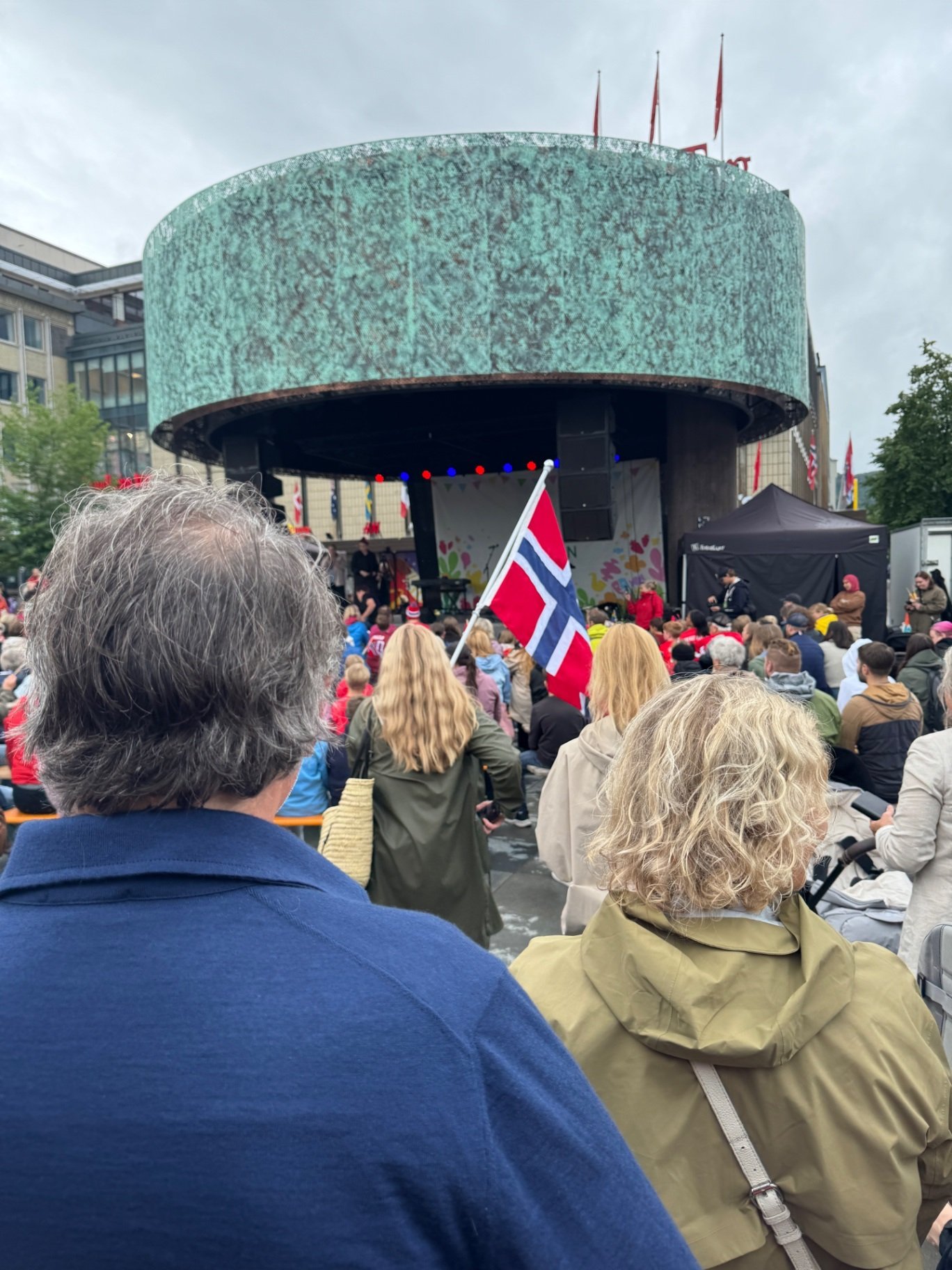
If your trip stretches past June, look into Olavsfestdagene, Trondheim's biggest cultural festival, running from July 28 through August 3 in 2026 around Nidaros Cathedral and the Archbishop's Palace. It's part concert series, part reflection on Norway's patron saint, and it fills the city center with an energy that's hard to catch the rest of the year.
A Simple Two-Day Trondheim Itinerary

Day One: Start at Nidaros Cathedral before the tour groups arrive, then wander into the Archbishop's Palace to see Norway's crown jewels. Walk to Ravnkloa for lunch, then cross Gamle Bybro into Bakklandet for an afternoon of cafe-hopping and window shopping. Climb up to Møllenberg as the light gets gold, and grab dinner and a drink with the sunset over the harbor.
Day Two: If it's ferry season, take the morning boat to Munkholmen and spend a few hours exploring the fortress and the beach. Back on land, walk the Ladestien coastal path toward Kristiansten Fortress for the best skyline view in the city. End the day the way locals do: book a sauna session at Stu Brattøra or Havet Arena, sweat it out, and jump into the fjord before dinner at Sellanraa or Bula Neobistro.
Practical Tips for Visiting Trondheim
Trondheim Airport Værnes (TRD) connects to Oslo and several European cities, and the express train gets you into the Brattøra area in about 35 minutes. Once you're in the city, the center is genuinely walkable, and the AtB app handles bus and tram tickets if you need to go further out, including the tram to Bymarka.
Norway runs almost entirely on cards, so don't worry about hunting for an ATM. Pack layers no matter when you visit. June brings long daylight, with the sun barely dipping below the horizon, and generally mild temperatures in the high teens Celsius, but Trondheim's weather can shift within an hour, and a light rain jacket will save your day more often than you'd expect.
See Trondheim Through Someone Who Actually Lives There
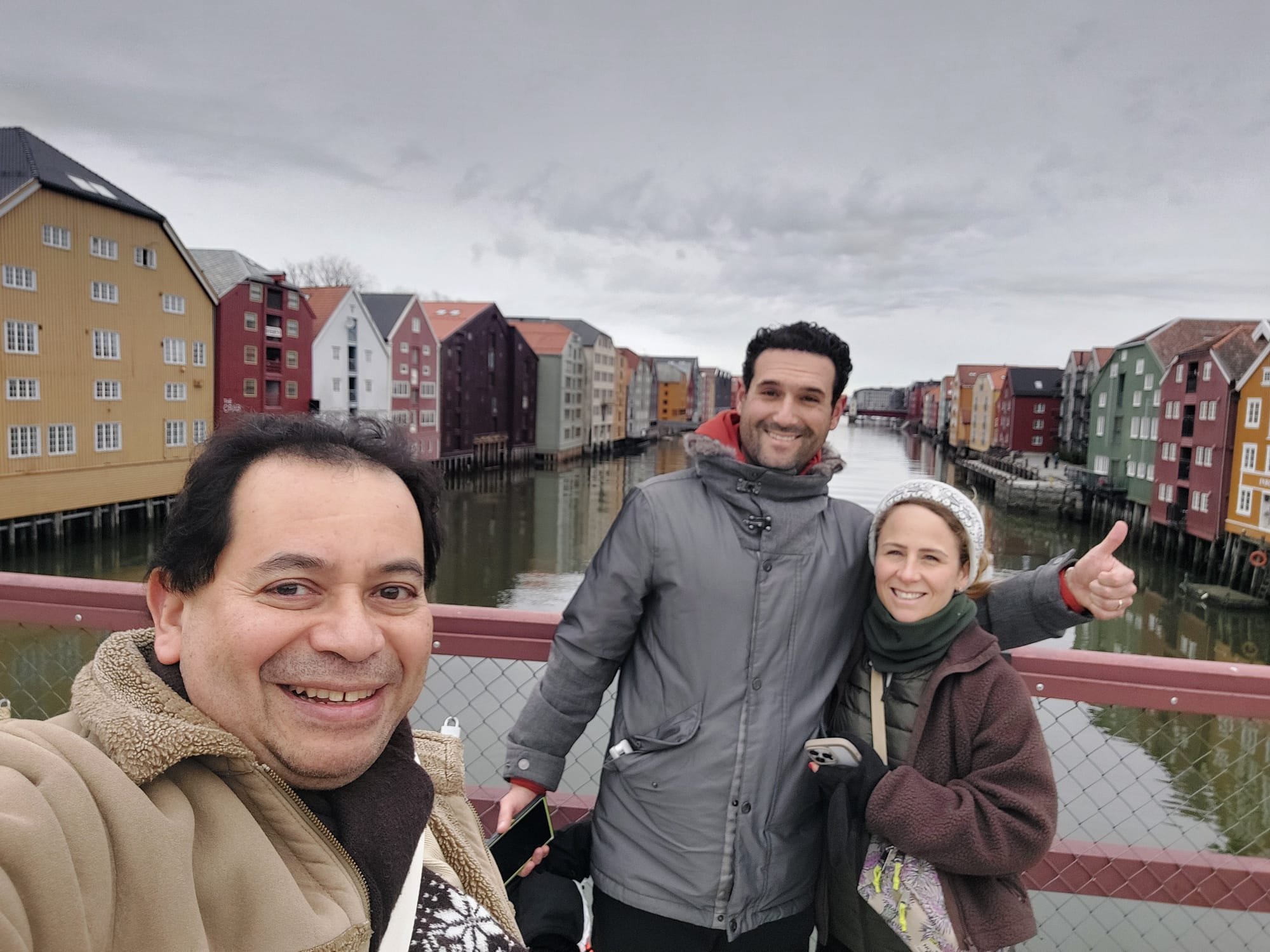
Reading about Bakklandet's cobblestones is one thing. Having a local walk you down them, point out which cafe their grandmother used to work at, and detour you toward a fish soup stall no guidebook mentions is another.
Book a private Trondheim walking tour with a local Lokafyer and build the day around whatever pulls you in, food, fjord swims, Viking history, all of it, at your own pace.
Only have a few hours because your ship is docked at Brattøra? Find a Trondheim local host who specializes in short visits and they'll build a route that hits the highlights and still gets you back to the gangway with time to spare.
Trondheim FAQ
Is Trondheim worth visiting? Yes, and increasingly travelers agree: Trondheim has a thousand-year-old cathedral, a genuinely charming old town in Bakklandet, two Michelin-starred restaurants, and a sauna and fjord-swimming scene that's become one of the best in Norway. It gets a fraction of the visitors Bergen and Oslo see, which makes the experience feel less staged and more lived-in.
How many days do you need in Trondheim? Two full days covers the highlights comfortably: the cathedral, Bakklandet and Møllenberg, a Munkholmen ferry trip, and at least one sauna session. Three days gives you room to add a Bymarka hike or a slower food-focused day without rushing.
What is Trondheim known for? Trondheim is known as Norway's Viking-era capital and home to Nidaros Cathedral, the resting place of the country's patron saint, St. Olav. More recently it's earned a reputation as a serious food city, with two Michelin stars, and as one of Norway's best spots for fjord saunas and cold-water swimming.
Is Trondheim expensive to visit? Trondheim carries the same general price level as the rest of Norway, so dining out and alcohol both run higher than most of Europe. That said, it's noticeably cheaper than Oslo for comparable meals, and budget options like the Ravnkloa fish market or Pirbadet's water park keep a day here affordable if you mix in a few splurges.
What is the best time of year to visit Trondheim? June through August gives you the longest daylight, the Munkholmen ferry running, and the fjord warm enough to actually enjoy swimming in. Late July adds Olavsfestdagene, the city's biggest cultural festival, into the mix. Winter has its own appeal for sauna and cold-plunge culture, but expect short days and freezing fjord water.
Should I visit Trondheim or Bergen? Bergen wins on dramatic scenery, with its UNESCO-listed wharf and easy access to the fjords. Trondheim wins on feeling like a real, working city rather than a postcard, with a stronger food scene relative to its size, a livelier student population, and noticeably smaller crowds. If you can manage both, they make a strong combination. If you can only pick one and want fewer tourists pointing cameras at the same spot you are, Trondheim is the better bet.
How do you get from Trondheim Airport to the city center? Trondheim Airport Værnes sits about 35 kilometers from the city center. The airport express train is the fastest option, reaching the Brattøra area in roughly 35 minutes, with express buses taking slightly longer. Taxis are available but cost considerably more than the train for the same trip.
Enjoyed this article?