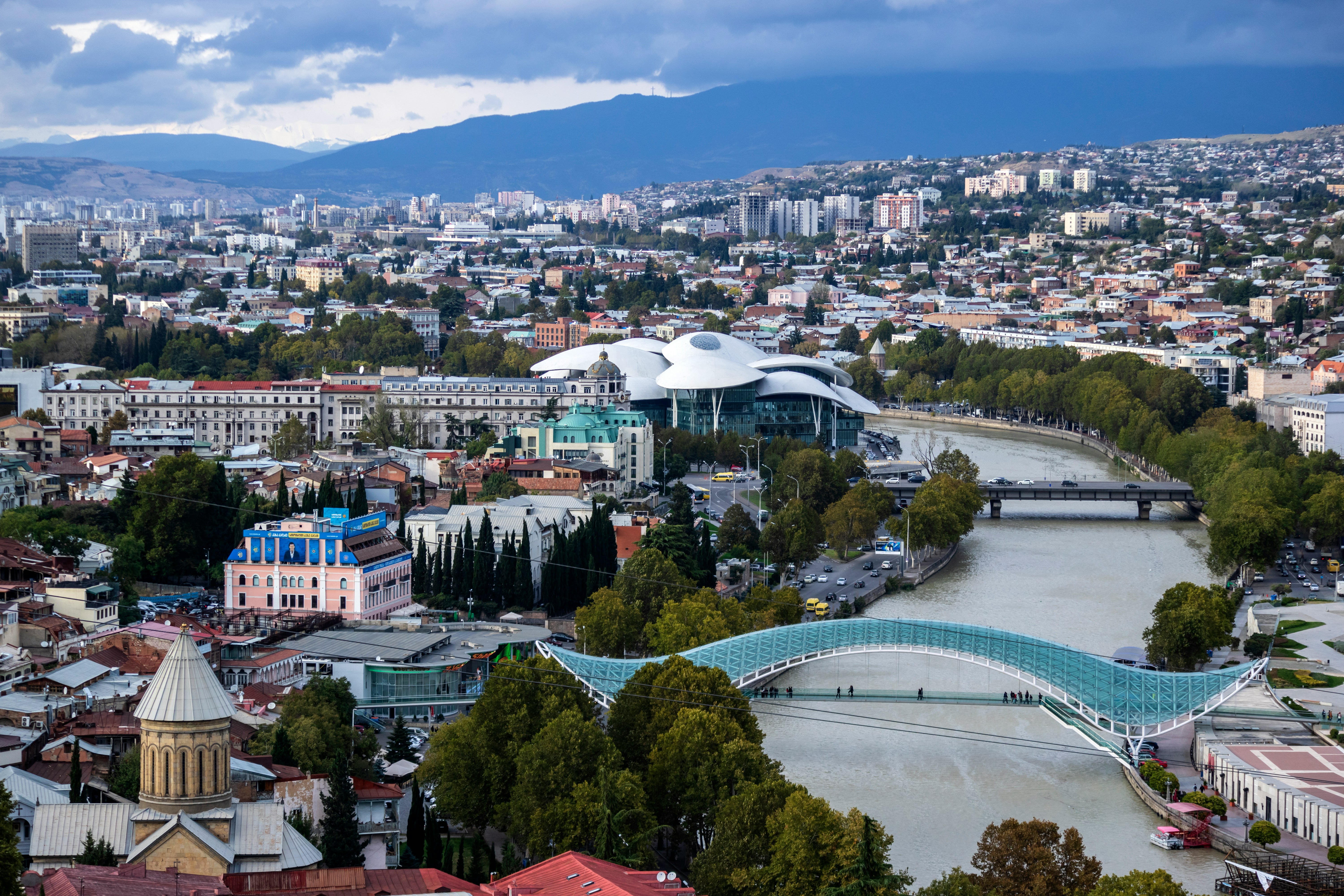
When you think about the next big city break, Paris or Rome might come to mind first. But if you want to find the real soul of a place without the crowds, you should look toward the Caucasus. Tbilisi is the capital of Georgia and it is currently one of the most exciting spots on the map. It is a city that feels like a secret you only share with your best friends. It has the grit of Berlin, the history of an ancient Silk Road hub, and a food culture that makes you wonder why you ever ate anywhere else.
Beyond the old town viewpoints and historic churches, there are quiet neighborhoods, markets, courtyards, wine bars, and cultural spots that rarely appear in travel guides. These hidden corners show how people in Tbilisi actually live, eat, relax, and spend time with friends.
If you are searching for non-touristy things to do in Tbilisi, authentic local experiences, or hidden gems that most visitors miss, this guide will help you plan your trip. This guide is for the traveler who wants to understand the capital of Georgia.
Why Visit Tbilisi in 2026
Tbilisi is changing quickly, but it still feels personal and easy to explore. New restaurants, wine bars, and creative spaces are opening across the city, while historic neighborhoods continue to preserve the architecture and traditions that make the capital unique. Visiting in 2026 means experiencing Tbilisi at a moment when it feels both established and fresh at the same time.
The city also works well for different travel styles. You can spend the morning exploring centuries-old streets, the afternoon in contemporary art spaces, and the evening trying Georgian food in a neighborhood restaurant. Distances are manageable, prices remain reasonable compared to many European capitals, and the mix of cultures gives the city a distinct identity you will not find anywhere else.
Another reason to visit now is the growing food and wine scene. Georgia’s winemaking tradition is thousands of years old, and more small producers and modern wine bars are making it easier to experience that heritage in the city itself. Seasonal festivals, outdoor markets, and cultural events also bring extra energy between spring and autumn.
Most importantly, Tbilisi rewards curiosity. The highlights are impressive, but the everyday places often leave the strongest impression. Spending time in residential districts, local parks, and neighborhood cafés allows you to see how people actually live. That is what turns a short trip into a meaningful experience and why many travelers end up wanting to return.
1. The Chronicles of Georgia
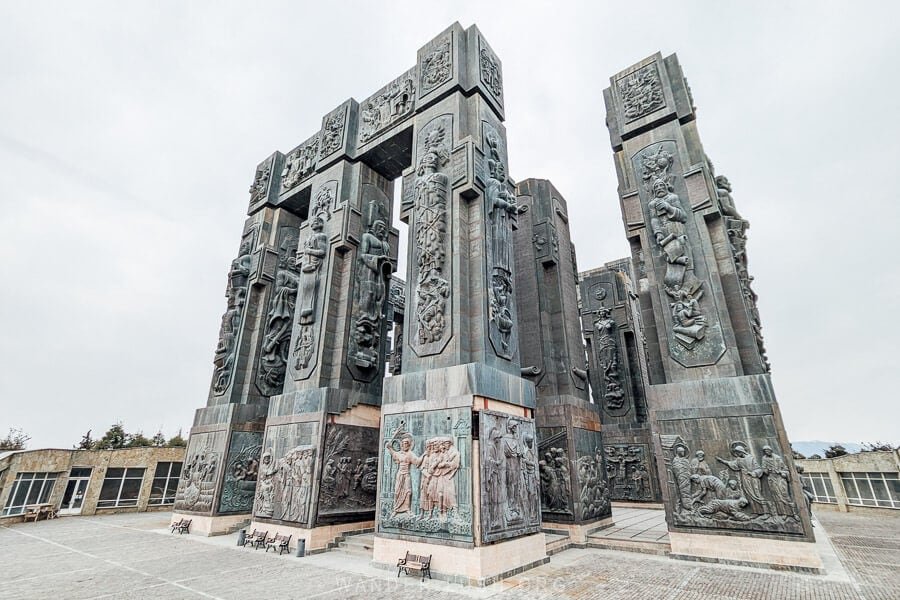
The Chronicle of Georgia sits on a hill overlooking the Tbilisi Sea and is one of the city’s quieter viewpoints. While most visitors stick to the Old Town, locals come here to enjoy the space without crowds and to take in panoramic views of the city and surrounding hills.
Created by Georgian artist Zurab Tsereteli, the monument has 16 massive columns, each around 35 meters tall. The bottom half of the columns depicts Georgian kings, queens, and heroes, while the top half shows scenes from the life of Christ. The combination of history and scale makes it a striking backdrop for sunset photos.
Because it’s a little outside the main tourist areas, you’ll often find locals walking dogs, photographers capturing the evening light, or couples enjoying a quiet moment rather than large tour groups. It’s an ideal spot to see a side of Tbilisi most visitors miss.
2. Sololaki’s Hidden Courtyards
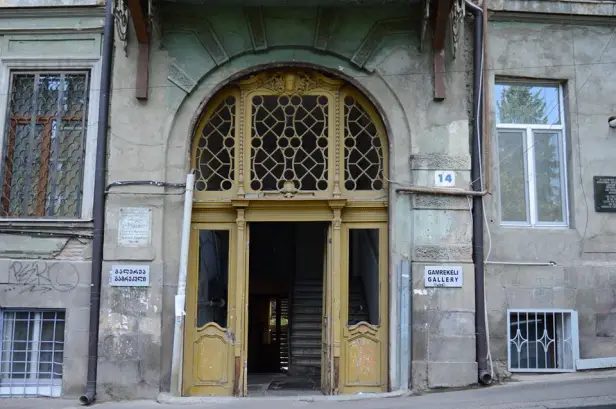
The neighborhood of Sololaki is one of the oldest residential areas in the city. It is full of 19th-century mansions that look a bit worn out from the outside. But the exterior is often a mask. If you push open a heavy wooden door, you might find a stunning courtyard.
In Tbilisi, these are called "Italian Courtyards," though they are uniquely Georgian. These are communal spaces where neighbors hang laundry, children play, and elders share a bottle of homemade wine. Some of these courtyards have beautiful murals or spiraling wooden staircases that seem to defy gravity.
Walking through Sololaki with a local is like being invited into the city’s private living room. You learn about the families who have lived there for generations. You see the intricate carvings on the balconies and the way the grapevines crawl up the walls. This is where the real history of the city lives, not in the museums.
3. The Dezerter Bazaar
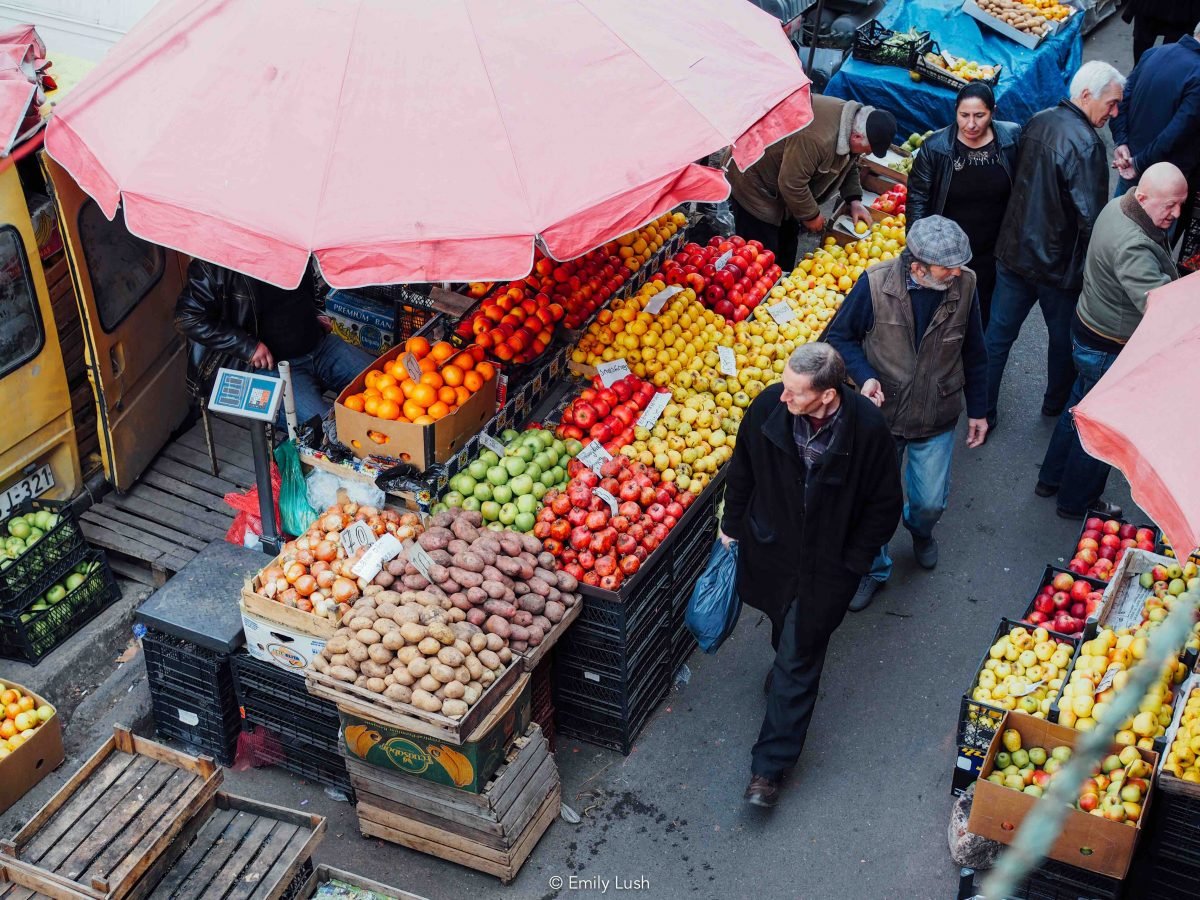
If you want to see how the city eats, you go here. It is a chaotic, loud, and wonderful market near the train station. It is called the Dezerter Bazaar because soldiers reportedly deserted the army and sold their gear here a hundred years ago. Today, it is a maze of fresh produce, cheeses, and spices.
You can find everything from fresh pomegranate juice to strings of churchkhela. This is a traditional Georgian candy made of walnuts or hazelnuts dipped in thick grape juice. It looks like a candle but tastes like a natural fruit snack.
The cheese section is particularly impressive. You can try Sulguni, a salty, elastic cheese that is the foundation of many Georgian dishes. The sellers will often offer you a taste. It is a place where you need to be ready to engage with people. It is loud, it is messy, and it is the most honest representation of Georgian daily life.
4. Gardenia Shevardnadze
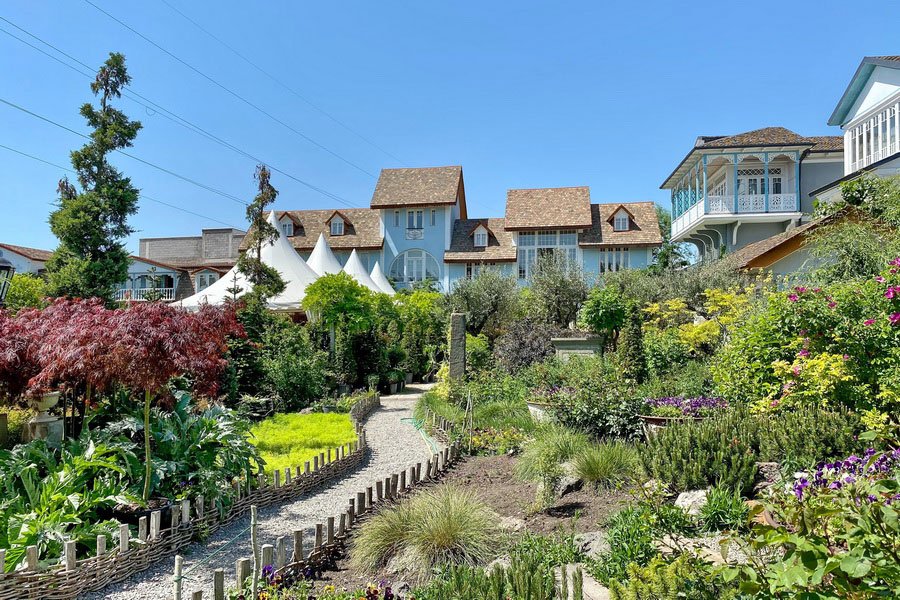
This is a magical garden and tea house on the edge of the city. It is a labor of love by a local botanist named Zurab Shevardnadze. It feels like stepping into a fairytale. The garden is filled with vintage furniture, birdcages, and a massive variety of plants and flowers.
Locals come here to escape the city noise, drink tea, and eat homemade cake. It is not a typical tourist stop. It feels like visiting a wealthy aunt’s country estate. The atmosphere is calm and the design is meticulous. It is a great place to sit for two hours and write in a journal or talk to a friend. This is the kind of spot that reminds you that Tbilisi knows how to slow down.
5. The London Hotel (Ruins)

This is not an actual hotel anymore, but it remains a beautiful piece of history. In the late 19th century, this building was the first in Tbilisi to have electricity. It was the place where elite travelers stayed. Now, it is a residential building with a staircase that is a work of art.
The entrance hall is covered in faded murals and the light hits the dusty stairs in a way that feels cinematic. You have to be quiet and respectful because people live here, but the painted ceilings and the ironwork are worth the effort. It is a reminder of a time when Tbilisi was the "Paris of the Caucasus." A local friend can help you navigate these spaces respectfully and explain the history of the families who still call these grand ruins home.
6. Fabrika’s Backstreets
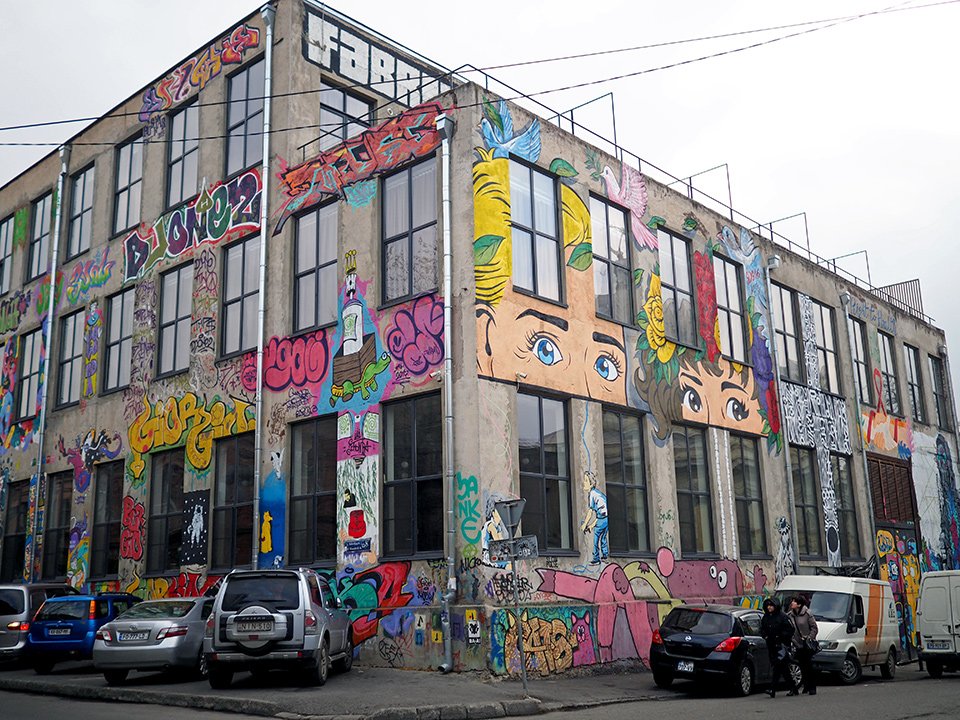
Everyone knows Fabrika as the big hostel and creative hub built in an old Soviet sewing factory. It is a great place, but the real magic is in the streets surrounding it in the Marjanishvili district. This area has become the center of the youth movement in Tbilisi.
If you wander the backstreets, you will find tiny vintage shops that sell clothes from the 70s, local artists’ studios, and street art that changes every week. There are small bars that only fit five people and record stores that specialize in Soviet-era vinyl. This neighborhood represents the future of the city. It is where you go to see what the young creators are making and what they are thinking about. It is vibrant, edgy, and full of life.
7. The Dry Bridge Flea Market

This is where the past meets the present on a daily basis. The Dry Bridge is an open-air market where you can find Soviet medals, old cameras, antique jewelry, and handmade knives spread out on blankets on the ground.
It is a paradise for collectors and people who love stories. Many of the sellers are people who are selling off family heirlooms or items they have collected over decades. You might find a set of hand-painted porcelain or a rare map of the Caucasus.
The best part is the conversation. If you show interest in an object, the seller will often tell you a story about where it came from. It is a place where you can spend hours just looking at the fragments of history. Be ready to haggle, but do it with a smile.
8. Vera District Park
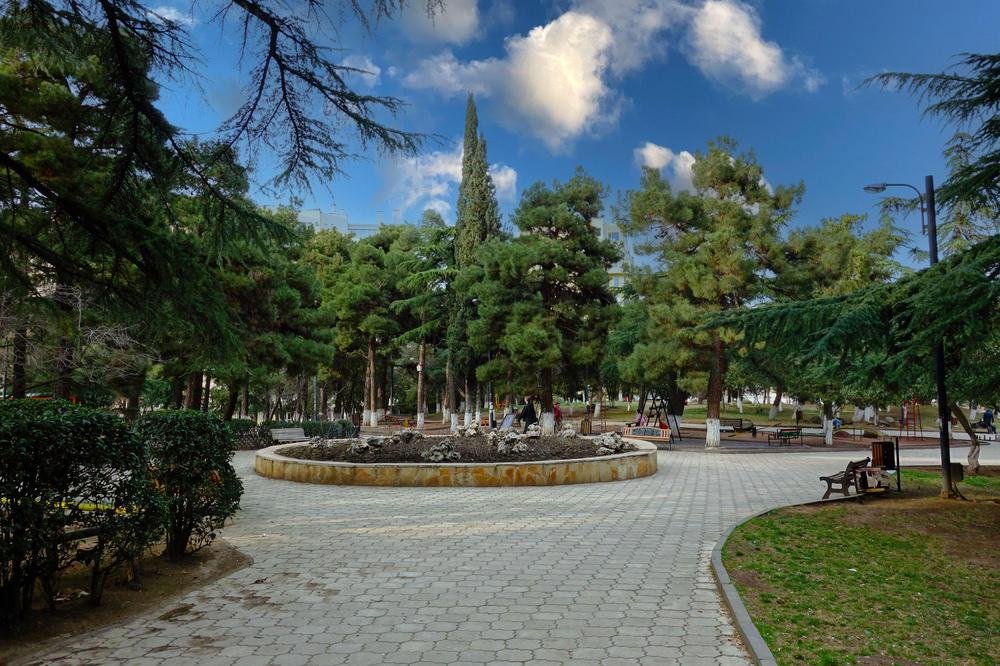
While most people go to the large, modern Rike Park, locals head to the hills of the Vera district. Vera Park is smaller, shaded by giant trees, and surrounded by beautiful old houses. It has a classic, old-world feel.
You will see people playing chess on the benches and students reading under the trees. The neighborhood around the park is full of winding streets and hidden cafes. It is a great place to sit on a bench and watch the world go by without the noise of traffic. It feels like a village within a city.
9. The Sulfur Baths
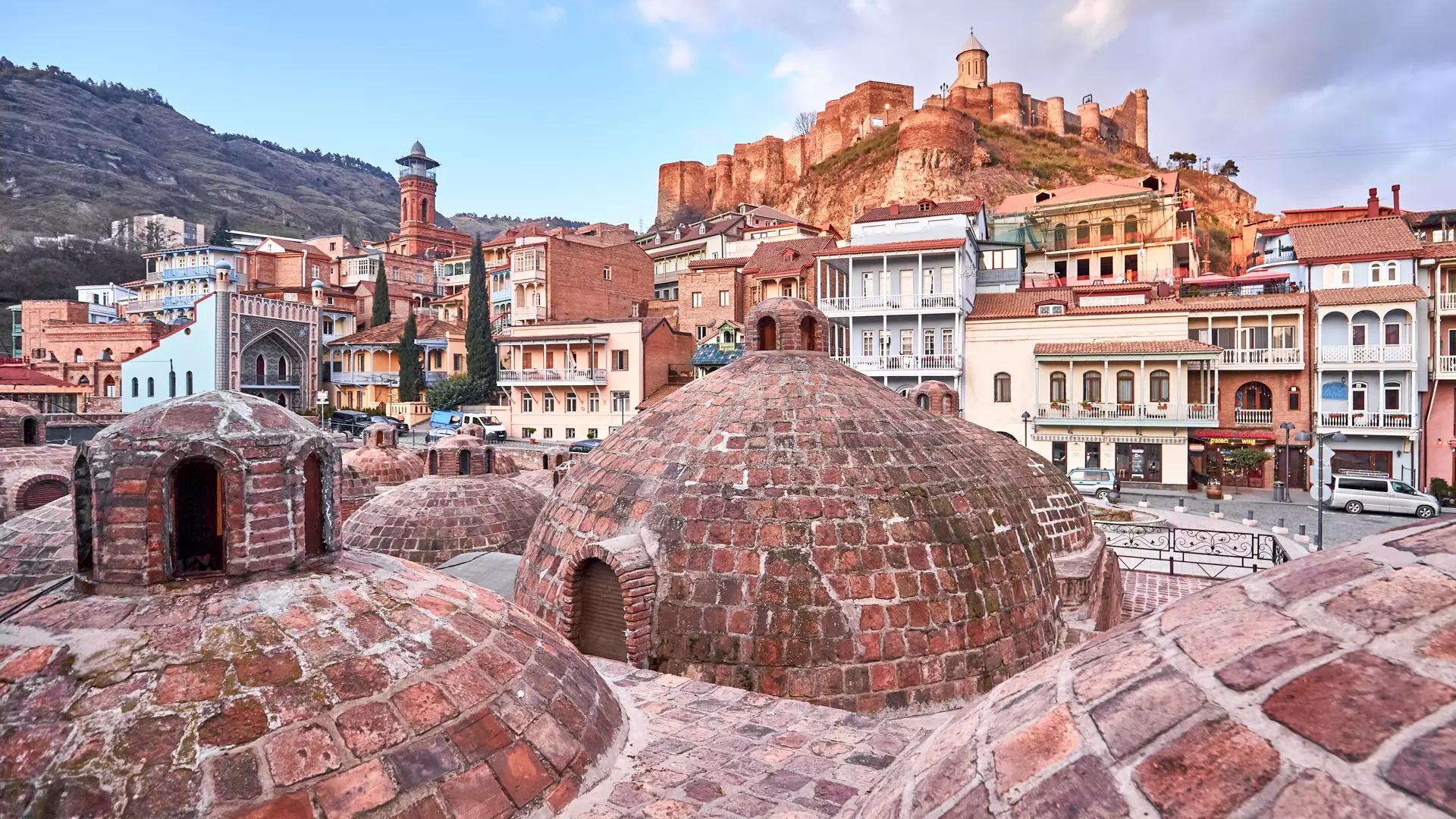
The blue-tiled Orbeliani Bathhouse is the one you see in every Instagram photo. It is beautiful, but locals often prefer the smaller, less flashy baths in the Abanotubani district. These are the brick domes you see rising out of the ground.
The water comes from natural hot springs and it is rich in sulfur, which is great for your skin. When you go, you should ask for a "kisa." This is a traditional scrub performed by a staff member. It is not a gentle spa treatment. It is a vigorous, full-body scrub with a rough glove that will leave your skin feeling brand new. It is an invigorating experience that has been a part of Tbilisi life for centuries. Legend says the city was founded because a king's falcon fell into these hot springs.
10. Mtatsminda’s Secret Paths
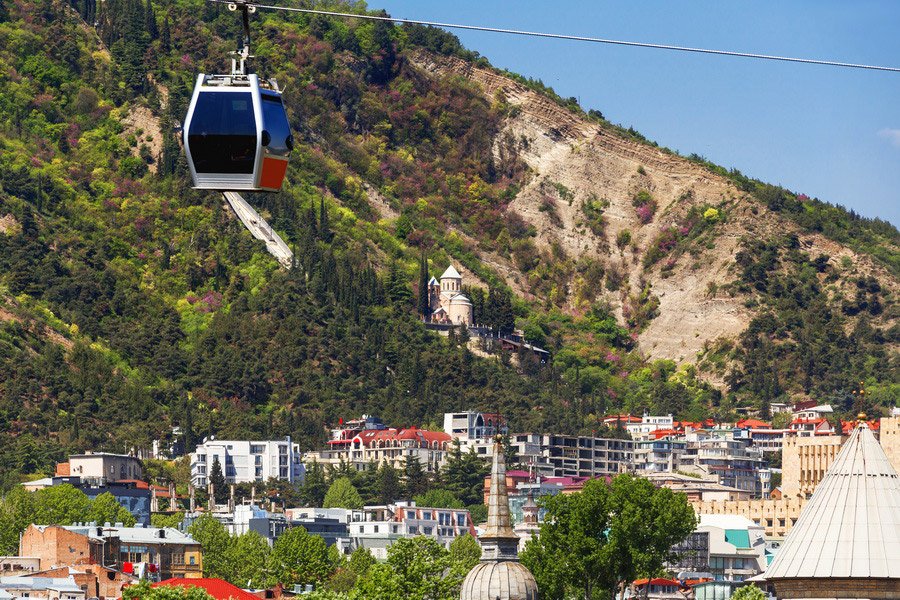
Mtatsminda is the mountain that looms over the city. Most people take the funicular to the top to visit the amusement park or eat at the restaurant. If you want a more authentic experience, try walking the forest paths that lead to the top.
The trails start behind the Pantheon of Writers and Public Figures. They wind through the woods and offer viewpoints that are much better than the ones from the main terrace. You get a sense of the rugged landscape that surrounds Tbilisi. You might stumble upon a small shrine or a hidden bench where you can look out over the entire valley in peace. It is a bit of a climb, but the fresh air and the view are worth the sweat.
Where to Eat in Tbilisi: A Food Guide
Eating in Georgia is a serious business. It is about the supra, or the traditional feast and not only the food. Here are the spots locals actually visit.
Salobie Bia

This restaurant is tucked away in a basement on Rustaveli Avenue. It feels like a cozy living room decorated by an artist. They specialize in simple, traditional food made with high-quality ingredients. You must order the lobio, which is beans cooked in a clay pot, served with pickles and cornbread. It is a staple of the Georgian diet and they do it better than anyone else.
Amo Rame
Located in a beautiful old house in Sololaki, Amo Rame is famous for its hand-pinched khinkali. These are large dumplings filled with meat and broth (or mushrooms or cheese).
Local tip: When eating khinkali, bite a small hole first, drink the broth, then eat the rest. Never use a fork, eat them with your hands. It's the local way.
Mapshalia
This is a no-frills basement spot on the Left Bank. It is legendary among locals because it is incredibly cheap and the food is fantastic. It specializes in Megrelian food from Western Georgia. You should try the elariji, which is a heavy, comforting dish of cornmeal and a massive amount of melted cheese. It is the ultimate comfort food.
Cafe Stamba
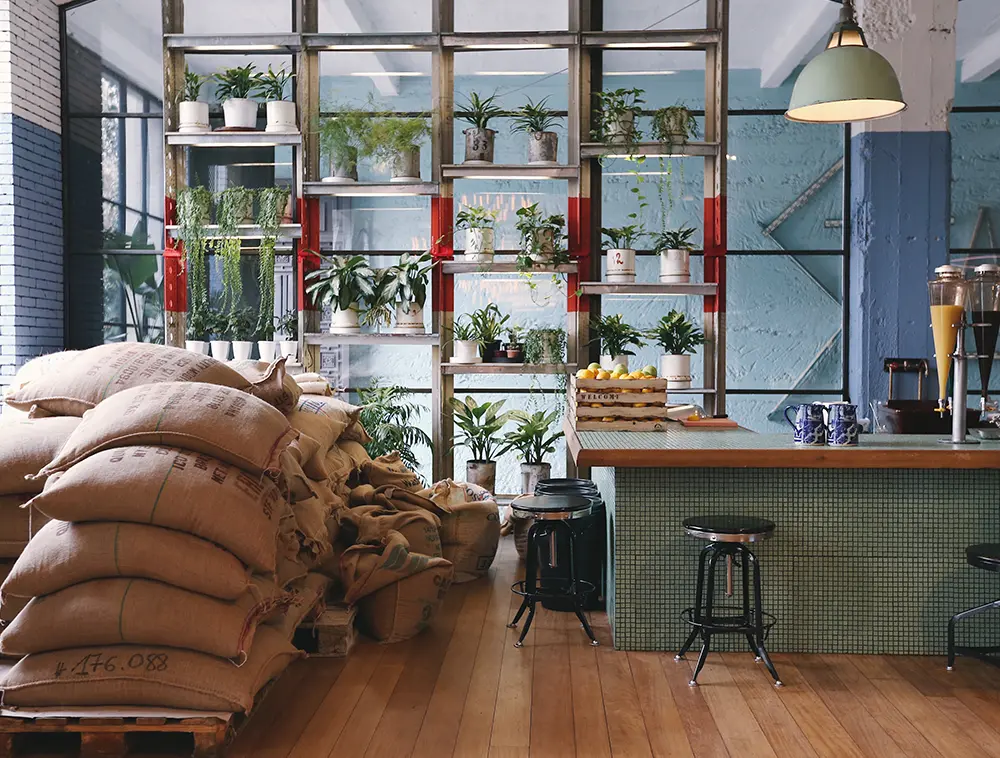
Located in a former Soviet publishing house, this is one of the coolest spots in the city. The design is industrial and chic, with huge bookshelves and open spaces. It is more expensive than the other spots, but it is worth it for the atmosphere. They serve a modern take on Georgian classics and have an excellent selection of local wines.
Shavi Lomi (Black Lion)
This place is hidden in a courtyard behind a nondescript gate. It feels like a secret club. The food is traditional but with a creative twist. The interior is filled with vintage rugs and mismatched furniture. It is a great place for a long dinner with a group of friends.
Transportation Guide: Navigating the Capital
Getting around Tbilisi is an adventure in itself, but it is quite efficient once you know the rules.
The Metro
The Tbilisi Metro is one of the fastest ways to cross the city. It was built during the Soviet era, so the stations are very deep underground. The escalators move fast and go down for a long time. It is very cheap and you need a MetroMoney card to use it. You can buy these cards at any station entrance. Many stations, like Liberty Square or Rustaveli, have impressive architecture and murals.

Buses and Minibuses
The city has a fleet of modern blue and green buses. They have digital displays in English that tell you when the next one is coming. You can use your MetroMoney card to tap on. Then there are the marshrutkas, or yellow minibuses. These are a bit more chaotic. They have numbers in the window, but they don't always stop at official stations unless you wave them down. They are a true local experience.
Taxis and Ride-sharing
Do not take a random taxi from the street. They often don't have meters and will overcharge you. Instead, download the Bolt app. It is the Georgian equivalent of Uber and it works perfectly. The prices are fixed and very low compared to Western Europe. It is the safest and most reliable way to get home at night.
Walking
Tbilisi is a very walkable city, especially in the Old Town, Sololaki, and Vera. However, be aware that it is very hilly. You will be walking up and down steep streets and stairs. The pavement can be uneven, so leave the high heels at home and wear comfortable sneakers.
Tips and FAQs Before Visiting Tbilisi
1. Is Tbilisi safe for solo travelers?
Tbilisi is very safe. You can walk around most neighborhoods at night without any issues. Like any city, keep an eye on your belongings in crowded markets or on the metro. Georgians are known for their hospitality and will often go out of their way to help a traveler who looks confused.
2. Do I need a visa for Georgia?
Georgia has one of the most liberal visa policies in the world. Citizens of over 90 countries, including the US, UK, EU, and Canada, can enter and stay for up to a full year without a visa. This has made it a favorite spot for long-term travelers. Always check the official government website for the most current list of countries.
3. What is the local currency and can I use cards?
The currency is the Georgian Lari (GEL). ATMs are easy to find all over the city. Most cafes, shops, and restaurants in Tbilisi take credit cards. However, if you are going to the flea market or a small neighborhood grocery store, you should have some cash on you.
4. Is tap water safe to drink?
Yes, the tap water in Tbilisi is safe and actually quite tasty. It comes from mountain springs. You will see public drinking fountains called "pulpuli" all over the city. Feel free to refill your water bottle at any of them.
5. What about the language barrier?
Georgian is the official language and it has its own unique alphabet. It is one of the oldest languages in the world. Most people under the age of 40 speak very good English. Older people usually speak Russian as a second language. Learning a few words like "Gamarjoba" (Hello) and "Madloba" (Thank you) will make the locals very happy. A Bilingual Lokafyer would come in handy here to help you navigate the city with ease.
6. Do I need travel insurance for Georgia?
As of 2026, the Georgian government requires all international visitors to have valid health and accident insurance for the duration of their trip. You might be asked to show proof of this at immigration. It is a good idea to have a copy on your phone or printed out.
7. When is the best time of year to visit?
The best months are May, June, September, and October. The weather is warm and pleasant. July and August can be very hot and humid in the city. Winter is cold and can be gray, but it is also very quiet and cozy, with fewer tourists around.
8. What is the dress code?
Tbilisi is a fashion-forward city, especially among the youth. You can wear whatever you like. However, if you plan to visit a church, there are rules. Women should cover their heads and shoulders, and men should wear long pants. Most active churches have baskets of scarves and wraps at the door that you can use for free.
9. How do I get a local SIM card?
You can get a SIM card at the airport, but it is cheaper to get one in the city. Go to a Magti or Silknet store. You will need your passport to register. The data plans are very affordable and the 5G signal in Tbilisi is excellent.
10. How do I find a "local friend" to show me around?
Lokafy connects you with people who live in the city and want to share their love for it. These are not traditional tour guides; they are locals who want to show you their favorite spots, tell you stories about their lives, and give you a real perspective on the city. You can book a walk on our website.

Experience Tbilisi Like a Local
Tbilisi is a city of layers. You can spend a week here and still find new courtyards, new wine bars, and new stories. It is a place that rewards the curious. It is not about the things you see, but the people you meet and the way the city makes you feel.
Enjoyed this article?