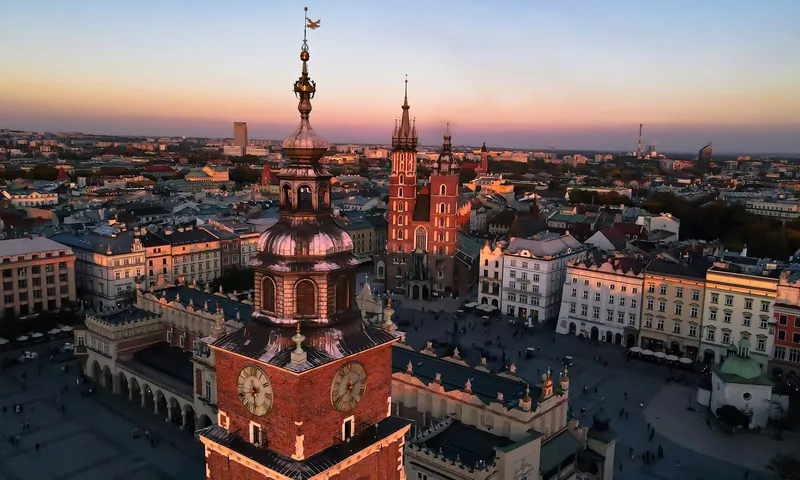
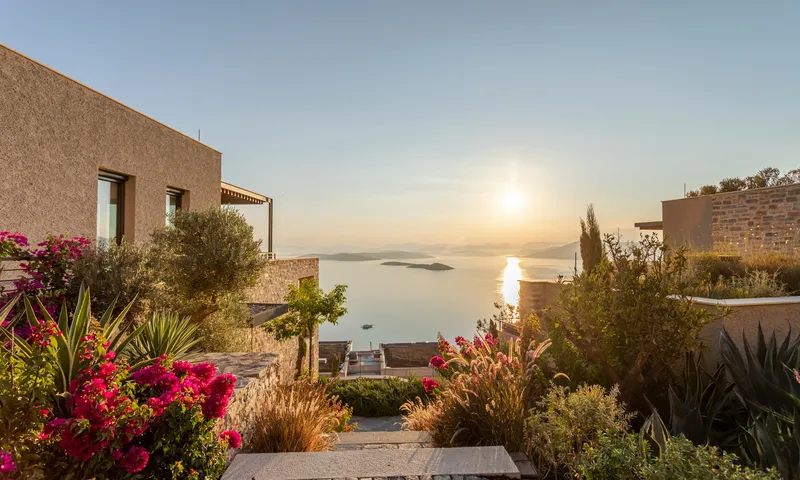
Solo travel in Europe this summer is no longer a niche idea. It is one of the fastest-growing ways people are choosing to experience the continent. Search interest in "solo travel" hit an all-time high in 2026. "Women solo travel" reached a 15-year peak. Flights are full, trains are booked out weeks in advance, and more travelers are deciding to go alone, not because they have to, but because they want to.
There is something different about Europe when you move through it solo. You notice more. You slow down. You make decisions based on curiosity, not compromise. But there is one challenge that keeps coming up across forums, Reddit threads, and local travel groups: how do you actually connect with a place when you are on your own?
That is where most guides fall short. They tell you where to go. They rarely show you how to belong. Solo travel doesn't mean lonely travel. And Europe, this summer, has never been a better place to find out the difference.
This guide is designed to help you plan, move, stay safe, and most importantly, experience Europe in a way that feels personal.
Quick Guide: Solo Travel Europe Summer 2026
Best First-Timer City: Lisbon, Portugal, safe, walkable, English-friendly, and genuinely affordable relative to Western Europe.
Top Rising Star: Ljubljana, Slovenia, compact, car-free, and shockingly underrated for how beautiful it is.
Best Coolcation Pick: Tallinn, Estonia, medieval charm and digital-first infrastructure, with far fewer crowds than you'd expect.
Budget Baseline: €50–80/day in Eastern Europe; €100–150/day in Western Europe; €150–200/day in Scandinavia.
Best Experience: A private walk with a Lokafy local, the fastest way to skip the tourist layer entirely.
Choosing Your Destination, The Best European Cities for Solo Travelers This Summer
Not all European cities are equally good for going alone. The best ones share a few things: they're walkable, they have reliable public transport, locals are genuinely open to conversation, and there's enough going on that you don't feel like you're missing out by not having a travel companion. Below, the picks broken into three tiers: iconic, rising, and coolcation.
The Iconic Tier (Proven, Beloved, and Still Worth It)
Lisbon, Portugal

Portugal ranks 7th globally on the 2025 Global Peace Index. Lisbon is compact, walkable, and has one of the most welcoming solo cultures in Europe, people eat alone at tascas (traditional tavernas) without a second glance. Alfama's tram rides, Mouraria's music spilling from open doors at dusk, and a fado concert on a Tuesday night cost almost nothing. Summer heat peaks in August; late June and July are the sweet spot.
Prague, Czech Republic
Prague's old town is stunning and its hostel culture is among the best in Europe for meeting people. Budget travelers can manage comfortably on €50–70/day including accommodation. The city rewards the curious, the tourist zone is a thin layer, and one street off the main drag and you're somewhere completely different. Summer brings long evenings, outdoor concerts, and the Vltava river lit gold at sunset.
Barcelona, Spain

Spain is rated the safest country in Europe for female solo travelers. Barcelona is best explored beyond La Rambla, El Born, Gràcia, and Poblenou are where the city actually lives. The metro is excellent (watch for pickpockets on Lines 3 and 4), beaches are a short walk from the city center, and the food scene operates on its own schedule: lunch at 2pm, dinner at 9:30pm, and you'll fit right in.
Amsterdam, Netherlands
Cycling is how Amsterdam works, and renting a bike for a day is one of the best things a solo traveler can do in Europe. The city is extremely English-friendly, the canal-side café culture is ideal for solo dining, and the museum card gives you access to the Rijksmuseum, Van Gogh Museum, and more for a flat fee. Budget for higher daily costs (€120–180) compared to southern Europe.
The Rising Stars (Fewer Crowds, Bigger Rewards)
Ljubljana, Slovenia

Ljubljana is consistently ranked the top hidden gem destination in Europe. Its car-free city center, pedestrian-friendly old town, and a medieval castle overlooking the whole city make it one of the most beautiful capitals you've probably never seriously considered. It's also small, you can walk the core in half a day, leaving time to take the train to Lake Bled, arguably the most photogenic spot on the continent, just 45 minutes away.
Porto, Portugal
Porto gets the same Douro River, the same azulejo tile facades, the same grilled fish and local wine, at notably lower prices than Lisbon and with fewer tourists. The Ribeira district along the waterfront is genuinely gorgeous at dusk, and a bottle of aged tawny port at a riverside restaurant costs around €3. Livraria Lello, one of the world's most beautiful bookshops, sits in the city center and is worth the short queue.
Ghent, Belgium

Bruges gets all the attention, but Ghent, just 30 minutes away by train, offers the same medieval architecture, the same winding canals, and none of the day-tripper crowds. Gravensteen Castle, Sint-Baafskathedraal (home to the Van Eyck altarpiece), and the Graslei waterfront make for a spectacular afternoon on foot. The food scene is genuinely excellent: craft beer, Belgian waffles, and a thriving independent restaurant culture that locals are proud of.
The Coolcation Escapes (For When the Mediterranean Gets Too Hot)
Reykjavik, Iceland
Reykjavik ranks as the world's safest city in 2026. Midsummer brings 24-hour daylight and temperatures around 12–15°C, genuinely refreshing when the rest of Europe is baking. The Golden Circle day trip (Geysir, Gullfoss, Þingvellir) is completely doable solo by rental car or bus. English is spoken everywhere, and solo dining is completely normal culture here.
Tallinn, Estonia

Tallinn is a city that time did unusual things to: its medieval Old Town is one of the best preserved in Europe, yet it sits inside one of the continent's most digitally advanced nations. Summers are mild (18–22°C), the cost of living is low, and the compact old city, a UNESCO World Heritage site, is entirely walkable. A growing digital nomad community makes it one of the easier European cities for meeting interesting people.
Bergen, Norway
Bergen sits at the gateway to the Norwegian fjords and looks best in the soft summer light you get in abundance through June and July. The Fløibanen funicular takes you above the city for panoramic views in seven minutes, and the fish market on the waterfront is one of the best in Europe. Temperatures hover around 17–20°C. It's not cheap, budget €150–200/day, but the landscape, the Bryggen wharf, and the sheer scale of the fjords nearby make it worth it.
Planning Your Trip, Timing, Budget and Logistics
When to Book, and When to Go
Summer 2026 is shaping up to be one of the most heavily booked seasons on record for European travel. For popular routes and cities, booking accommodation and major transport 6–8 weeks out gives you the best balance of availability and price. If you're set on a specific city during peak July and August, move that window to 10–12 weeks.
The shoulder months, late May, June, and September, are where solo travelers often have the best time. Fewer queues, cooler temperatures in Mediterranean cities, lower prices, and an atmosphere where locals are actually around rather than having retreated from the crowds. Late June in Lisbon or Porto is as good as August, arguably better.
Rough Daily Budgets by Region
Eastern Europe (Prague, Tallinn, Krakow): Budget travelers can manage €40–60/day; mid-range sits at €70–100/day; and a comfortable solo trip runs €110–150/day.
Southern Europe (Lisbon, Rome, Barcelona): Budget is €60–80/day; mid-range is €100–140/day; and comfortable is €150–200/day.
Western Europe (Amsterdam, Paris, Ghent): Budget starts at €90–120/day; mid-range is €140–180/day; and comfortable is €200 and above.
Scandinavia and Iceland (Bergen, Reykjavik): Budget is €120–160/day; mid-range is €180–240/day; and comfortable is €250 and above.

Interrail vs. Point-to-Point Trains
The Interrail Global Pass gives you access to trains in 33 European countries and comes with the Rail Planner app for managing your journey. Youth passes (under 28) offer the best rates. That said, the pass isn't always the cheapest option. For focused itineraries of 2–3 cities, booking point-to-point tickets in advance, particularly on high-speed routes in Spain, France, and Italy, which require seat reservations on top of the pass, can work out more economical.
The sleeper train network is making a serious comeback across Europe. Overnight routes between cities like Vienna and Rome, or Zurich and Barcelona, save you a night's accommodation and add something genuinely atmospheric to the experience of getting around. For routes that don't require reservations, regional trains through the Czech countryside, slow trains along Portugal's Douro Valley, or the coastal route in Croatia, the pass is excellent value, and the journeys themselves become part of the trip.
The Slow Travel Shift
The biggest trend in solo travel in 2026 isn't a destination, it's a philosophy. Search interest in "slow travel" hit an all-time high this year, with "slow travel Italy" up 100% in a single month. The idea is simple: stay longer in fewer places. A week in one city rather than three nights in four. The payoff is disproportionate. You start recognizing faces at the morning café. You get restaurant recommendations from your host. You find the neighborhood market, the non-tourist bakery, the square where people actually sit on Sunday evenings. It's the version of travel worth going solo for.
Staying Safe as a Solo Traveler in Europe
Western and Central Europe is the most peaceful region in the world, with eight of the world's ten most peaceful countries located there. Violent crime against tourists in cities like Lisbon, Ljubljana, and Vienna is genuinely rare. But "safe" doesn't mean "zero-attention-required", particularly for women traveling alone, and particularly in larger cities where pickpocketing and opportunistic scams are more common.

Practical Safety Basics
- Know your neighborhoods before you arrive. In Barcelona, La Rambla at night is pickpocket territory and Raval becomes significantly less comfortable after midnight. In Rome, tourist-heavy areas around major monuments are where theft most commonly happens.
- Keep digital copies of everything. Passport, travel insurance, debit card emergency numbers, and accommodation booking confirmations, stored in email and on a cloud service. If your bag disappears, this is what lets you function.
- Buy a local SIM card on arrival. It's the cheapest it's ever been across Europe, and navigating without total reliance on a single foreign plan is both safer and less stressful. Most airports and central newsagents carry prepaid options.
- Get travel insurance that actually covers you. Not a credit card's complimentary coverage, a real policy that covers medical evacuation, trip interruption, and theft. Europe's healthcare is generally excellent, but repatriation costs without coverage are significant.
- Trust your instincts without apologizing for them. If a situation or person feels off, leave. Solo travel builds a certain kind of situational intelligence quickly, the skill is acting on it rather than second-guessing.
For Solo Female Travelers Specifically
About 54% of solo female travelers endorse Europe as the ideal destination for a first solo trip, and for good reason. Cities like Lisbon, Vienna, and Ljubljana regularly top safety rankings for women. Copenhagen and Vienna are particularly recommended for first-timers given their walkability, reliable public transport, and cultures that are genuinely comfortable with women dining and exploring alone.
A few city-specific notes worth having: in Barcelona, El Born and Eixample are the most comfortable areas after dark; avoid La Rambla past midnight and use the metro rather than walking to unfamiliar neighborhoods. In Rome, chaotic and generally safe, but keep a crossbody bag with the zip facing inward on the Metro. In Lisbon's Alfama, the hills mean quieter streets, pick your route home and let someone know where you're going for late evenings.
One genuinely underrated safety benefit of exploring with a local guide is orientation confidence. Knowing which streets feel different after dark, where to avoid on a particular night, and how a neighborhood actually functions is knowledge that takes weeks to acquire on your own, or one afternoon with someone who has lived there for years.

How to Experience a City Like a Local, Not a Tourist
Every city has two layers. There's the version on the postcards, the monuments, the famous squares, the restaurants with photographs on the menu. And then there's the city that exists around and behind that version, which is where people actually live and where the most interesting things tend to happen. The gap between the two is exactly what solo travel, done right, is for.
Eat Where Locals Eat
The clearest signal that a restaurant is aimed at tourists is an English menu displayed outside with photographs. The restaurants worth finding don't advertise, they rely on neighborhood regulars.
"Most tourists go straight to Bairro Alto for dinner, but that whole strip is built around visitors. Come to Mouraria instead, the same grilled fish, the same wine, the same tiles on the walls. Half the price, none of the noise, and you'll hear actual fado coming through somebody's open window at 10pm. That's the real thing."
- Mariana F., born and raised in Mouraria, Lisbon
Time Your Visits Around Local Life
European summers are full of local festivals, street markets, and neighborhood events that most tourists never hear about because they're not in the guidebooks. Lisbon's Festas de Lisboa runs through June, essentially a city-wide block party across every neighborhood. Rome has estate romana events all summer: outdoor cinema, live music in parks, neighborhood feasts. Ljubljana's open-air market runs daily along the Ljubljanica River. These aren't tourist performances, they're what the city does when it's being itself.
Take a Cooking Class or Market Tour
A cooking class in a city you don't know is one of the best decisions you can make as a solo traveler. They are, structurally, a social activity, you meet people immediately, you learn something about the local food culture that no restaurant can teach you, and you leave with a skill. Most cities have market-to-table options where you shop with a local first: Porto's Mercado do Bolhão, Rome's Campo de' Fiori, Barcelona's La Boqueria early in the morning before the crowds arrive.
Go With a Local
The fastest way to close the gap between the tourist layer and everything underneath it is to spend a few hours with someone who actually lives there. That's what Lokafy is built for. Every Lokafyer is a local resident, a person who knows which café has the best pastry at 7am, which street locals take home from the market, and what the neighborhood actually looks like on a Tuesday afternoon versus a Saturday night.
Walks are private, fully customizable, and priced to be accessible. You share your interests in advance and your Lokafyer shapes the experience around them, architecture, food, history, nightlife, photography spots, or anything else that matters to you. The result tends to feel less like a tour and more like spending the afternoon with a friend who happens to have lived in this city their whole life.
2026 Solo Travel Trends Worth Knowing
Travel in 2026 is shifting in ways that benefit solo travelers specifically. Here's what's actually happening, useful for planning, and useful for knowing you're very much not alone in how you're approaching this.
Soft Travel and Scenic Train Routes

Slow scenic train journeys are having a major moment. Overnight routes are back, the Vienna-to-Rome sleeper, the European Sleeper between Brussels and Prague, the Caledonian Sleeper through Scotland, and booking them early gets you a private couchette that doubles as a hotel room. For solo travelers, a night train is one of the more atmospheric ways to arrive somewhere new: you wake up in a different country with none of the indignities of airport security.
Coolcations
As Mediterranean summers get hotter and peak-season crowds more intense, a growing number of travelers are choosing cooler northern destinations instead. Reykjavik, Bergen, Tallinn, Vilnius, and the Scottish Highlands are all seeing growing interest. These destinations are often significantly cheaper than their southern equivalents once you factor in lower costs of food and accommodation relative to Spain or Italy in August.
Me-Moons
The "me-moon", a solo luxury escape taken as a deliberate act of self-investment, is one of the more interesting travel trends right now. It's solo travel with higher standards: a good hotel, a private guide, dinners at restaurants you actually want to eat at. Several European cities are well suited to this: Lisbon's boutique hotel scene is genuinely excellent, Ljubljana has remarkable design hotels for its size, and Rome's smaller neighborhoods (Trastevere, Prati) have accommodation that's as good as anything in the city.
Destination Dupes
The logic is straightforward: if you want Florence but without the August crowds, go to Lecce in Puglia, baroque architecture, extraordinary food, and a fraction of the visitors. If Croatia's coastline has priced itself out of your budget, Albania's Riviera offers similar landscapes at dramatically lower prices. For a Prague alternative, Bratislava and Brno both deliver Central European architecture and culture for considerably less. This isn't settling, it's smart planning.
Wellness Tourism
Solo travelers in 2026 are increasingly choosing trips around intentional rest and recovery, not just sightseeing. Iceland's geothermal pools, Tuscany's thermal spa towns (Bagno Vignoni, Saturnia), Portugal's spa culture in the Douro Valley, and Slovenia's thermal resorts near Ljubljana all make Europe a genuinely compelling wellness destination, particularly for the me-moon traveler or the digital nomad adding recovery to a work trip.
Packing and Practical Essentials for a European Summer
Carry-On Only, A Case For It
Solo travelers with carry-on only bags move faster, lose less, spend nothing on checked luggage fees, and can change plans without the overhead of managed luggage. For a summer trip of up to three weeks, it's entirely achievable: a 40L backpack (under most airline size limits), quick-dry fabrics, and a laundromat every 4–5 days. The Mediterranean heat means lighter clothing, which compresses well. In cooler northern destinations, layers beat heavy individual items.
Clothing Basics
Three to four lightweight tops (quick-dry preferred), two pairs of versatile trousers or shorts, one light layer or cardigan for churches and cool evenings, comfortable walking shoes that look decent at dinner, sandals for coastal and summer cities, a packable rain jacket, and three to four pairs of underwear (merino wool washes and dries faster than cotton).
Practical Essentials
An unlocked phone with a local SIM bought on arrival, a portable charger of at least 10,000mAh, a Type C travel adapter (works across most of Europe), photocopies and digital copies of your passport, travel insurance documents accessible offline, a crossbody bag with an anti-theft design for city days, and a door stop alarm for hostel or guesthouse stays.
Money: Euro Zone vs. Non-Euro Countries
Most of Western and Southern Europe uses the Euro. Exceptions worth knowing: Czech Republic uses the Koruna, Poland uses the Zloty, Hungary uses the Forint, and Scandinavia has its own currencies (Norwegian, Swedish, and Danish Krone). Iceland uses the Icelandic Krona. A Wise or Revolut card lets you hold and spend in multiple currencies without conversion fees, which adds up meaningfully over two or three weeks.
Essential Apps
The Rail Planner app (Eurail/Interrail) for train travel, Omio or Trainline for point-to-point booking, Google Translate with offline language packs downloaded before departure, Maps.me for offline navigation in areas with poor signal, and Revolut or Wise for fee-free spending. For finding local events and neighborhood life, Meetup works well in most major European cities and consistently surfaces non-tourist activities worth knowing about.
Heat Prep for Mediterranean Cities
Lisbon, Barcelona, Rome, and Athens regularly exceed 35°C in July and August. Build your days around the local schedule: out early before 11am, inside or in the shade from noon to 5pm, back out in the evening when the city comes alive again. This is exactly what locals do, and it's one of those things a Lokafyer will tell you in the first ten minutes.

Frequently Asked Questions
Is Europe safe for solo female travelers in 2026?
Yes, particularly in Western and Central Europe, which is statistically the most peaceful region in the world. Cities like Copenhagen, Vienna, Lisbon, and Ljubljana rank among the safest in Europe for women traveling alone. Standard precautions, knowing your neighborhoods, using well-lit transport routes at night, and trusting your instincts, apply as they would anywhere. About 54% of solo female travelers specifically endorse Europe as the ideal first solo destination.
What is the best way to get around Europe as a solo traveler?
Trains are the most comfortable, scenic, and stress-free option for most routes. An Interrail Global Pass works well for itineraries covering multiple countries, while point-to-point tickets booked in advance on Omio or national rail sites are often cheaper for focused trips. Sleeper trains are a growing option for overnight routes and save on accommodation. Budget flights work for longer distances where train journeys exceed 20-plus hours.
How do I meet locals while traveling Europe alone?
The most direct way is to book a private walk with a local through Lokafy, two to four hours with someone who lives in the city, structured around your interests. Beyond that: cooking classes, language exchange evenings (common in most major European cities), Meetup events, neighborhood markets, and staying in smaller guesthouses or boutique hostels rather than large hotel chains all create natural points of connection.
How do I book a local guide in Europe through Lokafy?
Head to lokafy.com, search your city, and submit a booking request. You share your interests, schedule, and what you're hoping to get out of the experience, and Lokafy connects you with a Lokafyer who fits. Tours are private, flexible, and cancellable up to 24 hours before. Lokafy operates in over 300 cities across Europe and beyond.
What is the cheapest European city for solo travel in 2026?
Eastern European cities offer the best value: Krakow, Tallinn, Bratislava, and Prague all allow comfortable solo travel on €50–70/day including accommodation, food, and activities. In Southern Europe, Porto and Lisbon remain the most affordable in their tier. Ghent is a strong value pick in Western Europe relative to Brussels or Amsterdam.
Your Solo Adventure Starts With the Right Person
Solo travel is, at its core, about choosing your own experience, which city, which pace, which rabbit holes to disappear down for an afternoon. Europe this summer has the range to accommodate all of it: the iconic and the obscure, the scorching and the cool, the high-energy and the deeply quiet.
But the best version of any city isn't one you find on your own. It's the one someone who loves it shows you.
Wherever you're headed this summer, go. And when you get there, find your Lokafyer first.
Find your Lokafyer in 300+ European cities →
Available in Lisbon, Rome, Barcelona, Prague, Amsterdam, Ljubljana, Porto, Ghent, Tallinn, and hundreds more.
Enjoyed this article?