I get asked this question more than almost anything else about Japan. Someone is booking their first trip, they have ten days, and they are staring at a map trying to decide if they should land in Tokyo or Osaka, and how much time each city deserves once they get there.
I have spent enough time in both cities now to have a real opinion, and it is not the wishy washy "they're both great, pick whichever" answer you'll get from most articles. They are great, but they are great in completely different ways, and which one you should prioritize depends on what kind of traveler you are.
Quick Guide: Osaka vs Tokyo Key Takeaways
Primary recommendation: If this is your first trip to Japan and you only have one city to give, choose Tokyo. It has more range, more world class neighborhoods, and it sets up the rest of the country better.
Top choice for food: Osaka. Street food capital of Japan, and significantly cheaper than Tokyo for a meal of equal quality. Insider tip: skip Dotonbori's main strip for dinner and walk ten minutes into Nakazakicho or Tenjinbashi instead.
Value pick: Osaka, for budget travelers. Hotels run 15 to 25 percent cheaper than Tokyo for a comparable room, and it works as a base for Kyoto and Nara too.
The best way to see the city: Take a private, personalized walking experience with Lokafy in Osaka or Lokafy in Tokyo and discover the neighborhoods locals actually spend their evenings in, not the ones every tour bus stops at.
Two Cities, Two Completely Different Personalities
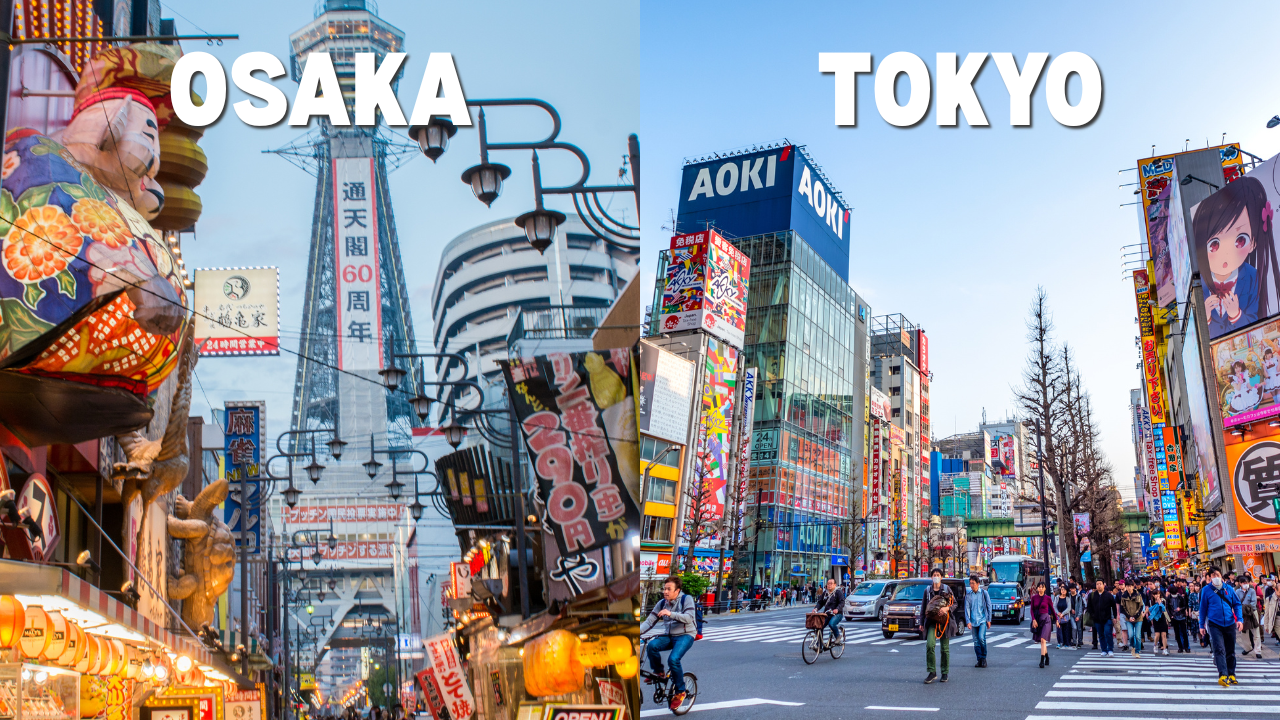
Tokyo and Osaka sit about 320 miles apart on the same island, connected by a bullet train that takes two and a half hours, and somehow they feel like they belong to different countries. Tokyo is the capital, the political center, the place where everything runs on time and everyone moves like they have somewhere important to be. Osaka was built by merchants, not bureaucrats, and that history is still written into how the city behaves. People talk louder here. Strangers crack jokes at convenience store counters. The whole place has a looseness that Tokyo, for all its charm, simply does not have.
If you ask a Tokyo resident to describe Osaka, you'll usually get something like "fun, but a little rough around the edges." Ask an Osaka local about Tokyo and you might hear "impressive, but stiff." Neither is wrong. That contrast is actually the best argument for visiting both, if your itinerary allows it.
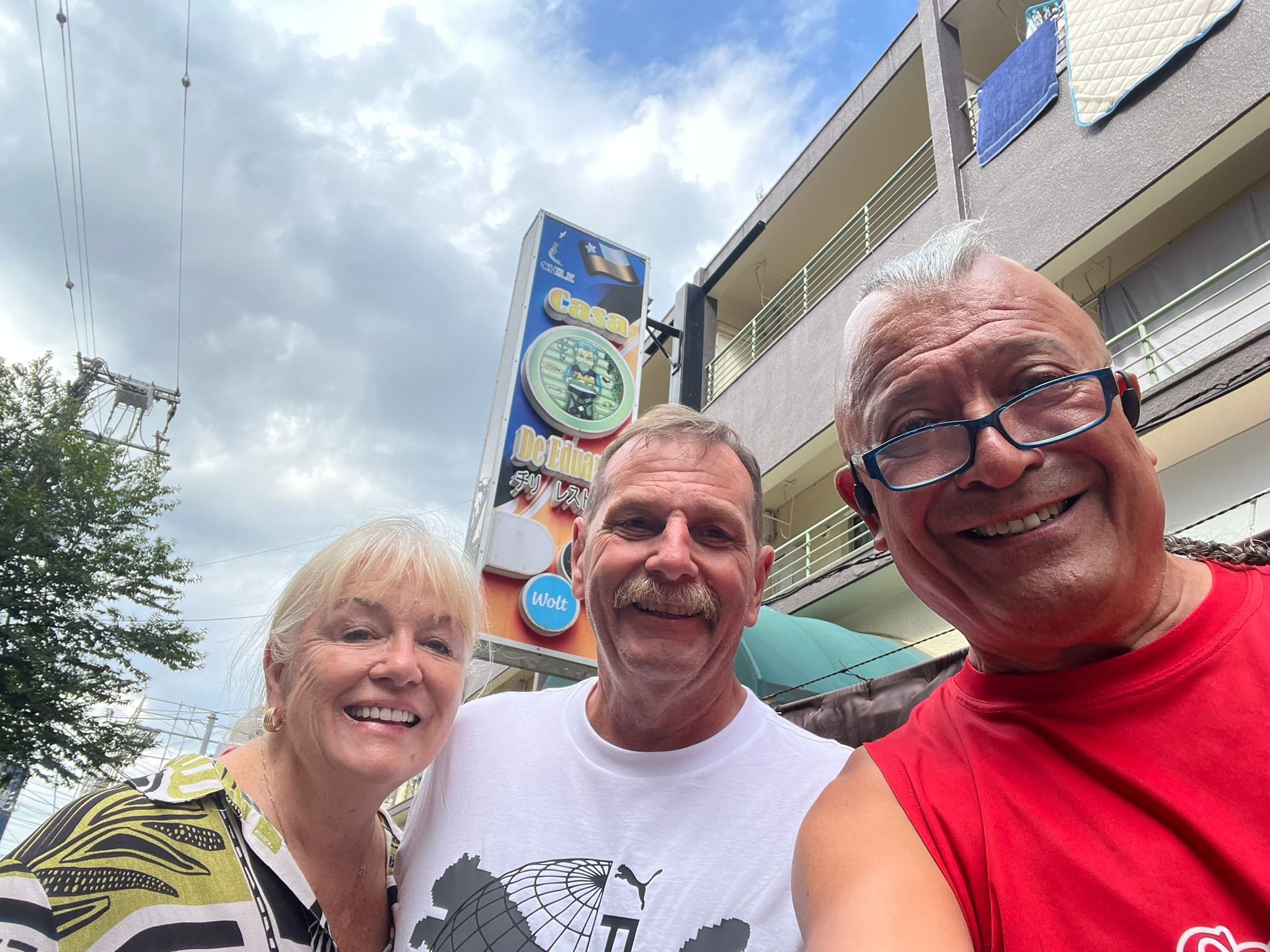
Tokyo: The Case for Going First
Tokyo earns its reputation as the city you should see before anywhere else in Japan, mostly because of sheer range. In a single day you can walk through the quiet wooden lanes of Yanaka in the morning, where the area survived both the 1923 earthquake and the wartime bombings and still looks like old downtown Tokyo, then spend the afternoon in the neon overload of Shibuya, then end up eating an extraordinary plate of sushi in Ginza that night. Few cities on earth let you cover that much emotional distance in twelve hours.
The neighborhoods each function like their own small city. Shinjuku is transport, nightlife, and the kind of skyscraper density that makes you crane your neck. Shibuya is youth culture and trend, home to the crossing everyone has seen in a photo at least once. Asakusa gives you the postcard version of old Tokyo around Senso-ji Temple, and it's worth seeing even though it is busy, because some things earn the crowds. Then there are the neighborhoods most visitors skip entirely. Yanaka, in the Taito ward, sits a fifteen minute walk from Nippori Station and roughly fifteen minutes on foot from Ueno Park, yet it feels like residential Tokyo from sixty years ago, low wooden shopfronts and a quiet cemetery with enormous trees that turns into one of the city's best cherry blossom spots without the elbow to elbow crowds of Ueno itself. Shimokitazawa, on the west side, has been the center of Tokyo's vintage and indie music scene for decades and rewards slow wandering more than a checklist.
Food in Tokyo leans toward precision. This is the city with more Michelin starred restaurants than anywhere else on the planet, and that reputation is earned at every price point, not only the expensive end. A counter seat at a tiny ramen shop in Shinjuku can be every bit as memorable as an omakase dinner in Ginza. If you want sushi, yakitori, or tonkatsu done with obsessive attention to detail, Tokyo delivers it consistently.
Osaka: The Case for Falling in Love With It Anyway
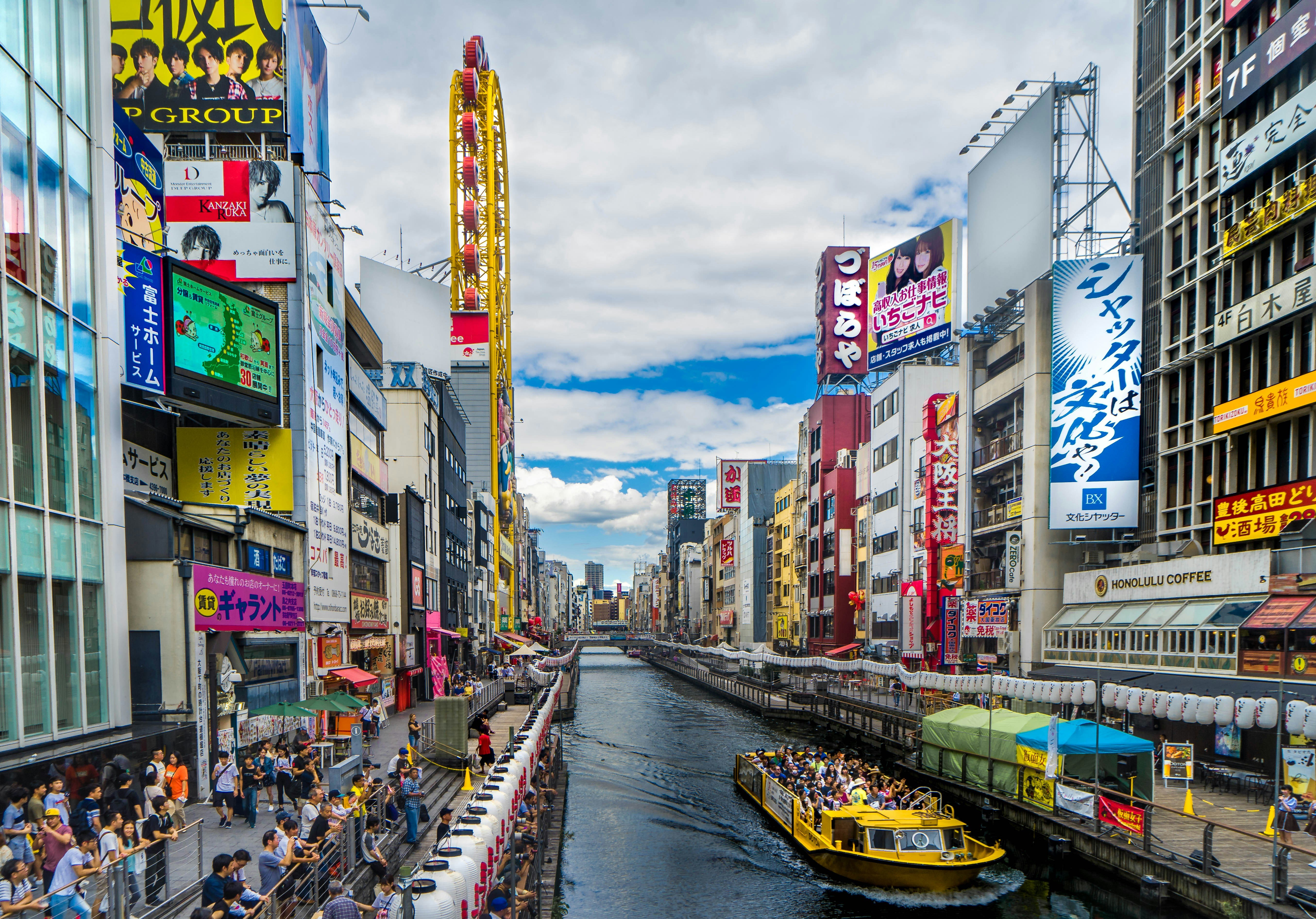
Osaka does not try to compete with Tokyo on polish, and that is exactly the point. People here are famously direct, funny, and food obsessed in a way that shapes the entire identity of the city. Osaka calls itself Japan's kitchen, and once you've eaten your way through Dotonbori at night with the canal lit up in neon, you understand why that nickname stuck.
But the real Osaka experience starts when you walk away from Dotonbori's main strip. Locals on Japan travel forums consistently point newcomers toward Nakazakicho, a quiet pocket of Kita ward located about a ten minute walk northeast from Osaka Station and Umeda Station, where old wooden houses that survived the wartime bombings have been turned into small cafes, vintage shops, and art galleries. It has a slower pace and a younger, more bohemian crowd than the tourist circuit, and most visitors never find it because there is no signage pointing the way. Tenjinbashi, home to one of Japan's longest covered shopping streets and a short subway ride north of Osaka Castle, is another spot where you eat and shop alongside Osaka residents instead of tour groups.
For street food, Shinsekai is the neighborhood locals actually recommend for kushikatsu, the deep fried skewers Osaka is famous for, rather than the more tourist heavy stalls closer to Dotonbori bridge. Takoyaki, the octopus filled batter balls sold from carts across the city, taste noticeably different depending on the vendor, and asking a local guide which stand they grew up eating from beats any ranked list you'll find online.
Beyond food, Osaka Castle sits in a large park that is worth a slow morning, especially during cherry blossom season, and the observation deck at Abeno Harukas gives you a sweeping view over the city and, on a clear day, all the way to Kyoto. Osaka is also a smaller city physically than Tokyo, which means you can cross most of it in under thirty minutes, a real relief after a few exhausting days in the capital.
The Honest Comparison: Food, Cost, and Vibe
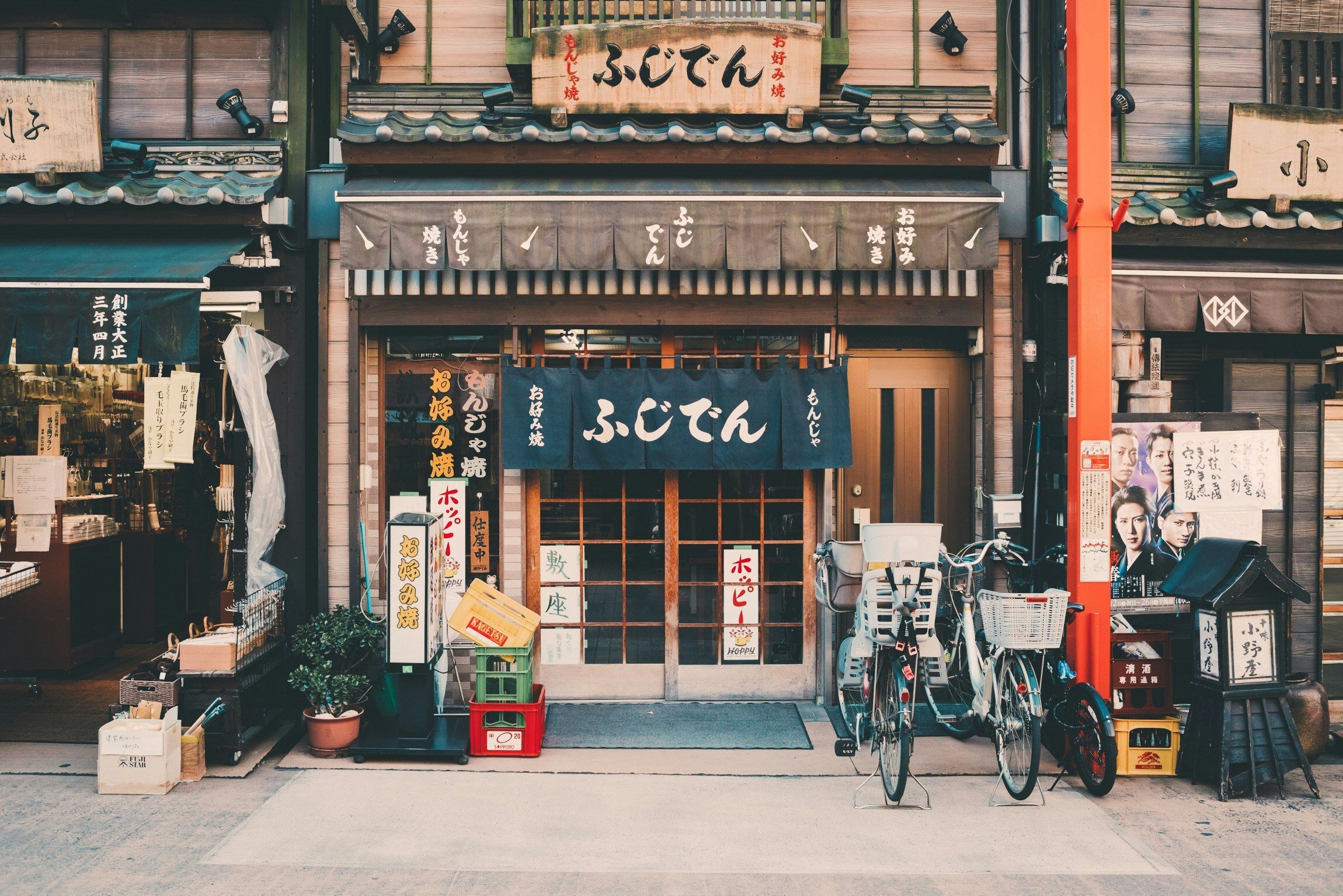
Tokyo wins on variety and refinement. The range of cuisines goes far beyond Japanese food, the fine dining scene is unmatched anywhere in the country, and the quality bar rarely drops even at casual spots. Osaka wins on personality and value. A sit down meal in Osaka typically runs 15 to 30 percent cheaper than an equivalent meal in Tokyo, and street food culture here is not a side activity, it is the main event.
Should you visit Osaka or Tokyo for food specifically? If fine dining and culinary precision excite you more, Tokyo is the better fit. If casual eating, street food, and a louder, more social food culture sound like your idea of a good night, Osaka will feel like paradise. Honestly, you cannot go wrong with either, because Japan as a whole is built for people who care about food.
On cost more broadly, Osaka tends to run cheaper across the board, from hotels to museum entry to transit, while Tokyo's slightly higher prices come with a wider range of options at every budget level. Neither city will break a reasonably planned trip.
How to Split Your Time
If you have seven days or more in Japan, do both cities properly. The Shinkansen bullet train connects Tokyo Station to Shin-Osaka Station in about two and a half hours on the fastest Nozomi service, with a reserved seat running roughly 14,720 yen as of 2026. Trains leave every few minutes during peak hours, so you are never waiting long, and sitting on the right side window seat heading toward Osaka gives you a shot at seeing Mount Fuji about forty minutes into the ride on a clear day.
A common and sensible split is four days in Tokyo and three in Osaka, using Osaka as your launchpad for day trips to Kyoto and Nara, both of which sit less than an hour away by local train. If you only have five days total, three in Tokyo and two in Osaka still gives you a real feel for both without rushing either one into a blur.
If you're short on time and forced to choose only one, Tokyo is the safer first trip for the reasons above. But Osaka has a habit of stealing the show anyway. More than one traveler has come back saying Tokyo impressed them and Osaka made them laugh, and that difference in feeling is worth experiencing firsthand rather than taking anyone's word for it.
A Simple Four Day Tokyo Itinerary
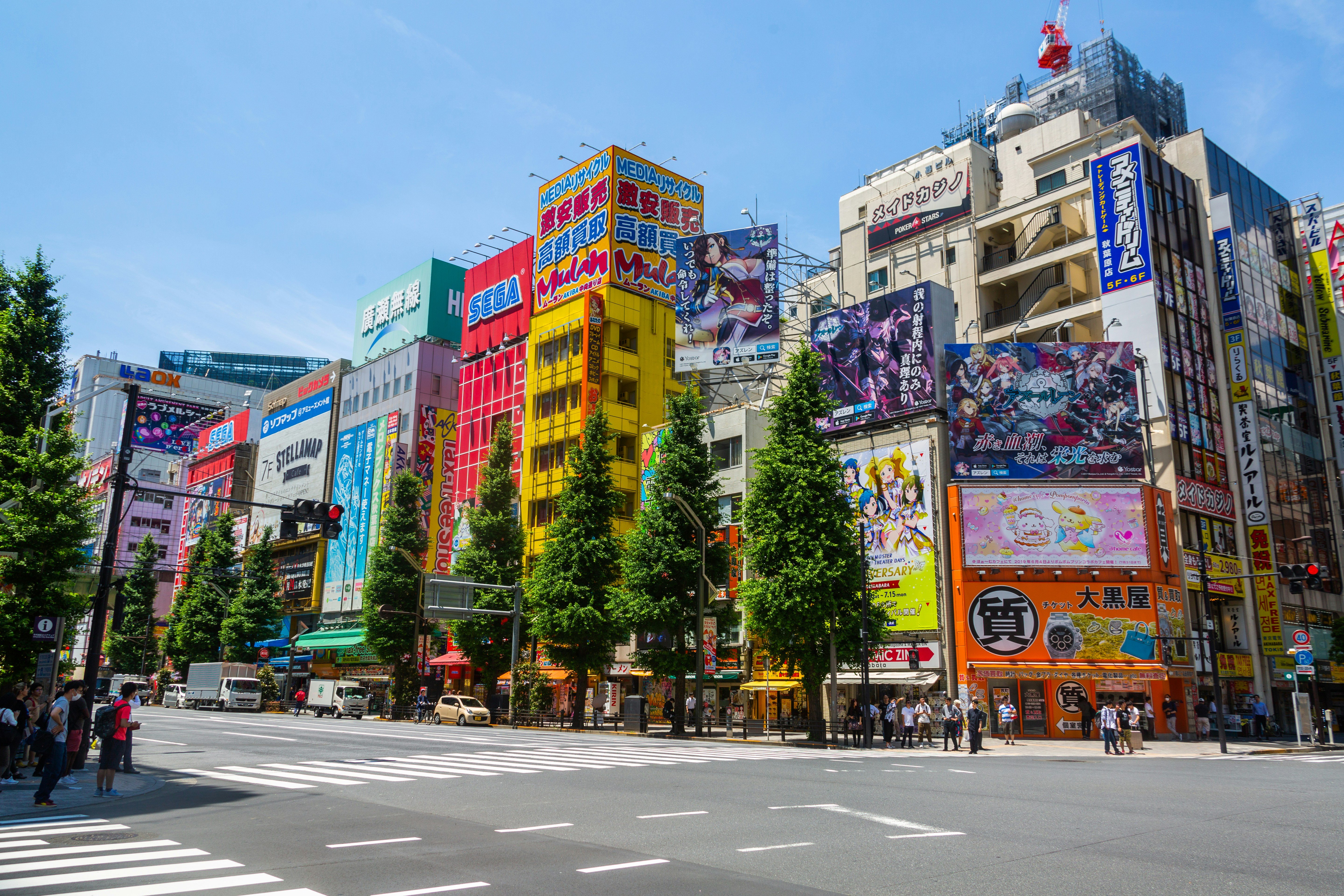
Day one, ease in around Asakusa and Senso-ji Temple in the morning, then walk or take a short train to Yanaka in the early afternoon for a quieter contrast before heading to Ueno for dinner. Day two, go modern: Shibuya Crossing, the boutiques of Harajuku, and an evening in Shinjuku, finishing at one of the small bars in Omoide Yokocho, a narrow alley near Shinjuku Station packed with tiny yakitori counters that have been serving the same regulars for decades. Day three, head toward Ginza for high end shopping and a proper sushi lunch, then spend the afternoon at the Meiji Shrine and Yoyogi Park area for some quiet green space in the middle of the city. Day four, leave room for whatever pulled at you the first three days, maybe a return trip to a neighborhood you didn't get enough of, or a day trip out to Hakone for a Mount Fuji view.
A Simple Three Day Osaka Itinerary
Day one, start at Osaka Castle in the morning before the heat picks up, then make your way to Shinsekai in the afternoon for kushikatsu and the retro charm of Tsutenkaku Tower. Day two, spend the morning wandering Nakazakicho's cafes and vintage shops, then head to Tenjinbashi for lunch along the covered shopping street, and finish the night properly in Dotonbori, walking the canal and eating your way through takoyaki and okonomiyaki stalls. Day three, take the short train out to Nara to feed the famously polite deer and see the giant Buddha at Todai-ji, or to Kyoto if temples and quiet gardens are more your pace, then come back into Osaka for a final dinner somewhere your local guide actually eats.
Two Ways to Make Either City Click Faster
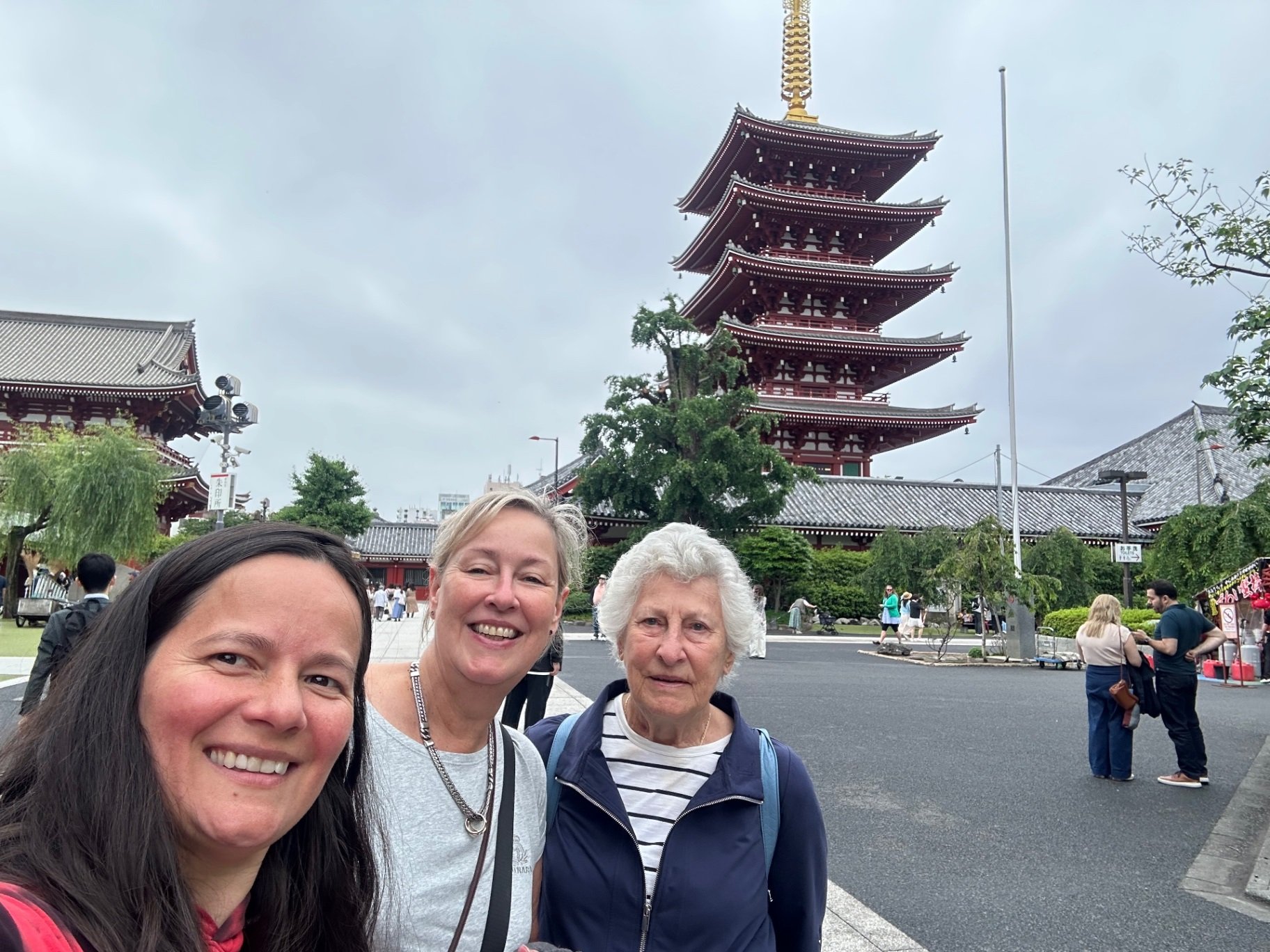
You will figure out the trains and the must see landmarks on your own with a guidebook or a few good blog posts. What's harder to find on your own is the stuff that doesn't show up in search results, the takoyaki stand a local has gone to since childhood, or the explanation of why Osaka residents and Tokyo residents tease each other the way they do. That context is what turns a checklist trip into a trip you actually remember.
Book a Lokafy local guide in Tokyo before your visit and spend a few hours walking through a neighborhood like Yanaka or Shimokitazawa with someone who actually lives there, instead of guessing which side streets are worth the detour.
If Osaka is on your route, the same applies. A Lokafy guide in Osaka can take you straight to the kushikatsu counter in Shinsekai that doesn't show up on review sites, or walk you through Nakazakicho with the kind of backstory you only get from someone who grew up nearby.
Frequently Asked Questions
Is Osaka or Tokyo better for a first trip to Japan? Tokyo is generally the better first stop because it offers more variety in sights, neighborhoods, and dining, and it gives you the broadest introduction to modern Japan. Osaka makes an excellent second stop or an easier, more compact base if budget and simplicity matter more to you than breadth.
How long does it take to get from Tokyo to Osaka? The fastest Nozomi Shinkansen covers the roughly 320 mile distance between Tokyo Station and Shin-Osaka Station in about two and a half hours, with trains departing every few minutes during peak travel times.
Is Osaka cheaper than Tokyo? Yes, generally. Hotels, meals, and many attractions in Osaka run somewhere between 15 and 30 percent cheaper than comparable options in Tokyo, making it a popular choice for budget conscious travelers.
How many days do you need in Osaka and Tokyo combined? Seven days is a comfortable minimum for both cities, split roughly four in Tokyo and three in Osaka, though five days total can still work if you keep the itinerary focused rather than trying to see everything.
Is Osaka a good base for visiting Kyoto and Nara? Yes. Osaka's central location in the Kansai region puts Kyoto under thirty minutes away by train and Nara under an hour, making it an efficient base for day trips without changing hotels.
What is Osaka known for besides food? Beyond its reputation as Japan's kitchen, Osaka is known for Osaka Castle and its surrounding park, the retro Shinsekai district, the observation deck at Abeno Harukas, and a more relaxed, sociable culture than Tokyo's.
Should I visit Tokyo or Osaka first if I'm only going once? If you can only make one trip and want the fuller picture of Japan, visit Tokyo first since it offers the widest range of experiences. But if a slower, food focused, more local feeling trip appeals to you more, starting in Osaka is a completely valid choice that plenty of seasoned Japan travelers actually prefer.
Enjoyed this article?