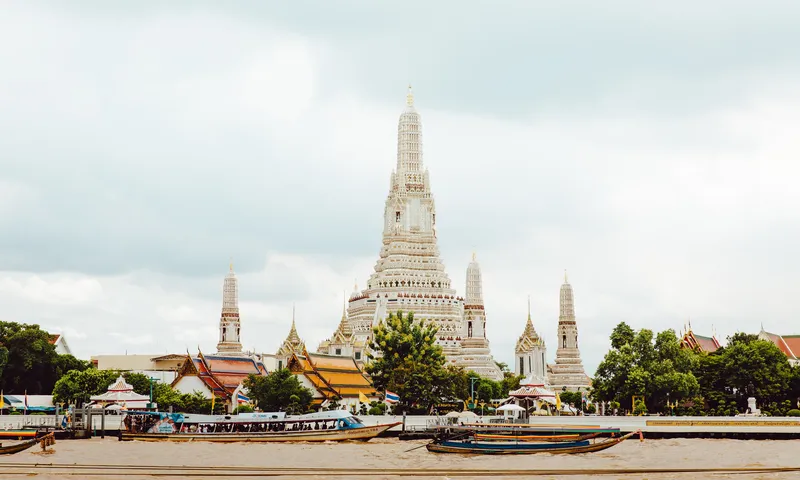
Kyoto, not just any old city in Japan; it's like the heart of a never-ending cultural party.Imagine streets lined with temples that have seen more history than most textbooks, combined with the buzz of modern life. Kyoto packs a punch with its mix of ancient traditions and bustling city vibes. It's like stepping into a time machine, but with all the comforts of the 21st century.
Now, Kyoto isn't your run-of-the-mill, seen one, seen them all kind of place. It's where geishas still wander through the Gion district, and tea ceremonies are more than just drinking tea; they're an art form. This city is a living museum, but unlike most museums, here you're allowed to touch, taste, and experience everything.
So, whether you're a history buff, a culture enthusiast, or just someone looking for a unique travel experience, Kyoto's got you covered. With its vibrant blend of the old and the new, Kyoto is a city that promises to be as enlightening as it is enchanting.
Must-Visit Historical and Cultural Sites
When you're in Kyoto, missing out on its historical and cultural sites is like having pizza without cheese. It's just not right. From ancient temples to serene gardens, these sites tell tales of a time gone by, and guess what? Many are UNESCO World Heritage Sites, making them must-visits.

The Majesty of Kinkakuji and Ginkakuji
Kinkakuji and Ginkakuji, or the Golden and Silver Pavilions, stand as glittering reminders of Kyoto's lavish past. They're like the city's poster kids for beauty and elegance.
Exploring Kyoto's Iconic Golden and Silver Pavilions
The Golden Pavilion, Kinkakuji, is like the popular kid in school; its gold-plated exterior shines like it's trying to win a beauty contest, reflecting beautifully on the pond in front of it. Originally a shogun's retirement villa, it's now a Zen Buddhist temple that attracts visitors from all corners of the globe.
Then there's Ginkakuji, the Silver Pavilion, which is a bit more laid back. It might not be covered in silver, but it's got a charm all its own. Surrounded by meticulously designed gardens, it serves as a symbol of the Higashiyama culture, blending the best of art, religion, and nature.
Fushimi Inari Shrine's Mystical Torii Gates

Picture walking through a seemingly endless path lined with thousands of vivid vermilion torii gates - this is Fushimi Inari Shrine for you. These gates, snaking up the mountain, create not just a spectacular visual, but a spiritual experience too. It’s like stepping into another world, where every gate you pass whispers tales of tradition and devotion. The shrine dedicated to Inari, the Shinto god of rice, has been a magnet for visitors and worshippers alike, seeking blessings or simply marveling at this unique spectacle.
A Journey Through Thousands of Vermilion Gates
The walk through Fushimi Inari Shrine’s torii gates is nothing short of magical. Starting at the shrine’s base, each step takes you deeper into history and culture, with smaller shrines dotted along the way, each offering its own slice of tranquility. The gates themselves, donations from businesses and individuals praying for prosperity, glow with a warm, welcoming light, guiding visitors on their journey up the sacred Mount Inari. It’s a trek that promises not just natural beauty, but a profound sense of peace and fulfillment.
Reaching the summit provides more than just a sense of achievement; it offers panoramic views of Kyoto, a city that blends history with modernity. Making your way back down, the descending path offers a different perspective, both literally and metaphorically, on the beauty and cultural significance of this remarkable place. The journey through the torii gates is a physical and spiritual adventure, reflecting the depth of Japanese culture and the enduring allure of its ancient practices.
The Timeless Tradition of Aoi Matsuri

Aoi Matsuri is one of Kyoto’s three great festivals, taking you back in time with its grand procession dressed in the attire of the Heian period. Imagine aristocrats of old Kyoto, parading with dignity and grace, amidst a sea of vibrant green from the hollyhock leaves. This festival is not just a feast for the eyes but a bridge to Kyoto’s aristocratic past, celebrated annually to pray for a good harvest and peace across the land.
An Insider's Guide to the Festival's Procession Schedule and Route
The Aoi Matsuri takes meticulous planning, starting early in the morning and winding through the streets of Kyoto to end by the afternoon. The procession, with hundreds taking part, embarks from the Kyoto Imperial Palace, proceeds to Shimogamo Shrine, and finally concludes at Kamigamo Shrine. The participants, dressed in exquisite Heian period costumes, embody characters from the imperial court, including the Emperor and his entourage, making the entire event seem like a page right out of history.
For those looking to catch this spectacular display, securing a good viewing spot is essential. Streets lining the procession route fill up quickly with locals and tourists alike, all eager to witness this intricately choreographed tribute to Kyoto’s past. Key spots offer different vantage points – from the grandeur of the Imperial Palace’s departure to the spiritual ambiance at Shimogamo and Kamigamo Shrines. It’s an event that encapsulates the heart of Kyoto’s history, making it a must-see for anyone looking to understand the city’s rich cultural tapestry.
A Deep Dive into Kyoto's Living Traditions
Kyoto stands as a testament to living history, where every alley, temple, and festival feels like a step back in time. It’s where traditional tea ceremonies and the timeless elegance of geisha continue to flourish amid the push and pull of modern life. A city proud of its heritage, Kyoto invites visitors to not just see its history, but to live it - through its festivals, its streets, and the daily routines of its people. This blend of the ancient and the contemporary makes Kyoto a city unlike any other, offering a unique glimpse into the heart of Japanese traditions.

The Heartbeat of Kyoto at Gion Matsuri
When summer rolls around, Kyoto pulses with the energy of Gion Matsuri, one of Japan’s most famous traditional festivals. This month-long celebration, culminating in a massive parade of floats, is not just an event; it’s the soul of Kyoto in its purest form. The air fills with music and chants, as towering floats, crafted with exquisite care, navigate the city’s narrow streets. Gion Matsuri is more than a festival; it’s a communal expression of pride, history, and culture, drawing visitors and locals together in a vibrant tapestry of festivity.
Experiencing One of Japan's Most Famous Festivals
The highlight of Gion Matsuri is the spectacular parade of floats, known as Yamaboko Junko. These engineering marvels, some towering over 25 feet and weighing up to 12 tons, are a sight to behold, decorated with incredible detail and pulled through the streets by teams of men. But Gion Matsuri isn’t just about watching; it’s about experiencing. The streets of Kyoto come alive with food stalls, traditional games, and performances, creating a festive atmosphere that captivates the heart and soul.
For those daring enough, joining in the festivities by wearing a yukata (a summer kimono) adds a whole new layer to the experience. The camaraderie felt as you navigate through the crowds, the melodies of the festival music, and the warmth of Kyoto’s citizens make Gion Matsuri an unforgettable experience. It’s a time when the past and present merge, and the spirit of the city is felt most vividly, making it a pinnacle of Kyoto’s living traditions.
Kyoto's Pontocho Alley: Where Tradition Meets Modernity
Step into Pontocho Alley, and you’re greeted with the essence of Kyoto’s charm. This narrow lane, alive with the allure of the past, buzzes with modern energy. Lined with traditional teahouses and modern eateries, Pontocho offers a slice of Kyoto life that’s as flavorful as the dishes served. By night, the alley transforms, with lanterns casting a warm glow on the bustling scene, creating a magical setting where history and contemporary life mingle effortlessly.
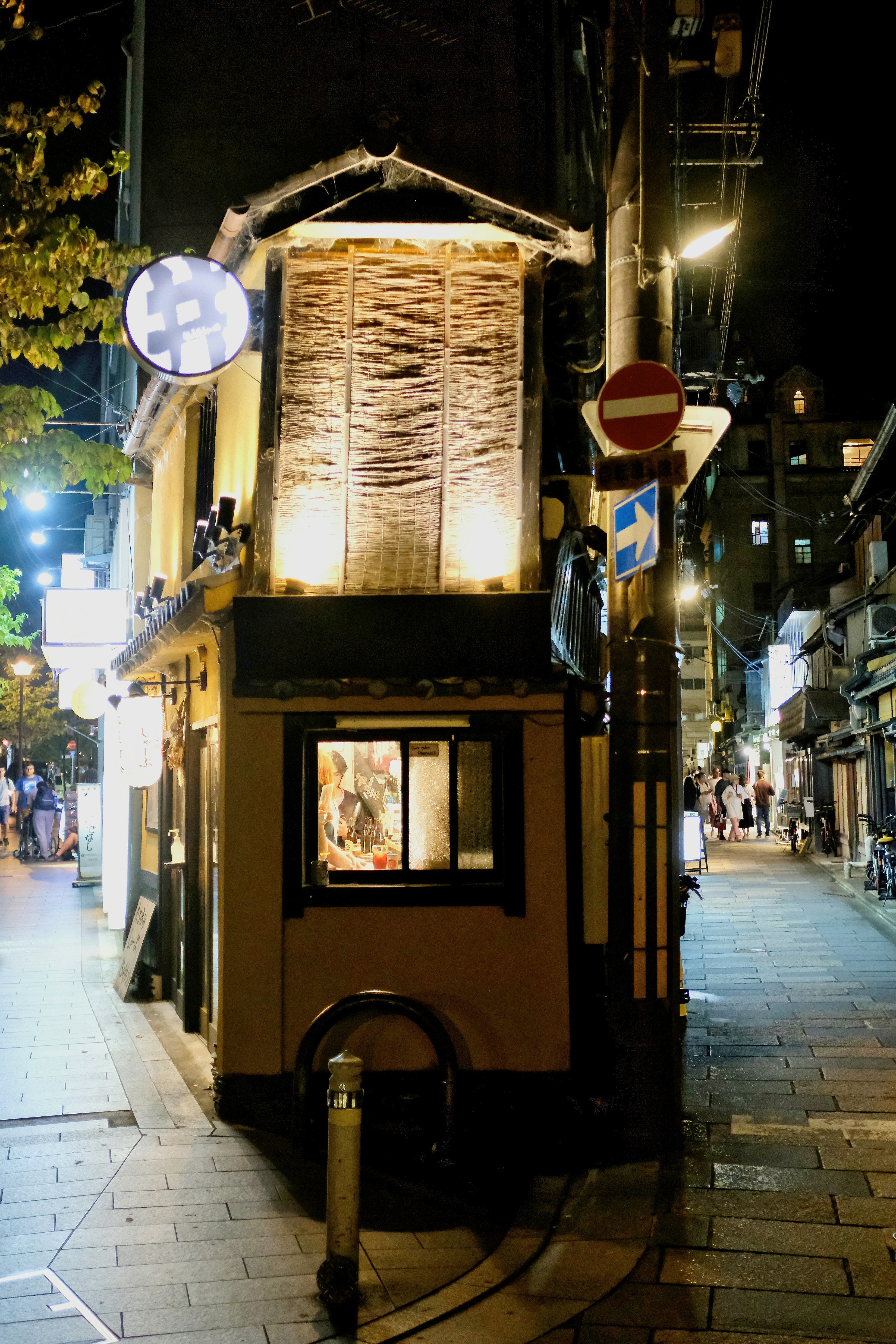
A Culinary Adventure in Kyoto's Nightlife Hub
The culinary journey in Pontocho Alley is as diverse as Kyoto itself. From sizzling street food to upscale kaiseki dining, the options tantalize your taste buds and offer glimpses into the rich culinary traditions of Japan. Adventurous eaters can dive into exotic dishes, while those with a more traditional palate can savor timeless Japanese favorites. The alley’s ambience, with its blend of history and modernity, adds an extra layer of enjoyment, turning each meal into not just a dinner, but an experience.
As you wander through Pontocho, the sounds of lively conversations, clinking glasses, and traditional music invite you to explore further. Each doorway opens to a new world - be it a cozy bar serving handcrafted cocktails or a small restaurant where the chef prepares dishes before your eyes. Pontocho isn't just about food; it's about the stories and people behind these culinary creations, making every visit a unique adventure into the heart of Kyoto’s vibrant nightlife.
Transportation in Kyoto: A Seamless Blend of Old and New
Navigating Kyoto is a breeze, thanks to a transportation network that respects the city’s heritage while embracing modern efficiency. Buses and trains whisk passengers to ancient sites and modern attractions alike, with routes crafted to ensure that the journey is as smooth as the destination is enchanting. The convenience of tap-and-go payment systems melds with the charm of rickshaws in quieter districts, illustrating Kyoto’s unique ability to merge past and present in every aspect of city life.
Tips for Smooth Travel from Kyoto Station to Iconic Landmarks

Kickstart your adventure from Kyoto Station without a hitch by checking the Kyoto travel congestion forecast early. This nifty tool helps dodge the busy bees and choose the best time to hop on a bus or train. Remember, Kyoto's buses and trains are like clockwork, timely and reliable, but knowing when the crowd thins can save you a sweat and a half.
Consider renting a bike for those shorter jaunts. Kyoto’s pretty flat, making it a breeze for cycling. Plus, you'll whisk past any traffic jams, getting more me-time with the city’s sights. Just be sure to have a map or your phone handy, because getting lost in the beauty of Kyoto is a real thing.
The Allure of Kyoto's Contemporary Arts Scene

Believe it or not, Kyoto's not just about temples and traditions. The city's buzzing with contemporary arts that'll knock your socks off. From galleries showcasing cutting-edge art to streets muralled in modern creativity, it’s a feast for the eyes. Dive into this vibrant scene to see how Kyoto marries its age-old traditional crafts with spanking new ideas.
From the Kyoto Manga Museum to Modern Crafts
Who said old and new can't be friends? Stroll from the Kyoto Manga Museum, a treasure trove of comic culture, to workshops where modern crafts take the stage. These artisans are not just keeping traditions alive; they're remixing them with present-day pizzazz. Think ceramics with a twist, textiles that tell tales, and metalwork that’ll dazzinate (yep, that’s dazzle and fascinate).
It’s a journey through time without leaving the present. Witness how Kyoto breathes new life into traditional crafts, ensuring they're not just relics but vibrant parts of today's culture. So, grab this chance to see creativity at its finest, blending centuries-old techniques with tomorrow’s ideas.
Planning Your Kyoto Itinerary
Putting together an itinerary for Kyoto is like trying to fit a square peg in a round hole; there's just too much to see and do. Whether you're a first-timer gazing at the city map like it's a puzzle or a seasoned traveler seeking out the paths less trodden, Kyoto unfolds in layers, each more intriguing than the last. From temples that have stood the test of time to hidden alleyways that promise culinary delights, planning your journey is the first step to uncovering the myriad wonders of this ancient city.

Itinerary Ideas for First-Time Visitors
For those setting foot in Kyoto for the first time, it’s like being a kid in a candy store – everywhere you look, there’s something that catches your eye. But fear not, for there’s a way to get a taste of everything without getting overwhelmed. Key attractions like the Fushimi Inari Shrine, Kinkaku-ji, and the Gion district should top your list, offering a glimpse into the soul of Kyoto. Threading these sites together in a well-paced exploration will leave you enchanted and yearning for more.
Maximizing Your Time in Kyoto City
To make the most out of your Kyoto adventure, timing is everything. Start your day early to beat the crowds, especially at popular spots like Kiyomizu-dera, where the morning light casts a heavenly glow. Consider using the city’s buses and trains, which are like veins connecting the heart of the city to its limbs, making every must-see site accessible. And don’t forget to slow down; sometimes, the true beauty of Kyoto is found in the quiet moments, like watching the sunset from a hilltop temple, away from the hustle and bustle.
And here’s a little secret: Kyoto’s charm amplifies as the day winds down. The Higashiyama district, with its narrow lanes and traditional wooden houses, becomes a scene from a bygone era under the glow of paper lanterns. This is when you truly feel the pulse of the city – not just seeing its sights, but feeling its heartbeat. So, lace up your walking shoes, charge your camera, and get ready to dive headfirst into the adventure that is Kyoto, making each moment count.
Kyoto for Repeat Visitors: Beyond the Tourist Trail
For those returning to Kyoto, the city opens up like a blooming flower, revealing layers and nuances missed the first time around. This is your chance to dig deeper, to explore the alleys and corners not marked on the tourist map. From hidden cafes that serve the best matcha latte you’ll ever taste to workshops where you can try your hand at traditional crafts, Kyoto for the return visitor is about connection – with its people, its history, and its enduring spirit.
Unique Experiences and Local Secrets

Kyoto whispers secrets to those willing to step beyond the map. In the depths of the Hakusasonso Hashimoto Kansetsu Garden, one can find a haven untouched by the rush of modernity, a place where each stone and flower tells a story of ancient aesthetic principles. This garden, situated in Kyoto, is a mesmerizing blend of nature and artistry, revealing the profound connection the city has with its natural surroundings.
For those with a penchant for the culinary arts, Kyoto's alleys offer hidden treasures. Imagine stumbling upon a traditional Japanese restaurant, tucked away from the bustling city streets, where the chef masterfully prepares fried rice, imbuing it with flavors that tell tales of Japan's rich culinary heritage. Such experiences, where tradition and modernity meet in a dish, are what make Kyoto's culinary scene uniquely captivating.
A Final Reflection on Kyoto’s Endless Wonders
The endless wonders of Kyoto linger in the heart long after one leaves. The city, a tapestry of the old and the new, seamlessly blends centuries-old temples with the vibrancy of modern life. Kyoto's ability to preserve its heritage, while embracing innovation, stands as a testament to the city's resilient spirit.
Yet, it is the city's people, with their deep reverence for tradition and open-hearted welcome to visitors, that imbue Kyoto with its soul. Through festivals like Aoi Matsuri and Gion Matsuri, they invite the world to partake in their heritage, sharing stories and traditions that continue to inspire awe and respect. Kyoto, with its rich culture, history, and natural beauty, remains an enduring symbol of Japan's heart and soul.

Why Kyoto Remains a Must-Visit Destination
Enchanting, serene, and imbued with history, Kyoto beckons as a city that transcends time. It's a place where the legacy of Japan's capital echoes in ancient temples and in the quietude of Zen gardens. Here, traditions aren't just remembered; they're a living, breathing part of daily life. Kyoto, with its unwavering dedication to preserving its cultural identity while welcoming the future, stands as a beacon for those seeking to immerse themselves in genuine Japanese heritage.
The Lasting Appeal of Kyoto City's Cultural and Historical Richness
Rooted in history yet thriving in the present, Kyoto's appeal is timeless. The city, cradled by lush mountains and threaded with rivers, offers a panoramic view that blends the natural world with architectural marvels. From the solemn grandeur of the Kyoto Imperial Palace to the detailed narratives encapsulated within the Kyoto International Manga Museum, Kyoto serves as a bridge connecting past and present.
Situated in Kyoto, spots like the Gion district not only highlight the elegance of traditional Japanese architecture but also extend a warm invitation to experience the authentic nightly entertainment scene, replete with maiko performances and exquisite Japanese cuisine. This city, with its blend of historical depth, cultural riches, and natural beauty, continues to capture hearts, making it an unmissable destination on the traveler's itinerary.
Enjoyed this article?