Every spring Tokyo transforms into something special. Cherry blossoms appear across the city in waves of pink and white. For about two weeks everything revolves around these flowers. People take their lunch breaks in parks. Families pack picnic baskets and claim spots under the trees. The city that usually moves at top speed suddenly slows down to appreciate something that only lasts a few days.
If you're planning cherry blossom tours to Tokyo for 2026 you're making a good choice. Tokyo has over 1,400 spots to see sakura and each one offers something different. The challenge is knowing where to go and when to get there. That's where having a local guide makes all the difference.
Why Tokyo is the Best Place to See Cherry Blossoms
Sure cherry blossoms bloom all over Japan. But Tokyo gives you a variety and accessibility that other cities can't match. You can see ancient trees in temple gardens in the morning and modern riverside spots in the afternoon. The train system makes it easy to visit multiple locations in one day.
Tokyo has about 1.4 million cherry trees. Some are hundreds of years old. Others were planted recently as part of city planning projects. The most common type is Somei Yoshino which has pale pink flowers that open all at once. When these trees hit peak bloom the effect is incredible.
What makes cherry blossom tours Tokyo worth it is the local knowledge. Anyone can look up Ueno Park online. But a good guide knows which entrance to use and when to arrive. They know where to stand for the best photos. They can tell you which small restaurant nearby has outdoor seating under the trees. These details turn a nice outing into a great memory.

When to Visit for Tokyo Cherry Blossom 2026
Timing is everything with cherry blossoms. The peak bloom period only lasts five to seven days. The Japan Meteorological Agency tracks this closely and releases forecasts starting in January.
For Tokyo cherry blossom 2026 the predictions point to late March through early April. The first flowers usually appear around March 20th. Full bloom when about 80% of the flowers are open typically happens in the first week of April. By mid-April most petals have fallen.
Here's what you need to know. First bloom and peak bloom are different things. You want peak bloom. That's when the trees look their best and the whole city gets excited about it. Weather affects everything. A warm spell speeds things up. Rain can knock petals off the trees early.
The smart move is to plan a trip that covers several days in late March to early April. If you can only pick one week aim for April 1-7. That gives you the best odds. Weekends get crowded so if you can visit on weekdays you'll have a better experience.
Best Cherry Blossom Spots Tokyo: The Famous Places
Ueno Park
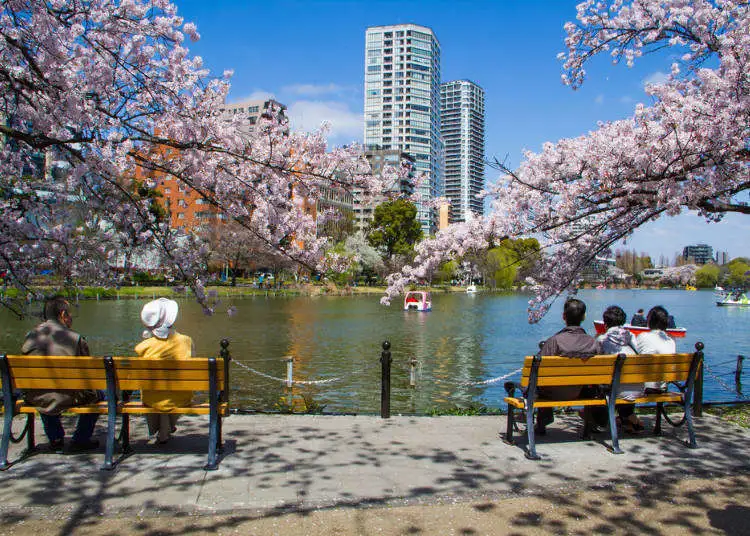
Ueno Park is probably the most famous hanami spot in Tokyo. It has over 1,000 cherry trees and a history of parties under the blossoms going back hundreds of years. During peak bloom tens of thousands of people show up especially on weekends.
The main path through Ueno gets packed. People spread blue tarps on the ground in the morning to save spots for evening picnics. Vendors sell food and drinks. It feels like a festival. If that's the energy you want, go for it.
But Ueno has quieter areas too. The pond called Shinobazu has cherry trees around its edges that create nice reflections. The grounds of Toshogu Shrine inside the park have older trees that bloom a few days earlier than the main section. A hanami tour guide can show you these spots and help you avoid the worst crowds.
Shinjuku Gyoen

Shinjuku Gyoen is different from Ueno. This used to be an imperial garden and it still feels more formal. There's a small entrance fee and they don't allow alcohol. The result is a calmer atmosphere.
What's great about Shinjuku Gyoen is that it has different types of cherry trees. Early varieties bloom in mid-March. The main Somei Yoshino trees peak in early April. Late bloomers keep going until late April. This means you have a longer window to see something beautiful.
The garden covers 58 hectares and has three different landscape styles. The Japanese section has a traditional pond and teahouse. The European section has big lawns where you can spread a blanket. The French section has geometric designs. Each area gives you different photo opportunities.
Chidorigafuchi
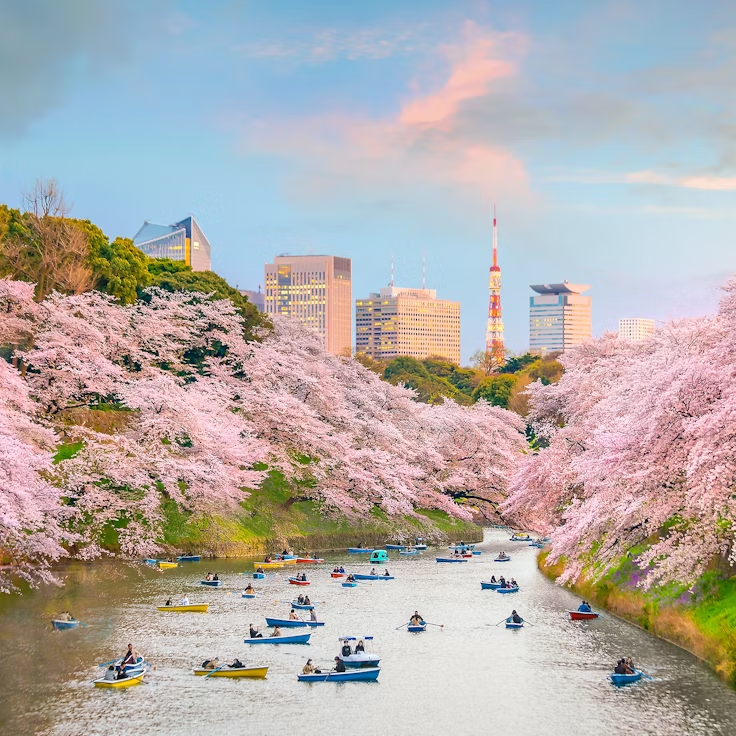
Chidorigafuchi is a 700-meter stretch of moat next to the Imperial Palace. Hundreds of cherry trees line both sides creating a tunnel effect when they bloom. It's one of the most photographed spots in Tokyo for good reason.
The reflection of the trees in the water doubles the visual impact. Early morning when the moat is still gives you perfect mirror images. Late afternoon light makes the pink flowers glow. At night they set up illumination that turns the whole area into something magical.
You can rent a boat to see it from the water but expect long lines during peak bloom. The walking path along the moat works just as well and lets you stop whenever you want. The best time to visit is right when it opens in the morning or on a weekday afternoon.
Meguro River

The Meguro River runs through a residential neighborhood in south Tokyo. Four kilometers of cherry trees line both banks. When they bloom the river becomes a pink corridor with petals floating on the water.
What makes Meguro special is the local vibe. Small shops and restaurants along the river put out tables during hanami season. The trees create a canopy over the narrow waterway. In the evening they hang lanterns and it becomes a walking party.
Peak bloom at Meguro draws crowds but spread out over four kilometers it doesn't feel as intense as Ueno. The neighborhood feel makes it worth the visit. Plus there are good spots to eat and drink along the way.
Sumida Park

Sumida Park runs along the Sumida River near Asakusa. The view includes Tokyo Skytree which creates an interesting mix of nature and modern architecture. The park has about 600 cherry trees split between both sides of the river.
The Asakusa side gives you easy access to temples and traditional shopping streets. The eastern side has wider paths and better views of the Skytree. Traditional boats cruise the river during peak bloom carrying hanami parties.
A Tokyo sakura tour that includes Sumida Park usually combines it with the nearby Asakusa area. You get cherry blossoms plus cultural sites all in one trip.
Hidden Spots Most Tourists Miss
The famous parks are famous for good reason. But Tokyo has plenty of great viewing spots that don't make the standard tourist lists. These places give you a better chance to see cherry blossoms without fighting crowds.
Rikugien Garden in north Tokyo is an Edo-period landscape garden. It has fewer trees than the big parks but they're placed carefully to create specific views. The garden does night illumination during peak bloom that's less crowded than other spots. A local guide can explain the historical design elements that make the garden special.
Temple gardens throughout Tokyo have cherry trees that most visitors never see. Gotokuji Temple is known for its lucky cat statues but it also has beautiful weeping cherry trees. Zojoji Temple near Tokyo Tower frames the blossoms with both traditional architecture and the tower in the background.
University campuses are another secret. The University of Tokyo and Waseda University both have tree-lined paths that students use for impromptu hanami parties. These spots are free to visit and usually have space to sit and relax.
Smaller rivers like the Kanda River and Nihonbashi River have cherry tree paths that make good alternatives to the famous spots. You can bike along these routes and cover a lot of ground. Different neighborhoods give you different perspectives on how Tokyo celebrates the season.

How to Avoid Crowds and Get Better Photos
Seeing cherry blossoms at peak bloom without dealing with massive crowds takes planning. Here's what works.
Go early. Really early. The parks that are packed by noon are nearly empty at 7 AM. The morning light is better for photos anyway. If you can drag yourself out of bed you'll get iconic spots almost to yourself. A sunrise walk along Chidorigafuchi or through Ueno makes the jet lag worthwhile.
Visit on weekdays if possible. Tokyo residents save their big hanami parties for weekends. Monday through Friday you'll find noticeably smaller crowds at every major site. The trees don't care what day it is.
Try late afternoon instead of midday. The hour before sunset gives you warm light that makes the pink flowers look incredible. Some spots like Chidorigafuchi and Rikugien have evening illumination. Night hanami feels completely different from daytime viewing.
For photos stop taking wide shots of trees. Everyone has those. Look for details. Individual flowers on branches. Petals floating in water. Tree bark texture against delicate blooms. Light filtering through layers of flowers. These closer shots are more interesting.
Include context in your composition. Put Tokyo Tower or Skytree in the background. Show people having picnics under the trees. Capture reflections in ponds and rivers. These photos tell a story instead of just documenting that you saw some flowers.
A good guide helps with all of this. They know the best angles at each location. They understand lighting throughout the day. They can position you to get shots that tourists miss because they don't know the area. It's the difference between snapshots and photographs you'll actually want to look at later.
What Makes a Great Hanami Tour Guide Worth It
Anyone can walk to a park and see cherry blossoms. But understanding what you're looking at and why it matters makes the experience richer. That requires someone who knows Tokyo and knows hanami culture.
A knowledgeable hanami tour guide explains the history. Why cherry blossoms became important to Japanese culture. How the tradition of viewing parties started with nobles and spread to everyone. Which customs are old and which are recent. This context makes the flowers mean something beyond just looking pretty.
Practical knowledge matters too. Which convenience stores near the parks have the best ready-made lunch boxes. Where to get good sake for outdoor drinking. How to claim a spot in a crowded park without annoying people. When to take your shoes off in temple grounds. These details smooth out the experience.
Language helps a lot. The best local spots often include small restaurants near viewing areas that don't have English menus. A guide can get you into these places and help you order. Connecting food culture with hanami tradition gives you a fuller picture of how Tokyo celebrates spring.
The best cherry blossom tours Tokyo offers adapt to conditions. If rain threatens the guide knows backup plans. If one spot is too crowded they pivot to nearby alternatives. If the bloom is early or late they adjust the schedule to catch peak conditions wherever they happen. This flexibility comes from years of experience and deep knowledge of the city.

The Tradition Behind the Flowers
Hanami means flower viewing but it's really about more than looking at trees. For Japanese people cherry blossoms represent beauty that doesn't last. The flowers bloom intensely for a few days then fall. This reminds people to appreciate good things while they can.
The tradition goes back over a thousand years. Emperors and nobles used to have poetry parties under cherry trees. Artists painted the blossoms. Poets wrote about them. The short bloom season became a cultural event that marked the change from winter to spring.
Modern hanami mixes old customs with new ones. Companies send their youngest employees to claim park spots hours before everyone arrives. Families bring homemade food or buy special hanami lunch boxes from department stores. University students throw parties under the trees that focus more on drinking than viewing. All of it counts as legitimate ways to celebrate.
Food plays a big role. Sakura mochi are rice cakes wrapped in cherry leaves. Stores sell special sweets and drinks with cherry blossom flavors. Sake breweries release spring labels. During peak bloom, convenience stores dedicate entire sections to hanami products.
Understanding this cultural background changes how you see the crowds in the parks. It's not just tourism. For Tokyo residents this is an important tradition that connects them to the seasons and to Japanese culture. Being part of that even as a visitor feels different from just taking pictures.
Experience Tokyo’s Cherry Blossom With a Local

Cherry blossoms will bloom in Tokyo in late March 2026 whether you're there or not. The question is how you want to experience them. You can follow the crowds and check the famous spots off your list. Or you can explore with someone who knows the hidden corners and can explain what makes the season special.
A private walking tour with a local Tokyo guide gives you access beyond just logistics. They show you where to go, when to arrive and what you're actually seeing. They know the quiet temple gardens and the best riverside paths. They can take you to that neighborhood spot where locals gather instead of tourists.
The cherry blossom season is short. Getting it right matters. Having a guide who has spent years learning the city's rhythms means you spend your limited time on the best experiences. They handle the planning so you can focus on enjoying one of the most beautiful natural events Tokyo offers.
When you're standing under a canopy of pink flowers watching petals drift past and knowing why this moment matters to Japanese culture the value becomes clear. That depth of experience stays with you long after the photos fade. That's what a good cherry blossom tour delivers and that's what Lokafy's local guides provide.
Ready to see Tokyo during the most beautiful time of year? Visit Lokafy and get a private cherry blossom walking tour with a local guide who can show you both the famous spots and the hidden gems that make this season unforgettable.
Enjoyed this article?