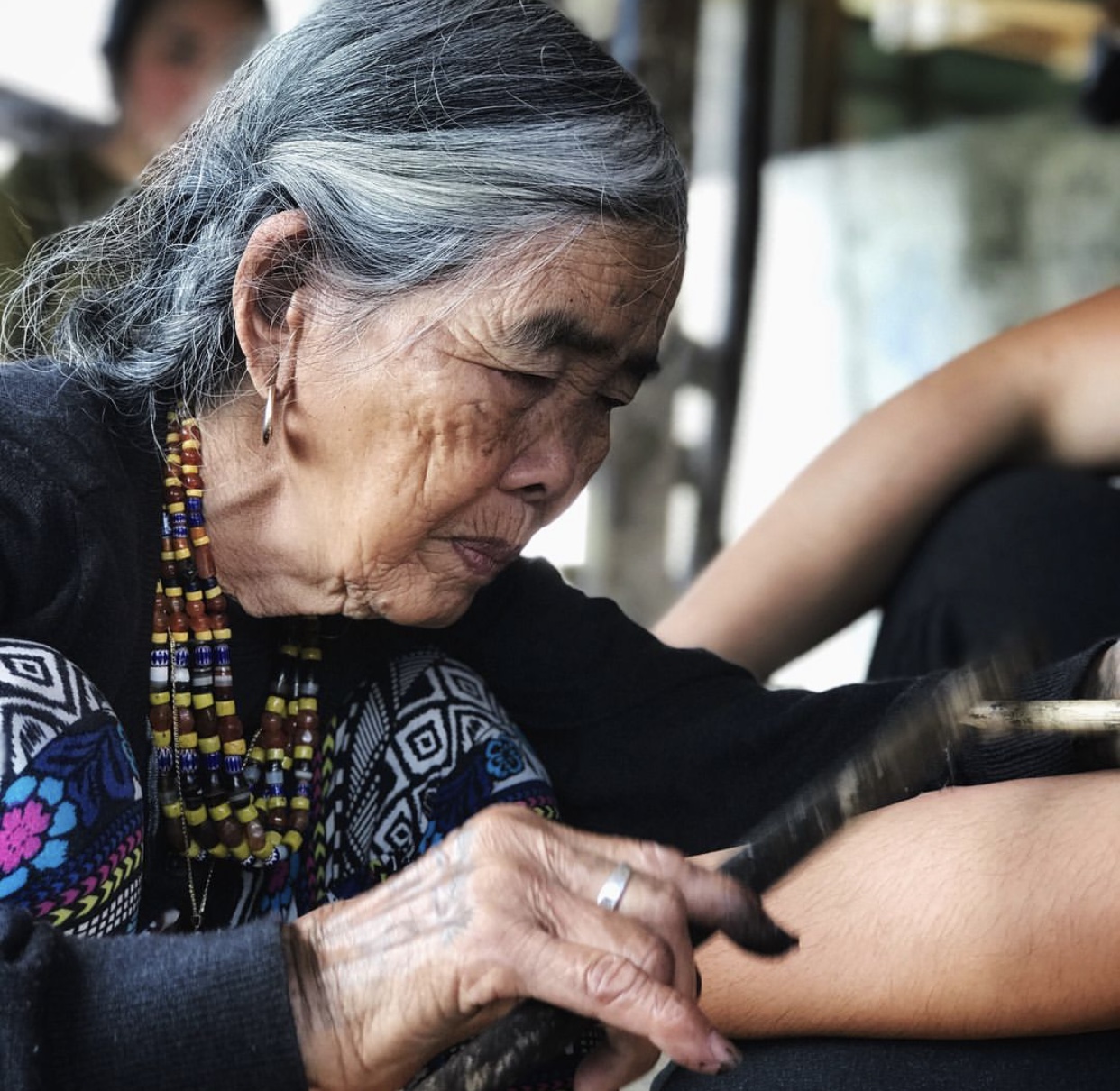
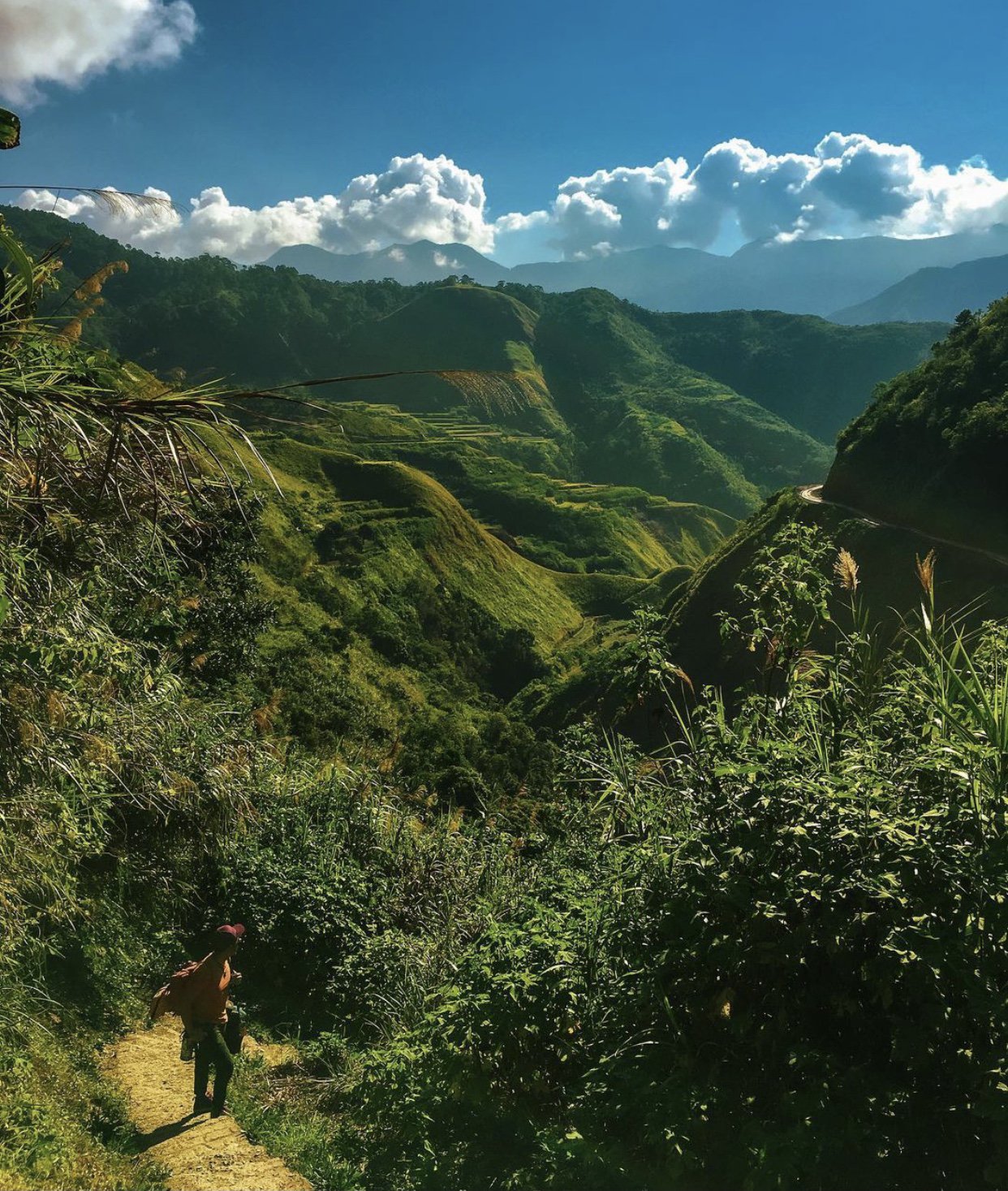
15 Hours is what separates a secluded village and its people from the chaos of Manila, and this very separation is what has helped to preserve the art and ancient practice of hand-tap body art. High up in the mountains of Buscalan, a small village far north of the bustling capital of Manila in Bontoc province resides 103-year-old Maria Oggay or Whang-Od, who is more commonly known as the oldest living tattoo artist, the last of the native Kalinga mambabatok.
Origins
Mambabatok, which can be loosely translated as ‘person who hits/taps’ are traditional stick and bamboo tattoo artists of the Kalinga people.
The traditional practice of hand-tapped body art began with the Kalinga head-hunters and Butbut warriors thousands of years ago. Men were only able to get a tattoo after they had killed another person in combat- it was a sign of strength, power, a sign of dominance and masculinity.
For women of the Kalinga, it was the complete opposite- tattoos were a sign of beauty and the more tattoos that adorned your body translated to how beautiful you were perceived.
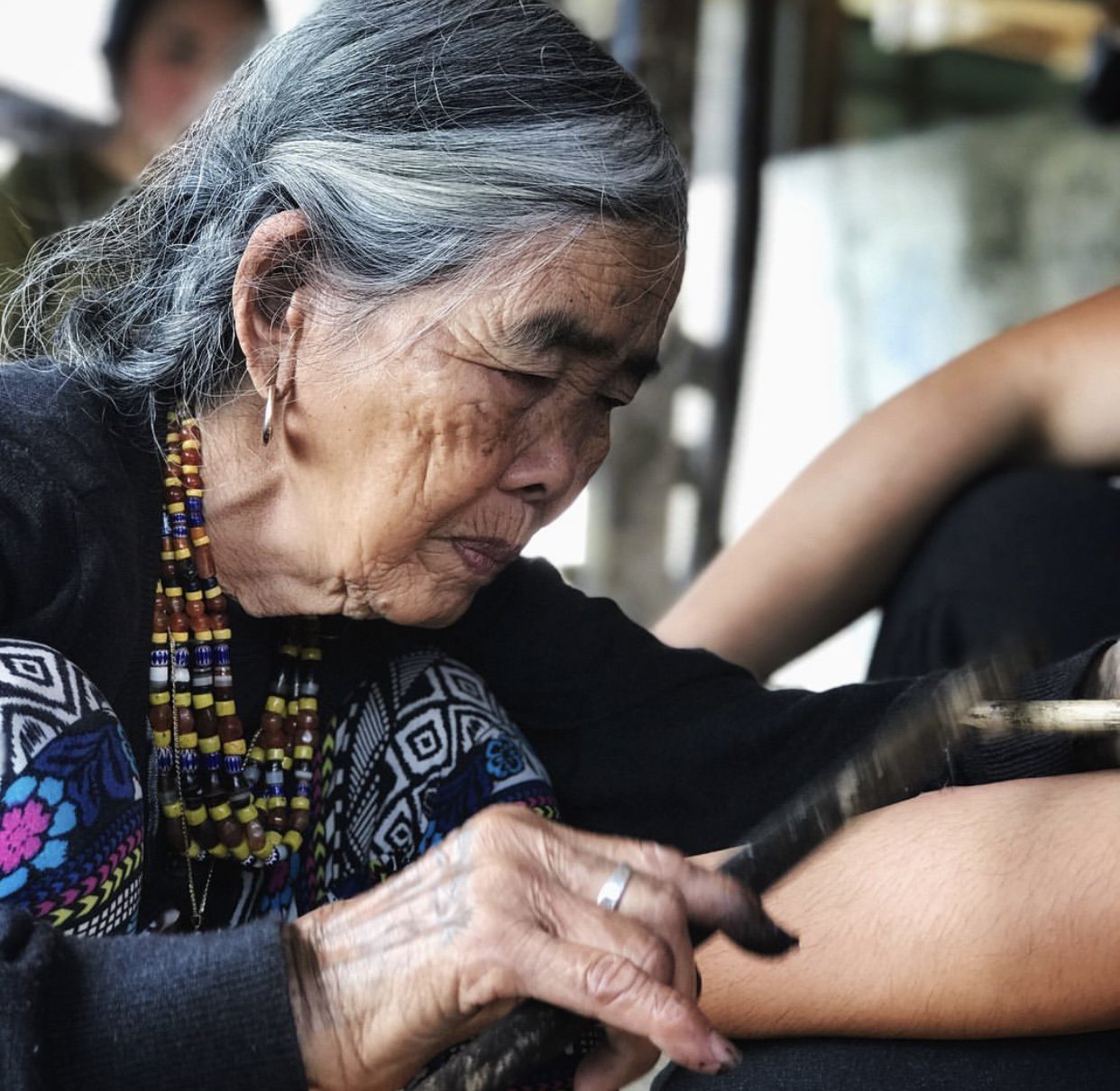
The practice of Mambabatok- derived from the Tagalog word of Batok, translates to hit or tap– which is the repeated action Whang-Od performs with her bamboo tool to permanently etch and embed intricate and traditional designs that boast meanings of power, family, strength and sacrifice.
There are no machines. No tattoo guns. It is as simple as a thorn from the pomelo tree bound to a bamboo stick, string for stencilling, a mixture of coal and water for the ink and of course, patience and a steady hand. There is no numbing cream– you may get a towel to bite down on if you’re lucky, but that certainly would get a giggle out of Whang Od as she repeatedly embeds the ink coated thorn into your skin.
Whang-Od began practising the art of Mambabatok at a young age and is the oldest living tattoo artist of the Kalinga people. Whang-Od does not have children of her own but has started to pass down lessons of the traditional art to younger generations of her own bloodline as the Kalinga believe that the tattoos will become infected if the tradition is passed down to people not of the same origin.
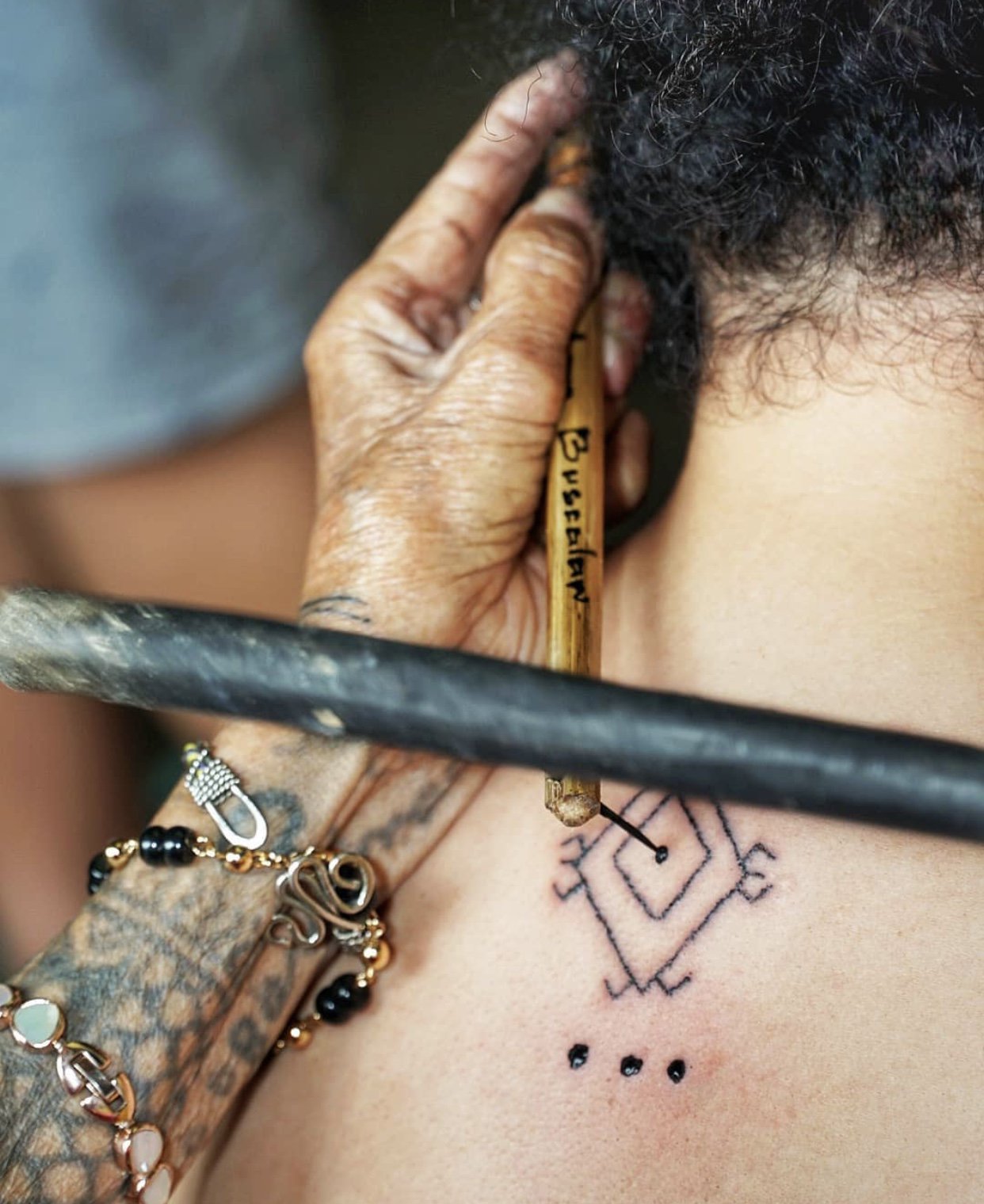
People from all over the world have begun to hear praise of the small Kalinga lady and her steady fist and make the 15 hours trek up to Buscalan from the main city and hike up the mountains to visit her. The Mambabatok process is not for the faint of heart, but it is surely an eye-opening and once-in-a-lifetime experience. You can see it through the depths of her eyes and the intricate designs that mark her body that Whang-Od holds many stories of warriors past and provincial life– her tattoos tell the story of her people and help to keep the traditional practice alive.
A tattoo is a permanent story etched on to your body that you are able to carry with you for the rest of your life. Many people get tattoos to signify different events in their lives, people they’ve met and often symbolize things they do not want to forget. A tattoo is more than just a pretty design– it is a permanent reminder of stories that we cherish and memories that we want to keep close.
Looking to get Tattooed by Whang Od? Here's What You Need to Know
Get a Guide You Trust
- The first step you must take on this long journey is booking a walking tour guide that you can trust during your time in Buscalan- essentially without a guide, there will be no tattoo for you. Your guide will not only help you find your way up the mountains to the village but also act as an interpreter and cultural guide for you throughout your stay. Buscalan is a small remote village with little to no cell phone or internet service so you will need to come to rely on your guide for multiple things on your visit
- We suggest joining several forums and this Facebook group for more information on how to visit Buscalan. This Facebook group, in particular, has members who have been tattooed by Whang Od herself and will direct you to the active and trustworthy guides available in Buscalan
Getting to Buscalan
- Keep in mind this trek is not for the faint of heart- to get to Buscalan from Manila it is an over 15-hour trip involving a charter bus and tons of hiking and walking to get to your final destination- so bring your best attitude and foot forward!
- In order to get to the Kalinga Village of Buscalan from Manila, first, you will need to get to the province of Bontoc, which is approximately 9 hours from Metro Manila
- Hopping on to an overnight bus from the city to Bontoc is your best bet and will set you back around PHD 150-200 (approx. $6.00 CAD). The overnight bus leaves at around 1-2 p.m. each day so make sure you are well packed and prepared the night before in order to catch the bus
- The charter bus will take you to an off-beaten path right near the hiking trail where you will then meet your guide. Keep in mind that you will not be able to leave the bus and go to Buscalan village without a guide. Fees for guides will range from between PHD 1000-2000 per day/group, depending on the specific person
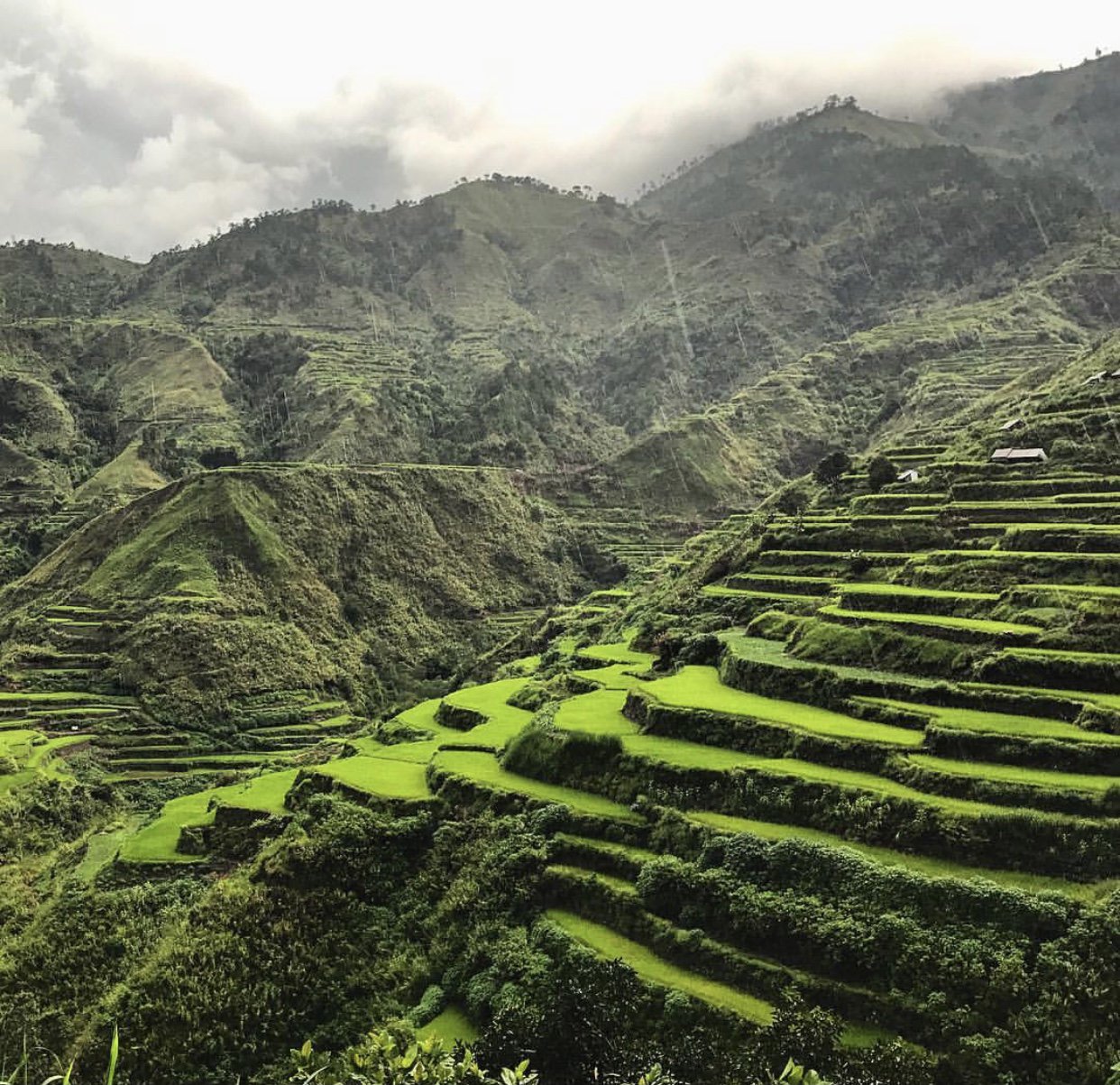
- Anticipate at least a 40-minute hike up the mountains to get to Buscalan- that is if you can resist the urge to stop and take pictures of the scenic views up the way
- Bring water and dress appropriately for both the weather and amount of physical activity you will be doing

Finding Accommodations and Staying in Buscalan
- Don't expect any hotels or motels up in Buscalan, as you will be primarily staying in villager's homes and homesteads– be respectful and understanding of their property
- You will get pillows and blankets and if you're lucky a mattress or pad to sleep on
- We suggest bringing a banig, which is a hand-woven traditional rollout mat commonly used to sleep and rest on is East Asia. It is light enough to sling over your shoulder or secure on to your backpack on the trek up
- Villagers may charge you PHD 100-200 for your stay and depending on the household that may include food or not
- We suggest bringing your own groceries so you can cook your own meals and water so as not to deplete the home of their own resources
Getting Tattooed and Meeting Whang-Od
- This one goes without saying; however, you should remain calm, understanding and utterly respectful at all times. Be respectful of her space and she will respect you
- We recommend showing your respects by giving her some small gifts: things such as salt, matches, pastries and sweets will go a long way in showing your kindness and gratitude
- Be respectful and understanding of her time: Whang Od is 103-years-old- you are running on her time
- Traditionally, warriors and women would not choose the placement or design of their tattoo, having that decision left to the Mambabatok. Warriors needed to earn their tattoos.
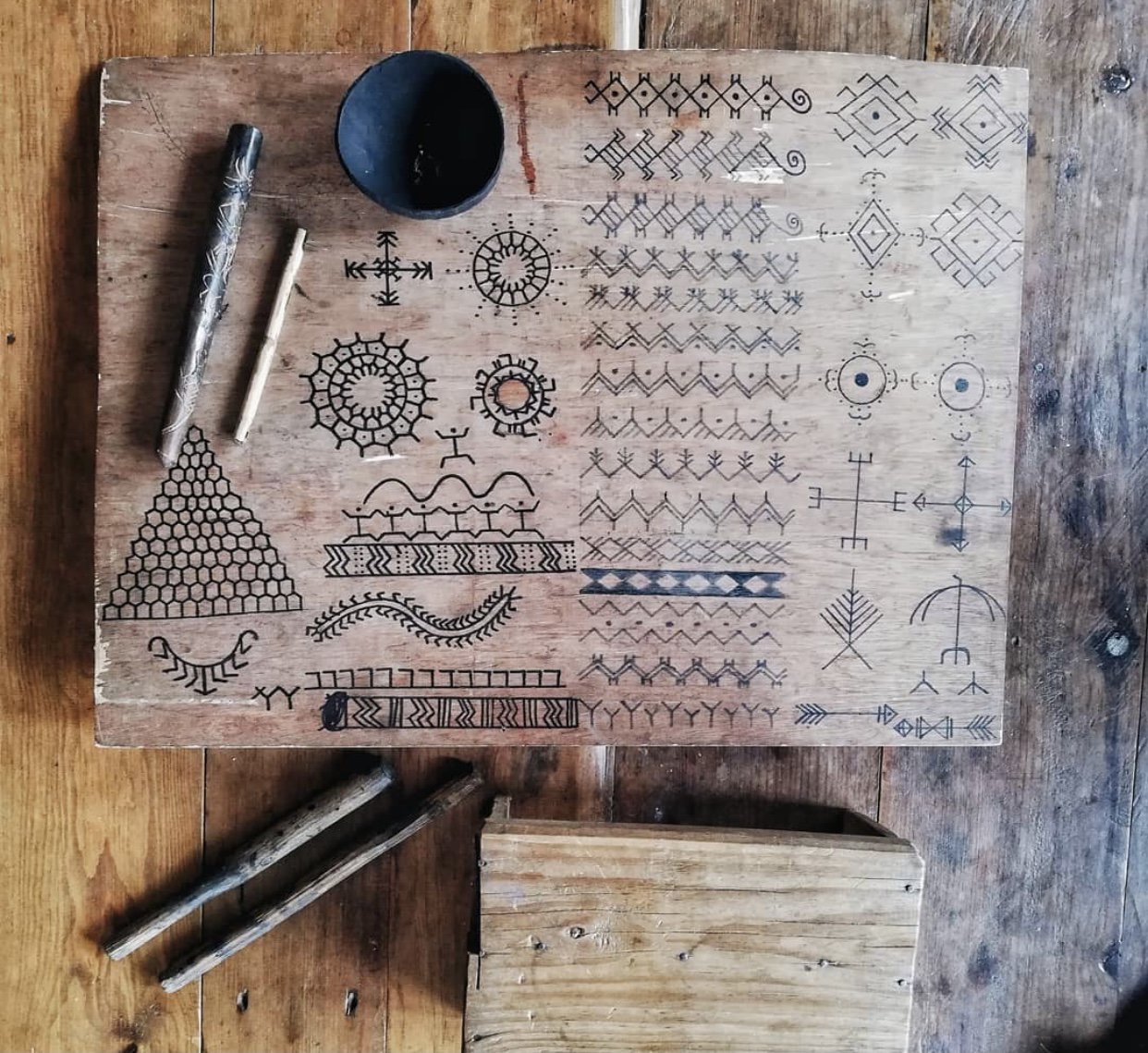
- However, nowadays, the decision is left up to you and you can choose from a board of pre-set designs
- Tattoos will range from between PHD 500-1000, depending on the size, placement and intricacy of the design
What to Keep in Mind
- Be a responsible and respectful tourist: villagers request that you do not visit if you will only be staying for 1-2 days, please be respectful of their dwellings
- Do not contribute to the growing litter problem- leave with what you came with
- Keep a good attitude and be respectful of the culture and its traditions
- Take some time and get to know the villagers- the best way to connect is through sharing stories
- you will not only learn so much about the Kalinga people but you will make so many meaningful connections and friendships during your visit
Enjoyed this article?