The first time I queued forty-five minutes for a restaurant a guidebook swore was "the authentic local favourite," I was standing behind twelve other people holding the same guidebook. That was the moment it clicked for me. The phrase "where the locals go" has been printed so many times that the locals packed up and left years ago. So I started asking a different crowd: the people arguing at midnight in city subreddits about which stall does the proper version of a dish, the ones trading tips in neighbourhood Facebook groups. Their answers almost never match the glossy lists. Below are ten cities where the distance between the guidebook route and the local one is wide enough to reshape your whole trip, cross-checked against the people who eat there every week rather than the ones passing through once.
Quick Guide: Where Locals Beat the Guidebook
- Widest gap between tourist and local: Osaka. Skip the Dotonbori crush and drink in Tenma or Fukushima, where Osakans spend their evenings.
- Best food city to eat like a local: Penang. Head to New Lane and neighbourhood coffee shops instead of Gurney Drive.
- Most underrated on the list: Ljubljana. Small, cheap, and still yours the second you step off the postcard riverbank.
- Best value for a short trip: Porto, for the francesinha, the petiscos, and the fish a few streets back from the water.
- The best way to see any of these cities: take a private, personalised walking experience with a Local through Lokafy, who shows you their version of the city instead of the guidebook's.
1. Florence: Cross the River, Skip the Food Hall

Florence funnels almost everyone into two places to eat: the restaurants ringing the Duomo, and the shiny upstairs food hall at Mercato Centrale. Both are fine. Neither is where Florentines shop. For that, walk ten minutes east to the Sant'Ambrogio Market, open since 1873 and still the covered market where nonnas prod the tomatoes and students grab a cheap lunch. Inside, the trippaio counter (Il Trippaio di Sant'Ambrogio) serves lampredotto, a slow-cooked tripe sandwich that is the true Florentine street food, better than it sounds and a fraction of the price of a sit-down plate near the cathedral. Another classic stand, Trippaio del Porcellino "Orazio," works the edge of Mercato Nuovo if you are on the other side of town.
When the light softens, cross the Arno into the Oltrarno. Santo Spirito and San Frediano are where the artisans, wine bars, and locals take their evening drink, minus the coach parties. One small tell you are eating well: the bread is unsalted. That is Tuscan pane sciocco, not a mistake. For the full local map, our Florence guide can go deeper on neighbourhoods and timing.
2. Taipei: The Night Market Locals Choose
Shilin is the night market every list names, which is exactly why it has drifted toward souvenir stalls, game booths, and prices aimed at visitors. Ask a Taipei resident where they really eat, and two names come up. Nanjichang Night Market in Zhongzheng is small, unglamorous, and beloved, the kind of place where the queues are all locals and a plate costs a few coins. Ningxia Night Market near Dadaocheng is compact and food-first, easy to walk end to end without losing your friends in a crowd.
If you want the famous version done properly, go to Raohe Street Night Market by Ciyou Temple for hújiāo bǐng, the black-pepper pork buns baked against the wall of a clay oven. The rule that never fails in Taipei: the stall with the longest line of locals is the one worth waiting for. Go hungry, order small at each stop, and keep moving. For the full guide to Taipei, our Taipei guide can show you what's worth your time.
3. Cologne: Where the Kölsch Is Poured for Regulars
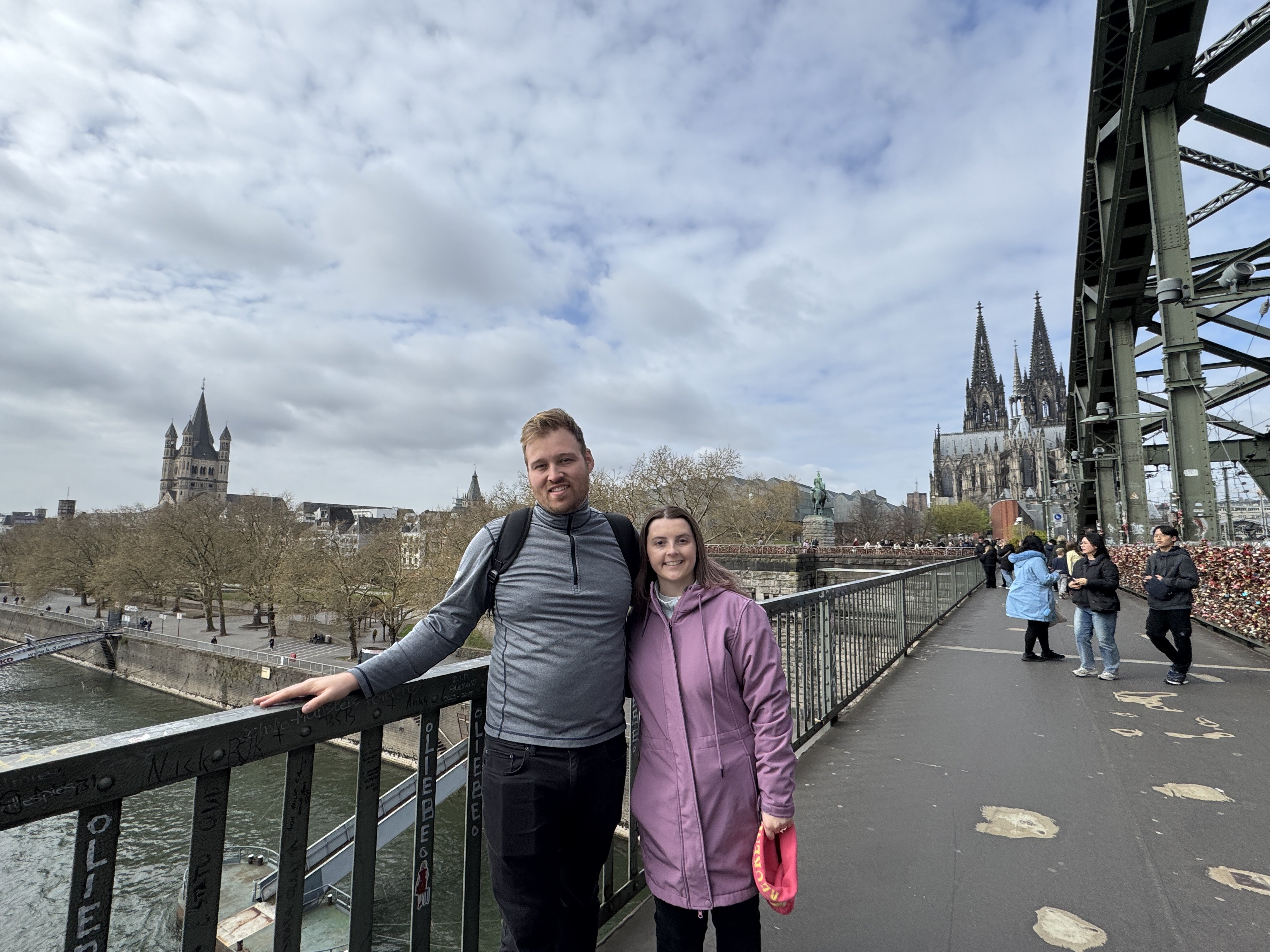
The brewery hall right beside the cathedral, Früh am Dom, pours a good Kölsch and knows precisely who is walking through the door: visitors. Locals drink a few streets away. Päffgen on Friesenstraße brews its own on site, has stayed in the same family for four generations, and feels like the loud, communal beer hall a Brauhaus is supposed to be. Schreckenskammer near Eigelstein is one of the oldest in the city and holds a loyal local following that will tell you it pours the best Kölsch in Cologne.
The etiquette is half the fun. The Köbes (waiter) drops fresh 0.2-litre glasses called Stangen in front of you and keeps replacing them until you lay your coaster on top to signal you are done. Order a Halver Hahn and you get a rye roll with aged Gouda, not the half-chicken the name suggests. For a drink with no tourists in sight, the Belgian Quarter around Brüsseler Platz runs on kiosk beers and "Cornern," standing on the corner with a bottle. Ehrenfeld adds street art and small brewpubs. Our Cologne Locals can show you the best food spots.
4. Aarhus: Leave the Two Big Sights Behind
Den Gamle By and the rainbow walkway at ARoS are worth a morning, and every visitor gives them one. To spend an afternoon like an Aarhusian, walk south into Frederiksbjerg. Its main artery, Jægergårdsgade, is a long run of small design shops, cafes with home-baked bread, and restaurants that locals book weeks ahead. A couple of streets over, the Ingerslevs Boulevard market sells fresh produce and local food on Wednesdays and Saturdays.
For a cheap, sprawling dinner, Aarhus Street Food fills the old bus garages by the station with more than thirty kitchens, from smørrebrød to tacos to Vietnamese bánh mì, and it is open daily (confirmed running in 2026). In summer, the harbour baths out at Aarhus Ø are where the city swims, and the free rooftop terrace at the Salling department store hands you a city view for the price of the escalator ride. More on the seasons and the food strip can be discovered with our Aarhus Locals.
5. Lisbon: Get Off the Tram, Onto the Hill

Two Lisbon habits eat a day alive: fighting for a spot on Tram 28, and eating at the Time Out Market, which is crowded, pricey, and full of people who read the same article you did. Even Cervejaria Ramiro, the seafood institution Anthony Bourdain made famous, now runs on a tourist queue. Locals scatter to neighbourhood tascas instead. Marisqueira Valbom, a ten-minute walk from São Sebastião, fills with Lisboetas eating prawns and percebes at prices the riverfront forgot. Up in Campo de Ourique, a residential grid most visitors never climb to, the Mercado de Campo de Ourique and the small family places around it feed the people who live there.
For something Lisbon does better than almost anywhere, walk Mouraria, the multicultural old quarter behind the castle hill, and eat at Cantinho do Aziz, a long-running Mozambican kitchen that tells you as much about the city's history as any museum. Drink a shot of ginjinha, order the grilled fish of the day, and skip the touristy restaurant strip along Alfama's main lane. You can walk it all with a Local in Lisbon.
6. Mexico City: Past the Expat Bubble
The trap in CDMX is subtler than a bad restaurant. It is spending your entire trip inside Roma and Condesa, the leafy neighbourhoods where the Airbnb boom has pushed rents so high that some blocks now hear more English, French, and Italian than Spanish. The food is excellent there. It is also a small slice of a huge city. Ride south to Coyoacán, the old cobbled quarter Frida Kahlo called home, and eat tostadas piled high at the Mercado de Coyoacán rather than lining up only for the Casa Azul. In the historic centre, the Mercado de San Juan sells everything from cheeses to exotic meats, and the taquerías on the surrounding streets serve suadero and al pastor to office workers all day.
For a sweet finish, El Moro has been frying churros and pouring thick hot chocolate since 1935, and its original branch still draws locals at odd hours. Carry cash, order where the line is made of residents rather than tour groups, and read the room on gentrification: the city is generous, and a little awareness goes a long way. A Local in Mexico City can take you well beyond the postcard neighbourhoods.
7. Osaka: Drink Where Osakans Drink
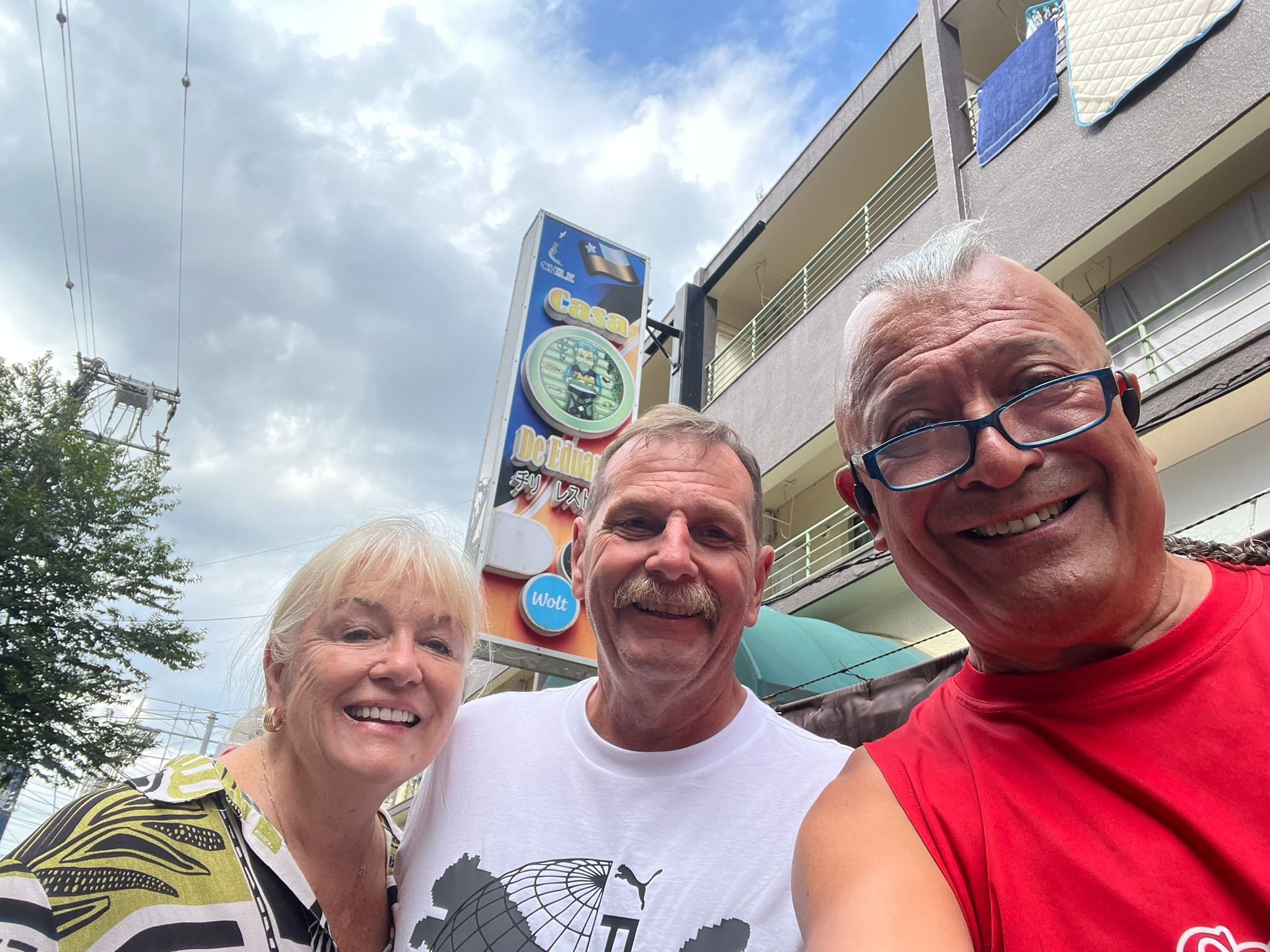
Dotonbori is the photo everyone takes: the Glico running man, the mechanical crab, the queue outside a chain ramen counter. It is loud, fun, and almost entirely visitors after dark. Osakans do their eating and drinking elsewhere. Tenma, around the endless Tenjinbashisuji arcade, hides a warren of tiny, cheap, family-run izakayas near Tenma market, the sort of budget-friendly, standing-room night out the city is built on. Fukushima ward, a few minutes west, has grown into a relaxed grid of wine bars, craft-beer spots, and gourmet izakayas favoured by young professionals who want quality without the neon roar.
If you do want kushikatsu, the deep-fried skewers Osaka loves, learn the one iron rule before you dip: no double-dipping the communal sauce. One dip per skewer, then eat. That single piece of etiquette will mark you as someone who did their homework. Ura-Namba, the backstreets a block off Dotonbori's main drag, is a fair middle ground if you want local bars within stumbling distance of the sights. Explore with a Local in Osaka to find the counters that never post an English menu.
8. Porto: A Few Streets Back From the River
Ribeira, the postcard waterfront, is beautiful and priced accordingly, with menus translated into five languages and staff waving you toward a table. Climb away from the water and the city gets cheaper and better fast. The francesinha, Porto's monstrous sauce-drowned sandwich, has a hundred versions, and the local vote splits between Bufete Fase, a tiny cash-only room where a father and daughter run the show, and A Regaleira, the spot that claims to have invented the thing. For a lighter local snack, Gazela does cachorrinho, small spicy hot dogs cut into shareable chunks and washed down with a fino, a small draught beer.
Bonfim, repeatedly named one of the coolest neighbourhoods to eat in, is where you find petiscos at Trama and specialty coffee at Combi next door. And for seafood, skip the tourist restaurants and take the metro to Matosinhos, where the grilled fish comes straight off the boats. Share the francesinha, because it is enormous, and pace yourself. Our Local guides in Porto know which coffee shop does the pastel de nata right.
9. Ljubljana: Small, Cheap, and Still Local
Ljubljana's centre is so pretty it can feel like a stage set, and the riverbank cafes around Prešeren Square fill with day-trippers by noon. Step one street inland and the city hands itself back to you. On Fridays from mid-March through October, Pogačarjev trg hosts Odprta Kuhna, the Open Kitchen market, where the city's restaurants set up stalls and locals graze their way through lunch. For a proper cheap bite any day, Klobasarna in the old town serves kranjska klobasa, the Carniolan sausage that is a point of national pride, for a few euros.
After dark, Metelkova is the one nobody in a guidebook prepares you for: a former army barracks turned autonomous art and music complex, every wall covered in murals, the bars run by the people who paint them. Trubarjeva cesta, the old-town street with a punkish streak, does the best street food, and the riverbank down at Špica is where students spread out on warm evenings. Grab a burek if you are out late. Then let a Local in Ljubljana show you the alternative side.
10. Penang: Follow the Locals, Not the Guidebook Stall
Penang is one of the great eating cities on earth, which means the famous spots get overrun. Gurney Drive Hawker Centre, once the local classic, is now widely described by residents as tourist-heavy and hit-or-miss, and the Chulia Street night stalls draw the backpacker crowd. The locals' move in George Town is New Lane, or Lorong Baru, which shuts to traffic around 4pm and turns into rows of hawkers frying char koay teow, ladling chee cheong fun, and cooking congee to order, with noticeably fewer tourists.
For the dish Penang is built on, Kafe Ping Hooi on the corner of Carnarvon and Melayu Street is a coffee shop pushing sixty-five years old, famous for char koay teow fried with duck egg for extra richness. The truth every local repeats: the best char koay teow comes with a queue and a wall of wok smoke, so go early, order a single plate, and bring cash. You can eat your way across the island with a Local in Penang through Lokafy.
See the City the Way a Local Would

Every place on this list rewards the same move: trade the guidebook route for a person who lives there. That is the whole idea behind Lokafy. Instead of a scripted group tour with forty strangers and a flag, you get a private, personalised walk with a Local who builds the day around what you care about, be it food, history, design, or nightlife, and takes you to the corners that never make the printed lists. By the end you are oriented, well fed, and often walking away with a new friend. You can explore with a Local in these cities and 300 more with Lokafy. Go hungry, carry cash, and let someone show you their version of home.
Frequently Asked Questions
What does "locals beat the guidebook" really mean? It means the places printed in most guidebooks and top-ten lists have often become tourist destinations in their own right, with higher prices and thinner quality, while residents have moved on to other neighbourhoods and stalls. Eating and exploring where locals currently go usually means better food, lower prices, and a truer sense of the city.
How do you find where locals really eat in a new city? Read the city's subreddit and neighbourhood Facebook groups, where residents argue about food with no incentive to flatter tourists. Follow the queues made of locals rather than visitors. Ask your accommodation host or a local guide. As a rule, avoid restaurants on the main tourist square with photo menus in several languages and staff waving people in.
Are famous spots like Shilin Night Market, Gurney Drive, or Cervejaria Ramiro still worth visiting? They can be, once, if you know what you are getting. These places earned their fame and still deliver an atmosphere, but they now cater heavily to visitors, so expect crowds and higher prices. Treat them as one stop, then spend the rest of your time where locals eat, such as Nanjichang in Taipei, New Lane in Penang, or a neighbourhood tasca in Lisbon.
Which of these cities is best for a first-time traveller who wants to eat well without spending much? Penang, Porto, and Ljubljana all deliver outstanding food at low prices. Penang's hawker centres and Porto's francesinha and petiscos are famously cheap, and Ljubljana stays affordable the moment you leave the postcard riverbank.
How do I avoid tourist-trap restaurants? Watch for a few warning signs: a location on the busiest tourist square, laminated photo menus translated into many languages, staff standing outside inviting you in, and a dining room with no local customers. Walking even ten minutes uphill or across a river from the main sight usually drops prices and raises quality.
What is a Lokafy tour and how is it different from a normal walking tour? Lokafy pairs you with a Local, not a scripted professional guide, for a private, personalised walk shaped around your interests. Rather than following a fixed route with a large group, you go where your host eats and spends time, which is the fastest way to see the local side of any of the cities on this list. You can book in more than 300 cities at lokafy.com.
When is the best time to visit these cities to avoid crowds? It varies by city, but shoulder seasons of spring and autumn generally offer the best balance of weather and manageable crowds across Europe and Japan. For food-focused cities like Penang and Mexico City, weekday evenings at hawker centres and markets are far calmer than weekends, and arriving early beats the queues almost everywhere.
Enjoyed this article?