I used to think I knew what to eat in a new city. Order what looks good, check a few reviews, follow the crowd near the main square. Then I spent a week eating my way through Quito and realized almost everything I thought I knew was backwards. The best meal I had cost two dollars and fifty cents and came out of a market stall with no name I could find on any map. The fanciest looking restaurant near my hotel, the one with the laminated English menu, turned out to be where nobody local ever goes.
Quito sits at 2,850 meters in the Andes, which means two things before you even get to the food: the altitude makes everything taste a little different, and the portions are built to fuel a body working harder than it realizes. The city's food culture splits cleanly into two worlds. There is the polished restaurant scene in the north, around La Floresta and La Mariscal, and there is the market and hueca world, the tiny family kitchens and stall counters where the real cooking happens. You want both, but you want the second one more.
Quick Guide: Where Locals Eat in Quito
Primary recommendation: Mercado Central, for the almuerzo (set lunch) experience that defines how Quiteños actually eat on a weekday.
Top choice for traditional Ecuadorian food: A hueca, the small family-run spots locals find by word of mouth rather than a map pin. Look for one doing a single dish well rather than a long menu.
Value pick for food lovers on a budget: Mercado Santa Clara, near the Universidad Central, where a full lunch with soup, main, and juice rarely passes four dollars.
The best way to eat your way through the city: take a private, personalized walking experience with Lokafy in Quito and let a local Lokafyer walk you straight to the stalls and huecas that never make it onto a tourist itinerary.
What Quiteños Actually Eat, And Why It Looks Nothing Like the Menu Photos
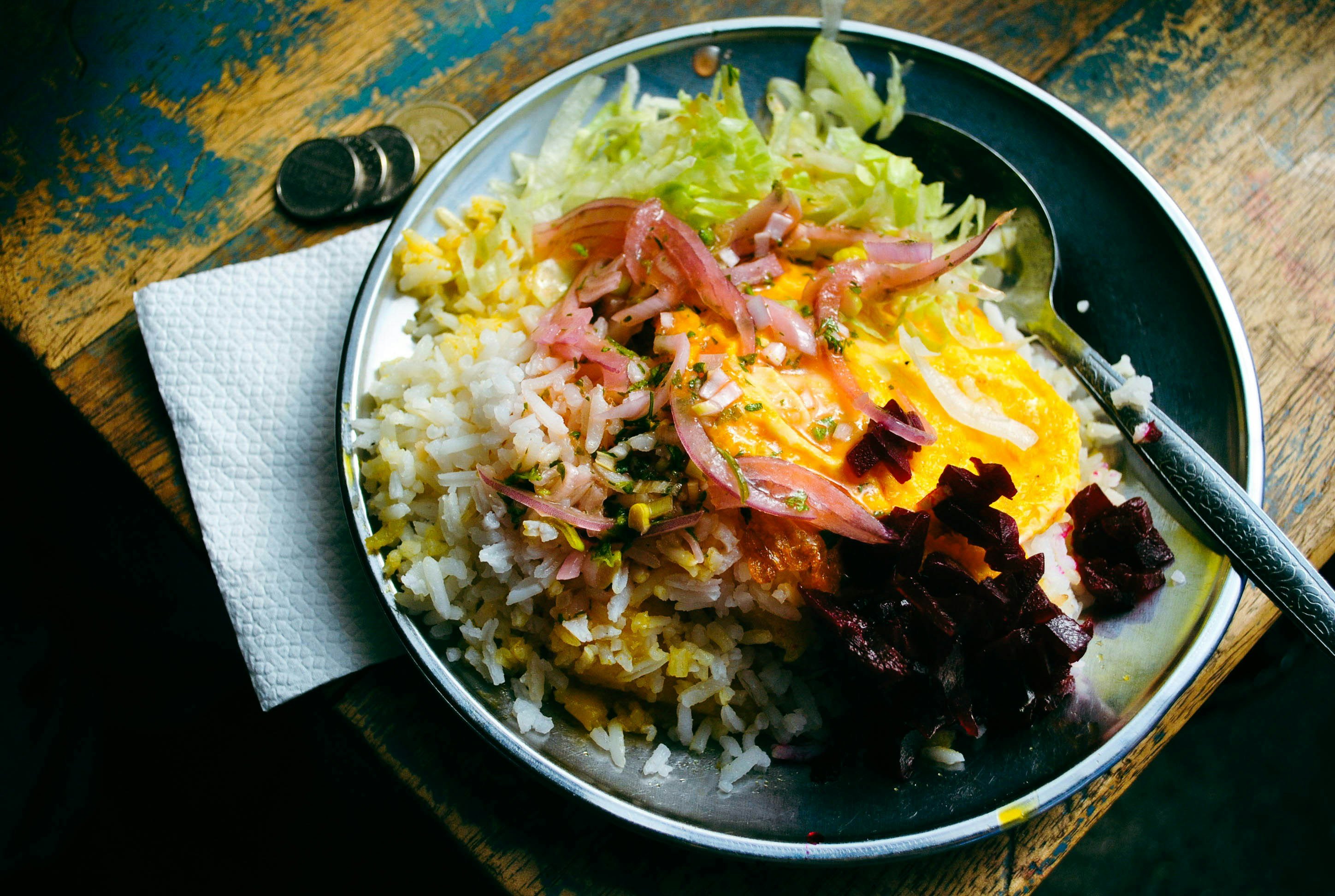
Ecuadorian highland food is built for altitude and cold mornings. Heavy on potato, corn, pork, and rich broths, light on heat. If you came expecting Mexican-level spice, you will be disappointed and also relieved, because the flavor here comes from slow cooking rather than chili.
A few dishes you will see everywhere, and should actually order:
Locro de papa is a potato and cheese soup, usually finished with avocado, and it is the dish locals turn to on a cold or rainy day, which in Quito is most days given the city's spring-like but unpredictable weather. Llapingachos are pan-fried potato and cheese patties, served alongside fried egg, avocado, and a peanut sauce that does more work than the potato itself. Hornado is whole roasted pork, crackling skin and all, and it is the dish you smell before you see it in any market. Guatita is a tripe stew in peanut sauce that sounds rough on paper and tastes like comfort food once you try it. Seco de chivo, a slow-braised goat stew, shows up on almost every almuerzo menu in some form.
And then there is almuerzo itself, the daily set lunch that is less a menu item and more a way of life. Soup, a main course, a fresh juice, sometimes a small dessert, all for two and a half to four dollars at the places locals actually use. If you see a restaurant advertising almuerzo at double that price, it is built for visitors, not for the office workers and market vendors who eat there at 1pm.
Mercado Central: The Real Lunch Counter of Old Town
Tucked near the edge of the Centro Histórico, Mercado Central is not a pretty building and it does not try to be. Inside, the food stalls cluster together and the smoke from the grills mixes with the noise of vendors calling out their specials. This is where you order guatita or hornado for a few dollars and eat standing or perched on a stool next to someone who works two blocks away and has been coming here for years.
The trick locals use, and one worth borrowing, is to find the stall with the longest line. That line is the quality filter no review site can replicate. Go between 12 and 1:30pm on a weekday for the full rush, and bring small bills since most stalls do not take cards.
Mercado Santa Clara: Where University Students and Families Eat
A short walk from the Universidad Central, Santa Clara feels less touristy than Mercado Central, partly because fewer guidebooks mention it. The lower level holds the food stalls, the upper level the produce and seafood vendors, and the corvina (sea bass) with fries here has a small but loyal following among regulars who treat it almost like a ritual lunch.
This market also leans into specialties that the Centro Histórico stalls do not always have, including a thicker style of hornado that locals from the north side of the city will specifically travel for.
Mercado Iñaquito: The Market Locals Send You To When You Ask Where To Eat
Ask someone who actually lives in Quito where to find good hornado, and there is a real chance they point you to Iñaquito, in the central-north part of the city near the Universidad Central. It carries a reputation among Quiteños as having some of the best roasted pork in the capital, and the stalls here also stretch into a wider international range of ingredients than the older markets, including fresh tofu and harder to find Asian staples, a sign of how the neighborhood around it has changed over the years.
If hornado is the one dish you came to Quito to try, this is the market locals will tell you to prioritize.
La Floresta: The Neighborhood That Outgrew Its Reputation
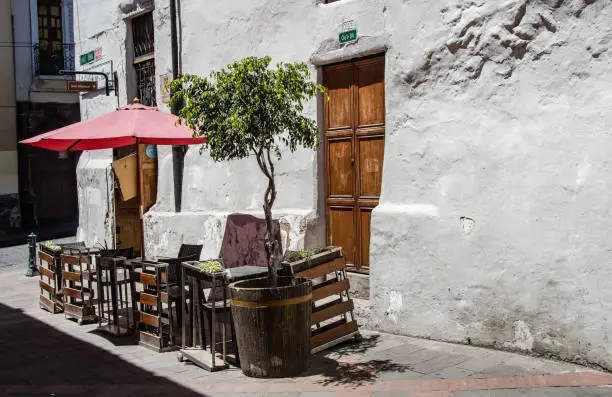
La Floresta used to be a quiet residential pocket north of the Centro Histórico. Now it is where Quito's younger crowd, its coffee culture, and a wave of small independent kitchens have all landed at once, without losing the neighborhood feel that made it interesting in the first place.
A few spots locals point to repeatedly here. Botánica, tucked into a small La Floresta storefront, makes the kind of espresso regulars build their afternoon around, alongside a coffee bon bon worth ordering at least once. Formosa, an unassuming Taiwanese vegetarian buffet a few blocks away, has built a quiet following among locals looking for something different from the usual Ecuadorian staples, and it remains one of the most affordable sit-down meals in the area. On weekend evenings, Parque Genaro Larrea on the edge of the neighborhood turns into an outdoor food market where vendors grill meats most visitors have never tried, a good test of how far you want to push your palate.
La Ronda: Touristy Looking, Surprisingly Worth It After Dark
La Ronda gets a fair amount of visitor traffic, and on paper that should be a warning sign. But this cobblestone street in the Centro Histórico, a few minutes' walk from Plaza Grande, earns its place differently than most tourist strips. Locals still come here in the evening, particularly for canelazo, a hot spiced drink made with sugarcane liquor, cinnamon, and naranjilla juice that suits Quito's cool nights perfectly. It goes down easily and hits harder than the sweetness suggests, so pace yourself.
For food, the restored colonial houses along the street hold a mix of traditional kitchens. Skip the ones with picture menus out front, since those tend to be priced for visitors, and look instead for the smaller spots where the menu is a chalkboard and the room is half full of regulars rather than tour groups.
The Hueca Rule: How Locals Actually Find Good Food
A hueca, literally meaning hole, is Quito's word for the tiny family-run restaurants that do one dish exceptionally well and nothing else particularly notable. They rarely show up high on review apps because they rarely bother with a sign, let alone a marketing budget. Locals find them through family, coworkers, or the kind of conversation you have waiting in line somewhere else.
The rule of thumb among Quiteños themselves is simple. If the room is full of people who look like they work nearby and eat there often, the food is good and the price is fair. If the staff hands you an English menu before you ask for one, you have probably wandered into a spot built for someone else's trip rather than your own.
This is also exactly the kind of knowledge that does not transfer well through a blog post, however detailed. A local Lokafyer who actually eats at these places weekly can walk you to three or four huecas in an afternoon, the kind that change block to block and rarely last long enough to make it into any guide.

A Realistic One-Day Eating Itinerary
Start the morning in Old Town near Plaza San Francisco, a few minutes from the Centro Histórico's main plazas, with humitas and a thick hot chocolate at one of the long-running breakfast counters on Calle Sucre. By midday, head to Mercado Central for almuerzo, choosing whichever stall has the longest line. In the afternoon, walk or take a short cab north to La Floresta for coffee at Botánica and a slower second look at the neighborhood's smaller kitchens. As evening sets in, make your way back toward La Ronda for a canelazo and a simple dinner in one of the smaller colonial houses along the street.
This single day touches almuerzo culture, market food, the modern café scene, and the evening street food tradition, which together cover most of what defines eating in Quito.
Practical Tips Before You Go
Quito's altitude means you may feel fuller faster and thirstier than usual, so pace your eating and drink more water than you think you need. Most local restaurants close for a break in the mid-afternoon and reopen for dinner, and some shut early or stay closed entirely on Sundays, so check before planning a late lunch. Cash remains essential at markets and huecas, since cards are rarely accepted outside the more upscale restaurants in the north. And if a dish feels too mild, ask for ají on the side. Ecuadorian cooking itself is not spicy, but the table sauce almost always is, and it is how locals adjust their own food to taste.
See It With Someone Who Actually Lives There

Reading about Quito's food scene gets you partway there. Walking through Mercado Central beside someone who has eaten there since childhood gets you the rest of the way.
A private walking experience with Lokafy connects you with a Quito local who can take you straight to their own regular spots, skip the places built for visitors, and answer the kind of questions that only come up once you are standing in front of a market stall trying to figure out what to order.
Frequently Asked Questions
Where do locals eat in Quito? Mostly at markets like Mercado Central, Santa Clara, and Iñaquito for daily lunch, and at small family-run huecas for dinner. Higher-end restaurants in La Floresta and La Mariscal serve locals too, but for everyday eating, the markets and huecas are where Quiteños actually spend their money.
What is the best almuerzo in Quito? The food court at Mercado Central is widely considered the best value almuerzo experience, with a full set lunch including soup, main course, and juice for two and a half to three and a half dollars. Find the stall with the longest line for the best quality.
What is a hueca in Quito? A hueca is a small, often family-run restaurant known for doing one traditional dish very well, usually fritada, hornado, seco de chivo, or ceviche. They are typically found through word of mouth rather than online listings, which is exactly why they tend to be more authentic and better value than restaurants built for tourist traffic.
Is Ecuadorian food in Quito spicy? No. Traditional Quiteño food is mild and savory rather than spicy. Heat comes from ají, a side sauce made from hot peppers, onion, cilantro, and lime, which is served separately so you control how much you add.
How much does a meal cost in Quito? A full almuerzo at a local restaurant or market runs $2.50 to $4. Street food plates are usually $2 to $3. A sit-down dinner at a mid-range traditional restaurant runs roughly $6 to $10 per person, while the city's fine dining tasting menus can run $65 to $85.
What should I order at a market in Quito? Hornado, the whole roasted pork, is the dish most locals point to first. Guatita and seco de chivo are close behind, and a fresh juice made from naranjilla or mora is the right way to finish.
Do I need reservations to eat in Quito? Only for the city's fine dining spots, which are worth booking two to three days ahead, especially on weekends. Markets, huecas, and casual local restaurants never take reservations. Show up between 12:30 and 2pm for the best lunch selection.
Enjoyed this article?