Oslo might be known for its fjords and scenic landscapes, but the city’s food scene is also bursting with flavor. While travelers often flock to trendy eateries and central spots, locals know where to find the city’s hidden culinary treasures. From traditional Norwegian fare to unique street food stalls, here’s a guide to where locals eat in Oslo—a selection of places you won’t find on every tourist list.
1. Street Food in Oslo: Local Bites You Must Try

The best street food in Oslo has evolved beyond traditional Norwegian dishes, with multicultural flavors available at every corner.
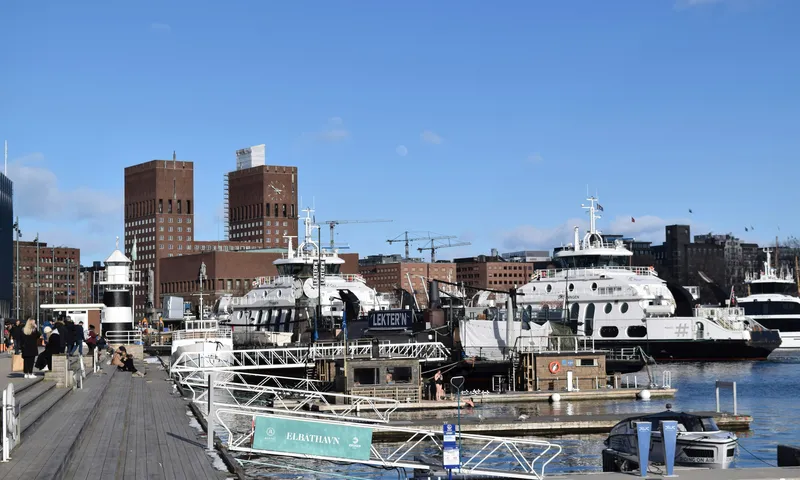
- Vippa Oslo (Akershusstranda): This vibrant food hall along Oslo’s harbor is a favorite for locals who love global street food in a laid-back atmosphere. With options ranging from tacos and Ethiopian platters to Vietnamese pho, Vippa’s vendors cater to every craving. Insider Tip: Visit after 6 PM to enjoy your meal with stunning sunset views over the fjord.
- Mathallen Oslo (Grünerløkka): Located in the trendy Grünerløkka district, Mathallen is a food market with both Norwegian and international food stalls. Locals come for small-batch Norwegian cheese, reindeer burgers, and artisanal cured meats. Budget Tip: Look for “tasting portions” that let you sample several flavors at a lower cost.
- Oslo Street Food (Torggata): Located in a former bank building, this street food venue has a lively vibe and a range of affordable dishes. Locals rave about the Korean fried chicken and empanadas. Peak Time Tip: Weekends get packed, so arrive before 5 PM for a seat.
2. Hidden Restaurants in Oslo: Dining Off the Beaten Path
Discovering hidden restaurants in Oslo means stepping away from the main streets and finding unique spots known primarily by locals.

- Kverneriet (Majorstuen): Famous among Oslo residents for its gourmet burgers, Kverneriet offers a cozy, modern atmosphere with an impressive selection of Norwegian craft beers. The locals love the creative topping combinations that make each burger unique. Ordering Tip: Ask for the “weekly special” to try something truly original.
- Restaurant Schrøder (St. Hanshaugen): This old-fashioned eatery has been serving traditional Norwegian dishes since the 1950s. Locals visit for comforting plates of meatballs and fish soup in an authentic, no-frills atmosphere. Insider Tip: Try the “kjøttkaker” (Norwegian meatballs) for a hearty and affordable meal.
- Katla (Youngstorget): Tucked away near Youngstorget Square, Katla is a local favorite for inventive Nordic fusion dishes. With an open kitchen and a cozy, intimate vibe, it’s perfect for a date or a night out with friends. Peak Time Tip: Reservations are a must for dinner, especially on weekends.
3. Cozy Cafes in Oslo: Savoring Norway’s Coffee Culture

Norwegians take their coffee seriously, and cozy cafes in Oslo are where locals unwind, chat, and enjoy a strong cup of coffee.
- Tim Wendelboe (Grünerløkka): Known as one of Norway’s most famous coffee roasters, this minimalist cafe is a must-visit for coffee aficionados. Locals come here for expertly brewed coffee using Tim Wendelboe’s own beans. Insider Tip: Don’t ask for “milk coffee” here—order a pour-over to appreciate the complex flavors that Norwegians love.
- Fuglen Oslo (St. Olavs Plass): A cafe by day and a cocktail bar by night, Fuglen has a mid-century retro decor and a strong local following. Known for serving some of the best coffee in the city, it’s also popular for its cozy ambiance. Peak Time Tip: Early morning and late afternoon are ideal if you want to avoid the crowd.
- Café Månefisken (Sagene): Nestled along the river Akerselva, Café Månefisken is a hidden gem with a rustic, bohemian vibe. Locals come here for the peaceful riverside views and outdoor seating during warmer months. Ordering Tip: Try the Norwegian waffles for a sweet treat with a view.
4. Traditional Oslo Dishes Locals Love
When looking for authentic dining in Oslo, seek out these traditional Norwegian dishes that locals swear by.
- Raspeballer (Potato Dumplings): Raspeballer, also known as potato dumplings, is a hearty dish served with salted meat or sausage. Engebret Café (Kvadraturen) is a local favorite for traditional Norwegian cuisine, offering classic dishes like raspeballer in a historic 19th-century setting. Insider Tip: Make a reservation; Engebret fills up with regulars, especially on weekends.
- Lutefisk: A winter classic, lutefisk is a traditional dish made of dried cod, prepared with a unique method that gives it a gelatinous texture. While it may sound unusual, Norwegians love it for its nostalgic taste. Gamle Raadhus Restaurant (Kvadraturen) is where locals go for this traditional specialty. Peak Season Tip: Lutefisk is typically served in winter, from late October to early January.
- Smørbrød (Open-Faced Sandwiches): Smørbrød, or open-faced sandwiches, are popular in cafes and delis across Oslo. Kaffistova (Sentrum) is an affordable spot that serves up these tasty sandwiches topped with shrimp, smoked salmon, or cured meats. Ordering Tip: Ask for a local favorite: smoked salmon with a boiled egg and dill.
Insider Tips for Eating Like a Local in Oslo

To get the full experience of where locals eat in Oslo, here are a few insider tips:
- Dine Early or Late: Locals in Oslo tend to eat lunch between 11:30 AM and 1:30 PM and dinner around 6-8 PM. To avoid crowds, try dining slightly before or after these times.
- Look for Lunch Buffets: Many Oslo eateries, including hidden gems, offer a lunch buffet with a range of salads, breads, and warm dishes. This option is popular with locals, offering a filling meal at a reasonable price.
- Embrace Seasonal Dishes: Norwegian cuisine is highly seasonal, with certain dishes like lutefisk and rakfisk (fermented fish) only available in winter. Ask servers what’s in season to taste the freshest local flavors.
- Learn a Few Phrases: While most Norwegians speak English, locals appreciate a simple “Takk!” (Thank you) or “Hei!” (Hello). Trying out a bit of Norwegian can lead to friendlier service and even a recommendation or two.
Final Thoughts
Exploring Oslo’s food scene beyond the usual tourist stops offers travelers a chance to experience the city like a local. From discovering hidden restaurants in Oslo to trying Norwegian classics in traditional settings, these tips will lead you to the heart of Oslo’s dining culture. Enjoy the journey and embrace the local flavors—Oslo’s culinary scene is one of its best-kept secrets!
Enjoyed this article?