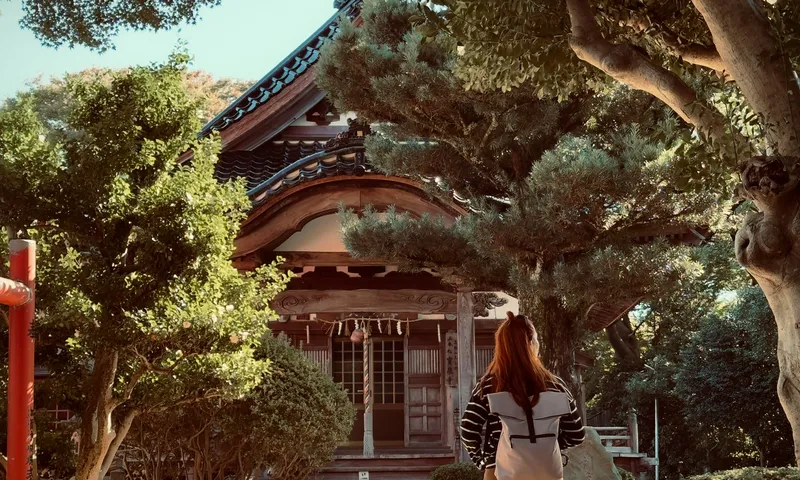
Kanazawa is often called the "Kyoto of the North," but for those who live here, that comparison only scratches the surface. While Kyoto grapples with heavy crowds, Kanazawa maintains a poised, quiet dignity. It is a city where Edo-period samurai estates and geisha tea houses aren't just museum pieces, they are part of a living, breathing neighborhood.
However, Kanazawa is a city of "closed doors." The best experiences, the artisan workshops that don't advertise, the specific seasonal delicacies at the market, and the evening atmosphere of the Chaya districts are often hidden behind a language barrier or a "locals only" reservation system. To truly see Kanazawa, you have to look past the guidebook.
This guide breaks down what you'd actually do differently with a local by your side.
Quick Guide: Kanazawa Key Takeaways for 2026
Best first stop: Omicho Market before 10 a.m., the seafood is freshest, the crowds haven't arrived, and you can grab a kaisendon (sashimi rice bowl) at counter seats locals prefer.
Top cultural experience: Higashi Chaya district in the evening, not during the day. The tea houses come alive after the tour buses leave.
Hidden neighborhood: Teramachi temple district, a 3-minute walk from Nishi Chaya; 70 temples, almost zero tourists, and one of the 100 officially designated soundscapes of Japan.
Top choice for first-time visitors: Start early in Kenrokuen and continue into the Nagamachi Samurai District before midday crowds build.
Best way to experience Kanazawa: Take a walk with a Lokafy guide and explore the city like a local.

Why Kanazawa Is Japan's Best-Kept Secret
Kanazawa sits on Japan’s Hokuriku coast, between the mountains and the Sea of Japan. Historically, it was one of the wealthiest castle towns during the Edo period. That wealth funded artisans, tea culture, gardens, and samurai residences. Much of that heritage survived wars and modernization.
Today, Kanazawa still preserves entire neighborhoods that feel centuries old. You can walk through Nagamachi and see mud walls and narrow lanes once used by samurai families. You can step into Higashi Chaya and find tea houses still operating in traditional wooden buildings. You can visit craft studios where gold leaf is applied by hand.
What makes Kanazawa different is scale. The city is compact enough to explore slowly. You are not rushing between districts. Instead, you move through layers of history.
But this slower pace also means the best experiences are subtle. They are not obvious attractions with signs and queues. They are small workshops, hidden entrances, and seasonal traditions. Without guidance, many travelers follow the same predictable loop and miss the depth.
“Kanazawa perfectly embodies the balance of old and new. It’s just the right size for sightseeing, and the beauty lies in the details. Sharing those details helps visitors connect more deeply with the culture.” — Hanayo, Kanazawa local guide
This perspective highlights something important. Kanazawa is not about checking off landmarks. It is about understanding the cultural details that shape the city.
Kenrokuen and the Castle District — What Locals Actually Do Here
Kenrokuen is one of Japan’s three great gardens. Most visitors enter late morning, follow the main paths, and leave within an hour. Locals approach it differently.
The best time to visit is early morning. The light is softer, the garden is quieter, and you can appreciate seasonal details like plum blossoms in late winter, irises in early summer, and autumn foliage reflected in ponds. During winter, the yukitsuri rope supports on pine trees create one of Kanazawa’s most recognizable scenes.
Locals also combine Kenrokuen with surrounding areas. Just across the road is Kanazawa Castle Park. Many travelers skip it, but locals walk through both as a continuous loop. The wide grounds provide a contrast to the garden’s curated beauty.
A few minutes west is the Nagamachi Samurai District. Instead of staying on the main street, locals turn into narrow side lanes where restored residences reveal quieter corners. Small museums and preserved homes help contextualize samurai life beyond the typical photo spot.
Timing matters here. Visiting early allows you to move through all three areas before midday. A local guide often builds this into a seamless walk that explains history while navigating the quieter routes.
Higashi Chaya at Night — The Geisha District Most People See Wrong

Higashi Chaya District is often visited in the afternoon, when shops selling sweets and souvenirs are open. It looks charming, but this is not when the area feels most authentic.
Evening is when the district changes. Lanterns glow, fewer people walk the streets, and the atmosphere becomes more reflective. This is closer to how the district historically functioned.
Some tea houses still operate in traditional style, but many require introductions or reservations. Without local help, visitors usually end up in tourist-focused cafes. Locals know which places emphasize cultural experiences like tea ceremonies or traditional music.
Gold leaf is another example. Kanazawa produces most of Japan’s gold leaf. Many visitors try gold-covered ice cream, which is popular but not culturally meaningful. Locals often recommend visiting craft studios where artisans demonstrate gold leaf application. These workshops offer deeper insight into the tradition.
Higashi Chaya also connects easily to the quieter Kazue-machi geisha district nearby. Many travelers do not realize how close it is. Walking between them reveals a less crowded continuation of the same cultural landscape.
What to Actually Eat at Omicho Market
Omicho Market has fed Kanazawa for over 300 years. Locals call it "Kanazawa's Kitchen," and with more than 170 stalls and shops crammed into a covered arcade, it can feel overwhelming if you don't know where to start. Here's what matters.

Eat seasonally. Japan has a deeply rooted food concept called shun, the moment when an ingredient is at its peak. In Kanazawa, that means:
- Winter (November–March): Snow crab (zuwai-gani), yellowtail (buri), sweet shrimp (amaebi), and oysters. The female snow crab, called kobako-gani, is a local delicacy; the shell is stuffed with crab meat and eggs, then steamed. It's incredible and only available for a few weeks.
- Spring (April–May): Firefly squid (hotaru-ika) and bamboo shoots.
- Summer (June–August): Rockfish and conger eel. Look for kobujime; kelp-cured sashimi, a local preparation where the umami of the kelp transfers to the fish.
- Autumn (September–October): Pacific saury (sanma) and seasonal mushrooms.
Counter seats over stall food. The kaisendon (sashimi rice bowl) restaurants inside the market are the real draw. Ushioya and Kaisendon Hirai both serve excellent bowls assembled from the morning's catch. Arrive before the lunch rush, lines build fast at the popular spots. If you see a place with mostly Japanese customers and a short handwritten menu, that's usually a good sign.
Don't skip the Noto beef. Several stalls sell Noto wagyu nigiri, seared beef over rice, for around ¥1,000. Noto beef comes from cattle raised in Ishikawa Prefecture and has a distinctive melt-in-your-mouth richness. It's one of the market's best bites.
Tourist traps to avoid: The overly decorated kaisendon bowls with gold leaf flakes are priced for photos, not taste. And be aware that some stalls near the main entrance mark up significantly compared to vendors deeper in the arcade. Bring cash, many of the smaller stalls and counter restaurants are cash-only.
The Neighborhoods Guidebooks Barely Mention
This is where Kanazawa with a local becomes a fundamentally different trip. The main attractions; Kenrokuen, Higashi Chaya, Omicho are well documented. These neighborhoods are not.
Teramachi Temple District

A 3-minute walk from the small Nishi Chaya geisha district, Teramachi is the largest concentration of temples in Kanazawa, with around 70 historic temples clustered together. The area was established in the early Edo period when the Maeda clan consolidated the city's temples into one defensive quarter. The streets here, narrow, stone-paved, and lined with moss-covered walls, are designated as an Important Preservation District for Historic Buildings.
This is also where you'll find Myoryuji, popularly known as the Ninja Temple. Despite appearances, it's not connected to ninja at all, it was designed to protect the feudal lord with hidden staircases, trap doors, and secret passages. The building looks like two stories from outside but actually contains seven levels with 23 rooms and 29 staircases. Visits are reservation-only and guided in Japanese, so going with someone who can translate and explain context makes a big difference.
At sunset, the sound of temple bells fills the Teramachi air, a soundscape officially recognized as one of the "100 Soundscapes of Japan."
Nagamachi Samurai District Backstreets
Most visitors walk the main drag of the Nagamachi samurai quarter, peek into the Nomura Samurai Residence (which is admittedly excellent, its garden has been ranked among Japan's best), and move on. But the backstreets along the Onosho Canal, where the original earthen walls (dobei) still stand, give a much quieter and more atmospheric sense of how mid-ranking samurai lived. In winter, these walls are covered with straw mats in a tradition called komogake, a distinctly Kanazawa sight that most visitors never see because it's off the main path.
Kutani Pottery Studios
Kanazawa has a deep connection to Kutani-yaki, a style of Japanese ceramics known for its bold, colorful overglaze painting. Several small studios and kilns operate in and around the city, but they don't advertise in English. With a local, you can visit working pottery studios where artisans are happy to show their process, some offer hands-on experiences but you need to know where to go and, in many cases, have someone make an introduction.
The Kanazawa Phonograph Museum

Tucked away in the Owaricho district, this small museum houses over 500 working phonographs and 20,000 SP records, a collection assembled over 50 years by a local record shop owner named Hiroshi Yokaichiya. Three times a day (11 a.m., 2 p.m., and 4 p.m.), the staff runs 30-minute listening demonstrations where they play records on Edison-era machines and explain how the technology evolved. An English brochure is available. Admission is ¥300 for adults, and children enter free.
It's the kind of place that doesn't show up on any "top 10 things to do" list but becomes a highlight of a trip, a quiet, human-scale museum run with obvious love for its subject.
D.T. Suzuki Museum
Dedicated to Zen philosopher Daisetsu Teitaro Suzuki, who was born in Kanazawa, this museum was designed by architect Yoshio Taniguchi (the same architect behind MoMA in New York). The building itself is the experience: three wings; the Exhibition Space, Learning Space, and Contemplation Space, connected by corridors and water features designed to evoke Zen principles. The Water Mirror Garden, a shallow reflecting pool, is one of the most photogenic (and meditative) spots in the city.
It's a 5-minute walk from the 21st Century Museum of Contemporary Art, so the two pair naturally.
Day Trips Only Locals Would Suggest
Shirakawa-go
The UNESCO World Heritage village of thatched-roof gassho-zukuri farmhouses is the most popular day trip from Kanazawa, about 75 minutes away by highway bus. It's stunning in any season, snow-covered in winter, lush green in summer, blazing with autumn color in November.
The local tip: Book your bus seat weeks in advance through Japan Bus Online, there are only a few departures per day and they sell out, especially from April through November. Buses depart from Kanazawa Station's West Exit (Bus Terminal #4), and a one-way ticket costs around ¥1,850. Take the earliest bus to arrive before the midday tour groups. Also consider the less-visited neighboring village of Gokayama (Ainokura), which is also UNESCO-listed, smaller, and quieter, a 1-hour bus ride from Kanazawa.
Yamanaka Onsen

About an hour south of Kanazawa in the Kaga Onsen area, Yamanaka Onsen is a hot spring town running alongside the dramatic Kakusenkei Gorge. The 1.3-kilometer gorge walk passes under a canopy of trees, over traditional bridges, and past open-air bathing spots. It's the kind of half-day trip that barely registers with foreign tourists but is a classic local escape, especially in autumn when the gorge turns red and gold.
The Noto Peninsula
The rural Noto Peninsula stretches north of Kanazawa along the Sea of Japan coast, offering rugged coastlines, terraced rice paddies (the Shiroyone Senmaida are famous), and a pace of life that feels removed from modern Japan by centuries.
Why Kanazawa Is Better With a Local

"I love meeting new people, learning about different cultures, and creating memorable experiences for visitors. Being a tour guide allows me to combine storytelling, local knowledge, and hospitality to help travelers connect more deeply with Japan." — Hanayo, Kanazawa Lokafyer, born and based in Kanazawa
Hanayo has been guiding visitors through Kanazawa for years, and she captures something that statistics can't: the feeling of the city. In her words, Kanazawa "perfectly embodies the balance between modern and traditional Japan", it's the right size for walking, culturally dense enough to keep you engaged for days, and welcoming in a way that bigger cities sometimes aren't.
What makes a local guide transformative in Kanazawa specifically? A few things:
Language access. Much of Kanazawa's signage, menus, and cultural sites operate primarily in Japanese. The Ninja Temple tour, for example, is conducted entirely in Japanese. Craft studios, smaller restaurants, and neighborhood shops rarely have English-speaking staff. A local bridges that gap naturally.
Timing and seasons. Kanazawa's appeal shifts dramatically by season and even by time of day. Knowing when to visit Kenrokuen (early morning), when to walk Higashi Chaya (evening), and what's in season at Omicho (this week, not last week) turns a good visit into an exceptional one.
Access. Some of Kanazawa's most interesting experiences, private tea ceremonies, pottery studio visits, small omakase restaurants with no English menu, are effectively closed to unconnected visitors. A local who knows the owners and can make introductions opens doors that no guidebook can.
Context. Kanazawa's beauty lies in details that require explanation: why samurai walls are built with a specific type of mud, how the geisha tradition differs from Kyoto's, what makes a particular bowl of seasonal fish meaningful beyond its freshness. That context is what separates tourism from understanding.
Ready to See Kanazawa the Way Locals Do? Explore Kanazawa like a local.
Frequently Asked Questions
Is Kanazawa worth visiting in 2026?
Yes. Kanazawa offers preserved historical districts, traditional crafts, and excellent seafood with fewer crowds than Kyoto. It is especially appealing for travelers seeking culture without heavy tourism.
What is the best way to get around Kanazawa?
Kanazawa is compact and walkable, most major attractions are within 10 to 30 minutes of each other on foot. For longer distances, the Hokutetsu Loop Bus circles the city's main sights every 15 minutes (¥200 per ride, or ¥800 for a day pass). Note that IC cards like Suica and the Japan Rail Pass are not valid on these local buses, so carry small change. Taxis are also affordable and widely available.
How many days do you need in Kanazawa?
Two days allows time for Kenrokuen, samurai districts, tea house areas, and Omicho Market. Adding a third day enables a nearby excursion like Shirakawa-go or Yamanaka Onsen.
When is the best time to visit Kanazawa?
Each season offers different highlights. Winter features seafood and snow scenery. Spring brings blossoms. Autumn offers foliage. Summer showcases festivals.
How do I book a local guide in Kanazawa?
You can connect with residents like Hanayo through Lokafy. Tours are customizable based on your interests, whether that’s secret food spots, samurai history, or modern art at the 21st Century Museum.
Enjoyed this article?