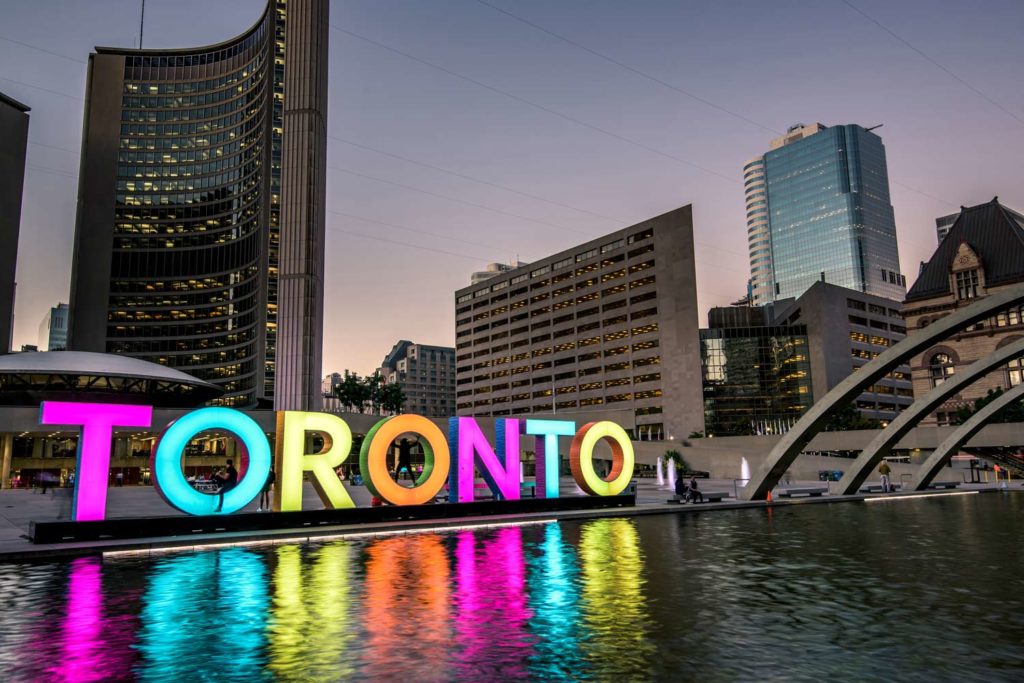
Sometimes, when you have such a modern and cosmopolitan city as Toronto, it is easy to take no notice of its history and past. They stay in the back, while other characteristics become protagonists. In the case of Toronto, today it is widely regarded as a great gastronomic hub (also due to its wonderful diversity), a cultural and artistic haven, and an entertaining place where you can dance the night away to any rhythm or music style that you like. But even if that’s what stands out the most today, there are plenty of clues about Toronto’s past scattered around the city, and if you pay close attention to them, you uncover a completely different face of Toronto, and you’ll truly understand how it became the place it is nowadays. Come with us as we explore Toronto’s historical significance and cultural relevance, in order to complete the timeline between its amazing past and vibrant present.

Let’s begin our journey through Toronto’s heritage.
Heritage Sites: Preserving Toronto's History
We’ll begin by going over some of the most remarkable places that preserve Toronto’s history and that tell us quite a lot about the origins and development of the city. First off we have Fort York, which was established in 1793 by the British to defend what during that time was the town of York, and that today is a National Historic Site. The Fort was almost completely destroyed in the War of 1812, but most of the structures were immediately rebuilt and can still be seen. It is a 17-hectare complex of barracks, block houses and powder magazines, and if you visit between May and September, you’ll have the opportunity to watch the recreation of 19th century British soldiers carrying out marches and drills. To stay in the same time period for a while, our second site is the Black Creek Pioneer Village, a place that recreates the 1860s and the life of rural Ontario during that time. There are 40 historic buildings, 10 gardens growing plants and flowers from heirloom seeds and around 70 heritage breed animals to take you back to the 19th century. You’ll also see clock-makers, tinsmiths and blacksmiths selling their products, as well as cooking and quilting demonstrations. We think that this is a great way to have a better idea of where Toronto developed and what its surroundings were all about.
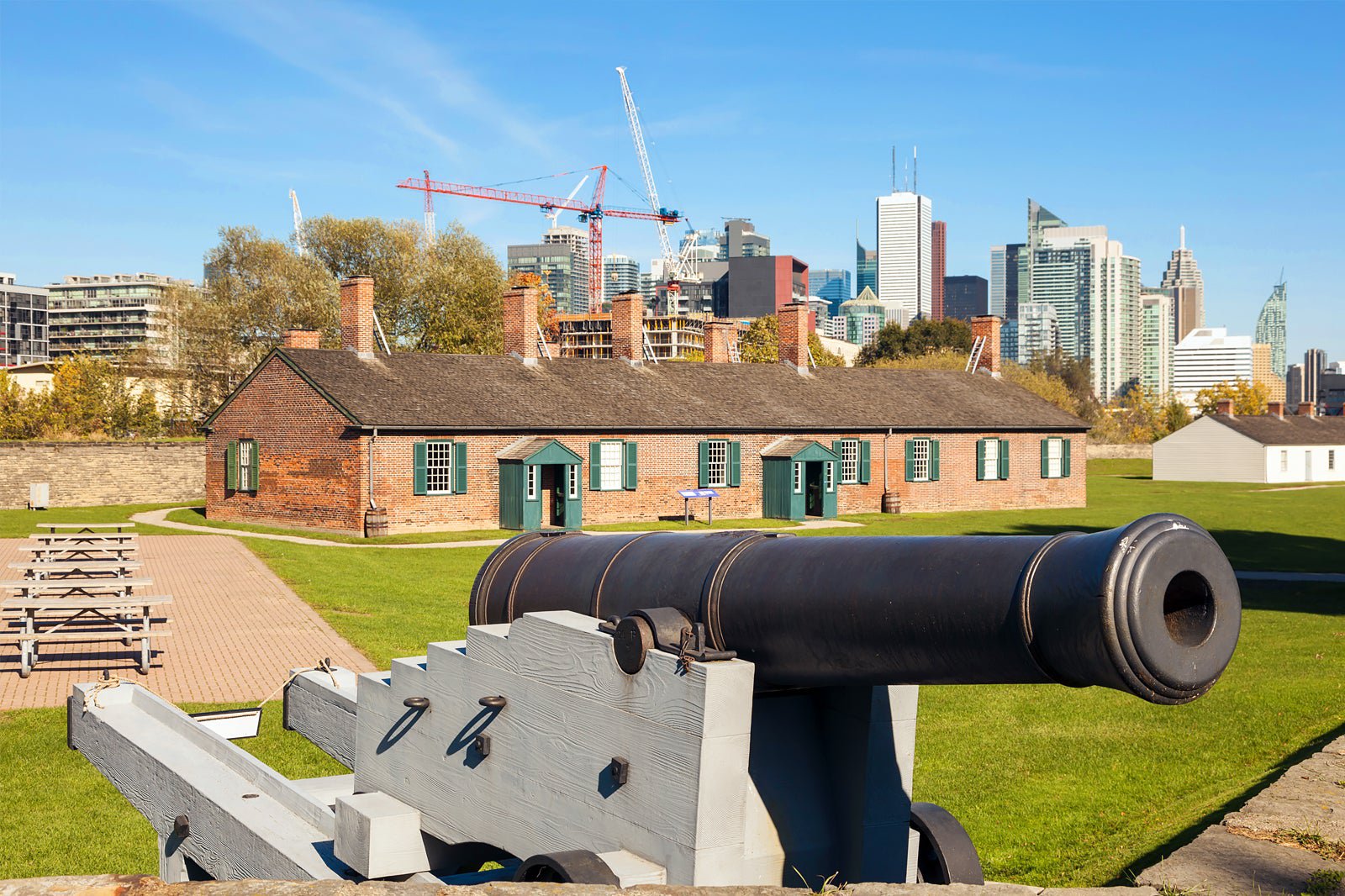
There’s an incredible contrast between Fort York, first established in 1793, and Toronto’s skyline in the back.
We’re going back to the city in order to visit the Gooderham building and the St. Lawrence Market.The two of them are heritage sites that take us on a journey through the architectural and gastronomical history of Toronto. To begin with, the Gooderham building is a narrow structure that you may find familiar, because it is one of the most photographed buildings of the city. It was built in 1891 and it became the first example of a flatiron-style building in North America. Today, it is a National Historic Site and home to one of the city’s most expensive office spaces. It is such an appealing photoshoot site because it is surrounded by some of Toronto’s most incredible skyscrapers, so it perfectly shows the contrast between the past and the present of the city. Luckily, the Gooderham building is located in the St. Lawrence Market neighborhood, and that market is precisely our last stop! The St. Lawrence Market has been around since 1803, and through its long history it has even been called the world’s best food market by National Geographic (in 2012). There are over 120 specialty vendors that sell quality ingredients, groceries, beverages and delicacies, and it is the perfect place to get a taste of Toronto’s gastronomy and the magnificent blend of cultures and ingredients that you can find in their cuisine.
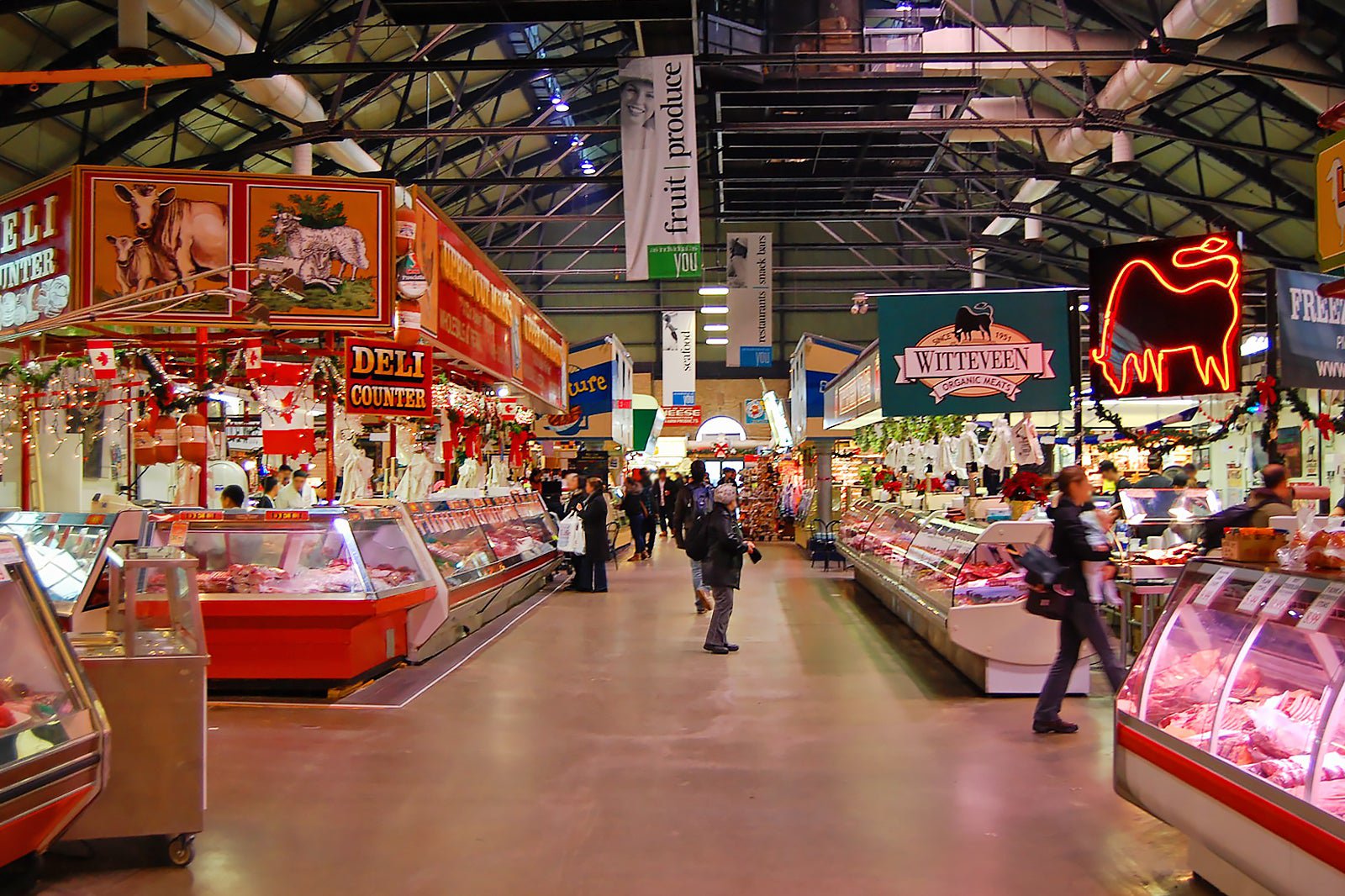
Nothing like St. Lawrence Market to get familiar with the city’s distinctive gastronomy.
Museums: Showcasing the City's Legacy
Another way to understand more about a place is through their culture and art. As we said earlier, Toronto is renowned as a cultural and artistic hub, and this is hugely influenced by its incredible museums. We’ll give you a sneak peek of the museums and galleries that truly encapsulate the colorful, creative and diverse heart of Toronto. Firstly we have the Royal Ontario Museum, which was opened in 1914 and is Canada’s biggest natural-history museum. You can sense the immensity of the museum when you hear that the permanent collection features more than 6 million specimens and artifacts, which are divided into two galleries: the Natural History Galleries and the World Culture Galleries. In this museum, you’ll have the opportunity to learn from everything related to biology and evolution, to religions, international cultures and artistic expressions; the Royal Ontario Museum really encapsulates the human experience in all of its different aspects. Some of the exhibitions that you cannot miss are the First Peoples Art and Culture gallery, made up of a 1000-piece collection that creates a wonderful space to learn about the art and cultural heritage of the indigenous people of Canada from pre colonial times to the present; the Chinese temple sculptures or the Gallery of Korean art.

The Royal Ontario Museum presents humanity's history through 6 million specimens and artifacts.
Next we have the Aga Khan Museum, which is the first museum of North America solely dedicated to Islamic art. Its mission is to present and collect art from historical Muslim civilizations, as well as contemporary Muslim communities and its diasporas from all around the world. As its name indicates, the museum houses the collection of the late Prince Sadruddin Aga Khan, made up of works from all over the world, from the Iberian Peninsula to North Africa, South Asia, China and of course, the Middle East. It is important to say that admiring the pieces of the museum is not all there is to do there, because it regularly holds dance performances, special exhibitions and public programs.

The Aga Khan Museum is the first in North America to be dedicated to Islamic art, both from past Muslim civilizations, to current communities and diasporas.
Thank you so much for coming with us on this adventure, discovering Toronto’s past in order to better understand its present and future. We have gone over multiple facets of the city, exploring its origins as a colony; becoming the center of the Ontario region; beginning its transformation into an urban hub; and reaching its current state as a cosmopolitan and eclectic city. Hopefully, you have lots of new places to include in your bucket list for your next visit to Toronto!
Enjoyed this article?