The first time I landed in Fukuoka, I was on the subway into town before I had finished replying to the messages that came in when the plane touched down. Five minutes from the airport gate to the middle of the city, no exaggeration. That single detail tells you most of what you need to know about this place: it is a proper city with world-class food and a coastline, packaged in something that moves at the pace of a friendly mid-sized town. Most people treat it as a quick stop on the way to somewhere else in Kyushu. I think that is a mistake, and after three visits I am fairly sure the locals quietly agree.
Quick Guide: Fukuoka Key Takeaways
- Primary Recommendation: Eat your way through the city. Fukuoka is Japan's ramen capital and home to more than 100 open-air yatai food stalls, so build at least one evening around a stall crawl.
- Top Choice for food: A late dinner at the Nagahama or Nishijin yatai stalls rather than the famous Nakasu row. Pro tip: Nakasu is the postcard spot but it is aimed at tourists. Locals point newcomers to Nagahama near the old fish market for better Hakata ramen and elbow room.
- Value Pick / Vibe: Base yourself around Yakuin or Imaizumi if you want the version of Fukuoka that residents actually live in: neighborhood izakaya, independent coffee, and a slower rhythm two subway stops from the action.
- The Best Way to See the City: Take a private, personalized walking experience with Lokafy in Fukuoka and discover the back-street food spots and shrine corners with a local who lives there.
Is Fukuoka Worth Visiting?
Yes, and the case is easy to make. Fukuoka is Kyushu's largest city and one of the most livable in the country, with the food culture of a much bigger place and none of the exhausting scale. It does not try to be Tokyo, and that is its whole appeal. You can wander a 1,200-year-old shrine, ride a subway to a bay-front tower, and be eating ramen at a lantern-lit street stall by dinner, all inside a compact center you can cross on foot in about twenty minutes.
The comparison people reach for is Osaka, and it holds up on the food front while feeling calmer and cheaper. Where Tokyo and Kyoto ask you to plan around crowds, Fukuoka lets you improvise. It sits closer to Seoul than to Tokyo, which shaped centuries of trade and gave the city a slightly outward-looking, port-town ease you feel the moment you sit down next to a stranger at a food stall. If your idea of a good trip involves eating well, walking a lot, and not queueing for two hours to do it, this is your city.

Getting Your Bearings: Fukuoka's Neighborhoods
Fukuoka grew out of two old towns that merged in 1889, and the split still defines the map. The Naka River runs down the middle, with Hakata on the east side and the old Fukuoka side (now Tenjin) to the west. Learn these five areas and the city clicks into place.
Hakata is the eastern half around the main station, and it is where you arrive by plane or by bullet train. It carries the historic weight of the city: Kushida Shrine, the temples of Hakata Old Town, and the giant wooden Buddha at Tocho-ji. If you want everything a few minutes from your door and easy day trips out of the region, sleep here.
Nakasu is the small island between the two banks, quiet by day and loud after dark. It holds the biggest cluster of yatai stalls along the river and the original branch of Ichiran. It is the entertainment heart, and worth a night, though as you will see below it is not the best place to actually eat.
Tenjin and Daimyo make up the western downtown: department stores, a sprawling underground shopping mall, and the fashion crowd. Daimyo is the pocket of narrow streets behind the big shops, full of vintage boutiques, tiny record stores, and cafes that younger residents actually frequent. This is the best base if you like shopping and being able to walk home from dinner.
Yakuin and Imaizumi sit a short hop south of Tenjin and rarely make the standard lists, which is exactly why locals like them. The pace drops, the chains thin out, and you find the neighborhood robatayaki counters and coffee shops that people go to on a normal Tuesday. If you want to feel like you live somewhere rather than visit it, spend an evening here.
Ohori and Momochi cover the green and the coast. Ohori Park wraps around a big lake where residents jog and picnic, with the Fukuoka Castle ruins in the adjoining Maizuru Park. West along the bay, Momochi gives you the seaside promenade and Fukuoka Tower. This is the breathing room when the food and the streets start to feel like a lot.
Where Locals Actually Eat in Fukuoka
Fukuoka earns its reputation at the table, and the food is regional in a way that surprises people who think Japan means sushi and Tokyo. Come hungry and pace yourself.
Start with the obvious one done right. Hakata ramen is the tonkotsu style the world copied: thin, straight noodles in a cloudy, long-simmered pork-bone broth. The local move is the kae-dama, a refill of fresh noodles dropped into your remaining soup for a small extra charge, which was born in this city's ramen stalls. Order your noodles firm, finish them fast, and call for a kae-dama before the broth cools. Ichiran and Ippudo both started here if you want the origin story, but half the small shops around Hakata Station are excellent and empty of tour groups.
Then there are the yatai, the open-air stalls that set up on the pavement at dusk and pack down before dawn. More than 100 of them operate across the city, which is a genuinely rare survival of an old Japanese street-food tradition. Here is the part the guidebooks bury: the Nakasu riverfront stalls are the famous ones, with menus in four languages and prices to match, while the stalls at Nagahama near the old fish market and out in Nishijin are where you get better ramen, friendlier owners, and a seat without a ninety-minute time limit. Sit at a counter, order a beer and a couple of skewers, and talk to whoever is next to you. That is the entire point. A quick rule of thumb from residents: skip any stall with no visible prices.
Beyond ramen, three local specialties are worth planning around. Motsunabe is a hot pot of beef offal, cabbage, and garlic chives in a light broth, hearty and better than it sounds. Mizutaki is its gentler cousin, a chicken hot pot where you drink the collagen-rich broth first and cook the meat and vegetables after. And mentaiko, spicy marinated pollock roe, is a Fukuoka institution; the local company Fukuya is credited with creating the Japanese version back in 1949, adapting a Korean recipe into something the whole country now buys as a souvenir.
For a market morning, go to Yanagibashi Rengo Market, known locally as Hakata's kitchen. It is a short covered strip of fishmongers, mentaiko sellers, and tiny counters where you can eat a sashimi bowl steps from where the fish was sold. For an evening with a bit of theater, the robatayaki counters around Yakuin and Imaizumi grill over charcoal in front of you and cook rice to order in clay pots. And do not overlook Hakata udon, softer and more forgiving than the chewy Sanuki style, served with a slick of sweet fried burdock, which is a proper local breakfast or hangover cure.
Hidden Gems and Things to Do Beyond the Food

Once you have eaten, the city rewards a wander.
Ohori Park and Maizuru Park are the easy win: a lake loop with a traditional garden at one end and the stone walls of the old Fukuoka Castle at the other. In late March and early April the castle grounds turn into the city's best cherry-blossom spot, and in autumn the maples along the water do the same trick in reverse.
Out on the bay, Fukuoka Tower is the tallest seaside tower in Japan at 234 metres, and the observation deck gives you the whole coastline at sunset. It is touristy, but the walk along Momochi Seaside Park to reach it is a pleasant, breezy antidote to a day of eating.
For something stranger and quieter, ride out to Nanzoin in Sasaguri, about 25 minutes by JR train from Hakata. The temple grounds hold one of the world's largest bronze reclining Buddhas, a 41-metre figure that you come around a corner and simply are not prepared for. The forest paths and small shrines around it make an easy, contemplative half day.
Closer in, spend an afternoon getting lost in Daimyo. This is where Fukuoka's independent streak lives: secondhand clothing shops, single-origin coffee roasters, tiny galleries, and streetwear brands you will not find at the department stores. It is the antidote to Canal City's fountain shows and a good place to feel the city's creative side.
The Best Day Trips from Fukuoka
Part of what makes Fukuoka such a good base is how much sits within an hour of it.
Dazaifu is the classic, about 30 minutes by Nishitetsu train from Tenjin. Dazaifu Tenmangu is the shrine to the god of learning, surrounded by thousands of plum trees that flower in late winter, and students come from all over to pray before exams. The approach street is lined with snack stalls selling grilled umegae mochi, and there is a famously good-looking Starbucks designed in a lattice of wooden beams. Add the nearby Komyozenji zen garden for ten quiet minutes of moss and raked gravel.
Itoshima is the one to pick if you want coast and slow living. This peninsula west of the city has white-sand beaches, a photogenic white torii gate standing in the sea beside the Meoto Iwa "wedded rocks," and a string of seaside cafes run by young people who left the city grind behind. In winter the fishing ports open kakigoya, temporary huts where you grill fresh oysters at your table. One honest logistics note: Itoshima is spread out and buses can run once an hour, so this trip works far better with a rental car or a bike than with pure public transport. The train gets you to Chikuzen-Maebaru in about 45 minutes; from there you will want wheels.
Yanagawa, roughly 45 minutes south, is a town of old canals that people cruise by flat-bottomed boat while a boatman poles and sings. Pair it with a lunch of seiro-mushi, steamed eel over rice, which is the local dish and worth the trip on its own. It is the gentle, storybook counterpoint to a food-heavy city break.

When to Visit Fukuoka
Fukuoka has four real seasons, and the timing changes the trip.
Late March to early April is cherry-blossom season, with Maizuru Park hitting full bloom around the end of March into the first days of April in 2026. It is the prettiest and busiest window, so book beds early. October and November are the quiet sweet spot: comfortable temperatures in the mid-teens to low twenties Celsius, low humidity, and autumn colour at Ohori Park.
July belongs to the Hakata Gion Yamakasa festival, which runs July 1 to 15 and climaxes before dawn on the 15th, when teams race one-tonne decorated floats through the streets on their shoulders. It is one of Kyushu's great spectacles, though July is also hot and sticky, and hotel prices spike hard during the festival and again over Golden Week in early May. If you can only travel then, reserve months ahead. Late June into mid-July is the rainy season, which trades sunshine for cheaper rooms and a good excuse to eat indoors, and the tail of summer into September can bring the odd typhoon.
A Simple 3-Day Fukuoka Plan
If you have a long weekend, this covers the city without rushing.
Day one, stay central. Walk Hakata Old Town in the morning, starting at Kushida Shrine and the Tocho-ji Buddha, grab a firm-noodle ramen lunch near the station, then cross to Tenjin and Daimyo for the afternoon: coffee, secondhand shops, and people-watching. In the evening, take the subway to Nagahama and eat at a yatai stall by the water.
Day two, go green and coastal. Loop Ohori Park and the castle ruins in the morning, then head out to Momochi and up Fukuoka Tower for the bay view. Come back and spend the evening in Yakuin, where a robatayaki counter and a couple of local izakaya will show you how residents actually unwind.
Day three, pick a day trip. Dazaifu for shrines and plum trees if you want culture close by, or Itoshima for beaches and cafes if the weather is kind and you can rent wheels. Circle back for a final bowl of ramen and, if you have room, a hot pot before you go.
See Fukuoka the Way Locals Live It
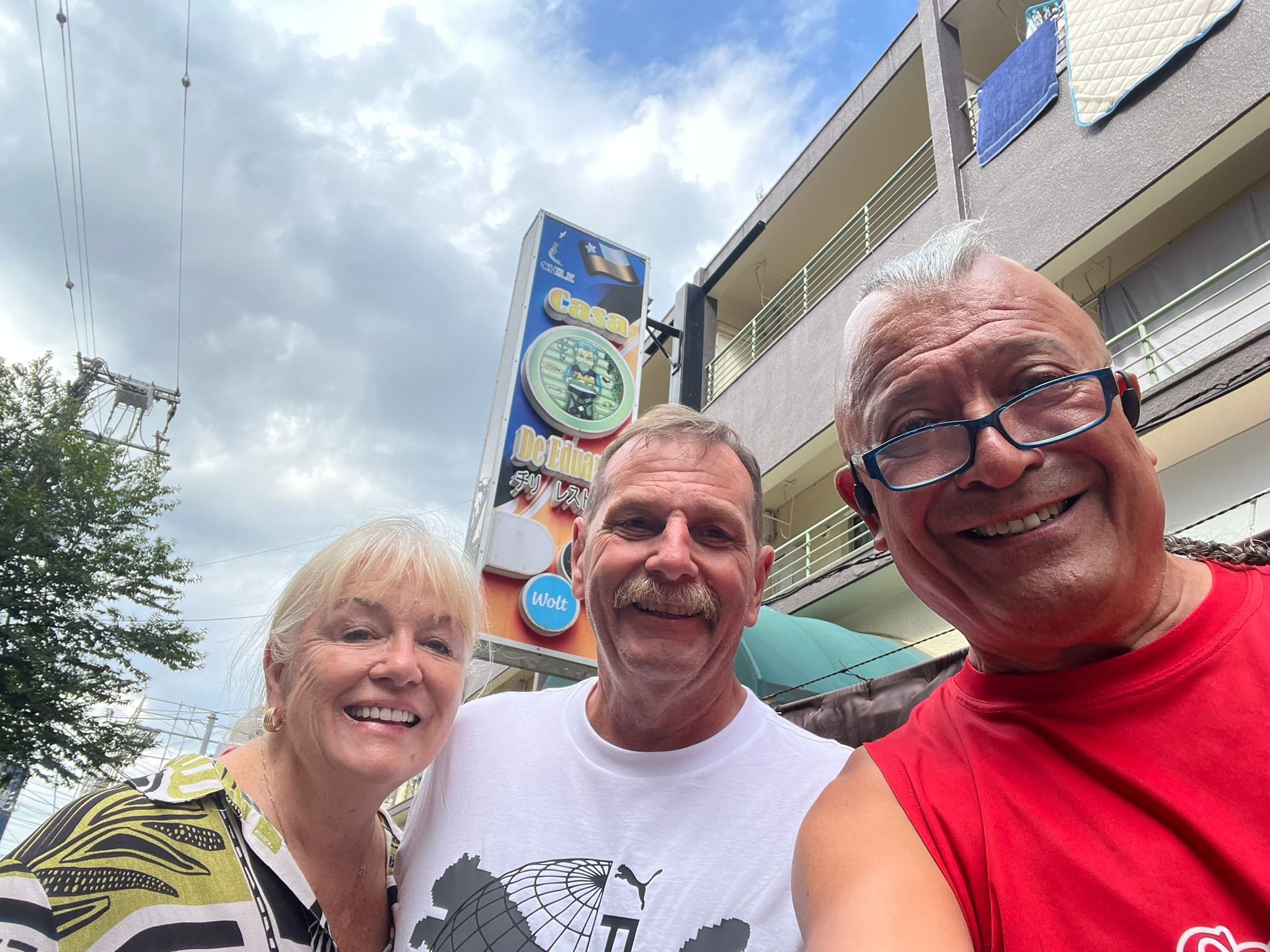
You can absolutely do Fukuoka on your own, and it is one of the easier Japanese cities to navigate. But the best of it hides in plain sight: the unmarked stall the owner's regulars fill by 7pm, the side street in Daimyo, the shrine corner that means something only if someone explains it. That is where a local makes the difference.
Book a private, personalized walking tour with a Lokafyer in Fukuoka and see the city through the eyes of someone who lives there. No fixed script, no big group, no tourist-trap detours. Tell your Lokafyer you want the food streets residents actually use, or the quiet neighborhoods, or a bit of both, and they will build the day around it. If Fukuoka is one stop on a longer Japan trip, Lokafy runs the same kind of local-led walks in Osaka and other cities across the country.
Frequently Asked Questions About Fukuoka
Is Fukuoka worth visiting? Yes. Fukuoka is one of Japan's most livable and underrated cities, known for Hakata ramen, more than 100 open-air yatai food stalls, easy coastal day trips, and a compact, walkable center with far smaller crowds than Tokyo, Osaka, or Kyoto. It works well as both a two to three day city break and a base for exploring Kyushu.
How many days do you need in Fukuoka? Two days is enough for the core city: Hakata's temples, Tenjin's shopping, and an evening at the yatai stalls. Three to four days lets you add day trips to Dazaifu, Itoshima, or Yanagawa without rushing.
What food is Fukuoka famous for? Fukuoka is the birthplace of Hakata-style tonkotsu ramen, made with thin noodles in a rich pork-bone broth. Other local specialties include motsunabe (beef offal hot pot), mizutaki (chicken hot pot), mentaiko (spicy pollock roe), Hakata udon, and one-bite gyoza, much of it eaten at the city's open-air yatai stalls.
Where are the best yatai food stalls in Fukuoka? The most famous stalls line the Naka River in Nakasu, but they are aimed at tourists. Locals recommend the yatai at Nagahama, near the old fish market, and in the Nishijin area for better Hakata ramen, friendlier owners, and no time limits. Stalls open around 6pm and run late; arrive early for a seat and avoid any stall without visible prices.
What is the best time of year to visit Fukuoka? Late March to early April for cherry blossoms at Maizuru Park, or October and November for comfortable temperatures and autumn colour. July brings the Hakata Gion Yamakasa festival (July 1 to 15) but is hot and humid, and hotel prices spike during the festival and Golden Week. Avoid the mid-June to mid-July rainy season if you can.
How do you get from Fukuoka Airport to the city? Fukuoka Airport is one of the most centrally located airports in Japan. The subway reaches Hakata Station in about 5 minutes and Tenjin in about 11 minutes, both for 260 yen. Any IC card such as Suica, ICOCA, or Pasmo works, and trains run from roughly 5:20am to a little after midnight.
Is Fukuoka better than Osaka or Tokyo? It depends on the trip you want. Fukuoka has food that rivals Osaka's with a calmer pace, cheaper prices, and thinner crowds, plus quick access to beaches and countryside. Tokyo and Osaka offer more sheer scale and nightlife. For food-led travelers who prefer to improvise rather than plan around queues, Fukuoka is often the more relaxing choice.
Enjoyed this article?