The first time I walked through Bab Bhar alone, a friendly man in a leather jacket fell into step beside me and announced that the souks were closed for a special festival, but he knew a palace with a rooftop that was open "for today only." Ten minutes later I was drinking free mint tea in a carpet showroom, wondering how I had got there. Tunis has that effect on first-timers. It is warm, chatty and easy to love, and it also rewards anyone who arrives knowing a few house rules. This guide is the version a Tunisian friend would give you over coffee: which train to take, which café charges what, where to eat on your own without feeling stared at, and how to move through the medina like you have somewhere to be.
Quick Guide: Solo Travel in Tunis
- Primary Recommendation: Base yourself near Avenue Habib Bourguiba or in a restored house inside the medina, so the old city, the TGM train and the metro are all within walking distance.
- Top Choice for Getting Around: The TGM light railway from Tunis Marine to Carthage, Sidi Bou Said and La Marsa. A second-class ticket costs 0.500 to 0.800 TND, but trains on the winter timetable run roughly every 45 minutes, so check the return time before you wander off.
- Value Pick for Solo Eating: A bowl of lablabi (spicy chickpea soup over torn bread) at a counter in the Passage area, where everyone eats alone and nobody cares.
- The Best Way to See the City: Take a private, personalised walking experience with Lokafy in Tunis and discover the medina's back lanes, local cafés and everyday food stops with a local.
Is Tunis Good for Solo Travellers?
Yes. Tunis is one of the easier North African capitals to explore alone: the centre is compact, public transport is extremely cheap, French is widely spoken alongside Tunisian Arabic, and the main sights (the medina, Carthage, Sidi Bou Said and the Bardo Museum) are all reachable without a car or a tour bus.
Where to Stay in Tunis as a Solo Traveller
Choosing your base decides how much time you spend in taxis, so it is worth getting right.
Ville Nouvelle, near Avenue Habib Bourguiba. The tree-lined boulevard built under the French protectorate is the most practical base. You are a short walk from the medina gate at Bab Bhar, about 20 minutes on foot from the TGM terminus at Tunis Marine, and close to cafés that stay busy into the evening.
A dar inside the medina. Several old courtyard houses now run as small guesthouses. Waking up to the call to prayer bouncing off the rooftops is memorable, but the lanes empty out after the shops close, so this suits travellers who are comfortable walking quiet streets at night with a map downloaded.
La Marsa. The seaside suburb at the end of the TGM line is relaxed, residential and popular with young Tunisians. It is a gentle landing for a first trip, though you will spend 35 to 45 minutes on the train each time you head into the old city.
Getting Around Tunis with Confidence
From the airport
Tunis-Carthage Airport sits only about 8 km from the city centre. Licensed yellow taxis wait outside arrivals, and the key word is "compteur" (meter). Ask for it before you put your bag in the boot. A metered daytime ride to the centre normally comes to somewhere between 10 and 20 TND once the small airport pick-up supplement is added, and fares rise by about half between 9pm and 5am. If a driver says the meter is broken, thank him and take the next car.
A note that trips up a lot of visitors: Bolt stopped operating in Tunisia on 9 May 2025. The ride-hailing apps that work in Tunis now are Yassir and inDrive. On inDrive, you propose a fare and the driver accepts or counters, so it helps to know roughly what the meter would charge.
The TGM: your best friend for Carthage and Sidi Bou Said
The TGM (Tunis-Goulette-Marsa) is a suburban railway that opened in 1872 and crosses Lake Tunis on a causeway before running up the coast. After several years of works that split the line in two, direct service along the whole route was restored on 20 February 2026, so you no longer need to change trains or walk between stations at La Goulette.
A few things locals wish visitors knew:
- Start at Tunis Marine, at the eastern end of Avenue Habib Bourguiba by the lake. It is a different station from the main railway station on Place de Barcelone.
- Buy a paper ticket at the counter. Second class is 0.500 TND for one section and 0.800 TND for two. There is no card or phone payment at the barrier, so carry coins and small notes.
- Plan around the timetable. The winter 2026 to 2027 schedule runs about one train every 45 minutes, even at peak times. Missing the train back from Sidi Bou Said can cost you most of an hour.
- Ignore the station called L'Aéroport. It serves a neighbourhood in Le Kram, not the airport.
- Sidi Bou Said station sits below the village. Allow 10 to 15 minutes of steady uphill walking to reach the famous blue doors.
The metro and city taxis
The "métro léger" is a surface tram network. Line 4 runs out to Le Bardo for the museum. Inside the city, yellow taxis on the meter are cheap for short hops; ask to be dropped at a specific gate such as Bab Bhar or the Kasbah rather than "the medina," since cars cannot enter most of the old lanes.
The Medina of Tunis on Your Own
The medina was founded in 698 and has been a UNESCO World Heritage Site since 1979. UNESCO counts around 700 historic monuments inside its walls, yet this is a working neighbourhood where people live, shop and pray, which is exactly what makes it fun to explore alone.
A half-day walking route
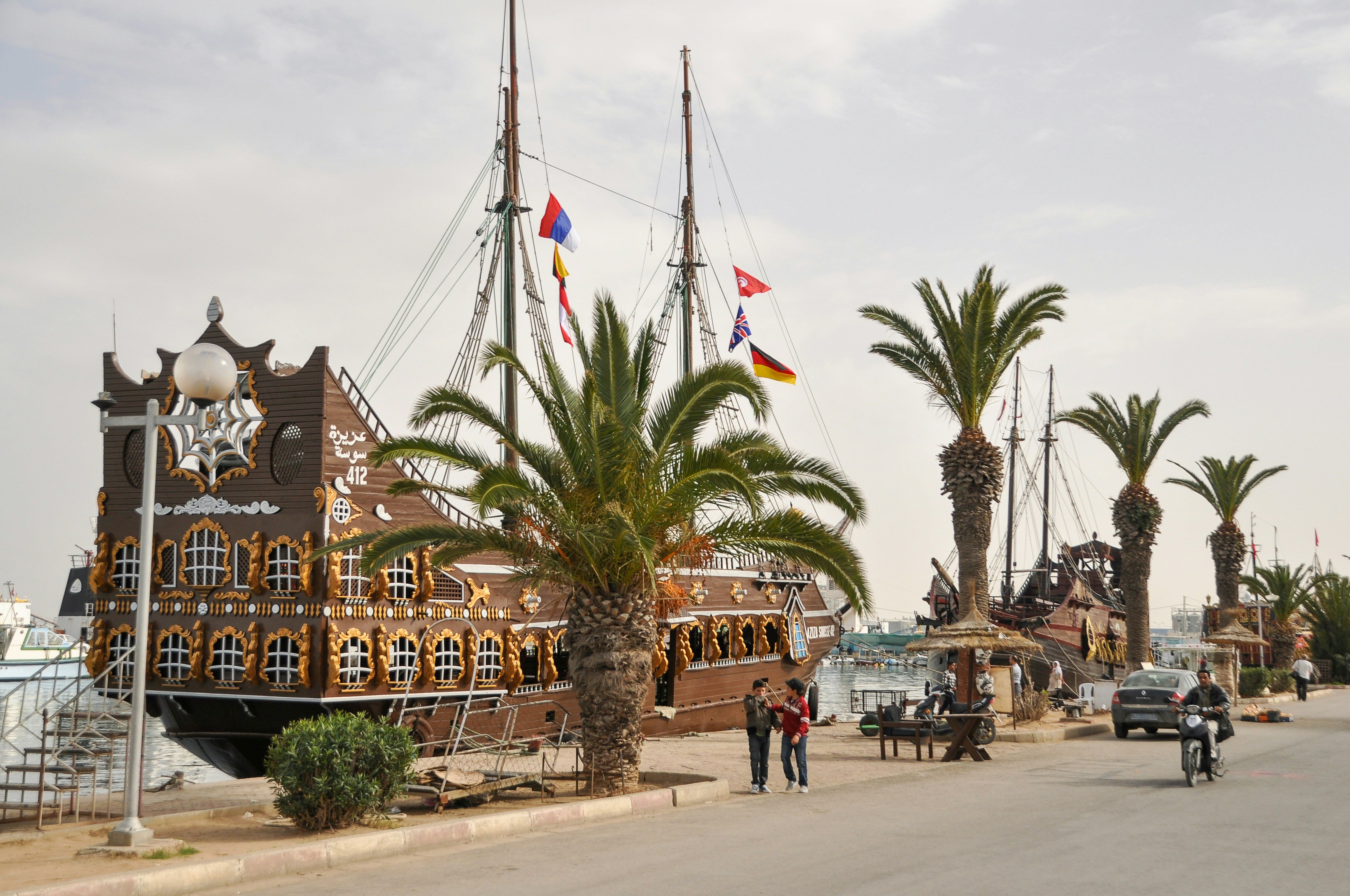
Enter through Bab Bhar, the arched Sea Gate also known as Porte de France, and follow Rue Jamaa Ezzitouna uphill toward the Zitouna Mosque. The medina grew around this mosque. Non-Muslim visitors cannot enter the prayer hall, and courtyard access for visitors has changed over the years, so ask politely at the door and dress with shoulders and knees covered.
If the courtyard is closed, climb to Café Panorama, a mosaic-covered rooftop café tucked behind the mosque. Its terrace gives one of the best views down into the mosque courtyard and is popular with local students, which keeps prices sane.
From there, drift through Souk El Attarine, the perfume market that has traded since 1240 and still sells jasmine, rose and orange-blossom essences. Then look for Souk Ech-Chaouachia, where craftsmen still felt and dye the red chechia, the brimless wool hat that is Tunisia's traditional headwear. Watching a chechia being brushed and shaped is one of the medina's quietly brilliant free sights.
Two interiors are worth your entry fee. Tourbet El Bey, a royal mausoleum built between 1770 and 1777 with green-tiled domes, holds 165 tombs of the Husainite rulers and their families; give it 30 to 45 minutes and approach it as a southern detour rather than part of the main loop. Nearby, Dar Ben Abdallah is an 18th-century palace that now houses the museum of popular arts and traditions, with rooms set up to show how wealthy Tunis families lived in the 19th century. It keeps short daytime hours, so go in the morning.
Timing your visit
Weekdays are best. Sundays are thinner on options: the restaurant Dar El Jeld closes, and Dar Lasram, the grand courtyard house that serves as the medina's preservation society headquarters, opens on weekdays only. Friday around midday prayers is quiet near the Zitouna Mosque. The souks also wind down after dark, so shop by day and save the medina for dinner in the evening.
Where to Eat in Tunis
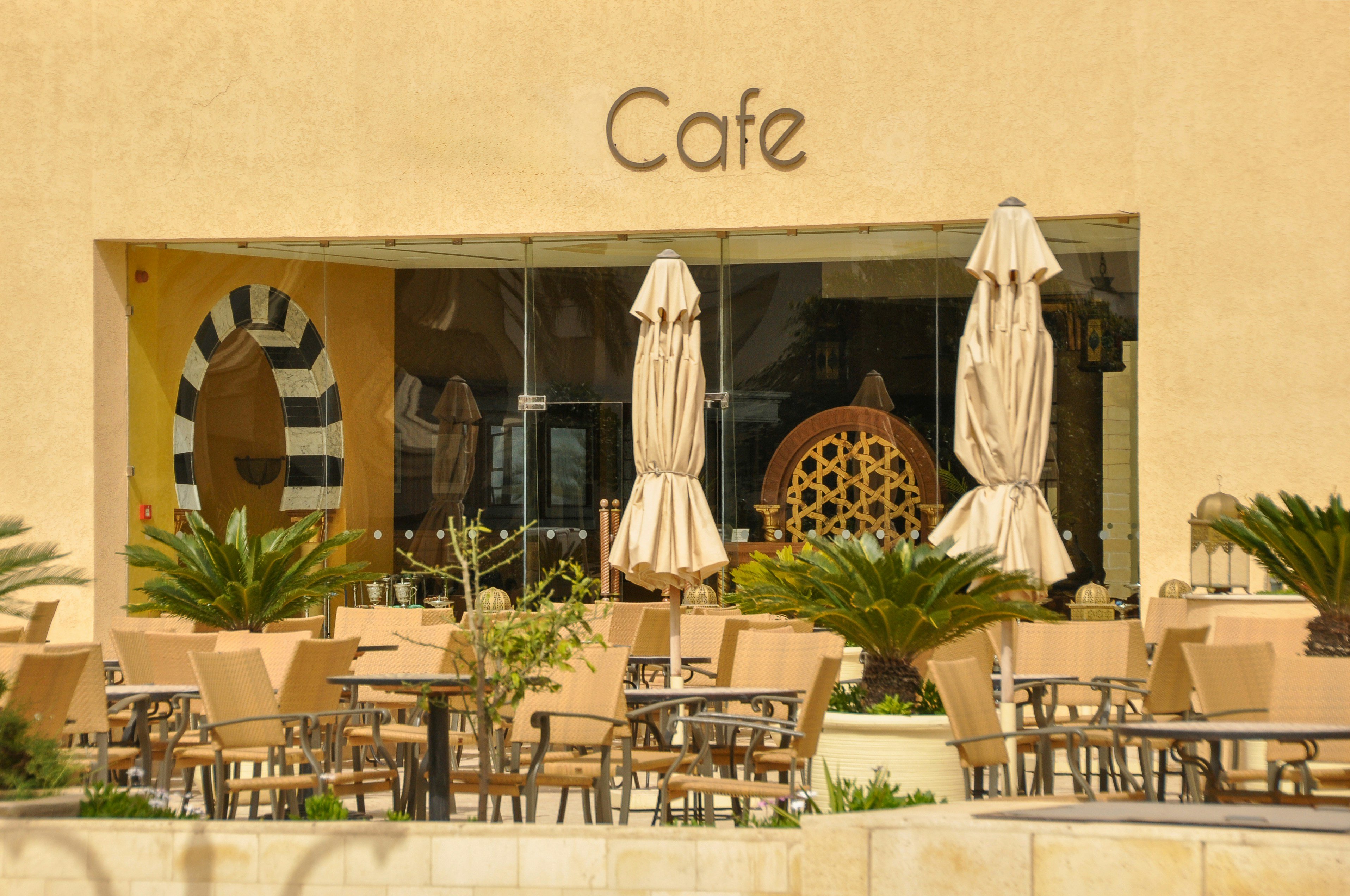
Solo eating in Tunis is easy once you know that the city's best cheap food is built for one person on a stool.
Lablabi in the Passage area. This chickpea soup ladled over stale bread with cumin, olive oil, harissa and often a runny egg started life as a winter breakfast and is now eaten all day. Chez Hattab, near Avenue de Londres in the Passage neighbourhood, is a long-standing name among locals; its founder Hattab Barrouta passed away a few years ago and his children carry on the kitchen. Order lablabi or kafteji (a fried vegetable hash topped with egg) and join the crowd.
Street snacks around the souks. Brik (a crisp pastry folded around a soft egg) and fricassé (a small fried bun filled with tuna, potato, olives and harissa) cost a few dinars at the snack counters dotted around the medina. Eat them standing, Tunisian style.
El Ali, Rue Jamaa Ezzitouna. Climb a narrow stair off the souk to find a restaurant on the first floor and a café on the top floor, with a terrace looking over the Zitouna minaret and the cathedral spire. It opens early and is a lovely spot for a traditional breakfast before the medina fills up.
Fondouk El Attarine, Souk El Attarine. A restored caravanserai serving Tunisian home cooking. Try nwasser, small squares of steamed pasta served with a rich sauce, and ask about the daily menu, which is the best-value way to eat here.
Dar El Jeld, near the Kasbah. The medina's formal splurge, set in an 18th-century mansion of painted tiles, carved wood and chandeliers. Book ahead and remember it closes on Sundays.
Le Saf Saf, La Marsa. One of La Marsa's oldest cafés, built around a well where a camel still turns the old water wheel. Order mint tea with pine nuts and sit under the trees. Reviews are honest that it is more about atmosphere than cooking, and if someone offers you a photo with the camel, ask the price first.
Sidi Bou Said and Carthage in One Day
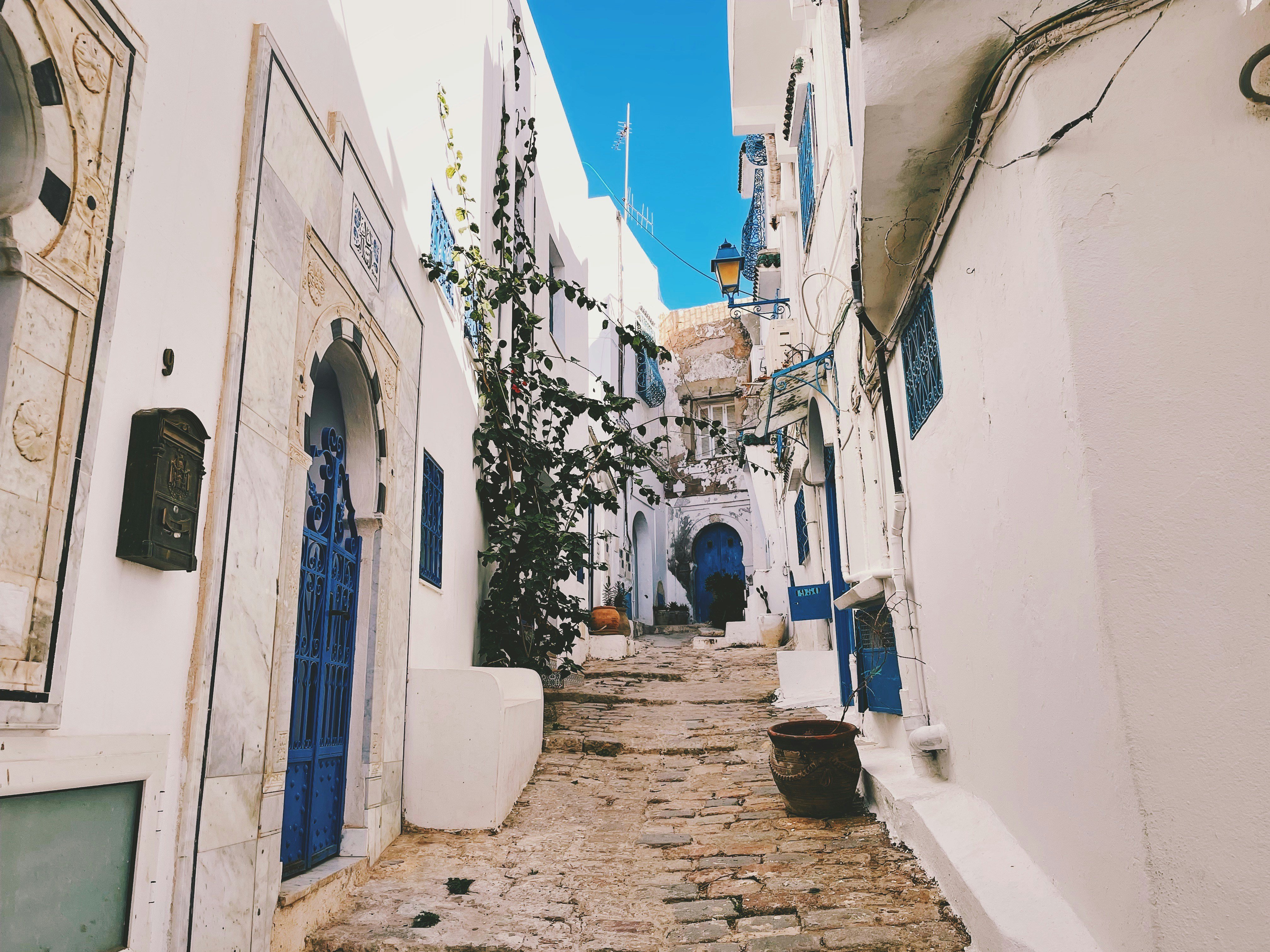
Sidi Bou Said became a UNESCO World Heritage Site on 25 July 2026, recognised as the "Village of Sidi Bou Saïd." The clifftop village of whitewashed walls, studded blue doors and bougainvillea took a beating in January 2026, when record rainfall sent mud down several lanes, and the state approved a hillside protection project on 8 October 2026. No visitor closures were announced with that decision, but expect some works around the slopes.
Inside the village, two houses are worth stepping into. Dar El Annabi is an 18th-century family mansion you can wander for a small fee. Ennejma Ezzahra, the palace built between 1912 and 1922 for Baron Rodolphe d'Erlanger, reopened in spring 2026 after storm-related closures and added an immersive XR experience about Tunisian musical heritage in June 2026. Its gardens and terraces have some of the best views of the Gulf of Tunis.
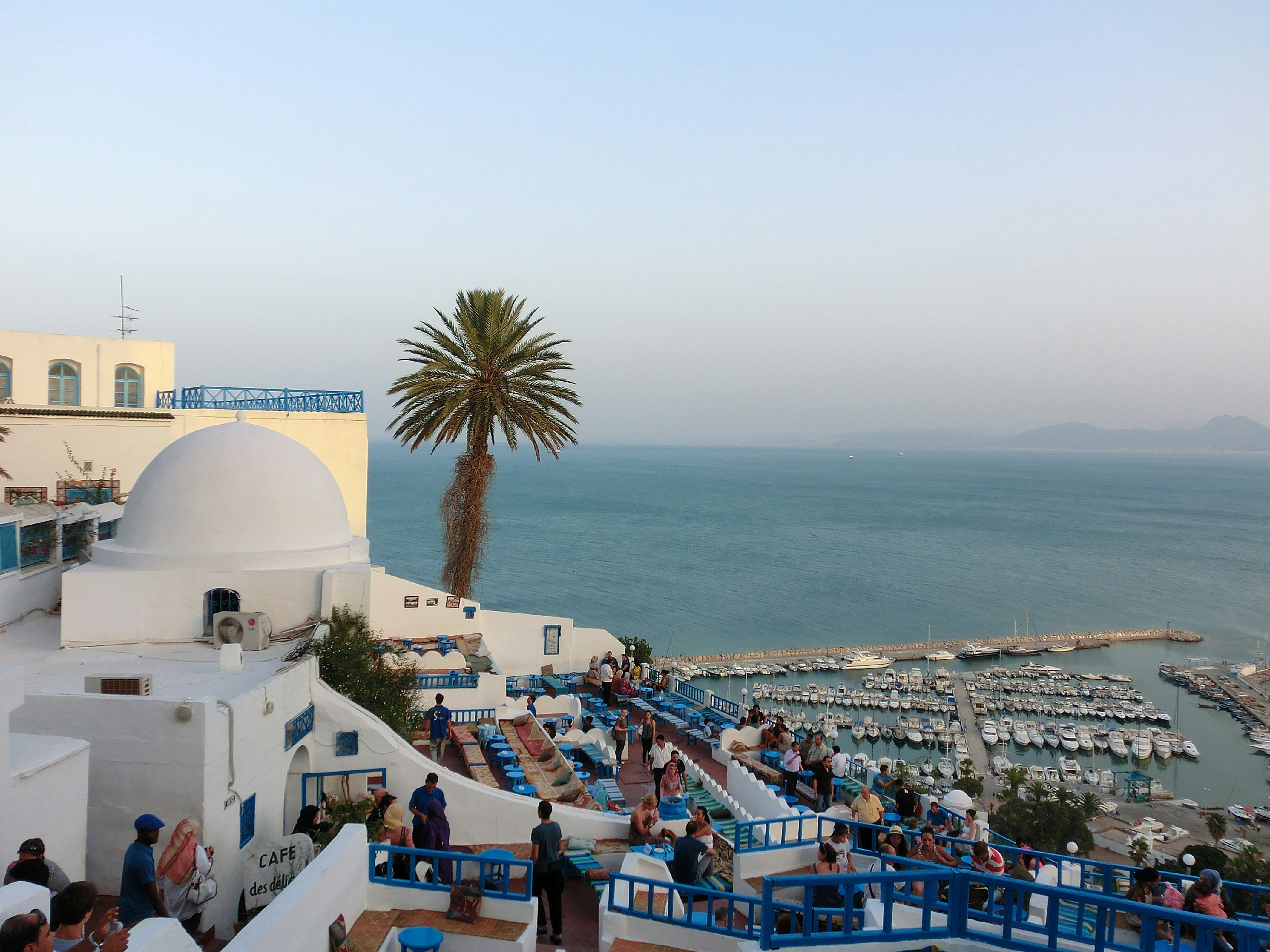
Then come the famous cafés. Café des Nattes, at the top of the main stairway, is the classic stop for mint tea with pine nuts. It is also where visitors most often get stung on price, so ask for the menu before you order. Near it, the bambalouni stand fries the sugar-dusted ring doughnuts locals buy for about 2 to 3 TND. Café des Délices, on the cliff edge, has the sea view from every postcard; it is cash only and service reviews are mixed, so treat it as a view with a drink attached.
Carthage works best in the morning, before Sidi Bou Said. The archaeological sites are spread across a residential suburb with six TGM stations, and a single combined ticket of 12 TND covers the main enclosures on the same day, including the Antonine Baths, the Punic ports, the Tophet, the Roman theatre and the Roman villas. Locals keep it simple:
- Ride the TGM to Carthage Hannibal and walk about 250 metres to the Antonine Baths, the largest Roman baths in North Africa, set right on the sea.
- Climb Byrsa Hill for the view over the gulf, knowing that the National Museum of Carthage at the top remains closed for renovation.
- Take the TGM two stops on to Sidi Bou Said for a late lunch and stay for sunset.
Near Carthage Présidence station, avoid photographing the presidential palace, official buildings or security staff. It is taken seriously.
The Bardo National Museum
The Bardo holds one of the world's great collections of Roman mosaics in a former beylical palace, and it is the perfect solo afternoon when the sun is fierce. Non-resident tickets cost 30 TND. The museum closes on Mondays and runs 9:30am to 4:30pm from mid-September to the end of May, and 9am to 5pm in summer. Arrive at opening or after midday, when the morning coach groups have moved on.
A 3-Day Solo Itinerary for Tunis
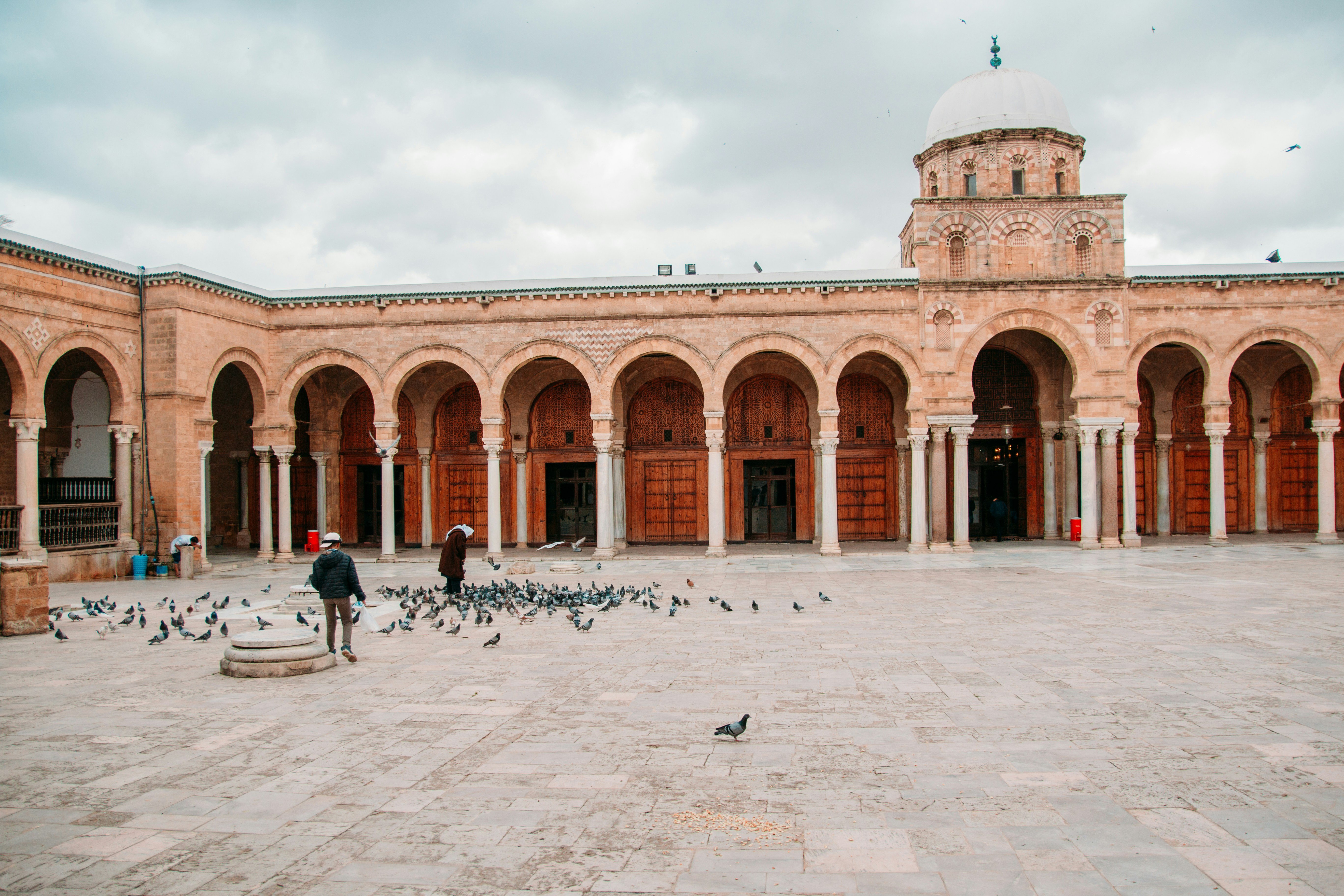
Day 1: The medina. Breakfast at El Ali, then Zitouna, Souk El Attarine and the chechia makers. Rooftop tea at Café Panorama, lunch at Fondouk El Attarine, and an afternoon at Tourbet El Bey and Dar Ben Abdallah. Evening stroll along Avenue Habib Bourguiba.
Day 2: Carthage, Sidi Bou Said and La Marsa. Early TGM to Carthage Hannibal for the Antonine Baths and Byrsa Hill. Continue to Sidi Bou Said for Ennejma Ezzahra, bambalouni and sunset. Ride on to La Marsa for dinner and mint tea at Le Saf Saf, then take the train or a taxi back.
Day 3: Bardo and the everyday city. Metro line 4 to the Bardo in the morning. Afternoon lablabi in the Passage area, a slow coffee in the Ville Nouvelle, and a final wander through the medina gates as the shops pull down their shutters.
Practical Tips for Solo Travellers in Tunis
Money. The Tunisian dinar is a closed currency, so you cannot buy it before you arrive. Withdraw from an ATM or exchange at a bank on arrival, keep every exchange receipt, and spend or reconvert your dinars before you fly home. Carry small notes for the TGM, taxis and snack counters.
Dress. Tunis is relaxed by regional standards, but covering shoulders and knees makes the medina and religious sites far more comfortable, and it is required to visit mosque courtyards.
Cafés. Traditional neighbourhood cafés can be very male-dominated. Women travelling solo usually feel more at ease in the larger cafés on Avenue Habib Bourguiba, in La Marsa and in Sidi Bou Said, or in rooftop cafés in the medina.
At night. Stick to lit, busy streets after dark and use a metered taxi or an app rather than walking long empty stretches of the medina.
Things to leave at home. Drones are illegal to bring in without prior authorisation and are confiscated at the airport. Same-sex sexual activity is illegal in Tunisia, which LGBTQ+ travellers should factor into their plans.
See Tunis with a Local on Lokafy
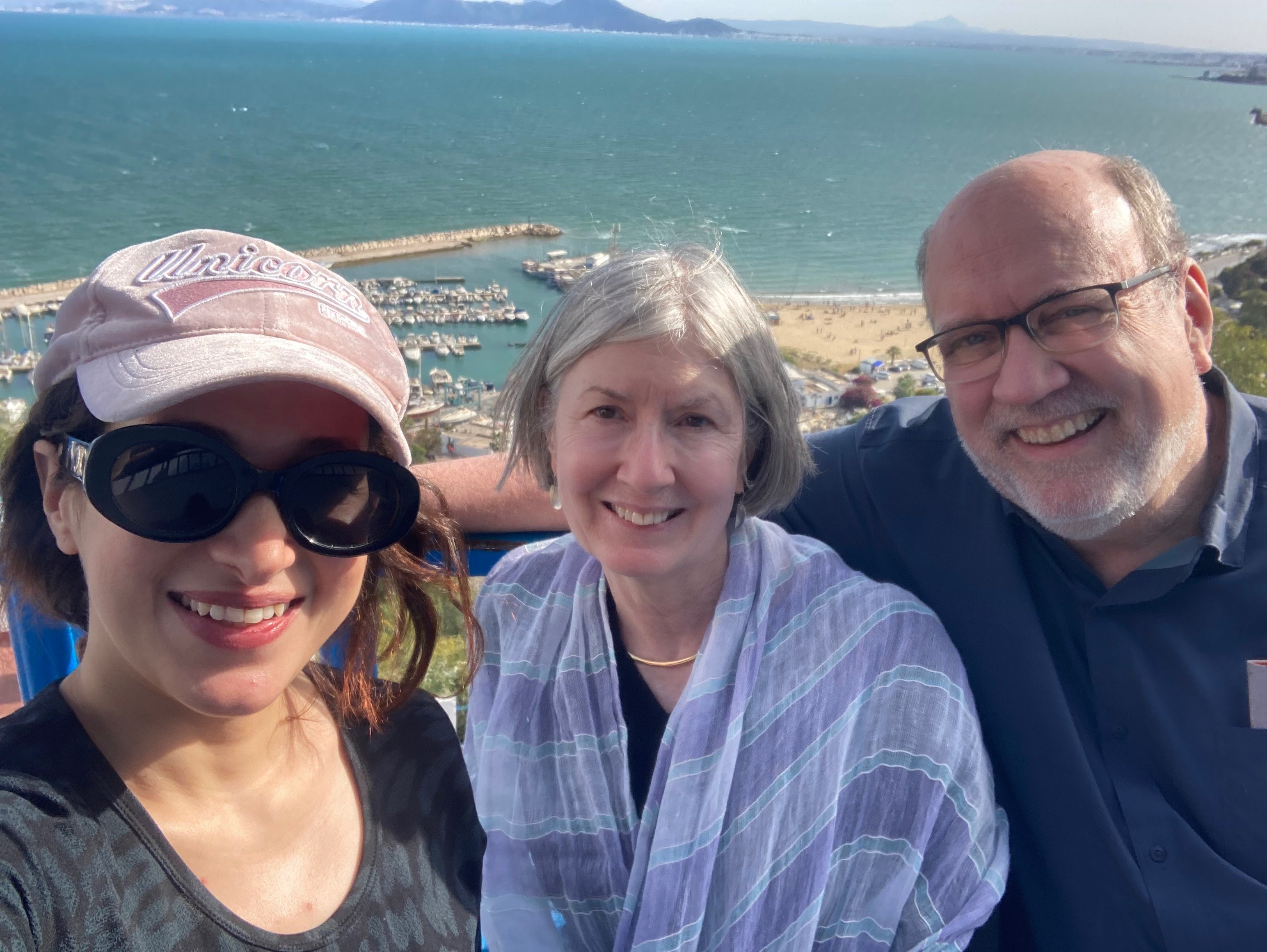
The medina can be wonderful on your own, but it is a different place when someone who grew up there is walking beside you. A Lokafyer can take you to the snack counter their family swears by, show you which alleys connect to which souk, help you order lablabi the way locals like it, and steer you past the carpet-shop rooftops without a second thought. Every Lokafy tour is private and built around you: food, history, photography, shopping or simply learning how the city works so you feel confident for the rest of your trip.
Take a private, personalised walking experience with Lokafy in Tunis and see the city through the eyes of someone who calls it home.
FAQ: Solo Travel in Tunis
Is Tunis safe for solo travellers?
Tunis is generally safe for solo travellers who use normal city sense.
How do I get from Tunis to Sidi Bou Said?
Take the TGM train from Tunis Marine station, at the eastern end of Avenue Habib Bourguiba, to Sidi Bou Said station. The ride takes around 35 minutes and a second-class ticket costs 0.500 to 0.800 TND. From the station, it is a 10 to 15 minute uphill walk to the village. Trains run roughly every 45 minutes on the winter timetable.
Does Bolt work in Tunis?
No. Bolt stopped operating in Tunisia on 9 May 2025. The ride-hailing apps available in Tunis are Yassir and inDrive, and metered yellow taxis remain the most common way to get around.
Can I visit Carthage and Sidi Bou Said in one day?
Yes. Both are on the TGM line, so the easiest plan is Carthage in the morning (start at Carthage Hannibal station for the Antonine Baths) and Sidi Bou Said in the afternoon for sunset. A 12 TND combined ticket covers the main Carthage sites on the same day. Limit yourself to two or three Carthage stops, as trains are infrequent.
Can non-Muslims enter the Zitouna Mosque?
Non-Muslims cannot enter the prayer hall of the Zitouna Mosque. Courtyard access for visitors varies, so ask at the entrance and dress modestly. For a reliable view down into the courtyard, head up to the rooftop of Café Panorama behind the mosque.
How many days do you need in Tunis?
Three days is ideal for a first solo visit: one for the medina, one for Carthage, Sidi Bou Said and La Marsa, and one for the Bardo Museum and the everyday city. Two days covers the highlights at a faster pace.
Can I bring Tunisian dinars into or out of Tunisia?
No. The dinar is a closed currency, so you can only get it inside the country. Exchange money or withdraw cash on arrival, keep your exchange receipts, and reconvert or spend leftover dinars before you leave.
Enjoyed this article?