You've seen Porto on your feed. The blue tiles. The bridge. The sunset wine shot from some rooftop that has 14,000 saves but no address. Here's the thing though: Porto is genuinely one of those cities that earns the hype. But only if you see it right.
Most people land, check into their hostel in Ribeira, do the port wine cellar tour, walk the Dom Luis bridge, and leave thinking: nice city. And it is. But that version of Porto is maybe 20% of what's actually there. The other 80% lives in streets with no English signage, in bakeries that don't have Instagram accounts, and in conversations with people who have lived here their whole lives.
That's exactly what a Lokafy walk gives you. A local who knows Porto not as a destination, but as home. And that changes everything about how you experience a city.
Why Porto is having a Gen Z moment right now
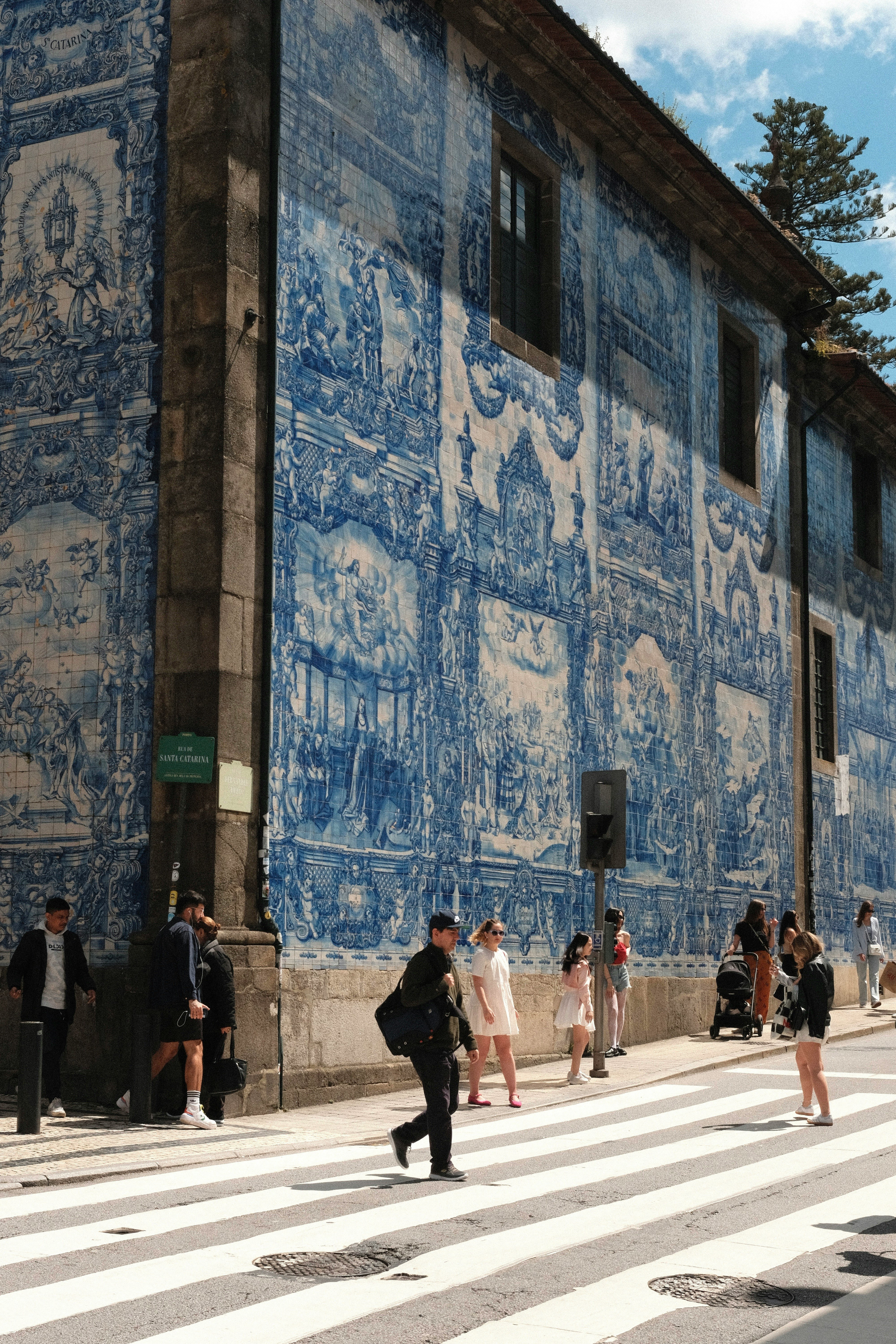
Lisbon gets all the press. Porto gets the experience. More young travelers are figuring this out, and it makes sense. Porto is smaller, cheaper, easier to navigate on foot, and honestly more photogenic in the way that matters for Gen Z travel. Not curated, but real. Crumbling facades next to neon signs. Fado coming from a doorway you almost walked past.
Budget-wise, Porto is a serious win. You can eat lunch at a proper sit-down restaurant for under 10 euros. A glass of house wine is usually 2 euros. Accommodation ranges from solid hostels around 20 euros a night to boutique guesthouses that won't wreck your monthly budget. It's one of the few Western European cities where you can still spend a week and not feel financially destroyed afterward.
The neighborhoods worth knowing (not just Ribeira)

Ribeira is beautiful. It's also where every other tourist is. Here's where to actually spend your time:
Bonfim is Porto's creative district. Indie cafes, local art studios, breakfast spots where the menu is handwritten on a chalkboard and the coffee is genuinely excellent. This is where people who actually live in Porto go on weekends.
Cedofeita is where you'll find vintage shops, independent bookstores, and little restaurants that have been run by the same family for decades. Walk down Rua de Cedofeita on a Sunday morning and you'll understand why people keep moving here.
Campanha, in the east, is further off the tourist radar and still genuinely residential. A Lokafyer from this neighborhood will take you places that aren't in any guidebook, because they've been going there their whole life, not because someone added them to a list.
What a local walk actually unlocks

Here's a real scenario: you're walking through Porto's backstreets with your Lokafyer. You pass a small pastry shop. No sign outside, just a faded awning. Your Lokafyer stops and says: this is where I brought my grandmother for her birthday every year. The pastel de nata here is different, they add lemon zest, it's a family recipe from the 1970s.
That story is why you travel. No algorithm surfaces that. No 'top 10' list includes it. A person from Porto who knows you're curious? They'll take you straight to it.
Lokafyers in Porto will also tell you the honest stuff: which viewpoints are worth fighting crowds for (Miradouro da Vitoria at sunrise, yes; Clerigos tower queue, maybe skip), which port wine cellars are actually good versus tourist traps, and where the best natas in the city actually are (hint: it's not the famous one).
Quick budget breakdown for a Porto solo trip
Transport from airport to city center: metro, under 3 euros.
Coffee: 0.80 to 1.20 euros at a local cafe.
Lunch menu (prato do dia): 8 to 12 euros.
Dinner with wine: 15 to 25 euros if you eat where locals eat.
A Lokafy private walk: varies by Lokafyer, but priced for real travelers, not luxury tourists.
Day trips to Sintra or the Douro Valley: worth it, add a day.
FAQ: Porto for solo Gen Z travelers

Is Porto safe to travel solo?
Yes, very. Porto is one of the safer cities in Western Europe for solo travelers. Basic awareness in crowded areas (Ribeira, the riverside markets) is sensible, but it's not a city where you need to be on guard. Solo female travelers consistently rate it well.
Is Porto better than Lisbon for a first trip to Portugal?
Depends on what you want. Porto is smaller, more compact, cheaper, and easier to get genuinely local in. Lisbon is bigger, more cosmopolitan, with more nightlife. If you're solo and on a budget, Porto probably edges it.
When is the best time to visit Porto?
May to June and September to October are the sweet spots. Summer gets busy and hot. Winter is quiet and cheap but can be rainy. Spring and early autumn give you good weather, fewer crowds, and better prices.
What's the one thing most tourists miss in Porto?
The east side of the city. Most people stay in Ribeira and the center. The neighborhoods east of Campanha station are where real Porto life happens, and almost no tourists end up there. A Lokafyer from this part of the city is worth their weight in gold.
How do I find a local guide in Porto who isn't just doing the standard tour?
That's exactly what Lokafy is built for. Every Lokafyer is a local, not a professional guide doing the same route for the hundredth time. You can see their stories, their neighborhoods, and book a walk that matches what you actually want to see.
Book a Porto walk with a Lokafyer and see the city the way people who live here actually see it.
Enjoyed this article?