I'll be honest: the first thing I wanted in Pamplona was a chair. After three days of walking down from the Pyrenees, crossing the old Puente de la Magdalena and climbing up through the Portal de Francia into the old town felt like a reward and a dare at the same time. The city looked gorgeous, and my calves had opinions about every cobblestone. What locals and repeat pilgrims taught me is that the best Pamplona rest day is built around a long lunch and a handful of quiet corners where your legs can recover, with the sightseeing slotted in around them.
Quick Guide: Pamplona Rest Day
- Primary Recommendation: Stay two nights and split the day between pilgrim admin in the morning and eating in the afternoon. Get your credential stamped at the cathedral or at the Ultreia pilgrim centre on Calle Mayor, then save your appetite for Calle San Nicolás and Calle Estafeta.
- Top Choice for Pintxos: Bar Gaucho on Calle Espoz y Mina. Order the foie tostada and arrive before the evening crowd. It closes on Tuesdays, so plan around that.
- Value Pick/Vibe: The Taconera gardens and the Rincón del Caballo Blanco, for pilgrims who want a free bench, a view over the city walls and no pressure to walk far.
- The Best Way to See the City: Take a private/personalized walking experience with Lokafy in Pamplona and discover the old town's stories, pintxo bars and slow, short routes with a Local.
Is a Pamplona Rest Day Worth It?
A Pamplona rest day is a full day off walking in the first big city on the Camino Francés, usually taken after the Zubiri to Pamplona stage. Most pilgrims reach the city on day three or four from Saint-Jean-Pied-de-Port, because the 40-odd kilometres from Roncesvalles are normally split over two days.
That early timing is why pilgrims argue about it. Browse the Camino forums and you'll find veterans who say Pamplona comes too soon and who save their days off for Burgos or León. You'll also find plenty of people who took one because the Pyrenees crossing had wrecked a knee or produced a crop of blisters, and who were glad they stopped. A few admit they felt oddly "off-Camino" once their walking friends moved on without them.
Here's the practical way to decide. Take the day if your feet or joints are complaining, if you need gear or a pharmacy, or if this is your first time in Spain and you want to see a proper Spanish old town at a human pace. Skip it, or walk a short day instead, if you feel strong and want to stay with the people you've been walking with. Either way, be warned that a city rest day can quietly rack up 10 or 15 kilometres of strolling, which is why the plan below keeps distances short.
Sort Your Pilgrim Admin First
Get the boring jobs done in the morning while shops and offices are open, and the rest of the day belongs to you.
Stamp your credential. Pamplona Cathedral offers the pilgrim stamp and sells official credentials. The other good stop is Ultreia, the city's free pilgrim welcome and Camino interpretation centre at Calle Mayor 20, sitting right on the Camino's path through town. Staff there stamp credentials, sell them, answer route questions and run a small exhibition about Pamplona's long relationship with the Way. Opening hours shift with the season, so mornings are the safest bet.
Lighten your pack. Day three is when most people realise they packed for an expedition. The main Correos post office is at Paseo de Sarasate 9, open on weekdays only. Correos runs pilgrim services such as Paq Peregrino, which sends boxes or bags to a post office further along the Camino to be collected later, and Paq Mochila, which moves your bag between accommodation stage by stage if your back needs a break for the climb to the Alto del Perdón.
Book your second night. Municipal albergues are set up for pilgrims passing through, so a rest day usually means a pension or hotel for night two. The big municipal albergue, Jesús y María on Calle Compañía, is a converted church a short walk from the cathedral with 112 beds plus washing machines and dryers. It takes reservations outside the 1 May to 30 September high season and runs first come, first served during it.
Watch the calendar. Sunday is a poor day for errands here. The Mercado de Santo Domingo, the cathedral museum and the main post office are all closed, and many shops in the old town shut for the afternoon on weekdays too. If you have a choice, make your rest day a weekday.
A Slow, Local-Paced Rest Day Itinerary
This route stays inside the old town and keeps total walking low. Spanish meal times run late, so lean into them.
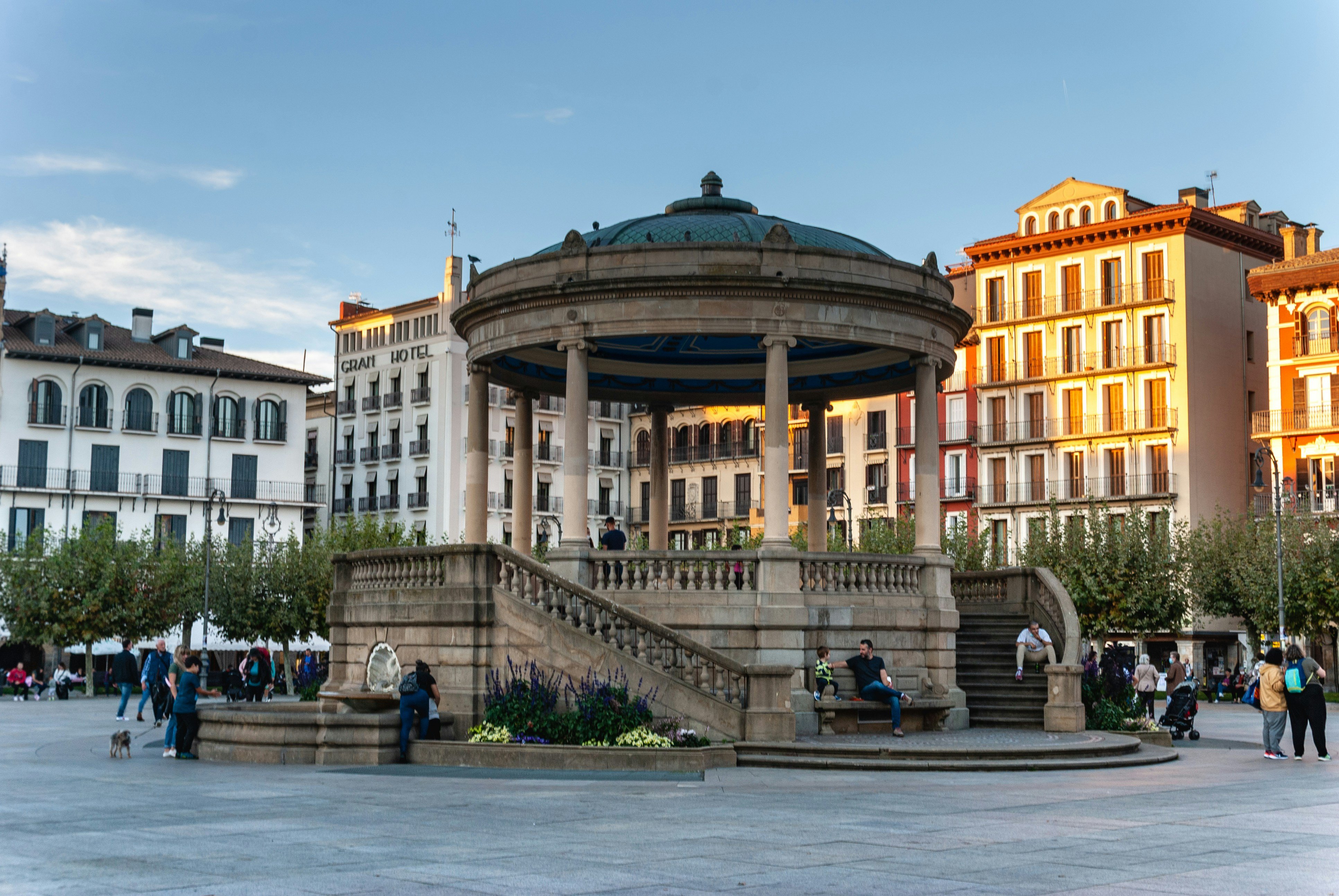
- Coffee at Café Iruña (around 9:00). The grand café on Plaza del Castillo has been open since 1888 and was one of Hemingway's regular haunts. Locals use the bar counter rather than waiting for a table, and so should you.
- Cathedral and cloister (from 10:30). The ticket covers the cathedral, its Gothic cloister and the museum, with a reduced price for pilgrims. It opens Monday to Saturday, closing at 18:00 from the last week of March to the end of October and earlier in winter.
- Mercado de Santo Domingo (late morning). Pamplona's oldest market sits on Calle Mercado beside City Hall in a building dating from 1876, and it opens Monday to Saturday mornings, plus Friday evenings. Pick up fruit, cheese and bread for tomorrow's stage, when shops get scarce after Cizur Menor.
- Long lunch (from 13:30 or 14:00). This is the main meal for locals. Calle San Nicolás has the densest cluster of bars and restaurants in the old town.
- Siesta, no apology needed. Elevate your feet. The city goes quiet in the afternoon and you should too.
- Green corners (late afternoon). Wander out to the Rincón del Caballo Blanco or the Taconera gardens, both covered below.
- Pintxo hopping (from 19:30). One pintxo and one drink per bar, then move on. Pamplona locals do this standing up, which is a decent stretch for your hamstrings.
Where Pamplona Locals Eat on a Day Off
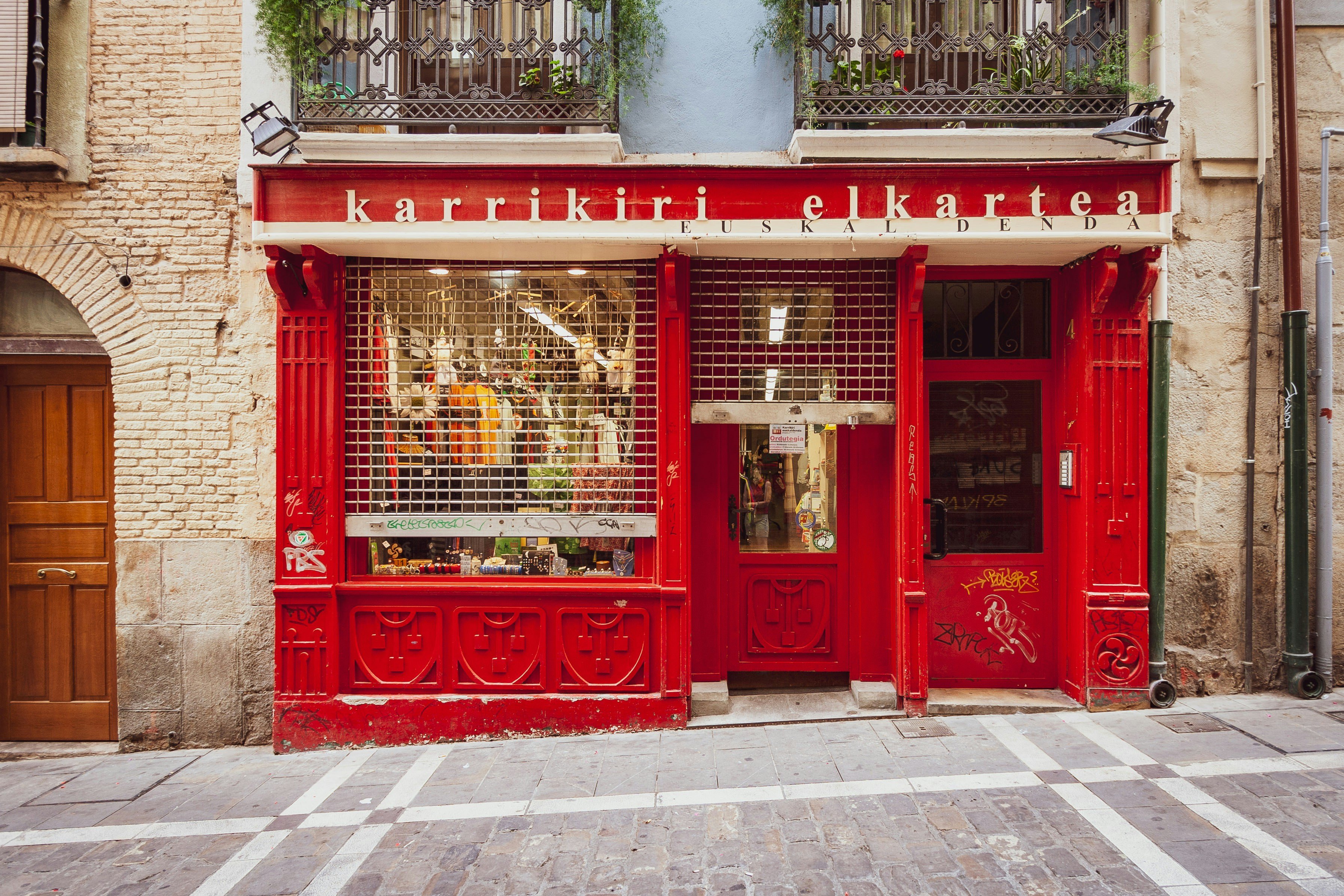
Pamplona's pintxo culture is the reason many pilgrims call this the best food stop of the first week. Pintxos here range from cold bites on the counter to elaborate hot ones cooked to order, usually written on a board behind the bar.
Bar Gaucho (Calle Espoz y Mina 7). The name that comes up most on pilgrim forums, and locals agree. It sits in a tiny lane off Estafeta and serves inventive pintxos such as the foie tostada and a crab, salmon and baby eel combination. It gets packed in the evenings and is closed on Tuesdays.
Bodegón Sarria (Calle Estafeta 50-52). A classic since 1959, with hams hanging from the ceiling and a long bar loaded with pintxos. It gets crowded from Thursday to Sunday nights, and some regulars prefer ordering from the menu over grabbing from the counter.
Casa Otano (Calle San Nicolás 5). One of the veterans of San Nicolás and a pilgrim forum favourite, known for cooking with seasonal Navarran produce. The tortilla pintxo and the house fritos are the orders locals mention most.
Baserriberri (Calle San Nicolás 32). Recommended by pilgrims as the "treat dinner" option for a rest day, with creative pintxos and fusion plates. It took silver at Navarra's pintxo week, the Semana del Pincho de Navarra.
Bar Amatxo and Bar Gatza (Casco Viejo). Both shared the gold prize at the same competition, which tends to be held in March. Competition pintxos come and go from menus, but both bars are worth a stop if you want to eat where the local judges ate.
What to order in spring. If your Camino starts in April or May, you'll hit the season for Espárrago de Navarra, the region's protected white asparagus, sold fresh from late March to around June. Navarrans have a saying, "en abril para mí, en mayo para el amo, y en junio para ninguno", meaning April asparagus is the best and the ones you keep for yourself. Look for it on menus and at the Santo Domingo market. Year-round, try anything with txistorra, the thin local sausage, often served with eggs.
A Thursday warning. Thursday nights in the old town are known locally as "juevintxo", a tradition that started with bars offering a cheap drink and pintxo deal. Only some bars still run the offer, but the streets around San Nicolás and Estafeta fill with students. If you're tired and want a bar stool, go early or pick another night.
Quiet Corners for Tired Legs
Pamplona's old town is wrapped in some of the best-preserved fortifications in Spain, and the walls hide most of the calm spots.
Rincón del Caballo Blanco. Tucked beside the cathedral and the Plaza de San José, this little garden sits on the highest point of the Redín bastion and looks out over the ramparts. It's a five-minute walk from Jesús y María and the best free bench in the city.
The walls walk. From the Caballo Blanco you can follow the Ronda Barbazana along the ramparts. The Fortín de San Bartolomé, at the end of the Media Luna park, houses a free interpretation centre about the fortifications, though it opens only in busier periods such as Easter and summer, so check before you go.
Taconera gardens. Pamplona's oldest park was laid out in the 1830s in the French style. Wander past the old moat, where ducks and other birds potter about, and sit down for a drink at Café Vienés inside the park.
The Ciudadela. The 16th-century star-shaped citadel is now a big, flat green space. Pilgrims pass it on the way out of the city, so a gentle evening loop doubles as a preview of tomorrow's route.
The Arga river path. If you'd like a flat walk away from the crowds, the Parque Fluvial del Arga follows the river below the walls. You'll already know the start, because it's the riverside path many pilgrims follow into town toward the Puente de la Magdalena.
Planning a Spring Camino: Pamplona Timing Notes
Spring is peak planning season for the Camino Francés, and a few Pamplona details change how you'll book.
Semana Santa. Holy Week falls in late March or April depending on the year. Pamplona's central event is the Procession of the Holy Burial on Good Friday, when floats called pasos are carried through the old town. It's moving to watch, and it also means more domestic visitors and fewer spare beds, so book your second night early if your rest day lands that week.
April bookings. Because Jesús y María takes reservations outside the May to September window, early-spring pilgrims can secure a bed in advance, which is handy if you'd prefer to sleep in the albergue on night one and switch to a pension for night two.
Cathedral hours. The longer seasonal opening hours start in the last week of March. Earlier in the month, aim for a morning visit.
If your Camino slips into July. San Fermín runs from 6 to 14 July, and the Jesús y María albergue closes for the festival. Pilgrims arriving that week should book a bed well in advance or stay outside the centre.
Before You Walk Out: Tomorrow's Stage
The next stage runs about 24 kilometres from Pamplona to Puente la Reina. You leave past the Ciudadela and reach Cizur Menor after roughly 5 kilometres, then climb steadily to the Alto del Perdón, the ridge with the famous metal pilgrim silhouettes. The descent off the Perdón is loose and stony, so it's worth using poles if you carry them. Shops thin out after Cizur Menor, which is why that market picnic from your rest day earns its place in your pack.
Spend Your Pamplona Rest Day with a Local
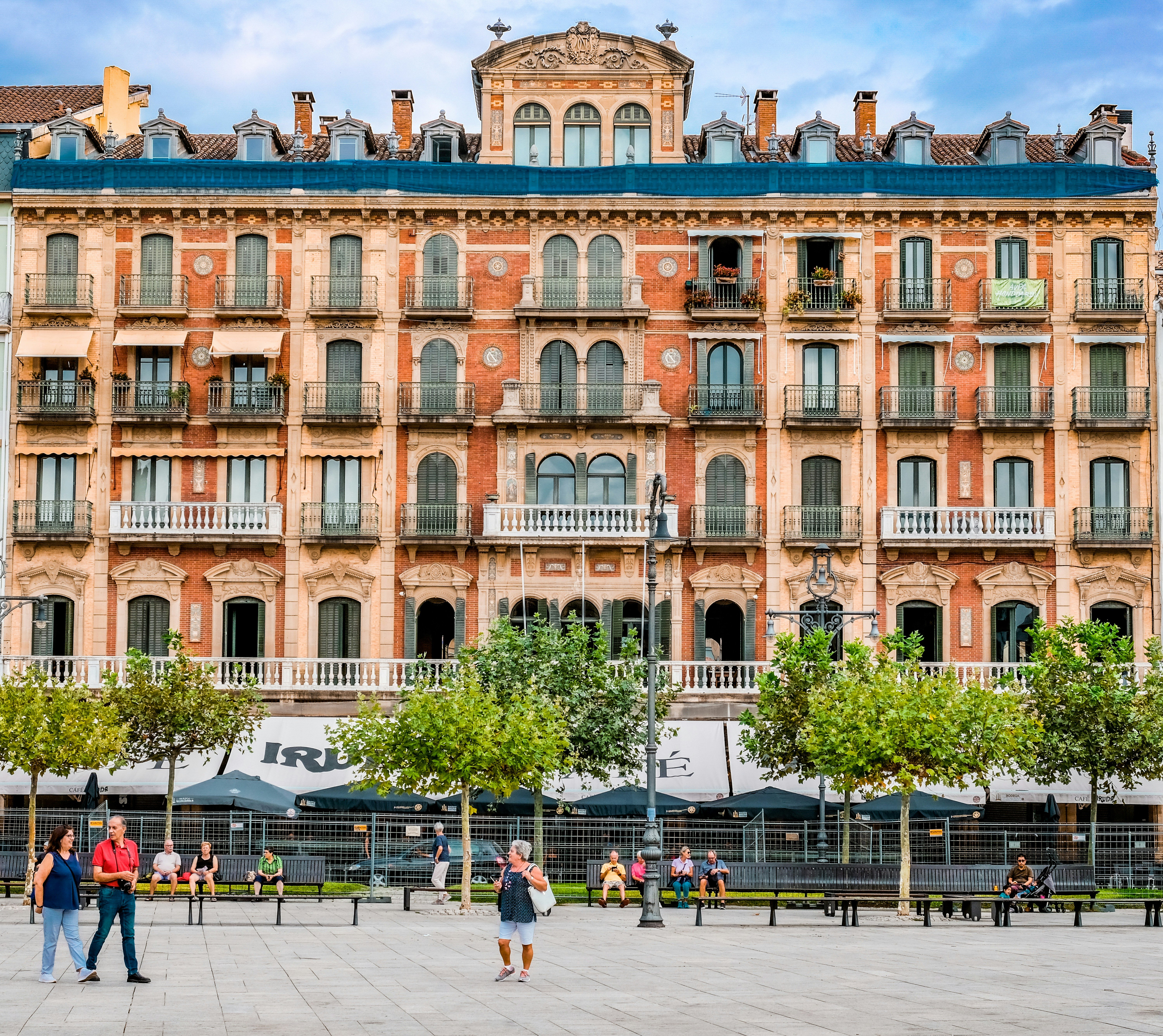
Sore legs and a full belly don't mix well with a rushed group tour. A private walk with a Lokafyer, a Pamplona local who knows the old town from the inside, lets you set the pace, take as many bench breaks as you like and steer the conversation toward what you're curious about, from how the city's walls shaped daily life to which bar on San Nicolás does the best pintxo that week. It's built around you, so it can be a gentle hour between lunch and siesta or a longer evening wander that ends at a bar the locals pick.
Take a private/personalized walking experience with Lokafy in Pamplona and spend your day off seeing the city the way the people who live there do.
FAQ: Pamplona Rest Day on the Camino
Is Pamplona a good place for a rest day on the Camino Francés? Yes, if your body needs it. Pamplona is the first city on the route with full services, including pharmacies, outdoor and sports shops, a main post office and a large old town packed with pintxo bars. The trade-off is timing: it comes early, around day three or four, so pilgrims who feel strong often save their rest day for Burgos or León.
How many days should I spend in Pamplona on the Camino? Most pilgrims spend one night and see the old town in the afternoon they arrive. Two nights gives you a full rest day, which makes sense after a hard Pyrenees crossing or if you need to deal with blisters, gear or a lighter pack.
Where can I get my pilgrim credential stamped in Pamplona? Pamplona Cathedral offers the pilgrim stamp and sells credentials. Ultreia, the free pilgrim welcome centre at Calle Mayor 20, also stamps and sells credentials and gives Camino information. Albergues stamp credentials at check-in too.
Can I stay two nights in a Pamplona albergue? Municipal albergues are designed for one-night stays by pilgrims on the move, so plan on a pension or hotel for a second night unless you've confirmed otherwise with the albergue directly. The Jesús y María municipal albergue takes reservations outside the 1 May to 30 September high season.
What food should I try in Pamplona in spring? Look for fresh Espárrago de Navarra, the region's white asparagus, in season from late March to around June. Pintxos with txistorra sausage, a tortilla pintxo on Calle San Nicolás and the foie tostada at Bar Gaucho are local favourites year-round.
Is Pamplona busy during Semana Santa? Busier than usual. The Good Friday Procession of the Holy Burial is the city's main Holy Week event and draws visitors from across Spain, so book any extra nights ahead if your rest day falls that week.
How far is the next stage after Pamplona? Pamplona to Puente la Reina is about 24 kilometres, passing Cizur Menor and climbing over the Alto del Perdón before a rocky descent. Carry snacks and water from Pamplona, because services get sparse after Cizur Menor.
Enjoyed this article?