I'll admit I almost skipped Cagliari. Most people do. They land at Elmas, pick up a hire car and point it straight at the beaches further up the coast. I stayed one day, mostly because of an awkward flight time, and spent most of it climbing pale limestone lanes. By late afternoon I was watching flamingos wade around a lagoon a short bus ride from the centre. This is the day I'd hand to a friend, built around the places the Cagliaritani themselves send you.
Quick Guide: One Day in Cagliari
- Primary recommendation: Spend your morning in Castello, the walled quarter on top of the hill, then walk down to the Marina for a long seafood lunch. The whole historic centre is walkable.
- Top choice for food: Trattoria Lillicu on Via Sardegna for fregula con arselle (toasted Sardinian pasta with clams). Insider tip: there's no printed menu, the waiter recites the day's catch, and you'll need to phone ahead for a table.
- Value pick: A pizzetta sfoglia, Cagliari's own flaky puff pastry pizzetta, from a bakery like Ditrizio. Ideal for budget travellers and cruise passengers on a tight clock.
- Best for nature lovers: Free flamingo spotting at the Molentargius park, or the 40-minute climb up the Sella del Diavolo headland above Poetto beach.
- The best way to see the city: Take a private, personalised walking experience with Lokafy in Cagliari and discover the four old neighbourhoods, and the places locals eat, with a local.
Is One Day in Cagliari Enough?
One day in Cagliari is enough to see the essentials: the Castello quarter, the National Archaeological Museum, the city market, a proper Sardinian lunch and a sunset over the rooftops. It won't cover the beaches and day trips around the Gulf of Angels, so treat it as a very good first taste. The old town is compact, the cruise terminal and train station both sit on the waterfront, and the airport train reaches the centre in about seven minutes. Few Italian cities are this easy to do well in a single day.
The Four Old Neighbourhoods, Explained in a Minute
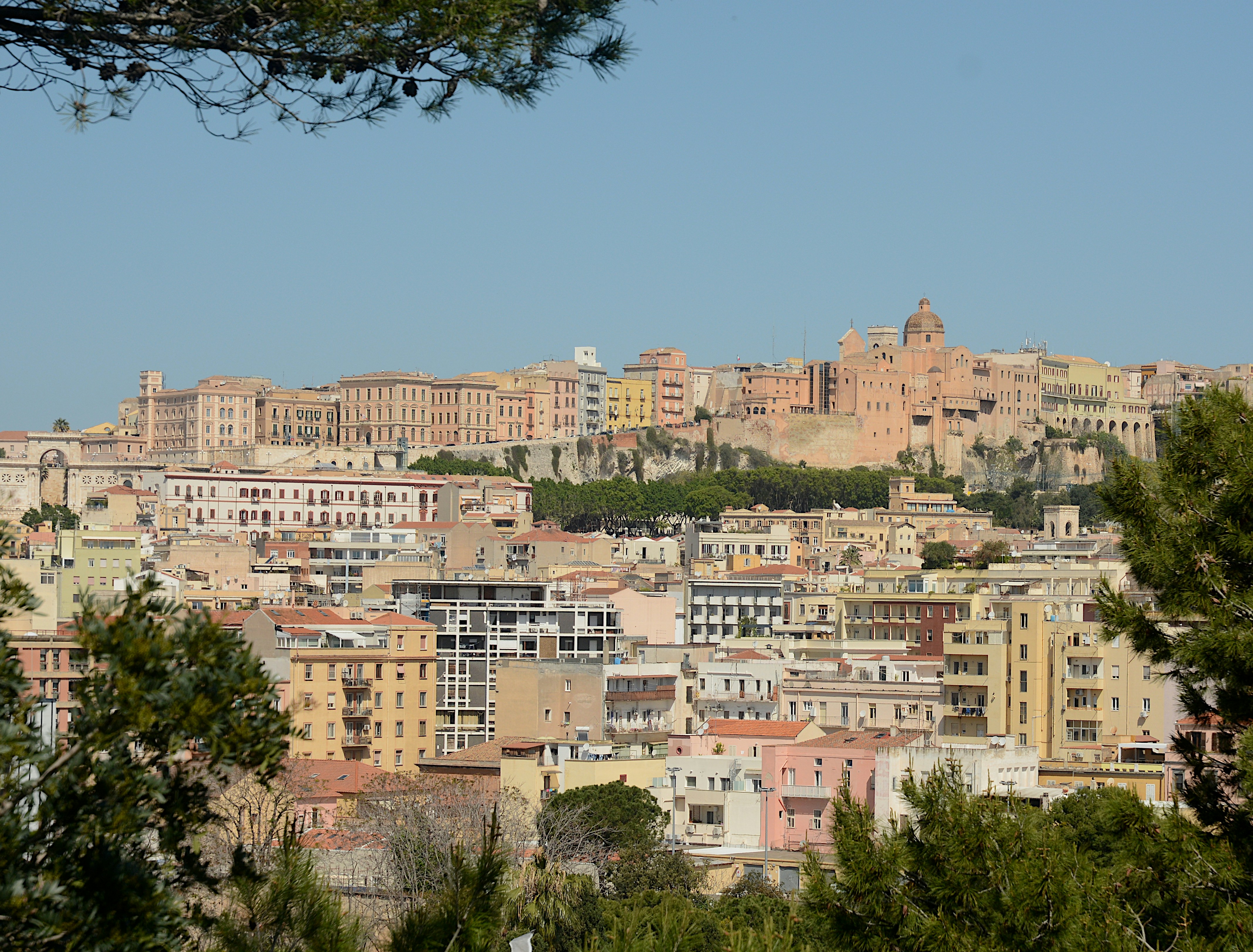
Cagliari's historic centre is four quarters wrapped around one hill, and locals still talk about them almost like separate villages.
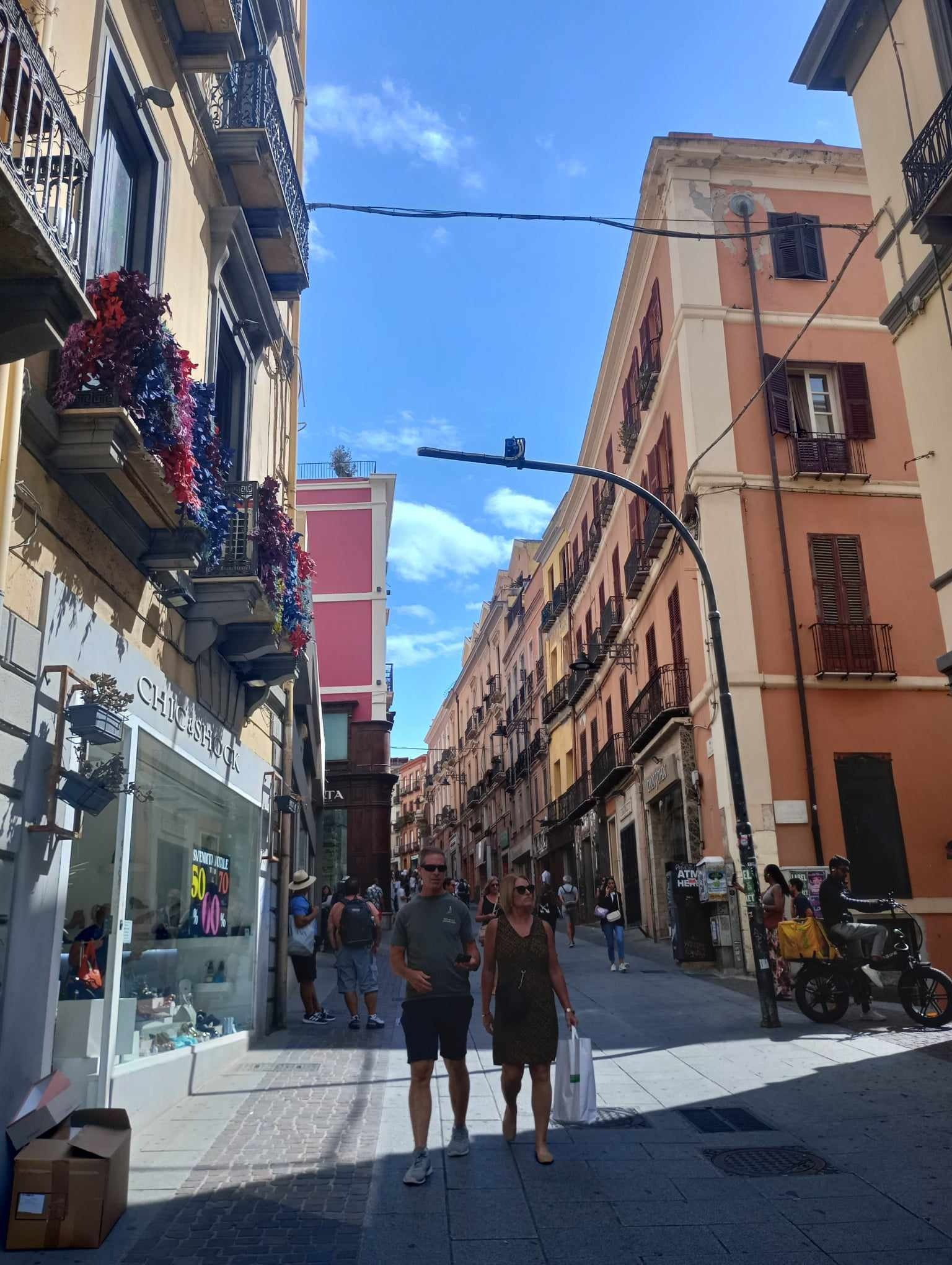
Castello sits on top, inside the old Pisan and Spanish walls. This is where you'll find the cathedral, the museums and the best views. Marina runs from the port up toward the hill, a grid of narrow streets packed with trattorias. Stampace spreads over the western slope around Piazza Yenne and was traditionally the quarter of artisans and workshops. Villanova, on the eastern side, began as a farming settlement and is now the quietest of the four, with flower-covered balconies and very few tour groups.
The itinerary below moves through all of them, with an afternoon by the sea if the weather plays along.
One Day in Cagliari: A Local's Itinerary
8:30am: Pizzetta Sfoglia and the Market
Start the way Cagliari does, with a pizzetta sfoglia: a round of puff pastry filled with tomato sauce, so tied to the city that it's officially listed among Sardinia's traditional food products. Ditrizio on Via Crispi, right below the Bastione, starts baking at 7am (closed Mondays). Order one with your cappuccino and eat it standing at the counter.
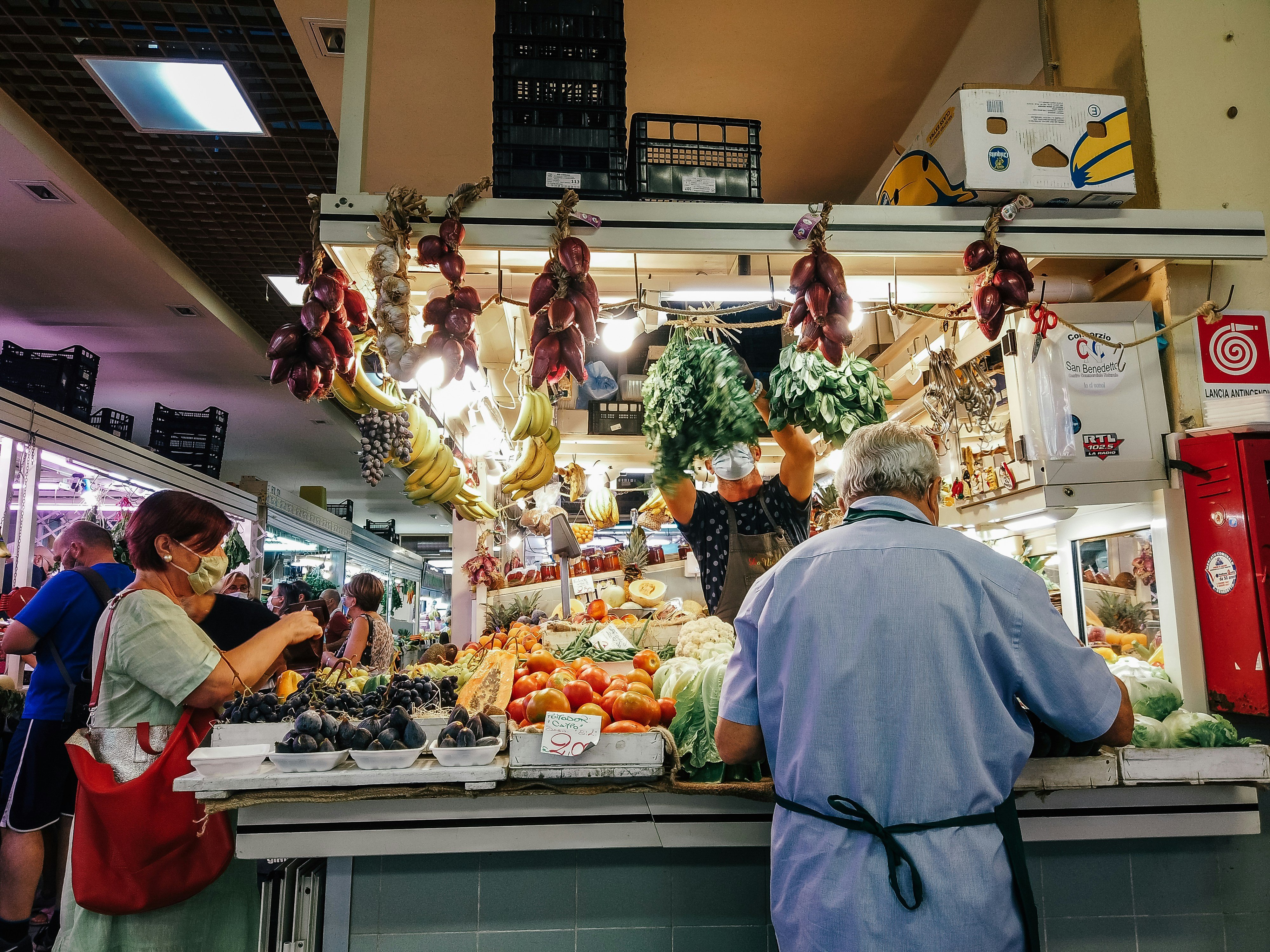
Next, the market. The San Benedetto market is the city's great food hall and one of the largest covered markets in Italy, but here's the detail most guides miss: the historic building closed for renovation in March 2025, and the stallholders moved into a temporary structure in Piazza Nazzari, near the Teatro Lirico. Don't follow your map to the old address. The temporary market keeps the same fishmongers, butchers and cheese counters, opens in the morning and closes on Sundays. Go early, because the best fish disappears fast.
Look for wheels of pecorino, bottarga (cured mullet roe) and, in winter, bunches of spiny Sardinian artichokes. One thing locals will ask you to skip is ricci di mare, the sea urchins. Overfishing has hit them so hard that many Sardinians now leave them off their own tables.
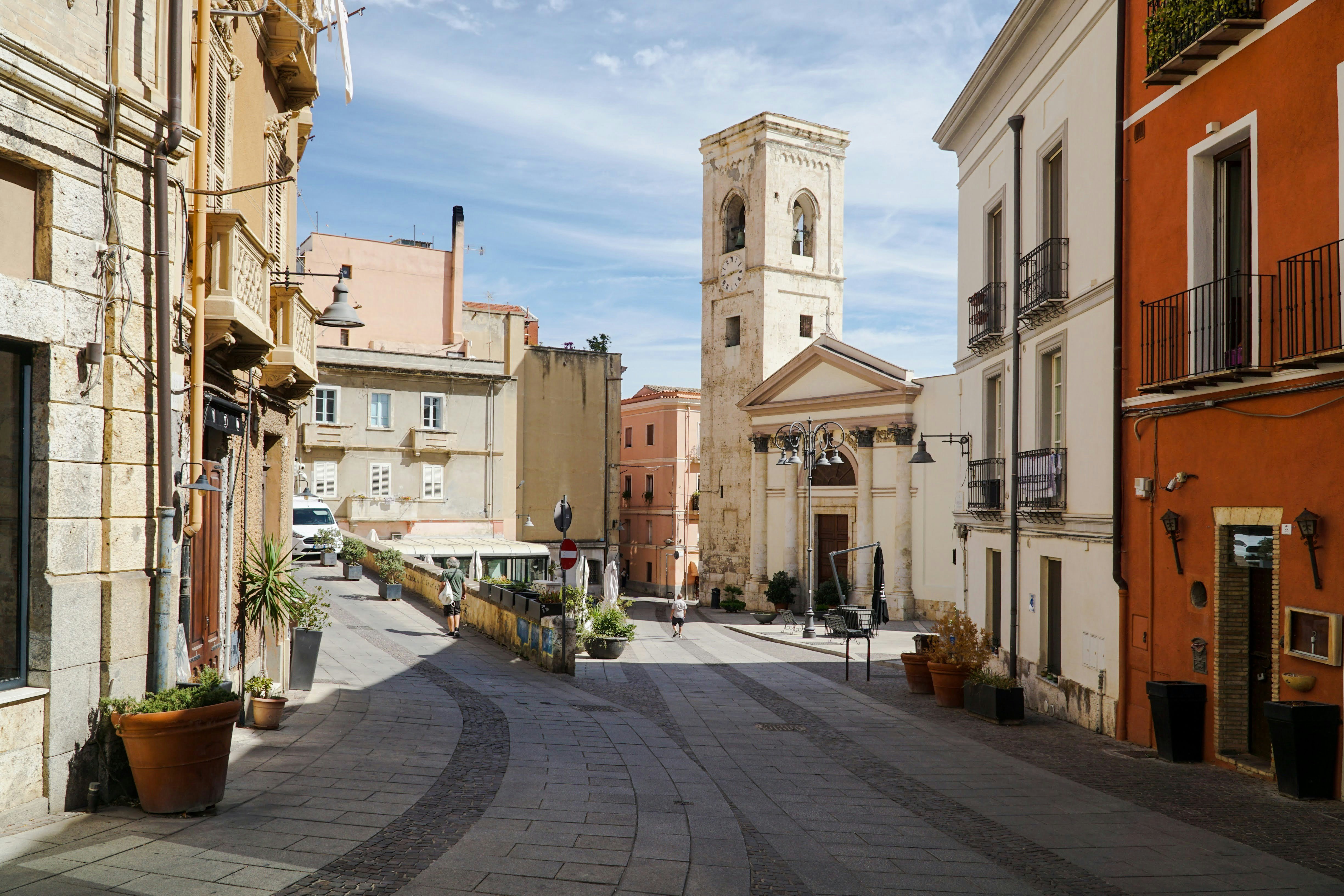
10:00am: Up Into Castello
Castello is steep. If your legs aren't up for it, the Scalette di Santa Chiara lift runs from behind Piazza Yenne up into the quarter, and a second lift climbs from Viale Regina Elena to the Bastione di Saint Remy. One local quirk to know: in the summer heat the city closes these lifts during the hottest hours, and the Santa Chiara lift shuts in the afternoon, so mornings are your best bet.
Walk in through the Torre dell'Elefante, built in 1307 by the Sardinian architect Giovanni Capula and still one of the two main gates into Castello. Look up to find the little stone elephant on its bracket above the arch, then step through and turn around. The inner side of the tower is open, so you can see all four wooden floors and balconies stacked inside it. You can climb it for a few euros. Its taller twin, the Torre di San Pancrazio, isn't open for visits at the moment, so this is your tower.
From there, wander to the Cattedrale di Santa Maria and on to the Bastione di Saint Remy. Its upper deck, the Terrazza Umberto I, was built between 1896 and 1902 on top of the old Spanish bastions and is free to walk onto. The view runs over the Marina's rooftops to the port and out across the gulf.
Save an hour, ideally an hour and a half, for the Museo Archeologico Nazionale in Piazza Arsenale. This is the most important archaeology museum in Sardinia, and it holds the Giants of Mont'e Prama: huge stone warriors and archers carved roughly 3,000 years ago and found by farmers in a field near Cabras in 1974. Stand in front of them for a minute and you'll understand why Sardinians get emotional about their Nuragic past. One ticket covers the museum and the Pinacoteca next door, and state museums in Italy are free on the first Sunday of the month.
1:00pm: A Long Lunch in the Marina
Lunch is the main event, and the Marina is where you eat it. The one rule every local repeats: don't sit at the first empty table on Via Sardegna. Skip anywhere with a waiter outside waving a laminated menu, and be suspicious of places pushing seafood and pizza with equal enthusiasm.
Trattoria Lillicu (Via Sardegna 78) has fed the neighbourhood since 1938. It's loud, the tables are marble, and the menu lives in the waiter's head. Order the fregula con arselle and whatever fish came in that morning. Phone to book, because walk-ins rarely get lucky.
Antica Hostaria (Via Cavour 60) opened as a coaching inn in 1852 and is the white-tablecloth option, a good choice if you want a slower, quieter lunch with a bottle of Vermentino.
Sa Domu Sarda (Via Sassari 51), on the Stampace side, is for anyone who wants the land rather than the sea. Sardinian food is surprisingly pastoral, and this is where to try malloreddus (small ridged gnocchi-shaped pasta), culurgiones and slow-cooked meats, finished with a seada, the fried pastry filled with cheese and drizzled with honey. It's listed in the Michelin Guide and books up, so reserve.
On the walk out, stop at Durke (Via Napoli 66), a tiny historic sweet shop selling traditional Sardinian pastries loose or boxed. Grab a few pardulas, little ricotta and saffron cakes, for later.
3:00pm: Choose Your Afternoon
If the sun is out, head for the sea. Buses PF and PQ run from Piazza Matteotti and Via Roma to Poetto, the city beach, in around 15 to 20 minutes. Poetto stretches for about eight kilometres, half in Cagliari and half in neighbouring Quartu, and locals never describe a spot on it in kilometres. They say "fermata", meaning stop, after the old tram and bus stops along the seafront. Meet someone "alla prima fermata" and you'll end up at Marina Piccola, under the Sella del Diavolo, where the water stays shallow for a long way out.
The Sella del Diavolo (Devil's Saddle) is the headland that splits Poetto from the little bay of Calamosca. The main trail starts near Calamosca beach and takes about 40 minutes to the top. There's no gate and no ticket, and the views across Poetto and the whole Gulf of Angels are the best in the city. Wear proper shoes, as the limestone is slippery after rain. Nearby, a separate path leads to the Fortino di Sant'Ignazio, a ruined 1792 fort that locals like for a quieter walk.
Directly behind Poetto lies the Molentargius-Saline park, around 1,600 hectares of salt pans and lagoons where pink flamingos live all year round. They've nested here since 1993, and it's the only place in Sardinia where they breed. Entry is free, and the embankment along the Bellarosa Maggiore pond is the classic spot to watch them. Seeing flamingos with apartment blocks in the background is one of the stranger, lovelier things you can do in any Italian city.
If you'd rather stay in town, slow down in Villanova. Wander its lanes toward Piazza San Cosimo and the Basilica di San Saturnino, Cagliari's oldest church, built in honour of the city's patron saint, who was martyred here in 304. Restoration work has made its opening hours patchy, so count it as a bonus if the doors are open. Continue to the Giardini Pubblici and the Galleria Comunale d'Arte, home to sculptures by the Sardinian artist Francesco Ciusa, then, if you still have energy, climb Monte Urpinu, a 22-hectare hilltop park of pines and peacocks where locals go running and walk their dogs. The top looks over both sides of the city.
6:30pm: Sunset on the Bastions
Every Cagliaritano has an opinion on where to watch the sun go down, and the most common answer is the Bastione di Santa Croce on Castello's western edge. Caffè Libarium Nostrum (Via Santa Croce 33) has tables set right on the walls, looking over Stampace and the lagoon. You'll pay for the view, and the outdoor tables fill up early in summer, so arrive before the sky starts turning.
While you're on Via Santa Croce, look for the church of Santa Croce itself. It stands in the old Jewish quarter and served as the synagogue until the Jews of Cagliari were expelled in 1492.
For something grander, the Antico Caffè in Piazza Costituzione sits directly beneath the Saint Remy staircase. The café traces its name back to 1855, when it became the Caffè Genovese, the meeting place for the city's artists and bourgeoisie, and it still has its marble tables and old-world interior.
8:30pm: Dinner and Gelato
Cagliari eats late, and dinner before 8pm will feel early to the people around you. If lunch was seafood, swap to Sa Domu Sarda for dinner, or try one of the small, book-ahead places in Villanova.
Finish with gelato at I Fenu in Piazza Galilei, a short walk from the temporary market. Fabrizio Fenu and Maurizia Bellu turn Sardinian ingredients into gelato, from local almonds to pecorino, and the shop holds Gambero Rosso's top Tre Coni rating. It's open all year, because in Cagliari it's rarely too cold for gelato. Walk it off with a final loop past Piazza Yenne, where the city gathers on warm nights.
What to Eat in Cagliari: A Short List
If you only have a day, aim for these. Fregula con arselle is toasted semolina pasta pearls cooked with clams in a light broth, the city's signature seafood dish. Culurgiones are pasta parcels filled with potato, pecorino and mint, pinched closed in a pattern that looks like an ear of wheat. Burrida a sa casteddaia is the old Cagliari way with dogfish, marinated with vinegar, garlic and walnuts, and it divides opinion even among locals. For dessert, look for seadas and pardulas, and for breakfast, nothing beats a pizzetta sfoglia still warm from the oven.
A good test for any restaurant: if the culurgiones all look identical and perfectly machine-made, they're probably frozen.
Hidden Spots Worth the Detour
- The inside of the Torre dell'Elefante. Most visitors photograph the gate and move on. Walk through and look back at the open wooden floors, which you can only see from inside Castello.
- Monte Urpinu at sunset. Fewer tourists than the bastions, and you can see the lagoon on one side and the gulf on the other.
- Fortino di Sant'Ignazio. An easy walk from Calamosca with views over two Spanish watchtowers and the Capo Sant'Elia lighthouse.
- Galleria Comunale d'Arte. Tucked at the end of the Giardini Pubblici, small and calm, and a good escape from the midday heat.
Practical Tips for a Day in Cagliari
- From the airport: The Elmas Aeroporto station is about five minutes' walk from the terminal. Trains run roughly every 20 minutes, take around seven minutes to Cagliari station on Piazza Matteotti, and a single ticket costs about €1.30.
- From a cruise ship: The port sits right on Via Roma, so you can walk straight into the Marina and up to Castello without a taxi. The arcades along Via Roma give you shade on the way.
- Watch the calendar: The market is closed on Sundays, and many small bakeries and trattorias close one day a week, often Sunday or Monday. Check opening days for anywhere you have your heart set on.
- Don't drive into Castello: The old quarters are limited traffic zones, and fines for entering by mistake are common. Park lower down and walk or take the lifts.
- Footwear: Castello's streets are steep and the white limestone gets slick. Flat shoes with grip will make your day far more pleasant.
Explore Cagliari with a Local Who Lives There
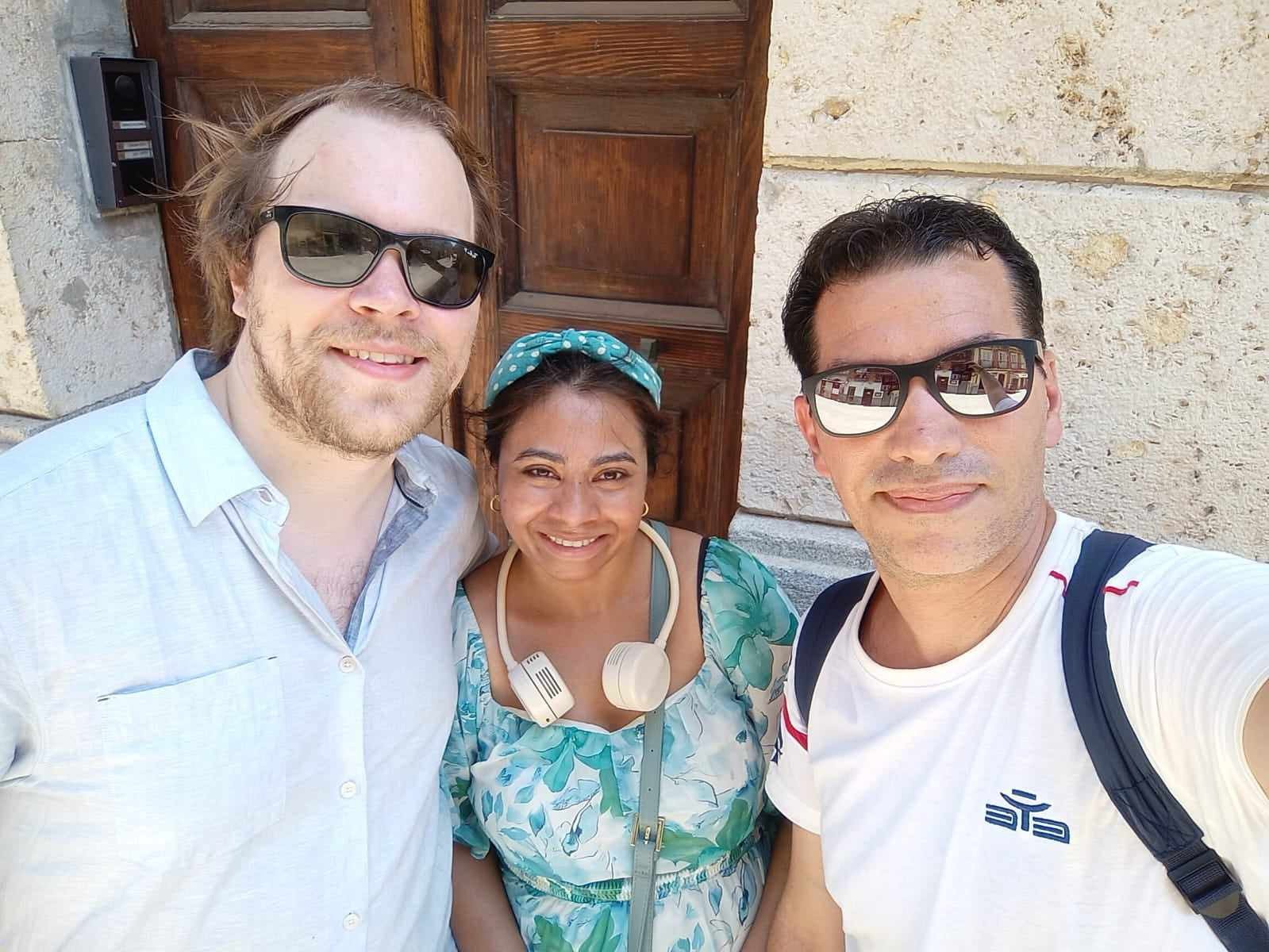
A guidebook gets you to the Bastione. A local gets you to the bakery they've used since school, or the quiet viewpoint they'd rather keep to themselves. That's the idea behind Lokafy: you're matched with a Lokafyer, someone who lives in Cagliari, for a private walk built around what you care about, from food and history to street art or a slow wander through Villanova.
There's no fixed script and no group to keep pace with. If you're in port for the day, your Lokafyer can shape the route around your ship's timings, and if you're staying longer, they'll happily point you toward the beaches and villages worth your next trip. Book a private walking experience with a local in Cagliari on Lokafy and see the city the way the people who live here do.
Frequently Asked Questions
What is the best way to spend one day in Cagliari?
Start with breakfast and the market, spend the late morning in the Castello quarter and the National Archaeological Museum, and have a long seafood lunch in the Marina. In the afternoon, head to Poetto beach, the Sella del Diavolo or the flamingos at Molentargius, then finish with a sunset drink on the Bastione di Santa Croce.
Is Cagliari worth visiting?
Yes. Cagliari combines a medieval hilltop quarter, one of the most important archaeology museums in the Mediterranean, an eight-kilometre city beach and wild flamingos inside the city limits. It's also far less crowded than Sardinia's northern coast, and the food is excellent value.
Is Cagliari walkable?
The historic centre is very walkable, and all four old neighbourhoods sit within about 15 minutes of each other on foot. Castello is steep, but public lifts from Piazza Yenne and Viale Regina Elena help, although they close during the hottest hours in summer. For Poetto and Molentargius, take a city bus.
How do I get from Cagliari airport to the city centre?
Take the train from Elmas Aeroporto station, a five-minute walk from the terminal. Trains leave roughly every 20 minutes and reach Cagliari station on Piazza Matteotti in about seven minutes, with tickets costing around €1.30.
Where can I see flamingos in Cagliari?
Head to the Molentargius-Saline park, behind Poetto beach. Flamingos live there all year, entry is free, and the embankment along the Bellarosa Maggiore pond is the best viewing spot. It's the only place in Sardinia where flamingos nest.
Where is the San Benedetto market now?
The historic San Benedetto building closed for renovation in March 2025, and the market moved to a temporary structure in Piazza Nazzari, near the Teatro Lirico. It opens in the mornings, is closed on Sundays, and has the same stallholders as before.
What food is Cagliari known for?
Cagliari is known for fregula con arselle, culurgiones, malloreddus, bottarga and seadas, plus the pizzetta sfoglia, a puff pastry snack you'll find in almost every bakery. The Marina quarter has the highest concentration of traditional trattorias.
Is Cagliari good for a cruise stop?
Cagliari is one of the easiest cruise stops in the Mediterranean, because ships dock right beside the old town. You can walk to the Marina in minutes and reach Castello in about 15, so a full port day covers the museum, lunch and a viewpoint without any transport at all.
Enjoyed this article?