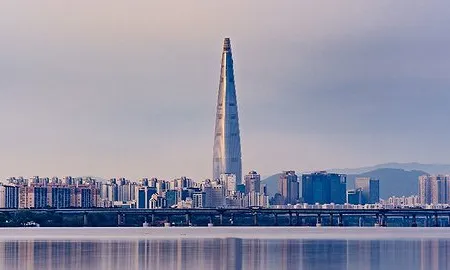
You are standing in the middle of a neon-lit avenue, surrounded by a sea of people heading to the exact same palace you saw on your social media feed. Seoul is famous for its grand palaces, bustling Myeongdong shopping streets, and Namsan Tower views. But what happens when you step off that well-worn tourist trail?
We asked our Seoul locals what they would show a curious friend visiting the city. They pointed us away from the crowded traps and toward the quiet residential alleys, retro industrial complexes, and hidden rooftop cafes. Here is your guide to the real Seoul.
Quick Guide: Off the Beaten Path Seoul Key Takeaways for 2026
Primary Recommendation: Swap mainstream Hongdae for Mangwon and Yeonnam-dong to experience independent cafes and neighborhood charm.
Top Choice for Creatives: HAUS NOWHERE Seoul in Seongsu. A 14-story brutalist retail space that has replaced older spots like Common Ground as the epicenter of design.
Value Pick / Local Vibe: Pick up a short-term Climate Card (updated for tourists in March 2026) for unlimited subway and bus rides starting at 5,000 KRW per day.
Best way to experience Seoul: Take a walk with a Lokafy guide and explore the city like a local.
Seoul's Best Neighborhoods Tourists Do Not Know About
Seoul evolves rapidly. Spots considered hidden gems two years ago now draw massive crowds. To find the authentic rhythm of the city, travelers need to head where the residents actually spend their weekends.
Mullae-dong

Mullae-dong remains a working industrial district filled with old metalwork factories. Today, it stands as a genuinely under-the-radar destination. Sparks fly from active welding shops located right next to independent bakeries and craft beer pubs. The contrast between heavy machinery and delicate pastries creates an atmosphere impossible to replicate in more polished districts.
Local Tip: Visit Ip-heojeon bakery in Mullae-dong, located a five-minute walk from Mullae Station Exit 7. Picking up a fresh sourdough loaf before heading over to Chu Sang for evening makgeolli (traditional rice wine) among vintage posters is a perfect itinerary.
When to visit: Arriving in the late afternoon into the evening allows visitors to see the neighborhood transition from active metal shops to glowing nightlife.
Mangwon
Consider Mangwon the laid-back, residential alternative to Hongdae. The area centers around Mangwon Market, where food lovers can eat their way through incredible street food without the overwhelming crowds found at Gwangjang Market. The streets here feature small, owner-operated boutiques rather than large international chain stores.
Local Tip: Bypassing the massive tourist lines and heading to Mangwon Market, located ten minutes by bus from the Hongdae shopping district, offers a better experience. Grabbing crispy chicken (dakgangjeong) from the market stalls and eating it by the Han River is a favorite local pastime.
Yeonnam-dong
This area exploded with independent bookshops, niche boutiques, and a massive weekend brunch culture. The Gyeongui Line Forest Park acts as the green spine of the neighborhood. Residents bring picnic blankets and grab iced coffees from nearby local roasters, treating the park as a communal backyard.
Local Tip: Explore the deep residential alleys of Yeonnam-dong, located a short 15-minute walk from Hongik University Station. The best cafes sit hidden on the second and third floors of unassuming residential buildings.
Euljiro

Euljiro is a retro industrial district that younger residents lovingly call "Hipjiro". Old-school printing shops and hardware stores hide secret speakeasies and contemporary art galleries. Finding these places often requires walking up unmarked, gritty staircases, rewarding those willing to explore beyond street level.
Local Tip: Some of the best hidden bars operate in Euljiro 3-ga, located immediately north of Chungmuro Station. Finding them requires looking for doors with small stickers instead of large neon signs.
Haebangchon (HBC)
Perched on a steep hill near Itaewon, Haebangchon is a residential village boasting a thriving international community, tiny neighborhood restaurants, and unbeatable rooftop views of the entire city skyline. The steep incline deters large tour groups, preserving the local atmosphere.
Local Tip: The Sinheung Market area in Haebangchon, located a 20-minute uphill walk from Noksapyeong Station, is highly recommended. The old market underwent a massive revitalization and now houses tiny cafes and vintage arcade rooms.
"Most tourists go straight to Gyeongbokgung Palace, but the real character of the city lives in the small details. It is in the sound of the morning markets, the smell of street food in narrow alleys, and the way locals gather to share a meal. You get to hear the hidden stories behind the buildings and understand the 'why' behind the traditions."
- Sangyeon, Seoul local and Lokafyer, lifelong resident of Korea
Where Locals Actually Eat in Seoul (Not Myeongdong)
Korean BBQ earns its global fame, but everyday food culture in the capital goes much deeper than grilling meat over charcoal.
Jjigae Alleys
Ignoring the polished franchise restaurants with translated menus is the best approach for authentic food. The most comforting meals live in specific alleys dedicated entirely to bubbling stews (jjigae). Finding Kimchi Jjigae or Sundubu Jjigae (soft tofu stew) spots packed with office workers during the lunch hour rush guarantees a fantastic meal. A reliable rule of thumb dictates that the older the restaurant sign, the better the food inside.
Authentic Pojangmacha Culture
A pojangmacha is a traditional tent bar serving street food and soju on plastic stools. These tents serve as the places where residents go to unwind after a long day at the office. Clusters of them appear along the river or tucked under highway overpasses as the sun sets.
Local Tip: The pojangmacha stalls in Yeouido, located a quick five-minute walk from Yeouido Station Exit 3, offer incredible late-night dining. Ordering a massive egg roll and some spicy stir-fried pork to share is highly recommended.
Neighborhood Bakeries
The city boasts a world-class baking scene that rivals European capitals. Instead of visiting large corporate chains, foodies seek out hyper-local bakeries that specialize in a few specific items, from perfectly flaky croissants to viral salt bread.

Local Tip: The highly sought-after salt bread at small independent bakeries in Seongsu-dong, located a 10-minute subway ride from Gangnam, often sells out before noon.
Eat like a resident: The most authentic menus are written entirely in Korean, and the restaurant owners rarely speak English.
Seoul for Creatives: Art, Design and Maker Spaces Beyond Gangnam
The city stands as a global powerhouse for contemporary art, fashion, and brutalist architecture.
Modern Art and Craft Institutions
The Seoul Museum of Craft Art is a stunning, open-concept space built on a former royal estate. It showcases traditional Korean crafts through a highly modern lens. For cutting-edge contemporary art, the Leeum Museum of Art in Hannam-dong hosts incredible exhibitions. In early 2026, the museum features Tino Sehgal, followed by a massive September 2026 showcase by Koo Jeong A, who represented the Korean Pavilion at the Venice Biennale.
Local Tip: The Arario Museum in Space, located a two-minute walk from Anguk Station, is a must-visit. It blends modern brick architecture with provocative contemporary art installations.
HAUS NOWHERE Seoul

While spots like Common Ground held the trendy title years ago, the new epicenter of retail art is HAUS NOWHERE Seoul. Opened in late 2025 in Seongsu, this towering 14-story brutalist playground houses Gentle Monster, Tamburins, and giant robotic art installations. It perfectly merges high fashion with surrealist technology.
Local Tip: Exploring HAUS NOWHERE in Seongsu-dong, located 15 minutes by subway from the Dongdaemun Design Plaza, requires strategic timing. Visiting on a weekday morning helps avoid the heavy weekend crowds.
Temple Stays and Traditional Markets
Finding peace does not require leaving the city limits. Several accessible temples offer half-day stay programs featuring traditional tea ceremonies and guided meditation. For a different kind of cultural immersion, skipping the heavily touristed Gwangjang Market and exploring Seoul Central Market in Sindang provides a grittier, highly authentic food experience.
Curate the aesthetic: Understanding the local art scene or finding a specific creative hub requires inside knowledge. Let Lokafy locals build a custom route.
Hiking Seoul Like a Local: Trails Beyond Bukhansan
Bukhansan National Park is spectacularly beautiful, but tackling its peaks requires serious gear and stamina. Residents often prefer accessible, scenic walks hidden within the city limits.
Naksan Trail and the City Wall
Walking along the ancient Seoul City Wall at Naksan Mountain offers sweeping views of the city skyline. This location becomes especially beautiful at sunset as the city lights begin to turn on. The trail is gentle, fully paved, and perfect for an evening stroll.
Local Tip: Starting the Naksan trail at Hyehwa-dong, located a 15-minute walk from Hyehwa Station, provides the best incline and pacing for an afternoon walk.
Seonyudo Park

This ecological park sits on a former water treatment plant on an island in the middle of the Han River. It serves as a fantastic example of industrial repurposing. The old concrete structures are now completely covered in green vines and aquatic plants, creating a post-apocalyptic yet beautiful landscape.
Local Tip: Seonyudo Park in Yeongdeungpo-gu, located a 15-minute walk from Dangsan Station, offers incredible photography opportunities away from the main river crowds.
Ansan Jarak-gil
This elevated wooden boardwalk wraps entirely around Ansan Mountain. It is completely wheelchair accessible and offers incredible views of the downtown area without a punishing physical incline. It remains deeply popular with local families looking for a weekend nature escape.
Walk the real city: Discover the quiet side of nature with someone who walks these trails every single week.
Practical Tips a Local Would Tell You
Navigating a massive metropolis requires the right tools and updated information.
- The 2026 Climate Card: South Korea expanded the Climate Card transit pass to include short-term options for international tourists. Visitors can buy a 1-day pass for 5,000 KRW or a 3-day pass for 10,000 KRW using an international credit card at station kiosks. This pass provides unlimited rides on the subway and city buses, saving heavy travelers a significant amount of money.
- Naver Map is Essential: Google Maps does not provide walking directions in South Korea due to local data security laws. Downloading Naver Map or KakaoMap before arriving is an absolute necessity for navigation.
- T-Money Convenience: For those skipping the Climate Card, buying a T-Money transit card at any convenience store is the next best option. It allows users to tap onto trains, pay for taxis, and buy quick snacks without carrying cash.
- Timing is Everything: To avoid massive crowds at popular aesthetic spots in Seongsu or Yeonnam-dong, aiming for Tuesday or Wednesday mornings guarantees a much more relaxed experience.

Ready to Experience the Real Seoul?
The spots shared above are incredible, but they become infinitely better with a guide who knows their history, the restaurant owners, and the hidden stories behind the brick walls. Traveling with a Lokafyer is never a rigid group tour. It operates as a highly personalized experience that adapts to exact interests, physical pace, and preferred travel style.
Stop following generic itineraries. Explore with a Seoul local on Lokafy and experience the city the way it is meant to be seen.
Frequently Asked Questions
Is the Seoul Climate Card reliable for tourists in 2026?
Absolutely. The short-term tourist passes for the Climate Card can be easily purchased at major station kiosks. They allow for unlimited travel across the city subway and bus networks, making it the most reliable and cost-effective method for getting around.
What is the best way to access a local food market for an authentic feel?
Visiting Mangwon Market in Mapo-gu, located a quick ten-minute bus ride from Hongdae, is the best approach. It offers a much more localized, residential feel compared to the heavily touristed Gwangjang Market, with cheaper prices and shorter lines.
How do travelers book a local guide for a specialized creative itinerary?
Travelers can book directly through the Lokafy platform. During the booking process, users indicate their specific interests, such as contemporary art, brutalist architecture, or vintage fashion. They are then matched with a resident who shares those passions.
Are hidden gems like Seongsu still worth visiting this year?
While parts of Seongsu have become mainstream, the neighborhood remains essential for design lovers. Visitors should explore newly opened concept spaces like HAUS NOWHERE Seoul on a weekday morning, completely avoiding the overwhelming weekend crowds.
Is Naver Map difficult for international travelers to use?
Naver Map offers a fully translated English interface. While searching for highly specific local restaurants might require the Korean spelling, typing in major landmarks, subway stations, or the English names of cafes works flawlessly for general navigation.
Enjoyed this article?