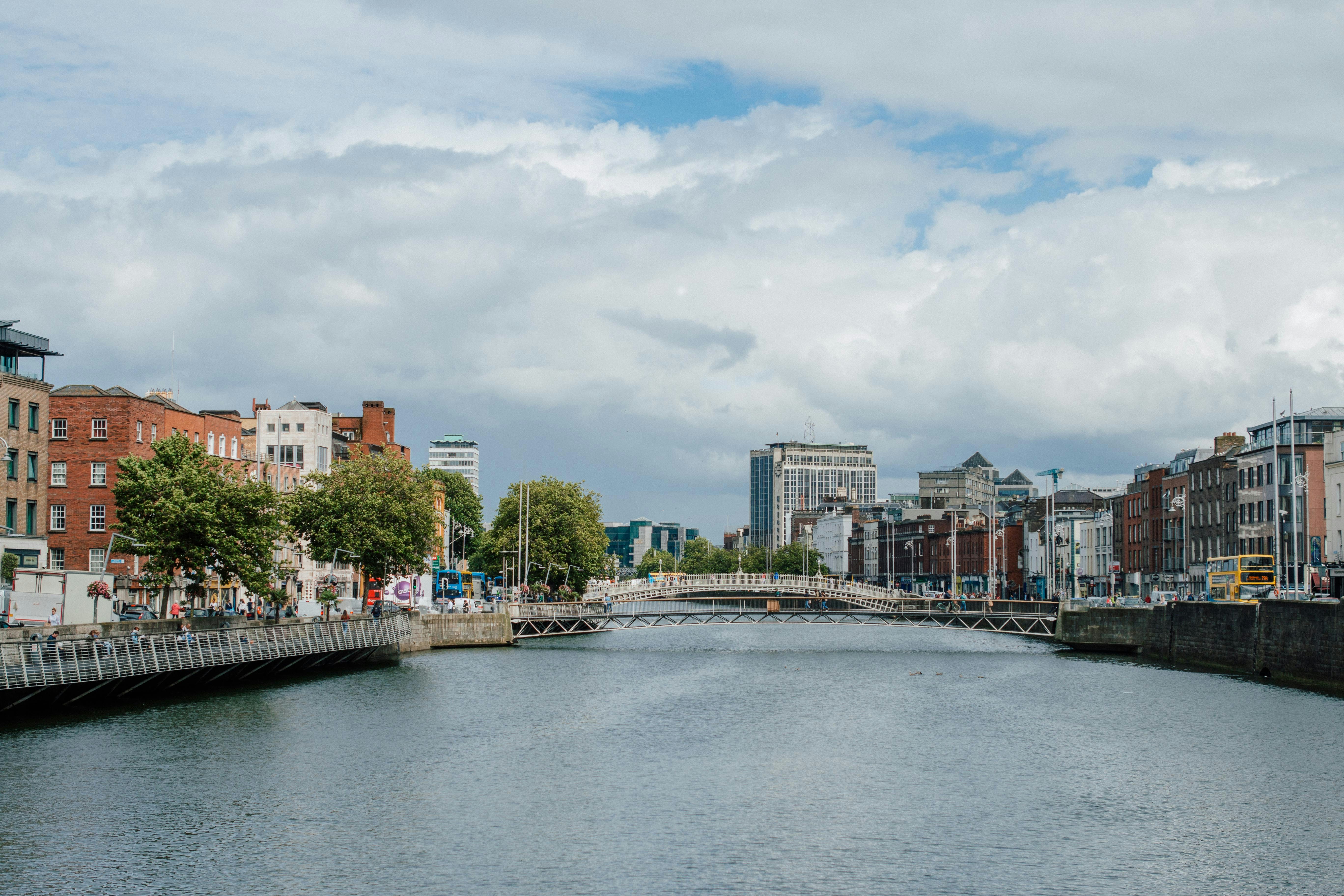
Dublin has quietly become one of the easiest and most rewarding cities in Europe to visit alone. It is walkable, social without being overwhelming and rich in history but not frozen in time. That balance is a big reason why Dublin was named the #1 solo travel destination by TripAdvisor in 2026.
The question isn't really whether Dublin is worth visiting alone, because it absolutely is. The better question is what makes it work so well for people traveling without company, and what that experience actually looks like when stripped of the usual solo travel anxieties about eating alone, finding conversation, or filling time without feeling aimless.
Why Dublin Works for Solo Travelers
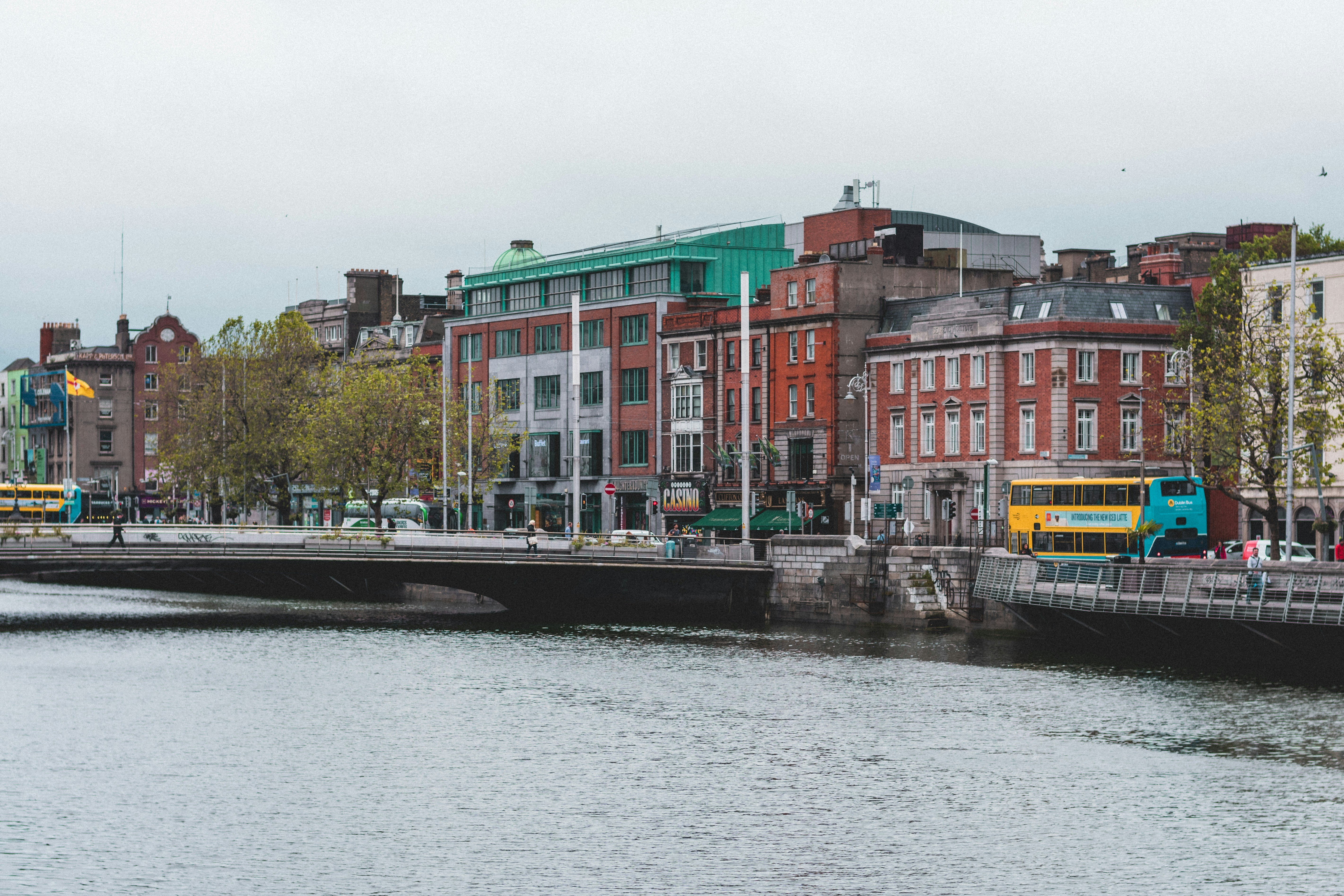
The city was largely built before cars were the priority, which is great news if you’re exploring on foot. The Georgian streets are laid out in a way that’s easy to memorize, and the River Liffey acts as a natural compass. If you get lost, you just head toward the water and you’ll find your way. Most of the spots worth visiting are within a thirty-minute walk of each other, so you won’t spend your trip staring at a phone screen trying to navigate a complicated subway system.
But walkability alone doesn't make a city solo-friendly. What really sets Dublin apart is how social the city is. Irish conversational culture is participatory by default. Strangers talk to strangers without an agenda. A question about the weather can evolve into a 20-minute discussion about neighborhood history, recommended bakeries, or the best walking route to avoid tourists.
The city also operates at a human scale. Unlike London or Paris, where solo travelers can feel swallowed by sheer volume, Dublin feels navigable. There’s plenty to do, but not so much that it becomes exhausting to choose.
Where to Stay in Dublin
When you're on your own, where you stay changes everything. You want a spot where you can grab a quick coffee or a solo dinner without feeling like you're in a tourist bubble.
- The Southside: Areas around Camden Street or the South Circular Road are perfect. They’re full of independent spots where eating alone is the norm, and you’re close enough to walk into the center.
- The Liberties: This is one of the oldest parts of Dublin. It’s gritty but historic, and it’s seen a lot of new life lately with cool cafes and small distilleries.
- Stoneybatter: This is arguably the best "local" neighborhood on the Northside. It feels like a village within the city, full of young professionals and families who actually live and work there.
Staying a bit outside the Temple Bar area is usually the best move. Those central spots can get a bit loud and anonymous once the workday ends, whereas the neighborhoods feel more "lived-in" and welcoming.
Food and Market Culture
Markets Worth Your Time
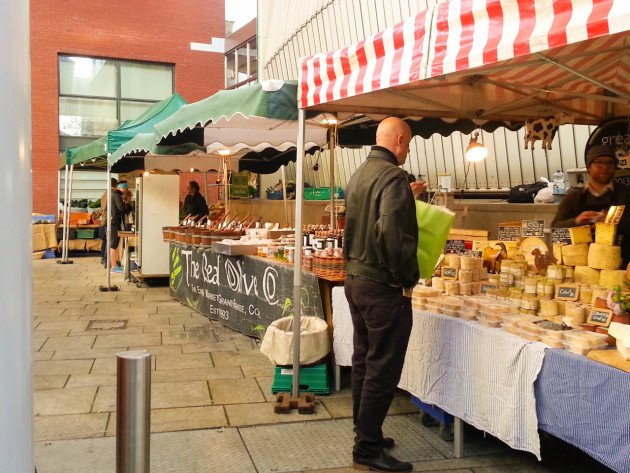
Temple Bar Food Market runs on Saturdays in Meeting House Square. Yes, it attracts tourists, but it also attracts Dubliners who have been shopping there for years. The key is arriving early, around 10 AM, before the crowds build up. The bread stalls sell out of popular loaves by noon. The cheese vendors offer samples and will spend time explaining Irish farmhouse cheese varieties if the crowd hasn't gotten too thick yet.
The Honest2Goodness Market in Glasnevin runs year-round on Sundays. It's smaller than Temple Bar and draws more local families doing their weekly shopping.
For produce and basics, the Moore Street Market near O'Connell Street has operated for over a century. It's not pretty or particularly organized, and it's definitely not a tourist attraction. Vendors sell fruit, vegetables, and flowers from street stalls.
George’s Street Arcade is another staple. It’s a big Victorian building with all sorts of independent shops inside. You’ll find everything from old records to vintage clothes. It’s a favorite spot for locals to kill an hour or two on a good afternoon. The vendors there have usually been around for a long time and are happy to chat if they aren’t too busy.
Eating Alone in Dublin
Lunch is usually easier for solo diners than dinner. The Fumbally in the Liberties is a great start; they have big communal tables, so you can sit with your book and a coffee and not feel like you're taking up a whole table. For a quick, good meal, Soup Dragon on Capel Street is a local favorite for a bowl of soup and a sandwich.
For dinner, pubs are your best bet. Most serve high-quality food these days, and sitting at the bar to eat is completely normal. Places like L. Mulligan Grocer in Stoneybatter treat food with as much respect as their beer, and nobody will give you a second look for dining solo.
Coffee Culture
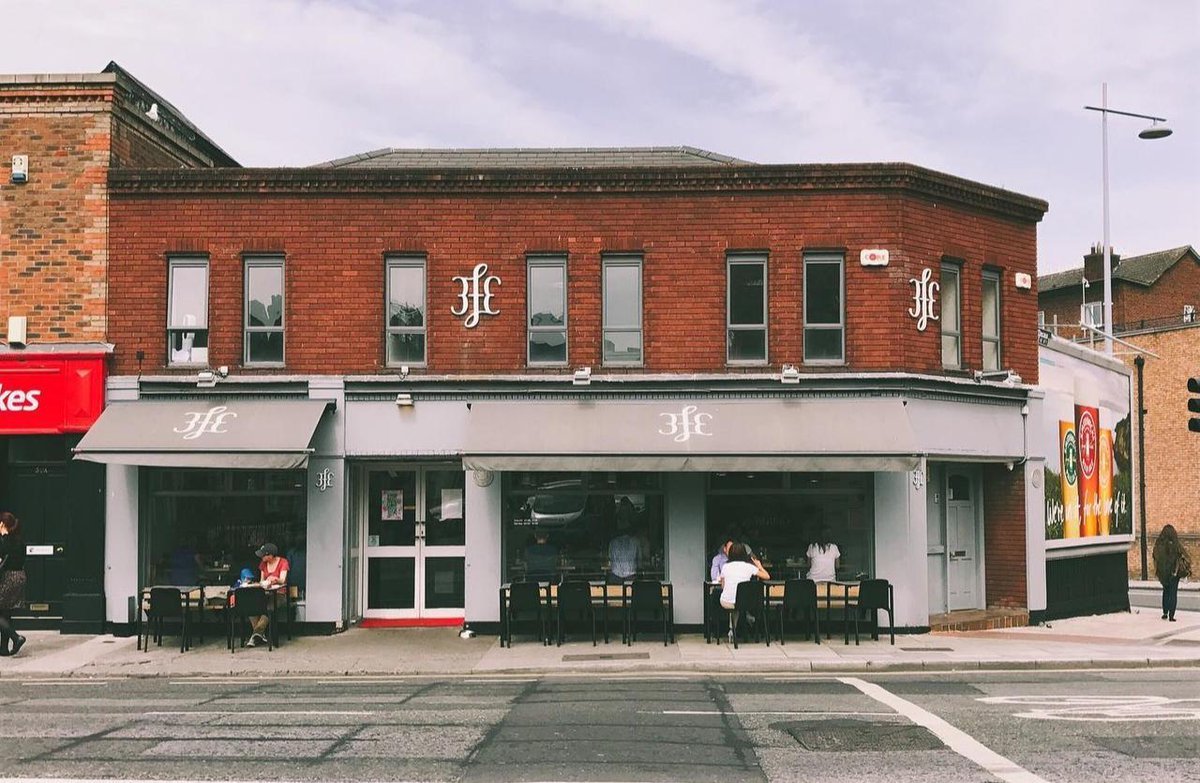
The coffee scene in Dublin has exploded over the last ten years. 3fe on Grand Canal Street is the big name here, they roast their own beans and the space is very minimal, perfect for catching up on some writing or just watching the baristas work. Brother Hubbard on Capel Street is another great spot, especially for a Middle Eastern-inspired breakfast.
Proper Order Coffee Co. has several locations around the city. The Smithfield location sits in a former warehouse and attracts a mix of locals and visitors.
Understanding Dublin Pub Culture
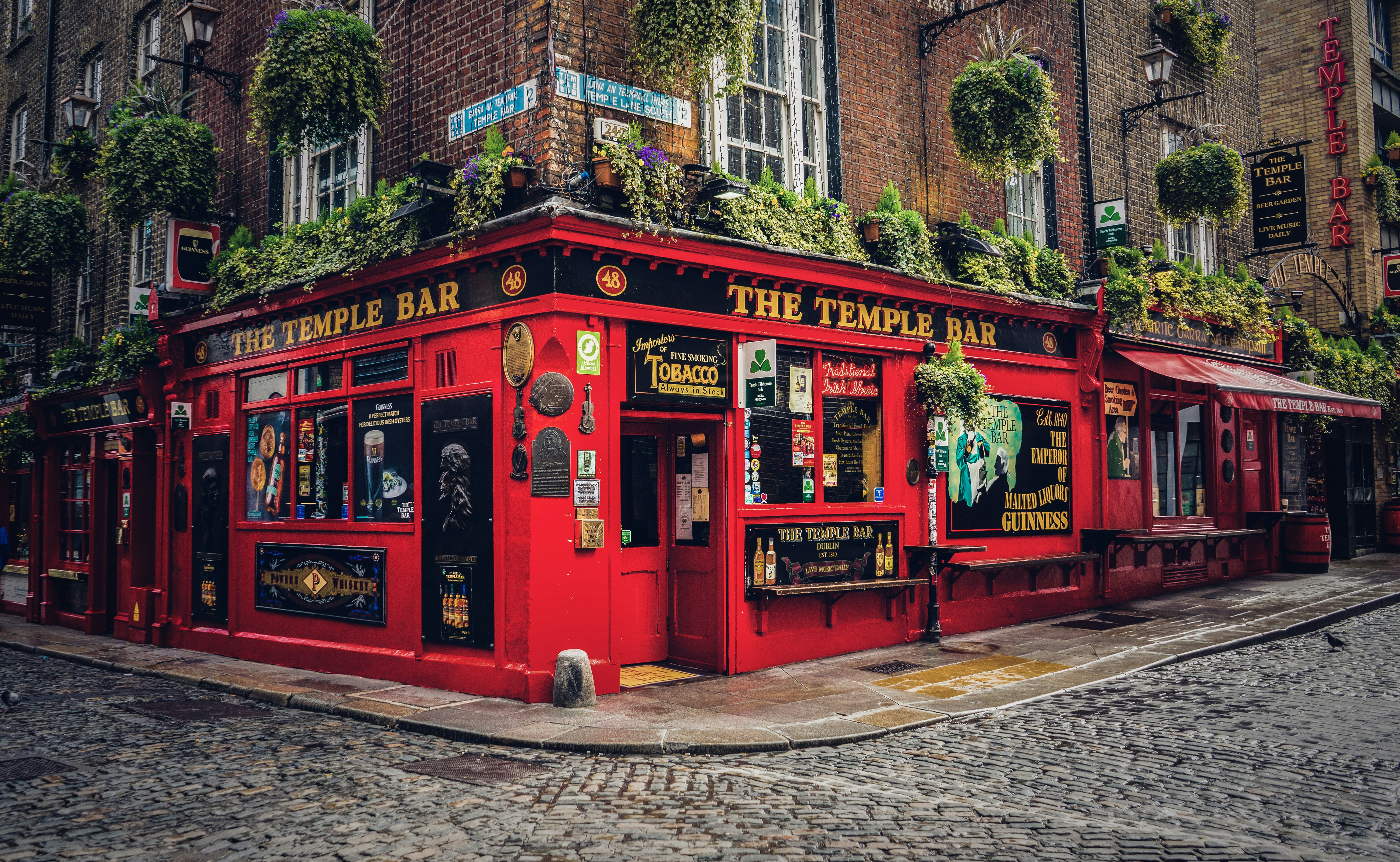
Dublin has hundreds of pubs, but most tourists end up in the same dozen places in Temple Bar, paying €8 for a pint while a guy plays "Galway Girl" for the tenth time that day. If you want a real experience, you have to move a few streets away.
A local pub usually has worn floors, minimal decoration, and regulars who have been drinking there for decades. The music, if there is any, happens organically rather than being scheduled for tour groups. You would feel more comfortable in local pubs than in tourist-heavy bars. There's less performance and more room for quiet observation. Sitting at the bar is normal, and bartenders in neighborhood pubs are generally willing to chat during slower periods.
Specific Pubs Worth Visiting
The Gravediggers (John Kavanagh’s) next to Glasnevin Cemetery is a classic, it’s quiet, historic, and hasn’t changed much since the 1830s. The pub looks almost exactly as it did a century ago. Locals still call it The Gravediggers because cemetery workers used to stop in during their shifts.
If you want music, The Cobblestone in Smithfield is the place. The sessions there aren't a "show" for tourists; they’re just musicians meeting up to play together. You can sit in the corner with a pint of Guinness and just listen. It’s one of the best ways to spend an evening in Dublin without needing a group of friends with you.
Grogan's on South William Street attracts artists, writers, and students. The pub doesn't do food, doesn't have a website, and doesn't particularly care about attracting tourists.
Toner's on Baggot Street is a Victorian pub that has somehow avoided becoming a tourist trap despite its beautiful interior and central location. W.B. Yeats drank here, but the pub doesn't make a big deal about it. The snugs (small private booths) create intimate spaces, and the bar area is long enough that you can find a quiet spot even when the pub is busy.
Traditional Music Sessions
Dublin has traditional music sessions every night of the week, but quality varies. Many sessions in Temple Bar cater specifically to tourists and feature professional musicians playing the same sets every night. These sessions are fine, but they don't reflect how traditional music actually works in Ireland.
Real sessions happen in pubs where musicians gather to play for themselves and each other, not for an audience. The music starts when enough musicians show up, usually around 9 or 10 PM. There's no set list and no performance aspect. Musicians take turns leading tunes, and the others join in if they know the tune.
O'Donoghue's on Merrion Row hosts sessions most nights and has a legitimate history with Irish folk music (The Dubliners got their start there). The pub is small and gets crowded, but the music is genuine. Hughes' Bar on Chancery Street is less known but hosts good sessions on weekends. The pub sits on the northside, away from the main tourist areas, and the crowd is mostly local.
Neighborhoods to Explore on Foot
Stoneybatter and the Northside
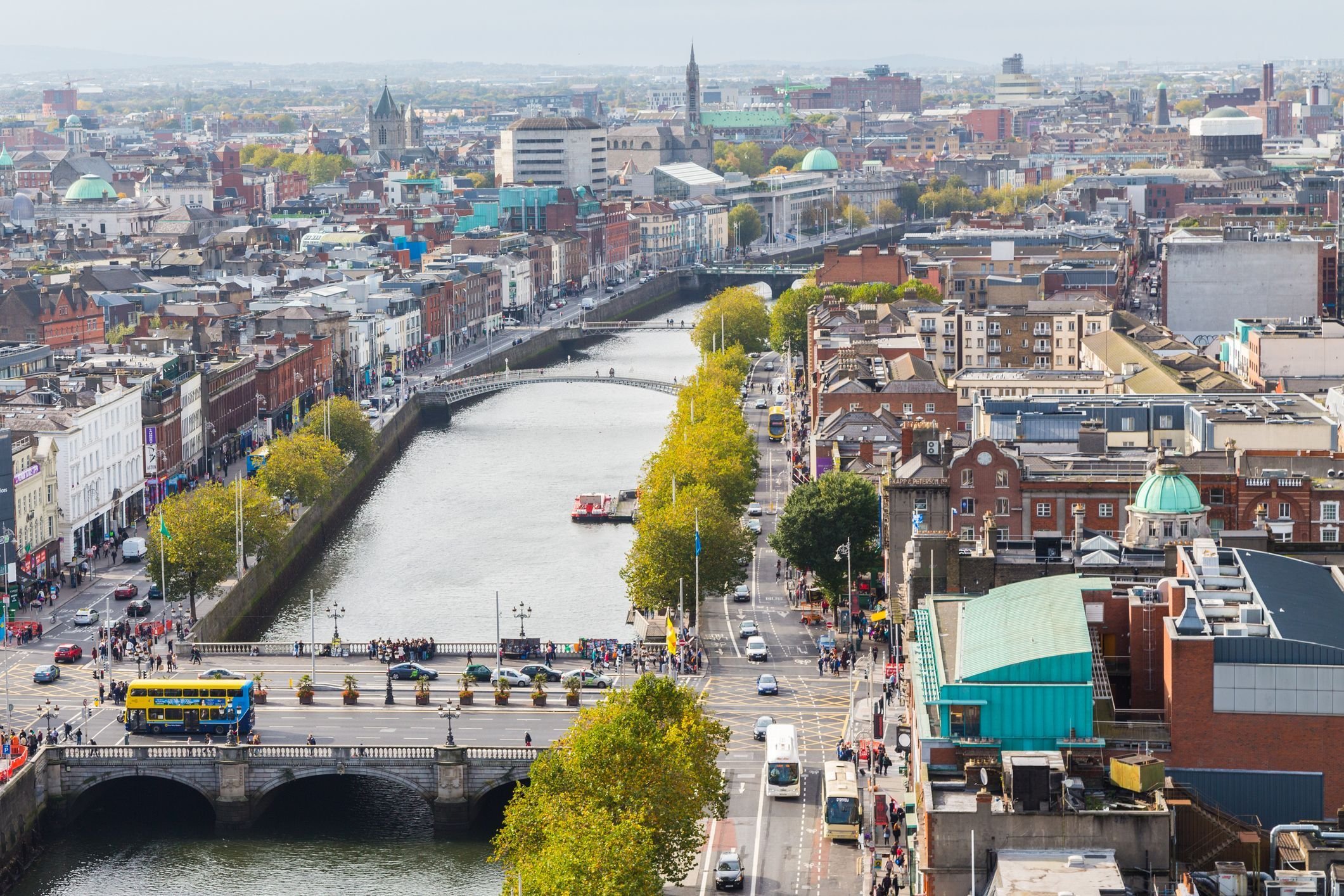
Stoneybatter is about fifteen minutes from O'Connell Street. It has changed a lot over the last decade, but it still feels like a working-class neighborhood. The best way to see it is just to walk Manor Street and the side roads.
The National Museum of Ireland (Decorative Arts & History) sits in the former Collins Barracks in the Smithfield area, adjacent to Stoneybatter. The museum is free and usually quiet. The decorative arts collection includes Irish silver, furniture, and ceramics. The history section covers Irish military and political history.
The Liberties and Around Christ Church
The Liberties is one of Dublin's oldest neighborhoods, sitting just west of Christ Church Cathedral. While the Guinness Storehouse is here, the real value is walking the residential streets to see the old architecture alongside modern developments.
Antique shops line Francis Street, and spots like the Teeling Distillery offer a more intimate look at Irish whiskey than the bigger tourist centers. If you’re interested in history, St. Patrick's Cathedral and Christ Church Cathedral are both in this area. They're tourist sites, certainly, but they're also functioning churches with genuine historical importance.
Harold's Cross and the Canal
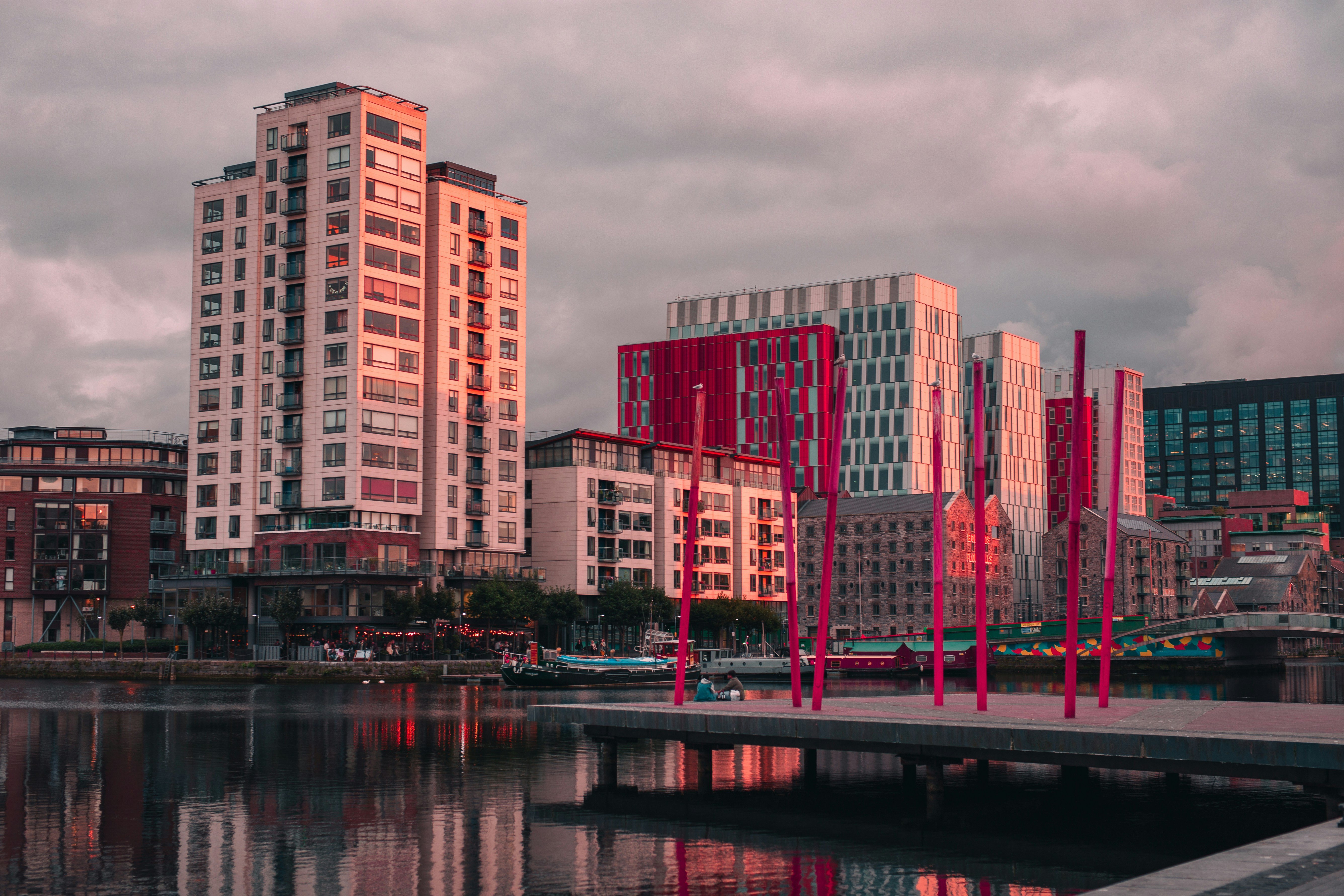
Harold's Cross sits south of the Grand Canal, about thirty minutes on foot from the city center. The Grand Canal itself is worth walking along. The towpath runs for miles, and on decent-weather days it's full of joggers, dog walkers, and people sitting by the water.
Literary and Bookish Dublin
Dublin's literary reputation is earned, but the way most tourists engage with it (guided tours, museum exhibits) doesn't usually lead to meaningful experiences. Bookshops, on the other hand, create natural opportunities for you to connect with Dublin's literary culture.
The Winding Stair is both a bookshop and a restaurant, overlooking the Ha'penny Bridge. The ground floor sells Irish literature, poetry, and history. Chapters Bookstore on Parnell Street specializes in second-hand and rare books. Hodges Figgis on Dawson Street is Dublin's largest bookshop, spread over multiple floors. It's less intimate than smaller shops but offers a comprehensive selection of Irish writing. The shop hosts author events regularly, and solo travelers can sometimes catch readings or book launches.
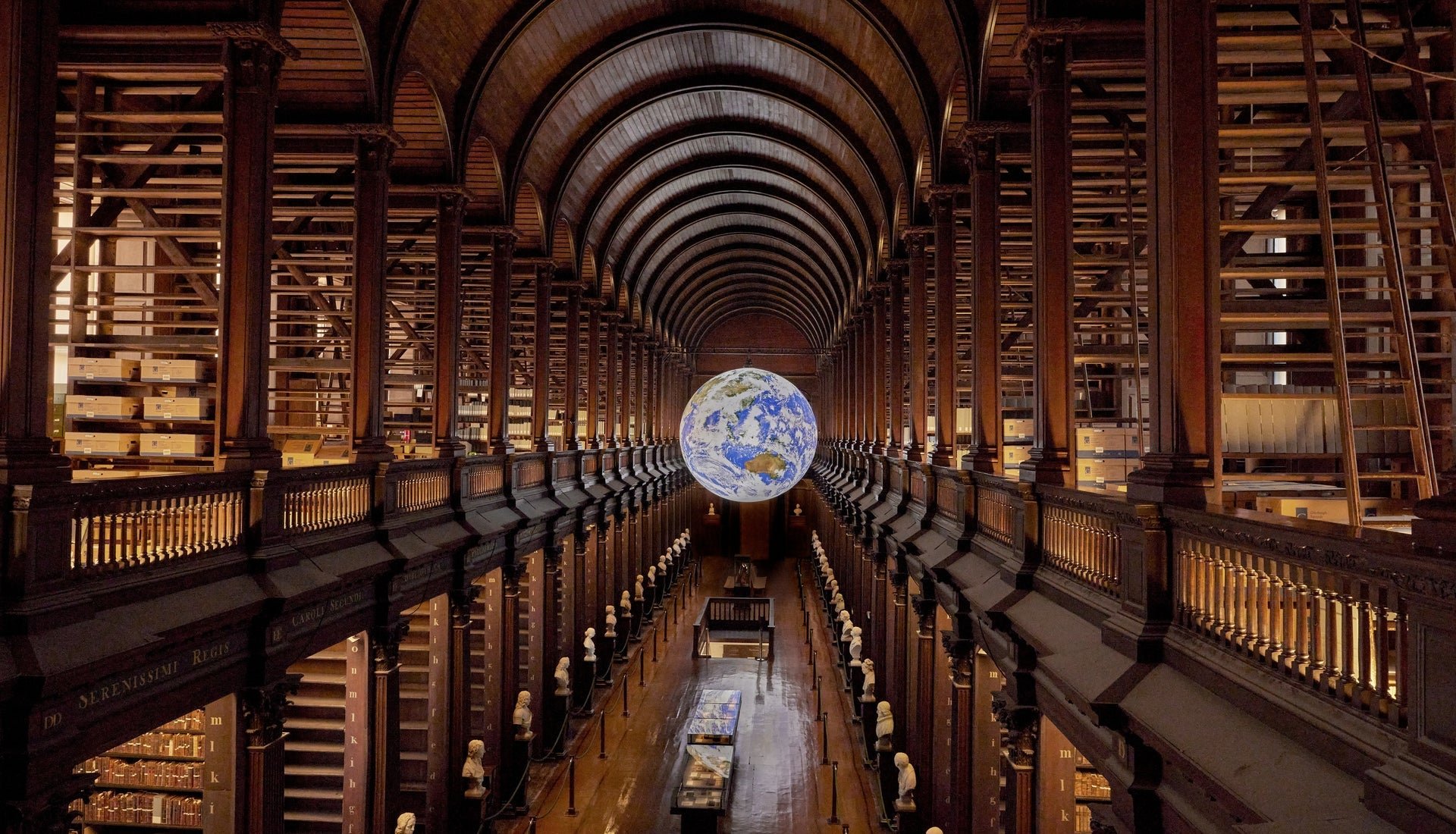
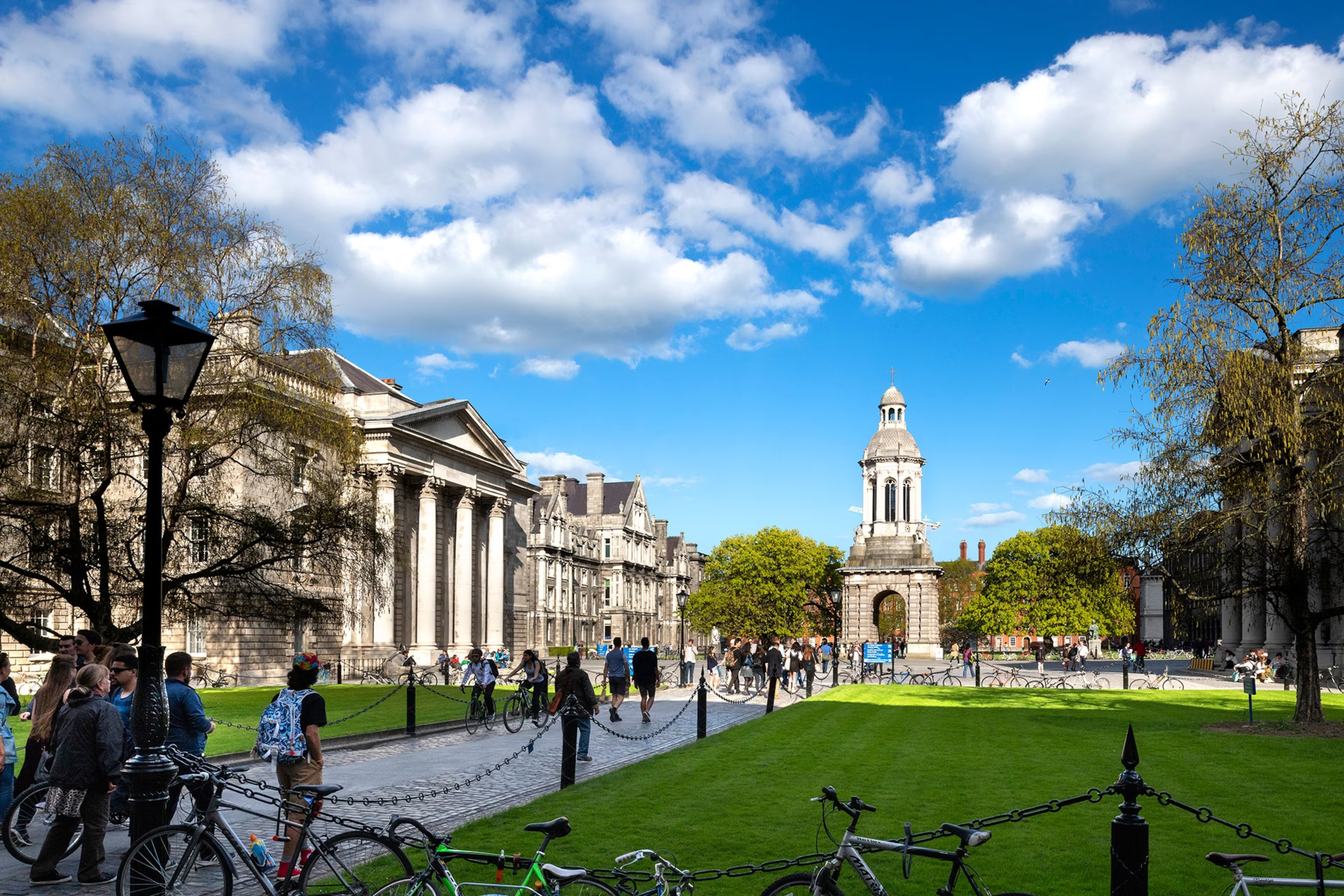
For a quiet hour, Marsh’s Library is Ireland’s oldest public library and remains almost exactly as it was in 1707. The library is small, quiet, and usually empty of tourists. The National Library of Ireland offers free entry and houses extensive collections of Irish history, literature, and genealogy. It has a stunning reading room if you just want to sit and absorb the atmosphere. Trinity College's Long Room Library is stunning but expensive and crowded. It's worth seeing once, but it functions more as a tourist attraction than an intimate space.
Beyond the City Center
Howth and Coastal Walking
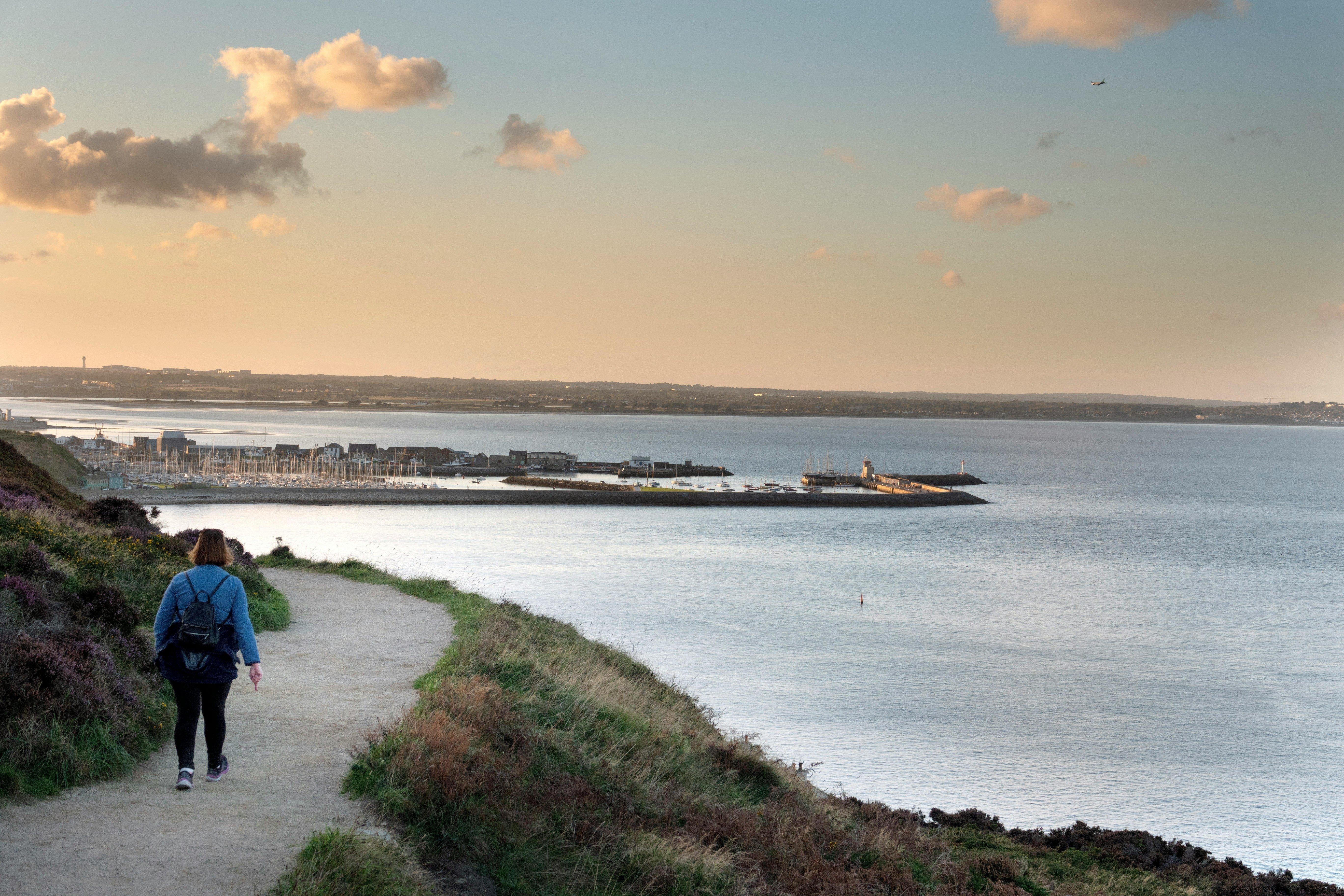
The fishing village of Howth is 30 minutes away on the DART. The cliff walk is a loop that takes about two or three hours. It’s a great solo activity because you can go at your own pace and the path is busy enough to feel safe but quiet enough to be peaceful. After the walk, Howth village has several seafood restaurants and pubs. The House on Howth Harbor serves fish and chips that are genuinely good. Beshoff Bros is a local chain with a location in Howth that's been around since the 1960s. Both work fine for solo diners.
Dún Laoghaire and the Pier
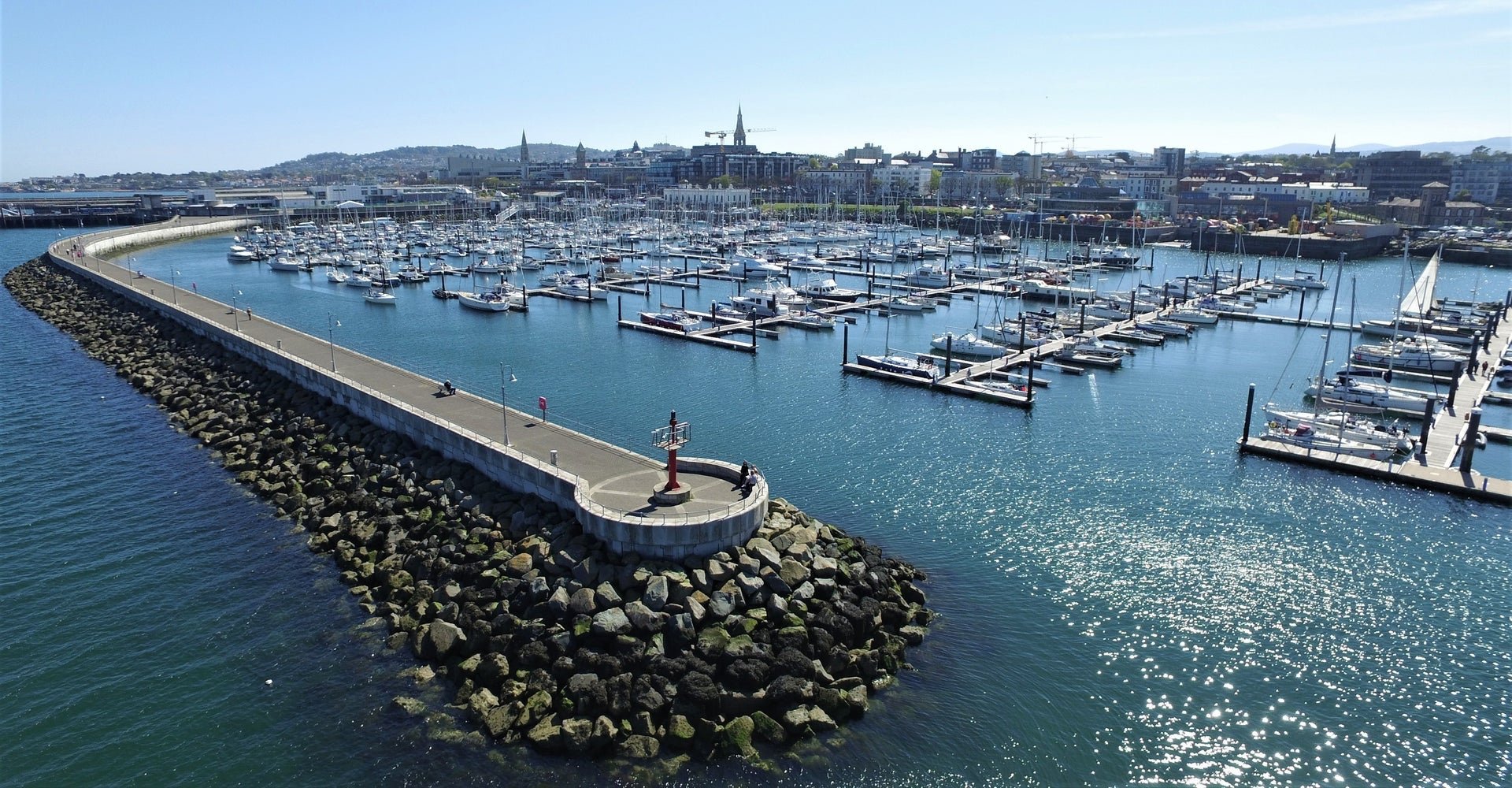
Dún Laoghaire sits on the southside of Dublin Bay, about 25 minutes from the city center on the DART. The town has a Victorian seafront with two long piers extending into the bay. The East Pier stretches over a mile and offers views back toward Dublin and out to sea.
Walking the pier is a classic Dublin activity. The pier is wide enough that joggers, walkers, and people pushing strollers all have space. The town itself has several good coffee shops and bookstores. The Pavilion Theatre sits on the seafront and hosts music, comedy, and theater.
March in Dublin: St. Patrick's Day
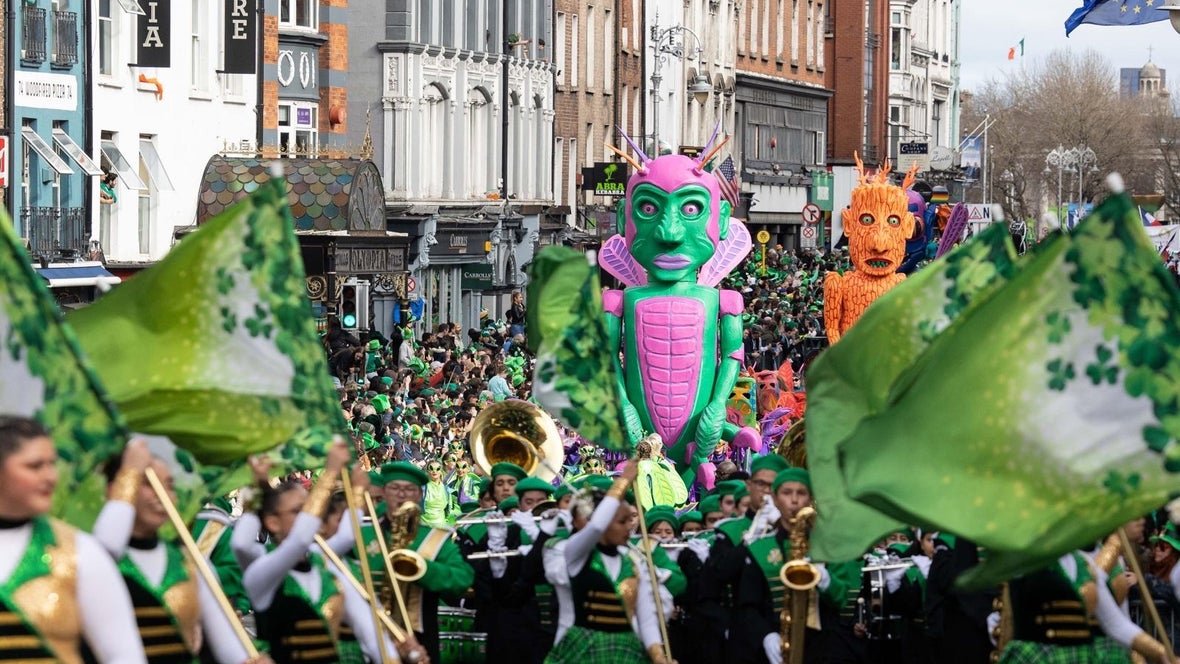
St. Patrick's Day in Dublin is a parade, a festival, and a citywide party that brings over a million people into the center. For solo travelers who want to experience it, the parade offers spectacle. For those who want to avoid it, leaving the city center entirely on March 17 is the best way.
Coastal towns like Howth or Dalkey host smaller, neighborhood parades that feel more community-oriented and less like mass tourism. The DART makes day trips easy, and returning to Dublin after the crowds disperse means solo travelers can experience the evening energy without the crush of the afternoon.
Despite St. Patrick's Day, March remains viable for solo travelers who want local experiences. Booking accommodations early avoids inflated prices. Adjusting plans around March 17 (rather than centering the trip on it) allows travelers to experience Dublin at its most social while retaining the solo-friendly pace the city usually offers.
Practical Solo Travel Considerations
Safety
Dublin is generally safe for solo travelers, but basic awareness applies. Petty theft happens, particularly pickpocketing in crowded tourist areas and on public transportation. Standard precautions apply: don't leave bags unattended, be aware in crowds, don't flash expensive equipment.
When to Visit
May, September, and October are usually the best months, you get decent weather without the peak summer crowds. St. Patrick’s Day (March 17) is a massive event, but it can be overwhelming for solo travelers looking for a quiet, local experience.
A Suggested Solo Day in Dublin
Start with coffee and breakfast at a neighborhood café, not in the tourist center. Walk to the city center through residential streets rather than taking the most direct route. Notice the architecture, the corner shops, the way different neighborhoods feel.
Spend mid-morning at a museum or library. The National Gallery or National Museum of Ireland are both free and rarely crowded. Allow time to sit and look rather than rushing through.
Lunch at a market if it's a weekend, or at a casual spot where solo diners are common. Avoid traditional restaurants during lunch if eating alone feels awkward.
Afternoon is good for neighborhood exploration. Pick an area (Stoneybatter, the Liberties, Harold's Cross) and walk without a specific destination. Stop for coffee if you find a place that looks good. Browse bookshops if you come across them.
Late afternoon, find a pub and sit for a pint. If it's the weekend, there might be music starting in the early evening. If it's a weekday, it's just a quiet neighborhood pub with regulars coming in after work.
Dinner at a pub or casual restaurant. Alternatively, pick up food from a market or takeaway and eat in your accommodation or in a park if the weather allows.
Experiencing Dublin like a Local
For solo travelers who want to skip the surface-level tourist experience entirely, spending time with someone who actually lives in Dublin changes the trip. Not a professional tour guide following a script, but someone showing you their own neighborhood, their favorite pub, the market they shop at on weekends.
Exploring Dublin is easier when you move at your own pace. If you want to skip the typical tourist routine, meeting up with a local through Lokafy can help. It isn't a tour with a megaphone; it’s more like walking around with someone who actually lives there and can show you their favorite spots. It’s an easy way to see the version of Dublin that doesn’t always make it into the brochures. If you want to understand Dublin's coffee culture, they'll take you to the spots locals actually go. If you're curious about traditional music, they know which sessions are genuine and which exist purely for tourists. If you just want to walk through neighborhoods and talk about Dublin’s history and what it's like to live in the city, that works too.
Enjoyed this article?