I had three days in the Baltic and a decision to make. Helsinki or Tallinn. Both capitals, both on the same stretch of cold water, both reachable from the other in two hours by ferry. Every blog I read gave me the same generic answer: "they are different, but both are great." Helpful.
So I asked locals in both cities. Lokafy hosts who live there, eat there, and have watched thousands of confused tourists try to figure out which one deserves their long weekend. What I got back was a much more honest answer than any guidebook will give you, and it boils down to this: Helsinki and Tallinn are not really competing for the same trip. They reward different kinds of travellers, and most people who only pick one end up wishing they had done both.
Here is everything I learned about choosing between them, doing them together, and not wasting your time on either.
The Short Answer (For People Who Just Want a Decision)
If you have one or two days and you want medieval atmosphere, cobblestone streets, and a city you can fully understand on foot, go to Tallinn.
If you want modern Nordic design, sauna culture, an island fortress, and a wider food scene, go to Helsinki. If you have three or more days, do both. The ferry is two hours, runs almost hourly, and costs about 25 to 50 euros round trip depending on when you book. There is no reason to choose just one when the connection is this easy.
That is the answer locals give before you even finish asking the question. The longer answer is more interesting.
What Each City Actually Feels Like
The biggest mistake travellers make is assuming Helsinki and Tallinn are similar because they are 87 kilometres apart on the same body of water. They are not. They feel like different centuries.

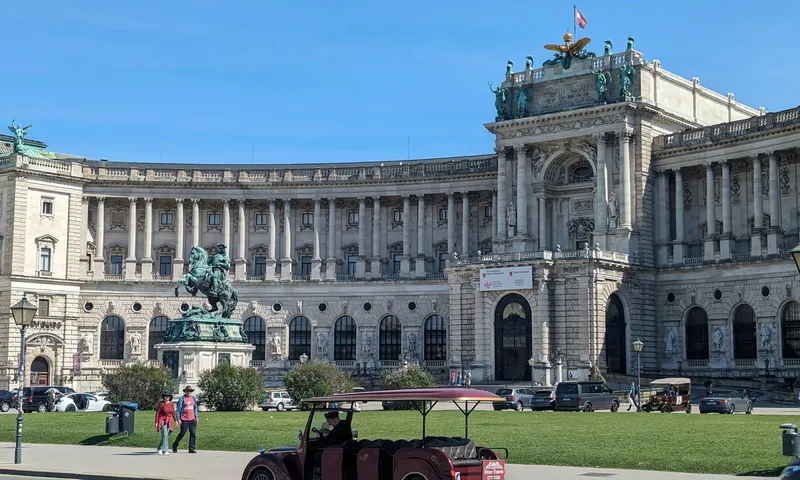
Helsinki is a 19th-century neoclassical city built when Finland was part of the Russian Empire, with a 20th-century Nordic design layer added on top. The streets are wide. The buildings are pastel and orderly. There is a working harbour, a serious tram network, and an architectural confidence that comes from a country that takes design as seriously as some places take religion. Locals describe the city as quiet, functional, and deeply unpretentious. It does not perform for tourists. You either get it or you do not, and the people who get it tend to come back.

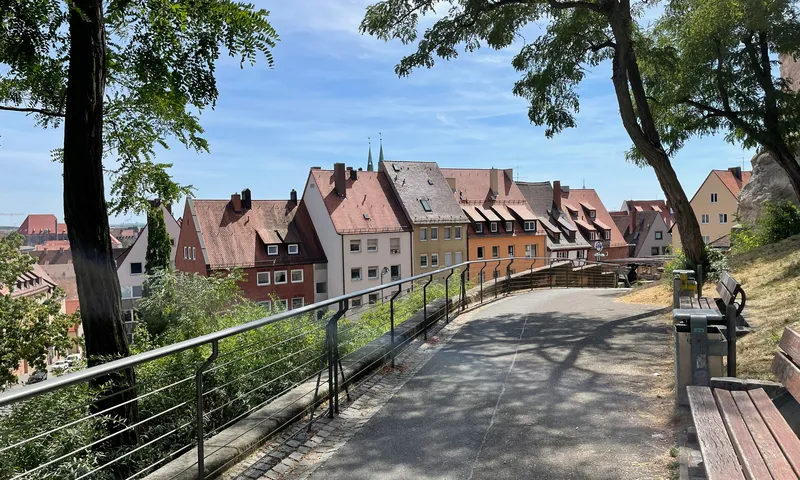
Tallinn is a different era entirely. The Old Town is a near-perfectly preserved medieval Hanseatic trading city, complete with intact city walls, defensive towers, cobblestone alleys, and a Town Hall Square that has been in continuous use since the early 15th century. Walking into it for the first time feels like stepping into a film set, except nobody built it for the cameras. Outside the walls, modern Tallinn reveals itself: a tech-forward capital that gave the world Skype and Wise, with a creative quarter (Telliskivi), a polished new district (Rotermann), and a Soviet-era hangover that locals are quietly proud of having outgrown.
A Lokafy host in Helsinki put it well: "Helsinki is a city you slowly fall in love with. Tallinn is a city that hits you in the first ten minutes." Both are accurate.
The Ferry Connection: Easier Than Most Domestic Trips
Before getting into what each city offers, the practical thing to know: the ferry between them is one of the most efficient international connections in Europe.
Three companies operate the route. Tallink Silja runs the most departures (roughly hourly during the day) and operates the newer ships, MyStar and Megastar. Viking Line is slightly smaller but markets itself on environmental credentials. Eckerö Line is generally the cheapest. The crossing takes about two hours either way, regardless of which company you pick.
In Helsinki, ferries leave from West Harbour Terminal 2 (Tallink and Eckerö) or Katajanokka Terminal (Viking). Both are reachable by tram in 15 to 20 minutes from the city centre. In Tallinn, all ferries arrive at the D-Terminal area, which is a 10 to 15 minute walk from the Old Town. No taxi needed.
A standard one-way ticket runs about 20 to 30 euros if booked in advance. Same-day round trips are common and totally doable. If you are using either city as a base, a day trip to the other is one of the easiest international excursions you will ever make.
One detail locals always mention: book in advance. Walk-up tickets exist but cost noticeably more, especially in summer.
Helsinki: What Locals Actually Want You to See
Helsinki rewards travellers who slow down. The headline attractions (Senate Square, Helsinki Cathedral, the Market Square) are genuinely beautiful but also the most touristy parts of the city, and locals rarely spend time there outside of running errands.
The Design District in the Punavuori neighbourhood is where the city's character lives. Independent boutiques, design studios, vintage shops, and small galleries cluster across about 25 streets. This is where Finland's reputation for textile, ceramic, and furniture design is on display in actual shops, not museum cases. Marimekko, Iittala, and Artek all have flagship stores here, but the smaller independent designers are the real draw.
Suomenlinna is the other essential. A UNESCO-listed sea fortress spread across six islands, reachable by a 15-minute ferry from the Market Square that costs the same as a city tram ticket. Locals treat it as a park more than a tourist site. People bring picnics, walk for hours, swim in summer, and use the cafes as proper hangout spots. Plan three to four hours minimum.

For Finnish sauna culture, Löyly is the famous public sauna on the waterfront, which is excellent but books up. Locals also recommend Kulttuurisauna in Merihaka and Allas Sea Pool near the Market Square, which combines a sauna with sea swimming year-round, including through ice in winter.
Oodi, the central library, is one of those buildings that looks better than it sounds: a 17,000-square-metre architectural showpiece that locals genuinely use as a workspace, a 3D printing lab, a music studio, and a public living room. Free, open daily, and a quiet revelation about how Finland thinks about public space.
The neighbourhoods worth exploring beyond the centre: Kallio for craft beer bars, second-hand shops, and the city's most diverse food scene; Punavuori for design and cafes; Kruununhaka for old-world residential calm just north of the cathedral.
Helsinki Real Hidden Gems: 15+ Local Secrets Most Tourists Miss →
Tallinn: What Locals Actually Want You to See
Tallinn's Old Town is genuinely as good as the postcards. Town Hall Square (Raekoja plats), the gothic Town Hall itself, the Town Hall Pharmacy (operating continuously since 1422 and arguably the oldest pharmacy in Europe), and the network of cobblestone alleys connecting them are the obvious starting points. Locals will tell you to walk the city walls if you can, climb to the Patkuli or Kohtuotsa viewing platforms in the upper town (Toompea) for the best views, and visit Alexander Nevsky Cathedral while you are up there.
Here is the thing locals quietly emphasise: Old Town restaurants are mostly tourist traps. The food is fine, the prices are inflated, and the experience is built around medieval-themed waiters in costume rather than actual Estonian food. If you want to eat well, leave the walls.
Telliskivi Creative City is where modern Tallinn lives. A former industrial complex turned into Estonia's most interesting cluster of independent restaurants, boutiques, design studios, and cultural venues. Fotografiska Tallinn is here, as is the excellent Balti Jaam Market right next door, which is the food market locals actually use. Depoo Food Street, also adjacent, gives you a quick crash course in modern Estonian cooking.
Rotermann Quarter sits between the Old Town and the ferry port. It is the city's polished, contemporary district: glass and brick architecture, design shops, good coffee, and some of Tallinn's better restaurants. Walkable in 30 to 45 minutes.
Kadriorg Park is the green heart of the city, about 20 minutes by tram from the Old Town. The park is built around a baroque palace commissioned by Peter the Great, and the Kumu Art Museum at the edge of the park is genuinely one of the best modern art museums in the Baltics. Locals come here to walk, jog, or escape the tourist density of the centre.

For a deeper Soviet-era understanding, the KGB Museum on the 23rd floor of the Sokos Hotel Viru is small but unforgettable: the actual former KGB surveillance floor, preserved largely as it was. The Patarei Sea Fortress, currently being redeveloped, was a Tsarist sea fortress turned Soviet prison and is one of the most atmospheric sites in the city if you can catch it during a tour.
How Much Does Each City Actually Cost?
This is the question almost everyone asks, and the honest answer has shifted over the past few years. Tallinn used to be dramatically cheaper than Helsinki. It is still cheaper, but the gap has narrowed.
The average daily cost for travellers (mid-range, including accommodation, food, transport, and one paid activity) is roughly 120 to 130 euros in Tallinn versus 160 to 180 euros in Helsinki, according to recent travel cost surveys. That works out to Helsinki being 25 to 35 percent more expensive on a typical day.
Where you feel the difference most:
Restaurants. A mid-range dinner in Helsinki runs 30 to 50 euros per person. The same meal in Tallinn is 20 to 30 euros. A casual lunch in Helsinki sits around 15 to 18 euros. In Tallinn, 10 to 14 euros gets you a similar meal. Coffee is roughly 30 percent more expensive in Helsinki, and beer in a bar is meaningfully cheaper in Tallinn (about 5 to 7 euros versus 7 to 9 in Helsinki).
Hotels. Comparable mid-range hotels run 130 to 170 euros per night in Helsinki and 100 to 130 euros in Tallinn. Budget options exist in both cities, but Tallinn's hostel scene is broader and cheaper.
Transport. Helsinki's public transport is excellent (a single ticket is around 3.10 euros, a 24-hour ticket about 9 euros). Tallinn's public transport is famously free for residents and around 2 euros per ticket for visitors, which feels like a bargain.
Activities. Museums, tours, and experiences are 20 to 40 percent cheaper in Tallinn. The Tallinn Card (around 32 euros for 24 hours) covers most major museums, public transport, and hop-on-hop-off, and it pays for itself quickly.
One nuance locals on both sides point out: groceries are not always cheaper in Tallinn anymore. Estonian inflation has pushed some food prices closer to (or above) Finnish levels. But for everything you actually do as a tourist (eating out, drinking, sleeping, sightseeing), Tallinn remains the better-value city.
Food: Two Different Stories
Helsinki has the more developed food scene. Modern Nordic cuisine is taken seriously, the seafood is excellent, and the international scene in neighbourhoods like Kallio and Punavuori covers Vietnamese, Korean, Middle Eastern, and Italian cooking at a quality you would expect in any Northern European capital. The Old Market Hall (Vanha Kauppahalli) is the iconic spot for traditional Finnish food: salmon soup, reindeer dishes, dark rye bread, and karelian pies. Locals also recommend Hakaniemi Market for a less polished, more residential market experience.
Salmon soup (lohikeitto) is the dish to try in Helsinki. Cinnamon buns (korvapuusti) are everywhere and worth your time. Reindeer in cream sauce with mashed potatoes and lingonberry is a traditional dish that turns up at most proper Finnish restaurants. Karelian pies (karjalanpiirakka) are a rye-and-rice pastry usually eaten with egg butter, sold at every market and many bakeries.
Tallinn's food story is quieter but more interesting than its tourist-trap Old Town suggests. Estonian cuisine leans on potatoes, pork, dark bread, smoked fish, and dairy, with strong influences from Russia, Germany, and Scandinavia. The new wave of Estonian cooking happens in Telliskivi and Rotermann. Restaurants like Lore Bistroo, Põhjaka, and Frenchy in those areas serve modern Estonian food that rivals anything in Helsinki at noticeably lower prices.
Mulgipuder (a porridge of potatoes and barley with bacon) is the traditional dish to try, ideally outside the Old Town. Black bread (leib) is a national obsession and turns up everywhere. Smoked fish, especially sprats and Baltic herring, is excellent. For modern Estonian, head to Põhjala Brewery's taproom in Noblessner for craft beer and seriously good food.

Both cities take craft beer seriously. Helsinki has more breweries by volume (Bryggeri, Stadin Panimo, Sori). Tallinn punches above its weight with Põhjala, the most internationally known Estonian craft brewer.
When Should You Visit?
The seasons hit both cities the same way (cold winters, long summer days), but how each city handles those seasons is different.
Summer (June to August) is the obvious peak. Days are very long, locals are outside constantly, and both cities feel transformed. Helsinki's archipelago and Suomenlinna come alive. Tallinn's Old Town, Kadriorg Park, and Pirita Beach are at their best. Crowds are heavy in Tallinn's Old Town in July and August, especially when cruise ships are in port. Book accommodation early.
Spring (April to May) is the underrated season for both. Crowds are thinner, prices are lower, and the cities are emerging from winter. Tallinn's Old Town is more pleasant without the cruise crowds.
Autumn (September to October) is the locals' favourite for both cities. Light is beautiful, restaurants are full of seasonal ingredients (mushrooms, game, autumn vegetables), and you get the cities at their most lived-in. October can get cold but rarely punishingly so.
Winter (November to March) divides travellers. Helsinki's winter is dark, cold, and embraced. Sauna culture peaks. The city has a quiet beauty if you accept that daylight ends by 4 pm in December. Christmas markets open in late November. Tallinn's Old Town in winter, especially during the Christmas market in Town Hall Square, is one of the most magical sights in Europe. Snow on cobblestones, mulled wine, and medieval architecture is genuinely unbeatable. The cold is real, though, so dress for it.
How Long to Spend in Each
Tallinn can be experienced (not exhausted) in two days. Day one for the Old Town and Toompea. Day two for Telliskivi, Kadriorg, and a proper meal outside the walls. Three days lets you slow down properly and add the Seaplane Harbour or a Soviet-era walking tour. Day-trippers from Helsinki get a real feel for the Old Town in 6 to 7 hours, but they miss everything that makes modern Tallinn interesting.
Helsinki needs at least two full days, more comfortably three. Day one for the centre, the Design District, and one sauna. Day two for Suomenlinna and Kallio in the evening. Day three for Oodi, the contemporary art museums (Kiasma, Amos Rex), and any neighbourhoods you have not reached.
If you have four to five days total in the region, the ideal split is three days in Helsinki and two in Tallinn (or two and three, depending on preference). The ferry between them is a non-event logistically.

How to Do Both in One Trip
The most efficient approach: base yourself in one city and day-trip to the other. Most travellers base in Helsinki because it has the bigger international airport and more flight connections.
A common itinerary: arrive in Helsinki, spend two full days, take the early ferry to Tallinn (7:30 AM departure puts you in Tallinn by 9:30), spend the day exploring Old Town and Telliskivi, return on the 7:30 PM ferry, sleep in Helsinki.
A better itinerary if you have an extra day: arrive in Helsinki, spend two days, take the ferry to Tallinn in the morning, spend two nights in Tallinn (which gives you a proper evening in the Old Town when day-trippers have left, the best time to see it), then return to Helsinki for departure or fly out from Tallinn.
Some travellers do the route as part of a bigger Stockholm-Helsinki-Tallinn loop, taking overnight ferries between Stockholm and Helsinki and the day ferry between Helsinki and Tallinn. This is one of the more pleasant ways to see three Baltic-region capitals in a week.
Who Should Choose What?
For first-time visitors to Northern Europe with limited time: Tallinn delivers more visual impact in less time. The Old Town is a postcard you can walk through. If you have 24 to 36 hours, this wins.
For design lovers, food enthusiasts, and architecture buffs: Helsinki rewards you more deeply. The Design District, Aalto's architecture, the modernist buildings, the food scene, and the sauna culture are all uniquely Finnish.
For history lovers, especially medieval and Soviet history: Tallinn. The combination of a UNESCO medieval Old Town and tangible Soviet-era sites (KGB Museum, Patarei) is rare in Europe.
For repeat European travellers looking for somewhere new: Helsinki. It is genuinely underrated by international tourism and rewards travellers who already know Stockholm, Copenhagen, and the obvious Nordic capitals.
For couples wanting romance: Tallinn. Old Town in winter, in particular, is hard to beat for atmosphere.
For families with kids: both work, but Helsinki edges ahead because of Suomenlinna, the Linnanmäki amusement park, and broader public space design that is genuinely kid-friendly.
For digital nomads and people who want to feel a city: Helsinki, easily. It is a city you can live in for a week and still find new neighbourhoods. Tallinn is more compact and gets exhausted faster.
Frequently Asked Questions
Should I visit Helsinki or Tallinn? Visit both if you can. They are two hours apart by ferry, and each rewards a different kind of trip. If you only have time for one, pick Tallinn for medieval atmosphere and a more compact, walkable experience. Pick Helsinki for design, food, sauna culture, and modern Nordic architecture.
Is Tallinn cheaper than Helsinki? Yes. The average daily cost in Tallinn is around 120 to 130 euros versus 160 to 180 euros in Helsinki. Restaurants are 30 to 40 percent cheaper, hotels are 20 to 30 percent cheaper, and most museum entries and tours are noticeably less expensive. Tallinn remains better value, though the gap has narrowed in recent years.
How long does the ferry from Helsinki to Tallinn take? About two hours. Three companies (Tallink Silja, Viking Line, Eckerö) run the route with hourly departures during the day. Tickets cost 20 to 50 euros round trip depending on the company, time of day, and how far in advance you book. The ferries are large, comfortable, and feel more like mini cruise ships than commuter ferries.
Can I visit both Helsinki and Tallinn in one trip? Easily. The ferry runs almost hourly, takes two hours, and connects city centres directly. Most travellers spend two to three days in Helsinki and one to two days in Tallinn, or vice versa. Day trips between the cities are common and straightforward.
Is Helsinki worth visiting if I am going to Tallinn? Yes. They are very different cities. Helsinki offers Nordic design, sauna culture, the Suomenlinna fortress, and a more developed food scene. Tallinn offers a UNESCO medieval Old Town and a stronger sense of history. Visiting one is not a substitute for visiting the other.
What is the best time of year to visit Helsinki and Tallinn? June to August for warm weather, long days, and the cities at their most active. May or September for fewer crowds and lower prices. December for Christmas markets, especially in Tallinn's Old Town. January and February for proper winter atmosphere if you can handle the cold and short days.
Where should I stay if I want to visit both Helsinki and Tallinn? Most travellers base in Helsinki because of the larger international airport. Tallinn works well as a base too, particularly if you are flying via European hubs. For a longer trip, stay two to three nights in each city rather than treating one as a day trip, especially for Tallinn, which is most atmospheric in the evening when the day-trippers have left.
Is Tallinn just a day trip from Helsinki, or worth more time? Worth more time. A day trip captures the Old Town but misses Telliskivi, Kadriorg, the food scene outside the walls, and the city's modern character. Two nights in Tallinn gives you a much better understanding of Estonia's capital.
Which city is more touristy? Tallinn's Old Town in summer (especially when cruise ships are docked) is more crowded than central Helsinki, and the contrast is sharp. Once you leave the Old Town, Tallinn feels less touristy. Helsinki has fewer concentrated tourist zones and feels more lived-in across the board.

Experience Both Cities With a Local
Helsinki and Tallinn reward travellers who go beyond the surface, and that is harder to do alone. Tallinn's Old Town is beautiful but its restaurants are tourist traps. Helsinki's design scene is dense and rewards someone who knows which streets to walk. Both cities have neighbourhoods that almost no tourist ever sees, and both cities have locals who are happy to show them.
A Lokafy local in Helsinki can take you to the sauna locals actually use, the Kallio bar where the food is better than in any guidebook, and the corners of Suomenlinna that nobody photographs. A Lokafy local in Tallinn can walk you out of the Old Town and into the Telliskivi food scene, explain the Soviet-era history that shaped the city you are seeing, and show you why Estonians are quietly proud of how far their country has come.
This guide was built from conversations with Lokafy locals living in both Helsinki and Tallinn. Their perspectives reflect two cities that are close geographically and culturally distinct, and that almost always reward visitors who give them more time than they planned.
Enjoyed this article?