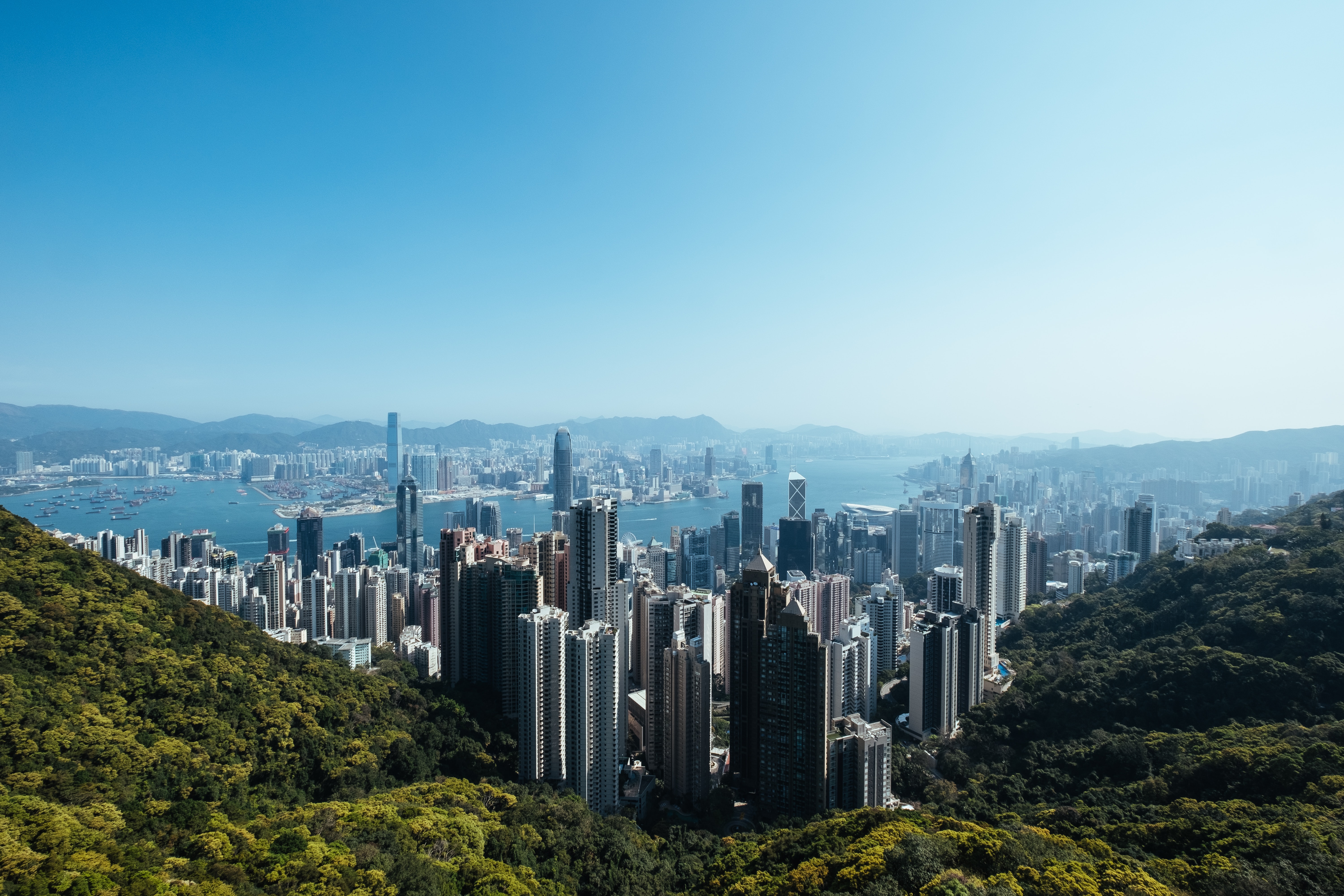
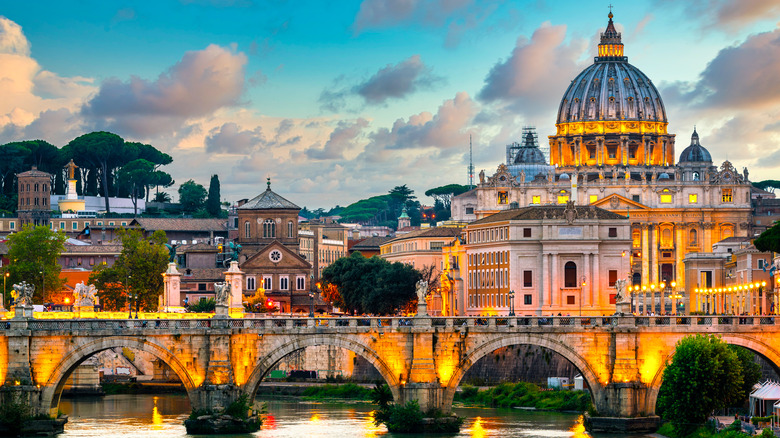
I've spent time in both cities. Bruges is undeniably beautiful. The canals catch the light in a way that makes every photograph look effortless, and the medieval centre is so intact it can feel almost unreal. That's also the problem. By mid-morning on a busy day, Bruges is running a managed experience designed almost entirely for the tourists flowing through it. The locals left the historic centre a long time ago. What remains is gorgeous and, at peak hours, relentless.
Ghent is different. It has the same medieval towers, the same canals, the same Flemish guild houses lining the waterfront. But it also has 66,000 students at its university and colleges, a neighbourhood food scene with genuine depth, and a historic centre where people still actually choose to live. The city invented Thursday Veggie Day in 2009, not as a gimmick but because the culture supported it. It has a craft beer scene that doesn't need the tourist trade to survive. It has neighbourhoods worth knowing about that aren't in the standard itinerary.
The difference between the two cities is not really about what you see. It's about what you feel when you're there. Bruges is an experience you observe. Ghent is a city you move through. For most travellers who have a few days in Belgium, that distinction matters more than any single sight.
Quick Guide to Ghent
Best for: Travellers who want medieval atmosphere without the crowds, great food, and a city that feels genuinely alive.
How many days: 2 full days minimum, 3 if you want to explore properly.
Getting there: 32 minutes by train from Brussels, 25 minutes from Bruges.
Best time to visit: April to June and September to October. Avoid July if you can't handle festivals (or embrace it if you can).
Is it expensive? Cheaper than Bruges and Brussels. Meals and drinks noticeably more affordable.
Best way to experience Ghent: Take a walk with a Lokafy guide and explore the city like a local.
Why Ghent, Not Bruges
Ghent is the city Belgians choose when they want to spend a weekend somewhere that isn't home. It was one of the wealthiest cities in medieval Europe, rivalling London and Paris in its heyday as a textile trading powerhouse. That history is still written into the skyline: three medieval towers visible from a single point in the old city, a waterfront that hasn't been sanitised for tourism, and a castle right in the urban centre.
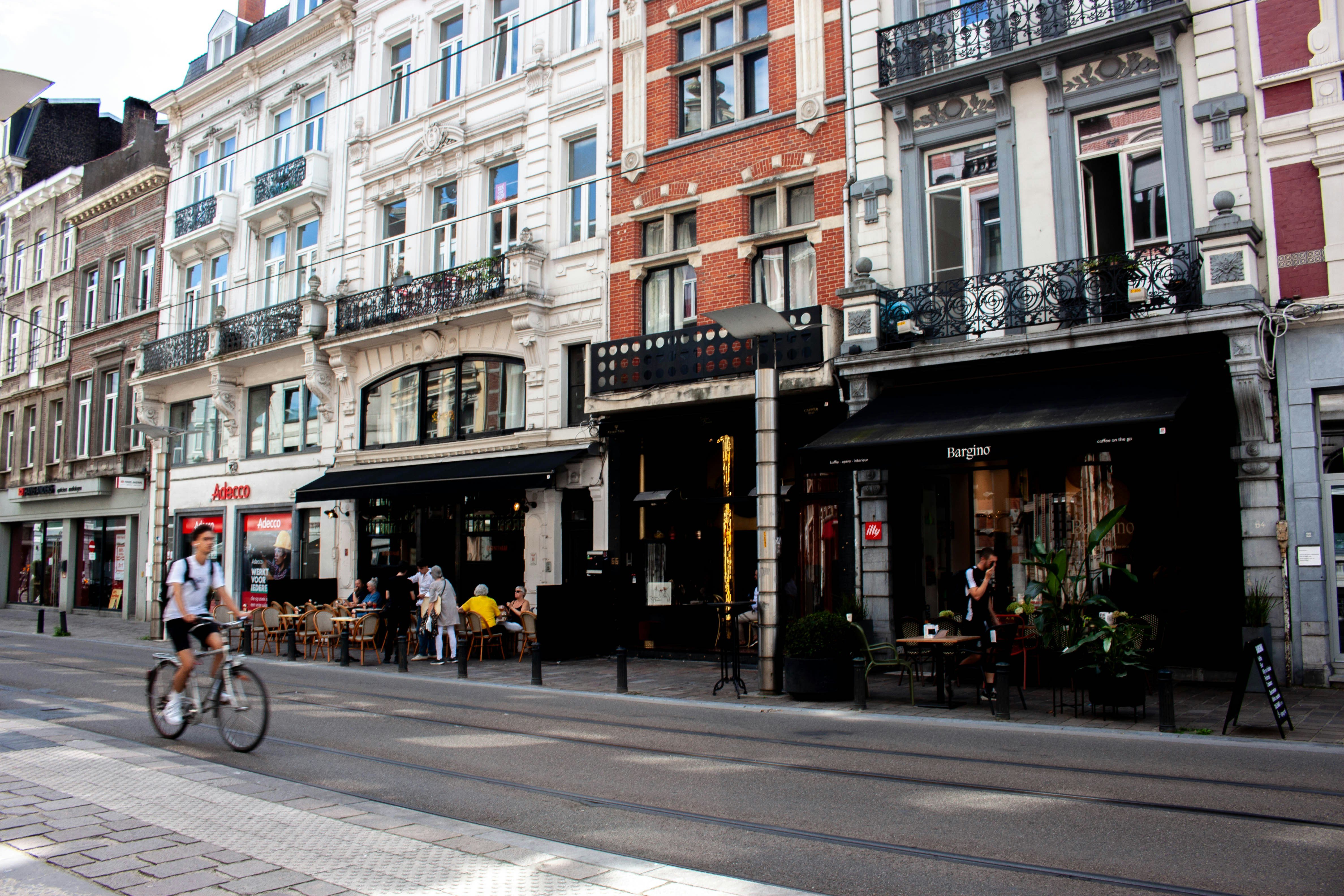
What separates it from Bruges is harder to photograph but immediately felt. Bruges has been hollowed out by tourism. The historic centre has roughly 20,000 residents. Ghent's centre is full of people who live and work there. Students cycle over medieval bridges. Locals drink at bars that aren't there for visitors. Restaurants serve food at prices that reflect a local economy, not a tourist premium.
The architecture is comparable. The canals are comparable. The ease of getting around is comparable. The feeling that you're somewhere real is not. In Ghent, if all the tourists left tomorrow, the city would keep going. That's rare, and for most travellers, that's exactly what makes it worth choosing.

The Neighbourhoods Worth Knowing
Patershol is the oldest neighbourhood in Ghent and the one most guides mention first. It earned its name from the Carmelite monks who once settled here. The streets follow medieval logic: narrow, winding, and with no obvious reason for going where they go. Today it's packed with restaurants and the odd art gallery. It's genuinely lovely, especially at dusk, though some streets have tipped from charming into restaurant district. Go one block deeper than the obvious route and the atmosphere returns. Jigger's cocktail bar is a notable stop once you've found it.
Vlaamse Kaai is where the local creative community settled. The canal-side stretch on the southern edge of the old city has independent restaurants, design shops, and a different energy from the historic centre. It doesn't photograph as dramatically as the Graslei waterfront, which is perhaps why it stays less crowded. This is where Ghent residents actually spend their evenings.
Overpoort is the student district, centred on a single street lined with more than 35 bars in a row. Thursday night is the unofficial student night, when the crowds arrive early and stay late. If that sounds like too much, avoid Thursdays. If it sounds exactly like what you want from a city, this is it. The energy is entirely genuine.
Dok Noord is the newest part of Ghent worth knowing about. A former industrial docklands area to the north, it's been converted into a creative and food hub. Hal 16, a food hall inside a brick warehouse, is the main draw. Dok Brewing Company operates here and usually has around 30 beers on tap. In summer, pop-up events, markets, and bars make it feel like a city within the city.
Where Locals Eat in Ghent

Ghent has two food identities that don't get talked about enough together. The first is deeply traditional Flemish cooking. The second is something genuinely progressive: in 2009, Ghent became the first city in the world to officially adopt a weekly meat-free day.
Waterzooi is the dish Ghent owns. Originally made with fish from the city's rivers, it shifted to chicken when those rivers became too polluted during industrialisation. The stew is built on a base of cream, egg yolk, and vegetable broth, with carrots, leeks, potatoes, and either chicken or fish cooked slowly together. It was reportedly a favourite of Holy Roman Emperor Charles V, who was born in Ghent. The fish version has had a quiet revival and is worth trying if you see it on a menu. De Rechters, next to St Bavo's Cathedral, serves a reliable traditional version. Mémé Gusta on Burgstraat goes for the cosy, family-recipe approach.
Thursday Veggie Day (Donderdag Veggiedag) started in Ghent in 2009 as a city-wide initiative. Most restaurants and institutions participate, and the culture has stuck. If you're in Ghent on a Thursday, the vegetarian menus are worth leaning into. The city has developed genuine skill in this area over fifteen years of weekly practice.
Stoverij is the Flemish beef stew cooked in beer, always served with fries. It's the other dish to order before leaving. Paired with a local beer, it's as representative of the city's food culture as waterzooi.
Jigger's Street and the Vrijdagmarkt area are where to wander for restaurants that work for locals. Den Baudelo is a food hall inside a 16th-century chapel on Bibliotheekstraat, which covers a lot of cuisines under one extraordinary ceiling. Publiek, a neighbourhood restaurant with a Michelin star and a tasting menu around 70 euros, is more accessible than that price point suggests. For fries specifically, the Belgian frietkot culture is serious here. Ask any local which chip shop they use.
For beer, the names locals actually visit: Dulle Griet is the most famous, Trollekelder is darker and more atmospheric, Waterhuis aan de Bierkant puts you on the water, and Dok Brewing Company is the pick for those who want something more modern.
What to Do Beyond the Gravensteen
The Castle of the Counts (Gravensteen) is perfectly fine. It's a 12th-century fortress in the middle of the city, which is a remarkable thing to have, and the interior includes a genuinely odd collection of medieval torture instruments. Worth an hour.
But Ghent has other things that most visitors don't find.
The Adoration of the Mystic Lamb in St Bavo's Cathedral is one of the most important paintings in European art history. The Van Eyck altarpiece has been stolen more times than any other artwork on record. It was taken by Napoleon. Individual panels have been separately stolen and ransomed. It survived the Second World War because it was hidden. Visiting it is not a tourist box to tick. It's actually a significant experience.
Ghent's street art scene is substantial and runs through the city's DNA in a way that doesn't feel imposed. The Graffiti Alley near the Werregarenstraat has been an official street art space since the 1990s. The murals change constantly. It's worth walking through more than once during a stay.
The Huis van Alijn museum in Patershol covers the history of everyday Flemish life in the 20th century. It's in a former almshouse and covers everything from how people cooked to how they celebrated. Less dramatic than the castle, considerably more interesting.
Stadshal is a covered public square built in 2012 that sounds like an odd thing to recommend. The acoustics are exceptional. On any given day you might walk into a performance, a choir rehearsing, or just the strange pleasure of hearing a medieval city echo under a contemporary structure.
The Graslei at night is genuinely worth staying up for. The medieval guild houses reflecting on the water are the most photographed image of Ghent. At night, with fewer people and better light, the reality matches the photographs.
Day Trip Logic: Ghent as a Base
The standard advice is to stay in Brussels and day-trip to both Ghent and Bruges. This is reasonable if your time is limited. But if you have three or more days in Belgium, there's a better argument for basing yourself in Ghent.
Ghent to Bruges by train takes 25 minutes. Ghent to Brussels takes around 32 minutes. From Ghent you can reach Antwerp in under an hour. The city sits at the practical centre of a triangle connecting all of Belgium's main destinations.
Bruges as a day trip from Ghent is the approach that Belgians actually take. You arrive before the cruise ship crowds, you leave when the day trippers fill the streets, and you return to a city that has somewhere to go in the evening. Bruges after dark is beautiful but quiet. Ghent after dark is where the night starts.
Hotel prices in Ghent are consistently lower than Bruges for comparable quality. The food is cheaper. The experience is more varied. For travellers who are spending multiple days in Belgium, Ghent earns its place as a base rather than a stop.
See Ghent the Way Locals Actually Do
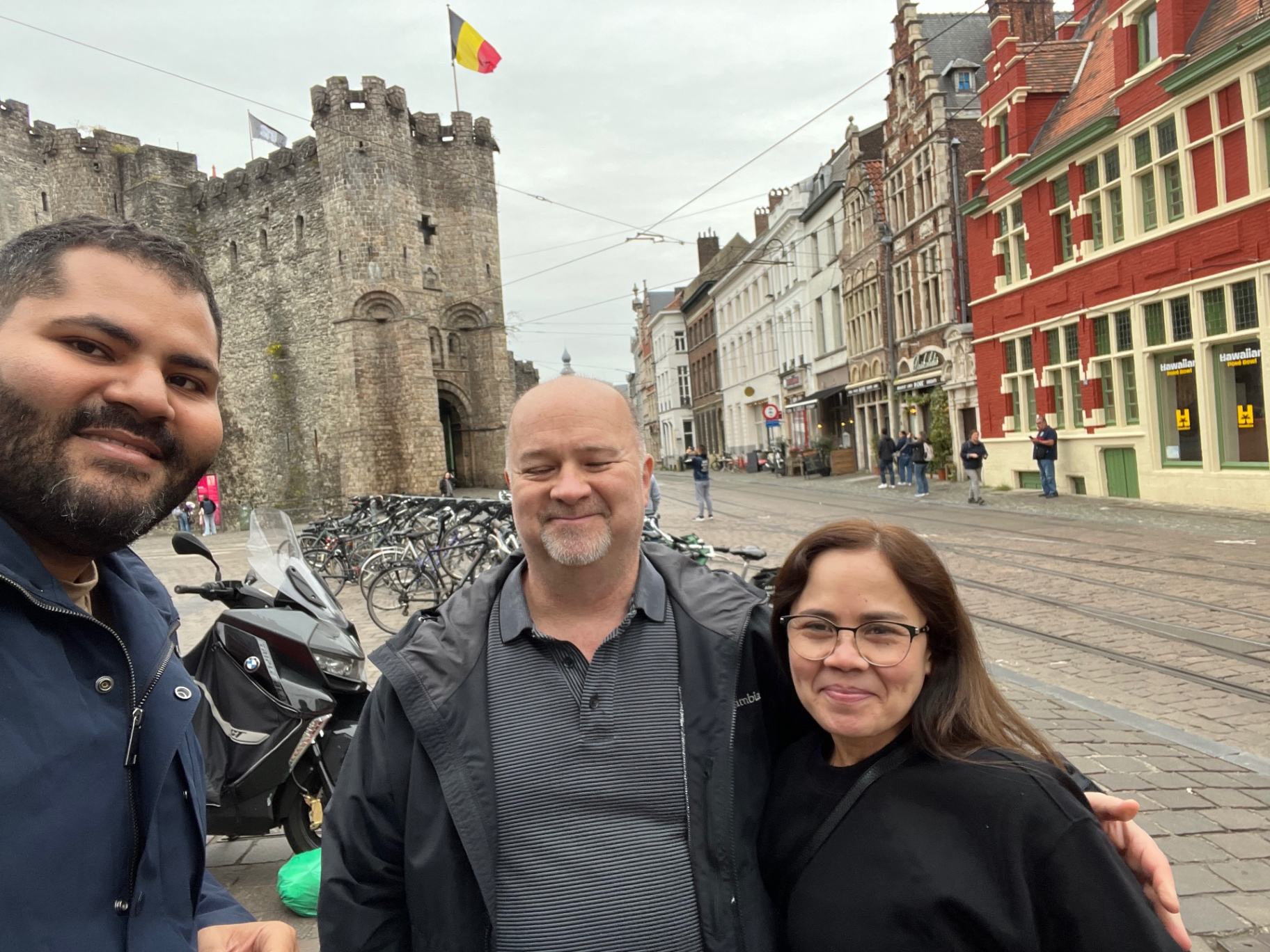
Reading about a city and experiencing it with someone who lives there are two completely different things. A Lokafy local in Ghent can take you through Patershol before the restaurant crowds arrive, point you to the frietkot they actually use, explain what the Gentse Feesten means to someone who grew up with it, and tell you which neighbourhoods are worth your time versus which ones are just on the map.
→ Have a local experience in Ghent with Lokafy
FAQs About Ghent, Belgium
Is Ghent worth visiting? Yes, and for most travellers it's a better choice than Bruges as a base. It has the same medieval architecture and canals, but with a living population, a strong food scene, lower prices, and none of the theme-park feeling that Bruges carries during peak tourist hours. If you want a Belgian city that functions like a city, Ghent is the answer.
How many days in Ghent? Two full days is the practical minimum. Day one covers the historic centre: Graslei, Patershol, the Gravensteen, St Bavo's Cathedral, and the Mystic Lamb. Day two goes further: Dok Noord, Vlaamse Kaai, the street art, and a proper evening out. A third day allows for a day trip to Bruges and a slower pace overall.
Ghent or Bruges: which should I visit? They're genuinely different experiences. Bruges is more polished and more photogenic in a concentrated way. It also receives far more tourist traffic, which changes the atmosphere significantly by mid-morning. Ghent is larger, livelier, and feels like a place where people actually live. If you want romance and picture-perfect canals, Bruges. If you want all of that with a functioning city underneath it, Ghent. If you're staying more than two days in Belgium, do both and stay in Ghent.
Is Ghent expensive? Cheaper than Bruges and cheaper than Brussels. A standard restaurant meal in the historic centre is noticeably less expensive than the equivalent in Bruges, where tourist pricing is embedded. Beer, coffee, and accommodation all follow the same pattern. Ghent is a student city, which keeps prices grounded across most categories.
What is Ghent known for? Ghent is known for its three medieval towers (the Cathedral of St Bavo, the Belfry, and St Nicholas' Church), the Castle of the Counts, and the Van Eyck altarpiece considered one of the most important paintings in Western art. It's also known for waterzooi, the creamy Flemish stew that originated here, and for being the birthplace of Thursday Veggie Day, a city-wide weekly meat-free initiative that began in 2009.
Best time to visit Ghent? April to early June and September to mid-October are the best windows. The weather is mild, the city is active, and crowds are manageable. July brings the Gentse Feesten, a massive ten-day festival that fills the entire old city with stages and music. It's one of the biggest street festivals in Europe and genuinely worth experiencing if you're prepared for crowds and noise. August is busy. Winter is quiet and atmospheric but some outdoor bars close.
Is Ghent walkable? Completely walkable for everything covered in this guide. The historic centre is compact enough to cover on foot, and most of the neighbourhoods worth knowing sit within easy walking distance of each other. Bikes are everywhere and the cycling infrastructure is good. Public transport connects the further reaches of the city reliably.
Enjoyed this article?