The first time I did the Cologne Christmas markets, I made the classic mistake. I showed up on a Saturday night, headed straight for the Cathedral, queued ten minutes for a Glühwein and spent the next half hour being shuffled along by a stag party in matching Santa hats. I left thinking the whole thing was overrated. A Cologne friend fixed that the following winter. She walked me across town on a Tuesday, starting before lunch and finishing under the old trees of the Stadtgarten long after dark, and somewhere between a paper plate of potato pancakes on the Heumarkt and a boot-shaped mug of mulled wine at Rudolfplatz, the city won me over. Cologne runs a whole chain of Christmas markets, most of them less than 20 minutes apart on foot, and each one has its own personality. This is the route she showed me, with everything locals have told me since.
Quick Guide: Cologne Christmas Markets Key Takeaways
- Primary Recommendation: Walk the markets as one route: Cathedral, Old Town, Harbour, Neumarkt, Rudolfplatz, then the Stadtgarten. It's roughly 5 to 6 km on flat ground and fits comfortably into an afternoon and evening.
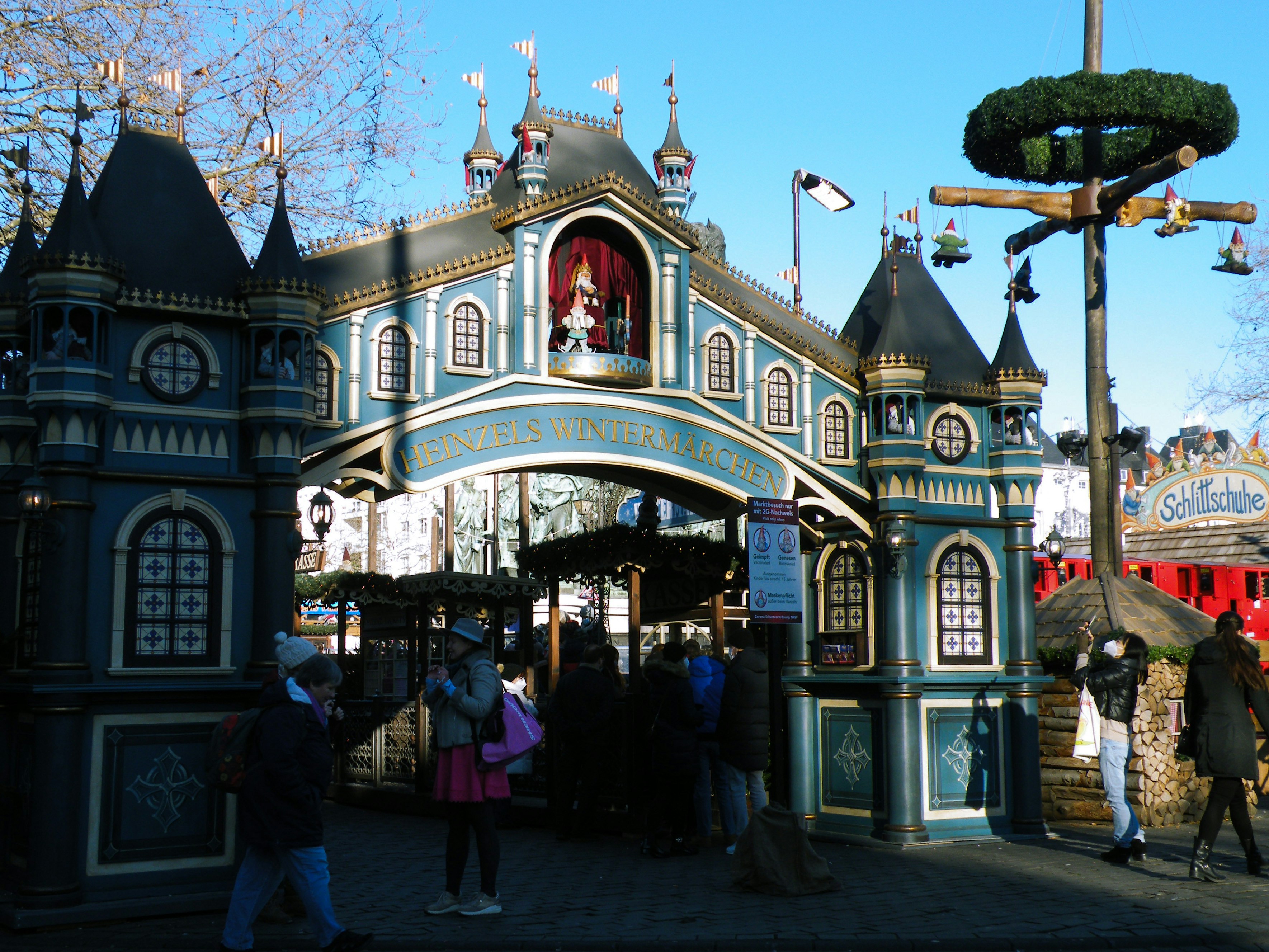
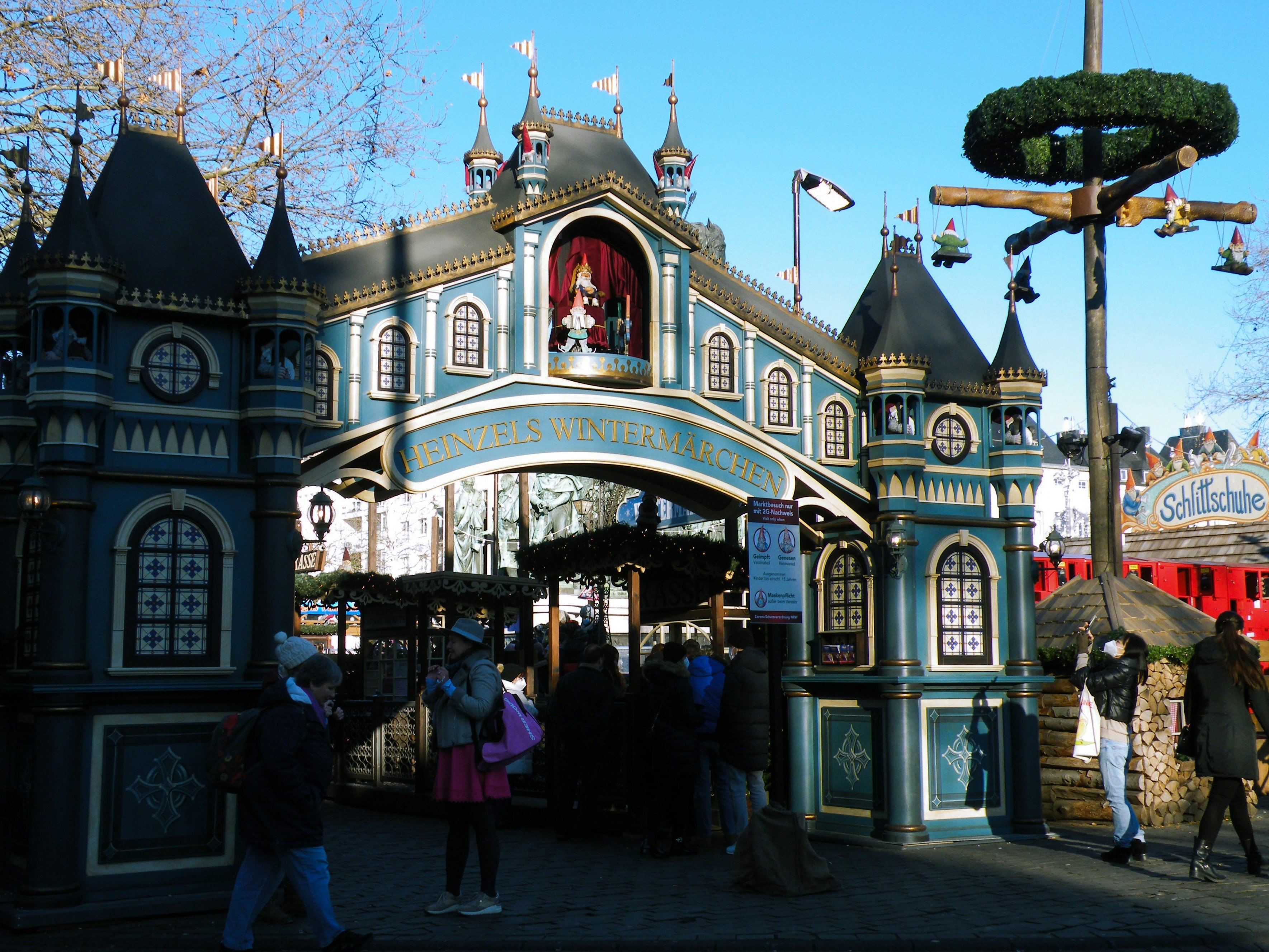
- Top Choice for Atmosphere: Heinzels Wintermärchen in the Old Town. Go on a weekday before 3pm and book a slot on the ice rink that loops around the Heumarkt's equestrian statue before the after-work crowd arrives.
- Value Pick/Vibe: The Stadtgarten market and Vringsadvent on Chlodwigplatz, for travellers who want the neighbourhood markets Cologners meet their friends at, with handmade gifts and much shorter queues.
- The Best Way to See the Markets: Take a private, personalised walking experience with Lokafy in Cologne and discover the markets, Kölsch pubs and side streets a local would pick for you.
When Are the Cologne Christmas Markets Open?
The main Cologne Christmas markets open in the second half of November, roughly two weeks before the first Sunday of Advent, and close on 23 December. The Cathedral, Neumarkt and Rudolfplatz markets all open on the same Monday. Heinzels Wintermärchen in the Old Town opens one week later, and the Harbour market at the Chocolate Museum opens a few days earlier than everyone else.
A few dates catch visitors out every year:
- Totensonntag (the last Sunday before Advent) is a quiet public holiday in Germany. The Cathedral, Neumarkt and Rudolfplatz markets close for the whole day, and the Harbour market only opens in the evening.
- After 23 December, only two keep going. The Heumarkt half of Heinzels Wintermärchen, rink included, runs into January (closed on 24 and 25 December), and the Harbour market stays open until early January.
- Opening hours at the Cathedral are 11am to 9pm Sunday to Wednesday, 11am to 10pm Thursday and Friday, and 10am to 10pm on Saturday. Neumarkt and Rudolfplatz run 11am to 9pm Sunday to Thursday and until 10pm on Friday and Saturday, with the mulled wine stands staying open an hour later. Heinzels Wintermärchen opens daily from 11am to 10pm.
Organisers publish exact dates each summer, and the Cathedral market labels its dates as provisional until closer to the season, so check the official sites before you book anything non-refundable.
The Route at a Glance
Cologne's big markets sit in a rough horseshoe around the old centre, which makes them easy to link on foot. Here's how the walk plays out, with approximate walking times between stops:
- Christmas Market at the Cathedral on Roncalliplatz. Start here at 11am.
- Heinzels Wintermärchen on Alter Markt and Heumarkt, about 5 to 10 minutes away.
- Harbour Christmas Market at the Chocolate Museum, about 15 minutes south along the Rhine.
- Markt der Engel on Neumarkt, about 25 minutes back through the Old Town and along Schildergasse.
- Nikolausdorf on Rudolfplatz, about 10 minutes west along Hahnenstraße. Aim to arrive at dusk.
- Heavenue on Friesenplatz, about 7 minutes north along the Ring.
- Christmas Market in the Stadtgarten, about 10 minutes further, to finish the night.
Timing matters more than the order. The central markets get busier by the hour, so you want the Cathedral and Old Town in daylight and the smaller, more local markets for the evening when the city comes out after work.
Stop 1: The Christmas Market at the Cathedral
Start where everyone starts, but start early. The market on Roncalliplatz sits right under the south side of Cologne Cathedral, with around 150 stalls, a huge Christmas tree in the middle and a canopy of lights strung overhead. It's the most photographed market in the city for a reason, and at 11am on a weekday you can walk it without bumping shoulders.
This is a good market for gifts made by craftspeople and for the stage programme, which runs more than 100 free events over the season. If you're travelling with kids, there's a children's programme from Tuesday to Thursday with puppet theatre and face painting.
Local tip: buy your first Glühwein here and keep the mug if you like it. Most Cologne markets serve their mulled wine in their own mug, with a design that usually changes each season, and you pay a small deposit (Pfand) when you order. Hand it back at the market where you bought it for your money back, or keep it as the cheapest souvenir in town.
Stop 2: Heinzels Wintermärchen on Alter Markt and Heumarkt
Walk south past the Cathedral and down towards the river, and the lanes of Heinzels Wintermärchen start almost immediately. This is Cologne's biggest Christmas market, spread across two squares with more than 100 stalls arranged in themed alleys.
The theme comes from the Heinzelmännchen, the little house gnomes of Cologne legend. The story, made famous by August Kopisch's 1836 poem, says they crept out at night to finish the work of the Old Town's lazy tradesmen, until a curious tailor's wife caught them in the act and they vanished for good. You'll see them everywhere here, on mugs, rooftops and stall signs.
On Alter Markt, find the craftsmen's alley, where you can watch woodcarvers and blacksmiths working at their stalls. Kids can shape candy canes or get a horseshoe forged with their name on it. Then cross to the Heumarkt for the main event: an open-air ice rink with straights over 100 metres long that circles the square's grand equestrian monument. Tickets can be booked online, and curling lanes (Eisstockschießen) get snapped up early by office Christmas parties, so book ahead if you want one.
This is a good place for lunch. Follow the smell to the food alley (Futtergasse) for Reibekuchen, Cologne's crispy potato pancakes, known in the local dialect as Rievkooche and eaten with apple sauce. If you want to warm up indoors, the Malzmühle brewery pub sits on the Heumarkt itself and has been pouring its own Kölsch for generations.
Stop 3: The Harbour Christmas Market at the Chocolate Museum
From the Heumarkt, head down to the Rhine promenade and follow the river south. After about 15 minutes you'll reach the Harbour Christmas Market (Hafen-Weihnachtsmarkt), set on the square in front of the Chocolate Museum at the entrance to the Rheinauhafen.
This is the market locals point visitors to when they want something with a different setting. The stalls sit between the river, the old swing bridge (the oldest surviving bridge in the city) and the Malakoff Tower, a historic watchtower at the harbour mouth. In recent seasons a Ferris wheel has stood here too, with a view straight back up the river to the Cathedral.
It's smaller than the Old Town markets, and in the early afternoon it's calm enough to grab a bench by the water with a hot drink. If the weather turns, the Chocolate Museum next door is an easy hour indoors.

Stop 4: Markt der Engel on Neumarkt
Walk back north past the Heumarkt and then west along Schildergasse, Cologne's busiest shopping street, until it opens onto Neumarkt. Allow about 25 minutes, more if you stop to window shop.
Markt der Engel (the Market of Angels) is the oldest Christmas market in Cologne, and it's the one many locals call the prettiest. The 90 or so huts are all painted in white and cream, a sky of stars hangs over the lanes and costumed angels wander between the stalls handing out gold dust. The gift selection here is more considered than at the bigger markets, with plenty of handmade pieces and small makers.
The food is excellent too. Look for Flammlachs (salmon slow-cooked on planks beside an open fire), Café Riese's Cologne Cathedral waffles and Baumkuchen, a layered German cake baked on site. On Wednesdays the market runs an after-work event from 6pm at its Wolke bar, and it fills up with people from the offices around Neumarkt.
Stop 5: Nikolausdorf on Rudolfplatz and Heavenue on Friesenplatz
From Neumarkt, follow Hahnenstraße west for about 10 minutes to Rudolfplatz. Time this stop for dusk. In December the sun sets around half past four in Cologne, and Nikolausdorf (St. Nicholas Village) looks its best as the lights come on in front of the Hahnentorburg, one of the city's surviving medieval gates.
The village lanes are cosy and family friendly. St. Nicholas himself walks through the market every day between 4:30pm and 5:30pm, and from 6pm the stage in front of the gate hosts local Kölsch-singing acts and entertainers. The Glühwein comes in the famous boot-shaped mug, which is the one collectors hunt for.
From here, walk north along the Hohenzollernring for about 7 minutes to Friesenplatz and Heavenue, Cologne's LGBTQ+ Christmas market. It opens in the early afternoon, gets livelier as the evening goes on and welcomes everyone. It's a fun stop for a drink and some people watching. If you'd rather sit down, Päffgen, one of Cologne's classic family-run brewery pubs, is on Friesenstraße, a short walk from the square. Order a Kölsch and the waiter (called a Köbes) will keep bringing fresh glasses until you put your beer mat on top of the glass.
Stop 6: The Christmas Market in the Stadtgarten
Finish where the locals finish. The Stadtgarten is Cologne's oldest park, on the edge of the Belgian Quarter, about 10 minutes' walk from Friesenplatz. Each winter the beer garden of the park restaurant becomes a small Christmas village under the bare trees, with strings of lights running between the branches and wooden benches packed with friends after work.
This market leans independent. More than 60 exhibitors rotate every week, so you'll find ceramics made in Cologne, local prints, vintage-style clothing and design pieces you won't see at the central markets. There's a good vegan selection, and the Glühwein is organic and made by a winemaker. It's one of the pricier cups in town, and most regulars think it's worth it.
Check the hours before you go. In recent years the Stadtgarten market has opened at 4pm on weekdays and from midday at weekends, which is why it works so well as the last stop.
Worth the Detour: Vringsadvent on Chlodwigplatz
If you have a second afternoon, take the tram to Chlodwigplatz in the Südstadt for Vringsadvent, a small neighbourhood market beneath the Severinstorburg, another of Cologne's old city gates. It began in 2014 with a giant Feuerzangenbowle (mulled wine with a rum-soaked sugar cone set on fire above it) and has grown into a local favourite, with shopkeepers, clubs and artists from the neighbourhood running the stalls and a children's carousel in the middle. It opens a few days after the big central markets and runs until 23 December. Combine it with a wander down Severinstraße, one of the few streets in Cologne that still feels like a village high street.
What to Eat and Drink Along the Way
Pace yourself. With six or seven stops, it's easy to eat a full meal by 2pm. A few things worth saving room for:
- Reibekuchen: crispy potato pancakes with apple sauce, found at most markets and best eaten hot from the pan.
- Flammlachs: salmon cooked on wooden planks over an open flame, a speciality at Markt der Engel and Heinzels Wintermärchen.
- Handbrot: a warm stuffed bread loaf, usually filled with cheese and ham, and easy to eat while walking.
- Käsespätzle: soft egg noodles baked with mountain cheese and fried onions, the ideal winter comfort food.
- Glühwein: red or white mulled wine, or a Kinderpunsch (non-alcoholic punch) if you're pacing yourself. Many stalls also sell it "mit Schuss", with a shot of rum or amaretto.
- Kölsch: Cologne's local beer, served in small 0.2-litre glasses. Most markets pour it, but it tastes better in a brewery pub.
Local Tips for Beating the Crowds
- Go on a weekday. Saturday evenings at the Cathedral and the Old Town are shoulder to shoulder, especially on Advent weekends. Tuesday to Thursday before 3pm is the sweet spot.
- Come in the first week. The markets open almost two weeks before Advent, and those opening days are noticeably quieter than the December rush.
- Walk the big markets first. Save the Stadtgarten and the neighbourhood markets for the evening, when the centre is at its busiest.
- Carry some cash. More stalls take cards every year, but smaller vendors and deposits often still work best with coins.
- Bring a tote bag. Paper bags from the stalls don't survive Cologne drizzle, and it usually drizzles.
- Dress for damp cold. December temperatures usually sit a few degrees above freezing, and standing still with a drink is colder than walking. Waterproof shoes help on the cobbles.
- Return the mug to the right market. Each market uses its own mugs, so hand yours back at the market where you bought it.
See Cologne's Christmas Markets With a Local

The route above will get you to every market worth your time. What it can't do is tell you which stall has the best Reibekuchen this year, which brewery pub has a free table at 5pm or which quiet lane near the Heumarkt the locals use to skip the crowds. That's where a Lokafyer comes in.
With Lokafy, you get a private, personalised walking experience with a local who lives in Cologne. Tell them what you're into, from food and gift shopping to history or dodging the stag parties, and they'll shape the walk around you, from a first Glühwein under the Cathedral to a last Kölsch in the Belgian Quarter. Winter dates book up quickly once the markets open, so it pays to plan early.
Book your Cologne walking experience with a local on Lokafy
Planning to stay a few extra days? Read Why Cologne Surprises Everyone (And What Locals Want You to See First) for the rest of the city.
Frequently Asked Questions
What is the best Christmas market in Cologne?
For atmosphere and size, Heinzels Wintermärchen in the Old Town is the most popular with visitors, thanks to its ice rink and gnome-themed alleys. The Cathedral market has the most dramatic setting. Locals often prefer Markt der Engel on Neumarkt for its gifts and the Stadtgarten market for an evening with friends.
Can you walk between the Cologne Christmas markets?
Yes. The main markets at the Cathedral, Alter Markt, Heumarkt, the Chocolate Museum, Neumarkt, Rudolfplatz and Friesenplatz are all within walking distance of each other. A route that ends at the Stadtgarten covers roughly 5 to 6 km on flat ground, with no more than about 25 minutes between any two stops.
When do the Cologne Christmas markets open and close?
Most central markets open in the second half of November, around two weeks before the first Sunday of Advent, and close on 23 December. Heinzels Wintermärchen opens a week after the others. The Heumarkt ice rink and the Harbour market stay open into January. Most markets close on Totensonntag, the Sunday before Advent.
How many days do you need for the Cologne Christmas markets?
One full day is enough to walk all the main markets if you start at 11am and finish in the evening. A second afternoon lets you add neighbourhood markets like Vringsadvent on Chlodwigplatz and slow down at the ones you liked most.
Are the Cologne Christmas markets open on Christmas Eve?
No. Most markets close for the season on 23 December. The Heumarkt part of Heinzels Wintermärchen closes on 24 and 25 December and reopens afterwards, and the Harbour market at the Chocolate Museum runs into early January.
When is the least crowded time to visit?
Weekday mornings and early afternoons, especially Tuesday to Thursday, are the quietest. The first week after opening, before Advent begins, is calmer than December. Saturday evenings and Advent weekends at the Cathedral and Old Town are the busiest times of the season.
Do Cologne Christmas markets accept cards?
Many stalls now accept cards, but not all of them. Carry some cash for smaller vendors, mug deposits and quick snacks.
Enjoyed this article?