We’ve come a long way in recognizing the importance of diversity, visibility and representation. Slowly but surely, they have become essential values of our societies, and every day, more people join the fight to safeguard these values and spread them even further. However, it is with a heavy heart that we have to be aware of the rise of intolerance, the sectarianism and divisions that plague our communities and societies and create hostile environments. Given all of this, it becomes obvious that any event that tries to overcome divisions and celebrate what makes us unique is more than welcome and should be protected at all costs. That is why, here at Lokafy, we want to join the celebration of Black History Month in February by talking a bit about the event, thinking about its roots and impact nowadays.
Okay, so let’s start by answering these questions: What does Black History Month mean? How did it all start? Actually, Black History Month is a way to celebrate and commemorate all the achievements and victories of African Americans throughout the US’ history. It is a way to give visibility to this community and recognize what they have accomplished in spite of the obstacles, violence and repression they have suffered. It all began thanks to Carter G. Woodson, the second black American to receive a PhD from Harvard in history. He was passionate about history and believed that the public needed to know African Americans history, so he devoted his life to do just that. He co-founded the Association for the Study of Negro Life and History, and in 1926, they declared the second week of February as “Negro History Week”. Decades later, this week-long event turned into Black History Month, after president Gerald Ford declared the importance of honoring the lives of Black Americans across history. Since then Black History Month has become a key part of African American representation in the US, and other countries have followed suit, such as Canada, Germany or the UK.

Carter G. Woodson, a passionate scholar on Black History, was the forefather of Black History Month as we know it today.
Black History Month today:
The celebrations of Black History Month have a tracking record of almost 100 years, so of course there have been countless changes in it. We’ve already seen the transformation in its name and duration, but how many people celebrate, its scope and objectives have also changed! First of all, it is important to say that Woodson’s Association for the Study of Negro Life and History has evolved into the Association for the Study of African American Life and History (ASALH), which every year chooses a theme to intertwined with Black History Month. For example, for 2024, they will focus on African Americans and the Arts, trying to grasp the African and Caribbean influences and the way African Americans have used music, fashion, art, theater, literature and so on to express their views, reflect on Black everyday life and preserve their memory and history.
Additionally, over the years more institutions have joined the celebration of Black History Month, and thus, nowadays you’ll find film screenings, museum exhibitions, pieces of art, theater and music performances solely focused on African Americans' contributions, incredible lives and fights. With all of this, the general public has gained multiple sources of information and ways to understand the magnitude of African Americans’ impact on the US’ society. The discussion has left the academic realm and fortunately, there has been an explosion in the different instruments used to express feelings, share ideas and do activism.

Black History Month is celebrated through lots of different artistic expressions, a beautiful way to recognize the creativity of Black people.
Around the world:
Even though Black History Month has a deep connection with the US’ history, that doesn’t mean that other countries have not followed suit in order to recognize a part of their societies that have been often overlooked. At the end of the day, discrimination and racism are unfortunately global phenomenons. For example, Canada was one of the first countries to adopt Black History Month as well (it takes place in February), when in 1995 African-Canadian parliament member Jean Augustined pushed for Black History Month to be recognized in the country. These are small steps in order to create discussions around the ways in which Black Canadians have shaped the country’s identity and destiny from the very beginning.
In the last decades, Europe has also gone through a reckoning of the racism, colonialism and discrimination present in their histories. Trying to navigate the contradictory and difficult legacy of their empires, several countries in the Old Continent have also turned to Black History Month in order to celebrate a part of their societies that has been unfairly silenced. In the UK, celebrations happen in October and although in the beginning they focused more on African American history, it wasn’t long before they realized that Black British lives needed their own space and the recognition of their role in the creation of the modern UK. For the Netherlands, everything is quite recent, because it wasn’t until 2015 that the country started the Black Achievement Month, which also takes place in October, as a collaboration with the National Institute for Slavery and Heritage. Their main activities account for performances in arts, such as theater, dance and film and they seek to honor the Black community and educate on their influence and contributions to Dutch culture.
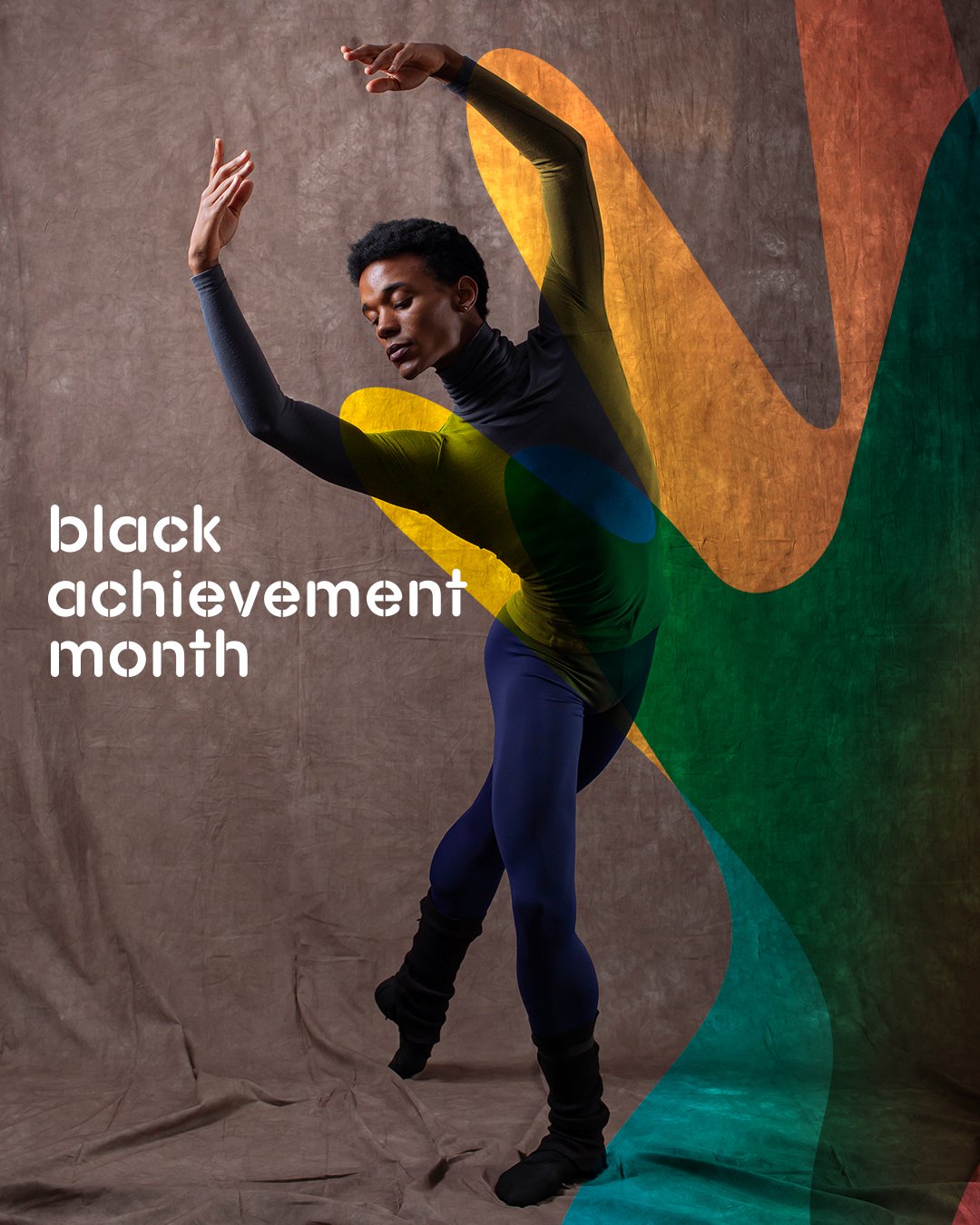
Black History Month in the Netherlands has been named Black Achievement Month and its main focus is to highlight how Black Dutches have impacted the country’s culture.
As you can see, Black History Month has become essential not only in the US, but across the world as well. This event is the perfect example of the power that history has, because it can drastically change your perception on something. Black history is rich in culture, ideals, success and resilience; throughout history, there have been remarkable Black people that have changed the course of events and that now you get to know. Even though recognizing the damage that slavery and discrimination have done is crucial, that’s not all that Black history is about. Joy, love, wisdom and power are essential elements of Black stories. So, there’s nothing better than having a month to celebrate, commemorate and learn through art, music, theater, discussions and all kinds of resources. Everything boils down to this clear message: Black lives have always mattered.
Enjoyed this article?