I went to Bari expecting a ferry port with a nice old town attached, the sort of place you pass through on the way to Polignano. Then I found myself standing in a dark piazza at five in the morning on 6 December, holding a paper cup of hot chocolate, surrounded by grandmothers in fur coats and teenagers who had clearly not been to bed, while bagpipes echoed down an alley barely wider than my shoulders. Bari is where the real Santa Claus is buried, and the city throws him a party every winter that almost no foreign visitor knows about. This guide is built around that week, with the help of people who live there.
Quick Guide: Bari in St Nicholas Season
- Primary Recommendation: Be inside or outside the Basilica di San Nicola before dawn on 6 December. The doors traditionally open at 4am, the first Mass starts at 5am, and hot chocolate with fried sgagliozze is handed around afterwards.
- Top Choice for Food: Focaccia barese from Panificio Fiore, the wood-oven bakery behind the cathedral. Insider tip: go mid-morning on a weekday and the queue is short or gone.
- Value Pick: Raw sea urchins and octopus at N'derr'a la lanze, the fishermen's corner on Molo San Nicola, for travellers with adventurous stomachs. Urchins usually go for around €0.50 to €1.50 each.
- Best Atmosphere: Piazza del Ferrarese on the evening of 6 December, when the city switches on its giant Christmas tree and Christmas in Bari officially begins.
- The Best Way to See the City: Take a private, personalised walking experience with Lokafy in Bari and discover the courtyards, bakeries and feast-day traditions of Bari Vecchia with a local.
Why Visit Bari in Winter
Bari is the capital of Puglia and the largest city on Italy's southern Adriatic coast, and most travellers only meet it in summer, on their way to beaches and trulli. Winter suits it better. December days usually reach around 14°C with nights near 7°C, the sea stays around 15°C, and the light along the waterfront turns clear and silvery on sunny days. Pack layers and a proper rain jacket, because December brings several wet days and the wind off the Adriatic has teeth.
The bigger reason to come is the calendar. Barese families celebrate St Nicholas twice a year. The May festival (7 to 9 May) marks the arrival of his relics from Myra in 1087 and brings huge crowds, a historic parade and boats on the water. The 6 December feast is the anniversary of his death, and locals call it "the San Nicola of the Baresi" because it belongs to the city rather than to the pilgrims. It is smaller, colder and far more intimate, and it is the day Bari officially starts Christmas.
In 2026, 6 December falls on a Sunday, and Italy's national Immaculate Conception holiday follows on Tuesday 8 December. Expect Italian visitors to turn that into a long weekend, so book rooms in Bari Vecchia or the Murat district early.
St Nicholas, Santa Claus and Why Bari Matters
Nicholas was a 4th-century bishop of Myra, in what is now Turkey, famous for secretly giving gifts, most famously dowry money for three poor sisters. That habit of anonymous generosity is the root of the Santa Claus story. In 1087, sailors from Bari took his bones from Myra and brought them home, and the Basilica di San Nicola was built over them.
The relics rest in the crypt, beneath an altar surrounded by 26 columns. Orthodox Christians treat Bari as one of their most important pilgrimage sites, and a side apse in the crypt is set aside for Orthodox worship. You will often hear Russian, Greek or Serbian being spoken down there. Orthodox churches that follow the old calendar celebrate the feast on 19 December, so pilgrim groups keep arriving through the month.
Look for the reddish marble column in the crypt, known locally as the "miraculous column". Older Baresi tell stories of unmarried women circling it in the hope of finding a husband, since Nicholas is also the patron of young women hoping to marry. Today it sits behind a protective barrier, so treat it as a story to hear rather than a ritual to join.
The Basilica is free to enter and usually opens from early morning until about 8:30pm, staying open later on Sundays. Dress modestly and keep quiet during Masses.
How 6 December Unfolds in Bari
The exact programme is published by the Basilica a week or two beforehand, so check it once you arrive. The shape of the day stays remarkably consistent from year to year.
Late November: The silver statue of the saint is brought out and displayed inside the Basilica in the days before the feast.
4am: The Basilica doors open in the dark. Drummers from the Militia Sancti Nicolai, a local historical group, announce the feast near the Fortino Sant'Antonio, and zampognari (bagpipe players from the countryside around Bari) wander the old town until about 9am.
5am: The first Mass, followed by several more through the morning. The crowd is mostly local, and it fills up fast.
After the dawn Mass: The fiaccolata nicolaiana, a torch relay, arrives in front of the Basilica, and the square fills with steaming cups of hot chocolate and paper cones of sgagliozze. This is the moment Baresi wait for all year, and it is the moment to be there.
Evening: A solemn Mass in the Basilica is followed by a procession carrying the statue of the saint through the lanes of Bari Vecchia. Around 8pm the city's huge Christmas tree is lit in Piazza del Ferrarese, and fireworks over the old port usually close the night.
A practical note from locals: the old town gets busy after dark on the 6th and traffic is restricted all day, so walk everywhere and leave the car outside the centre.
Bari Vecchia: The Old Town Beyond the Two Churches
Bari Vecchia sits on a small peninsula, and you can cross it on foot in fifteen minutes. People spend days inside it anyway, because the joy is in the detours.
Start at the Basilica di San Nicola, then walk five minutes to the Cattedrale di San Sabino, the city's other great Romanesque church, where the crypt and the excavations beneath it are worth the small fee. On the way, keep your eyes open for the little shrines to St Nicholas set into walls on almost every lane.
From the cathedral, follow Strada dell'Arco Basso, known to everyone as the street of the orecchiette. Women sit at tables in their doorways shaping pasta with a flick of a knife, and many sell bags of it to take home. Locals suggest using the quieter Strada Arco Alto that runs alongside it if the main street is jammed with groups. It leads to Largo Albicocca, a small square where doorway fryers still work in the early evening, turning out sgagliozze (fried polenta squares) and popizze (puffed fried dough balls).
The Castello Normanno-Svevo, the Norman-Swabian castle on the old town's western edge, is the obvious landmark. Its moat and walls make a dramatic backdrop at night, and the interior hosts exhibitions. Check opening days before you go, as state museums in Italy often close one day a week.
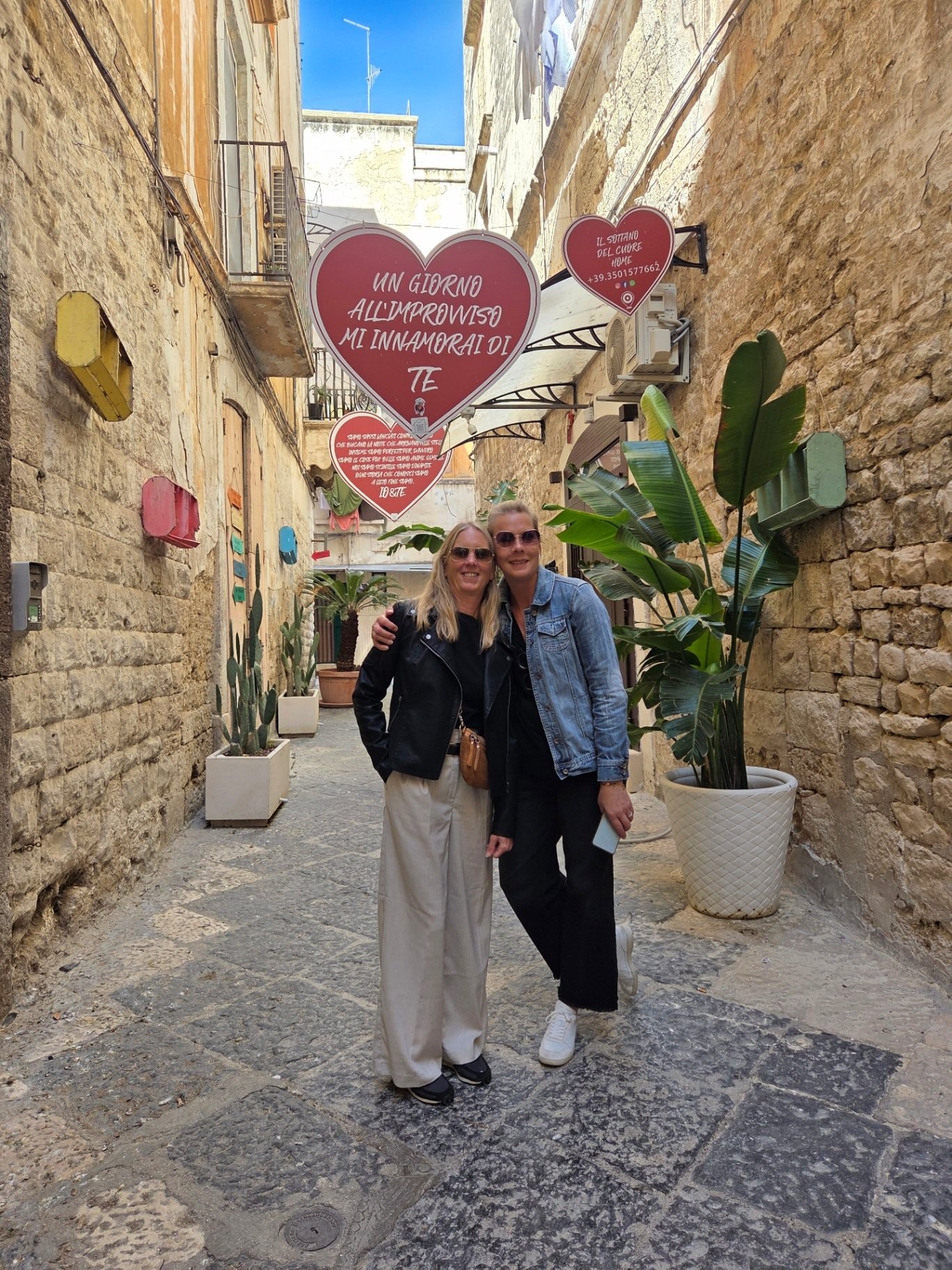
What makes Bari Vecchia special is how lived-in it still is. Laundry hangs over chapels, kids play football against medieval walls, and doors open onto tiny courtyards where neighbours sit in plastic chairs. A local who grew up here can tell you which courtyard belongs to which family, and that kind of context is the difference between seeing the old town and understanding it.
The Lungomare and the Muraglia
The old town is wrapped in a defensive sea wall called the Muraglia, and walking along the top of it at sunset is one of the best free things to do in Bari. Families stroll, couples lean on the parapet, and on mild evenings locals gather at bars for an aperitivo looking out over the water. La Ciclatera, a wine bar on the wall, comes up again and again when Baresi recommend where to drink a glass of Puglian wine with snacks.
At the eastern end of the old town, the wall meets the Molo San Nicola and the old port. This is where you find N'derr'a la lanze, which in Barese dialect means "at the foot of the boats". Fishermen sell sea urchins, octopus, mussels and clams straight off the boats, cleaned and opened in front of you and eaten raw with a squeeze of lemon and a piece of bread. It runs in the morning, roughly 7am to 1pm, and the hour between 8 and 10 is when it feels most alive. Sea urchins are at their best in the cooler months, which makes December an excellent time to try them. It is a working pier with no restaurant hygiene standards, so if your stomach is sensitive, order cooked seafood elsewhere instead.
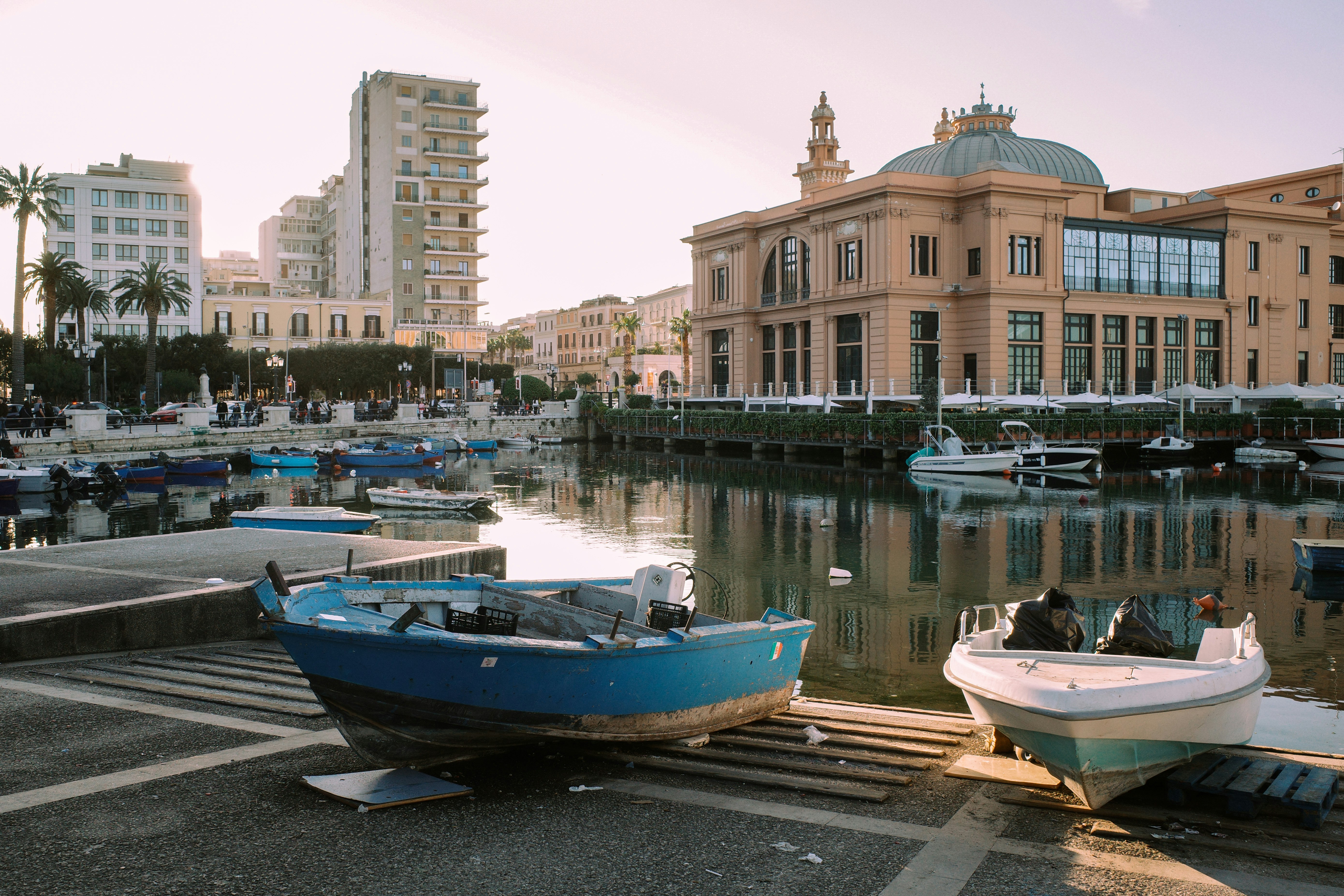
Right next to it, the pink and orange Teatro Margherita stands on stilts over the water. It was built between 1912 and 1914 and reopened in 2018 as a space for contemporary art exhibitions, so check what is showing.
From here the Lungomare Nazario Sauro runs south past grand 1920s and 1930s buildings, with mosaic paving, iron lamps and a long white balustrade. Walk it on a bright winter morning and you will share it with joggers, retired men arguing about football, and fishermen mending nets. Keep going towards the Madonnella neighbourhood and you reach Pane e Pomodoro, the locals' city beach, empty and peaceful in December.
Where Locals Eat in Bari
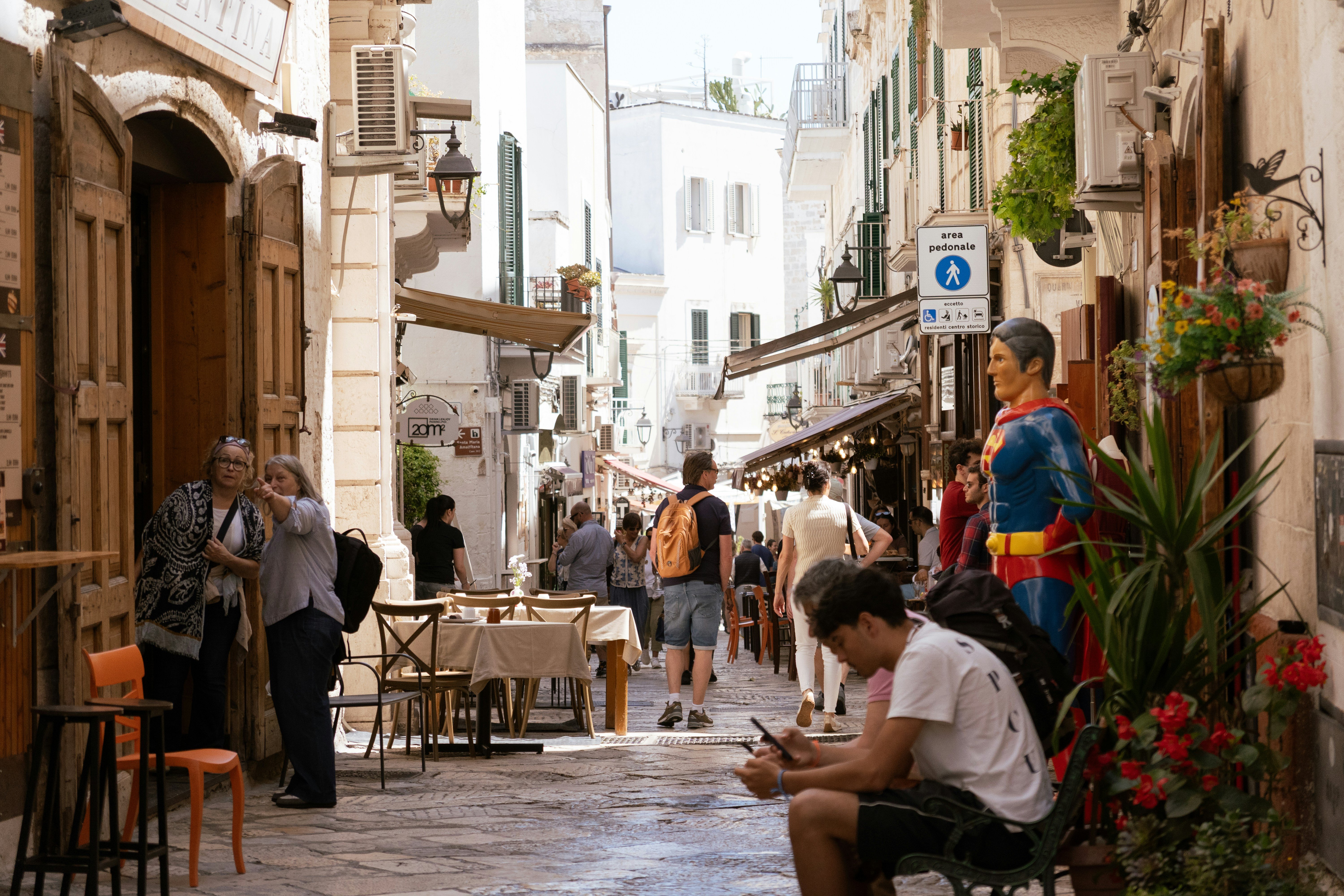
Barese food is simple, generous and cheap, and the best of it is eaten standing up.
Focaccia barese comes first. It is thick, oily and topped with cherry tomatoes and olives, and every Barese has a strong opinion about where to buy it. The two names locals give first are Panificio Fiore, a family bakery behind the cathedral that has been working since around 1930, and Panificio Santa Rita on Strada Vallisa, running since 1921. Locals argue about which is better, and the honest answer is to try both. Bring some cash, as small bakeries are faster that way.
Panzerotti, deep-fried half-moons stuffed with tomato and mozzarella, are the other essential snack. Magda, a long-running family bakery and café, is a favourite with locals for focaccia, panzerotti and fried croquettes, and it is a good warm place to sit on a cold day.
Spaghetti all'assassina is Bari's cult pasta. The spaghetti is cooked directly in a hot iron pan with spicy tomato sauce until it chars and crackles. The dish was born at Al Sorso Preferito in the Murat district, where a cook named Enzo Francavilla improvised it for two customers in 1967. The restaurant is still open on Via De Nicolò, and ordering the assassina there is a small pilgrimage of its own.
For a sit-down meal in the old town, La Uascezze is a small, informal trattoria in Bari Vecchia serving classic Puglian cooking. Look for orecchiette con cime di rapa (with turnip greens, in season in winter) and riso, patate e cozze, a baked dish of rice, potatoes and mussels that Barese grandmothers swear by.
On 6 December itself, eat the way the city eats: hot chocolate and sgagliozze at dawn, focaccia for a late breakfast, and seafood for lunch.
Christmas in Bari
Once the tree is lit on 6 December, the city settles into its Christmas season, which normally runs until Epiphany on 6 January. In recent years a Christmas market has filled Piazza del Ferrarese, a Santa Claus village has taken over Piazza Umberto I near the university, and lights have been strung along the Muraglia and through the old town. Nativity scenes, or presepi, appear in courtyards, church doorways and shop windows all over Bari Vecchia, and hunting for them is a lovely way to spend a slow afternoon.
The Murat district, the grid of 19th-century streets directly south of the old town, is where Baresi shop for Christmas. Via Sparano is the main shopping street, and the Teatro Petruzzelli, one of Italy's great opera houses, sits on Corso Cavour nearby. Check its winter programme, as December performances make a memorable night out.
For a quieter, lesser-known stop, the Russian Orthodox church of St Nicholas on Corso Benedetto Croce, outside the centre, shows another side of the city's bond with the saint.
A 3-Day Bari Itinerary for St Nicholas Week
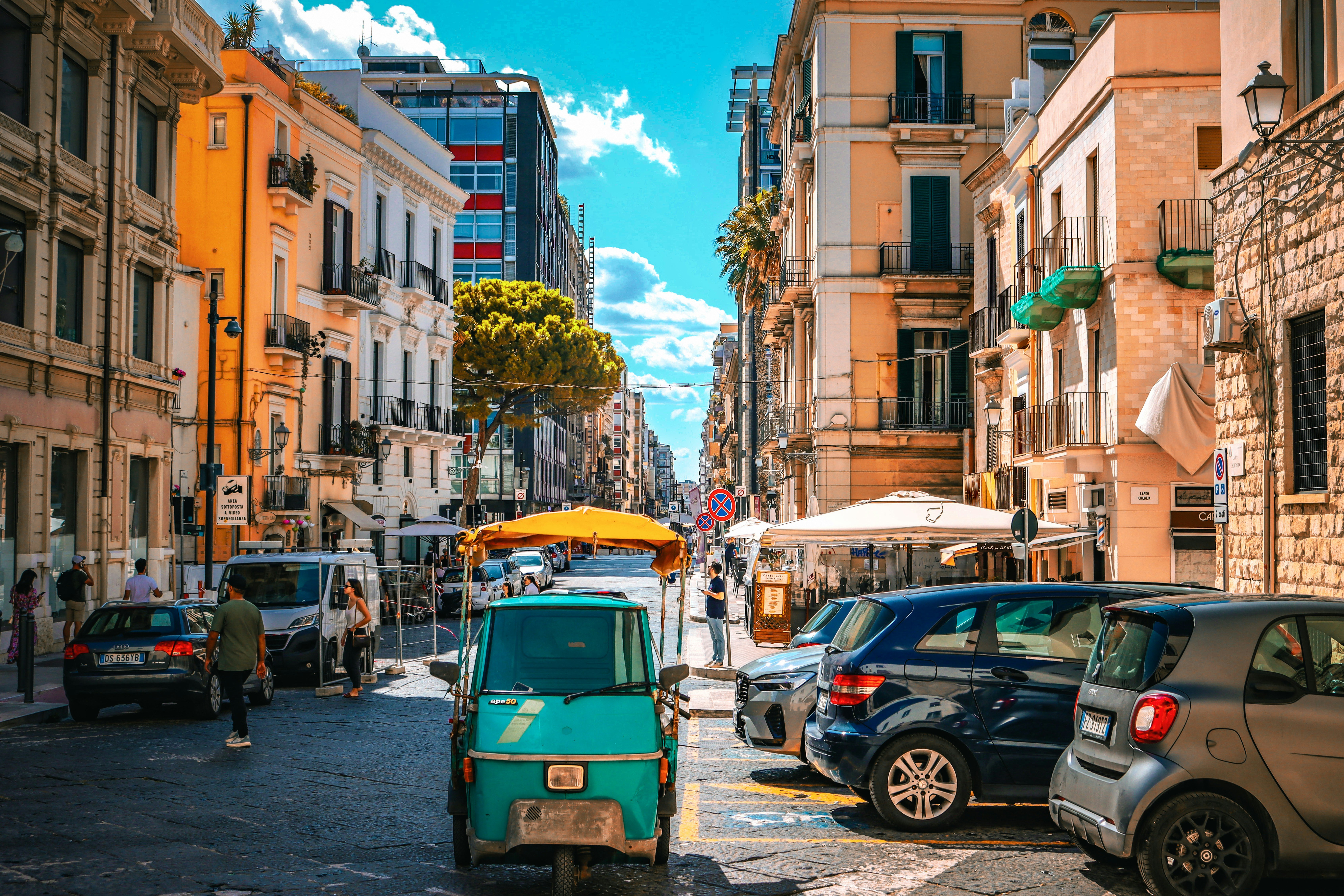
Day 1: Arrival, the Lungomare and the Muraglia
Arrive at Bari Karol Wojtyła airport and take the Ferrotramviaria train to Bari Centrale. It takes about 20 minutes and a single ticket costs €5.30, payable by contactless card at the turnstiles. On Sundays and holidays, check the timetable, as replacement buses sometimes run. Drop your bags, buy a slice of focaccia at Panificio Santa Rita, and walk the Lungomare in the afternoon light. Watch the sunset from the Muraglia, then finish with an aperitivo on the wall.
Day 2: The Feast of St Nicholas (6 December)
Set an alarm for 4am, wrap up warmly and head to the Basilica for the drums, the bagpipes and the dawn Mass. Stay for the torch relay and the hot chocolate, then go back to bed for a few hours. Late morning, walk to N'derr'a la lanze for raw urchins (or watch other people eat them), then wander Strada Arco Alto, Largo Albicocca and the cathedral. Rest in the afternoon, return to the old town for the evening procession, and stand in Piazza del Ferrarese for the tree lighting and fireworks.
Day 3: Murat, Pasta and the Wider City
Have a slow coffee, then explore the Murat district, Via Sparano and the exterior of the Teatro Petruzzelli. Eat spaghetti all'assassina at Al Sorso Preferito for lunch. In the afternoon, visit the Castello Normanno-Svevo or the Russian church, then walk south along the Lungomare to Pane e Pomodoro beach. If you have an extra day, regional trains run from Bari Centrale to Polignano a Mare and Monopoli along the coast, both easy and pretty in winter.
Practical Tips for Bari in December
- Getting around: Bari Vecchia, the Murat district and the Lungomare are all walkable. You will not need a car in the city, and the old town has restricted traffic zones anyway.
- Where to stay: Bari Vecchia puts you closest to the dawn celebrations. The Murat district is quieter at night and closer to the train station.
- Opening hours: Many smaller shops close for a long lunch break, roughly 1pm to 4:30pm, and some restaurants close one day a week. Book dinner for the weekend of 6 to 8 December.
- Safety: Bari Vecchia has a rough reputation from decades past, but today it is a busy, residential area full of families and visitors. Use normal city sense with bags in crowds, especially during the procession.
- Language: English is common in hotels and cafés near the centre, less so in bakeries and at the fish market. A "buongiorno" and pointing work wonders.
Experience Bari with a Local on Lokafy
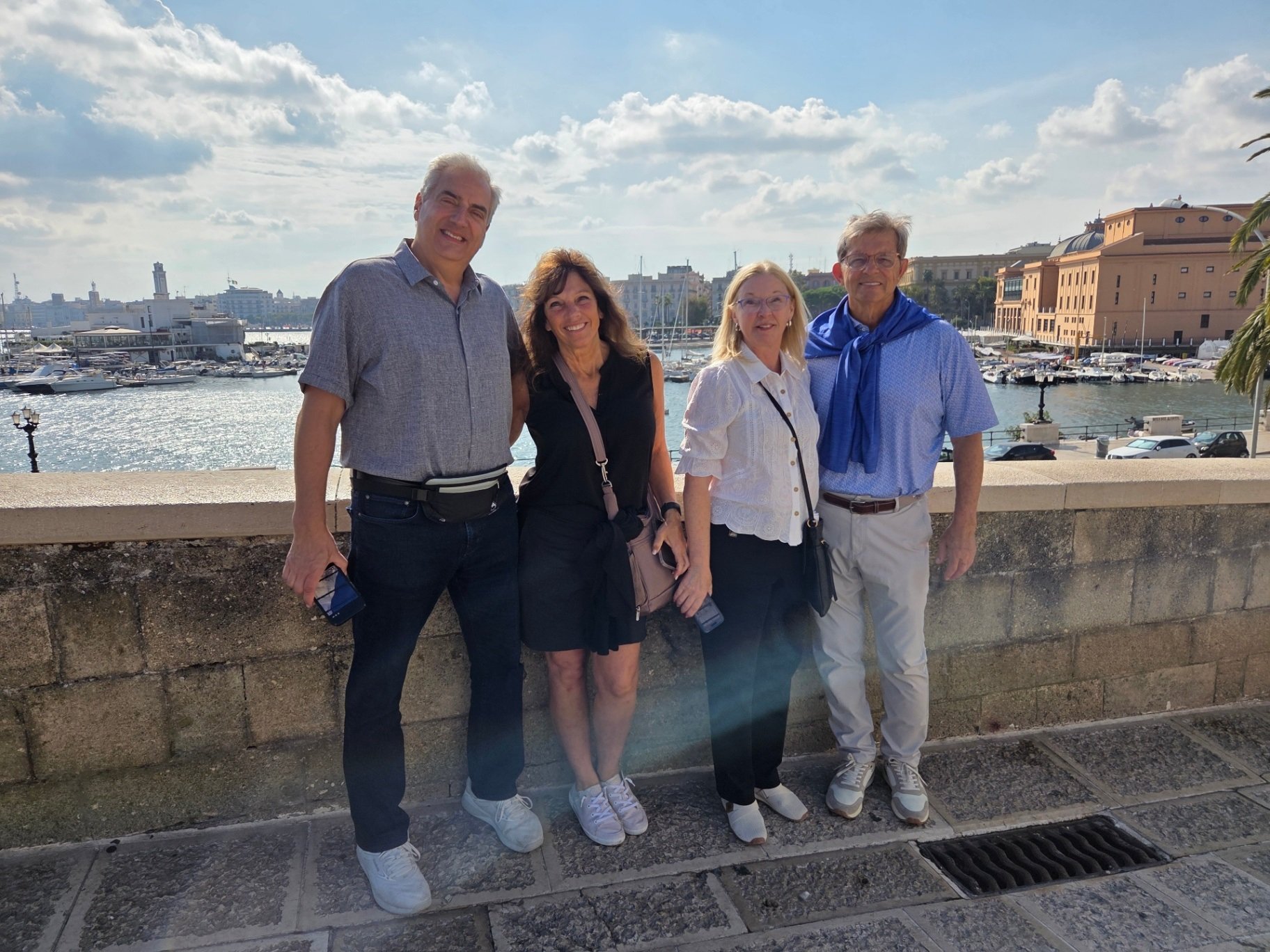
St Nicholas week packs a lot into a few small streets, and most of what makes it special is invisible unless someone shows you. A Lokafyer can meet you at your hotel, walk you through Bari Vecchia's courtyards, tell you which bakery their grandmother swore by, explain what the drummers and torchbearers are doing on 6 December, and help you find a spot in the crowd for the procession. Every tour is private and shaped around your interests, from food to faith to the city's seafaring history.
Take a private, personalised walking experience with Lokafy in Bari and see the city through the eyes of someone who calls it home.
Frequently Asked Questions About Bari
When is St Nicholas Day in Bari?
St Nicholas Day in Bari is celebrated on 6 December, the anniversary of the saint's death and the city's patron saint feast. Bari also holds a larger festival from 7 to 9 May to mark the arrival of his relics in 1087. Orthodox pilgrims who follow the Julian calendar celebrate the December feast on 19 December.
What happens in Bari on 6 December?
The Basilica di San Nicola opens around 4am and the first Mass is held at 5am. Drummers and bagpipe players fill the old town, a torch relay arrives at the Basilica, and locals share hot chocolate with fried polenta squares called sgagliozze. In the evening, a procession carries the saint's statue through Bari Vecchia, the city Christmas tree is lit in Piazza del Ferrarese, and fireworks usually follow.
Is Santa Claus really buried in Bari?
Most of the relics of St Nicholas of Myra, the 4th-century bishop whose secret gift-giving inspired the Santa Claus legend, have rested in the crypt of the Basilica di San Nicola in Bari since 1087. Some fragments are held elsewhere, including Venice.
Is Bari worth visiting in December?
Yes. December in Bari is mild, with daytime highs around 14°C, few tourists, sea urchins in season, and the St Nicholas feast on 6 December followed by a month of Christmas lights, markets and nativity scenes. Some beach-oriented businesses close for winter, but the city itself stays lively.
How many days do you need in Bari?
Two to three days is ideal. That gives you time for Bari Vecchia, the Lungomare, the Murat district and the main food experiences, plus a day for the 6 December celebrations. Add a fourth day for a train trip to Polignano a Mare or Monopoli.
How do I get from Bari airport to the city centre?
The Ferrotramviaria train connects Bari Karol Wojtyła airport to Bari Centrale in about 20 minutes, with a single fare of €5.30. You can pay by contactless card at the turnstiles. From Bari Centrale, the old town is roughly a 15 to 20 minute walk.
What food is Bari known for?
Bari is known for focaccia barese, panzerotti, sgagliozze and popizze, orecchiette pasta handmade in the old town, spaghetti all'assassina, riso patate e cozze, and raw seafood eaten at the old port, especially sea urchins.
Enjoyed this article?