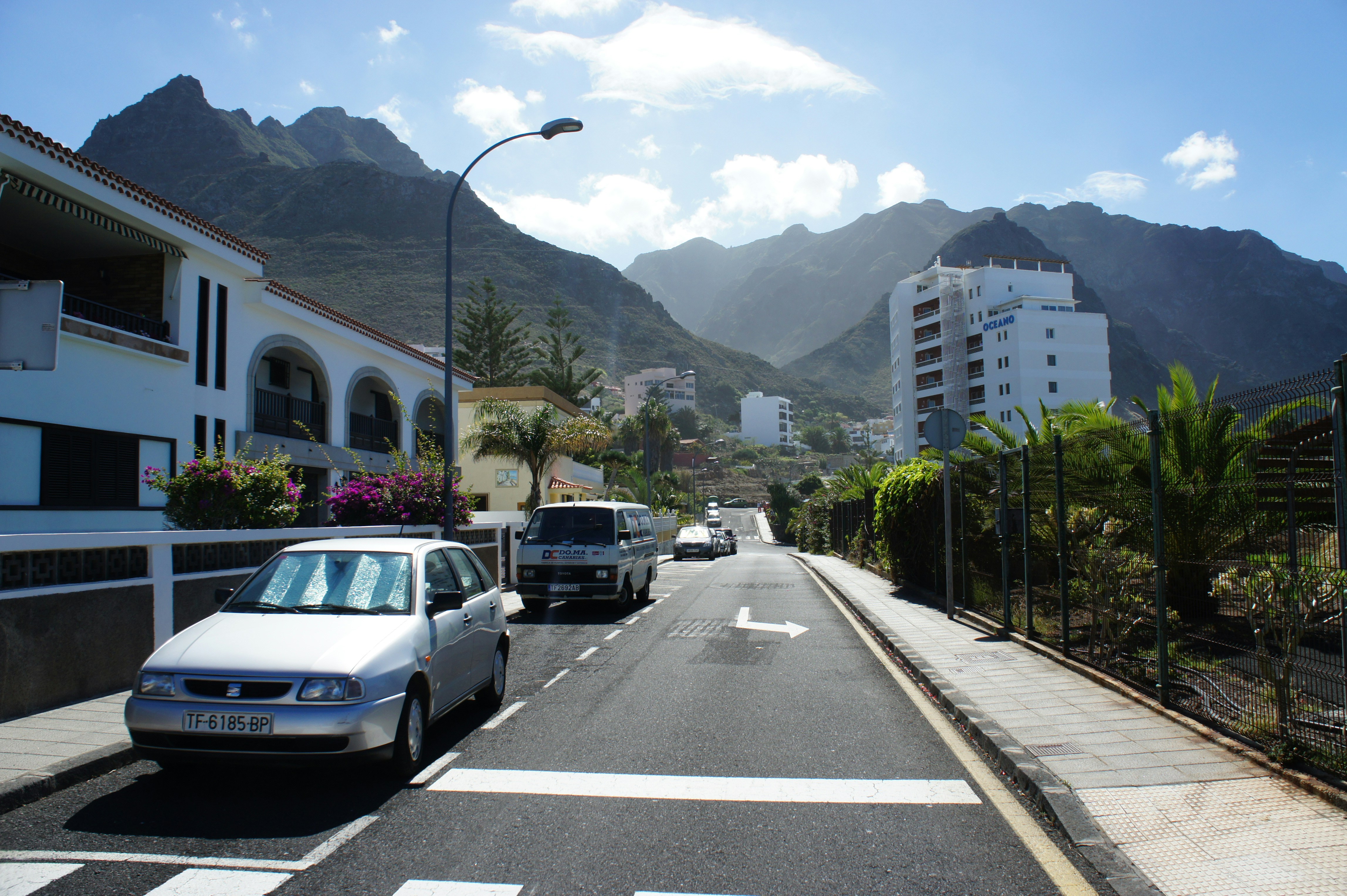
San Cristóbal de La Laguna is one of the most fascinating cities in the Canary Islands. Located in northern Tenerife, the city is known for its colorful colonial houses, historic churches, and lively student culture. Founded in the late 15th century and later recognized as a UNESCO World Heritage Site, its original grid layout became a model for colonial cities across Latin America.
But La Laguna is not a place that reveals itself through a checklist of monuments. The real character of the city appears in quiet courtyards, small family-run restaurants, and cultural spaces tucked between historic streets.
This guide focuses on that side of La Laguna, the hidden viewpoints, local food spots, and the everyday life that residents love. It also looks at a growing conversation happening across Tenerife. Tourism is increasing, and many locals hope visitors will help preserve the independent businesses and cultural spaces that give the city its identity.
Quick Guide: San Cristóbal de La Laguna Key Takeaways for 2026
- Primary Recommendation: Climb the Torre de la Iglesia de la Concepción in the historic center for one of the best views of La Laguna’s rooftops and street grid.
- Top Choice for Local Food: Eat traditional Canarian dishes at Bodegón Tocuyo or Patio Canario La Laguna, both located in the historic center near Plaza de la Concepción.
- Local Vibe: Spend an evening around Calle San Agustín, where small bars, cultural venues, and student hangouts create the city’s everyday social life.
- The Best Way to See The City: Take a personalized walking experience with Lokafy and discover the stories with a Local.
Why Responsible Tourism Matters in La Laguna
San Cristóbal de La Laguna has become increasingly popular with travelers exploring Tenerife beyond the island’s beach resorts. As interest in the city grows, many locals are also thinking carefully about how tourism affects everyday life in the historic center.
“Tenerife, and the Canary Islands in general, are experiencing a rapid growth in tourism that is increasingly affecting local communities. This is also happening in the city of San Cristóbal de La Laguna, where many long-standing local businesses are gradually disappearing and being replaced by large chains.Visitors are encouraged to practice more responsible tourism and to support these local businesses, helping them remain part of the city rather than slowly fading away.”
— Laura M., La Laguna resident and Lokafyer.
Independent cafés, traditional restaurants, and small cultural spaces are a big part of what gives La Laguna its character. Supporting these local businesses helps ensure they remain part of the city’s landscape instead of being replaced by larger chains.
Visitors can make a meaningful impact through simple choices. Eating at locally owned restaurants, attending cultural events, and exploring the historic streets beyond the main squares all help support the community that keeps the city alive.
Hidden Gems & Viewpoints in San Cristóbal de La Laguna
La Laguna is full of historic buildings, but many of its most memorable spots are easy to miss.
Torre de la Iglesia de la Concepción
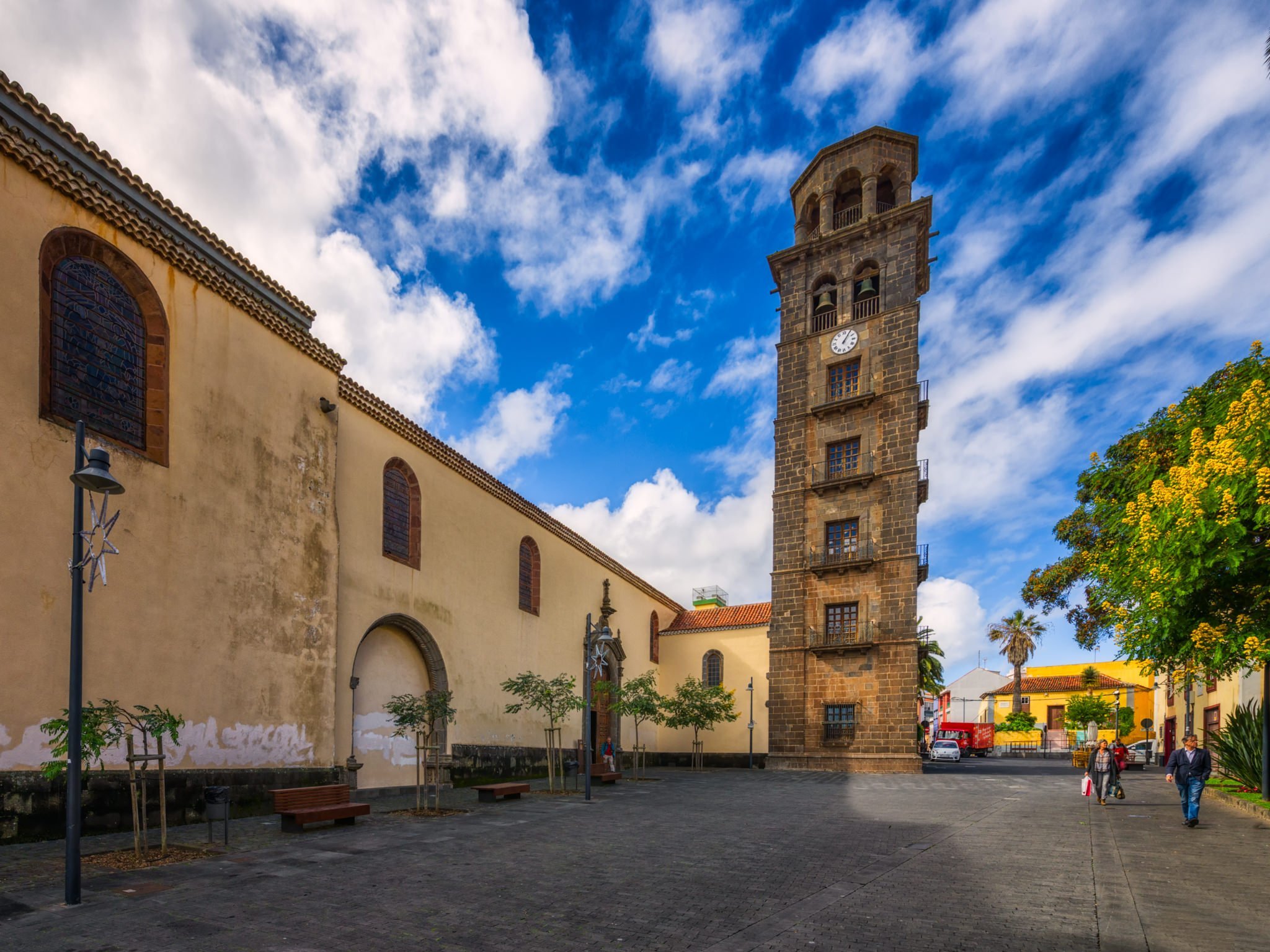
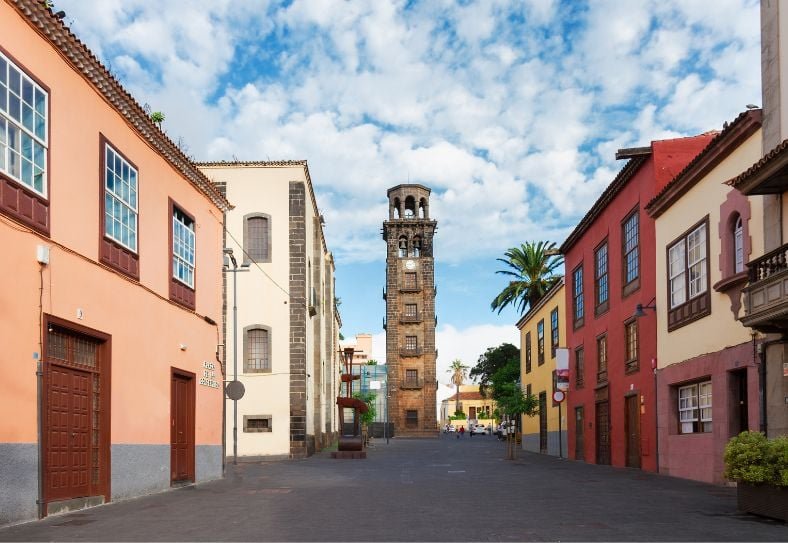
The Iglesia de la Concepción stands in the historic center near Plaza de la Concepción, one of the city’s most important squares.
The church itself is well known, but many visitors do not realize that the tower can be climbed. From the top, you can see the entire layout of La Laguna’s historic center, including the grid-pattern streets that influenced colonial city planning in Latin America.
Because it is located in the heart of the city, the tower is one of the easiest viewpoints to visit during a walk through the historic center.
Mesa Mota Viewpoint
Mesa Mota sits just outside the historic center, about a 10 minute drive from the old town. The area is popular with locals who want fresh air and open views over Tenerife’s northern landscape. On clear days you can even see Mount Teide in the distance.
The park also contains the International Tenerife Memorial, built to commemorate the victims of the 1977 Tenerife airport disaster. There is an ongoing restoration project for local flora, making it a great spot to see authentic Canarian vegetation while looking back at the city.
Ermita de San Roque
A short walk outside the historic center leads to the small Ermita de San Roque chapel. The surrounding hill offers one of the simplest but most beautiful views back toward La Laguna. It is especially pleasant in the late afternoon, when the light hits the pastel-colored buildings in the old town.
Unlike the more famous viewpoints in Tenerife, this area remains quiet and mostly visited by residents.
Teatro Leal Rooftop
The Teatro Leal is one of La Laguna’s main cultural venues, located near the central pedestrian streets of the old town. Its rooftop terrace is not normally open to visitors but becomes accessible during certain cultural events hosted at the theater, particularly those held in La Sala de Cámara.
For travelers interested in the local arts scene, attending one of these events offers both a cultural experience and an unusual view of the city.
The Art of the Canarian Courtyard
La Laguna’s architecture is famous for its "patios", interior courtyards that act as private oases.
Casa Salazar
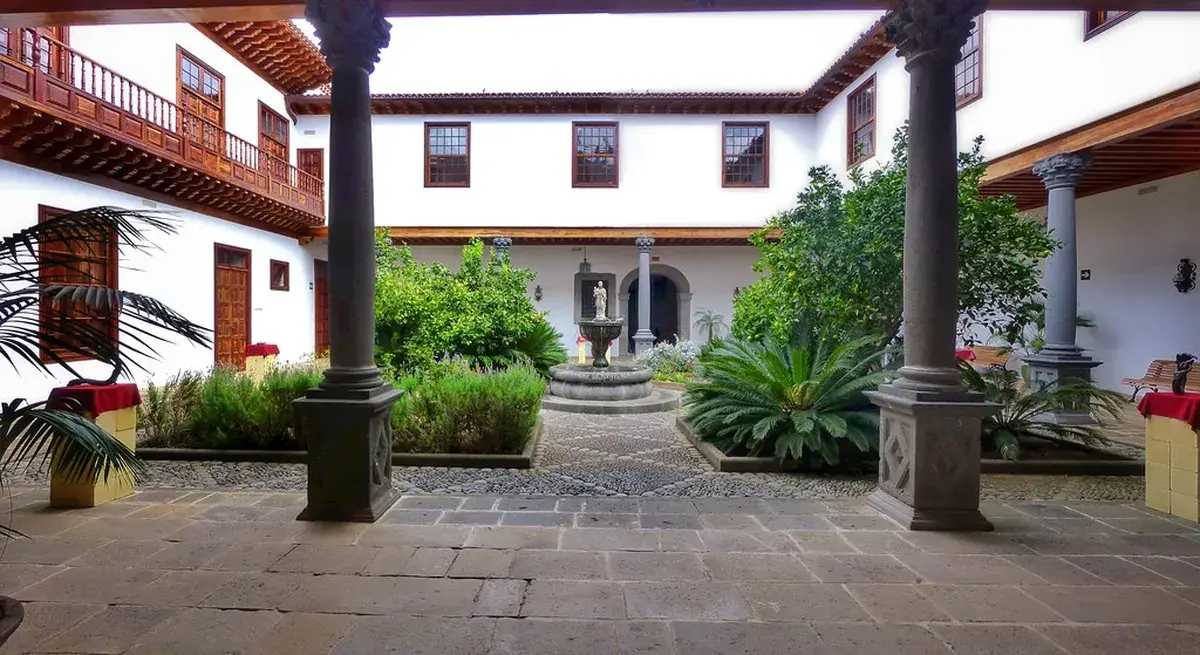
From the street, Casa Salazar looks like another historic building among many in the old town.
Inside, however, is a traditional Canarian courtyard with wooden balconies and stone columns. Buildings like this reflect the architectural style of La Laguna’s colonial period, where interior patios provided light and ventilation in large houses.
Calle San Agustín
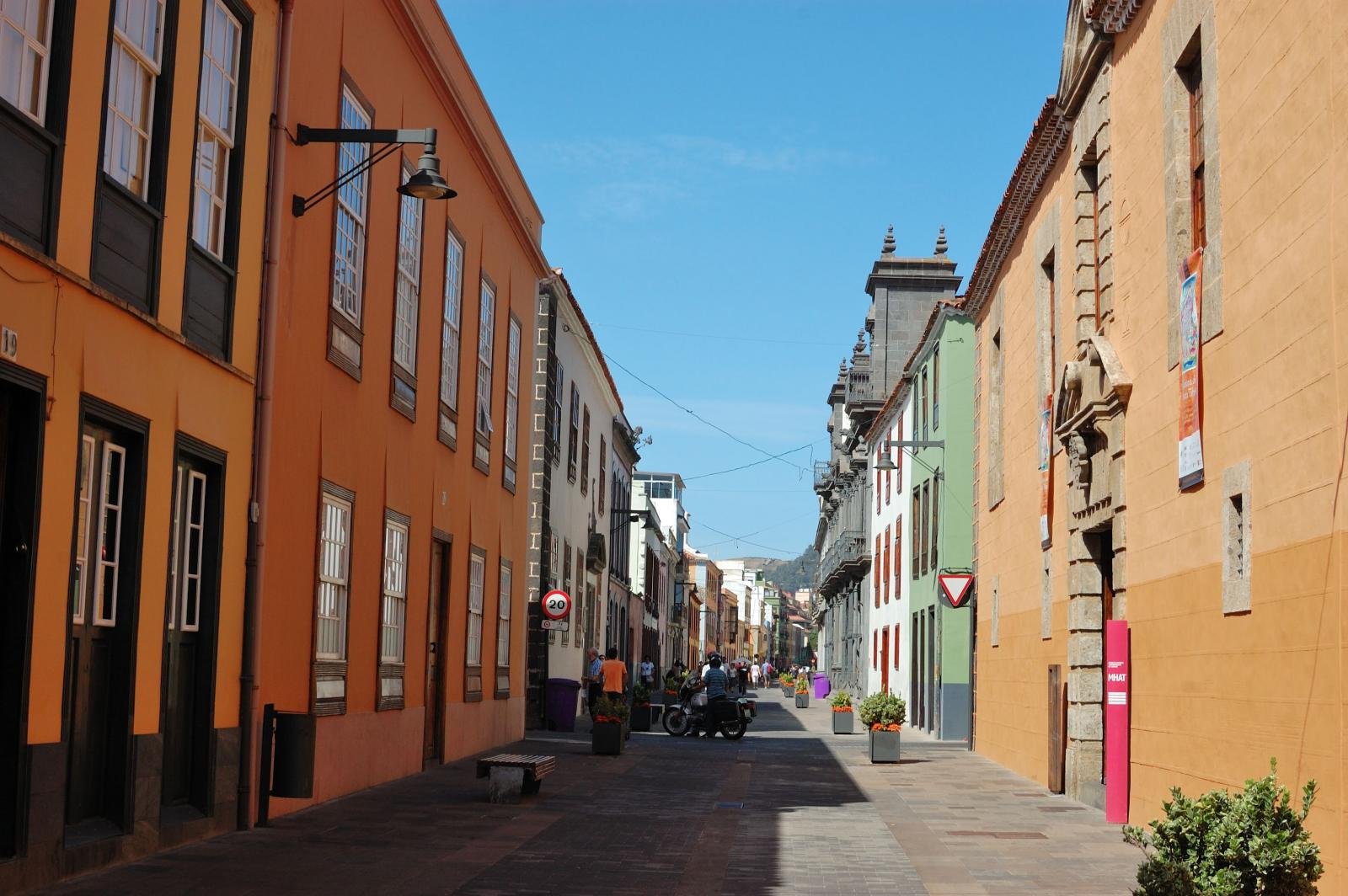
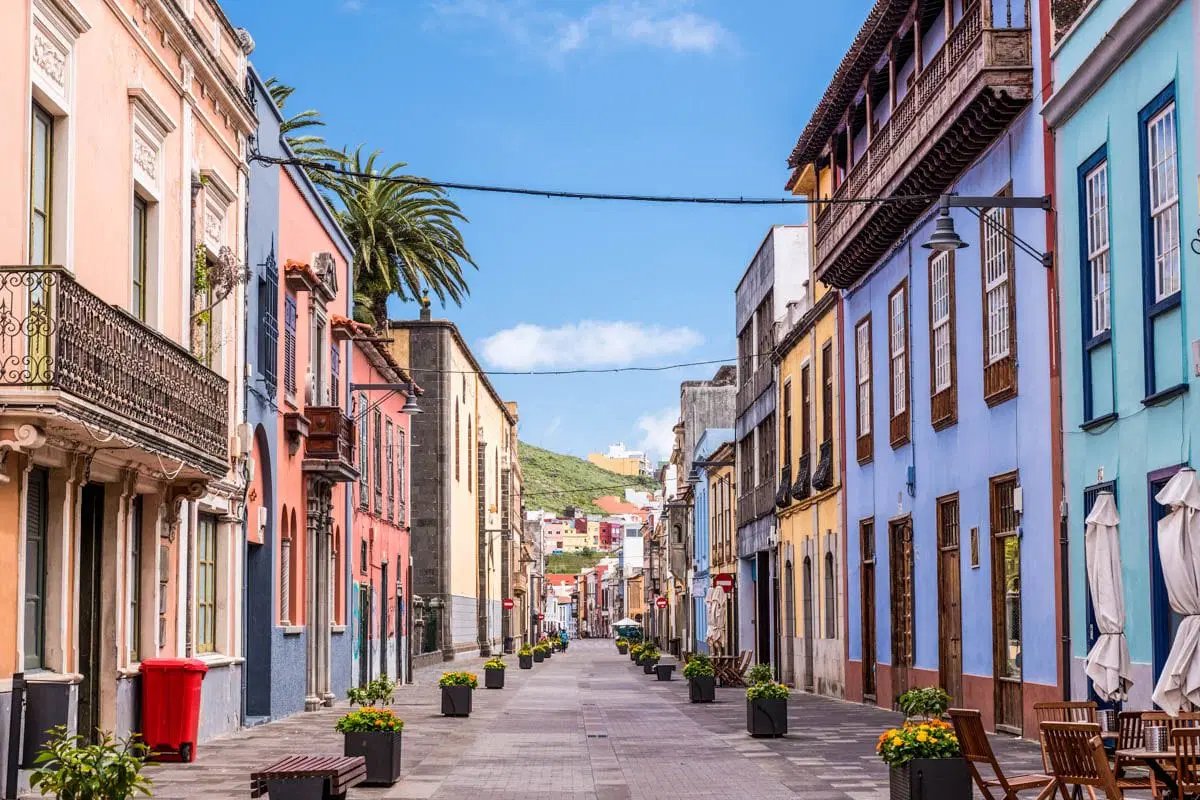
Calle San Agustín is one of the most beautiful streets in La Laguna.
Historic houses line both sides of the street, many with carved wooden balconies and interior patios. If a doorway happens to be open, you may catch a glimpse of gardens or inner courtyards hidden behind the facades. This street also connects several important landmarks and museums in the historic center.
Hospital de Nuestra Señora de los Dolores
Located near the main library, this building hides a tiny, historic courtyard that most people walk right past. It is a testament to the city’s 16th-century origins.
Where to Eat in San Cristóbal de La Laguna
The food scene in La Laguna is a mix of traditional "Guachinches" (rustic local eateries) and a unique historical connection to Latin America.
Traditional Canarian Restaurants
Bodegón Tocuyo
Located near the historic center, Bodegón Tocuyo is known for traditional dishes served in a relaxed, local setting. One specialty worth trying is vino con vino, a local style of wine pairing popular in Tenerife.
Patio Canario La Laguna
This restaurant focuses on classic island recipes. Typical dishes include Papas arrugadas with mojo sauce, Fresh fish dishes from the Atlantic and Slow-cooked meat stews. Seafood and fish are central to Canarian cuisine, often served with local sauces like mojo rojo or mojo verde.
Bar Asador Los Guanches and Tasca El Obispado
Both restaurants are good options for travelers looking for authentic local cooking rather than tourist menus. These smaller restaurants reflect the traditional dining culture of the Canary Islands.
Guachinche La Cueva de Casiano
While many guachinches are in the countryside, this brings that authentic, rustic vibe closer to the city. Expect large portions of ropa vieja or garbanzas.
Taberna La Casa De Oscar
A cozy environment perfect for sharing small plates of papas arrugadas (wrinkled potatoes) with mojo sauce.
Venezuelan Influence in La Laguna
There is a deep history of migration between the Canary Islands and Venezuela. Many families moved between the two over the last century, bringing back flavors that are now part of the local DNA.
Arepera 23
Arepas are cornmeal pockets filled with meats, cheese, beans, or vegetables. This Venezuelan classic has become a favorite in La Laguna thanks to places like Arepera 23.
Naguara
Another spot that celebrates the connection between Venezuela and the Canary Islands. Expect bold flavors and a casual atmosphere.
Zumería Tamarindo
A great stop for fresh juices and light meals. The menu blends Latin flavors with healthy options, making it popular with students and locals.
Vegan and Plant-Friendly Restaurants
While not strictly traditional, La Laguna also has several restaurants with good plant-based options. Two notable spots include:
- El Anticuario Libanés
- Rapakoshi
Vegan visitors can also enjoy plant-based arepas at many Venezuelan restaurants.
Sustainable Shopping
If you want to cook for yourself or take a piece of Tenerife home, head to the Plaza del Cristo Market. This is where farmers from the north of the island bring their produce. Buying here ensures your money goes directly to Canarian growers rather than large supermarkets

The Social Life of La Laguna: How to Spend Your Time
One of the best ways to experience the city is to follow the daily rhythm locals enjoy.
The "Aperitivo" Tradition
Weekends often start with aperitivo, a relaxed morning gathering that begins with a drink and small bites. What begins as a late breakfast can easily stretch into the afternoon as friends move from bar to bar around Plaza de la Concepción and nearby streets.
Cultural Evening Hubs
If you are looking for poetry, live music, or art, avoid the tourist bars and head to these community spaces:
- La Panera Espacio: An art gallery that frequently hosts poetry events.
- El Rincón de Tintín: The best spot for intimate live music performances.
- Bar Sócrates: A hub for trivia nights, educational talks, and creative locals.
Many of these events are announced through the local cultural calendar at lagenda.org.
Festivals and Seasonal Events
- July (Baile de Magos): If you are here in mid-summer, you’ll see the city transform. People dress in "traje de mago" (traditional costume) for a night of folk music and communal dining in the streets.
- September 14th (Día del Cristo): A major local celebration featuring impressive fireworks at the Plaza del Cristo. It is one of the most important annual celebrations in the city.
A Perfect One-Day Itinerary in La Laguna
Morning
Start your day at Plaza de la Concepción with coffee at a local café. Then climb the tower of Iglesia de la Concepción for panoramic views of the historic center. Walk along Calle San Agustín to admire the colonial houses and courtyards.
Afternoon
Have lunch at Patio Canario or Bodegón Tocuyo. After lunch, visit hidden courtyards like Casa Salazar or explore small museums in the historic center. If you enjoy walking, head toward Mesa Mota for a short hike and a view of the surrounding landscape.
Evening
Return to the historic center and wander between small bars around Calle Heraclio Sánchez or Plaza de la Concepción. If you are lucky, you might stumble upon a poetry reading, live music performance, or open mic night.
Frequently Asked Questions About San Cristóbal de La Laguna
Is La Laguna worth visiting in 2026? Yes, and more so than ever for travellers who want something beyond the resort experience. La Laguna is a fully functioning, culturally active city with a UNESCO-protected historic centre, an excellent food scene, and a social life that has nothing to do with mass tourism. It is genuinely different from anywhere else in Tenerife.
How long should I spend in La Laguna? A minimum of a full day to do it justice, though two days allows for a slower rhythm and the chance to catch an evening event. Many people base themselves here for a Tenerife trip entirely, using the tram to access Santa Cruz and the car or bus network to reach the rest of the island.
What is the best time of year to visit La Laguna? La Laguna is at altitude and has a cooler, sometimes misty microclimate compared to coastal Tenerife. July brings the Baile de Magos; September 14th is Día del Cristo. Outside these festivals, the city has cultural events year-round. The Canary Islands have mild temperatures throughout the year, making any month viable.
Is La Laguna safe for tourists? Yes. The city is a functioning university town with active public spaces and no particular safety concerns for visitors. Standard urban awareness applies, as it would anywhere.
How do I get to La Laguna from the southern resorts? By car via the TF-1 motorway, approximately 45 to 60 minutes from Costa Adeje and the south. By public transport, take a bus to Santa Cruz de Tenerife and then the tram north to La Laguna. Journey times vary but the tram connection from Santa Cruz is fast and direct.
What food should I try in La Laguna? Papas arrugadas with mojo, gofio in any form it appears, fresh fish prepared simply, slow-cooked goat or pork, and an arepa from one of the Venezuelan-influenced spots. Vino con vino at Bodegón Tocuyo if you drink. An aperitivo anywhere on the Plaza de la Concepción regardless.
Are there vegan options in La Laguna? Yes. El Anticuario Libanés and Rapakoshi are both recommended for plant-based eating. Several of the arepa spots are also accommodating for vegetarian and vegan diners, given the range of possible fillings.
How far is La Laguna from Tenerife North Airport? The city is located about 3 kilometers from Tenerife North Airport, making it one of the closest historic cities to an airport in Spain.
What is the best way to explore La Laguna? Walking is the best option. The historic center is compact, pedestrian friendly, and designed around a grid layout that makes navigation easy.
How do I experience La Laguna like a local? Spend time in small restaurants and cultural spaces rather than rushing between monuments. Attend local events, try traditional food, and explore residential streets beyond the main squares.
Experience San Cristóbal de La Laguna like a Local
San Cristóbal de La Laguna rewards slow travel. Instead of rushing through landmarks, take time to wander its streets, sit in its plazas, and discover the hidden corners locals cherish.
From historic courtyards to family-run restaurants and late-night poetry readings, the city reveals its character piece by piece. And the best way to experience it is alongside someone who knows it well.
Want to explore La Laguna with a Local? Take a personalized walking experience with Lokafy and discover the stories behind the city’s streets.
This guide was written with insights from Laura M., a La Laguna resident and Lokafy contributor. Lokafy connects travellers with local guides and residents who know their cities the way no guidebook can. If you want to see La Laguna the way locals do, that is precisely the point.
Enjoyed this article?